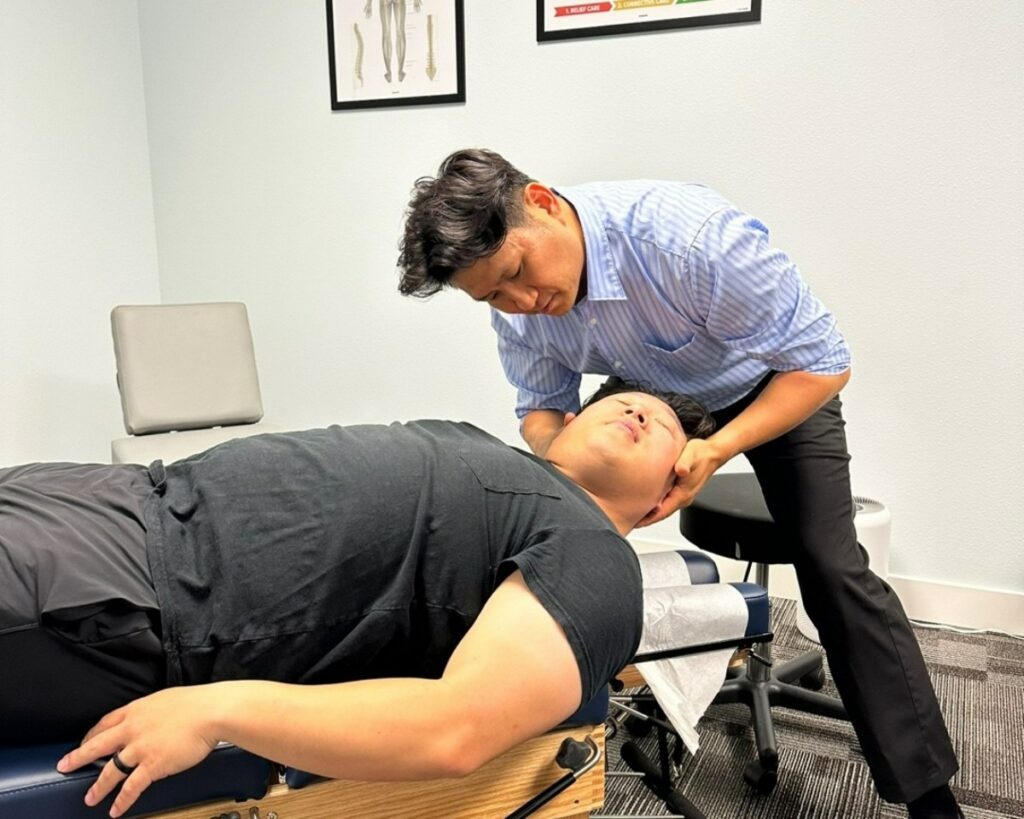

As a local chiropractor, I often see patients who are struggling with back pain, and I can tell you firsthand how debilitating it can be. One of the most common culprits behind this discomfort is poor posture. Many individuals may not realize how significantly posture affects their overall spinal health and well-being.
By gaining an understanding of good posture principles, you can begin to make simple yet impactful changes in your daily routine. For instance, creating an ergonomic workspace can help alleviate strain on your back while you work. Additionally, incorporating strengthening exercises into your regimen can help support your spine and improve your posture over time.
Let’s work together to explore these strategies and see how making these adjustments can lead to a transformation in your daily life, ultimately reducing your back pain and enhancing your overall health. Together, we can embark on a journey toward natural healing and improved comfort.
Understanding the Impact of Poor Posture on Back Pain
As a local chiropractor, I want to share how poor posture can significantly impact your back health. When you slouch or hunch over, it’s not just about how you appear to others; it’s also about the strain you’re placing on your back. Poor posture affects the muscles and ligaments that support your spine, leading to a range of issues.
When you lean forward or round your shoulders, you create extra tension on your spine and its surrounding structures. Over time, this can manifest as discomfort, stiffness, and even chronic pain.
Moreover, slouching disrupts your body’s natural spinal alignment, which makes it harder for your body to support itself properly. Your muscles can become overworked as they attempt to compensate for this misalignment, resulting in fatigue and tension.
This misalignment can also limit your mobility, turning everyday activities into challenges.
Understanding the impact of poor posture is crucial for your overall well-being. By addressing these posture-related issues, you can take proactive steps toward better spinal health and improved quality of life.
I encourage you to be mindful of your posture and consider how chiropractic care can help restore balance and alleviate discomfort.
Key Posture Principles to Implement Daily
As a local chiropractor, I want to help you understand how simple adjustments to your daily routine can significantly improve your posture and overall well-being.
It all begins with being aware of your alignment. Aim to keep your ears, shoulders, and hips in a straight line throughout the day. When sitting, choose a chair that properly supports your lower back and allows your feet to rest flat on the ground.
It’s crucial to avoid slumping or leaning forward, as these habits can put unnecessary strain on your spine.
In addition, I encourage you to take regular breaks from prolonged periods of sitting or standing. Setting a timer to remind yourself to stand up, stretch, or take a short walk every hour can work wonders.
This movement not only helps maintain your flexibility but also reduces stiffness that can lead to discomfort.
Lastly, I recommend engaging your core muscles throughout the day. Whether you’re standing or sitting, keeping your core slightly activated provides essential support for your back.
By incorporating these straightforward principles into your daily life, you’ll find yourself on a path to improved posture and reduced back pain in no time.
Exercises to Strengthen Postural Muscles
As a chiropractor, I often emphasize the importance of strengthening the muscles that support proper posture. A few targeted exercises can make a significant difference in your overall spinal health and comfort.
Let’s start with planks. This exercise is fantastic for engaging both your core and back muscles. Begin by holding a plank position for about 20-30 seconds. As you build strength, you can gradually increase the duration. This will help stabilize your spine and improve your posture over time.
Next, I recommend wall angels. Stand with your back against a wall, raising your arms to form a goalpost shape. Slowly slide your arms up and down while maintaining contact with the wall. This movement not only enhances shoulder mobility but also strengthens your upper back muscles, which are crucial for good posture.
Bridges are another excellent exercise. Lie on your back with your knees bent and feet flat on the floor. Lift your hips towards the ceiling, squeezing your glutes at the top. This exercise strengthens your lower back and glute muscles, which play a vital role in supporting your spine.
Lastly, incorporating rows using resistance bands or weights can effectively target your upper back. Aim for 10-15 repetitions of this exercise.
By regularly practicing these exercises, you can enhance your posture and alleviate any back pain you may be experiencing.
Ergonomic Adjustments for Work and Home
As a local chiropractor, I want to emphasize the importance of making ergonomic adjustments in both your work and home environments to support your overall health and alleviate back pain.
First and foremost, your chair should provide adequate support for your lower back. Ensure that your feet are flat on the floor and your knees are in line with your hips—this alignment plays a crucial role in maintaining good posture.
It’s also vital to set up your workstation correctly. When typing, your elbows should be bent at a 90-degree angle, which allows your shoulders to relax. If you spend a lot of time on a computer, make sure your monitor is positioned at eye level to prevent unnecessary strain on your neck.
Consider incorporating a standing desk or an adjustable workstation into your routine. This allows you to alternate between sitting and standing throughout the day, which can help reduce tension in your back and promote better circulation.
At home, be mindful of your seating arrangements. Cushions can provide additional support on your couches or chairs, making it easier for your spine to maintain its natural curvature.
When lifting heavy items, remember to bend your knees and keep the object close to your body. This technique helps prevent strain on your back and minimizes the risk of injury.
By making these small yet impactful changes, you can significantly improve your posture and overall comfort, which in turn can help alleviate back pain over time.
If you have any questions about how chiropractic care and natural healing can further support your well-being, I’m here to help!
Mindfulness Techniques to Maintain Good Posture
As a local chiropractor, I often emphasize that while ergonomic adjustments can significantly improve your physical setup, maintaining good posture also requires a mindful approach throughout your day.
Being conscious of your body and its alignment can help prevent issues like slouching or back strain. Here are some mindfulness techniques I recommend to help you stay aligned:
- Set Reminders: Consider using alarms or sticky notes in your workspace to prompt you to check your posture regularly. It’s a simple yet effective way to keep your alignment in mind.
- Breathe Deeply: Taking a moment to focus on your breath can be incredibly beneficial. Deep breathing not only helps you relax but also encourages a natural realignment of your body.
- Body Scans: Periodically take a mental inventory of how your body feels. Are you holding tension in certain areas? If so, make the necessary adjustments to relieve that tension.
- Mindful Movements: Whether you’re sitting, standing, or walking, pay close attention to the way you move. Being mindful of your posture during these activities can create lasting habits that support your spine.
- Visualization: A helpful technique is to visualize a string gently pulling you up from the crown of your head. This can inspire a tall, straight posture and remind you to engage your core.
Incorporating these techniques into your daily routine can lead to lasting benefits for your posture and overall spinal health.
If you have any questions or need further guidance, feel free to reach out during your next visit!