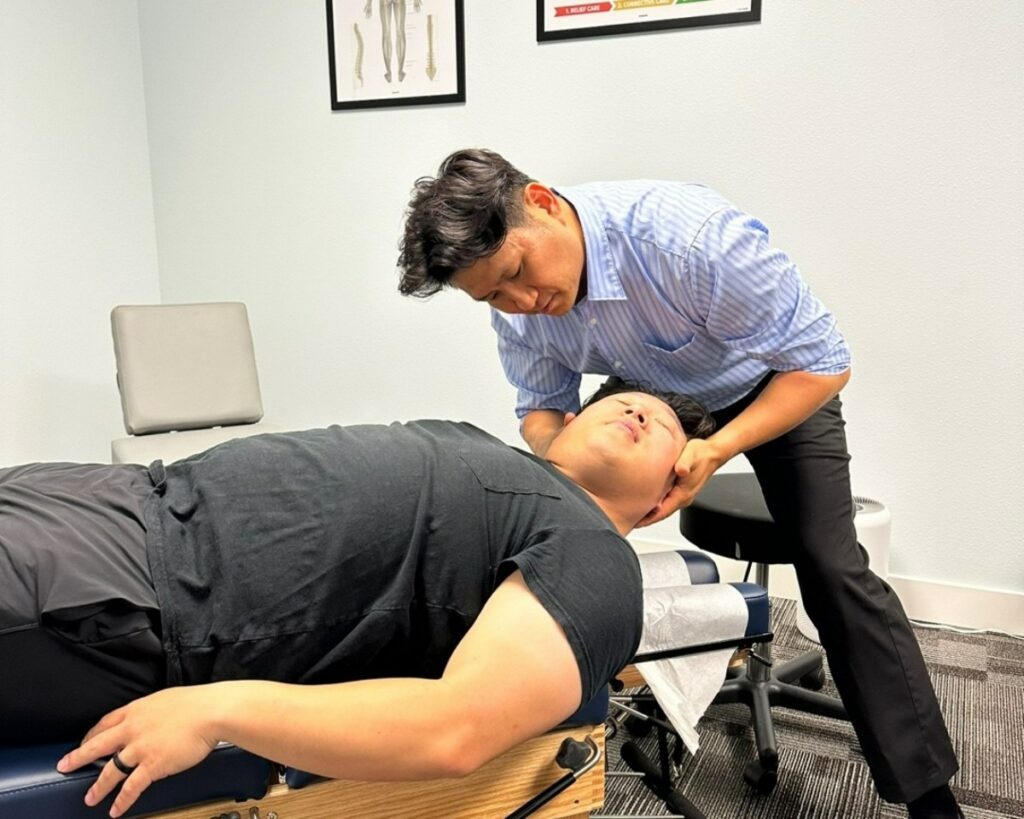

As a local chiropractor, I want to share some insights about finding relief from neurological disorders. You may not be familiar with the wide range of treatment options available, but chiropractic care can play a significant role in managing symptoms and improving your overall quality of life. While many people consider medication or cognitive behavioral therapy, I encourage you to explore how natural healing methods, including chiropractic adjustments, can help alleviate discomfort.
Chiropractic care focuses on the connection between your spine and nervous system, which can be crucial for those experiencing neurological issues. By addressing spinal misalignments and promoting proper nerve function, we can support your body's natural ability to heal. Additionally, lifestyle changes such as nutrition, exercise, and stress management can complement your treatment and enhance your well-being.
Innovative techniques like neuromodulation are also gaining recognition in the field of natural healing. These methods, combined with chiropractic adjustments, can provide a holistic approach to managing neurological conditions. As we discuss these top 10 treatments, I encourage you to consider how chiropractic care might fit into your journey toward relief. Together, we can explore the possibilities and help you take charge of your health in a way that transforms your experience with these conditions.
Medication Options
When it comes to managing neurological disorders, understanding your options for care is crucial, and that includes considering chiropractic care and natural healing methods. As a chiropractor, I believe in a holistic approach that aims not only to alleviate symptoms but also to enhance your overall quality of life.
Many people may not realize that neurological symptoms can often be linked to musculoskeletal issues. By addressing the spine and nervous system through chiropractic adjustments, we can help restore proper alignment and function, which may reduce symptoms associated with neurological conditions. This approach can be particularly beneficial for those experiencing discomfort related to conditions such as headaches, neck pain, or even muscle stiffness.
While traditional medication options, such as antidepressants or anticonvulsants, may be prescribed by your healthcare provider, it's important to explore natural alternatives as well. For instance, chiropractic care can provide relief from muscle spasms and stiffness without the need for muscle relaxants. By improving mobility and reducing tension in the body, you may find that everyday activities become more manageable.
Additionally, for those dealing with nerve pain, chiropractic adjustments can support nerve function and potentially alleviate discomfort. This natural healing method focuses on the body's ability to heal itself, often reducing the need for pain medication.
As with any treatment plan, it's vital to communicate openly with your healthcare provider about your symptoms and any concerns you may have. If you're considering chiropractic care, I encourage you to discuss it with your doctor to determine how it may fit into your overall strategy for managing your neurological condition.
Ultimately, finding the right balance of treatments, whether they be medications or natural therapies like chiropractic care, is a collaborative effort. Together, we can work towards a solution that enhances your health and well-being.
Physical Therapy
Chiropractic care can play a vital role alongside other treatments like physical therapy in managing neurological disorders. While physical therapy primarily focuses on improving movement and functionality through targeted exercises, chiropractic care complements this by addressing spinal alignment and overall body function. If you're navigating the challenges of a neurological condition, a chiropractor can help optimize your body's systems, which may be impacted by your disorder.
During your visits, I'll assess your specific needs and work with you to formulate a personalized treatment plan that aligns with your health goals. This tailored approach can significantly enhance your recovery journey. You might experience adjustments aimed at improving your range of motion or techniques designed to relieve tension and enhance overall mobility.
Incorporating chiropractic care into your treatment strategy can also assist in alleviating pain and reducing stiffness. Techniques such as spinal adjustments, soft tissue therapy, and other natural healing modalities can provide relief and foster healing. Many patients find that these methods not only enhance their physical capabilities but also contribute positively to their confidence and overall quality of life.
Regularity is crucial in chiropractic care. Attending your sessions consistently and adhering to my recommendations for at-home practices will maximize your progress. Additionally, I can provide you with insights on how to modify your daily activities to reduce strain and improve your mobility.
Occupational Therapy
Chiropractic care is dedicated to helping you achieve greater independence in your daily life by addressing the root causes of discomfort and dysfunction.
Through various techniques and personalized approaches, we aim to make everyday activities more manageable for you.
By setting clear health goals, chiropractic care empowers you to improve your overall well-being and enhance your quality of life naturally.
We believe that with the right support, you can regain control and enjoy a more vibrant, active lifestyle.
Goals of Occupational Therapy
In the realm of promoting overall well-being, chiropractic care emphasizes restoring functionality and enhancing daily living skills for individuals dealing with various health challenges, including neurological disorders. Our approach is personalized, focusing on your unique needs and specific difficulties.
As a chiropractor, I work with you to identify areas where you may be experiencing discomfort or limitations, such as mobility, balance, or general wellness. One of our primary goals is to improve your ability to perform essential daily tasks. This may involve addressing underlying issues that hinder your movement and breaking down activities into simpler, more manageable steps.
By doing so, we aim to help you regain confidence and competence in your physical abilities. Additionally, we focus on fostering adaptive strategies to help you navigate your environment more effectively, whether through spinal adjustments, exercises, or lifestyle modifications.
Furthermore, chiropractic care is dedicated to enhancing your overall quality of life. By prioritizing holistic and meaningful activities, we encourage you to engage in hobbies, social interactions, and community involvement that contribute to your well-being.
Ultimately, our goal is to empower you to reclaim your independence, improve your physical health, and enjoy a better quality of life as you face the challenges associated with your condition.
Techniques and Approaches Used
As a local chiropractor, I want to introduce you to the various techniques and approaches we use to help you achieve your health and wellness goals through natural healing.
One effective method is functional movement training, where we focus on exercises that mimic everyday activities. This hands-on approach allows you to develop strength and flexibility that are essential for your daily tasks, promoting greater independence and overall well-being.
Another important aspect of chiropractic care is the use of supportive tools and equipment. We may recommend items like ergonomic chairs or posture-correcting devices that can make a significant difference in your comfort and ability to perform daily activities. These tools can greatly enhance your confidence and help you tackle tasks that may have felt daunting.
In addition, cognitive wellness is an integral part of our practice. If you're facing challenges with focus or mental clarity, we can guide you through strategies and exercises that bolster these cognitive functions, making your daily life more manageable and enjoyable.
Lastly, we often incorporate sensory techniques to improve your overall body awareness and coordination. By engaging your senses, we can help you enhance your physical functioning and well-being.
Through these diverse methods, I tailor a chiropractic care program specifically for you, ensuring that each approach aligns with your unique needs and health goals.
With consistent care and the right techniques, you'll find yourself progressing towards improved health, greater independence, and an enhanced quality of life.
Cognitive Behavioral Therapy
As a local chiropractor, I want to introduce you to the benefits of Cognitive Behavioral Therapy (CBT) and how it can complement your journey toward natural healing.
CBT provides a structured way to understand and manage the thoughts and behaviors that can affect your well-being, especially if you're dealing with neurological disorders.
By exploring various techniques through CBT, you can experience significant improvements in your overall quality of life.
It's not just about physical adjustments; our mental health plays a crucial role in our healing process.
Research has shown that the positive impacts of CBT can be long-lasting, making it an excellent option for those seeking sustainable relief.
Together, we can integrate these approaches to support your health holistically!
Therapy Techniques Overview
Many individuals dealing with neurological disorders have found relief through various natural healing methods, including chiropractic care. This holistic approach focuses on the connection between the body's structure, particularly the spine, and its function, which can significantly impact overall well-being. By addressing misalignments in the spine, chiropractors aim to enhance nervous system function, potentially alleviating symptoms associated with anxiety, depression, or stress tied to your condition.
During your visits, a chiropractor will guide you through a series of techniques designed to promote healing. This may include spinal adjustments to correct misalignments, which can help improve your body's natural ability to heal itself. You might also be introduced to gentle exercises and stretches that can help enhance mobility and reduce tension, contributing to a more relaxed state of mind.
Furthermore, you'll learn about lifestyle modifications and relaxation strategies that can support your journey towards better health. Techniques such as deep breathing and mindfulness may be woven into your care plan, empowering you to take an active role in managing your health and well-being.
Chiropractic care isn't a quick fix; it requires commitment and an open mind to the process. However, the tools and knowledge you gain can lead to meaningful improvements in how you approach and cope with the challenges associated with your neurological disorder.
Benefits for Patients
As a local Chiropractor, I want to share how Cognitive Behavioral Therapy (CBT) can be incredibly beneficial for managing the emotional and psychological challenges that often accompany neurological disorders. While my focus is on physical health and spinal alignment, I recognize that holistic healing includes emotional well-being as well.
CBT helps you identify and transform negative thought patterns that may intensify feelings of anxiety, depression, and stress. By addressing these thoughts, you can gain better control over your emotional responses, which contributes to your overall well-being.
This therapy provides practical coping strategies to tackle daily challenges you might face. It teaches you to break tasks into manageable steps, which can significantly reduce feelings of overwhelm. This skill not only enhances your problem-solving abilities but also supports your journey toward a healthier lifestyle.
Moreover, CBT creates a supportive environment where you can express your feelings without fear of judgment. This safe space allows for open discussions about your experiences, which can be exceptionally healing.
You'll also gain a deeper understanding of how your neurological condition affects your emotions and behaviors, empowering you to make informed choices about your care.
Ultimately, incorporating CBT alongside chiropractic care can lead to greater resilience. You'll feel more equipped to manage your condition, allowing you to face challenges with confidence and improve your overall quality of life.
Long-term Effectiveness
As a local chiropractor, I want to share how Cognitive Behavioral Therapy (CBT) can complement your journey to wellness, especially if you're dealing with neurological disorders.
One of the standout features of CBT is its long-term effectiveness in helping you manage symptoms and enhance your overall quality of life. Unlike some treatments that may only provide temporary relief, CBT offers practical skills that empower you to tackle challenges proactively.
Here are three key ways that CBT can provide lasting benefits:
- Coping Strategies: CBT teaches you to recognize negative thought patterns and replace them with healthier alternatives. This training equips you to manage stress and anxiety more effectively over the long run, which is essential for your overall health.
- Behavioral Changes: By engaging with CBT, you can cultivate positive habits that endure. This may involve setting achievable goals and gradually working towards them, which can significantly improve your well-being and support your chiropractic care.
- Resilience Building: As you practice CBT techniques, you develop greater resilience. This means you'll be better prepared to handle setbacks and maintain your progress, which is crucial for sustaining improvements in your mental and physical health.
With regular practice, CBT can lead to lasting benefits, helping you to lead a more fulfilling life despite any neurological challenges you may face.
As your chiropractor, I encourage you to explore these methods as part of a holistic approach to healing and wellness.
Dietary Changes
As a local chiropractor, I want to share how making dietary changes can significantly enhance the management of neurological disorders. The food you choose to nourish your body plays a crucial role in supporting brain health, and certain dietary patterns can alleviate symptoms while improving overall function. By prioritizing nutrient-dense foods, you're giving your brain the essential vitamins and minerals it requires to operate optimally.
Begin by incorporating a variety of fruits and vegetables into your daily meals. These foods are packed with antioxidants, which are vital for reducing inflammation and oxidative stress within the brain. Leafy greens, vibrant berries, and healthy nuts are particularly advantageous.
Additionally, omega-3 fatty acids—found in fatty fish like salmon, walnuts, and flaxseeds—are crucial for cognitive function and can aid in mood regulation.
It's also wise to limit processed foods and sugars in your diet. These can contribute to inflammation spikes and adversely affect cognitive abilities. Instead, focus on whole grains, lean proteins, and healthy fats.
Remember that staying hydrated is just as important, as dehydration can hinder brain function.
Furthermore, consider the potential benefits of specific dietary patterns. The Mediterranean diet, known for its healthy fats, whole grains, and abundant fruits and vegetables, has been linked to improved brain health and reduced risk of neurodegenerative diseases.
You may also want to explore the ketogenic diet, which has garnered attention for its possible advantages in managing certain neurological conditions.
Alternative Therapies
As a local chiropractor, I want to share some insights on how alternative therapies can complement traditional treatments for managing neurological disorders and enhance your overall well-being.
These holistic approaches can help alleviate symptoms, boost your mood, and encourage relaxation. Let's explore three alternative therapies that could be beneficial to your wellness journey:
1. Acupuncture: Though not a chiropractic treatment per se, acupuncture is an ancient practice that aligns well with our holistic approach. This technique involves the insertion of thin needles into specific points on the body to improve energy flow.
Many patients report experiencing reduced pain, decreased anxiety, and enhanced mental clarity after acupuncture sessions. This can be particularly advantageous for those dealing with neurological challenges.
2. Mindfulness Meditation: In my practice, I often recommend mindfulness meditation as a potent tool for managing stress and anxiety that may accompany neurological disorders.
By concentrating on the present moment, you cultivate a sense of awareness and calm, which can greatly improve emotional resilience. Just dedicating a few minutes each day to this practice can lead to substantial improvements in mental health and overall wellness.
3. Aromatherapy: Essential oils can significantly influence your mood and overall sense of well-being.
Incorporating oils like lavender or chamomile into your daily routine—whether through a diffuser or during a soothing bath—can be a wonderful way to ease anxiety and promote restful sleep. This is especially helpful if you're struggling with sleep disturbances related to your condition.
Integrating these alternative therapies into your wellness regimen can enhance your overall treatment plan.
As always, it's essential to discuss any new therapies with your healthcare provider, including your chiropractor, to ensure they fit safely and effectively into your care strategy.
We're here to support your journey toward better health through natural healing!
Exercise and Fitness
As a local chiropractor, I want to emphasize how incorporating regular exercise into your routine can greatly enhance your neurological health.
By participating in tailored fitness programs, you can address your specific needs, ultimately improving your overall well-being.
Additionally, engaging in physical activity not only strengthens your body but also fosters a vital mind-body connection, allowing you to feel more balanced and in control of your health.
Benefits of Regular Exercise
As a local chiropractor, I want to share how regular exercise can serve as an effective complement to chiropractic care in managing symptoms related to neurological disorders. Incorporating physical activity into your routine not only enhances your overall well-being but also boosts the benefits of the treatments you receive.
Here are some key advantages of regular exercise that I encourage my patients to consider:
- Enhanced Mood: Engaging in exercise triggers the release of endorphins, which are natural mood lifters. This can significantly alleviate feelings of anxiety and depression, leaving you feeling more positive and invigorated after each session.
- Improved Cognitive Function: Physical activity increases blood circulation to the brain, which can enhance cognitive abilities such as memory, focus, and problem-solving. This is particularly valuable for those who may be facing cognitive decline as part of their neurological condition.
- Better Coordination and Balance: Exercises that emphasize strength and flexibility are essential for improving coordination and balance. This is crucial for reducing the risk of falls, a common concern for individuals with neurological disorders.
By incorporating balance and coordination exercises into your routine, you can support your body's overall stability and safety.
By understanding these benefits, you can see how regular exercise, combined with chiropractic care, can lead to significant improvements in your quality of life.
I encourage you to discuss with me how we can integrate exercise into your health plan for better outcomes.
Tailored Fitness Programs
As a local chiropractor, I want to take a moment to emphasize the importance of tailored fitness programs in managing neurological disorders. When it comes to your health, a customized exercise routine is essential for addressing your unique challenges and enhancing your overall well-being.
Unlike generic fitness plans, tailored programs are designed with your specific condition, abilities, and goals in mind. This personalized approach allows us to maximize the benefits of your workouts while ensuring that you stay safe and effective in your practice.
It's crucial to consult with healthcare professionals, like myself, who understand the intricacies of your disorder. I can help you identify safe exercises that will improve your strength, flexibility, and coordination. By incorporating a mix of aerobic activities, strength training, and balance exercises, we can work together to enhance your physical health and potentially alleviate some of your symptoms.
Consistency is key, but it's equally important to remain adaptable. As your abilities evolve, your exercise program should evolve as well. You may notice certain exercises becoming easier or more challenging over time, and it's essential that we adjust your routine accordingly to prevent frustration and reduce the risk of injury.
Furthermore, I encourage you to set achievable goals throughout your fitness journey. Celebrating small victories can keep you motivated and engaged in your progress.
Mind-Body Connection
As a local chiropractor, I want to share with you the significant connection between exercise and mental well-being, especially when it comes to managing neurological disorders.
Regular physical activity isn't only beneficial for your physical health but also plays a crucial role in enhancing your mental resilience. When you exercise, your body releases endorphins—natural chemicals that improve your mood and help alleviate symptoms of anxiety and depression, which are often associated with neurological conditions.
Here are three effective ways to tap into the mind-body connection through exercise:
- Mindful Movement: Consider incorporating activities such as yoga or tai chi into your routine. These practices emphasize breath control and body awareness, promoting a tranquil mind while simultaneously improving your balance and flexibility.
- Aerobic Exercise: Cardiovascular workouts—like walking, swimming, or cycling—are fantastic for increasing blood flow to the brain, which can enhance cognitive function over time. Strive for at least 150 minutes of moderate aerobic activity each week to reap these benefits.
- Strength Training: Engaging in resistance exercises, such as lifting weights, not only builds physical strength but also supports mental clarity. The sense of accomplishment that comes from strength training can significantly boost your overall sense of well-being.
Integrating these practices into your daily routine can lead to a marked improvement in your quality of life, particularly when managing neurological disorders.
As your chiropractor, I encourage you to explore these natural methods of healing and self-care to foster both your physical and mental health.
Mindfulness and Meditation
As a local chiropractor, I want to share how practicing mindfulness and meditation can significantly enhance your overall well-being, especially if you're facing neurological challenges. These techniques encourage you to focus on the present moment, which can help alleviate anxiety and stress—common issues for many individuals dealing with such conditions.
By integrating mindfulness into your daily routine, you can cultivate a sense of calm and stability that supports your overall mental health.
To begin, I recommend setting aside a few minutes each day for mindfulness practices. Find a quiet space where you can sit comfortably, free from distractions. Close your eyes and focus on your breath, taking deep inhalations and slow exhalations. This simple practice can help ground you and center your thoughts.
If your mind starts to wander, gently redirect your focus back to your breath; this is a normal part of the mindfulness journey.
Moreover, meditation can include guided practices—using recordings or apps that lead you through various techniques. These resources can assist you in visualizing positive outcomes or concentrating on specific healing areas.
You may find loving-kindness meditation particularly impactful, as it fosters compassion for yourself and others, ultimately building emotional resilience.
Incorporating these mindful practices into your daily life can lead to enhanced focus, improved emotional regulation, and a greater sense of empowerment. As you develop your skills in mindfulness and meditation, you may observe a reduction in symptoms related to your neurological concerns.
Consistency is crucial, so I encourage you to commit to regular practice to experience the full range of benefits.
Neuromodulation Techniques
At our chiropractic practice, we believe in harnessing the body's natural ability to heal itself, and neuromodulation techniques are a fascinating avenue to explore for managing various neurological disorders. These innovative methods directly influence nerve activity, which can significantly alter how your brain processes signals.
As a result, many patients experience relief from symptoms related to numerous conditions, ultimately enhancing their quality of life and enabling them to take charge of their health.
Let's take a closer look at three prominent neuromodulation techniques that may complement your chiropractic care:
1. Transcranial Magnetic Stimulation (TMS): This non-invasive procedure employs magnetic fields to stimulate nerve cells in the brain. It has shown great promise for individuals dealing with depression, especially when other treatments haven't provided the desired relief.
TMS can be a valuable addition to your overall wellness plan.
2. Deep Brain Stimulation (DBS): Although this is a surgical approach, it involves the implantation of electrodes in specific regions of the brain to help regulate abnormal impulses. DBS is particularly effective for conditions like Parkinson's disease and essential tremors, offering substantial symptom relief.
While this mightn't be within the scope of chiropractic care, understanding its role can help you make informed decisions about your health journey.
3. Spinal Cord Stimulation (SCS): In this technique, a device is implanted to send electrical pulses to the spinal cord. This can be particularly beneficial for those suffering from chronic pain.
Many patients report not only a reduction in pain but also enhanced mobility and a greater sense of overall well-being. This aligns beautifully with our mission as chiropractors to improve your spinal health and enhance your quality of life through natural healing methods.
By incorporating these neuromodulation techniques alongside chiropractic care, you can explore a more holistic approach to health that empowers you to manage your symptoms and improve your overall well-being.
Support Groups
In recent years, I've witnessed the rising importance of support groups, especially for individuals dealing with neurological disorders. As a chiropractor, I understand the challenges that come with these conditions, and I want to emphasize the value of connecting with others who share similar experiences. Support groups create a welcoming environment where you can openly discuss your feelings, experiences, and concerns with people who truly understand your situation. This sense of community can significantly diminish feelings of isolation and help foster a sense of belonging.
Joining a support group offers numerous benefits that can complement your chiropractic care. It provides you with a platform to share both your struggles and successes. Many of my patients find that talking about their experiences isn't only therapeutic but also helps them process their emotions and gain fresh perspectives on their healing journeys.
Moreover, these groups enable the exchange of valuable information regarding coping strategies, treatment options, and local resources. Often, you'll find that other members have firsthand knowledge of what's worked for them, which can be incredibly beneficial as you navigate your own path to wellness.
Support groups also contribute to building emotional resilience. Knowing that others are facing similar challenges can offer a sense of comfort and encouragement. You may come to realize that you aren't alone in your feelings of frustration or fear, which can be incredibly validating.
Many support groups also invite guest speakers, including healthcare professionals, to share insights about managing various conditions, including those related to chiropractic care and natural healing.
If you're considering joining a support group, I encourage you to explore local options or online communities that align with your needs. Connecting with others who share your experiences can empower you and provide the support necessary to cope with your neurological disorder.
Ultimately, it's about creating a network of empathy and understanding, which can profoundly impact your healing journey. Remember, as your chiropractor, I'm here to support you in your health and wellness every step of the way.
Conclusion
As a local chiropractor, I want to share with you how finding relief from neurological disorders can be approached through natural healing methods. Our focus is on a holistic approach that is tailored to your individual needs. By considering chiropractic adjustments, we can help alleviate pain and improve neurological function.
In addition to chiropractic care, physical and occupational therapies can complement your treatment plan, helping you regain strength and mobility. Embracing lifestyle changes such as a balanced diet and regular exercise is essential for overall wellness and can significantly enhance your quality of life.
Mindfulness practices, such as meditation and deep-breathing exercises, can also play a vital role in managing stress, which is often linked to neurological issues. Furthermore, techniques like neuromodulation can be explored to help regulate nerve activity.
Don't forget the importance of community support—engaging with support groups can provide you with encouragement and understanding from those who are on a similar journey. Remember, you are not alone, and there are numerous effective, natural treatments available to help you thrive. Together, we can work towards a healthier, more vibrant life.