
Chronic back pain can be a frustrating and debilitating experience, but you don't have to resort to invasive procedures to find relief. There are several proven non-invasive solutions that can effectively address your pain and improve your quality of life. Techniques like chiropractic care, physical therapy, and acupuncture offer various approaches to manage discomfort without the risks associated with surgery. As you explore these options, you might discover surprising methods that not only alleviate pain but also enhance your overall well-being. What could these solutions mean for your daily life?
Understanding Chronic Back Pain
Chronic back pain affects millions of people, and understanding its complexities is vital for finding effective relief. You might feel overwhelmed by the variety of symptoms and causes, but getting a grasp on what's happening in your body can help you take control. Chronic back pain typically lasts longer than three months and can stem from various factors, including injuries, poor posture, or underlying medical conditions.
You may notice that the pain can manifest as sharp, stabbing sensations or a dull ache, and it can vary in intensity. This variability can make it difficult to pinpoint the exact cause. Factors like stress, anxiety, and lifestyle choices can exacerbate your discomfort, too. It's important to recognize how emotional and physical states intertwine, as they can greatly impact your perception of pain.
When you consider the anatomy involved, remember that your spine consists of bones, muscles, ligaments, and nerves, all of which can contribute to pain when injured or strained. If you've had a history of back issues, you might be more prone to chronic pain as well.
Understanding the complexities of your condition can empower you to seek appropriate help. It's important to communicate openly with healthcare professionals about your symptoms, lifestyle habits, and any emotional factors involved. Doing so can lead to a more tailored approach to your treatment and ultimately help you find the relief you need.
Benefits of Non-Invasive Treatments
Non-invasive treatments offer a promising path for managing chronic back pain without the risks associated with surgery or heavy medications. These approaches focus on addressing the root causes of pain while minimizing adverse effects, making them an attractive option for many individuals.
When you choose non-invasive treatments, you're gaining access to a variety of methods designed to alleviate pain, improve function, and enhance your overall quality of life.
One significant benefit is the reduced recovery time. Unlike surgical procedures, which often require extensive downtime, non-invasive treatments typically allow you to return to your daily activities much sooner. This means less disruption to your routine and a quicker return to the things you enjoy.
Additionally, non-invasive options often come with fewer side effects. Many pain medications can lead to unwanted complications or dependency issues, but non-invasive treatments—like acupuncture, chiropractic care, or lifestyle modifications—tend to be safer alternatives.
You can experience pain relief without the worry of long-term health consequences.
Moreover, these treatments can empower you to take an active role in managing your health. By engaging in practices such as exercise, mindfulness, or physical therapy, you're not only addressing your current pain but also working toward preventing future issues.
This proactive approach fosters a sense of control over your condition and encourages healthier habits.
Physical Therapy Techniques
Physical therapy techniques play an essential role in managing back pain, offering targeted exercises and modalities that can markedly enhance your recovery. When you engage in physical therapy, a licensed therapist assesses your specific condition and develops a personalized treatment plan. This approach helps address the underlying causes of your pain rather than merely masking symptoms.
One effective technique is therapeutic exercise, which focuses on strengthening the muscles surrounding your spine. These exercises help improve your posture, increase flexibility, and enhance overall stability. You'll typically perform a mix of stretching, core strengthening, and aerobic activities tailored to your ability level.
Manual therapy is another key component. Your therapist may use hands-on techniques to manipulate soft tissues and joints, helping to reduce stiffness and improve range of motion. You might also benefit from modalities like heat, ice, or electrical stimulation, which can alleviate pain and promote healing.
Education is essential in physical therapy as well. Your therapist will teach you proper body mechanics and ergonomics to prevent future injuries. They'll also guide you on modifying daily activities to reduce strain on your back.
Consistency is important in reaping the benefits of physical therapy. Attending sessions regularly and committing to your home exercise program will speed up your recovery. By actively participating in your healing process, you'll empower yourself to manage your back pain effectively and improve your quality of life.
Role of Acupuncture
Acupuncture can be a powerful adjunct in managing back pain, offering a holistic approach that targets both physical and emotional well-being. By inserting thin needles into specific points on your body, acupuncture stimulates the nervous system and promotes the release of endorphins, your body's natural painkillers. This process can help reduce inflammation and improve blood flow, which together can alleviate discomfort in your back.
When you're dealing with chronic back pain, you might find that traditional treatments don't always provide the relief you need. Acupuncture can fill that gap, addressing not just the symptoms but also the underlying issues. Many individuals report a reduction in pain levels, improved mobility, and a greater sense of relaxation after just a few sessions.
You may also notice that acupuncture can help with stress, anxiety, and other emotional factors that often accompany chronic pain. By fostering a sense of calm and balance, acupuncture can enhance your overall quality of life, making it easier for you to cope with the challenges of back pain.
To get the most benefit, consider working with a licensed acupuncturist who understands your specific needs. They can tailor the treatment to your condition, ensuring that you're addressing the root causes of your back pain.
With regular sessions, you might find yourself not only feeling better physically but also experiencing a boost in your mental and emotional well-being.
Yoga for Back Pain Relief
Many people find that yoga can be an effective way to relieve chronic back pain. By incorporating gentle stretches and strengthening poses, yoga helps improve flexibility and stability in your back. You might be surprised by how these practices can alleviate discomfort and enhance your overall well-being.
Here's why yoga can be a beneficial addition to your pain management routine:
- Increased Flexibility: Regular practice helps loosen tight muscles and joints, reducing stiffness in the back.
- Strengthening Core Muscles: Many yoga poses engage your core, which supports your spine and provides stability.
- Posture Improvement: Yoga encourages awareness of body alignment, helping you develop better posture and reduce strain on your back.
- Stress Reduction: The mindful aspect of yoga promotes relaxation, which can alleviate tension that contributes to back pain.
- Enhanced Body Awareness: Practicing yoga helps you tune into your body, making it easier to identify movements that may trigger pain.
To get started, consider joining a class designed specifically for back pain relief or following online tutorials.
Remember, it's crucial to listen to your body and avoid any poses that cause discomfort. Consistent practice can lead to lasting improvements, allowing you to manage your pain more effectively.
With patience and dedication, you'll find that yoga not only helps relieve back pain but also enriches your overall quality of life.
Mindfulness and Meditation Practices
Mindfulness and meditation can be powerful tools in managing chronic back pain.
By focusing your mind and calming your thoughts, you can reduce stress and promote relaxation, which often leads to physical relief.
Let's explore some effective techniques that can help you incorporate these practices into your daily routine.
Benefits of Mindfulness
Incorporating mindfulness into your daily routine can greatly enhance your overall well-being, especially when managing chronic back pain. By focusing on the present moment, mindfulness allows you to develop a healthier relationship with your body and pain.
Here are some key benefits you might experience:
- Reduced Stress: Mindfulness helps calm your mind, lowering stress levels that can exacerbate pain.
- Improved Focus: You'll find it easier to concentrate, which can distract you from discomfort and improve your daily tasks.
- Enhanced Self-Awareness: Engaging in mindfulness increases your awareness of body sensations, helping you identify pain triggers and manage them effectively.
- Better Emotional Regulation: Practicing mindfulness can help you respond to pain with a balanced mindset, reducing feelings of frustration or anxiety.
- Greater Resilience: By cultivating a mindful approach, you'll build mental resilience, allowing you to cope better with your chronic pain journey.
Integrating these mindfulness practices into your life can lead to a significant reduction in pain perception and improve your overall quality of life.
Embrace these benefits, and you'll likely find a more positive path toward managing your back pain.
Meditation Techniques for Relief
While exploring ways to manage chronic back pain, you might find that meditation techniques offer powerful relief. Mindfulness meditation, in particular, encourages you to focus on the present moment and observe your thoughts and feelings without judgment. This practice can help you cultivate a sense of calm and reduce stress, which often exacerbates pain.
To get started, find a comfortable position, whether sitting or lying down. Close your eyes and take a few deep breaths, allowing your body to relax with each exhale. As thoughts about your back pain arise, acknowledge them, but gently guide your focus back to your breath. Try to practice this for at least 10 minutes daily.
Another effective technique is guided meditation, where you listen to recordings that lead you through visualization exercises. These can help you create mental images of pain relief and relaxation.
Apps like Headspace or Insight Timer offer various options tailored for pain management.
Chiropractic Care Insights
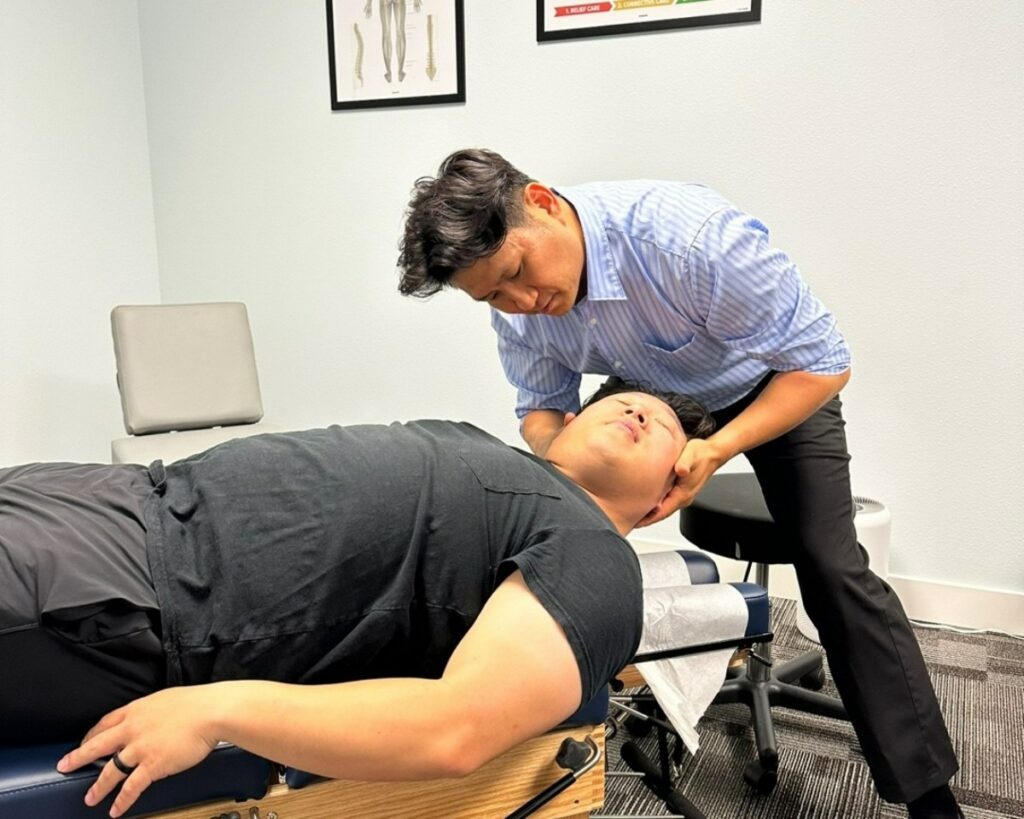
Chiropractic care offers a hands-on approach to alleviating chronic back pain, focusing on spinal alignment and overall body mechanics. By utilizing manual adjustments and other techniques, chiropractors work to restore balance to your musculoskeletal system. This can lead to reduced pain, improved mobility, and enhanced overall wellness.
When you seek chiropractic care for chronic back pain, you'll likely experience several benefits:
- Spinal Adjustments: These precise manipulations help realign the spine, relieving pressure on nerves and reducing pain.
- Pain Management: Many patients report significant pain relief after just a few sessions, allowing you to engage in daily activities with greater ease.
- Improved Mobility: Regular sessions can help increase your range of motion, making movement more comfortable and fluid.
- Holistic Approach: Chiropractors often assess lifestyle factors, offering tailored advice on nutrition and exercise to support your treatment.
- Preventative Care: Ongoing chiropractic care can help prevent future flare-ups, keeping your back healthy in the long run.
It's important to remember that chiropractic care isn't a one-size-fits-all solution. Your chiropractor will customize a treatment plan specific to your needs, taking into account your medical history and personal goals.
With consistent care, you can take proactive steps toward managing your chronic back pain and improving your overall quality of life. Embracing chiropractic care may just be the key to finding the relief you've been searching for.
Lifestyle Changes for Prevention
Making lifestyle changes can be a game-changer in preventing chronic back pain. You mightn't realize it, but small adjustments in your daily routine can greatly impact your spinal health.
First and foremost, focus on your posture. Whether you're sitting at a desk, standing, or lifting objects, maintaining a proper posture helps alleviate unnecessary strain on your back. Invest in ergonomic furniture, or use supportive cushions to promote better alignment.
Next, consider your physical activity. Regular exercise strengthens your back and core muscles, providing essential support for your spine. Aim for a mix of cardiovascular, flexibility, and strength-training exercises. Activities like yoga or Pilates can enhance your flexibility while also improving your posture.
Additionally, pay attention to your nutrition. A balanced diet rich in anti-inflammatory foods can help reduce pain and promote healing. Incorporate fruits, vegetables, whole grains, and lean proteins into your meals. Staying hydrated is important as well; water helps maintain the elasticity of the spinal discs.
Lastly, don't underestimate the power of rest. Make sure you get adequate sleep, as your body needs time to recover and repair itself. A proper mattress that supports your spine can make all the difference.
When to Seek Professional Help
Knowing when to seek professional help for chronic back pain can make all the difference in your recovery journey. While minor discomfort can often be managed with self-care and lifestyle changes, there are specific signs that indicate it's time to consult a healthcare professional. Recognizing these signs early on can prevent further complications and expedite your path to relief.
Consider seeking help if you experience:
- Persistent pain that lasts for more than a few weeks
- Pain that radiates down your legs or into your arms
- Difficulty standing, walking, or bending due to pain
- Unexplained weight loss alongside back pain
- Numbness or tingling in your extremities
Don't ignore these symptoms. They could signal a more serious underlying condition that requires medical attention. A healthcare professional can provide a thorough evaluation, recommend appropriate imaging tests if necessary, and devise a tailored treatment plan just for you.
Additionally, if your pain is accompanied by fever, bladder or bowel control issues, or a history of cancer, it's vital to seek help immediately.
Early intervention is key in managing chronic back pain effectively, so don't hesitate to reach out. Remember, your health is worth it, and getting the right support can lead you toward a pain-free life.
Conclusion
Incorporating these proven non-invasive solutions can help you take control of your chronic back pain. By exploring physical therapy, acupuncture, and mindfulness practices, you can find relief and improve your quality of life. Remember, maintaining proper posture and making lifestyle changes are essential for prevention. If your pain persists, don't hesitate to seek professional help. With the right approach, you can empower yourself to manage your pain effectively and enjoy a more active, fulfilling life.