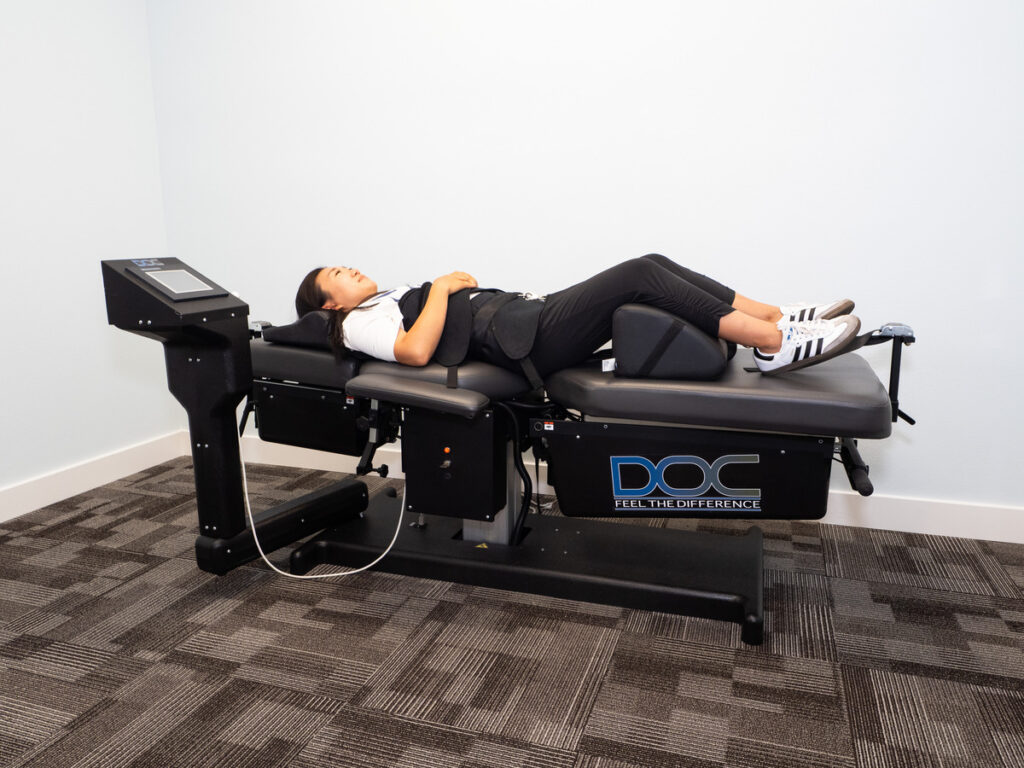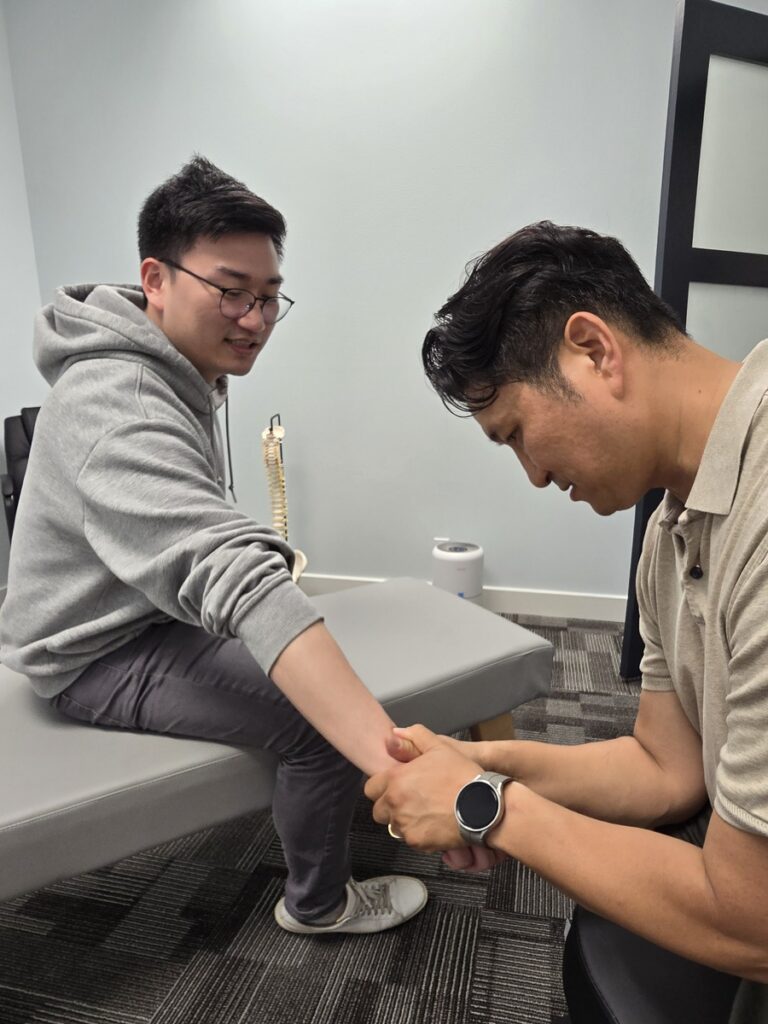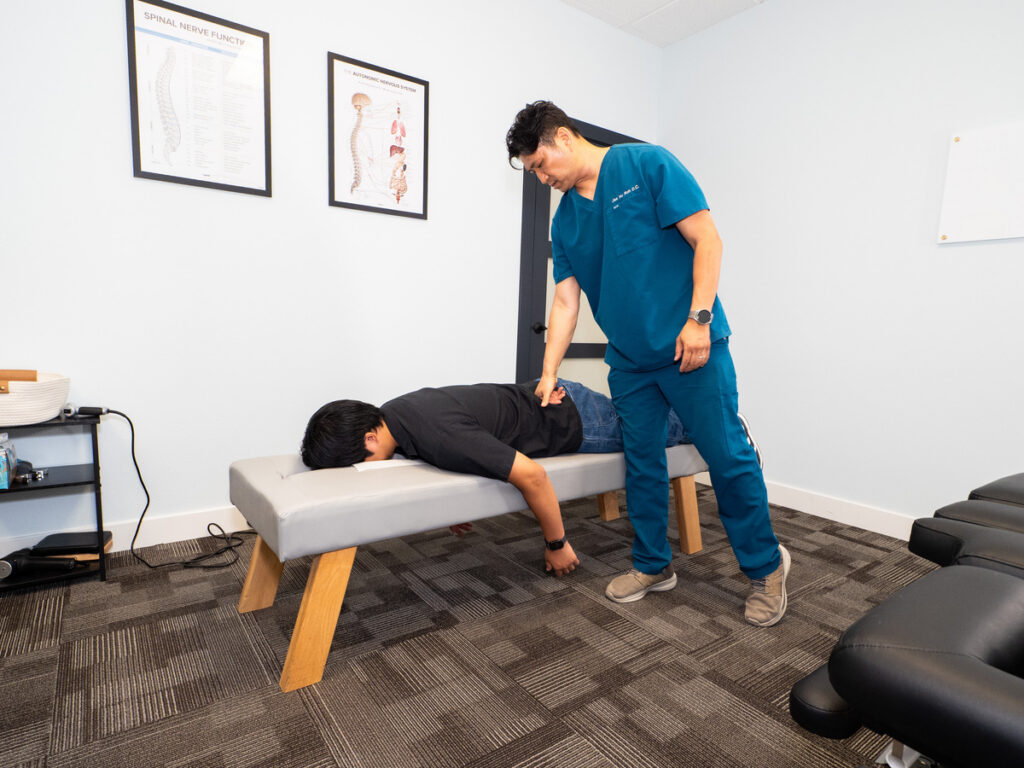

As a local chiropractor, I understand that dealing with sports-related back pain can be incredibly frustrating, affecting not only your performance but also your everyday activities. It's crucial to explore effective relief strategies that cater to both immediate discomfort and long-term wellness. Many of my patients have found that a combination of chiropractic adjustments, targeted stretching, and strengthening exercises can lead to significant improvements.
Before diving into any new treatment plan, it's important to first understand your unique situation. Each individual's body responds differently, and what works for one person may not be effective for another. That's where I come in—to help you identify the most effective techniques and treatments tailored to your specific needs.
Chiropractic care focuses on restoring proper alignment and function to the spine and surrounding muscles, which can alleviate pain and enhance overall performance. In addition to adjustments, I often recommend complementary therapies such as massage and physical therapy, along with lifestyle changes that promote long-term health.
If you're ready to explore natural healing options for your back pain, let's work together to create a comprehensive plan that addresses your concerns and helps you get back to doing what you love.
Understanding Sports-Related Back Pain
As a local chiropractor, I want to shed light on an issue that affects many athletes, whether you're just starting out or competing at a high level: sports-related back pain. This discomfort can arise from the physical demands of your activities, and understanding its causes and symptoms is crucial for effective management.
Back pain often results from factors like overuse, improper technique, or insufficient conditioning. Activities that involve repetitive motions, heavy lifting, or abrupt changes in intensity can place excessive strain on your spine and the surrounding muscles. Sports such as weightlifting, running, and soccer are particularly known for contributing to back problems due to their rigorous nature.
It's essential to be mindful of how your body reacts during and after your workouts.
The symptoms associated with sports-related back pain can vary widely. You may experience anything from sharp pain to dull aches or stiffness that hinders your movement. In some cases, the pain may radiate down your legs, which could indicate nerve involvement.
Recognizing when to seek professional help is vital; if your discomfort lingers or intensifies, I strongly encourage you to consult a healthcare provider, like myself, to rule out any serious underlying issues.
At our chiropractic practice, we focus on natural healing methods to help alleviate pain and improve function. By addressing the root causes of your discomfort, we can work together to develop a personalized plan that promotes healing and enhances your overall athletic performance.
Stretching Techniques for Relief
As a local chiropractor, I want to share with you some effective stretching techniques that can play a crucial role in managing back pain and enhancing your overall well-being. Many people mightn't realize how beneficial stretching can be for improving flexibility, reducing muscle tension, and boosting mobility—all of which are vital for alleviating discomfort and promoting natural healing.
To get started, I recommend focusing on gentle stretches that specifically target your lower back, hamstrings, and hip flexors. One stretch I often suggest is the knee-to-chest stretch. To perform this, lie on your back and gently pull one knee towards your chest, holding it for 15 to 30 seconds. After that, switch legs and repeat. This stretch is excellent for relieving tension in your lower back and fostering a sense of relaxation.
Another fantastic option is the cat-cow stretch. Begin on all fours—this position allows you to alternate between arching your back upwards (like a cat) and lowering it while lifting your head (like a cow). This dynamic movement not only increases flexibility in your spine but also encourages better posture, which is essential for spinal health.
Don't overlook the seated forward bend either. Sit with your legs extended in front of you, reach forward towards your toes, and hold that stretch for 15 to 30 seconds. This stretch effectively targets your hamstrings and lower back, providing much-needed relief and enhancing your overall flexibility.
Finally, I encourage you to incorporate the child's pose into your routine. Kneel on the floor, sit back on your heels, and stretch your arms forward while lowering your torso. This restorative position can be held as long as it feels comfortable, and it's fantastic for calming the mind and relieving tension.
Strengthening Exercises to Prevent Pain
As a local chiropractor, I want to share how incorporating strengthening exercises into your daily routine can significantly lower your risk of experiencing back pain and enhance your overall athletic performance.
When the core, back, and hip muscles are well-conditioned, they offer better support for your spine, which helps alleviate strain during physical activities.
Let's start with planks. This exercise is fantastic for engaging both your core and back muscles at the same time. I recommend holding a plank position for about 20-30 seconds, and as you gain strength, you can gradually increase the duration.
Next, we've bridges. To perform this, lie on your back with your knees bent and feet flat on the ground. Lift your hips toward the ceiling while squeezing your glutes at the top of the movement. Aim for 10-15 repetitions. This exercise is particularly beneficial for strengthening your glutes and lower back.
Another great addition to your routine is the bird-dog exercise. Start on all fours, then extend one arm forward while simultaneously extending the opposite leg back. Hold this position for a few seconds, then switch sides. This exercise not only improves your balance but also strengthens your lower back, which is crucial for maintaining proper posture.
Lastly, let's not forget about squats. This exercise is essential as it engages not only your legs but also your core and back. When performing squats, aim for 10-15 repetitions, ensuring that you keep your back straight and your knees aligned with your toes to prevent any strain.
By integrating these exercises into your regimen, you can take proactive steps toward strengthening your body and reducing the likelihood of back pain.
Alternative Therapies to Consider
As a local chiropractor, I want to share some valuable insights about managing back pain, especially for those of you who participate in athletic activities.
Exploring alternative therapies can be incredibly beneficial in providing relief and enhancing your overall recovery. These approaches often complement traditional treatments and can help you manage pain more effectively.
Here are four alternative therapies worth considering:
- Acupuncture: This time-honored practice from traditional Chinese medicine involves the insertion of thin needles into specific points on your body. It's thought to stimulate the release of endorphins and improve blood circulation, which can play a significant role in alleviating pain.
- Chiropractic Care: As a chiropractor, I focus on assessing and adjusting your spine and other joints to relieve tension and enhance your range of motion. Many athletes find that regular chiropractic adjustments not only help maintain proper alignment but also play a crucial role in preventing injuries.
- Massage Therapy: Therapeutic massage can be an excellent way to relax tight muscles and improve circulation. By targeting specific areas of tension, massage can help reduce pain and enhance overall flexibility, which is essential for optimal athletic performance.
- Yoga: Incorporating yoga into your routine can significantly strengthen your back and improve flexibility. Many yoga poses focus on stretching and strengthening the core muscles that support your spine, potentially reducing the risk of further injury.
These alternative therapies can be effective tools in managing your back pain and enhancing your recovery process.
However, it's always essential to consult with a healthcare professional, like your chiropractor, before starting any new treatment to ensure it's appropriate for your specific condition.
You might discover that a combination of these therapies works best for your unique needs and can lead to a more holistic approach to your health and well-being.
Lifestyle Adjustments for Long-Term Health
As your local chiropractor, I want to share some insights on managing back pain that go beyond just visiting my office for adjustments. Making thoughtful lifestyle adjustments can significantly enhance your long-term health and well-being.
First and foremost, let's talk about posture. Whether you're sitting at a desk, standing in line, or lifting groceries, maintaining proper alignment is crucial. Poor posture can put unnecessary stress on your spine, leading to pain and discomfort. I recommend investing in ergonomic furniture and practicing good body mechanics to reduce strain on your back.
Next, incorporating regular physical activity is essential. Aim to include a variety of exercises in your routine—strength training, flexibility exercises, and aerobic activities all play a role. Strengthening your core muscles is particularly important, as a strong core supports your back.
Additionally, flexibility exercises, such as yoga or stretching, can enhance your range of motion and help prevent stiffness.
Don't underestimate the power of nutrition in your journey to better back health. Consuming a well-balanced diet rich in anti-inflammatory foods—like fruits, vegetables, and whole grains—can help you maintain a healthy weight and alleviate pressure on your spine.
Staying hydrated is also vital; it helps keep your spinal discs nourished and functioning properly.
Sleep quality is another factor that significantly impacts your back health. Ensure you have a supportive mattress and pillows that promote spinal alignment. Aim for 7-9 hours of restorative sleep each night to allow your body to heal and recover.
Finally, let's address stress management. Chronic stress can lead to muscle tension, which often exacerbates back pain. I encourage you to explore mindfulness practices or relaxation techniques that work for you.
By adopting these lifestyle adjustments, you aren't only addressing your current discomfort but also laying the foundation for long-term health.
Conclusion
As a local chiropractor, I want to share some effective relief strategies for managing sports-related back pain that can truly enhance your quality of life. By integrating gentle stretching and targeted strengthening exercises into your routine, you can provide vital support to your spine and improve your overall well-being. Additionally, exploring alternative therapies, such as chiropractic adjustments or massage, can further aid in alleviating discomfort.
It's also essential to consider lifestyle changes that promote long-term health and prevent future injuries. Before embarking on any new treatment plans, I encourage you to consult with a healthcare professional, like myself, who can guide you in choosing the most suitable approach for your specific needs. Remember, taking charge of your back health is key to enjoying your favorite activities without pain. Let's work together to help you move freely and comfortably!