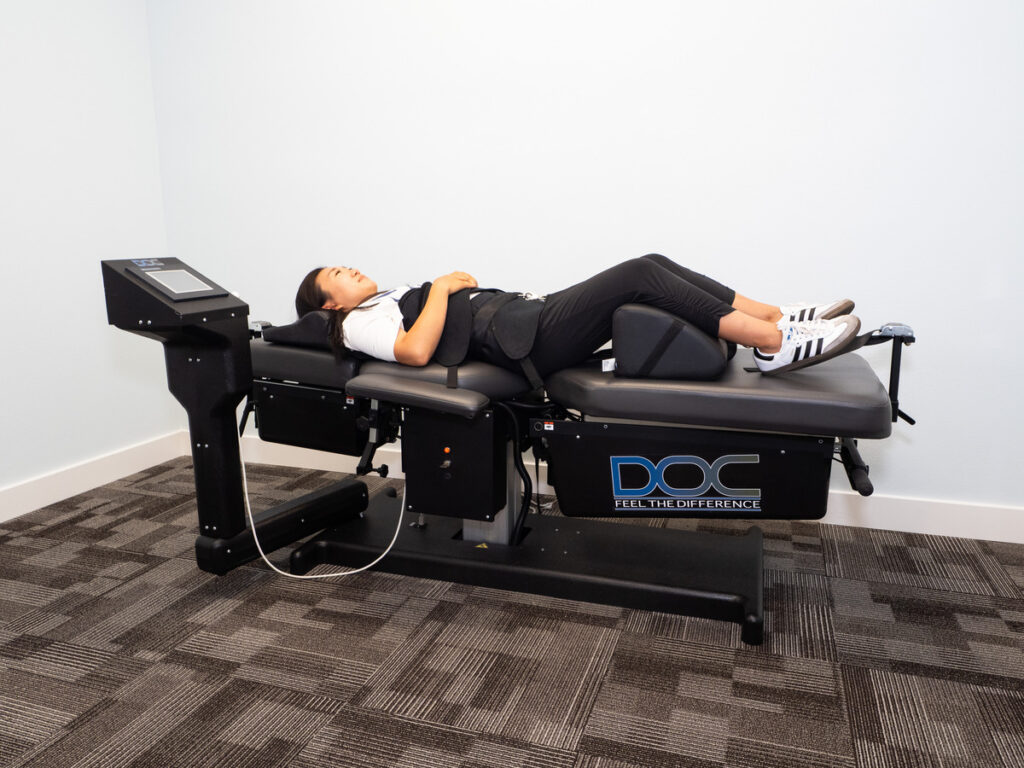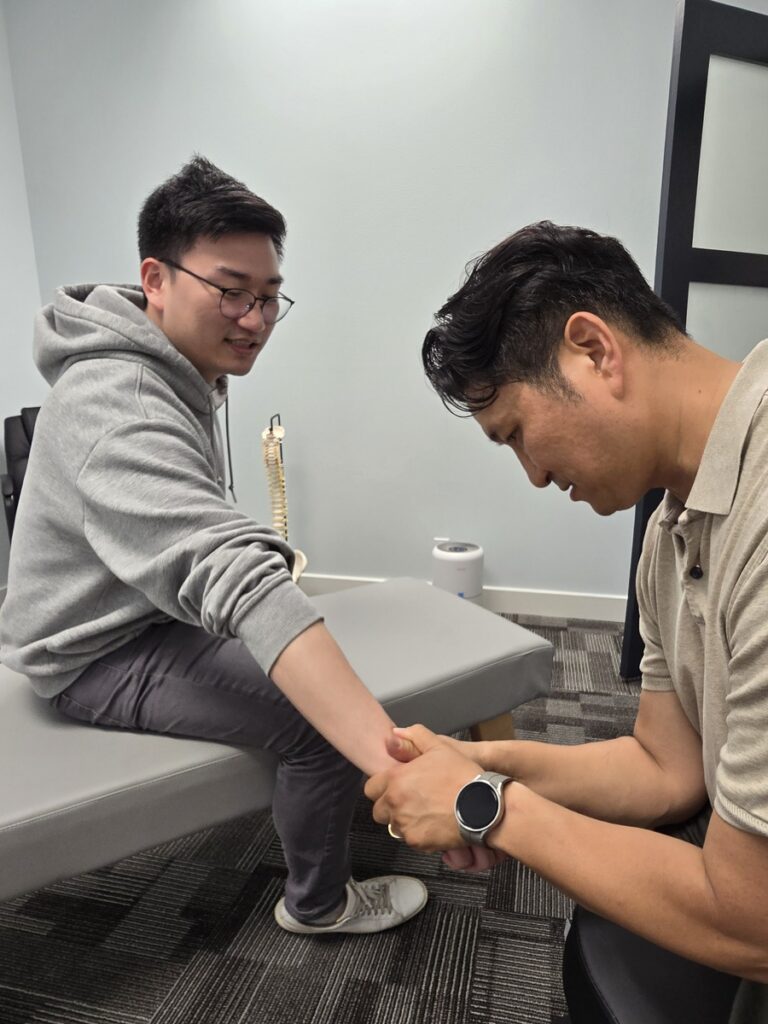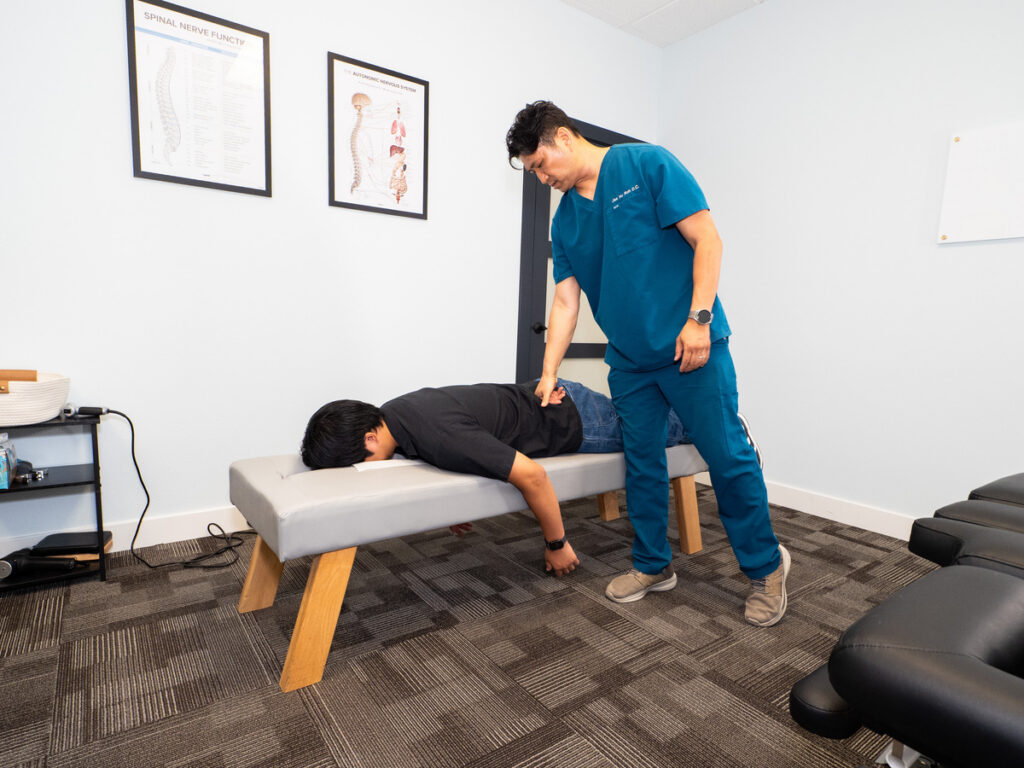

As a local chiropractor, I want you to know that if you’re experiencing lower back discomfort, you’re not alone in this struggle. Many individuals face similar challenges, and I understand how significantly this can affect your daily life. The good news is that there are effective methods to manage and alleviate your pain through natural healing practices.
By making some thoughtful adjustments to your daily routine and environment, you can start to feel better and improve your mobility. I encourage you to explore these practical tips, as they can make a meaningful difference in your overall comfort.
Remember, chiropractic care is focused on helping your body heal itself naturally. As we discuss these strategies, I hope to empower you with knowledge that can enhance your well-being and quality of life. Let’s work together to find the best approach for your recovery and long-term health.
Maintain Proper Posture
As a local chiropractor, I want to emphasize the importance of maintaining proper posture, as it plays a crucial role in preventing lower back discomfort.
Whether you’re sitting or standing, aligning your body correctly can significantly improve your overall well-being.
When you sit, be sure to keep your shoulders back and aligned over your hips, and ensure that your head is positioned straight, avoiding any forward jutting.
It’s also important to choose a chair that provides support for your lower back, allowing your feet to rest flat on the ground.
I recommend avoiding the habit of crossing your legs, as this can lead to unnecessary strain on your back.
If you find yourself standing, aim to distribute your weight evenly across both feet.
Engaging your core muscles will help support your spine, and be mindful not to lock your knees.
If you work at a desk for long periods, I encourage you to take small breaks to adjust your posture and walk around.
This simple practice can make a significant difference in how your body feels.
Incorporate Stretching Exercises
As a local chiropractor, I want to emphasize the importance of incorporating stretching exercises into your daily routine to alleviate lower back discomfort, especially if you find yourself sitting for long periods.
Even dedicating just a few minutes each day to stretching can significantly enhance your flexibility and reduce tension in your muscles.
I recommend focusing on stretches that specifically target the lower back, hips, and hamstrings. Some effective stretches include the cat-cow stretch, knee-to-chest, and seated forward bend.
When performing these stretches, it’s essential to do so slowly and gently, holding each position for 15 to 30 seconds. You should aim to feel a mild pull in your muscles, but if you experience any pain, it’s crucial to stop immediately.
To make stretching a regular part of your day, consider setting reminders to stand up and stretch, especially during long work sessions. This practice not only helps to alleviate discomfort in your back but also promotes better circulation and boosts your energy levels.
Regular stretching can enhance your overall well-being, making it easier to manage discomfort and maintain a more active lifestyle.
As you begin to incorporate these stretching exercises, remember that consistency is key. Make stretching a priority in your daily routine, and you’ll soon experience the numerous benefits it brings to your body.
If you have any questions or need further guidance, feel free to reach out. Together, we can work towards a healthier, pain-free life!
Strengthen Core Muscles
As your local chiropractor, I want to emphasize the importance of strengthening your core muscles. A strong core is vital for supporting your lower back and preventing discomfort, which is something I see many patients struggling with.
By incorporating specific exercises into your daily routine, you can create a solid foundation that not only enhances your stability but also minimizes strain on your body.
Let’s delve into some effective core exercises that I recommend, as well as some tips to help you stay consistent.
Importance of Core Strength
As a local chiropractor, I often see patients who may not fully appreciate the importance of core strength in maintaining a healthy spine, particularly when it comes to preventing lower back pain.
Your core muscles, which include the abdominals, obliques, and lower back, play a crucial role in stabilizing and supporting your spine. When these muscles are strong, they work to evenly distribute weight, alleviating unnecessary strain on your back during everyday activities.
Conversely, weak core muscles can lead to poor posture and an increased risk of injury, which is why I encourage everyone to prioritize core strength in their fitness routines.
By enhancing your core stability, you not only protect your lower back but also improve your overall balance and performance in other exercises.
As you embark on your fitness journey, consider making core strength a central focus. This proactive approach can lead to lasting relief and contribute to your overall well-being.
Recommended Core Exercises
As a local chiropractor, I want to emphasize the significance of core strength in maintaining not just your physical health, but also in preventing discomfort, particularly in the lower back.
Strengthening your core muscles can lead to improved stability and overall wellness. Here are some effective exercises that I recommend incorporating into your routine:
- Planks: This exercise involves holding your body in a straight line while engaging your core. It creates a solid foundation for your spine and can help alleviate back pain.
- Bridges: By lying on your back and lifting your hips while squeezing your glutes, you can strengthen your lower back and glutes, providing essential support for your spine.
- Bird-Dogs: This exercise promotes stability and coordination. By balancing on your hands and knees and extending one arm and the opposite leg, you engage your core and improve your posture.
- Dead Bugs: Lying on your back and alternating the extension of your arms and legs while keeping your core engaged is a fantastic way to enhance core strength effectively.
Incorporating these exercises into your regular routine can lead to significant improvements in your overall health and well-being.
Tips for Consistency
As a local Chiropractor, I want to emphasize the importance of maintaining consistency in strengthening your core muscles, especially for your overall spinal health and well-being.
Establishing a routine that integrates seamlessly into your daily life can make a significant difference. I recommend choosing specific times for your core workouts, whether it’s in the morning before work or in the evening after a long day. Setting reminders on your phone can be a helpful way to keep yourself accountable.
Start with shorter sessions to build your strength and confidence, gradually increasing the duration as you progress. Incorporate core exercises into your daily activities; for example, you can do a plank while watching your favorite show or leg raises during your morning routine.
Making your workouts enjoyable is key—consider mixing up your exercises or even joining a local fitness class to stay engaged.
Tracking your progress is also vital. Seeing improvements in your strength and stability can be a powerful motivator to keep you going.
Use Ergonomic Furniture
As a local chiropractor, I want to emphasize the importance of using ergonomic furniture to help alleviate lower back discomfort. Proper furniture can significantly enhance your posture and support your body’s natural alignment, leading to better overall health.
Creating a comfortable workspace or home environment is essential, and investing in the right pieces can make a big difference. Here are some key items to consider:
- Ergonomic Chair: It’s crucial to choose a chair that offers adjustable height and lumbar support. This will help maintain the natural curve of your spine and reduce strain on your back.
- Standing Desk: Incorporating a standing desk into your routine allows you to alternate between sitting and standing. This movement can relieve pressure on your lower back and encourage better circulation.
- Footrest: Using a footrest can keep your feet flat on the ground, which is vital for promoting proper posture and reducing discomfort during long periods of sitting.
- Keyboard and Mouse: Ensure that your keyboard and mouse are positioned correctly to minimize strain on your wrists and shoulders. Proper alignment will help prevent issues that can lead to pain and discomfort.
By making these ergonomic adjustments, you can support your spinal health and enhance your overall well-being.
If you have any questions or need personalized recommendations, feel free to reach out during your next visit!
Apply Heat or Cold Therapy
As your local chiropractor, I want to share some valuable insights on managing lower back discomfort through heat and cold therapy. These natural methods can be quite effective in alleviating pain and promoting healing.
Let’s start with heat therapy. Applying heat to your back can enhance blood circulation and help relax tight muscles, which is crucial for easing stiffness. You have several options: a heating pad, a hot water bottle, or even a warm bath can work wonders.
I recommend using heat for about 15-20 minutes at a time. Remember to place a cloth between your skin and the heat source to prevent any burns.
On the flip side, cold therapy is another great option for managing discomfort. It can numb the affected area and reduce inflammation, making it particularly beneficial after any acute injury. Ice packs or even a bag of frozen vegetables wrapped in a towel can do the trick.
Just like with heat, apply the cold for 15-20 minutes and take breaks as needed.
I encourage you to experiment with both heat and cold therapies to discover which one offers you the most relief. It’s important to listen to your body; if either method seems to aggravate your discomfort, please stop immediately and reach out to me or another healthcare professional for personalized advice.
Your well-being is our priority, and we’re here to support your journey towards better health.
Stay Active With Low-Impact Activities
As a chiropractor, I often emphasize the importance of staying active, especially when it comes to managing lower back discomfort.
Low-impact activities can play a crucial role in your recovery and overall well-being. Engaging in these types of exercises can help strengthen your muscles, enhance flexibility, and improve your posture, all while minimizing strain on your back.
Here are some low-impact options I recommend:
- Walking: This is one of the simplest yet most effective ways to keep your body moving and promote circulation.
- Swimming: The buoyancy of water can significantly reduce pressure on your back, making it an excellent choice for exercise.
- Cycling: Whether you prefer using a stationary bike or cycling outdoors, this activity provides a fantastic cardiovascular workout without the high impact that can exacerbate back pain.
- Yoga: Incorporating gentle stretches and poses can greatly improve your flexibility and help alleviate tension in your muscles.
I encourage you to explore these activities as part of your journey toward better spinal health.
Consult a Healthcare Professional
If you’re experiencing lower back discomfort, I encourage you to consider consulting with a chiropractor.
As a specialist in natural healing, I can provide personalized advice tailored to your specific needs. Chiropractic care focuses on the musculoskeletal system and can help address the root causes of your pain, rather than just masking the symptoms.
We’ll work together to explore the best treatment options, which may include spinal adjustments, exercises, and lifestyle changes.
Don’t hesitate to reach out for guidance; taking this step can make a significant difference in your recovery and overall well-being.
Importance of Expert Advice
As a local chiropractor, I understand that many people may feel tempted to manage lower back discomfort on their own. However, I want to emphasize just how important it’s to seek expert advice from a healthcare professional, especially someone trained in chiropractic care.
Here’s why consulting with a chiropractor can be crucial for your recovery:
- Accurate diagnosis: Unlike self-diagnosing, I can help identify the root cause of your pain through a thorough examination and assessment.
- Personalized care: Chiropractic care is tailored specifically to your individual needs, ensuring that we address your unique situation for optimal healing.
- Preventing complications: Early intervention through chiropractic adjustments and care can prevent long-term issues and help you regain mobility more quickly.
- Holistic approach: I can provide natural healing techniques, lifestyle advice, and exercises that promote overall well-being, not just temporary relief.
Don’t underestimate the value of expert advice from a chiropractor. It can truly make a significant difference in your journey toward recovery.
You deserve the best care available to effectively manage your discomfort and enhance your quality of life.
Tailored Treatment Options
Managing lower back discomfort effectively starts with understanding the benefits of chiropractic care. As a local chiropractor, I want to emphasize that our approach goes beyond just temporary relief; it focuses on the root causes of your pain.
After an initial consultation and thorough assessment of your specific situation, I’ll recommend tailored treatment options designed just for you. Chiropractic adjustments can help realign your spine and improve your overall mobility. This gentle manipulation not only alleviates pain but also enhances your body’s natural ability to heal itself.
In addition to adjustments, I may suggest complementary therapies such as physical therapy exercises to strengthen your back and increase flexibility. Lifestyle changes play a significant role in your recovery as well. I’ll guide you on proper posture techniques and encourage you to incorporate regular, low-impact exercise into your daily routine.
If necessary, I can also refer you to other specialists for a more comprehensive approach to your care. It’s important to remember that each person’s body is unique, and what benefits one individual may not have the same effect on another.