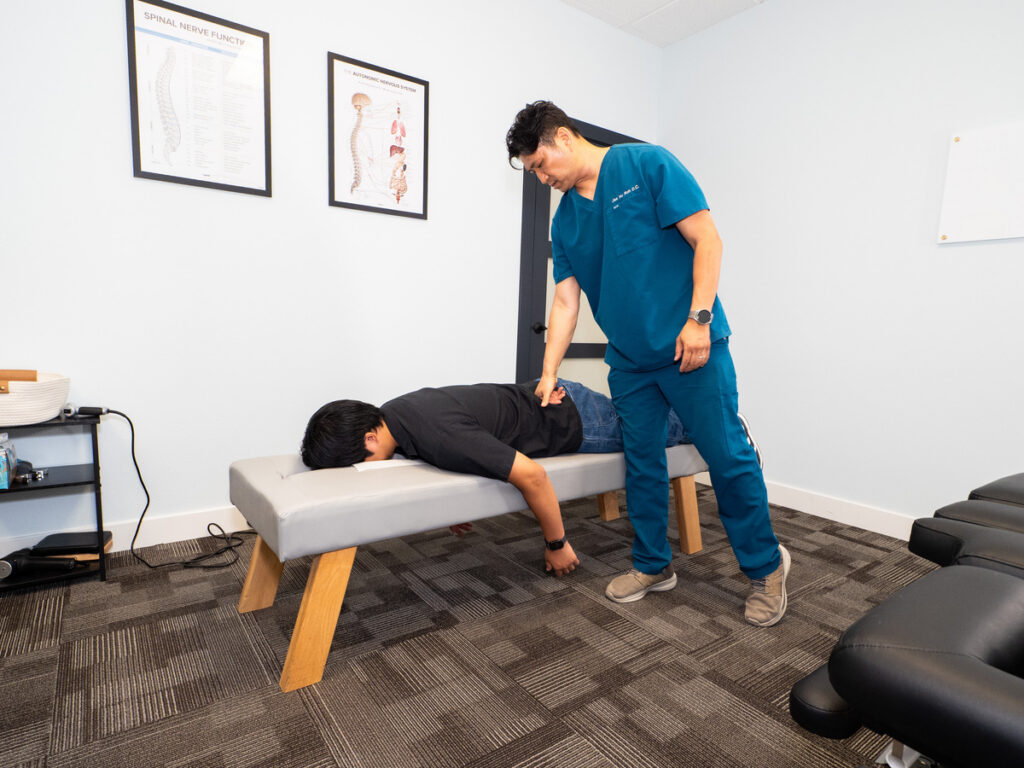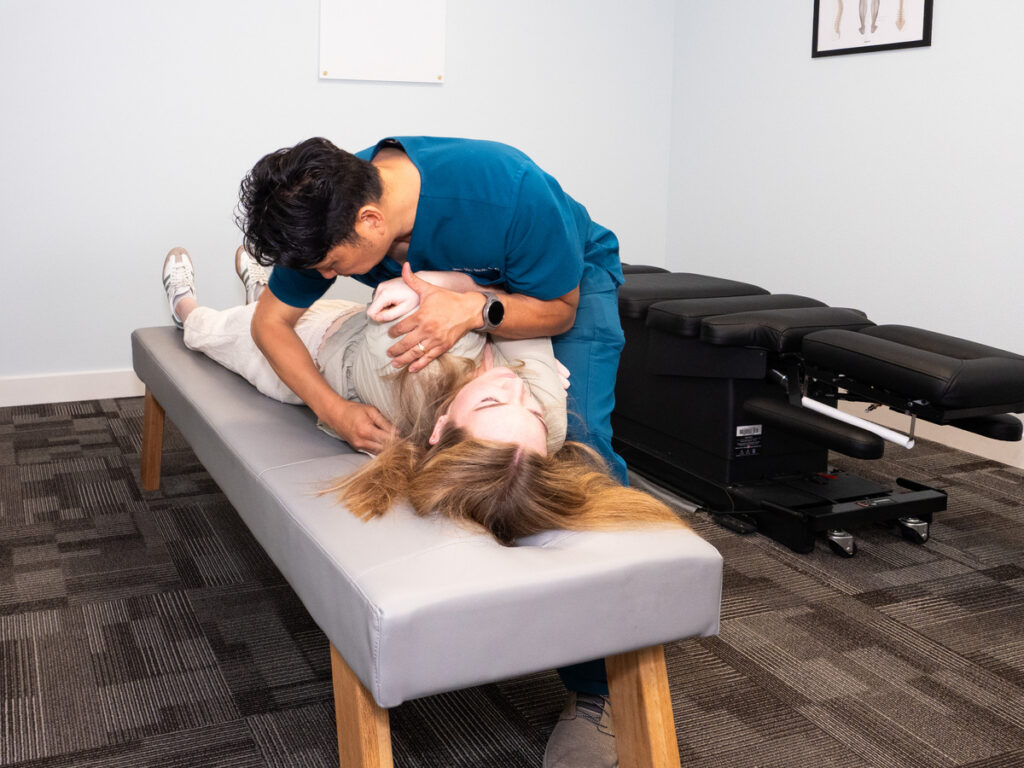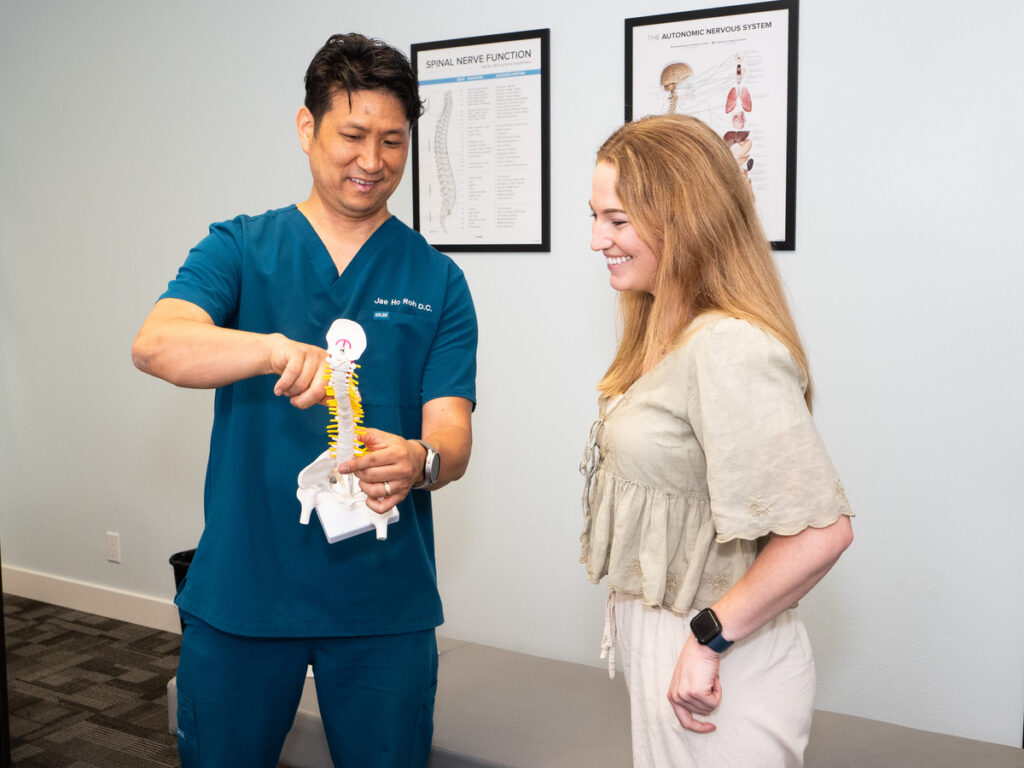

If you're dealing with lower back pain, I want you to know that you're not alone, and there is hope for finding relief in just 30 days. As a chiropractor, I have seen many patients achieve significant improvements by focusing on a holistic approach that includes stretching, core strengthening, and making ergonomic adjustments in their daily routines.
It's crucial to create a consistent routine that not only alleviates your immediate pain but also lays the groundwork for long-term health and wellness. I understand that it can be daunting to know where to start or which strategies will be most effective. That's why I'm here to guide you through specific steps that can help you achieve lasting relief.
By incorporating gentle spinal adjustments, personalized exercise plans, and education on proper body mechanics, we can work together to address the root causes of your pain. Let's explore how chiropractic care can be a natural and effective solution for your lower back pain.
Understanding Lower Back Pain
As a local chiropractor, I want to help you understand the various causes of lower back pain and how chiropractic care can play a vital role in your healing journey. Many people are surprised to learn that lower back pain often isn't attributed to a single injury. Instead, it can result from multiple factors such as muscle strains, herniated discs, arthritis, and even stress. Gaining insight into the origins of your discomfort is crucial for effective management and recovery.
Muscle strains are common and can occur when you lift something heavy or twist in an awkward manner. Often, you may not realize you've strained a muscle until the pain manifests later.
Herniated discs can occur when the cushioning between your vertebrae shifts out of alignment and presses against nearby nerves, resulting in sharp pain or numbness that may radiate down your leg.
Arthritis is particularly prevalent in older adults and can lead to inflammation and stiffness in the joints, making movement painful.
Additionally, stress plays a significant role in lower back pain. It can cause muscle tension and poor posture, leading you to unconsciously tense your back muscles, which over time can result in discomfort.
Identifying the specific cause of your lower back pain is essential for targeting the right treatment. In our practice, we focus on natural healing methods, such as chiropractic adjustments, physical therapy, and lifestyle changes.
Understanding the underlying issues empowers you to take proactive steps toward relief and regain control over your well-being. Together, we can work towards a healthier, pain-free life through holistic care and support.
Importance of Posture
As a local chiropractor dedicated to your well-being, I want to emphasize the critical role that posture plays in preventing and alleviating lower back pain.
Many of my patients are surprised to learn that simple adjustments in how they sit and the setup of their workspace can significantly reduce strain on their backs.
By adopting proper sitting techniques and creating an ergonomic environment, you can enhance your comfort and promote better health.
Let's take a closer look at some small changes you can make that can lead to substantial improvements in your overall well-being.
Proper Sitting Techniques
As a local chiropractor, I often encounter patients who are unaware of the significant role that proper sitting techniques play in preventing lower back pain.
It's common to overlook how our daily habits, especially sitting, can impact our spinal health. By making a few adjustments to your sitting posture, you can alleviate discomfort and support your spine's natural alignment.
Here are some essential tips to enhance your sitting habits:
- Keep your feet flat on the ground or consider using a footrest. This simple adjustment helps distribute your body weight evenly, reducing strain on your lower back.
- Sit back in your chair so that your back is in contact with the backrest. This position supports the natural curve of your spine, minimizing the strain on your muscles and ligaments.
- Adjust the height of your chair so that your knees are level with your hips. This alignment is crucial for preventing unnecessary pressure on your lower back and promoting overall comfort.
Incorporating these techniques into your everyday routine can lead to significant improvements in your back health.
Remember, it's not just about the duration of time spent sitting, but the way you sit that truly matters. By making these small adjustments today, you can work towards a more comfortable and pain-free experience.
Don't underestimate the impact of proper sitting techniques; they can greatly enhance your overall well-being and help you on your journey to natural healing.
Ergonomic Workspace Setup
As a local chiropractor, I want to emphasize the importance of creating an ergonomic workspace for your overall health and well-being, particularly in preventing lower back pain and promoting good posture.
One of the first steps you can take is to properly adjust your chair to provide adequate support for your lower back. Your feet should be flat on the floor, and your knees should be at or slightly below the level of your hips. If this isn't possible, consider using a footrest to achieve the right alignment.
Next, let's focus on your desk and monitor setup. To avoid straining your neck, the top of your computer screen should be at eye level. This positioning helps maintain a neutral neck posture. Keep the monitor about an arm's length away to minimize eye strain.
When you're typing, ensure that your elbows form a 90-degree angle and that your wrists remain straight. This alignment is crucial for reducing tension in your upper body.
Don't overlook the placement of your keyboard and mouse! They should be within easy reach to prevent you from stretching too far, which can lead to back and shoulder strain. Using a chair with adjustable armrests can also provide support for your arms while you work, further reducing the risk of discomfort.
Lastly, I can't stress enough the importance of taking regular breaks. Aim to stand up, stretch, and walk around every 30 minutes. This practice not only keeps your muscles engaged but also helps reduce stiffness and fatigue.
Stretching Exercises
As a local chiropractor, I want to emphasize the importance of stretching for alleviating lower back pain and enhancing your overall flexibility.
Many of my patients are surprised to learn that simple stretching techniques can significantly reduce tension and improve mobility.
By incorporating these effective stretches into your daily routine, you can experience relief and support your body's natural healing process.
Let's take a closer look at some key stretches that can truly benefit your back health.
Importance of Stretching
As a local chiropractor, I want to emphasize the importance of incorporating stretching exercises into your daily routine, especially if you're dealing with lower back pain. Stretching plays a crucial role in enhancing your overall flexibility and can significantly alleviate discomfort in your lower back.
When you make stretching a regular part of your life, you help sustain the elasticity of your muscles and tendons, which can prevent stiffness and reduce the risk of injury.
Let me share a few key benefits of stretching for your lower back:
- Enhanced Mobility: Stretching helps keep your back muscles flexible, making it easier for you to engage in everyday activities without experiencing pain.
- Reduced Tension: By stretching regularly, you can relieve tension in your back muscles, promoting relaxation and helping to alleviate stress.
- Injury Prevention: Improved flexibility through stretching can lower your chances of experiencing injuries related to muscle strains and sprains.
Integrating stretching into your routine is a simple yet effective way to support your spinal health and overall well-being.
If you have any questions or would like personalized advice on stretching techniques, feel free to reach out!
Effective Stretching Techniques
As a local chiropractor, I want to share some effective stretching techniques that can help relieve lower back pain naturally. Engaging in targeted stretching exercises not only promotes flexibility but also enhances strength, which is essential for maintaining a healthy back.
One of the first stretches I recommend is the cat-cow stretch. Start by positioning yourself on all fours. As you inhale, arch your back to create a gentle curve; then, as you exhale, round your back towards the ceiling. This rhythmic movement is fantastic for increasing spinal flexibility and alleviating tension in your back.
Another beneficial stretch is the child's pose. From a kneeling position, gently sit back on your heels and extend your arms forward, allowing your forehead to rest on the ground. Holding this position for about 30 seconds can provide a soothing stretch for both your lower back and hips.
The knee-to-chest stretch is also very effective. Lie down on your back, draw one knee toward your chest, and hold it there for 20-30 seconds. Afterward, switch to the other leg. This exercise is particularly helpful for releasing tension in the lower back.
Lastly, I encourage you to try the seated forward bend. Sit with your legs extended in front of you and reach for your toes while keeping your back straight. This stretch not only targets your hamstrings but also helps to alleviate tightness in your lower back.
I recommend incorporating these stretches into your daily routine, holding each position for 20-30 seconds. Consistency is crucial for easing pain and improving your mobility.
As you practice these stretches regularly, you'll likely notice a positive difference in how you feel. Remember, taking care of your back is an important aspect of your overall health!
Strengthening Core Muscles
As a chiropractor, I often emphasize the importance of core strength for maintaining a healthy back and preventing lower back pain. A strong core provides essential stability and support to your spine, which can significantly reduce the risk of injury and discomfort in your daily life.
Fortunately, you don't need to spend hours in a gym; even a few minutes a day of simple exercises can effectively enhance your core strength.
Here are three key exercises I recommend to help strengthen your core:
- Planks: Begin in a push-up position, aligning your body in a straight line from your head to your heels. Focus on engaging your core muscles as you hold this position for 20-30 seconds. As you become stronger, gradually increase the duration of your hold.
- Bird-Dogs: Start on all fours, then extend your right arm and left leg simultaneously while keeping your hips level. This movement not only promotes balance but also effectively engages your core. Return to the starting position and alternate sides.
- Bridges: Lie on your back with your knees bent and feet flat on the floor. Lift your hips towards the ceiling while squeezing your glutes and engaging your core. Hold this position for a few seconds before lowering back down.
Incorporating these exercises into your daily routine can significantly strengthen your core and provide much-needed support for your lower back.
Consistency is key; with regular practice, you'll likely notice improvements in your stability and a reduction in lower back pain over time.
Yoga for Back Pain
As a chiropractor, I often see patients struggling with lower back pain, and I want to share how incorporating yoga into your routine can be an effective natural approach to alleviating discomfort. This ancient practice blends stretching, strengthening, and mindfulness, making it a valuable addition to your health regimen.
Starting with gentle poses like Child's Pose and Cat-Cow can be incredibly beneficial. These movements help to release tension and improve spinal alignment, which is crucial for overall back health. As you become more comfortable, you can explore poses such as Downward Dog and Sphinx. These positions engage your core and back muscles, providing support for your spine and enhancing your body's muscular balance.
Breathwork is another essential aspect of yoga that I encourage you to embrace. Focusing on your breathing not only calms your nervous system but also fosters a deeper connection with your body. This mindfulness can help you identify areas of tightness and discomfort, allowing you to address them proactively.
Consistency is vital for reaping the benefits of yoga. I recommend setting aside time a few times a week to practice, even if it's just for 15-20 minutes. It's important to listen to your body and progress at a pace that feels right for you.
If you're new to yoga, consider joining a beginner's class or following online tutorials specifically designed for back pain relief.
With dedication and patience, yoga can be a powerful ally in your journey toward a healthier, pain-free lower back. Embrace this practice, and you may be pleasantly surprised by how your body responds positively over time.
Foam Rolling Techniques
As a local chiropractor dedicated to helping you achieve optimal health, I want to share how foam rolling can be a transformative practice for alleviating lower back pain and enhancing mobility.
Foam rolling is an effective method to release tight muscles, reduce tension, and improve circulation, making it a valuable tool in your recovery journey.
To get started with foam rolling, here are some effective techniques you can incorporate into your routine:
- Target the Lower Back: Begin by lying on your back with the foam roller positioned under your lower back. Gently roll from side to side and up and down, paying attention to any areas of tightness. Deep breathing during this process can help facilitate the release of tension.
- Roll Your Glutes: It's important to recognize that tight glute muscles can contribute to lower back discomfort. To address this, sit on the foam roller and cross one leg over the opposite knee. Lean toward the side of the crossed leg and roll back and forth over the glute muscle to alleviate tightness.
- Loosen Up Your Hamstrings: Tight hamstrings can have a direct impact on your lower back health. Sit on the floor with the foam roller beneath your thighs. Lean back slightly and roll from the back of your knees up to your glutes, taking the time to pause on any particularly tight areas.
I encourage you to incorporate these foam rolling techniques into your routine several times a week.
By doing so, you may notice improved flexibility and a reduction in discomfort in your lower back, which can significantly aid in your recovery process.
Applying Heat Therapy
As a local chiropractor, I want to share with you an effective and soothing approach to managing lower back pain: heat therapy. This technique can be a valuable part of your pain relief strategy. By applying heat, you can increase blood flow to the affected area, which not only promotes healing but also alleviates stiffness and discomfort.
Incorporating heat therapy into your daily routine is simple and can provide relief while you go about your day. There are several methods you can use to apply heat. One of the most convenient options is a heating pad. It allows you to target specific areas of pain effectively. Just remember to set it to a comfortable temperature and limit your use to 15-20 minutes at a time to avoid the risk of burns.
Another great option is using a hot water bottle or a warm towel. To use a towel, soak it in hot water, wring it out, and place it on your lower back. The warmth should feel soothing and relaxing, helping to ease tension in the muscles.
If you're looking for a more immersive experience, consider taking a warm bath. Adding Epsom salts can enhance the relaxation and healing benefits. Soaking your entire body in warm water not only provides relief for your lower back but can also help soothe your entire body.
It's important to listen to your body as you try heat therapy. If at any point the heat worsens your pain or feels uncomfortable, please stop using it right away.
Heat therapy can be a wonderful addition to your pain management toolkit, especially when combined with other natural techniques like stretching or foam rolling. I encourage you to give it a try and see how your body responds. Your comfort and well-being are my top priorities, and I'm here to support you on your journey to natural healing.
Using Cold Packs
As a local chiropractor, I want to share how cold packs can be a valuable tool for managing lower back pain, particularly during the initial stages of an injury or flare-up. When you apply cold therapy, it can effectively reduce swelling and numb sharp pain, which is crucial right after an injury. This approach not only helps to alleviate discomfort but also aids in preventing further damage and promoting a quicker recovery.
Here are some essential tips to maximize the benefits of your cold pack treatment:
- Choose the right type of cold pack: Opt for a gel pack or even a bag of frozen vegetables wrapped in a cloth. It's important to avoid direct contact with your skin to prevent frostbite, which can occur if the cold is applied too directly.
- Apply for the appropriate duration: Limit each cold pack session to about 15-20 minutes. This timeframe allows your skin to warm up in between applications, minimizing the risk of irritation and ensuring your body can manage the cold effectively.
- Repeat regularly: You can use cold packs several times throughout the day. Just remember to give your skin a break in between sessions to prevent any adverse effects.
Incorporating cold packs into your routine can be both simple and effective. Whether you're at home or on the go, having a cold pack readily available can provide you with immediate relief from pain.
However, it's vital to listen to your body and not overdo it. By using cold packs thoughtfully and strategically, you can significantly alleviate discomfort and enhance your recovery journey.
As your chiropractor, I'm here to support you every step of the way toward better health and wellness.
Over-the-Counter Medications
As a local chiropractor, I often see patients seeking relief from lower back pain, and many find that over-the-counter (OTC) medications can provide some temporary comfort. However, it's important to understand that these medications typically fall into two main categories: nonsteroidal anti-inflammatory drugs (NSAIDs) and acetaminophen. While they may offer immediate relief, they aren't a long-term solution.
NSAIDs, such as ibuprofen or naproxen, can be beneficial in reducing pain and inflammation, which is why they're frequently recommended. They work by blocking the substances in your body that contribute to inflammation. If you choose to use NSAIDs for your back pain, please be mindful of the recommended dosages, as taking them excessively can lead to adverse effects, particularly on your stomach and other organs.
On the other hand, acetaminophen is another alternative that focuses solely on pain relief without addressing inflammation. This option might be suitable if you have gastrointestinal issues or can't tolerate NSAIDs. However, it's crucial to adhere to the dosage guidelines to prevent potential liver damage.
Before starting any OTC medication, I strongly advise consulting with a healthcare professional. This is especially important if you have existing health conditions or are currently taking other medications. A professional can help you identify the best approach for your unique situation.
Moreover, it's essential to listen to your body. If your pain continues or worsens despite taking OTC medications, it may be time to explore other avenues, such as chiropractic care, which focuses on natural healing and addressing the root causes of pain.
Prescription Pain Relief
If over-the-counter medications aren't providing the relief you need for your lower back pain, it might be time to explore natural healing approaches that chiropractic care can offer. Many of my patients have found that chiropractic adjustments and therapies can effectively manage chronic or severe discomfort without the need for prescription pain relief medications.
As a chiropractor, I focus on addressing the underlying causes of your pain, rather than just masking the symptoms. There are various techniques we can use that are tailored to your specific needs:
- Spinal Manipulation: This is a core chiropractic technique that helps restore proper alignment to the spine, which can alleviate pain and improve function. Many patients experience significant relief from lower back pain through these gentle adjustments.
- Muscle Release Techniques: If your pain is related to muscle tension or spasms, I can utilize specific methods to release tight muscles. This can enhance your mobility and make daily activities more enjoyable.
- Lifestyle and Exercise Guidance: In addition to hands-on care, I often provide recommendations for exercises and lifestyle changes that can help reduce inflammation and support your overall health.
While chiropractic care can be incredibly effective, it's essential to approach your pain management holistically. I encourage you to keep an open line of communication with me regarding your symptoms and any changes you experience.
Physical Therapy Options
As a local chiropractor, I want to share how physical therapy can be an essential part of your journey towards managing lower back pain, complementing the benefits that chiropractic care provides.
When you visit a physical therapist, they'll conduct a thorough assessment to identify the root causes of your discomfort. This personalized approach allows you to not only address symptoms but also tackle the underlying issues that contribute to your pain.
A significant focus of physical therapy is exercise. Your physical therapist will guide you through targeted exercises designed to strengthen your core muscles, which in turn improves stability and support for your spine. Not only do these exercises help alleviate pain, but they also significantly reduce the risk of future injuries.
Additionally, stretching routines may be introduced to enhance your flexibility, which is vital for maintaining a healthy range of motion.
Incorporating manual therapy techniques, such as massage and joint mobilization, can also greatly enhance your treatment experience. These methods work to relieve muscle tension and improve circulation, promoting healing and minimizing discomfort.
To further support your recovery, your therapist may use modalities like heat, ice, or electrical stimulation.
Education plays a critical role in physical therapy as well. You'll learn about proper body mechanics and ergonomics, equipping you with knowledge to avoid movements that could worsen your pain. By understanding how to modify your daily activities, you can take proactive steps towards achieving long-term relief.
At our chiropractic clinic, we believe in a holistic approach to healing that includes the benefits of both chiropractic care and physical therapy. Together, we can work towards your health goals and enhance your overall well-being.
Chiropractic Adjustments
As a local chiropractor, I want to take a moment to share how chiropractic adjustments can be a vital part of managing lower back pain, especially when combined with physical therapy. Many people are unaware of how spinal alignment and mobility can significantly impact their overall well-being.
If you're dealing with lower back pain, I encourage you to consider visiting our clinic to discover how chiropractic adjustments might enhance your recovery process.
During your sessions with me, I'll use specific techniques designed to realign your spine and alleviate tension in your muscles. These adjustments often provide immediate relief while also offering long-term benefits, making them an essential component of your pain management strategy.
Here are three key benefits you can expect from chiropractic adjustments:
- Improved Mobility: Regular adjustments can help restore your range of motion, making daily activities more manageable and comfortable.
- Pain Reduction: Many of my patients experience considerable pain relief after just a few sessions, which allows them to engage in physical therapy and other essential activities more effectively.
- Enhanced Posture: Chiropractic care can help address postural issues that may contribute to your lower back pain, enabling you to maintain proper alignment throughout your daily routine.
Incorporating chiropractic adjustments into your treatment plan can greatly aid in your journey to recovery.
It's important to communicate openly with me about your specific pain and progress. This collaboration ensures that you receive the most effective care tailored to your individual needs, helping you work towards a pain-free life sooner than you might expect.
I look forward to helping you on your path to better health!
Acupuncture Benefits
As a local chiropractor, I want to introduce you to the benefits of acupuncture, a complementary therapy that can provide significant pain relief.
By focusing on specific points in your body, acupuncture promotes natural healing processes, which can be particularly effective for conditions like lower back pain.
To maximize the benefits of acupuncture, it's important to consider how frequently you should schedule your sessions.
This holistic approach not only alleviates pain but also contributes positively to your overall well-being.
If you're looking for a natural way to enhance your health, acupuncture might be an excellent addition to your chiropractic care plan.
Pain Relief Mechanism
Many individuals seeking relief from lower back pain may benefit from exploring acupuncture, a natural healing practice that stimulates specific points on the body to promote healing and alleviate discomfort.
This age-old technique can enhance your body's intrinsic pain-relief mechanisms, resulting in both immediate and long-lasting benefits. During an acupuncture session, the release of endorphins and other neurotransmitters is encouraged, which can significantly reduce pain and enhance overall well-being.
As a chiropractor, I want to share with you how acupuncture can aid in pain relief:
- Enhances Circulation: By focusing on targeted points, acupuncture can improve blood flow to your lower back, facilitating healing and diminishing inflammation.
- Eases Muscle Tightness: The strategic insertion of needles helps to relax tense muscles, offering quick relief from pain and stiffness.
- Restores Energy Balance: Acupuncture works to realign the flow of qi (energy) within your body, boosting your ability to heal naturally and manage pain effectively.
Integrating acupuncture with chiropractic care can create a comprehensive approach to treating lower back pain, allowing your body to function at its best.
If you're interested in exploring how these natural healing methods can work together for you, I'm here to guide you on your journey to recovery.
Treatment Frequency Recommendations
When it comes to finding relief for lower back pain through chiropractic care, it's essential to customize your treatment frequency based on your unique needs and how your body responds to the adjustments.
Typically, I recommend starting with one to two sessions each week for the initial few weeks. This frequency helps your body adapt and respond positively to the chiropractic adjustments.
As you start feeling better, we can discuss the possibility of reducing your visits to once a week or even every other week. Some patients experience significant relief with just a handful of sessions, while others may need ongoing care to maintain their progress.
It's crucial to have open communication with me about your experiences, as I can modify your treatment plan based on your feedback.
Paying attention to your body is vital. If you notice any return of pain or discomfort, don't hesitate to schedule more frequent visits. Consistency is key to maximizing the benefits of chiropractic care.
Ultimately, discovering the right treatment frequency will depend on your individual circumstances, so it's important to stay engaged and proactive in your healing journey. Together, we can work towards effectively managing your lower back pain and enhancing your overall well-being.
Holistic Healing Approach
As a local chiropractor, I want to introduce you to the benefits of acupuncture, an integral part of holistic healing that's gaining recognition for its effectiveness in managing lower back pain.
This ancient therapy involves the insertion of fine needles at specific points on the body, which can help promote healing and alleviate discomfort.
Many of our patients have experienced significant relief from their lower back pain through acupuncture, and it could be an excellent option for you as well.
Here are some key benefits that acupuncture offers for lower back pain:
- Pain Relief: Acupuncture stimulates the release of endorphins, your body's natural painkillers, helping to decrease your pain perception without the need for medication.
- Improved Circulation: This treatment can enhance blood flow to the affected areas, aiding in healing and reducing inflammation, which is crucial for recovery.
- Stress Reduction: By alleviating stress, acupuncture addresses a common factor that can worsen lower back pain, leading to a more comprehensive approach to your overall health.
If you're dealing with lower back pain, I encourage you to consider acupuncture as part of your treatment plan.
It may offer the relief you've been looking for, enabling you to regain your daily activities and enhance your quality of life.
As your chiropractor, I'm here to help you explore all the natural healing options available to you.
Massage Therapy
As a local chiropractor, I want to share how massage therapy can be a valuable component of your journey toward alleviating lower back pain. This hands-on approach not only helps to release tension but also enhances circulation in the affected areas.
When you're experiencing discomfort, specific massage techniques can effectively target the muscle groups contributing to your pain, helping to ease stiffness and promote relaxation.
Techniques like deep tissue massage and trigger point therapy can be particularly beneficial for your lower back, as they focus on applying pressure to knots and tight muscles. Incorporating regular massage therapy sessions can help you maintain flexibility and improve mobility, making your daily activities much more manageable.
If you find yourself struggling with chronic pain, I encourage you to consider scheduling consistent appointments. This will help keep your muscles relaxed and minimize the risk of flare-ups. As blood flow increases through these treatments, essential nutrients and oxygen are delivered to the area, facilitating healing.
I also recommend discussing your specific pain with a licensed massage therapist. They can create a personalized treatment plan that targets the areas needing the most attention.
Additionally, exploring techniques like myofascial release or Swedish massage can be effective in alleviating pain and reducing tension.
Don't overlook the benefits of self-massage techniques as well. Simple practices, such as using a foam roller or massage ball, can provide relief in between your professional sessions.
To further enhance your recovery, combine massage therapy with stretching and strengthening exercises. By adopting this holistic approach, you can make significant strides in managing and reducing your lower back pain naturally.
Mindfulness and Meditation
As a local chiropractor, I want to highlight the significant role that mindfulness and meditation can play in managing lower back pain.
These practices can be valuable complements to chiropractic care and natural healing methods. By integrating mindfulness and meditation into your daily routine, you can experience benefits such as reduced stress and heightened body awareness, which are crucial for your overall well-being.
Let's delve into some effective meditation techniques that can help alleviate discomfort and promote relaxation.
Additionally, I'll share tips on how to cultivate mindfulness as a consistent habit in your life. Embracing these practices can enhance your healing journey and support your chiropractic treatment.
Benefits of Mindfulness
As a local chiropractor, I want to share with you an effective approach to managing lower back pain that goes beyond traditional treatments: mindfulness and meditation practices.
By incorporating mindfulness into your daily routine, you can experience a range of benefits that not only help alleviate discomfort but also enhance your overall well-being.
Mindfulness allows you to become more aware of your body and its sensations. This increased awareness can lead to improved posture and reduced tension in your lower back.
Here are some specific benefits you may notice as you practice mindfulness:
- Increased relaxation: Mindfulness promotes a state of calm, which can significantly reduce stress and muscle tension—two common contributors to back pain.
- Improved pain management: By focusing on the present moment, mindfulness teaches you to observe your pain without judgment. This shift in perspective can give you a greater sense of control over your discomfort.
- Enhanced emotional resilience: Regular mindfulness practice can equip you with coping strategies for the emotional challenges that often accompany chronic pain, resulting in a more positive outlook on your journey to recovery.
Incorporating mindfulness into your life doesn't have to be time-consuming. Even dedicating just a few minutes each day can make a meaningful difference in how you manage your lower back pain.
As your chiropractor, I encourage you to explore this holistic approach alongside your chiropractic care for optimal results in your healing journey.
Meditation Techniques Overview
As a local chiropractor, I often emphasize the importance of holistic approaches, including meditation techniques, to enhance your overall well-being and support your journey in managing lower back pain.
One effective method I recommend is focused breathing. By concentrating on your breath, you can center your thoughts and alleviate stress, which is crucial since tension often contributes to discomfort in the lower back.
Another technique you might find helpful is body scan meditation. This practice involves mentally checking in with each part of your body, starting from your toes and moving up to your head. It helps increase your awareness of any areas of discomfort or tension, which allows you to consciously relax those specific areas, promoting better alignment and relief.
I also suggest incorporating loving-kindness meditation into your routine. By fostering feelings of compassion and kindness towards yourself, you can cultivate a positive mindset that may help reduce your perception of pain.
Lastly, if you're new to meditation, consider trying guided meditation. These audio or video resources provide structured support, keeping you focused and engaged as you learn to implement these techniques.
I encourage you to experiment with these meditation practices to see what resonates with you. Regular practice can lead to greater mindfulness, and over time, you may notice a reduction in your lower back pain, complementing the benefits of chiropractic care.
Daily Practice Tips
As a local chiropractor, I want to share how incorporating mindfulness and meditation into your daily routine can significantly aid in managing lower back pain.
These practices not only help you become more aware of your body but also reduce stress and promote relaxation—key factors in alleviating discomfort.
Here are some practical tips to help you get started:
- Set a Consistent Time: It's important to choose a specific time each day for your mindfulness and meditation practice. Establishing a routine will help you make this a lasting habit, seamlessly fitting into your lifestyle.
- Start Small: If you're new to meditation, don't feel overwhelmed. Begin with just 5-10 minutes each day. As you grow more comfortable with the practice, you can gradually extend the duration.
- Focus on Your Breath: During meditation, use your breath as a focal point. Concentrate on inhaling and exhaling deeply; this simple act can assist in releasing tension in your lower back and fostering a state of relaxation.
Ergonomic Workspaces
As a local chiropractor, I want to emphasize the importance of creating an ergonomic workspace to help prevent lower back pain, particularly for those of you who spend long hours at a desk. One of the first steps is to select a chair that provides proper support for your lower back and encourages healthy posture. Look for a chair with adjustable height, lumbar support, and a seat that allows your feet to rest flat on the floor. If your chair isn't adjustable to suit your height, a footrest can be a beneficial addition.
Your desk setup is equally important. Position your computer monitor so that it's at eye level and about an arm's length away. This positioning helps avoid unnecessary strain on your neck and back. If you primarily use a laptop, consider investing in an external keyboard and mouse to maintain proper wrist alignment. Ensure that your keyboard is arranged so that your elbows form a 90-degree angle and your wrists remain straight.
It's also crucial to incorporate regular breaks into your work routine. Standing up, stretching, or taking a short walk every hour can significantly relieve tension in your back. To help you remember to take these breaks, you might find it useful to set a timer or use an app.
Additionally, you might want to consider a sit-stand desk, which allows you to alternate between sitting and standing throughout the day to further reduce strain.
Lastly, keep essential items within easy reach to minimize twisting or straining your back while you work. By making these straightforward adjustments to your workspace, you can create an ergonomic environment that promotes comfort and reduces your risk of lower back pain.
Prioritizing your workspace setup will lead to noticeable improvements in how your body feels during and after long hours of work. Remember, taking care of your body is essential, and small changes can make a big difference!
Proper Lifting Techniques
As your local chiropractor, I want to share some important tips for lifting heavy objects safely.
It's crucial to bend at your knees rather than your waist. This technique helps protect your back and reduces the risk of injury.
Additionally, keeping the load close to your body is vital, as it minimizes strain on your spine.
By incorporating these practices into your daily routine, you can significantly lower your chances of experiencing discomfort or injury.
Bend at Knees
As a chiropractor, I want to emphasize the importance of proper lifting techniques to help you avoid injury and maintain a healthy spine. One key principle to remember is to always bend at your knees when lifting heavy objects. This practice is crucial for protecting your lower back and preventing pain.
When you lift with a straight back and bent knees, you can distribute the weight more evenly, which significantly reduces the strain on your spine. Here are some important tips to keep in mind:
- Stand close: Make sure to position yourself as close as possible to the object you're lifting. This reduces the distance and effort required, minimizing the risk of injury.
- Feet shoulder-width apart: Adopting this stance offers you better balance and support, making it easier to lift safely.
- Use your legs: Focus on pushing through your heels and engaging your strong leg muscles during the lift. This not only protects your back but also promotes healthier lifting habits.
By following these guidelines, you can help prevent injury and maintain a healthy spine, allowing you to enjoy a more active and pain-free life.
Keep Load Close
As a local chiropractor, I want to emphasize the importance of keeping the load close to your body when lifting. This practice isn't only essential for safe lifting but also crucial in reducing strain on your back and preventing injury. When you maintain the weight near your center of gravity, it significantly lessens the effort your muscles need to exert, which in turn protects your spine.
When approaching a heavy object, it's vital to have a clear lifting strategy. Start by positioning yourself as close to the item as possible. Remember, bend at your knees instead of your waist to engage the stronger muscles in your legs. Grip the load firmly and engage your core muscles; this will provide additional support as you lift. It's important to lift smoothly and avoid twisting your torso. If you need to change direction, pivot your feet instead.
While carrying the load, keep it close to your chest or abdomen. This positioning helps you maintain balance and control, which further reduces the risk of injury. If the item feels too heavy for you, don't hesitate to ask for assistance or use tools like a dolly.
Incorporating these techniques into your daily routine won't only help you lift safely but also promote long-term back health. By prioritizing proper lifting methods, you can enhance your mobility and reduce discomfort in your lower back.
Daily Walking Routine
As a local chiropractor, I want to share how a daily walking routine can significantly aid in managing lower back pain. Incorporating walking into your everyday activities can enhance your overall strength, flexibility, and posture—key factors in alleviating discomfort.
Walking is a low-impact exercise that's easy to incorporate into your daily schedule, making it a practical option for many. To begin, I recommend aiming for at least 20-30 minutes of walking each day. Remember, you don't need to walk continuously; breaking your walking time into shorter sessions can be just as beneficial.
Here are some helpful tips to maximize the benefits of your walking routine:
- Invest in supportive footwear: Wearing shoes that provide good arch support can help prevent unnecessary strain on your back and keep you comfortable during your walks.
- Focus on maintaining good posture: While walking, keep your shoulders back, head held high, and engage your core. This will enhance your stability and help reduce strain on your spine.
- Listen to your body: It's important to be mindful of how your body feels during your walks. If you experience pain, consider slowing your pace, altering your route, or discussing your concerns with a healthcare professional.
Swimming for Relief
As a local chiropractor, I want to share with you how swimming can be an excellent natural remedy for alleviating lower back pain while also serving as a comprehensive workout for your entire body.
Engaging in gentle swimming techniques, such as freestyle or backstroke, can effectively strengthen your core muscles without placing undue stress on your spine.
To truly benefit from swimming, I encourage you to incorporate it into your routine several times a week.
It's important to listen to your body and adjust the duration of your sessions to ensure you remain comfortable.
Benefits of Swimming
As a local chiropractor, I want to share with you an effective way to alleviate lower back pain that may not involve traditional treatments.
Swimming can be a game-changer for many of my patients. The buoyancy of water significantly reduces the strain on your spine, allowing for greater freedom of movement. This low-impact exercise not only helps to strengthen your core but also enhances flexibility and promotes overall wellness.
Let's explore some of the key benefits of incorporating swimming into your routine for lower back pain relief:
- Reduced Pain: Immersing yourself in warm water can soothe sore muscles and joints, offering immediate relief and comfort to your back.
- Improved Mobility: Swimming encourages a full range of motion, which can help alleviate stiffness and enhance flexibility in your back.
- Strengthening Muscles: Engaging in swimming works the muscles that support your spine without putting unnecessary stress on your body, promoting strength and stability.
Incorporating swimming into your lifestyle can complement your chiropractic care and support your journey to a healthier, pain-free back.
Recommended Swimming Techniques
As a chiropractor dedicated to helping you find relief from lower back pain, I believe that swimming can be a fantastic, low-impact exercise that promotes healing and strengthens your body.
However, it's crucial to focus on the right techniques to ensure that you get the most benefit without aggravating your condition.
Let's start with the backstroke. This stroke is excellent for maintaining proper spinal alignment. While you swim, your arms can move freely, which helps in reducing tension in your back.
Remember to engage your core muscles and maintain a gentle kick to provide stability.
Next, I recommend the breaststroke. This method encourages a natural rhythm, which can significantly alleviate pressure on your lower back.
Aim for smooth, controlled movements, and avoid overextending your legs. It's also important to keep your head aligned with your spine to support good posture throughout your swim.
The sidestroke is another beneficial option that I often suggest. It allows you to swim in a relaxed position, reducing strain on your lower back.
You may use a float or kickboard to support your legs, which gives your back a chance to rest while you work on building strength.
I advise against using the butterfly stroke, as it can place extra stress on your lower back.
Instead, concentrate on these gentler strokes that promote core engagement and help maintain spinal alignment.
With consistency and an emphasis on proper technique, swimming can be a powerful tool in alleviating lower back pain and enhancing your overall strength and wellness.
Frequency and Duration
As a local chiropractor, I want to emphasize the importance of finding the right frequency and duration for your swimming sessions, particularly when it comes to alleviating lower back pain.
Establishing a consistent swimming routine can be a powerful addition to your natural healing process. Here's how you can effectively incorporate swimming to support your recovery:
- Frequency: Aim for at least 3 to 4 swimming sessions each week. This regularity allows your body to adapt and helps to strengthen the muscles in your back over time, promoting better spinal health.
- Duration: Start with sessions lasting between 20 to 30 minutes. As your endurance and strength improve, you can gradually extend your workouts to about 40 minutes.
It's crucial to listen to your body; if you experience any pain, it's wise to reduce your session duration.
– Intensity: Focus on low-impact swimming strokes, such as freestyle and backstroke. These strokes are gentle on your back while still offering an effective workout.
This approach helps to ensure that you're supporting your spine without overexerting yourself.
Incorporating swimming into your routine can be a fantastic way to enhance your chiropractic care and promote natural healing.
Maintaining a Healthy Weight
As a local chiropractor, I want to emphasize the importance of maintaining a healthy weight for alleviating lower back pain and enhancing your overall well-being. Carrying excess weight can place extra strain on your spine, muscles, and joints, which often leads to discomfort and pain.
When you achieve and maintain a healthy weight, your body can function more efficiently, relieving pressure on your lower back and allowing for better movement and flexibility.
To help you reach and sustain a healthy weight, I recommend focusing on a balanced diet and incorporating regular physical activity into your routine. Start by adding whole foods to your meals, such as fresh fruits, vibrant vegetables, lean proteins, and whole grains.
These nutrient-rich foods not only nourish your body but also help you feel satisfied, reducing the likelihood of overeating. It's also important to be mindful of portion sizes, as it's easy to consume more calories than you may realize.
Regular exercise is another crucial aspect of effective weight management. Aim to engage in a combination of cardiovascular exercises, like walking, swimming, or cycling, along with strength training routines that focus on your core and lower body.
Strengthening your core muscles can significantly improve your posture and stability, which in turn helps protect your lower back from unnecessary strain.
Sleep Position Adjustments
As a local chiropractor, I want to emphasize the importance of adjusting your sleep position for alleviating lower back pain.
The way you sleep can significantly influence your comfort and overall spinal health. It's crucial to find a sleeping posture that supports your spine and to use the right pillows for additional support.
By making these adjustments, you can enhance your chances of waking up refreshed and free from pain.
Let's delve into how these simple yet effective changes can lead to better sleep and improve your well-being.
Optimal Sleeping Stances
As a local chiropractor, I often see patients who struggle with lower back pain, and one of the simplest yet most effective ways to find relief can be through your sleep position. Your choice of sleeping stance can significantly influence the strain on your back, ultimately leading to a more restful night.
Here are three ideal positions I recommend:
- Side Sleeping: This is an excellent option for minimizing pressure on your spine. By placing a pillow between your knees, you can help keep your hips properly aligned, which can alleviate discomfort and promote better spinal health.
- Back Sleeping: If you tend to sleep on your back, I suggest using a small pillow under your knees. This adjustment helps to maintain the natural curve of your spine and reduces stress on the lower back, making it a more supportive option for many.
- Fetal Position: Curling up on your side in a fetal position can also provide relief by taking the pressure off your spinal discs. It's a commonly comfortable position, but be mindful to avoid hunching too tightly, as this can lead to other issues.
I encourage you to experiment with these sleeping positions to discover which one works best for you.
Keep in mind that your body may need some time to adjust, so be patient as you find the right stance. Improving your sleep posture can have a significant impact on your comfort and is an important step in managing your lower back pain naturally.
Supportive Pillow Choices
As a local chiropractor, I want to share some valuable insights on how selecting the right pillow can significantly enhance your sleep posture and help alleviate lower back pain. Understanding the relationship between your pillow and spine alignment is essential for your overall well-being.
When you sleep, your pillow plays a crucial role in supporting your head and neck, which helps to keep your spine aligned. For those of you who sleep on your back, I recommend choosing a thinner pillow. This type of pillow will help maintain the natural curve of your neck and prevent unnecessary strain on your lower back.
If you find yourself sleeping on your side, a firmer and thicker pillow is ideal. This will fill the space between your neck and shoulder, promoting proper spinal alignment and providing the support your lower back needs. Additionally, placing a small pillow between your knees can further reduce pressure on your back and enhance your comfort.
For stomach sleepers, finding the right pillow can be a bit more challenging. A very thin pillow—or even no pillow at all—can help keep your neck and spine in a more neutral position, which is crucial for minimizing strain and discomfort.
Consider exploring memory foam or latex pillows, as they conform to your unique shape and provide personalized support. Ultimately, your comfort should be your top priority, and it's important to adjust your pillow choices as necessary.
Avoiding Prolonged Sitting
As a chiropractor, I often see the impact that prolonged sitting can have on your body, especially your lower back. Many of us become engrossed in our work or lose track of time while watching our favorite shows, but that sedentary lifestyle can lead to discomfort and pain over time.
To help you maintain a healthier spine and overall well-being, it's crucial to be proactive about reducing your sitting time. Here are some effective strategies I recommend to my patients for avoiding prolonged sitting:
- Set a Timer: I suggest setting a timer to remind yourself to stand up and stretch every 30 to 60 minutes. This simple practice can significantly alleviate tension in your back and promote better circulation.
- Incorporate Movement: Movement is essential for spinal health. Whether it's taking a short walk, doing a few stretches, or engaging in light exercises, aim for at least 5 minutes of activity every hour. This can be a game-changer in breaking up long periods of sitting.
- Opt for Standing Options: If your work environment allows it, consider using a standing desk or a high table for certain tasks. Transitioning to a standing position can help reduce the amount of time you spend seated and encourage better posture, which is vital for your spine's health.
By incorporating these strategies into your daily routine, you can significantly improve your comfort and reduce the risk of back pain.
Supportive Footwear
As a local chiropractor, I want to emphasize the importance of selecting the right footwear when it comes to managing lower back pain.
Proper arch support in your shoes can significantly impact how your body distributes weight, ultimately reducing strain on your back.
When you're choosing footwear, it's essential to ensure they fit well; this not only enhances stability but also provides the comfort your body needs to heal naturally.
Importance of Arch Support
As a local chiropractor, I often emphasize the importance of supportive footwear and its impact on your overall health, particularly when it comes to maintaining proper arch support. Many people are unaware that a well-supported arch can significantly alleviate lower back pain.
When your arches are properly supported, your body's alignment improves, which in turn reduces stress on your spine and lower back. This is especially crucial for those who spend long hours on their feet or engage in physical activities.
Here are a few key benefits of adequate arch support that I want you to consider:
- Better Alignment: Footwear designed with good arch support promotes proper alignment of your feet, knees, and hips. This alignment minimizes strain on your lower back, which can help prevent discomfort and pain.
- Increased Comfort: Supportive shoes provide essential cushioning for your feet, allowing you to stand or walk for extended periods with much greater ease and comfort. This can be a game changer for your daily activities.
- Enhanced Stability: Shoes with proper arch support enhance your overall stability, which can reduce your risk of falls or injuries. This is particularly important as injuries can lead to further complications, including additional back pain.
Investing in footwear that offers adequate arch support can have a profound effect on your daily comfort and well-being.
Remember, when you take care of your feet, you're also taking care of your back. I encourage you to prioritize supportive footwear as part of your daily routine and see how it can positively impact your overall health.
If you have any questions about your footwear or how it connects to your spinal health, feel free to reach out during your next visit!
Choosing the Right Fit
As a local chiropractor, I often emphasize the importance of proper arch support in maintaining overall spinal health. Choosing the right footwear is a crucial part of this. Ill-fitting shoes can lead to misalignment in your body, which may exacerbate lower back pain and strain your muscles.
To start, I recommend measuring your feet, as shoe sizes can vary significantly between different brands. Remember, it's not just about the size number; how the shoe feels is equally important.
Look for shoes that offer ample arch support and cushioning. Ideally, you want footwear that cradles your arches instead of flattening them. When you try on shoes, take the time to walk around and ensure they fit snugly without pinching. Additionally, there should be enough space in the toe box to allow your toes to wiggle freely.
Consider your daily activities when selecting shoes. If you spend a lot of time on your feet, supportive sneakers or walking shoes are excellent choices. For more formal occasions, opt for dress shoes that prioritize comfort.
Lastly, don't overlook the potential benefits of insoles; they can significantly enhance your support and help you achieve a more personalized fit. Remember, investing in the right footwear is a step towards better spinal health and overall well-being.
Hydration and Nutrition
As a local chiropractor, I want to emphasize the critical role that proper hydration and nutrition play in managing lower back pain.
Maintaining adequate hydration is essential for the health of your spinal discs, as it helps them retain their structure and functionality, ultimately reducing the risk of injury and discomfort. Additionally, a well-balanced diet supports muscle health, which is crucial for stabilizing your back.
Here are some important points to consider regarding hydration and nutrition:
- Stay hydrated: I recommend aiming for at least eight 8-ounce glasses of water each day. Proper hydration is vital for cushioning your spinal discs and ensuring your muscles operate at their best.
- Embrace anti-inflammatory foods: Incorporating foods rich in omega-3 fatty acids, like salmon and walnuts, can significantly help in reducing inflammation. Don't forget to include plenty of leafy greens, berries, and nuts in your meals, as they provide essential nutrients that promote overall health.
- Balance your electrolytes: Electrolytes such as sodium, potassium, and magnesium are crucial for muscle function. To maintain healthy levels, consider adding foods like bananas, spinach, and avocados to your diet.
By focusing on hydration and nutrition, you can support your body's natural healing process and enhance your overall well-being.
If you have any questions about how these factors relate to your chiropractic care, feel free to ask during your next visit!
Stress Management Strategies
As a local chiropractor, I want to emphasize the importance of managing stress to alleviate lower back pain. Many people may not realize that accumulated stress can lead to muscle tension, which often exacerbates discomfort in the lower back. To help you break this cycle, I'd like to share some effective stress management strategies that you can easily incorporate into your daily routine.
One of the most beneficial practices is mindfulness or meditation. Even dedicating just a few minutes each day can help clear your mind and significantly reduce anxiety. Focus on your breathing, and allow yourself to let go of any tension you may be holding in your body. If you're new to meditation, there are numerous apps and guided sessions available that can assist you in getting started.
In addition to mental practices, physical activity plays a crucial role in stress management. Regular exercise not only improves your mood but also strengthens the muscles that support your back. Activities such as walking, swimming, or yoga are particularly beneficial since they're gentle yet effective ways to stay active.
Don't overlook the importance of social support in managing stress. Connecting with friends or family can provide emotional relief and help you cope with daily challenges. Sharing your feelings or simply enjoying a lighthearted conversation can work wonders in lifting your spirits.
Lastly, prioritizing sleep is essential. A well-rested body is much better equipped to handle stress. Establishing a calming bedtime routine and ensuring your sleep environment is comfortable can significantly improve the quality of your rest.
By incorporating these stress management strategies into your life, you can greatly reduce lower back pain and enhance your overall well-being. Addressing both the mental and emotional aspects of your health will make it easier to navigate the physical challenges that come with discomfort.
As your chiropractor, I'm here to support you on your journey to better health and healing.
Alternative Therapies
As a local chiropractor, I want to share with you the benefits of exploring alternative therapies for alleviating lower back pain. These natural healing approaches emphasize a holistic perspective and can work in tandem with traditional treatments.
By considering these therapies, you may find the best solutions tailored to your body's needs and lifestyle.
Let's take a closer look at three alternative therapies that I highly recommend:
- Acupuncture: This time-honored Chinese practice involves the insertion of fine needles into specific points on the body. Many of my patients have reported significant reductions in pain and improvements in mobility following acupuncture sessions, making it a valuable option for managing discomfort.
- Chiropractic care: As a chiropractor, my primary goal is to restore proper alignment to your spine through manual adjustments. Regular chiropractic adjustments can alleviate pain and enhance your overall function, helping you get back to doing the things you love.
- Massage therapy: Therapeutic massage is another fantastic option for relieving muscle tension and enhancing circulation. Many of my patients find that it not only reduces pain but also promotes relaxation, making it an excellent choice for stress relief.
When considering these therapies, I encourage you to consult with a healthcare professional to ensure they're suitable for your specific condition.
Each therapy offers unique benefits, and it may take several sessions to experience the full effects. Remember, what may work wonders for one person mightn't be the best fit for another, so I urge you to explore and find what resonates with you.
As your chiropractor, I'm here to support you on your journey to better health and well-being.
Let's work together to discover the natural healing methods that can bring you relief.
Tracking Your Progress
Tracking your progress is a vital component in understanding the effectiveness of the therapies we implement for your lower back pain. By maintaining a record, you can uncover patterns, improvements, or setbacks that will guide our next steps together. I recommend starting a daily journal where you can rate the intensity of your pain on a scale from one to ten. This simple practice will allow you to identify fluctuations related to specific activities, treatments, or even your levels of stress.
In your journal, be sure to incorporate details about your daily routine, such as any exercises, stretches, medications, or alternative therapies you're trying. Document how each of these impacts your pain and overall mobility. This information is invaluable for me as your chiropractor; it will help tailor our recommendations and adjustments to your treatment plan based on your unique experiences.
It's also important to pay attention to your emotional well-being. Mental health can significantly influence your perception of pain. By documenting your mood, you may uncover connections between your emotional state and physical discomfort, allowing us to address both aspects more effectively.
I encourage you to set reminders to evaluate your progress on a weekly or bi-weekly basis. During these sessions, we'll review your journal together and identify any trends. Don't forget to celebrate small victories, such as days with reduced pain levels or enhanced flexibility.
Lastly, keep in mind that progress may not always be a straight line. You may experience both good days and bad days, but tracking your journey will provide us with valuable insights into what works best for you. This knowledge empowers us to make informed decisions together as you work towards a pain-free future through chiropractic care and natural healing.
Setting Realistic Goals
As your chiropractor, I want to emphasize the importance of setting realistic goals as part of your journey towards alleviating lower back pain. Establishing achievable goals not only keeps you motivated but also allows us to monitor your progress effectively. These goals should be specific, measurable, and attainable within a reasonable timeframe.
Let's break down your overall objective into smaller, manageable steps. Here are some examples to consider:
- Pain Reduction: Together, we can set a goal for a specific percentage reduction in your pain levels over the next few weeks. For example, aiming for a 20% decrease in discomfort within 30 days is a realistic target that we can work towards.
- Increased Mobility: It's essential to regain your mobility. We can set a goal for you to perform specific stretches or exercises without significant discomfort. For instance, being able to touch your toes or bend down to pick something up could be a great milestone to achieve after a few weeks of consistent practice.
- Improved Strength: Strengthening your core and back muscles is vital for long-term relief. We can focus on establishing a goal for you to complete a certain number of repetitions or sets of exercises, such as planks or bridges, by the end of the month.
By setting these realistic goals, you'll not only see improvements in your condition but also gain a better understanding of how chiropractic care and natural healing can support your journey to a pain-free life.
Let's work together to achieve these milestones!
Long-term Maintenance
As your local chiropractor, I want to emphasize the importance of long-term maintenance for managing lower back pain and ensuring lasting relief. After taking initial steps to alleviate your discomfort, it's crucial to establish a consistent routine that supports your back health.
A key component of your maintenance plan should be regular exercise. I encourage you to focus on strengthening your core, as strong abdominal and back muscles are essential for providing stability and support to your spine. Activities such as yoga, Pilates, or swimming can be particularly beneficial, as they improve flexibility and encourage proper posture.
In addition to exercise, don't overlook the significance of daily stretching. Simple stretches can help relieve tension and enhance your mobility. Make it a habit to stretch your lower back, hamstrings, and hip flexors regularly to maintain flexibility and prevent stiffness.
It's also vital to be mindful of your posture throughout the day—whether you're sitting at a desk or lifting objects—since maintaining good posture can significantly reduce strain on your lower back.
Listening to your body is equally important. If you experience discomfort during any activity, take a moment to reassess your technique or the intensity of your workout. It's perfectly acceptable to modify your routine as necessary to avoid aggravating your back pain.
Additionally, staying hydrated and following a balanced diet will contribute to your overall health, which can have a positive influence on your back pain.
Lastly, don't underestimate the power of quality sleep. Adequate rest is essential for recovery and overall well-being. By committing to these long-term maintenance strategies, you're not only investing in a healthier back but also improving your quality of life.
Seeking Professional Help
As a local chiropractor dedicated to helping our community, I want to emphasize the importance of knowing when to seek professional help for lower back pain. Many individuals attempt to manage their discomfort on their own, but there are times when consulting a healthcare professional, like a chiropractor, can make a significant difference in your recovery journey.
If you're experiencing persistent or worsening pain despite your best efforts at home, it's crucial to reach out for expert guidance. Here are some important signs that indicate it might be time to visit a chiropractor:
- Persistent pain: If your lower back pain lingers for more than a few weeks or keeps returning, this is a clear signal that professional help is needed. Chronic pain can benefit from a thorough assessment to determine underlying causes.
- Radiating pain: If you notice pain radiating down your legs or into your feet, this may indicate nerve involvement. A chiropractor can perform specific evaluations to pinpoint the issue and offer appropriate treatment options.
- Loss of function: Struggling to carry out daily activities, or finding it hard to stand, sit, or bend comfortably, are signs that you should seek chiropractic care. We can help restore your mobility and functionality through targeted adjustments and therapies.
Visiting a chiropractor means you'll receive personalized treatment tailored to your unique situation. We'll take the time to evaluate your condition, potentially recommend imaging studies if necessary, and develop a comprehensive treatment plan.
This plan may include spinal adjustments, physical therapy exercises, lifestyle advice, and natural remedies aimed at promoting healing and pain relief.
Your body communicates its needs, and it's essential to listen to those signals. Seeking chiropractic care can lead to a faster recovery, effective pain management, and an overall improvement in your quality of life.
Conclusion
As a local chiropractor dedicated to your health, I want to share how you can significantly reduce your lower back pain in just 30 days by adopting a holistic approach to your wellness. Many people are unaware that simple changes can lead to substantial improvements in their condition.
First, let's talk about posture. Maintaining proper alignment is crucial for spinal health. I encourage you to be mindful of your posture throughout the day, whether you're sitting at a desk or standing.
Next, incorporating regular stretching and strengthening exercises into your routine can greatly benefit your back. These exercises will help stabilize your spine and build strength where it's needed most.
It's also important to seek professional help when necessary. Chiropractic care can play a vital role in your healing journey by addressing misalignments and improving your overall function.
I recommend tracking your progress and setting realistic goals. This can help keep you motivated and engaged in your care. With consistency and commitment, you can not only relieve your pain but also enhance your overall well-being for the long term. Remember, I'm here to support you every step of the way on your journey to better health!