
As a local chiropractor, I want to assure you that if you're experiencing lower back pain, you're definitely not alone. Many individuals face this challenge, and finding effective relief can sometimes feel daunting. It's essential to explore a combination of stretching and strengthening exercises, alongside professional treatments like chiropractic care, to address the issue in a holistic manner.
I often recommend techniques such as heat and cold therapy to provide immediate comfort, but it's also crucial to consider long-term strategies that focus on lifestyle adjustments and improving your posture. You may be surprised to learn that the most effective solutions for your pain relief might differ from what you initially expected. By exploring various options, including chiropractic adjustments and natural healing methods, you can discover the approach that works best for your unique situation. My goal is to help you find the relief you need and support your journey toward a healthier back.
Understanding Lower Back Pain
As a local chiropractor, I want to help you understand lower back pain, an issue many people encounter at some point in their lives. You may experience a sharp or dull ache, stiffness, or even discomfort that radiates without an obvious cause. Gaining insight into the factors behind your lower back pain is crucial for finding effective relief through natural healing.
Your pain might arise from a variety of issues, such as muscle strains, ligament sprains, or even more serious conditions like herniated discs. It's essential to observe how the pain manifests and when it tends to occur. Do you notice discomfort after lifting something heavy? Or does the pain creep in after prolonged sitting? Identifying these patterns can help us uncover the root causes together.
Often, poor posture or improper lifting techniques can lead to muscle imbalances that contribute to your pain. If you're not conscious of your body mechanics during daily activities, you may inadvertently worsen your discomfort. Additionally, stress and anxiety can tighten your muscles, increasing tension in your lower back.
Let's also consider your lifestyle choices. A lack of exercise, being overweight, or even sleeping on an unsupportive mattress can all play a part in your lower back pain. By understanding these various contributors, you can begin to take proactive steps toward relief. This knowledge empowers you to make informed decisions about your health, allowing us to address the underlying issues behind your lower back pain rather than merely treating the symptoms.
As your chiropractor, my goal is to guide you on a journey to recovery through natural healing techniques, helping you restore balance and function to your body. Together, we can work towards alleviating your pain and enhancing your overall well-being.
Stretching and Exercise Techniques
As a local chiropractor, I want to help you understand how incorporating stretching and exercise techniques into your daily routine can provide significant relief from lower back pain. Many people are unaware of the vital role that regular stretching plays in enhancing flexibility and reducing muscle tension, which is crucial for alleviating discomfort.
One of the simplest yet effective stretches you can start with is the cat-cow stretch. While on all fours, alternate between arching your back (like a cat) and rounding it (like a cow). This movement not only warms up your spine but also improves its mobility, setting a solid foundation for your back health.
Another beneficial stretch is the child's pose. To perform this, kneel on the floor, sit back on your heels, and extend your arms forward while gently lowering your torso. Hold this position for 20 to 30 seconds to help release tightness in your lower back. Additionally, consider incorporating hamstring stretches. Tight hamstrings can often contribute to back pain, so sitting with one leg extended and reaching toward your toes can be incredibly helpful.
When it comes to exercise, I always emphasize the importance of strengthening your core. A strong core is essential for supporting your spine and reducing strain on your lower back. Exercises such as planks and bridges are fantastic for engaging your abdominal and back muscles. Start by holding a plank for 20 to 30 seconds, and as you build strength, you can gradually increase the duration.
Lastly, don't overlook the benefits of low-impact activities like walking or swimming. These exercises are excellent for promoting overall fitness without putting excessive strain on your back.
Posture Improvement Strategies
As a local chiropractor dedicated to helping you achieve optimal health, I want to emphasize the importance of addressing lower back pain through proper posture.
One key aspect of this is creating an ergonomic workstation that supports your body during daily activities. Additionally, incorporating core strengthening exercises into your routine can significantly benefit your overall spinal health.
I also recommend establishing daily stretching routines to enhance flexibility and alleviate tension.
By making these adjustments to your lifestyle, you can greatly improve your comfort and support the health of your spine.
Together, we can work towards a pain-free, healthier you!
Ergonomic Workstation Setup
As a local chiropractor, I want to emphasize the importance of creating an ergonomic workstation setup to enhance your posture and alleviate lower back pain, especially for those of you who spend long hours sitting. A few simple adjustments can make a world of difference for your health and well-being.
First, let's talk about your chair. Adjust its height so that your feet are flat on the floor or on a footrest, with your knees bent at a 90-degree angle. It's vital that your lower back receives proper support, so ensure your chair has lumbar support that aligns with the natural curve of your spine.
Next, let's focus on your desk and monitor positioning. Your monitor should be placed to encourage a neutral neck position—this means the top of the screen should be at or just below eye level and about an arm's length away from you. This setup helps prevent unnecessary strain on your neck and back, which is crucial for maintaining spinal health.
When it comes to your keyboard and mouse, keep them close enough so that your elbows can rest comfortably at your sides, forming a 90-degree angle or slightly more. This arrangement helps reduce tension in your shoulders and wrists, promoting better overall posture.
I also want to highlight the importance of good lighting. Ensure you have adequate task lighting to prevent glare on your screen, as poor lighting can lead to slouching or leaning forward, which can exacerbate discomfort.
Lastly, don't underestimate the power of regular breaks. Stand, stretch, or take a short walk every so often. These small yet impactful changes can significantly enhance your comfort and contribute to your overall health, making it easier to manage lower back pain effectively.
Core Strengthening Exercises
As a local chiropractor, I want to highlight the importance of strong core muscles for your overall health, particularly in maintaining good posture and alleviating lower back pain.
When your core is robust, it provides essential support to your spine, reducing the strain on your back and promoting better alignment.
Here are four effective core strengthening exercises that you can easily add to your daily routine to enhance your core stability:
- Plank: Begin in a push-up position, but instead of resting on your hands, support yourself on your forearms. Keep your body in a straight line from your head to your heels. Aim to hold this position for 30 seconds to a minute. This exercise is excellent for building endurance in your core muscles.
- Bird Dog: Start on your hands and knees. Extend one arm forward while simultaneously extending the opposite leg back. Hold this position for a few seconds to engage your balance and stability, then switch sides. This movement not only strengthens your core but also improves coordination.
- Dead Bug: Lie flat on your back with your arms extended toward the ceiling and your legs raised. Slowly lower one arm and the opposite leg towards the floor while keeping your back flat. Return to the starting position and alternate sides. This exercise effectively engages your core and promotes stability.
- Glute Bridge: Lie on your back with your knees bent and feet flat on the floor. Raise your hips towards the ceiling while squeezing your glutes at the top of the movement. Hold for a moment before lowering back down. This exercise not only strengthens your core but also activates your glutes, which play a crucial role in spinal support.
Incorporating these exercises into your routine can significantly enhance your core strength and help alleviate lower back pain, ultimately supporting your journey towards natural healing and improved well-being.
If you have any questions about how to integrate these exercises with your chiropractic care, feel free to reach out!
Daily Stretching Routines
As a local chiropractor, I want to emphasize the importance of daily stretching routines in enhancing your overall well-being, particularly when it comes to improving posture and alleviating back tension.
Many of my patients have found that incorporating stretching into their daily habits can significantly boost their flexibility and minimize discomfort.
To begin, I recommend starting with gentle stretches like the cat-cow pose. This movement is particularly effective for warming up your spine, as it helps to release tight muscles and improve your range of motion.
Following that, consider adding standing forward bends to your routine. This stretch targets your hamstrings and lower back, and it's beneficial to hold this position for about 20-30 seconds while practicing deep breathing. This not only aids in relaxation but also enhances the stretch.
One of the key areas often overlooked is the hip flexors. Tight hips can lead to poor posture and exacerbate back pain. A simple lunge stretch can be incredibly effective in relieving this tension.
Again, aim to hold each stretch for at least 30 seconds, and remember to focus on your breathing throughout.
Incorporating these stretches into your daily life can be a powerful tool in your journey towards better health and wellness.
As always, I encourage you to listen to your body and consult with me if you have any questions or concerns about your stretching routine.
Heat and Cold Therapy
As a local chiropractor, I want to share how heat and cold therapy can be effective methods for alleviating lower back pain.
These therapies each have their distinct benefits, and understanding how to use them can significantly improve your comfort and support your body's healing process.
Here's a guide on how to utilize heat and cold therapy for relief:
1. Heat Application: Applying heat to the affected area using a heating pad, hot water bottle, or warm towel for about 15-20 minutes can work wonders.
Heat helps to relax tight muscles and increases blood flow, which eases stiffness and enhances your mobility. This is particularly beneficial for chronic pain or muscle tension.
2. Cold Therapy: Conversely, using an ice pack or a bag of frozen vegetables wrapped in a cloth can be very effective for acute pain.
Applying cold to the painful area for 15-20 minutes helps reduce inflammation and numbs sharp pain. This therapy is especially useful after physical activity or following an injury, as it can significantly alleviate discomfort.
3. Alternating Methods: Many patients find relief by alternating between heat and cold therapy.
Start with cold therapy to minimize swelling, and then switch to heat to help relax the muscles. This combination can provide enhanced comfort and promote healing by addressing both inflammation and muscle tension.
4. Frequency: Feel free to apply heat or cold several times throughout the day.
Just be sure to give your skin a break between applications to prevent irritation. Listening to your body is key—if something doesn't feel right, it's always best to consult with a healthcare professional.
Incorporating these therapies into your routine can be a simple yet effective way to manage lower back pain and enhance your overall well-being.
If you have any questions or would like to explore more natural healing methods, feel free to reach out. Your path to relief is important to us!
Massage and Manual Therapy
As a local chiropractor, I want to educate you on the benefits of incorporating massage and manual therapy into your treatment plan for lower back pain. These holistic techniques can provide significant relief by releasing muscle tension, enhancing circulation, and promoting relaxation—key components for your recovery.
When you come to see me, I can help guide you through various massage techniques that can target the specific areas of discomfort in your lower back. Methods such as deep tissue massage, trigger point therapy, or myofascial release are designed to address pain directly at its source. Many patients experience immediate relief as we work to loosen tight muscles and improve blood flow.
I encourage open communication about your pain levels so that we can adjust our approach to best suit your needs.
If you prefer to manage some of your discomfort at home, self-massage can be highly effective. Using tools like foam rollers or massage balls, you can relieve tightness by gently applying pressure to the affected areas. Take a few moments to roll over these spots, which can help release knots and increase flexibility.
Pairing this with gentle stretching and breathing exercises can further enhance your recovery.
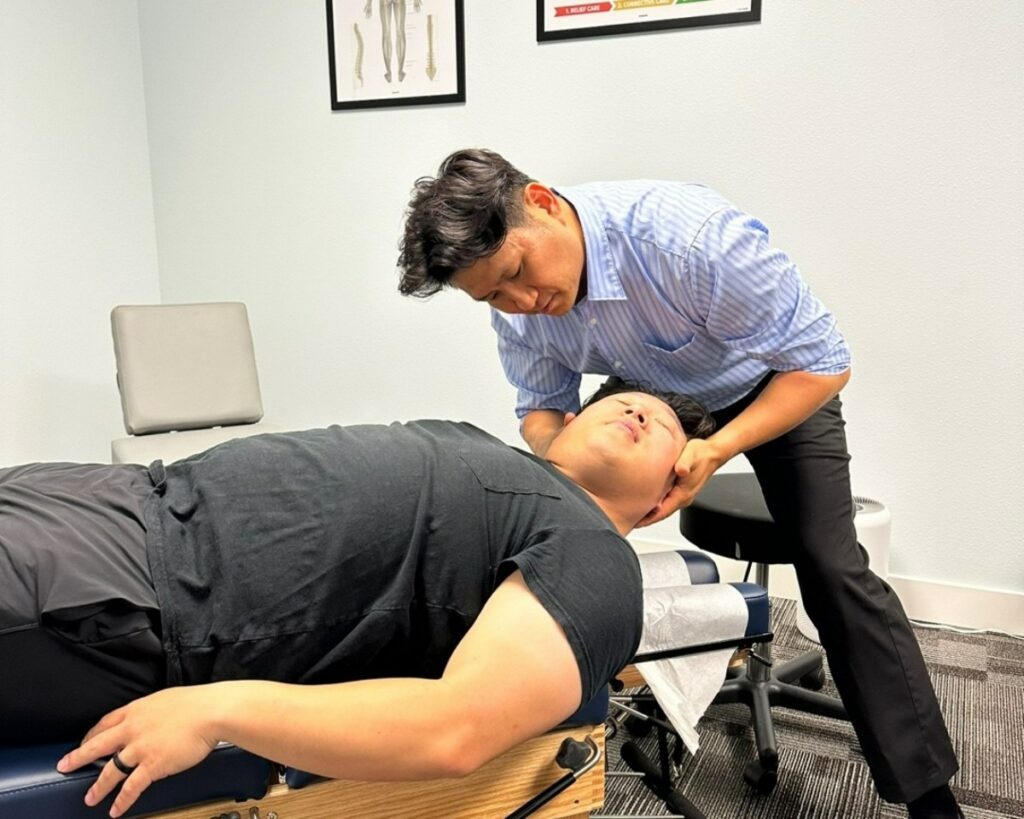
In addition, manual therapy, which includes chiropractic adjustments, plays a crucial role in relieving pain. As your chiropractor, I focus on realigning your spine to improve mobility, which can significantly reduce pain and help prevent future discomfort.
It's always a good idea to consult with a healthcare professional, like myself, to determine the best approach tailored to your specific situation.
Over-the-Counter Medications
When you're experiencing lower back pain, it's important to know that while over-the-counter (OTC) medications can provide quick relief, they aren't a long-term solution. Common options like ibuprofen and acetaminophen may help alleviate your discomfort temporarily, but understanding how to use them safely and effectively is crucial.
As a chiropractor, I encourage my patients to consider holistic approaches to healing. Instead of solely relying on medications, I recommend exploring natural methods that address the root cause of your pain.
Chiropractic care can help restore proper alignment and function to your spine, which may reduce pain and improve your overall well-being.
If you do choose to use OTC medications, be sure to follow the recommended dosage and safety guidelines.
However, remember that incorporating chiropractic adjustments, exercises, and lifestyle changes can significantly enhance your recovery and prevent future issues. Together, we can find a balanced approach to managing your lower back pain.
Common OTC Options
As a local chiropractor, I'm here to help you understand how to manage lower back pain effectively, starting with over-the-counter (OTC) medications that can serve as a helpful initial step.
While chiropractic care focuses on natural healing and alignment, these OTC options can provide temporary relief and support your journey back to comfort and mobility. Here are some common choices you might consider:
- Acetaminophen – This pain reliever is often recommended for mild to moderate back pain. It's gentle on the stomach, making it a suitable option for those who may be sensitive to stronger medications.
- Ibuprofen – As a nonsteroidal anti-inflammatory drug (NSAID), ibuprofen isn't only effective for reducing pain but also addresses inflammation, which can be a key factor in back discomfort. This makes it a solid choice for those dealing with acute pain.
- Naproxen – Similar to ibuprofen, naproxen is another NSAID that provides longer-lasting relief. If you're experiencing persistent pain, this may be a beneficial option to consider.
- Topical analgesics – These are creams or patches containing ingredients like menthol or capsaicin that can be applied directly to the skin over the painful area. They offer targeted relief without the need for oral medications, which can be an appealing option for many.
Remember, while these OTC options can be useful for managing pain, they should complement a holistic approach to your health.
Chiropractic care focuses on addressing the underlying issues contributing to your discomfort and promoting overall wellness. If you have any questions about how to integrate these methods into your pain management strategy, feel free to reach out!
Dosage and Safety Guidelines
As your local chiropractor, I want to help you understand the importance of dosage and safety when it comes to over-the-counter (OTC) medications, especially if you're new to chiropractic care and exploring natural healing options. Knowing the right dosage can ensure you find effective pain relief while minimizing any potential side effects.
For common pain relievers like ibuprofen or acetaminophen, it's crucial to follow the dosage instructions provided on the packaging. Generally, for ibuprofen, adults can take 200-400 mg every 4-6 hours, but it's important not to exceed 1200 mg within a day unless a doctor advises otherwise.
Similarly, for acetaminophen, the standard dose is 500-1000 mg every 4-6 hours, with a maximum of 3000 mg per day for most adults. Taking these medications with food or water can help prevent stomach irritation, which is something to keep in mind as you manage your pain.
If you're pregnant, nursing, or on other medications, please consult with your healthcare provider before starting any OTC medications. Being aware of potential interactions is vital; for example, mixing NSAIDs with blood thinners can heighten the risk of bleeding.
If you find that your pain lingers for more than a few days despite treatment, or if you notice any unusual symptoms like severe stomach pain or signs of an allergic reaction, it's essential to reach out for medical advice.
Professional Treatment Options
As a local chiropractor, I understand that dealing with lower back pain can be incredibly frustrating, especially when self-care methods aren't providing the relief you need.
It's important to know that you don't have to navigate this journey alone. Professional treatment options can make a significant difference in your recovery. Here are four effective approaches you can consider:
1. Chiropractic Care: As a chiropractor, my primary focus is on spinal adjustments and manipulations. These techniques help restore proper alignment and function to your spine, which can alleviate pain and enhance your mobility.
Many patients find relief without the need for medication, and I can create a personalized treatment plan that addresses your specific needs.
2. Physical Therapy: While I specialize in chiropractic care, I often collaborate with physical therapists to provide a comprehensive approach to your treatment.
A physical therapist can develop a tailored exercise program that strengthens your back muscles, improves flexibility, and enhances posture, addressing the root causes of your discomfort.
3. Acupuncture: This ancient healing practice can be a valuable addition to your treatment plan.
By inserting thin needles into specific points of the body, acupuncture stimulates your natural healing processes. Many of my patients have reported reduced pain and increased relaxation after sessions.
4. Prescription Medications: In cases where pain is severe, I may recommend consulting with a healthcare provider who can prescribe anti-inflammatory medications or muscle relaxants.
While these can provide temporary relief, my goal is to help you find long-term solutions through natural healing and chiropractic care.
If you're struggling with persistent lower back pain, I encourage you to explore these professional treatment options.
Together, we can work towards a pain-free life and restore your overall well-being.
Conclusion
As a local chiropractor, I want to share how a combination of stretching, strengthening exercises, and maintaining proper posture can significantly alleviate your lower back pain. It's important to incorporate these habits into your daily routine for better spinal health. Additionally, utilizing heat and cold therapy can provide immediate relief, while over-the-counter medications can be considered if necessary.
For those seeking a more personalized approach to their pain management, professional treatments such as chiropractic care and physical therapy can play a crucial role in achieving long-term wellness. Chiropractic adjustments not only help to realign the spine but also enhance overall function, allowing your body to heal naturally.
I encourage you to embrace a holistic approach to your health. By being proactive and integrating these strategies into your life, you can effectively manage your pain and improve your quality of life. If you have any questions or would like to learn more about how chiropractic care can benefit you, don't hesitate to reach out. Your journey to a pain-free life can start today!