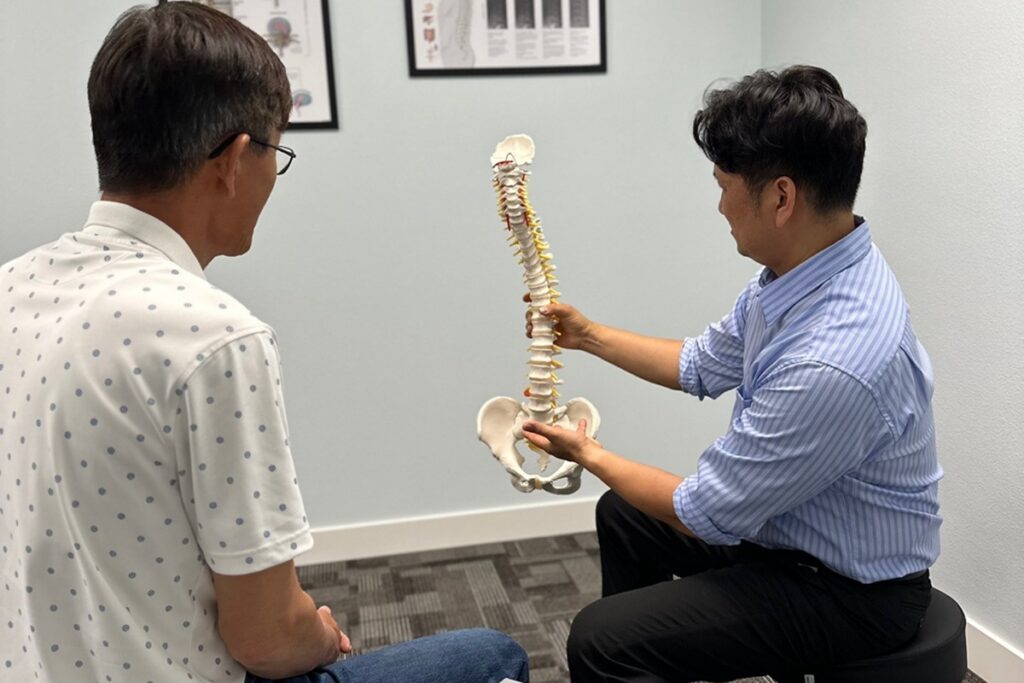

When it comes to your health, preventative care can be the key to a longer, healthier life. You might think of it as just doctor's visits or check-ups, but it's much more than that. By understanding the full scope of preventative measures—from regular screenings to mental health maintenance—you can take control of your wellness journey. Imagine knowing how simple lifestyle adjustments can make a significant difference. So, what are the essential steps you can take to prioritize your health and well-being? Let's explore the foundational elements that can empower you on this path.
Importance of Preventative Care
Preventative care is essential for maintaining overall health and well-being. When you prioritize prevention, you invest in your future, reducing the risk of chronic diseases and improving your quality of life. By taking proactive steps, you can catch potential health issues before they escalate, saving time, money, and unnecessary stress.
One of the key benefits of preventative care is its ability to empower you. You gain insight into your body and its needs, allowing you to make informed decisions about your lifestyle. Regular check-ups, vaccinations, and screenings can help identify risk factors that could lead to serious health problems down the line. By addressing these factors early on, you're setting yourself up for success.
Incorporating healthy habits into your daily routine is another critical aspect of preventative care. Eating a balanced diet, exercising regularly, and managing stress are all crucial components that contribute to your overall wellness. When you take these steps, you're not just avoiding illness; you're enhancing your physical and mental health.
Moreover, preventative care promotes a stronger relationship with your healthcare providers. When you engage in regular visits, you create a foundation of trust and open communication. This connection enables you to discuss concerns and receive personalized recommendations tailored to your needs.
Regular Health Screenings
Regular health screenings play an important role in your preventative care strategy. These screenings help you detect potential health issues early, allowing for timely interventions that can greatly improve your long-term health outcomes.
Whether it's a routine blood pressure check or a cholesterol test, these assessments provide vital insights into your overall well-being. You should schedule regular screenings based on your age, gender, and risk factors.
For instance, women may need to start mammograms in their 40s, while men might benefit from prostate exams in their 50s. Don't overlook routine blood tests, which can reveal conditions like diabetes or thyroid issues before symptoms even appear.
Having open discussions with your healthcare provider about your personal and family medical history can help tailor a screening schedule that meets your unique needs. Remember, screenings aren't just for those who feel unwell; they're a proactive approach to maintaining your health.
It's also important to keep track of your results. Understanding the numbers behind your screenings, like cholesterol and blood sugar levels, empowers you to make informed lifestyle choices.
If a screening shows something concerning, follow up with your doctor for further testing or treatment options.
Vaccinations and Immunizations
Vaccinations are essential for protecting your health and the health of those around you.
Sticking to the recommended immunization schedules guarantees you stay up-to-date and shielded from preventable diseases.
Let's explore why these vaccines matter and how they can impact your wellness.
Importance of Vaccines
Many people underestimate the crucial role vaccines play in maintaining public health. Vaccines protect not just you, but also your community by preventing the spread of infectious diseases. When you get vaccinated, you lower your risk of contracting illnesses like measles, flu, or whooping cough. You also help create herd immunity, which protects those who can't be vaccinated, such as infants or individuals with compromised immune systems.
By receiving vaccinations, you're fundamentally building a shield of protection around vulnerable populations. This collective immunity helps keep outbreaks at bay, making communities safer. Additionally, vaccines can save you time and money by reducing the likelihood of severe illness that could lead to costly medical expenses or lost workdays.
It's important to stay informed about the vaccines available to you and your family. Remember, vaccination isn't just a personal choice; it's a social responsibility that contributes to the well-being of society as a whole.
Embrace the power of vaccines to help protect yourself and those around you. By doing so, you're playing a crucial part in the fight against preventable diseases. Your health and the health of your community depend on it.
Recommended Immunization Schedules
Understanding the recommended immunization schedules can greatly enhance your ability to protect yourself and your family. Staying on top of these schedules guarantees you and your loved ones receive vaccinations at the right times, helping to prevent serious illnesses.
The Centers for Disease Control and Prevention (CDC) provides guidelines for various age groups, making it easier for you to keep track. Here's what you need to know:
- Infants and toddlers: Vaccines like MMR (measles, mumps, rubella) and DTaP (diphtheria, tetanus, and pertussis) are essential during the first few years of life.
- Teens: As your children grow, they'll need boosters for certain vaccines, such as the Tdap and meningococcal vaccines, often recommended around age 11 or 12.
- Adults: It's not just for kids! Adults need to stay updated on vaccines like the flu shot and Tdap, especially if you're pregnant or planning to travel.
Nutrition and Healthy Eating
When it comes to maintaining your overall wellness, nutrition and healthy eating play an essential role. The food you consume directly impacts your energy levels, mood, and long-term health. To optimize your nutrition, focus on incorporating a variety of whole foods into your diet. Fresh fruits, vegetables, whole grains, lean proteins, and healthy fats should form the foundation of your meals.
Start by planning your meals ahead of time. This helps you avoid unhealthy options when you're pressed for time or feeling hungry. Aim to fill half your plate with fruits and vegetables at every meal. These foods are rich in vitamins, minerals, and antioxidants, which your body needs to function at its best.
Don't shy away from experimenting with new recipes and ingredients to keep your meals exciting.
Portion control is another significant aspect of healthy eating. Pay attention to serving sizes, and listen to your body's hunger cues. Eating mindfully can prevent overeating and help you appreciate your food more. It's also vital to stay hydrated, so make sure you're drinking enough water throughout the day.
Lastly, limit processed foods and added sugars as much as possible. These can contribute to weight gain and various health issues. By prioritizing balanced, nutritious meals, you'll not only feel better physically but also support your mental wellbeing.
Physical Activity and Exercise
Incorporating regular physical activity into your routine can dramatically enhance your overall wellness. It's not just about hitting the gym; it's about finding activities you enjoy and making them part of your daily life. Exercise boosts your energy, improves your mood, and strengthens your immune system.
Consider these engaging activities that can easily fit into your day:
- Morning walks: Feel the sun on your skin as you stroll through your neighborhood, breathing in fresh air and watching the world wake up.
- Dance classes: Let loose and lose yourself in the rhythm, whether you're grooving in a Zumba class or trying out salsa.
- Yoga sessions: Experience the calming effects of stretching and mindfulness, helping you find balance and flexibility.
Aim for at least 150 minutes of moderate-intensity aerobic activity each week, along with muscle-strengthening exercises on two or more days. This might seem challenging, but breaking it into manageable chunks can make it attainable.
Think about walking during your lunch break or doing a quick workout video at home.
Mental Health Maintenance
Mental health maintenance is crucial for overall well-being, yet it often gets overlooked in our busy lives. You might find yourself prioritizing work, family, or social obligations while neglecting your mental health. However, taking time to care for your mind is just as important as any other aspect of your health.
Start by recognizing the signs of stress and anxiety in your life. If you're feeling overwhelmed, take a moment to breathe and assess your feelings. Practicing mindfulness can help you stay grounded and present, allowing you to manage your thoughts better. Simple techniques, like deep breathing exercises or meditation, can make a significant difference.
Don't underestimate the power of social connections. Surround yourself with supportive friends and family who uplift you. Make it a point to engage in meaningful conversations and activities that bring joy to your life. You might also consider joining community groups or clubs that align with your interests, fostering a sense of belonging.
Regular check-ins with a mental health professional can also be invaluable. Therapy isn't just for times of crisis; it's a space for growth and self-exploration. Don't hesitate to seek help if you feel it's necessary.
Finally, confirm you're maintaining a healthy work-life balance. Setting boundaries between your professional and personal life can prevent burnout and promote mental clarity.
Building Healthy Habits
Building healthy habits is essential for your overall wellness.
By incorporating daily exercise routines, balanced nutrition choices, and effective mindfulness techniques, you can create a strong foundation for a healthier life.
Let's explore how these elements can work together to enhance your well-being.
Daily Exercise Routines
While you might feel overwhelmed by the idea of starting a daily exercise routine, establishing consistent habits can lead to significant improvements in your overall health. The key is to start small and make your workouts enjoyable. You don't need to spend hours at the gym; even short, focused sessions can make a difference.
Consider incorporating these elements into your routine:
- Morning stretches: Wake up your body with gentle stretches that energize you for the day ahead.
- Walking breaks: Take a brisk walk during your lunch break to refresh your mind and boost your mood.
- Fun activities: Engage in activities you love, like dancing, cycling, or hiking, to keep you motivated and excited.
Aim for at least 30 minutes of moderate exercise most days of the week. You can mix and match different activities to prevent boredom.
Listening to your body is vital; if you're feeling tired, opt for a lighter workout. Remember, consistency is what matters most.
As you stick to your daily routine, you'll notice increased energy, improved mood, and enhanced overall wellness. Start today, and let the journey to a healthier you unfold!
Balanced Nutrition Choices
Making balanced nutrition choices is essential for maintaining your overall health and well-being. To start, focus on incorporating a variety of foods from all food groups. This means including fruits, vegetables, whole grains, lean proteins, and healthy fats in your daily meals. Aim for a colorful plate—each hue often represents different nutrients that contribute to your health.
Portion control also plays an important role. You might find it helpful to use smaller plates or bowls to avoid overeating. Don't forget to listen to your body's hunger cues; eat when you're hungry and stop when you're satisfied.
Planning your meals in advance can make a significant difference. By preparing healthy snacks and meals ahead of time, you'll avoid the temptation of quick, unhealthy options. Keep healthy snacks, like nuts or yogurt, readily available.
Lastly, stay hydrated. Water is essential for your overall health, so make sure you're drinking enough throughout the day. You can always infuse your water with fruits for added flavor without extra calories.
Mindfulness and Stress Management
Incorporating balanced nutrition choices sets a solid foundation for your overall wellness, but it's just as important to address the mental aspects of health.
Mindfulness and stress management are essential for maintaining a healthy mind and body. By practicing mindfulness, you can enhance your awareness and presence in the moment, reducing anxiety and fostering a sense of calm.
Here are some effective strategies to help you build these healthy habits:
- Breath-focused meditation: Spend a few minutes daily focusing solely on your breath, allowing thoughts to drift away.
- Nature walks: Engage your senses by observing the sights, sounds, and smells around you as you stroll through a park or natural setting.
- Gratitude journaling: Write down three things you're grateful for each day to shift your focus from stress to positivity.
Integrating these practices into your routine can considerably lower stress levels and improve your overall mental well-being.
Conclusion
Incorporating preventative care into your life is essential for achieving lasting wellness. By prioritizing regular health screenings, vaccinations, and nurturing your mental health, you can greatly reduce the risk of chronic diseases. Embrace healthy eating, stay active, and build positive habits to support both your physical and emotional well-being. Remember, taking proactive steps today not only enhances your quality of life but also sets the foundation for a healthier tomorrow. Start your journey toward wellness now!