
When it comes to back pain relief, you know one size doesn't fit all. Exploring tailored solutions can make a significant difference in your recovery journey. By evaluating your unique needs, you can discover effective treatments that may include physical therapy, lifestyle changes, and even innovative technologies. It's crucial to understand how these elements come together to create a thorough strategy. But what specific approaches might work best for you, and how can you implement them in your daily life?
Understanding Back Pain Types
Understanding back pain types is vital for finding the right relief. You'll encounter various forms of back pain, each stemming from different causes. The most common types are acute and chronic pain.
Acute pain usually appears suddenly, often due to injuries or strains, and lasts for a short period. You might feel this type of pain after lifting something heavy or twisting your body awkwardly. It's usually sharp and can limit your movement.
On the other hand, chronic back pain persists for three months or longer, often resulting from underlying conditions like arthritis, herniated discs, or even stress. If you're dealing with chronic pain, it's important to identify the source, as it can greatly impact your daily life.
Another common type is radicular pain, which radiates along the nerve path from your back to your legs. This type often occurs with conditions like sciatica, where pressure on a nerve causes pain that travels down your leg. Understanding these distinctions helps you communicate effectively with healthcare providers.
You may also experience muscle spasms, which often feel like tightness or cramping in your back muscles. These spasms can result from overexertion or stress.
Finally, it's important to recognize that back pain can also stem from emotional factors, such as anxiety or depression, which can exacerbate physical discomfort. By identifying the type of back pain you're experiencing, you can take the first step toward effective treatment and relief.
Importance of Personalized Treatment
When dealing with back pain, recognizing that a one-size-fits-all approach to treatment rarely works is essential.
Everyone's body is different, and what alleviates pain for one person mightn't have the same effect on you. Personalized treatment is vital for effectively addressing your unique situation and finding the relief you need.
Here are three key reasons why personalized treatment matters:
1. Specific Diagnosis: Tailored treatment starts with an accurate diagnosis. Understanding the root cause of your back pain allows healthcare professionals to design a plan that targets your specific issue, whether it's a muscle strain, herniated disc, or something else entirely.
2. Individual Needs: Your lifestyle, activity level, and personal preferences play a significant role in how you respond to treatment. A program that fits your unique circumstances can lead to better adherence and outcomes.
For instance, if you're an athlete, your treatment might involve different strategies than for someone with a sedentary job.
3. Monitoring Progress: Personalized treatment allows for continuous assessment and adjustments. As you progress, your treatment plan can evolve based on your response, ensuring that you're always on the best path to recovery.
Physical Therapy Approaches
When it comes to relieving back pain, physical therapy offers several effective approaches.
You can benefit from manual therapy techniques, exercise rehabilitation programs, and posture correction strategies tailored to your needs.
Each of these methods plays an essential role in improving mobility and reducing discomfort.
Manual Therapy Techniques
Manual therapy techniques play an essential role in physical therapy approaches for alleviating back pain.
These hands-on methods can help reduce pain, improve mobility, and enhance overall function. By directly addressing the affected areas, you can experience significant relief and regain your quality of life.
Here are three key manual therapy techniques you might encounter:
- Soft Tissue Mobilization: This technique involves applying pressure to the muscles, tendons, and ligaments to decrease tension and improve blood flow. It helps release tightness, easing discomfort.
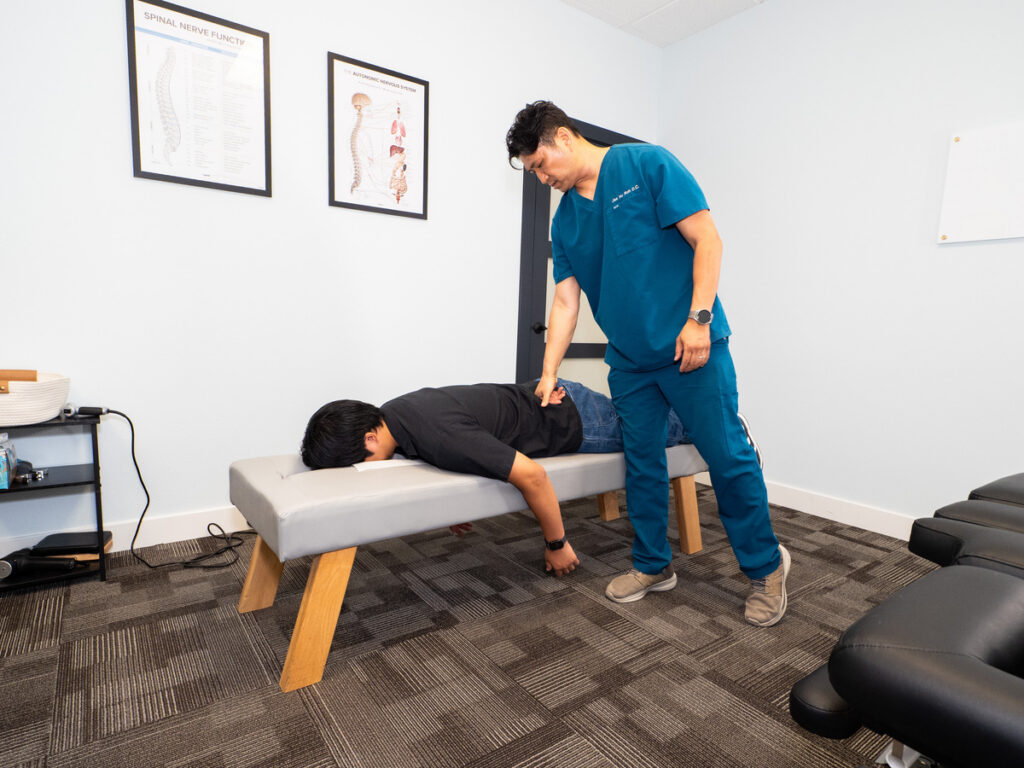
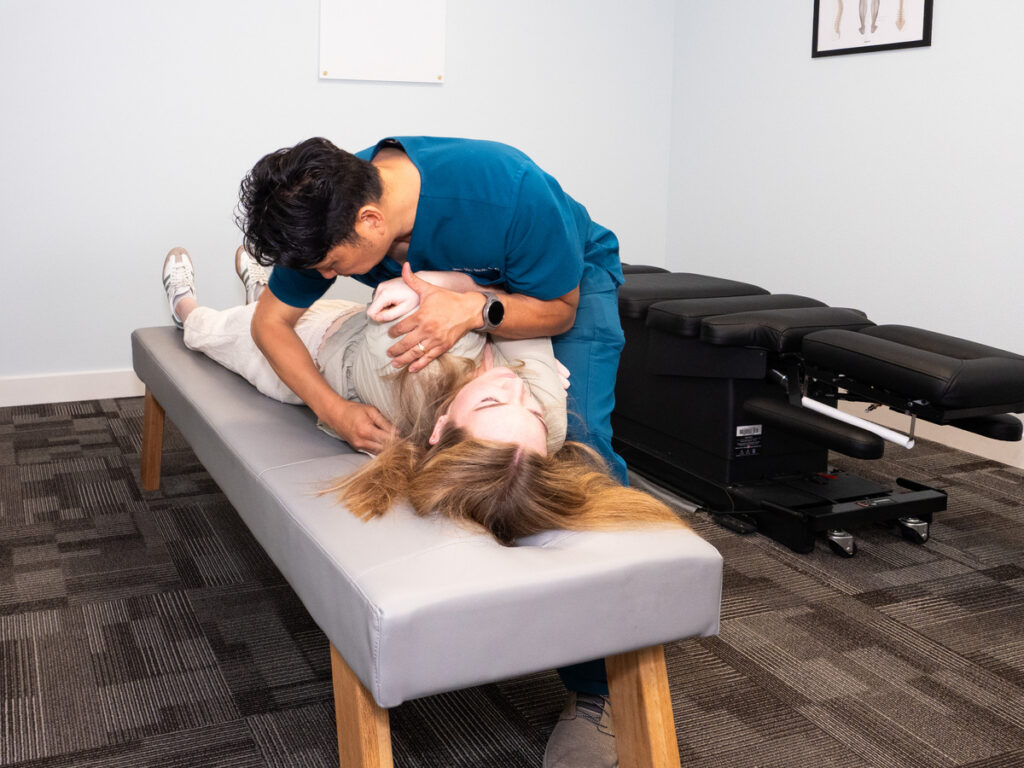
- Joint Manipulation: Through controlled movements, a therapist can realign your spinal joints, which may reduce pain and restore range of motion. This technique often provides immediate relief.
- Myofascial Release: This approach targets the fascia, the connective tissue surrounding muscles. By gently stretching and releasing tension in this area, you can alleviate pain and improve overall function.
Integrating these manual therapy techniques into your back pain management plan can lead to more effective outcomes, allowing you to move freely and enjoy daily activities once again.
Exercise Rehabilitation Programs
Exercise rehabilitation programs are vital for effectively managing back pain and promoting long-term recovery. These tailored programs focus on strengthening your muscles, improving flexibility, and enhancing overall physical function. By engaging in specific exercises, you can alleviate pain, reduce the risk of future injuries, and regain your mobility.
When you begin an exercise rehabilitation program, a physical therapist will assess your condition and create a personalized plan. This plan often includes low-impact aerobic activities, strength training, and stretching exercises designed to target the muscles supporting your spine.
Consistency is key; committing to your program helps you achieve lasting results. You might also find that incorporating core-strengthening exercises plays an important role in stabilizing your back.
As you progress, your therapist will modify your program to guarantee it meets your evolving needs and challenges you appropriately.
Posture Correction Strategies
Effective management of back pain often involves addressing posture, as poor alignment can contribute to discomfort and exacerbate existing issues.
You can take proactive steps to improve your posture and, in turn, alleviate back pain. Here are three effective strategies to contemplate:
- Ergonomic Setup: Verify your workspace is ergonomically designed. Adjust your chair and computer screen to promote a neutral spine position, avoiding slouching or leaning forward.
- Mindfulness and Awareness: Develop an awareness of your posture throughout the day. Regularly check in with yourself; are your shoulders relaxed? Is your back straight? Small adjustments can make a big difference.
- Strengthening Exercises: Incorporate exercises that strengthen your core and back muscles. Stronger muscles provide better support for your spine, improving overall posture and reducing strain.
Lifestyle Modifications for Relief
Making simple lifestyle modifications can greatly ease back pain and improve your overall well-being. Start by evaluating your daily routines. Incorporating regular exercise into your schedule can strengthen your back muscles and enhance flexibility. Aim for low-impact activities like swimming, walking, or yoga. These not only boost your physical health but also help relieve stress, which can contribute to muscle tension.
Next, pay attention to your sleep habits. A quality mattress and supportive pillows can make a world of difference. Try sleeping on your side with a pillow between your knees or on your back with a pillow under your knees. These positions help maintain spinal alignment and reduce strain on your back.
Nutrition also plays a vital role in managing back pain. Eating a balanced diet rich in anti-inflammatory foods, such as fruits, vegetables, and whole grains, can support overall health. Stay hydrated, as good hydration helps keep your muscles and joints functioning properly.
Moreover, consider your work environment. If you sit for prolonged periods, make sure your chair provides adequate lumbar support. Take regular breaks to stand, stretch, and walk around—this prevents stiffness and encourages blood circulation.
Lastly, manage stress through mindfulness practices like meditation or deep-breathing exercises. Emotional well-being directly affects physical health, and reducing stress can greatly alleviate back discomfort.
Innovative Pain Management Techniques
When you're dealing with back pain, exploring innovative pain management techniques can make a significant difference.
Mindfulness and meditation can help you regain control, while advancements in physical therapy and technology offer new ways to enhance your recovery.
Let's look at how these strategies can transform your approach to pain relief.
Mindfulness and Meditation
In the quest for back pain relief, mindfulness and meditation emerge as powerful allies, offering innovative techniques to manage discomfort.
These practices help you cultivate awareness and foster a sense of calm, making it easier to cope with pain. By focusing your mind, you can shift your attention away from discomfort and reduce the stress that often exacerbates it.
Here are three ways mindfulness and meditation can support your back pain relief journey:
- Enhanced Awareness: Mindfulness encourages you to tune into your body, helping you identify pain triggers and respond to them more effectively.
- Stress Reduction: Regular meditation can lower cortisol levels, promoting relaxation and reducing muscle tension, which can lead to improved back health.
- Pain Perception Shift: Practicing mindfulness trains your brain to reinterpret pain signals, allowing you to experience discomfort with less emotional intensity.
Incorporating mindfulness and meditation into your daily routine can create a powerful synergy with other pain management strategies.
Physical Therapy Innovations
Exploring physical therapy innovations can greatly enhance your approach to back pain management. These cutting-edge techniques focus on personalized care, helping you tackle your specific pain points effectively.
One notable innovation is the use of dry needling, which targets muscle knots and trigger points, providing immediate relief and improving mobility.
Additionally, active release techniques address soft tissue restrictions, promoting faster recovery and function restoration. You might also benefit from therapeutic exercise programs tailored to your needs, strengthening your core and stabilizing your spine.
Manual therapy is another innovative approach, where skilled therapists use their hands to manipulate soft tissues and joints. This can alleviate pain and improve your range of motion.
Furthermore, neuromuscular re-education techniques can retrain your body's response to pain, enhancing your overall movement patterns.
Lastly, incorporating functional movement assessments can pinpoint weaknesses and imbalances, allowing for a more focused treatment plan.
With these innovations at your disposal, you can work closely with your physical therapist to develop a thorough strategy that not only addresses your back pain but also promotes long-term wellness. Embrace these advancements to regain control over your pain management journey.
Advanced Technology Solutions
Advanced technology solutions are revolutionizing pain management for back pain sufferers. With innovative approaches, you can find relief in ways you never thought possible.
Here are three cutting-edge techniques that might just change your life:
- Wearable Devices: These smart gadgets monitor your posture and movement, providing real-time feedback. They help you correct your form and avoid further injury, making daily activities more manageable.
- Telehealth Consultations: Virtual appointments with specialists allow you to get expert advice from the comfort of your home. This accessibility means you can receive tailored treatment plans without the hassle of traveling.
- Non-Invasive Stimulators: These devices use electrical impulses to block pain signals from reaching the brain. By targeting specific areas of discomfort, they can provide immediate relief and support your recovery journey.
Role of Nutrition in Recovery
Nourishing your body plays an essential role in recovering from back pain. The foods you choose can directly impact your healing process and overall well-being. A diet rich in anti-inflammatory foods can help reduce pain and promote recovery. Incorporating fruits, vegetables, whole grains, and healthy fats into your meals provides fundamental nutrients that support tissue repair and reduce inflammation.
Omega-3 fatty acids, found in fatty fish like salmon, walnuts, and flaxseeds, are particularly beneficial. They've anti-inflammatory properties that can help alleviate pain and promote healing. Similarly, antioxidants present in colorful fruits and vegetables, such as berries and leafy greens, combat oxidative stress, which may contribute to pain.
Don't forget about the importance of hydration, either. Drinking plenty of water is essential for maintaining the elasticity of your spinal discs and preventing stiffness. Aim for at least eight glasses a day, and consider herbal teas that can also provide additional anti-inflammatory benefits.
Moreover, adequate protein intake is important for muscle repair. Include lean meats, beans, and legumes in your meals to support muscle strength.
Vitamins and minerals, especially calcium and vitamin D, are fundamental for bone health. Dairy products, fortified alternatives, and leafy greens can help you meet these needs.
Mindfulness and Stress Reduction
Addressing back pain isn't just about physical recovery; your mental well-being plays a vital role too. Stress and anxiety can exacerbate your pain, making it essential to incorporate mindfulness and stress reduction techniques into your routine.
By focusing on your mental state, you can create a more holistic approach to relieve your back pain.
Here are three effective mindfulness strategies to help reduce stress and enhance your recovery:
- Meditation: Spend just a few minutes each day in silence, focusing on your breath. This practice can help quiet your mind and reduce tension in your body. Apps like Headspace or Calm can guide you through various meditation techniques.
- Deep Breathing Exercises: When you feel stress creeping in, pause and take deep, slow breaths. Inhale through your nose, hold for a few seconds, and exhale through your mouth. This simple technique lowers your heart rate and promotes relaxation, which can ease muscle tension in your back.
- Mindful Movement: Engage in gentle activities like yoga or tai chi, which emphasize body awareness and slow, controlled movements. These practices not only help you stretch and strengthen your back but also promote a calm mind.
Incorporating these mindfulness techniques into your daily routine can greatly impact your overall well-being and contribute to effective back pain relief.
Alternative Therapies to Consider
Exploring alternative therapies can open up new avenues for back pain relief that you mightn't have considered before. From acupuncture to chiropractic care, these options can complement traditional treatments or stand alone as effective solutions.
Acupuncture, for instance, involves inserting thin needles into specific points on your body. Many people find that it helps alleviate their pain by promoting natural healing and improving blood flow. If you're open to trying acupuncture, it's wise to seek a licensed practitioner to guarantee safe and effective treatment.
Chiropractic care is another popular choice. Chiropractors focus on realigning the spine and improving overall function. Regular adjustments can reduce pain and enhance mobility, making it a valuable option for chronic back issues.
Massage therapy can also provide significant relief. By targeting tense muscles, a skilled massage therapist can alleviate tightness and promote relaxation. You might find that regular sessions help to manage your pain and improve your overall well-being.
Additionally, herbal remedies and supplements, like turmeric or devil's claw, are gaining traction. While they may not work for everyone, some individuals report positive results. Always consult with a healthcare provider before starting any new supplement to guarantee it's appropriate for you.
Lastly, yoga can be an excellent way to improve flexibility, strengthen your core, and relieve tension. Many find that regular practice not only eases their back pain but also enhances their mental well-being.
Exploring these alternative therapies can lead you to the relief you've been seeking.
Building a Support System
Often, building a strong support system is essential for effectively managing back pain. Surrounding yourself with the right people can make a significant difference in your journey toward relief. Here's how to cultivate a supportive environment:
1. Family and Friends: Don't hesitate to reach out to loved ones. Let them know what you're going through and how they can help.
Whether it's providing emotional support or assisting with daily tasks, their encouragement can boost your morale and help you stay positive.
2. Healthcare Professionals: Collaborate with your medical team, including your doctor, physical therapist, or chiropractor.
They can provide tailored advice and treatment options, ensuring you're on the right track. Regular check-ins will keep you accountable and informed about your progress.
3. Support Groups: Consider joining a local or online support group.
Connecting with others who share similar experiences can provide comfort and practical advice. You'll find camaraderie and understanding, which can be invaluable when you're facing challenges.
Building this network isn't just about receiving help; it's also about giving back.
As you progress, share your journey and insights with others. This reciprocal relationship can enhance your healing process and foster a sense of community.
Conclusion
Incorporating tailored solutions for back pain relief can transform your journey to recovery. By understanding your specific pain type and engaging in personalized treatments, you can find effective ways to manage discomfort. Embracing physical therapy, lifestyle changes, and innovative techniques will enhance your well-being. Don't forget the importance of nutrition and mindfulness, along with building a strong support system. With the right approach, you can access a more comfortable, pain-free life.