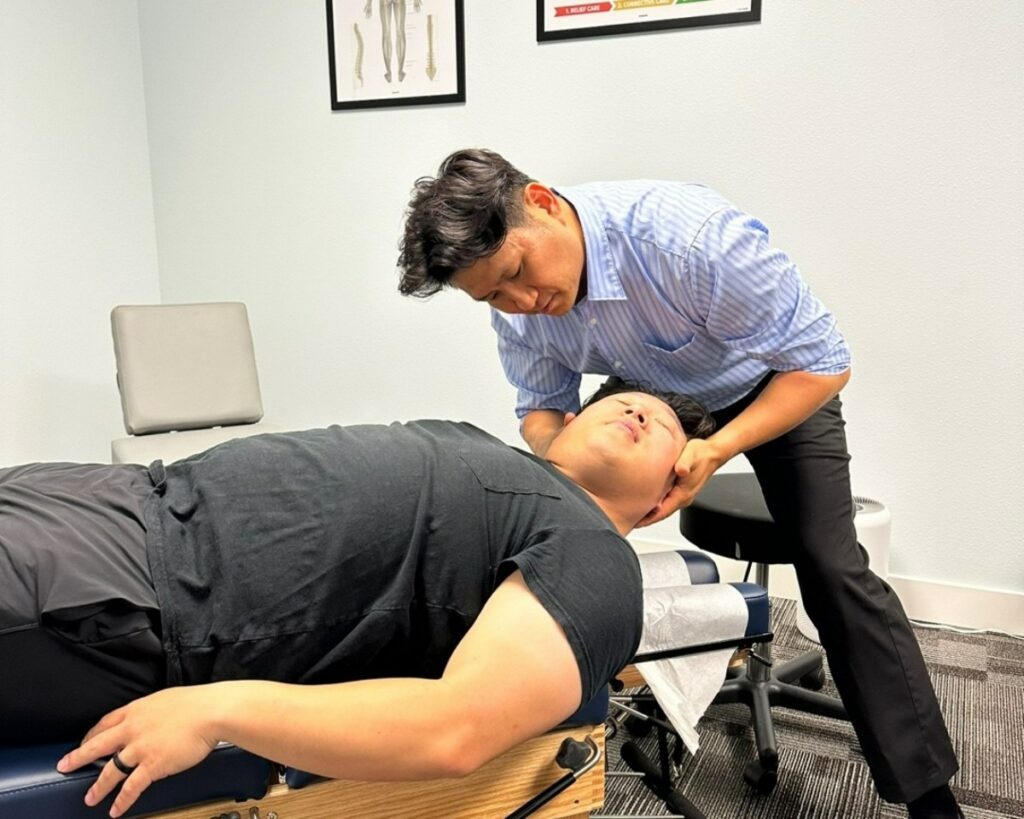

As a local chiropractor, I want to emphasize how making specific adjustments can be vital to your recovery from a sports injury. It’s not just about treating the injury itself; it’s about modifying your overall approach to healing. For instance, adjusting your training techniques can help prevent further strain on your body. Upgrading your equipment might involve ensuring that your footwear is supportive and appropriate for your activity, which can significantly reduce the risk of injury.
Nutrition is another critical aspect; fine-tuning what you eat can aid in your recovery process. Incorporating anti-inflammatory foods can help reduce swelling and promote healing. Additionally, don’t underestimate the power of rehabilitation exercises tailored to your needs. These exercises are designed to strengthen the affected area and restore mobility.
Lastly, cultivating a positive mindset can enhance your recovery journey. Mental resilience plays a crucial role in how well and how quickly you heal. So, what specific adjustments can you make? Consider reaching out to a chiropractor who can guide you through these changes and support your natural healing process. Together, we can create a comprehensive plan that addresses all facets of your recovery.
Modifying Training Techniques
As a local chiropractor, I want to emphasize the importance of modifying your training techniques when recovering from a sports injury. This is crucial for ensuring a safe and effective return to your peak performance levels.
One of the first steps you can take is to focus on low-impact exercises. Activities like swimming or cycling can help you maintain your fitness without putting unnecessary strain on your injury.
It’s also beneficial to adjust the intensity of your workouts. Instead of long, exhausting sessions, aim for shorter, more frequent workouts. This strategy allows you to gradually build strength without overdoing it.
Incorporating flexibility and mobility drills into your routine is another key component of recovery. Stretching can enhance blood flow and reduce stiffness, which is particularly important during your rehabilitation process.
Always listen to your body; if you experience pain, it’s essential to stop and reassess.
I encourage you to consider working with a chiropractor or physical therapist who can provide personalized guidance on modifying your training techniques based on your specific injury.
Remember, patience is vital in this process. Rushing back into high-intensity training can lead to setbacks, so prioritize a gradual and thoughtful approach to your rehabilitation.
Natural healing takes time, but with the right modifications, you can return to your sport stronger than ever.
Upgrading Equipment for Comfort and Support
As a local chiropractor, I want to emphasize how upgrading your equipment can significantly improve your comfort and support during your recovery from a sports injury.
It’s crucial to understand that wearing the right gear is an essential part of the healing process. I recommend considering supportive footwear tailored to your individual needs. Whether you require additional cushioning for shock absorption or stability for better balance, the right shoes can help alleviate discomfort and aid in your recovery.
If you’re utilizing braces or wraps, it’s important to ensure they’re suitable for the specific type of injury you’re dealing with. Well-fitted braces provide crucial stabilization to the injured area, allowing you to move with greater confidence and reducing the risk of reinjury.
I also encourage you to explore ergonomic sports equipment that aligns with your body’s natural mechanics. This alignment can help minimize strain on your muscles and joints, facilitating a smoother recovery journey.
Don’t forget about the benefits of recovery aids like foam rollers or massage balls. These tools can assist in relieving muscle tension and improving circulation, both of which are vital for effective healing.
By upgrading your equipment and incorporating these supportive tools into your routine, you’ll create a more nurturing environment that promotes healing and helps you return to your sport even stronger.
Adjusting Nutrition and Hydration Plans
As a local chiropractor, I want to emphasize the critical role nutrition and hydration play in your recovery from sports injuries.
It’s essential to fuel your body with the right nutrients to support healing and minimize inflammation. A balanced diet should focus on lean proteins, healthy fats, and a variety of fruits and vegetables. Proteins are vital for repairing tissues, while the antioxidants found in fruits and vegetables can help combat oxidative stress, which is often heightened after an injury.
Hydration is just as crucial as nutrition. When you’re dehydrated, your recovery can slow down, so it’s important to drink plenty of water throughout the day. If you’re sweating more than usual or if your injury restricts your physical activity, consider adding electrolyte-rich drinks to your routine.
Also, pay attention to when you eat. Consuming smaller, more frequent meals can help you maintain your energy levels and provide your body with a consistent supply of essential nutrients.
By adjusting your nutrition and hydration strategies, you’ll be setting a strong foundation for your recovery journey.
Incorporating Rehabilitation Exercises
As a local chiropractor, I want to emphasize the importance of incorporating rehabilitation exercises into your recovery plan after experiencing a sports injury.
These exercises are vital for regaining strength and mobility, and they play a crucial role in natural healing. By focusing on rehabilitation, you can effectively rebuild muscle, enhance flexibility, and improve your overall athletic performance.
I recommend starting with a customized program created by a licensed physical therapist or chiropractor, specifically tailored to address your unique injury and individual needs. This personalized approach ensures that you’re taking the right steps towards recovery.
Here are some key benefits of engaging in rehabilitation exercises:
- Improves Range of Motion: These exercises are designed to restore flexibility in the affected area, allowing for more natural movement.
- Strengthens Muscles: By focusing on strengthening the muscles surrounding your injury, you can significantly reduce the risk of future injuries.
- Promotes Blood Flow: Increased circulation through rehabilitation exercises aids in the healing process, delivering vital nutrients to the injured area.
- Enhances Coordination: These exercises help improve your body’s ability to execute complex movements, which is essential for athletic performance.
- Boosts Confidence: As you progress through your rehabilitation, you’ll regain trust in your body’s abilities, which is a key factor in returning to your favorite activities.
Consistency is key when it comes to rehabilitation exercises.
Make sure to stick to your routine and be open to making adjustments as needed. With dedication and the right guidance, you’ll be on the path to a full and successful recovery in no time.
If you have any questions or need assistance, feel free to reach out. Your journey to wellness is important to us!
Altering Mental Approach to Recovery
As a chiropractor, I want to emphasize that while physical rehabilitation is crucial, your mental approach to recovery can significantly influence your healing journey. Adopting a positive mindset can keep you motivated and aligned with your goals. Rather than seeing your injury as a setback, consider it an opportunity for both mental and physical growth.
One effective technique to support your recovery is visualization. Picture yourself fully healed and engaging in your favorite activities again. This mental imagery can boost your confidence and strengthen your belief in your body’s ability to heal.
It’s also important to surround yourself with supportive friends and family who encourage you and share your aspirations.
In addition, I recommend setting small, achievable milestones throughout your recovery. Celebrating these victories reinforces your determination and commitment to healing.
Incorporating practices like mindfulness or meditation can also help manage stress and anxiety, keeping your mind clear and focused.
Remember, your mental state is just as important as your physical condition during recovery. Cultivating an optimistic outlook and staying dedicated to your healing process can make a world of difference.
As your chiropractor, I’m here to support you every step of the way on your journey to wellness.