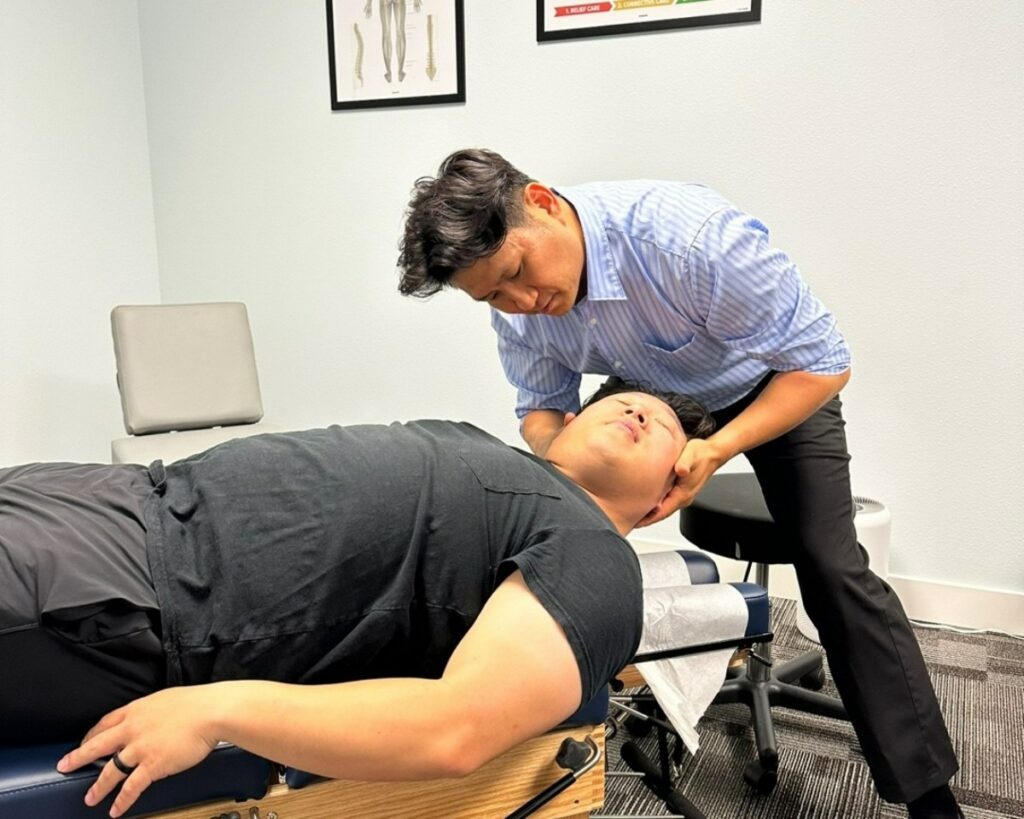

As a local chiropractor, I understand that dealing with a neck injury can be overwhelming. Many patients are unsure about the best ways to support their recovery. That's where soft techniques come into play. Methods like myofascial release and gentle stretching are fantastic non-invasive options for alleviating discomfort and promoting healing.
These techniques do more than just relieve tightness; they also foster relaxation and enhance circulation, which are vital components of the healing process. If you're wondering how to incorporate these methods into your recovery plan, or when the right time to start is, it's important to know that each individual's situation is unique.
By working together, we can determine how and when to integrate these soft techniques into your care. Understanding these approaches can significantly enhance your recovery journey and help you regain your well-being. I'm here to guide you every step of the way!
Understanding Soft Techniques
As a local chiropractor dedicated to helping my patients recover from neck injuries, I believe it's essential to understand the importance of soft techniques in the healing process.
Soft techniques encompass gentle, non-invasive methods that can significantly alleviate pain and restore function without overstraining the affected area. These approaches leverage the body's innate ability to heal through careful manipulation and soothing movements.
One common soft technique you may have heard of is myofascial release. This method focuses on the fascia, which is the connective tissue surrounding your muscles. By applying gentle pressure, we can relieve tension and enhance blood flow, promoting healing in the affected area.
Another beneficial approach is craniosacral therapy, which involves light touch to assess and improve the function of the craniosacral system, ultimately contributing to your overall well-being.
In addition to these techniques, I encourage you to consider gentle stretching and mobilization exercises. These activities are designed to promote movement without aggravating your injury, helping to restore flexibility and reduce stiffness in your neck.
It's also important to be aware of your posture during daily activities; maintaining proper alignment can prevent further strain and support your recovery.
Using soft techniques requires patience and consistency. While immediate results may not be apparent, many patients find that, over time, their pain levels decrease and mobility improves.
I always recommend consulting with a healthcare professional, like myself, before beginning any new treatment plan. I can guide you through the most suitable techniques tailored to your specific condition.
Benefits of Soft Techniques
As a local chiropractor, I want to share with you the many benefits of soft techniques that can significantly aid in your recovery from neck injuries. These gentle methods focus on mild manipulations and stretches that promote healing while minimizing strain on your body.
One of the primary advantages of soft techniques is their effectiveness at alleviating pain. By loosening tight muscles and releasing built-up tension, many patients find substantial relief, which allows for a quicker return to a full range of motion.
Additionally, these techniques can enhance blood circulation in the areas affected by your injury. Improved blood flow brings vital nutrients and oxygen to your muscles, helping to speed up the healing process. Many patients also experience a reduction in inflammation, a common issue associated with neck injuries. With less swelling, you may find greater comfort in your daily activities.
Another key benefit of soft techniques is their personalized approach. Whether you're working with me in my office or practicing gentle methods at home, we can tailor the techniques specifically to your individual needs and conditions. This customization ensures you're not just following a generic routine, but actively participating in your healing journey.
Finally, engaging in these soft techniques can help reduce stress and foster relaxation. Dealing with pain can often lead to feelings of anxiety or tension. By incorporating these gentle methods into your routine, you can calm your mind, which contributes to your overall well-being.
Common Soft Techniques
As a local chiropractor, I want to share some effective soft techniques that can significantly aid in your recovery from neck injuries. These methods utilize gentle manipulation and mobilization to help relieve pain, enhance flexibility, and promote healing. Here are some common techniques you might want to consider.
First, gentle stretching is crucial for restoring your neck's range of motion. By engaging in slow and careful stretches, you can alleviate stiffness and tension in the muscles. Simple movements, such as tilting your head side to side or gently rotating it, can be very beneficial. As you stretch, remember to breathe deeply and only extend to the point of a mild pull—never to the point of pain.
Next, heat and cold therapy can be incredibly helpful. Applying heat can enhance blood circulation and relax tight muscles, while cold packs are excellent for reducing inflammation and numbing sharp pain. You might find that alternating between heat and cold provides the best relief for your symptoms.
Massage therapy is another valuable soft technique that I often recommend. A professional massage can effectively relieve muscle tension and enhance blood flow to the affected areas. If you prefer self-care, consider using your fingers to apply gentle pressure to tight spots in your neck and shoulders.
Additionally, maintaining good posture is vital for your recovery. Being aware of how you position your head and neck during daily activities can help prevent further strain. I encourage you to make ergonomic adjustments in your workspace and choose supportive pillows when you sleep, as these small changes can have a significant impact on your healing process.
Incorporating these common soft techniques into your daily routine can help you manage your neck injury more effectively. By doing so, you'll not only enhance your recovery but also support your long-term health and wellness.
If you have any questions or need personalized guidance, feel free to reach out!
How Soft Techniques Work
As a local chiropractor, I want to help you understand how soft techniques can play a crucial role in your recovery journey. These gentle methods focus on the manipulation and stretching of the muscles and tissues around your neck. By incorporating these techniques into your routine, you can stimulate blood flow, which not only aids in healing but also helps to reduce inflammation.
Soft techniques typically involve slow, controlled movements. When you engage in practices like myofascial release or gentle stretching, you're essentially signaling to your body to release built-up tension. This can be particularly beneficial if you're experiencing stiffness or pain in your neck, as it helps restore balance and mobility.
You might also find that these soft techniques don't just target your neck; they extend to the surrounding areas, promoting a sense of overall relaxation. By addressing muscle tightness and joint restrictions, you can alleviate discomfort and enhance your range of motion. As you practice these techniques, your body will become more attuned to recognizing and releasing areas of tension, leading to a more relaxed state.
Additionally, many soft techniques incorporate breathing exercises. Focusing on your breath can create a calming effect, which further enhances the therapeutic benefits of these methods. This mindful approach allows you to connect with your body better, making it easier to identify which areas require attention.
Ultimately, understanding how these techniques work empowers you to take an active role in your recovery process. The more you engage with these methods, the more in tune you'll become with your body's needs. By integrating soft techniques into your routine, you can promote healing and help prevent future neck injuries.
If you're curious about how to get started or have any questions, feel free to reach out during your next visit!
When to Use Soft Techniques
As your local chiropractor, I want to help you understand how soft techniques can significantly enhance your recovery process, especially if you've recently experienced a neck injury. These gentle methods are particularly beneficial during the initial healing phase, where your body is working to mend itself.
Soft techniques like gentle stretching and myofascial release can be incredibly effective when you're dealing with mild to moderate discomfort. They provide relief by alleviating tension in the surrounding muscles without placing undue strain on the injured area. If you're noticing tightness or stiffness in your neck muscles, it's a sign that your body may be compensating for the injured tissues. This is where soft techniques come into play; they can enhance blood circulation and reduce inflammation, both of which are crucial for healing.
Consider integrating these soft techniques into your routine, especially if you're just beginning physical therapy or transitioning from more intensive treatment methods. However, it's crucial to be cautious. If you're experiencing severe pain, it's best to avoid these techniques, as they could worsen your condition.
I always recommend consulting with a healthcare professional, like myself, before starting any new treatment—particularly after a significant injury.
Be mindful of symptoms such as numbness, tingling, or pain radiating into your arms. If you experience any of these, it's essential to seek evaluation from a specialist before proceeding with soft techniques.
Incorporating these gentle approaches at the right time can lead to a smoother recovery. Listen to your body's signals, and when you feel ready, these soft techniques can help restore your mobility and alleviate discomfort, allowing you to return to your everyday activities more quickly.
Incorporating Soft Techniques Into Recovery
As a local chiropractor, I want to share how incorporating soft techniques into your recovery can significantly enhance your healing journey.
Gentle stretching exercises are an excellent way to release tension and improve your mobility, making them a great addition to your routine.
Massage therapy also plays a vital role in this process, as it helps alleviate discomfort and promotes relaxation.
Furthermore, utilizing heat and cold applications can effectively manage pain and reduce inflammation.
These natural healing methods align well with chiropractic care, and I encourage you to explore them as part of your recovery plan.
Together, we can work towards restoring your health and well-being in a holistic manner.
Gentle Stretching Exercises
As a local chiropractor, I want to emphasize the importance of gentle stretching exercises in your recovery from neck injuries.
These stretches are key to restoring flexibility and alleviating tension in your neck. By integrating them into your daily routine, you'll not only promote healing but also help prevent stiffness.
Here's how you can benefit from these simple yet effective stretches:
- Neck Tilts: Gently tilt your head to one side, guiding your ear toward your shoulder. Hold this position for 15-30 seconds before switching to the other side. This stretch can help improve mobility and relieve tightness.
- Chin Tucks: Whether sitting or standing, maintain a straight posture and gently tuck your chin in toward your chest. Hold for 5-10 seconds. This exercise strengthens the muscles in your neck and supports proper alignment.
- Shoulder Rolls: Perform circular motions by rolling your shoulders forward and then backward. This movement can help alleviate tension in both your neck and upper back, promoting relaxation.
- Side Stretch: Extend one arm overhead and lean toward the opposite side. This stretch targets the muscles along your neck and side, enhancing overall flexibility.
Incorporating these gentle stretches into your routine can lead to noticeable improvements in how your neck feels.
Always pay attention to your body; if any stretch causes discomfort, it's best to stop and consult with a healthcare professional.
Massage Therapy Benefits
As a local chiropractor, I want to share with you the incredible benefits of massage therapy as part of your recovery from neck injuries. When combined with the gentle stretching exercises you may already be doing, massage therapy can significantly enhance your healing process.
By focusing on the muscles and soft tissues surrounding your neck, massage helps to alleviate tension and foster relaxation, which can lead to a reduction in pain and discomfort. This, in turn, makes it easier for you to stick to your rehabilitation routine.
One of the key advantages of massage therapy is the increased blood flow it brings to the affected area, which accelerates the healing process. You may find that your range of motion improves, which is crucial for restoring normal function.
Moreover, massage therapy promotes the release of endorphins—your body's natural pain relievers—providing you with immediate and effective pain relief.
In addition to physical benefits, incorporating massage into your recovery plan can also help manage the emotional stress often linked with injuries. The calming touch of massage can lead to enhanced mental well-being, helping you feel more at ease and less anxious about your healing journey.
For optimal results, I recommend seeking out a licensed massage therapist who's familiar with neck injuries. They can customize your sessions to meet your unique needs, ensuring you receive the maximum benefit from your treatment.
Heat and Cold Application
As your local chiropractor, I want to share some valuable insights on how to effectively manage neck injuries through the application of heat and cold. These techniques aren't only simple but can significantly enhance your recovery journey.
Heat therapy is a fantastic way to promote healing. It increases blood circulation, helps to relax tight muscles, and can provide relief to those stiff areas that often accompany neck injuries.
In contrast, cold therapy is beneficial for reducing inflammation and numbing sharp pain, which can be particularly helpful right after an injury.
Here are some simple ways to incorporate these methods into your daily routine:
- Heat packs: I recommend applying a heat pack to your neck for about 15-20 minutes. This will help relax any tight muscles and improve blood flow to the area.
- Cold compresses: For swelling or acute pain, use a cold compress for 10-15 minutes. This can help minimize inflammation and provide soothing relief.
- Alternating therapies: Sometimes, switching between heat and cold can yield the best results. This method can help you maximize the benefits of both therapies.
- Listen to your body: Everyone's experience is different, so it's important to pay attention to how your neck responds to these treatments. Adjust the duration and frequency based on what feels right for you.
By incorporating heat and cold therapy into your care plan, you can support your body's natural healing processes and enhance your overall recovery from neck injuries.
If you have any questions or need further guidance, feel free to ask during your next visit!
Conclusion
As a local chiropractor, I want to share with you some effective soft techniques that can significantly aid your recovery from neck injuries. These gentle methods, which include practices like gentle stretching, massage, and myofascial release, are designed to alleviate pain and stiffness while promoting relaxation and enhancing blood circulation.
It's important to remember that before starting any new techniques, you should consult with a healthcare professional to ensure they're appropriate for your specific condition. By actively participating in your healing process, you empower yourself to regain full function and comfort in your neck. Chiropractic care focuses on natural healing, and incorporating these soft techniques can be an essential part of your journey towards better health and well-being.