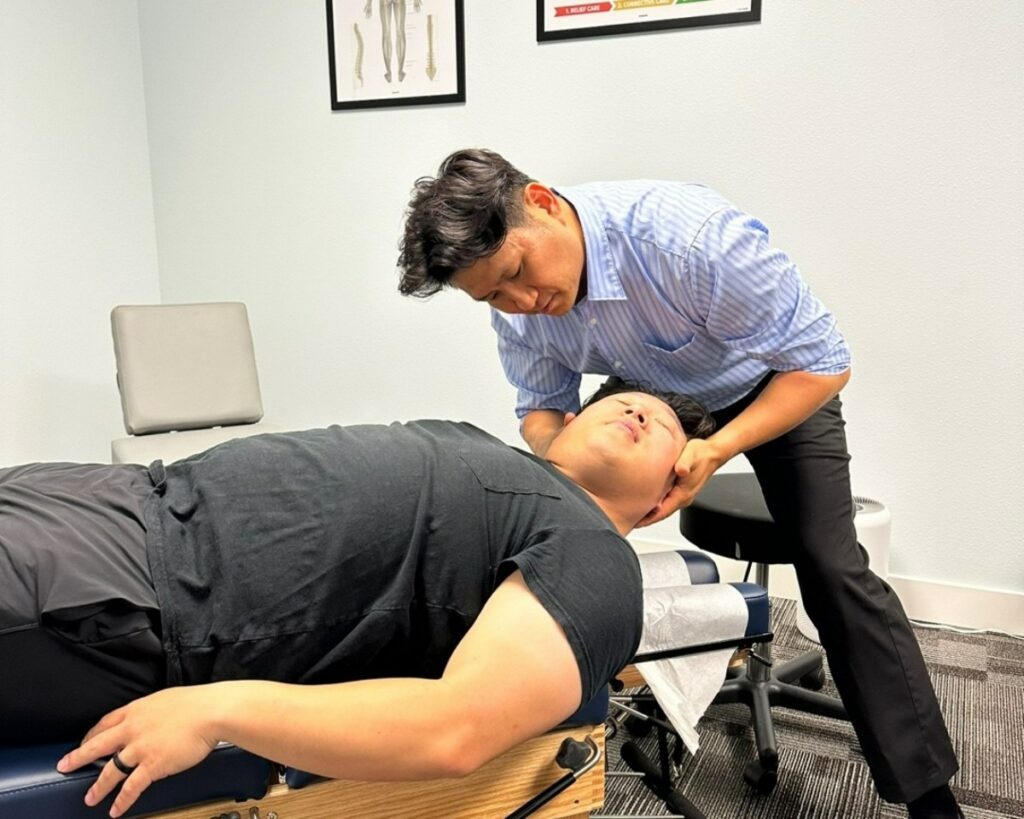

As a local chiropractor, I understand how significantly back pain can impact your everyday life. It’s important to recognize that addressing this discomfort goes beyond mere relief; it’s about improving your overall health and well-being. By paying attention to your posture, staying active, and building strength in your core, you can lay the groundwork for a healthier spine.
However, there are additional factors to consider when it comes to your back health. Have you thought about how your daily habits, lifestyle choices, and even stress levels might be affecting your spine? Let’s delve into some essential steps you can take to effectively prevent back pain and promote a healthier, pain-free life. Together, we can explore how chiropractic care and natural healing can support you in this journey.
Understanding the Causes of Back Pain
As a local chiropractor, I want to help you understand the various causes of back pain and how we can address them through natural healing. Back pain can arise from many sources, and recognizing these triggers is essential for effective prevention and relief.
One common cause of discomfort is poor body mechanics. This can happen when lifting heavy objects incorrectly or twisting your body in awkward ways. It’s crucial to be mindful of your posture and movements to protect your back.
Additionally, a sedentary lifestyle can lead to weakened core muscles, which results in additional strain on your back. Engaging in regular physical activity can help strengthen these muscles and support your spine.
Stress is another factor that often manifests physically, leading to muscle tension and contributing to back pain. Finding healthy ways to manage stress, such as through relaxation techniques or physical activity, can help alleviate this tension.
Furthermore, maintaining a healthy weight is essential, as obesity can place extra pressure on your spine.
Chronic conditions, such as arthritis or herniated discs, can also significantly affect your back health. As a chiropractor, I can provide you with strategies to manage these conditions and improve your quality of life.
I encourage you to pay attention to your daily habits—everything from how you sit at your desk to how you sleep at night can impact your back health. By identifying these potential causes, we can work together to implement lifestyle changes that promote a stronger, healthier back.
Taking proactive steps now not only helps you avoid future pain but also enhances your overall well-being. If you’re interested in exploring natural healing methods, I’m here to guide you on your journey to better back health.
The Role of Posture in Back Health
As a local chiropractor, I want to emphasize the crucial role that good posture plays in maintaining your back health. Your spine’s alignment and how it bears weight are significantly influenced by your posture. When you find yourself slouching or hunching over, you’re inadvertently placing unnecessary strain on your back muscles and ligaments, which can lead to pain and discomfort over time.
To promote optimal spinal health, it’s important to sit and stand up straight, allowing your spine to maintain its natural curvature. This simple adjustment can greatly reduce your risk of injury.
You can enhance your posture by being conscious of your alignment throughout your daily activities. When you’re sitting, make sure your feet are flat on the floor and your back has proper support. If you’re standing, try to distribute your weight evenly across both feet.
Additionally, don’t forget to take regular breaks from prolonged positions; stretching and resetting your posture can work wonders for your back health.
Importance of Regular Physical Activity
As a local chiropractor, I want to emphasize how crucial regular physical activity is for the health of your back. Engaging in consistent movement helps to strengthen your core muscles, improve flexibility, and encourage proper posture—all of which are vital in reducing the risk of back pain.
By integrating physical activity into your daily life, you not only support your spine but also enhance your overall well-being. Remember, taking care of your body through movement is a natural way to promote healing and prevent discomfort.
Let’s work together to create a plan that incorporates these principles for a healthier, pain-free life.
Strengthening Core Muscles
As a local chiropractor, I want to emphasize the importance of strengthening your core muscles to help prevent back pain. Many people often think of their core as just their abdominal muscles, but it actually encompasses a group of muscles in your back, hips, and pelvis that play a vital role in supporting your spine.
When these muscles are strong, they not only provide stability but also improve your posture and reduce strain on your back. Incorporating exercises into your routine, such as planks, bridges, and various abdominal workouts, can significantly enhance your core strength.
I recommend aiming for at least two to three sessions each week, gradually increasing the intensity as your strength improves.
However, remember that staying active is about more than just structured workouts. It’s essential to integrate movement into your daily life. Simple activities like walking, cycling, or swimming can keep your core engaged and strong, which is key for preventing back pain.
Enhancing Flexibility and Mobility
As your local chiropractor, I want to emphasize that while strengthening your core is crucial for maintaining back health, enhancing your flexibility and mobility is just as vital in preventing pain.
Regular physical activity is key; it helps keep your muscles and joints flexible, which reduces stiffness and improves your overall range of motion. Engaging in activities such as stretching, yoga, or Pilates not only boosts your flexibility but also enhances your body awareness, allowing you to understand how your body moves.
When your body can move freely, you’re less likely to experience strains or injuries, particularly in your back, during everyday activities.
I recommend aiming for at least 30 minutes of moderate exercise most days of the week, focusing on exercises that promote stretching and mobility.
Remember, a flexible body is better equipped to adapt to various movements, which ultimately helps you avoid injuries and maintain a healthy back.
Promoting Healthy Posture
As a local chiropractor, I want to emphasize how crucial it’s to maintain a healthy posture to prevent back pain and enhance your overall well-being. One of the best ways to achieve this is by incorporating physical activity into your daily routine.
Regular exercise strengthens your core muscles, which play a vital role in supporting your spine and promoting proper alignment. I recommend activities such as yoga, Pilates, and even simple stretching exercises, as they can significantly improve your posture while increasing your awareness of how your body moves.
When you engage in physical activity, you’re not just enhancing your strength and flexibility; you’re also developing good habits that will benefit you in your everyday life. While you exercise, take a moment to focus on your posture—this mindfulness will translate into better posture throughout your day.
Even small actions like taking brief walks or standing breaks can help combat the negative effects of prolonged sitting. By prioritizing movement and being mindful of your body’s position, you empower yourself to maintain a healthier, pain-free posture.
Strengthening Core Muscles
As a local chiropractor, I want to emphasize the importance of strengthening your core muscles for maintaining back stability and preventing discomfort. Many people may not realize that a strong core plays a crucial role in your overall spinal health.
By integrating specific exercises into your daily routine and adopting supportive habits, you can effectively enhance your core strength and promote better alignment.
Core stability is vital not just for athletes but for everyone, as it helps in maintaining proper posture and reducing the risk of injuries. I encourage you to consider exercises that target your abdominal, oblique, and lower back muscles, as these will support your spine and improve your daily functional movements.
Additionally, incorporating movement and stretches throughout your day can further support your core development.
If you’re new to chiropractic care, I invite you to explore how a strong core can complement your healing journey and contribute to a pain-free lifestyle. Together, we can work towards achieving optimal core stability and overall wellness.
Importance of Core Stability
As a local chiropractor, I want to emphasize the significance of core stability for your overall health, especially when it comes to maintaining a healthy back. Core stability is essential in preventing pain and injury. When your core muscles are strong, they provide crucial support to your spine and pelvis, which helps you maintain proper posture and alignment during your daily activities.
This stability is particularly important as it reduces the risk of straining your back, especially during movements that involve lifting or twisting. If your core is weak, other muscles may take over, which can create imbalances and lead to discomfort.
By prioritizing core stability, you’re not just enhancing your physical performance; you’re also improving your balance and coordination. Incorporating exercises that strengthen your core into your routine can be a proactive step toward a pain-free lifestyle.
This will allow you to engage in the activities you love without worrying about back pain interfering. Remember, a strong core is the foundation of a healthy back, and as your chiropractor, I’m here to guide you on this journey toward better health and wellness.
Exercises for Core Strength
As a chiropractor, I often emphasize the importance of a strong core for overall spinal health and wellness. You don’t need to spend hours in a gym to achieve this—there are effective exercises you can perform right at home to enhance your core strength and support your spine.
One of the best exercises to start with is the plank. This involves holding a straight position on your forearms and toes for about 30 seconds. As your core becomes stronger, gradually increase the duration.
Another excellent exercise is the bridge. To perform this, lie on your back with your knees bent, and lift your hips while squeezing your glutes. This not only strengthens your core but also engages the muscles that support your lower back.
For targeting your obliques, try the side plank. Balance on one forearm and the side of your foot, maintaining a straight line from head to heels.
Lastly, don’t overlook the bird-dog exercise: on all fours, extend one arm forward while simultaneously extending the opposite leg back, then switch sides.
These exercises are beneficial not only for building core strength but also for improving your posture, which is crucial for reducing back pain and maintaining a healthy spine.
Incorporating these movements into your daily routine can significantly support your chiropractic care and lead to better overall health.
Daily Habits for Support
As a chiropractor, it’s important to understand that even small adjustments to your daily habits can significantly support your core muscles and overall spinal health.
By incorporating these simple practices into your routine, you can strengthen your core and alleviate back pain over time.
- Engage your core: Whether you’re at your desk or on your feet, try pulling your belly button in towards your spine. This simple action activates your core muscles, providing stability and support to your back.
- Mind your posture: Maintaining a neutral spine is key when sitting or walking. Good posture not only supports your core but also helps protect your back from unnecessary strain.
Remember, your spine should align naturally, so keep your shoulders back and your head held high.
– Use proper lifting techniques: Whenever you need to lift something, bend your knees and keep your back straight. This technique engages your core effectively and minimizes the risk of injury to your back.
By consistently implementing these habits, you’ll be on your way to developing a stronger core and improving your back health.
The Benefits of Flexibility and Stretching
As a local chiropractor, I want to emphasize the vital role that flexibility and stretching play in preventing back pain. Many people may not realize that enhancing your overall mobility and reducing muscle tension can significantly contribute to your spinal health.
By incorporating regular stretching into your daily routine, you can increase the range of motion in your joints, which allows for smoother, more effortless movement. This boost in flexibility can help alleviate strain on your back muscles, making it less likely for you to experience discomfort or pain.
Furthermore, stretching is instrumental in improving blood circulation throughout your body. Good circulation delivers essential oxygen and nutrients to your muscles and tissues, which can expedite recovery from physical stress or strain.
By engaging in flexibility exercises, you can also enhance your posture, thereby reducing pressure on your spine—a critical factor in maintaining a healthy back.
I encourage you to integrate simple stretches into your everyday life. Not only will you likely feel more relaxed, but you may also notice increased energy levels and an overall sense of well-being.
This newfound vitality makes it easier for you to stay active and fully enjoy life. Remember, taking care of your body through stretching is an essential step in your journey to optimal health and wellness.
Ergonomic Adjustments in Daily Life
As a local chiropractor, I often see patients who struggle with back pain due to poor ergonomic practices in their daily lives.
It’s essential to understand that making a few simple adjustments to your environment can have a significant impact on your overall comfort and spinal health.
Here are three crucial ergonomic tips to consider:
- Chair and Desk Height: It’s vital to ensure your chair provides adequate support for your lower back. Your desk should be at a height that allows your elbows to be at a comfortable angle. Ideally, your feet should rest flat on the floor or on a footrest to maintain proper alignment.
- Screen Position: Many people overlook the importance of screen placement. Position your computer monitor at eye level and about an arm’s length away. This arrangement minimizes strain on your neck and encourages a neutral spine, which can help prevent discomfort.
- Lifting Techniques: When lifting heavy objects, it’s crucial to engage your legs rather than your back. Keep the item close to your body while lifting it, and avoid twisting your torso. Proper lifting techniques are key to preventing injuries and maintaining a healthy spine.
By implementing these straightforward changes, you can enhance your comfort and significantly reduce your risk of developing back pain.
Prioritizing ergonomic adjustments isn’t just about immediate relief; it’s a proactive step toward a healthier lifestyle and a well-functioning spine.
Weight Management and Its Impact on Back Pain
As a local chiropractor, I want to share with you how maintaining a healthy weight can significantly impact your back health. Carrying excess weight adds strain to your spine and the muscles that support it. When you have extra pounds, your body often adjusts its posture and movement to accommodate this weight, which can lead to discomfort and potential injuries.
By focusing on weight management, you can alleviate some of this pressure on your spine, allowing it to function more effectively. This is crucial for preventing back pain and enhancing your overall well-being.
Incorporating regular physical activity into your lifestyle is essential not only for managing your weight but also for strengthening your back and core muscles. I recommend engaging in low-impact exercises, such as swimming or walking. These activities can improve your flexibility and endurance while being gentle on your joints.
Additionally, a balanced diet that’s rich in nutrients plays a vital role in supporting your overall health and can assist you in maintaining a healthy weight.
Stress Reduction Techniques
As your local chiropractor, I want to emphasize how important it’s to understand the connection between stress and back pain. Many patients are often surprised to learn that stress can significantly contribute to discomfort in your back.
That’s why I encourage you to incorporate stress reduction techniques into your daily routine. By managing stress effectively, you can relieve muscle tension and enhance your overall well-being. Here are a few techniques I recommend exploring:
- Deep Breathing: Set aside a few moments each day to practice deep breathing exercises. Inhale deeply through your nose, hold it for a few seconds, and then exhale slowly through your mouth. This simple practice can help calm your mind and relax your body, which is crucial for spinal health.
- Mindfulness Meditation: Take time each day to focus on the present moment. Mindfulness meditation is a powerful tool that can help reduce anxiety and improve your emotional resilience, positively impacting your physical health.
- Physical Activity: Regular physical activity, such as walking or practicing yoga, is essential. Exercise releases endorphins, which not only lift your mood but also help to reduce stress and tension in your body, supporting a healthier spine.
By integrating these techniques into your life, you can experience relief from stress and its impact on your back pain.
As your chiropractor, I’m here to support you on your journey to better health—both physically and mentally.
Seeking Professional Guidance for Lifestyle Changes
When it comes to making meaningful lifestyle changes to prevent back pain, consulting with a chiropractor can truly transform your approach to health.
As a local chiropractor, I specialize in assessing your unique needs and developing personalized treatment plans that include tailored exercises and stretches designed to strengthen your back and enhance flexibility.
I also focus on identifying any postural issues or habits that may contribute to your discomfort. By addressing these factors, we can work together to create a stronger foundation for your spine and overall well-being.
In addition to spinal care, I can guide you on how nutrition plays a vital role in maintaining a healthy weight and reducing stress on your back. A balanced diet can significantly impact your recovery and overall health.
Moreover, I understand that mental well-being is just as important. That’s why I can provide insights into stress management techniques that not only promote relaxation but can also lead to a reduction in back pain.
Taking a holistic approach to your health can make all the difference, and I’m here to support you every step of the way.