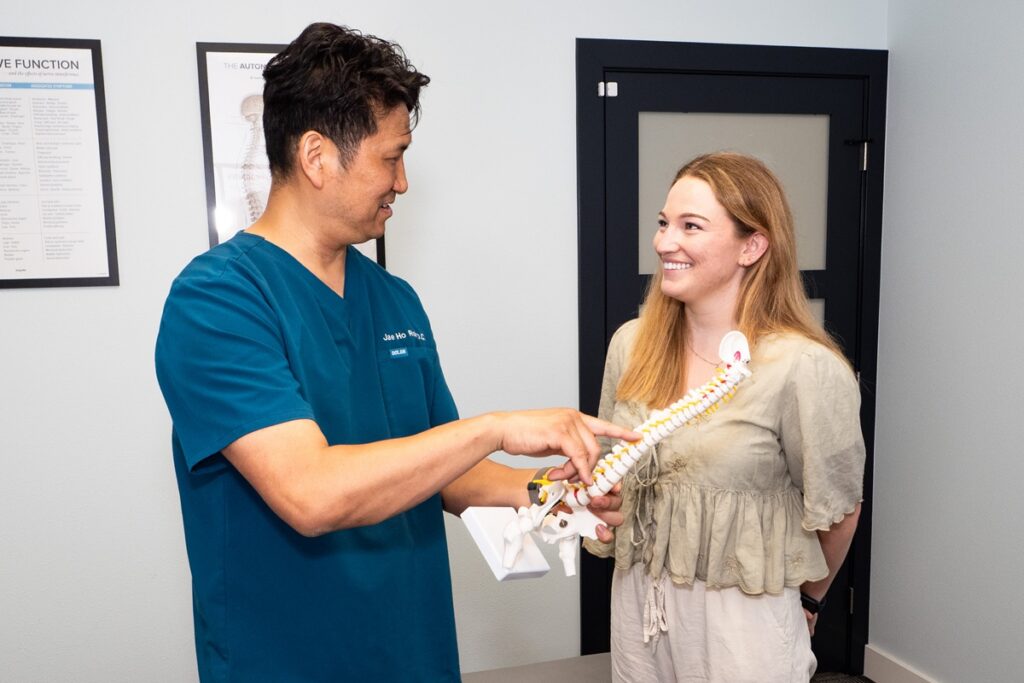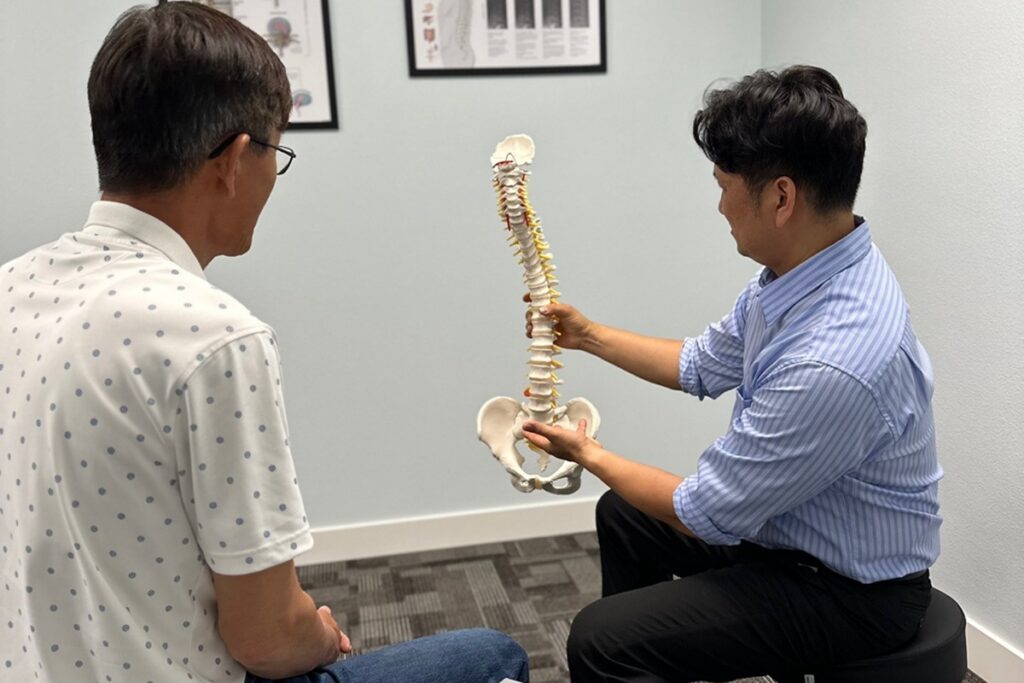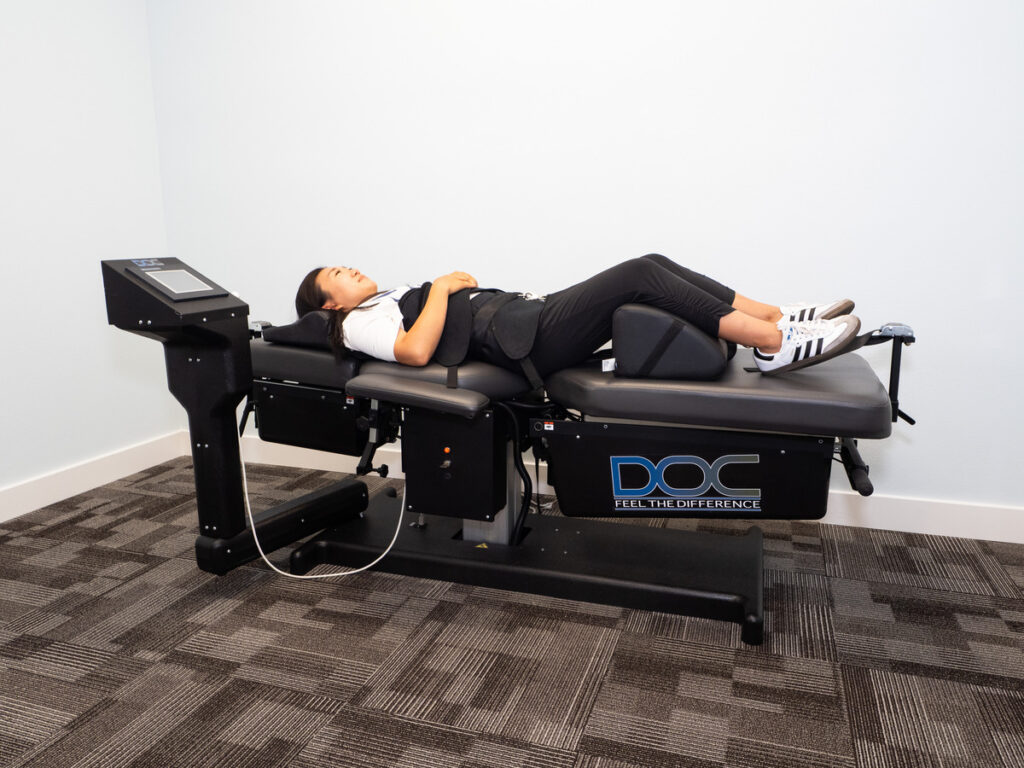

You might wonder why seeking professional care for stress relief is essential in today's fast-paced world. Many people underestimate the toll that stress can take on their mental and physical health, often believing they can manage it alone. However, engaging with a professional can provide you with tailored strategies that fit your unique situation, fostering resilience and emotional regulation. As you explore the benefits of such support, you'll find that addressing stress isn't just about relief; it's about enhancing your overall well-being. What might you discover about your own approach to stress?
Understanding Stress and Its Impact
Stress can feel like an unwelcome guest that overstays its welcome in your life, impacting both your mental and physical well-being. It creeps in during busy workdays, family obligations, or personal challenges, creating a sense of overwhelm. You might find yourself feeling anxious, irritable, or fatigued, which can disrupt your daily activities and relationships.
Understanding stress is essential because it affects your body in various ways. When you experience stress, your body releases hormones like cortisol and adrenaline, triggering the "fight or flight" response. This response can be helpful in short bursts, but prolonged exposure to stress hormones can lead to serious health issues. You may notice increased heart rate, muscle tension, and digestive problems. Ignoring these signs can result in chronic conditions, such as heart disease, obesity, or even diabetes.
Moreover, the mental toll isn't something to overlook. Stress can cloud your judgment, making it hard to concentrate or make decisions. You might find that your creativity wanes, and motivation dips, leaving you feeling stuck. Recognizing the signs of stress is the first step toward regaining control.
Don't underestimate the impact stress has on your life. By understanding what stress does to you, you'll be empowered to take proactive steps towards relief.
Prioritizing stress management isn't just about feeling better; it's about living a healthier, more fulfilling life.
Signs You Need Professional Help
If you're experiencing persistent anxiety symptoms, it might be time to seek professional help.
Difficulty managing your emotions can also signal that you need support.
When stress starts impacting your daily life, don't hesitate to reach out for guidance.
Persistent Anxiety Symptoms
Persistent anxiety can manifest in a variety of symptoms that signal the need for professional help. If you find yourself constantly worrying, even about minor issues, it's a sign that your anxiety may be more than just everyday stress. You might experience physical symptoms like a racing heart, headaches, or stomach problems, which can disrupt your daily life.
If you're avoiding situations that trigger your anxiety, this avoidance can limit your activities and relationships. Feeling overwhelmed by fear or dread, even when there's no apparent reason, is another red flag. You may also notice difficulty concentrating or that your mind frequently goes blank, hindering your performance at work or school.
Moreover, if you're relying on substances like alcohol or caffeine to cope, it's time to seek help. Sleep disturbances, such as insomnia or frequent nightmares, can further exacerbate your anxiety.
Recognizing these persistent symptoms is essential; they're not just passing phases. If these feelings interfere with your ability to function or enjoy life, reaching out to a mental health professional can provide you with the support and tools you need to manage your anxiety effectively.
Difficulty Managing Emotions
Many people struggle with managing their emotions, and recognizing when this becomes a problem is crucial. If you find yourself feeling overwhelmed by anger, sadness, or frustration, it may be time to seek professional help. You might notice that your emotions often feel out of control, leading to reactions you later regret. This inability to regulate your feelings can strain your relationships and affect your overall well-being.
Additionally, if you're frequently experiencing mood swings or feeling numb to your emotions, it's a sign that you might need support. You could also notice physical symptoms, like headaches or fatigue, that accompany emotional distress. Ignoring these signs can lead to further complications and may hinder your ability to cope effectively.
It's essential to pay attention to how your emotions impact your daily life. If you're finding it hard to express your feelings in a healthy way or feel like your emotions are dictating your actions, reaching out to a mental health professional can provide the guidance you need.
Impact on Daily Life
Your daily life can feel overwhelming when emotional struggles go unaddressed. You might notice changes in your relationships, work performance, or even your physical health. If you find yourself snapping at loved ones over small issues, it's a sign that stress is taking a toll.
You may also feel constantly fatigued, making it hard to focus on tasks or enjoy activities you once loved. When stress starts affecting your sleep, appetite, or energy levels, it's important to take notice.
You might find yourself withdrawing from social activities or feeling an unshakeable sense of dread about daily responsibilities. If your coping mechanisms—like exercise or hobbies—aren't providing relief anymore, it's time to reflect on professional help.
Ignoring these signs can lead to more severe consequences, such as anxiety or depression. Seeking support isn't a sign of weakness; it's an essential step toward reclaiming your well-being.
If you recognize these patterns in your life, don't hesitate to reach out for help. You deserve to feel balanced and fulfilled, and addressing your emotional struggles is the first step in that direction.
Benefits of Seeking Professional Care
When you seek professional care, you gain access to enhanced coping strategies tailored to your unique situation.
A therapist can create a personalized treatment plan that addresses your specific needs and goals.
This targeted approach can lead to more effective stress relief and overall well-being.
Enhanced Coping Strategies
Seeking professional care can greatly enhance your coping strategies in times of stress. When you work with a therapist or counselor, you gain access to tools and techniques specifically designed to help you manage stress effectively. These professionals can guide you in identifying your stress triggers and developing healthier responses to them.
You'll learn how to recognize negative thought patterns and replace them with positive affirmations. This shift in perspective can considerably reduce your stress levels.
Furthermore, professionals often introduce you to mindfulness and relaxation techniques, such as deep breathing exercises and meditation, which can help you remain calm during tense moments.
Additionally, seeking care provides a supportive environment where you can express your feelings openly without judgment. This emotional outlet is essential for processing stress and can lead to improved mental clarity.
You'll also benefit from developing a personalized toolkit of coping strategies that you can rely on when stress arises.
Incorporating these enhanced coping strategies into your life not only helps you manage stress more effectively but also fosters resilience, allowing you to face future challenges with greater confidence.
Taking this step toward professional support can be a game-changer in your stress management journey.
Personalized Treatment Plans
Personalized treatment plans can greatly enhance your stress management journey by tailoring strategies to fit your unique needs and circumstances. When you seek professional care, you're not just getting generic advice; you're receiving a roadmap designed specifically for you.
Here are some benefits of personalized treatment:
- Targeted Techniques: Professionals assess your specific stressors and develop coping mechanisms that address your individual challenges.
- Regular Monitoring: Personalized plans include regular check-ins to evaluate your progress and make adjustments as needed, ensuring you stay on the right path.
- Holistic Approach: Experts consider various aspects of your life—emotional, physical, and social—creating a thorough strategy that promotes overall well-being.
- Accountability: Having a tailored plan means you have someone who holds you accountable, helping you stay committed to your stress relief goals.
Stress Management Techniques
Effective stress management techniques can empower you to regain control over your life and enhance your overall well-being. One of the most effective methods is practicing mindfulness. By focusing on the present moment, you can reduce anxiety and improve your emotional health.
Try incorporating deep-breathing exercises into your daily routine. Just a few minutes of deep breathing can help lower your heart rate and clear your mind.
Another technique is physical activity. Whether it's a brisk walk, a yoga session, or a dance class, moving your body releases endorphins, which act as natural stress relievers. Aim for at least 30 minutes of moderate exercise most days of the week to reap the benefits.
You can also consider journaling as a way to process your thoughts and feelings. Writing down your worries can help you gain perspective and identify what's truly bothering you.
Additionally, don't underestimate the power of social support. Talking to friends or family members can provide comfort and insights that may help you cope with stress.
Lastly, make sure you're getting enough sleep. Quality rest is essential for managing stress effectively. Develop a consistent sleep schedule and create a relaxing bedtime routine to improve your sleep quality.
The Role of Therapy in Stress Relief
Therapy plays a significant role in stress relief by offering a safe space to explore your feelings and develop coping strategies. When you're overwhelmed by stress, talking to a trained professional can provide clarity and understanding. It's a chance to unpack your thoughts, emotions, and the triggers that contribute to your stress.
Here's how therapy can help you manage your stress effectively:
- Insightful Reflection: Therapy encourages you to reflect on your experiences and identify patterns in your stress responses. Understanding these patterns helps you recognize what needs to change.
- Coping Mechanisms: A therapist can introduce you to various coping strategies tailored to your unique situation. Whether it's mindfulness techniques, breathing exercises, or cognitive behavioral approaches, you'll learn practical tools to handle stress.
- Emotional Support: Having someone who listens without judgment can be incredibly comforting. This support can boost your resilience and make you feel less isolated in your struggles.
- Accountability: Regular sessions keep you accountable for your progress. You'll have a space to share your successes and setbacks, allowing for ongoing adjustment and improvement in your stress management techniques.
Engaging in therapy can empower you to take control of your stress rather than letting it control you. It's an investment in your mental well-being, providing you with skills and insights that can lead to a more balanced life.
Lifestyle Changes for Stress Reduction
Making small lifestyle changes can markedly reduce stress and improve your overall well-being. Start by evaluating your daily routine. Incorporating regular physical activity, even just a brisk walk, can help clear your mind and boost your mood. Aim for at least 30 minutes of exercise most days of the week. It doesn't have to be intense; find something you enjoy to make it easier to stick with.
Next, pay attention to your sleep patterns. Prioritize getting enough rest by establishing a consistent sleep schedule. Create a calming bedtime routine to signal to your body that it's time to wind down. Limiting screen time before bed can also improve your sleep quality.
Nutrition plays an essential role in how you feel. Try to eat a balanced diet filled with fruits, vegetables, whole grains, and lean proteins. Reducing caffeine and sugar can help stabilize your energy levels and reduce anxiety. Stay hydrated, as dehydration can increase stress.
Social connections are equally important. Make time for friends and family, even if it's just a quick call or text. Surrounding yourself with supportive people can provide a buffer against stress.
Lastly, take time for yourself. Carve out moments in your day for activities that bring you joy, whether it's reading, gardening, or listening to music.
These small changes can create a cumulative effect, leading to a more balanced and less stressful life. Embrace them, and you'll likely notice a positive shift in your overall stress levels.
Mindfulness and Relaxation Practices
Incorporating mindfulness and relaxation practices into your routine can further enhance your stress relief efforts.
These techniques help you focus on the present moment, allowing you to alleviate anxiety and cultivate a sense of calm. By dedicating just a few minutes each day to these practices, you can greatly improve your overall well-being.
Here are four effective mindfulness and relaxation practices you can easily integrate into your daily life:
- Deep Breathing: Take a moment to sit quietly and focus on your breath. Inhale deeply through your nose, allowing your abdomen to expand, then exhale slowly through your mouth. Repeat this for a few minutes, letting go of any tension with each breath.
- Meditation: Spend 5-10 minutes each day sitting in silence. Close your eyes, focus on your breath, and gently bring your mind back whenever it wanders. This practice can help you develop greater awareness and reduce stress.
- Progressive Muscle Relaxation: Tense and relax each muscle group in your body, starting from your toes and working your way up to your head. This technique helps release physical tension and promotes relaxation.
- Mindful Walking: Take a walk outdoors, paying attention to the sensations in your body and the environment around you. Notice the sights, sounds, and smells, which can ground you in the moment and clear your mind.
Building a Support System
Everyone can benefit from building a strong support system when it comes to managing stress. Surrounding yourself with people who care about you can make a significant difference in how you cope with life's challenges. Your support system can include family, friends, coworkers, or even professionals like therapists. The key is to cultivate relationships with those who uplift you and provide a safe space to talk about your feelings.
Start by reaching out to people you trust. Share your experiences and let them know when you're feeling overwhelmed. This openness can foster deeper connections and help you realize you're not alone in your struggles. Sometimes, just knowing someone's there to listen can ease the weight of stress.
Additionally, consider diversifying your support network. Different people can meet different needs. For example, a friend might provide emotional support, while a colleague could help with work-related stress. Engaging with various groups, like hobby clubs or community organizations, can also introduce you to new perspectives and coping strategies.
Don't hesitate to seek professional help if needed. Therapists and counselors can offer guidance and coping techniques tailored to your situation. They can help you understand stress triggers and develop healthier responses.
In short, nurturing a strong support system can enhance your resilience against stress. By connecting with others and sharing your experiences, you'll find it easier to navigate life's ups and downs.
Long-Term Effects of Stress Relief
Building a support system lays the groundwork for effective stress relief, which can lead to significant long-term benefits for your mental and physical health.
When you actively manage stress, you not only feel better in the moment, but you also set yourself up for a healthier future.
Here are some of the long-term effects you can expect from consistent stress relief practices:
- Improved Mental Health: Regular stress management can reduce symptoms of anxiety and depression, leading to a more positive outlook on life.
- Enhanced Physical Health: Lower stress levels contribute to better cardiovascular health, improved immune function, and reduced risk of chronic illnesses.
- Better Relationships: When you're less stressed, you're more likely to engage positively with others, which can strengthen your relationships and social connections.
- Increased Resilience: Learning how to manage stress effectively equips you with the skills to handle future challenges, making you more resilient in the face of adversity.
Conclusion
Seeking care for stress relief is a powerful step toward improving your overall well-being. By addressing your unique challenges with professional support, you can learn effective coping strategies and build resilience. Embracing therapy and lifestyle changes not only enhances your mental health but also promotes physical wellness. Remember, you're not alone in this journey; connecting with others and practicing mindfulness can further enrich your life. Take that first step today—your future self will thank you!