
You might not realize how much a personalized approach to healthcare can impact your well-being. Tailored care goes beyond standard treatments, adapting to your unique medical history and lifestyle. This method not only enhances your experience but also fosters a stronger connection with your healthcare provider. Imagine feeling truly understood in your health journey, leading to better outcomes and satisfaction. But what are the specific benefits and challenges of implementing this approach in your life? The answers might surprise you.
Understanding Tailored Care
Tailored care is all about personalizing healthcare to fit your unique needs. It recognizes that no two individuals are alike, and consequently, a one-size-fits-all approach simply won't cut it. When you engage with tailored care, healthcare professionals assess your specific circumstances, including your medical history, lifestyle, and preferences. This means they consider not just your physical health, but also your emotional well-being and social factors that may affect your health outcomes.
Understanding tailored care involves grasping the importance of collaboration between you and your healthcare team. You're not just a passive recipient of care; you're an active participant in the decision-making process. This partnership empowers you to express your concerns, ask questions, and clarify your goals. Your input is essential in developing a care plan that resonates with you.
Moreover, tailored care can shift as your needs evolve. For instance, if you experience a change in your health or lifestyle, your healthcare team can adjust your care plan. This flexibility guarantees that you're always receiving the most relevant and effective treatments.
Ultimately, understanding tailored care means recognizing that your individuality is at the core of your healthcare experience. By embracing this approach, you're more likely to engage fully in your treatment, leading to improved health outcomes and a better overall experience.
Tailored care is about making healthcare work for you, making sure that it aligns with who you're and what you need.
Benefits of Personalized Approach
A personalized approach to healthcare offers numerous advantages that can greatly improve your overall well-being. When you receive care tailored to your specific needs, you're more likely to experience effective outcomes. This method allows healthcare providers to take into account your unique medical history, lifestyle, and preferences, leading to treatment plans that resonate with you.
One of the most notable benefits is improved engagement. When your healthcare aligns with your individual circumstances, you're more motivated to participate in your treatment. This active involvement can lead to better adherence to prescribed regimens, ultimately fostering a sense of ownership over your health.
Additionally, a personalized approach can enhance the accuracy of diagnoses and treatment plans. By focusing on your distinct situation, healthcare providers can identify the root causes of your health issues more efficiently. This precision reduces the likelihood of trial-and-error methods, saving you time, money, and unnecessary stress.
Moreover, you'll often find that personalized care fosters a stronger relationship with your healthcare provider. Open communication becomes the norm, as you feel more comfortable discussing your concerns and preferences. This trust can lead to a more collaborative approach to your health, where your voice is valued in decision-making.
Ultimately, a personalized approach not only addresses your immediate health concerns but also promotes long-term wellness. You're not just another patient; you're an individual deserving of care that reflects your unique needs and aspirations. Embracing this approach can greatly enhance your overall healthcare experience.
Tailored Care in Healthcare
Customization in healthcare is revolutionizing the way we approach patient care. Instead of a one-size-fits-all strategy, tailored care allows healthcare providers to focus on your unique needs, preferences, and circumstances. This personal approach means that your treatment plan is designed specifically for you, taking into account your medical history, lifestyle, and even genetic makeup.
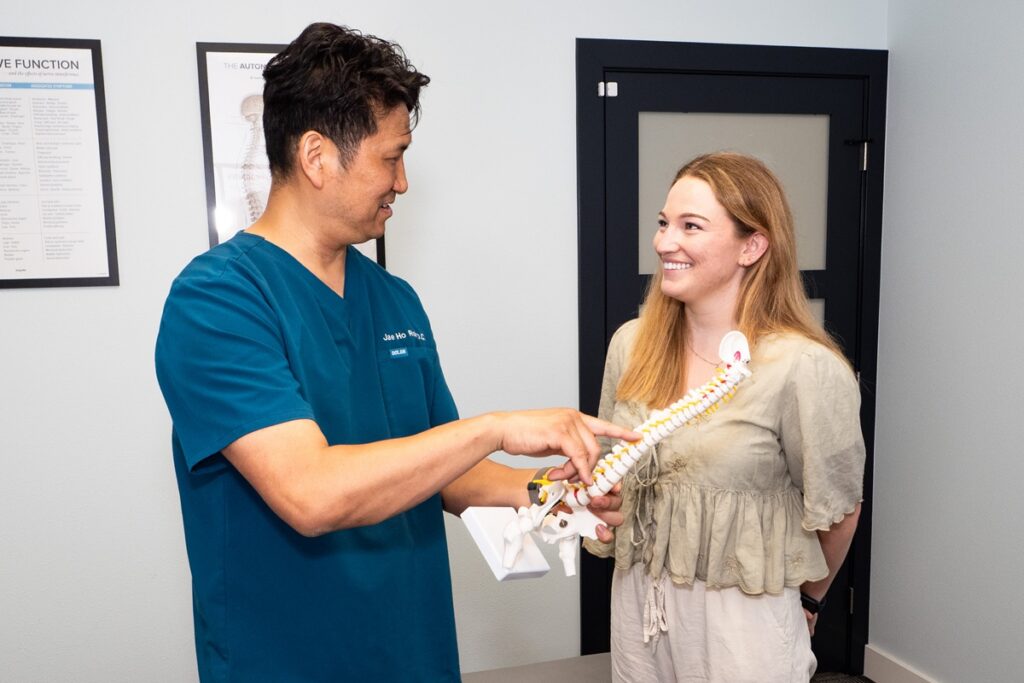
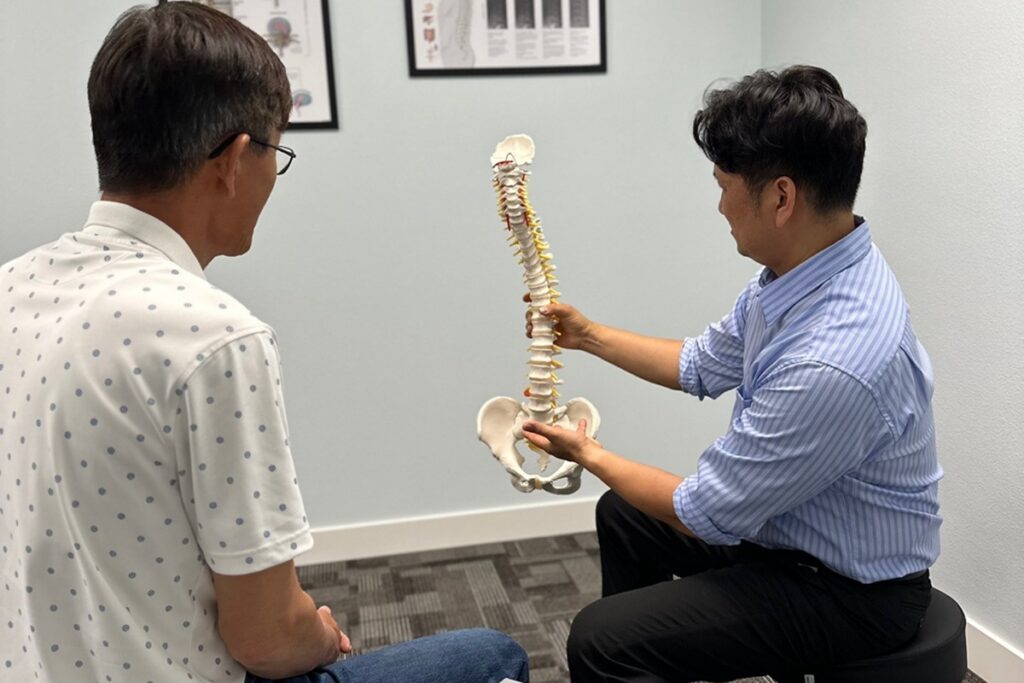
When you engage with tailored care, you're not just another patient in a crowded waiting room. Your healthcare team actively listens to your concerns and collaborates with you to create a plan that resonates. This might involve selecting medications that work best for you or incorporating lifestyle changes that fit seamlessly into your daily routine. The goal is to empower you, making the healthcare experience more effective and satisfying.
Moreover, tailored care can lead to better health outcomes. When treatments align closely with your individual profile, you're more likely to adhere to prescriptions and follow through with recommended lifestyle adjustments. This adherence often translates to quicker recovery times and improved overall well-being.
In addition, tailored care fosters a strong patient-provider relationship. You'll feel more valued and understood, which can enhance your trust in the healthcare system.
With ongoing advancements in technology and data analysis, the potential for personalized care continues to grow. So, as you navigate your healthcare journey, embrace the opportunities that tailored care offers—it's all about you and your unique path to health.
Importance in Mental Health
Understanding the significance of personalized care in mental health can greatly enhance your treatment experience. When mental health care is tailored to your unique needs, it creates a more supportive and effective environment for healing. Here are some key reasons why personalized care is essential:
- Individualized Treatment Plans: Tailored care allows mental health professionals to design treatment plans that fit your specific symptoms, preferences, and life circumstances. This increases the likelihood of successful outcomes.
- Improved Engagement: When you feel that your therapist understands you deeply, you're more likely to engage in the therapeutic process. A personalized approach fosters trust and open communication, vital components of effective therapy.
- Holistic Understanding: Personalized care considers not just your mental health symptoms but also your physical health, lifestyle, and social factors. This holistic view guarantees that all aspects of your well-being are addressed.
- Adaptive Strategies: Your needs may change over time, and personalized care allows for ongoing adjustments to your treatment. This adaptability guarantees that your mental health strategy remains relevant and effective as you progress.
Customized Wellness Programs
When you embrace customized wellness programs, you're taking a proactive step towards enhancing your mental health journey. These programs are designed specifically for you, addressing your unique needs, preferences, and goals. By tailoring your wellness approach, you can focus on what truly matters in your life, ensuring that each element works harmoniously to support your mental well-being.
Customized wellness programs often include a mix of physical activities, nutritional plans, mindfulness practices, and stress management techniques. You get to choose what resonates with you, making the process enjoyable and engaging. Instead of a one-size-fits-all solution, you're empowered to create a plan that fits your lifestyle and promotes your mental health effectively.
Incorporating activities you love won't only keep you motivated but also enhance your overall sense of fulfillment. Whether it's yoga, hiking, or meditation, these activities can notably improve your mood and resilience against stress.
Nutrition also plays a vital role; by focusing on foods that nourish your body and mind, you'll notice positive changes in your energy levels and emotional stability.
Moreover, tracking your progress in a customized program helps you stay accountable and celebrate your achievements. You'll gain insight into what works best for you, allowing you to adjust your plan as needed.
Ultimately, customized wellness programs foster a deeper connection to yourself, empowering you to take control of your mental health and thrive in your daily life.
Enhancing Patient-Provider Relationships
The journey to better mental health isn't just about personalized wellness programs; it also hinges on the strength of your relationships with healthcare providers. When you feel comfortable and understood by your provider, you're more likely to engage openly and fully in your treatment.
Here are some tips to enhance that crucial connection:
- Communicate Openly: Share your thoughts and feelings honestly. If something's bothering you or you don't understand a treatment plan, let your provider know. Clear communication fosters trust.
- Set Goals Together: Collaborate with your healthcare provider to set achievable goals. When you're involved in the decision-making process, you're more likely to feel invested in your care.
- Be Prepared: Make the most of your appointments by preparing a list of questions or concerns you want to address. This guarantees you cover everything that matters to you and shows your provider that you're engaged.
- Provide Feedback: Don't hesitate to express what works for you and what doesn't. Constructive feedback helps your provider adjust their approach to better suit your needs, enhancing your overall experience.
Building a strong patient-provider relationship takes effort from both sides. When you prioritize communication and collaboration, you're setting the stage for a more effective and fulfilling healthcare experience.
Case Studies of Success
Successful case studies highlight the transformative impact of tailored care recommendations on patient outcomes. For instance, consider a patient diagnosed with diabetes who struggled with managing their blood sugar levels. By implementing a personalized care plan that included dietary modifications, exercise routines, and regular monitoring, this patient saw significant improvements. Within months, their blood sugar stabilized, leading to reduced medication requirements and a better quality of life.
Another compelling case involves a patient dealing with chronic pain. Traditional one-size-fits-all approaches had yielded limited results, but after receiving a tailored care strategy incorporating physical therapy, mindfulness practices, and customized pain management techniques, the patient reported a notable decrease in discomfort. They regained mobility and could participate in activities they once enjoyed, showcasing the power of individualized care.
In yet another example, a woman with anxiety and depression benefited from a personalized mental health plan that combined therapy and lifestyle changes. By focusing on her unique triggers and preferences for treatment, she experienced a marked improvement in her mental well-being, leading to a more fulfilling life.
These case studies illustrate how tailored care addresses patients' specific needs and circumstances. When you receive personalized recommendations, you're more likely to engage in your treatment, follow through with suggested changes, and ultimately achieve better health outcomes.
This approach not only empowers you but also reinforces the importance of your unique health journey, proving that one size doesn't fit all in healthcare.
Challenges of Implementing Tailored Care
Implementing tailored care isn't without its hurdles.
You might face challenges like resource allocation issues that can limit effective execution, as well as data privacy concerns that could jeopardize patient trust.
Addressing these obstacles is essential for making tailored care a reality.
Resource Allocation Issues
Managing resource allocation issues poses significant challenges when trying to implement tailored care effectively. You'll need to balance limited resources while ensuring each patient's unique needs are met. This balancing act can create hurdles that impact the quality of care you provide.
Here are some common resource allocation issues you might face:
- Staffing Shortages: Finding qualified personnel who understand tailored care principles can be tough, leading to overburdened staff and decreased patient attention.
- Budget Constraints: Limited financial resources often force you to choose between essential services and innovative tailored care practices, compromising patient outcomes.
- Technology Gaps: Implementing tailored care often requires advanced technology and data management systems, which may not be readily available or affordable for your facility.
- Training Needs: Your team may need additional training to effectively deliver tailored care, which requires time and resources that you may not have.
Addressing these resource allocation issues is vital for the successful implementation of tailored care, ensuring you can meet the diverse needs of your patients without sacrificing quality.
Data Privacy Concerns
As you navigate the complexities of tailored care, data privacy concerns emerge as a significant challenge. When healthcare providers collect and analyze your personal health information to create customized treatment plans, they must guarantee that your data remains secure. You might worry about unauthorized access or potential breaches that could expose sensitive information.
To address these concerns, providers implement strict data protection protocols and comply with regulations like HIPAA. However, even with these safeguards in place, the risk of data misuse or leaks still exists. You'll want to be aware of how your information will be used and shared, making it vital to ask questions and understand the privacy policies of your healthcare providers.
Additionally, the more personalized your care becomes, the more data is required. This can create a tension between the need for extensive information and your right to privacy. Striking the right balance between effective care and protecting your personal data is essential.
Future of Personalized Care
The future of personalized care is bright, offering you tailored solutions that meet your unique health needs. As technology advances and more data becomes available, healthcare providers are focusing on customized treatments that cater specifically to you. This trend is reshaping how you experience healthcare, ensuring your needs are prioritized.
Here are four key developments to look forward to in personalized care:
- Genetic Testing: With advancements in genomics, you'll soon have access to tests that reveal how your body responds to various medications, allowing for highly specific treatment plans.
- Wearable Technology: Devices that monitor your health metrics in real-time will give healthcare professionals actionable insights, making it easier to adjust your care plan based on your daily activities and physiological changes.
- AI-Driven Insights: Artificial intelligence will analyze vast amounts of health data to predict potential health issues before they arise, enabling preventative measures tailored just for you.
- Telehealth Expansion: The rise of telehealth will make it easier for you to consult with specialists from the comfort of your home, ensuring you receive personalized advice without the barriers of travel.
As these innovations unfold, you'll enjoy a more connected and responsive healthcare experience.
Remember, personalized care isn't just about treatment; it's about empowering you to take control of your health journey, ensuring you feel supported every step of the way.
The future is indeed promising!
Conclusion
To summarize, tailored care is essential for your healthcare journey. By focusing on your unique needs and preferences, it fosters stronger relationships with your providers and empowers you to take charge of your health. The personalized approach not only enhances treatment effectiveness but also boosts your satisfaction and adherence. As the future of healthcare evolves, embracing tailored care will guarantee you receive the best possible support, helping you achieve your wellness goals. Your health deserves this personalized attention.