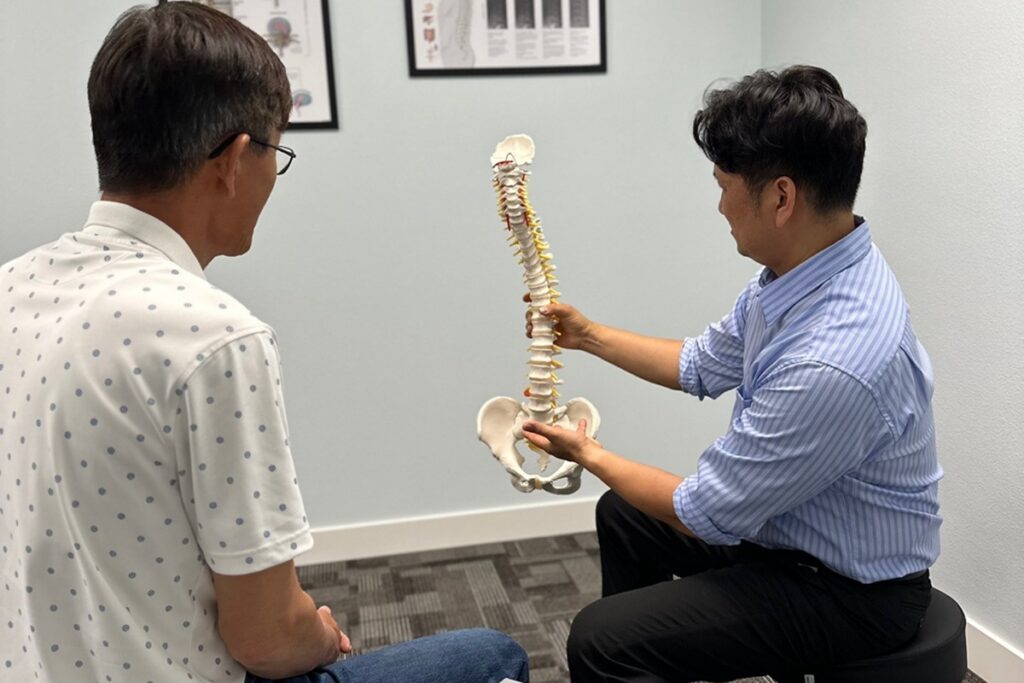

You might wonder why so many individuals choose regular care as their pathway to lasting wellness. It's not just about addressing issues as they arise; it's about empowering yourself through preventive measures that pave the way for a healthier future. Routine check-ups can reveal potential concerns before they escalate, saving you both time and money in the long run. But there's more to this approach than meets the eye. What specific benefits lie beneath the surface that make regular care a cornerstone of sustained health?
The Importance of Preventive Care
Preventive care is the cornerstone of a healthy lifestyle, as it helps you catch potential health issues before they become serious. By engaging in regular screenings, vaccinations, and check-ups, you empower yourself to take charge of your health. You're not just waiting for symptoms to appear; you're actively monitoring your well-being.
This proactive approach allows you to identify risk factors early on, giving you the chance to make necessary lifestyle changes. Think about your diet, exercise, and stress levels. Preventive care often includes discussions about these aspects, enabling you to make informed decisions. When you address these factors early, you reduce your chances of developing chronic diseases later on.
You're fundamentally investing in your future health by focusing on prevention now. Moreover, preventive care fosters a stronger relationship with your healthcare provider. Regular visits allow your doctor to understand your medical history and lifestyle better, making it easier for them to tailor advice specifically for you.
You also become more comfortable discussing any concerns, leading to early interventions when needed. In addition, preventive care can save you time and money. By catching health issues early, you may avoid costly treatments and lengthy recovery periods.
It's about working smarter, not harder, for your health. By prioritizing preventive measures, you're setting yourself up for a healthier, happier life. So, make that appointment, and take the first step towards a more proactive approach to your well-being.
Benefits of Routine Check-Ups
Routine check-ups are essential for spotting health issues before they escalate.
By staying on top of your health, you can maintain your well-being and prevent potential problems.
Regular visits to your healthcare provider guarantee you're taking proactive steps toward a healthier future.
Early Detection of Issues
Recognizing potential health issues early can greatly improve your treatment options and outcomes. When you commit to routine check-ups, you're not just ticking a box; you're actively participating in your own health management. These visits give your healthcare provider a chance to spot abnormalities before they escalate into serious problems.
For instance, conditions like high blood pressure or elevated cholesterol often show no symptoms in their early stages. Regular screenings can catch these issues, allowing for timely interventions that can prevent more severe health complications down the road.
You'll find that addressing concerns early often leads to less invasive treatments, better recovery rates, and even lower healthcare costs.
Moreover, early detection can offer you peace of mind. Knowing that you're on top of your health helps reduce anxiety about potential issues. It empowers you to make informed decisions about your lifestyle and care options.
In essence, routine check-ups are your first line of defense against the unknown. By prioritizing these appointments, you're investing in your future well-being and ensuring you have the best chance for a healthier, longer life.
Preventive Health Maintenance
Regular check-ups play an essential role in maintaining your overall health and well-being. By visiting your healthcare provider regularly, you can catch potential issues before they escalate. This proactive approach helps you avoid more serious health problems down the line.
Routine check-ups allow your doctor to monitor your important signs, assess your risk factors, and stay updated on your medical history. They can provide tailored advice on lifestyle changes, nutrition, and exercise, which can greatly enhance your quality of life.
You'll also receive necessary vaccinations and screenings that are essential for early detection of diseases.
Moreover, building a relationship with your healthcare provider fosters open communication. You'll feel more comfortable discussing any concerns or symptoms you might experience. This trust can lead to more personalized care and better health outcomes.
In essence, regular check-ups empower you to take charge of your health. They not only help in preventing diseases but also in promoting a healthier lifestyle.
Holistic Approaches to Wellness
Holistic approaches to wellness integrate the mind, body, and spirit, offering a detailed path to health. When you embrace this perspective, you recognize that your well-being isn't just a matter of physical health. It's about nurturing mental clarity and emotional balance too.
This all-encompassing view encourages you to explore various methods that support all aspects of your life.
To start, consider practices like mindfulness and meditation. They help you cultivate awareness, reduce stress, and enhance emotional resilience. By dedicating just a few minutes each day to these techniques, you can improve your mental health, which in turn positively influences your physical state.
Nutrition plays a vital role in holistic wellness. Eating whole, nutrient-dense foods fuels your body and supports your mental well-being. You might find that adopting a balanced diet rich in fruits, vegetables, whole grains, and lean proteins not only boosts your energy levels but also enhances your mood.
Incorporating physical activity is another essential component. Whether you prefer yoga, walking, or strength training, moving your body helps release endorphins, boosting your mood and improving your overall health.
Lastly, don't underestimate the power of community and relationships. Surrounding yourself with supportive individuals fosters emotional connections that can enhance your spirit.
Building Trust With Healthcare Providers
Building trust with your healthcare providers starts with open and honest communication.
When you feel comfortable sharing your concerns, you're more likely to receive the care you need.
Consistent follow-up care also strengthens this relationship, ensuring you stay informed and engaged in your health journey.
Transparency in Communication
Fostering open dialogue with your healthcare provider is essential for establishing trust and ensuring your health needs are met. When you feel comfortable sharing your concerns and asking questions, you create a partnership that enhances your care. Transparency in communication means that both you and your provider are honest and straightforward about health issues, treatment options, and potential risks.
You should expect your healthcare provider to explain things clearly, using language you understand. If something isn't clear, don't hesitate to ask for clarification. Likewise, share your own health history, lifestyle habits, and any symptoms you experience. This information is crucial for accurate diagnoses and effective treatment plans.
Moreover, transparency goes both ways. Your provider should keep you informed about your health status and any changes in your treatment plan. Regular updates make you feel involved and empowered in your healthcare journey. When both parties are transparent, it fosters a sense of accountability and encourages you to take an active role in your wellness.
Ultimately, strong communication leads to better health outcomes and builds a lasting relationship based on trust. Prioritize this transparency, and you'll see the benefits in your overall health.
Consistent Follow-Up Care
Consistent follow-up care is essential for nurturing your relationship with healthcare providers and ensuring your health remains a top priority. When you make it a habit to check in regularly, you're not just keeping appointments; you're actively participating in your health journey. This consistent engagement helps build trust, allowing your provider to better understand your unique needs and concerns.
By showing up for follow-up visits, you're giving your healthcare team the chance to monitor your progress, adjust treatments, and address any emerging issues. It's this ongoing dialogue that fosters a deeper connection, making it easier for you to voice concerns and ask questions.
You'll find that a strong partnership with your provider leads to more personalized care, which can greatly enhance your overall well-being.
Moreover, consistent follow-up care reinforces the importance of preventative measures. When healthcare providers see you regularly, they're more likely to help you identify risk factors and offer tailored advice, keeping you ahead of potential health issues.
The Role of Lifestyle Changes
Lifestyle changes play an essential role in achieving lasting wellness. When you commit to transforming your everyday habits, you set the foundation for improved health and energy. It's not just about occasional visits to your healthcare provider; it's also about the choices you make daily.
Small adjustments to your diet, exercise routines, and stress management can lead to significant improvements in your overall well-being.
Start by examining your diet. Incorporating more whole foods, like fruits and vegetables, while reducing processed items can boost your nutrient intake and energy levels. You'll find that eating well not only fuels your body but also enhances your mood and mental clarity.
Next, think about physical activity. Regular exercise doesn't have to mean hitting the gym daily. Simple activities like walking, cycling, or yoga can make a notable difference. Aim for consistency rather than intensity; even small movements add up over time.
Additionally, don't underestimate the importance of managing stress. Integrating practices such as mindfulness, meditation, or even deep-breathing exercises can help you navigate daily pressures more effectively.
When you prioritize mental health alongside physical health, you create a more balanced life.
Success Stories of Lasting Wellness
Many individuals have transformed their lives through dedicated efforts toward lasting wellness, proving that change is possible.
Take Sarah, for example. After struggling with chronic fatigue and stress, she decided to prioritize her well-being. By establishing a routine that included regular check-ups, balanced nutrition, and consistent exercise, she regained her energy and improved her overall mood. Today, Sarah feels empowered and vibrant, inspiring those around her to make similar changes.
Then there's Mike, who faced weight-related health issues. Frustrated and ready for a change, he sought regular care from a wellness coach. With personalized guidance, Mike learned about healthy eating and the importance of physical activity. Over time, he lost significant weight and improved his cholesterol levels, drastically reducing his risk of heart disease.
Mike's success didn't just change his health; it also positively impacted his family, who joined him on his wellness journey.
You might resonate with these stories because they remind you that lasting wellness isn't just a dream; it's achievable. Each person's journey is unique, but the common thread is their commitment to seeking regular care and support.
Whether it's overcoming health challenges or simply aiming to feel better, countless people are proving that with dedication and the right guidance, you can also create your own success story. Embrace the possibility of transformation, and take that first step toward your lasting wellness today.
Embracing a Proactive Mindset
Your journey toward lasting wellness starts with adopting a proactive mindset. Instead of waiting for health issues to arise, you'll take charge of your well-being now. This means recognizing that small, consistent actions can lead to significant changes over time. You're not just reacting to symptoms; you're actively preventing them.
Start by setting clear health goals. Whether it's improving your diet, increasing physical activity, or managing stress, having specific objectives will keep you motivated. Track your progress and celebrate achievements, no matter how small. This positive reinforcement encourages you to stay committed.
Next, educate yourself about your body and health. Understand what's happening inside you, and learn about the lifestyle choices that can enhance your well-being. Knowledge empowers you to make informed decisions, and it equips you to engage in conversations with healthcare professionals effectively.
Regular check-ups are essential; they confirm you're on track and help catch potential issues early. By establishing a routine of preventive care, you create a safety net for your health.
Surround yourself with a supportive community. Share your goals with friends or family, and seek encouragement from those who prioritize wellness. Together, you'll inspire each other to stay proactive.
Finally, practice mindfulness. Being present helps you recognize your body's signals, allowing you to respond to your needs promptly. By embracing this proactive mindset, you're not just aiming for temporary fixes; you're building a foundation for lasting wellness that will serve you well into the future.
Conclusion
Involving yourself in regular care isn't just about appointments; it's about taking charge of your health. By prioritizing preventive measures and routine check-ups, you empower yourself to catch potential issues early, saving time and costs down the line. Trusting your healthcare provider fosters open communication and personalized care, while embracing lifestyle changes boosts your overall well-being. With a proactive mindset, you can build a foundation for lasting wellness and inspire those around you to do the same.