
As a local chiropractor, I understand how disruptive lower back pain can be to your daily life. Many of my patients come to me seeking effective relief options and often wonder about the best treatments available. Chiropractic care is one of the most valuable approaches I recommend for lower back pain relief.
In addition to chiropractic adjustments, there are several other effective treatments to consider, such as physical therapy, acupuncture, and massage therapy. Each of these options offers unique benefits that can complement chiropractic care and enhance your recovery process.
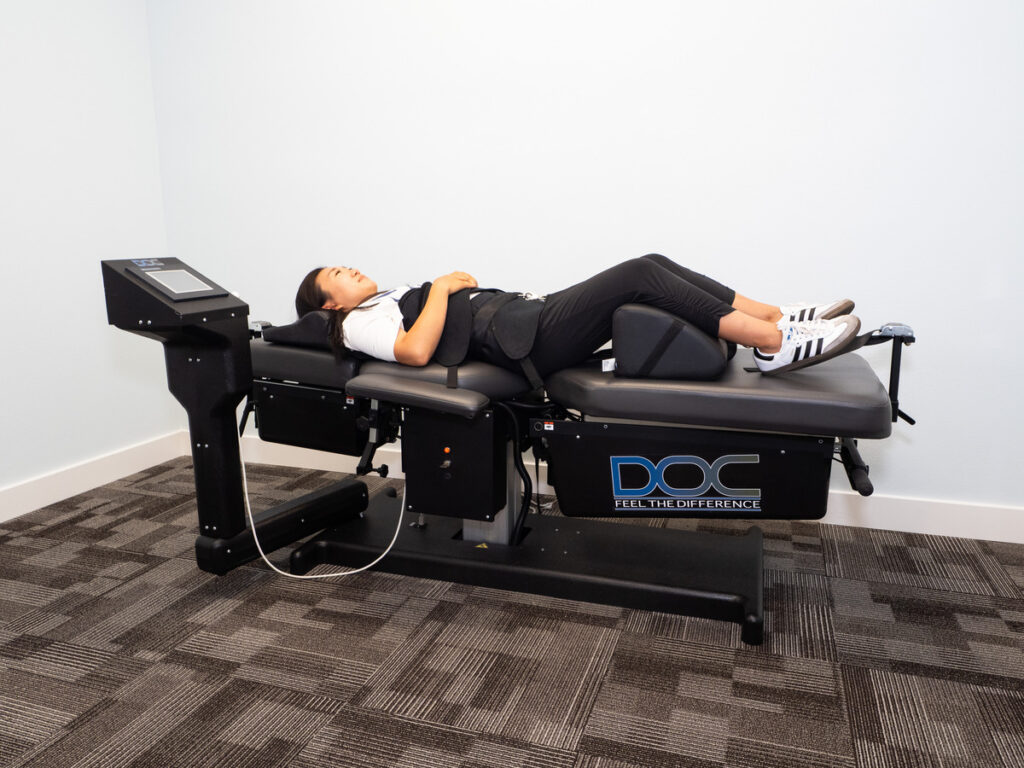
I also encourage patients to explore medications and natural remedies as part of a comprehensive pain management strategy. Advanced techniques, such as spinal decompression therapy, can provide relief for chronic pain as well.
Understanding the advantages of each treatment option will empower you to make informed decisions about your recovery journey. Together, we can determine the best path tailored to your individual needs, so you can get back to living your life pain-free.
Physical Therapy
Chiropractic care can be a transformative approach to alleviating lower back pain. If you're dealing with discomfort, a skilled chiropractor can develop a personalized treatment plan that focuses on restoring balance and function to your spine and surrounding muscles. Through targeted adjustments and exercises, you'll not only improve your flexibility and stability but also work towards reducing pain over time.
During your initial visit, I'll assess your posture, movement patterns, and any activities that may be contributing to your pain. This comprehensive evaluation helps me create a tailored approach to your care.
We often include core strengthening exercises, which are vital for supporting your lower back and preventing future injuries. By strengthening these areas, you'll experience not only pain relief but also enhanced overall health and well-being.
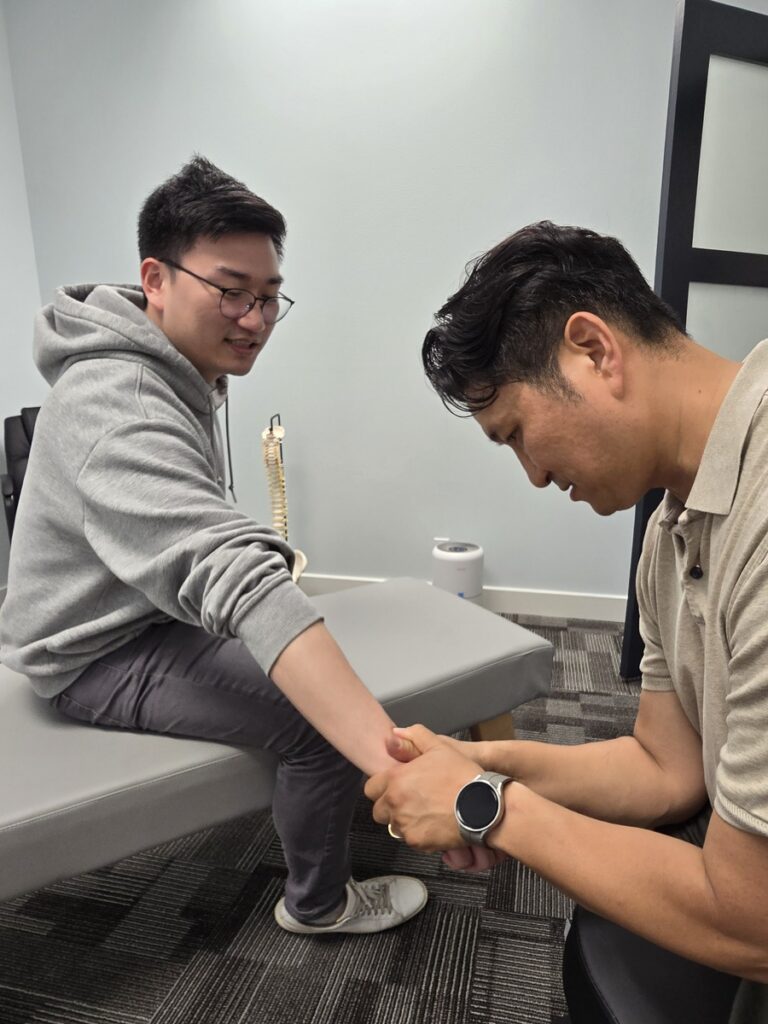
In addition to spinal adjustments, I may utilize manual therapy techniques to relieve tension and promote better circulation in the affected areas. These hands-on methods can provide immediate relief and significantly enhance your mobility.
Furthermore, I may recommend natural therapies such as heat or ice to help manage inflammation and discomfort.
Consistency is essential in chiropractic care. Regular visits and adherence to your prescribed home exercises can lead to significant improvements.
Remember, healing takes time, so it's important to be patient with yourself. As you build strength and increase your range of motion, you'll likely find your lower back pain diminishing, allowing you to engage in the activities you love once again.
Embracing chiropractic care as part of your pain management strategy can guide you towards lasting relief and a healthier lifestyle.
Chiropractic Care
As a local chiropractor, I want to take a moment to share how chiropractic care can significantly enhance your recovery from lower back pain. Many individuals are unaware of this effective treatment option, and I believe it's essential to shed light on the benefits we provide in diagnosing and treating musculoskeletal disorders, especially those that impact the spine.
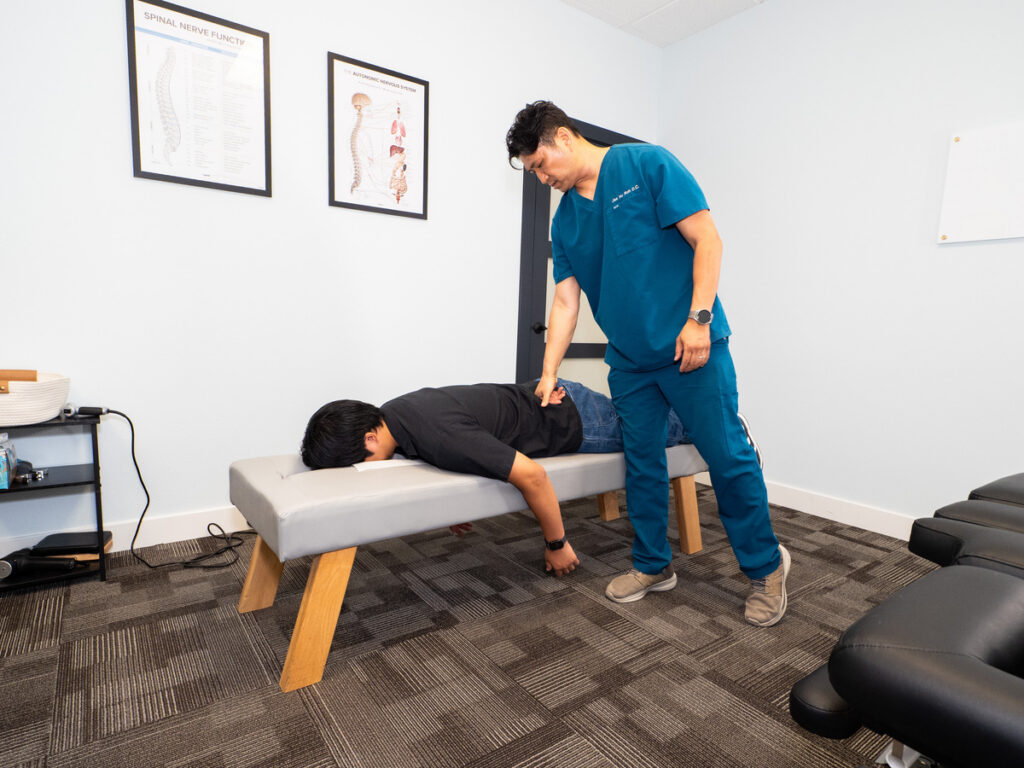
Chiropractic adjustments involve gentle manipulations designed to restore your spine's natural alignment. This process can alleviate pressure on nerves, improve mobility, and promote your body's natural healing abilities.
Here are some of the key benefits you may experience through chiropractic care:
- Pain Relief: I focus on identifying the source of your pain and can provide targeted relief that you may feel almost immediately.
- Improved Posture: Regular adjustments help keep your spine in alignment, which can enhance your posture and reduce strain on your back.
- Enhanced Mobility: Chiropractic care is known to improve your range of motion, making everyday activities much easier and more enjoyable.
- Preventative Care: By addressing alignment issues proactively, we can help prevent further complications and reduce the likelihood of recurring pain.
- Holistic Approach: My practice integrates lifestyle advice, nutrition, and exercise into your treatment plan, allowing us to tackle the root causes of your discomfort.
If you're dealing with lower back pain, I encourage you to consider chiropractic care as a viable option for your healing journey.
Together, we can develop a personalized treatment plan that meets your specific needs and supports you in achieving lasting relief.
Don't let back pain hinder your daily life—let's explore how chiropractic care can be an integral part of your recovery.
Acupuncture
As a chiropractor, I want to introduce you to an alternative approach that may surprise you when it comes to relieving lower back pain: acupuncture. This ancient practice utilizes thin needles to stimulate specific points on your body, which can enhance healing and alleviate discomfort.
Let's delve into how acupuncture works, the numerous benefits it can provide, and what you can expect during your treatment sessions.
While you might be more familiar with traditional chiropractic adjustments, acupuncture can be a complementary therapy that enhances your overall wellness. It targets the body's energy pathways, helping to restore balance and promote natural healing.
I encourage you to consider this holistic option as part of your journey toward pain relief and optimal health.
How Acupuncture Works
As a local chiropractor, I often recommend holistic approaches to alleviate lower back pain, and acupuncture is one method that has been used for centuries. This ancient practice involves inserting thin needles into specific points on the body to stimulate energy flow and promote healing.
When you experience acupuncture, these needles work to restore balance within your body's energy pathways, which are known as meridians.
Here's how acupuncture can support your lower back health:
- Stimulates Nerve Endings: The needles activate nerve endings, which can help reduce the pain signals that your body sends to your brain.
- Releases Endorphins: One of the benefits of acupuncture is that it encourages your body to release endorphins, its natural painkillers, leading to an enhanced sense of relief.
- Improves Blood Flow: Acupuncture can increase circulation in the affected area, which may enhance healing and help reduce inflammation that contributes to pain.
- Promotes Relaxation: This treatment is effective in releasing tension, which can be particularly helpful for muscle stiffness in your lower back.
- Balances Energy: The goal of acupuncture is to restore the balance of energy within your body, addressing not just the symptoms but also the root causes of your discomfort.
Incorporating acupuncture into your wellness routine can complement chiropractic care, allowing for a more comprehensive approach to healing and maintaining a healthy back.
Benefits for Back Pain
As a local chiropractor, I want to share with you the incredible benefits of acupuncture for back pain relief, especially if you're new to the world of natural healing. Acupuncture is an ancient practice that focuses on stimulating specific points on your body, which can help promote blood flow and reduce inflammation—key factors in alleviating back pain.
One of the remarkable advantages of acupuncture is its ability to release endorphins, your body's natural painkillers. This not only helps to relieve pain but also creates a sense of relaxation and well-being, which is essential for managing the tension that often accompanies chronic back issues.
Many of my patients notice an improvement in their sleep quality as well, thanks to acupuncture's calming effects on the nervous system and its ability to lower stress levels.
What I particularly appreciate about acupuncture is that it's a non-invasive treatment option. This makes it a great choice for those of you who may want to avoid medications or surgical interventions. Each session can be customized to address your unique pain patterns and specific needs, ensuring a tailored approach to your care.
Many patients experience long-lasting relief after just a few sessions, making acupuncture an attractive option for ongoing back pain management.
Treatment Sessions Overview
When considering chiropractic care as part of your back pain management strategy, understanding what to expect during your treatment sessions can significantly enhance your experience. Each session generally lasts between 30 to 60 minutes, allowing you the necessary time to unwind and focus on healing. Here's what you can anticipate:
- Initial Consultation: During your first visit, I'll conduct a thorough assessment of your medical history and discuss your specific back pain concerns. This helps tailor a treatment plan that suits your needs.
- Adjustment Techniques: You'll lie down in a comfortable position while I gently apply precise adjustments to your spine and joints. These techniques aim to restore proper alignment and function.
- Duration of the Adjustment: Each adjustment typically takes just a few minutes, but we may spend additional time discussing your progress and any questions you may have.
- Relaxation: Many patients report feeling a sense of relief and relaxation during and after their adjustments, contributing to an overall sense of well-being.
- Post-Treatment Guidance: After your session, I'll provide recommendations for follow-up treatments and lifestyle changes that can support your recovery and enhance your overall health.
Each chiropractic session is designed to help alleviate pain and promote holistic well-being. By familiarizing yourself with what to expect, you'll be more comfortable and ready to experience the benefits of chiropractic care as a natural healing approach.
Massage Therapy
As a local chiropractor, I want to enlighten you about the remarkable benefits of massage therapy in alleviating lower back pain. This approach not only provides physical relief but also promotes relaxation and well-being.
Massage therapy targets tight muscles, enhances blood circulation, and stimulates the release of endorphins, which act as natural painkillers. By incorporating this therapy into your care plan, you're not just masking the symptoms; you're getting to the root of the discomfort.
During your sessions with a skilled massage therapist, various techniques will be employed, including deep tissue, Swedish, or trigger point massage, all tailored specifically to your individual needs. By focusing on the muscles surrounding your lower back, the therapist can effectively reduce tension and improve flexibility.
Many of my patients report noticeable pain relief and improved range of motion after just a few sessions.
Moreover, regular massage therapy offers psychological benefits as well. Stress often aggravates back pain, and a good massage can help you unwind both mentally and physically. You may leave your appointment feeling rejuvenated and more empowered in managing your pain.
It's crucial to communicate openly with your therapist about your pain levels and any specific areas of discomfort. This collaboration allows them to adjust their techniques to better suit your needs.
I also recommend maintaining a consistent schedule for your sessions, as regular treatments can lead to lasting relief.
Incorporating massage therapy into your lower back pain relief plan can significantly enhance your overall well-being. As your chiropractor, I encourage you to explore this holistic approach as part of your journey to recovery.
Together, we can work towards a healthier, pain-free life.
Medications
As a local chiropractor, I want to help you understand how medications can fit into your strategy for managing lower back pain.
While many people consider over-the-counter pain relievers or prescription medications, I also encourage exploring natural alternatives that align with chiropractic care.
Chiropractic treatment focuses on the body's ability to heal itself, and by addressing the root causes of your discomfort, we can often reduce the need for medication.
However, when it comes to relief, there are various options available, and it's important to find what works best for you.
Let's delve into these choices together and consider how they can complement your journey towards better health and wellness.
Over-the-Counter Options
As a local chiropractor, I want to share some valuable insights about managing lower back pain, especially if you're new to chiropractic care and natural healing methods.
Over-the-counter (OTC) medications can serve as a helpful first step in alleviating discomfort, allowing you to resume your daily activities without the immediate need for a prescription. Here are some effective OTC options to consider:
- Ibuprofen: This anti-inflammatory medication can help reduce both pain and swelling in your back.
- Acetaminophen: A great option for those who are unable to take non-steroidal anti-inflammatory drugs (NSAIDs), it effectively eases pain without affecting inflammation.
- Naproxen: Similar to ibuprofen, but with a longer duration of action, making it a good choice for ongoing discomfort.
- Topical analgesics: These creams or patches are applied directly to the skin and can provide targeted relief right where you need it.
- Muscle relaxants: Certain OTC muscle relaxants can assist in easing tension in the muscles surrounding your back.
While these medications can be beneficial in managing pain, it's essential to follow the instructions on the label closely.
If you have any questions or uncertainties about which option is right for you, I encourage you to consult with a healthcare professional.
Remember, OTC medications are just one part of a comprehensive approach to back pain management.
As a chiropractor, I advocate for a holistic strategy that may include chiropractic adjustments, physical therapy, and lifestyle changes to promote long-term healing and wellness.
Always listen to your body, and discontinue any medication if you experience adverse effects. Your health and comfort are my top priorities, and I'm here to support you on your journey to better back health.
Prescription Medications
As a local chiropractor, I want to help you understand the options available for managing lower back pain, especially if you're not familiar with chiropractic care or natural healing techniques.
While over-the-counter (OTC) medications can offer some initial relief, they mightn't be sufficient for more persistent or severe pain. If you're finding that these treatments aren't enough, I encourage you to consider consulting with a healthcare professional about more effective alternatives.
In my practice, I often see patients who benefit from nonsteroidal anti-inflammatory drugs (NSAIDs) or muscle relaxants prescribed by their doctors.
NSAIDs like ibuprofen or naproxen can help reduce inflammation and relieve discomfort, while muscle relaxants can address muscle spasms, allowing for more comfortable movement.
In more severe cases, a healthcare provider might suggest opioids for short-term pain relief. However, it's important to use these medications carefully due to the potential risk of dependency.
Beyond these options, I also want to highlight the importance of holistic approaches. Some studies suggest that medications such as antidepressants or anticonvulsants can aid in chronic pain management.
As you explore your treatment options, I encourage you to follow your doctor's advice on any prescribed medications and communicate openly about any side effects you may experience.
Natural Alternatives
As a local chiropractor, I often see patients looking for effective ways to manage lower back pain without relying solely on traditional medications. If you're exploring natural alternatives, there are several remedies that can provide relief while minimizing the risk of side effects commonly associated with pharmaceuticals.
Here are five natural options I recommend considering:
- Turmeric: This vibrant spice is renowned for its anti-inflammatory properties, which may help alleviate pain and swelling. You can easily incorporate turmeric into your meals or take it in supplement form for added benefits.
- Ginger: Similar to turmeric, ginger is another powerful anti-inflammatory herb. Sipping on ginger tea or adding it to your cooking can help soothe discomfort and support your recovery.
- Capsaicin: Found in chili peppers, capsaicin is often used in topical creams. It works by reducing a substance in the body called substance P, which is involved in pain sensation. Applying capsaicin cream can help numb the pain effectively.
- Acupuncture: This traditional Chinese medicine practice involves inserting thin needles into specific points on the body to stimulate nerves and muscles. Many patients report significant pain relief and improved mobility after acupuncture sessions.
- Essential Oils: Therapeutic oils like peppermint and lavender can make a big difference in your comfort. They can be used in massages or diffused in your home to promote relaxation and alleviate discomfort.
As you explore these natural alternatives, remember that chiropractic care can also play a vital role in your journey to pain relief.
Through adjustments and personalized treatment plans, we can work together to address the root cause of your pain and help you achieve optimal wellness.
Hot and Cold Therapy
As a local chiropractor, I often recommend hot and cold therapy as an accessible and effective way to alleviate lower back pain. Understanding how each method works can empower you to manage discomfort and promote healing.
Heat therapy is particularly beneficial for relaxing tight muscles and enhancing blood flow to the affected areas. This can be easily achieved using tools like a heating pad, hot water bottle, or even soaking in a warm bath. When applying heat, aim for sessions of about 15 to 20 minutes. It's crucial to place a cloth between the heat source and your skin to avoid burns.
For those experiencing chronic pain, stiffness, or muscle tension, the soothing warmth can provide significant relief.
Conversely, cold therapy is excellent for reducing inflammation and numbing sharp pain. Ice packs, frozen vegetables, or cold compresses are effective tools for this purpose. When using cold therapy, apply it for 10 to 15 minutes, again ensuring a cloth barrier between the ice and your skin.
This method is particularly useful immediately after an injury or during acute pain flare-ups.
Listening to your body is essential when deciding which method to use. If you're uncertain, consider alternating between hot and cold therapy. This combination can effectively address both muscle tension and inflammation, providing a more comprehensive approach to pain relief.
Remember, consistency is key—integrating these therapies into your regular pain management routine can yield the best results.
If you have any questions about how to incorporate hot and cold therapy into your care plan, feel free to ask during your next visit. Your journey to healing is important, and I'm here to support you every step of the way.
Exercise and Stretching
As your local chiropractor, I want to share how incorporating exercise and stretching into your daily routine can significantly alleviate lower back pain. Engaging in regular movement not only strengthens your back muscles but also enhances flexibility and minimizes stiffness.
It's important to note that you don't need to commit to strenuous workouts; even simple exercises and stretches can lead to notable improvements in your comfort and mobility.
Here are some effective exercises and stretches that I recommend:
- Pelvic tilts: Begin by lying on your back with your knees bent. Tighten your abdominal muscles and gently push your lower back into the floor, then relax. Repeat this movement several times to help strengthen your core stability.
- Knee-to-chest stretch: While lying on your back, bring one knee toward your chest while keeping the opposite foot flat on the ground. Hold this position for 20-30 seconds, then switch legs. This stretch can help ease tension in your lower back.
- Cat-Cow stretch: Position yourself on all fours, and alternate between arching your back upward (like a cat) and lowering it downward (like a cow). This dynamic movement promotes flexibility in your spine and can alleviate discomfort.
- Child's pose: Transition into a kneeling position, then sit back on your heels and extend your arms forward on the ground. This gentle stretch can help relieve tension and promote relaxation in your back.
- Wall sits: Stand with your back against a wall and slowly slide down into a seated position. Hold this position for 20-30 seconds while engaging your core and leg muscles. This exercise can help strengthen your lower body and improve postural support for your spine.
By integrating these exercises and stretches into your routine, you can foster a more resilient and flexible back, enhancing your overall well-being.
Always remember that regular movement is key to maintaining a healthy spine and reducing pain naturally. If you have any questions or need personalized guidance, feel free to reach out to me.
Yoga and Mindfulness
As a local chiropractor, I want to share how incorporating yoga and mindfulness into your routine can be a powerful addition to your journey toward healing, especially if you're dealing with lower back pain. These practices promote not only physical improvements but also mental well-being, which is crucial for overall health.
Yoga is an excellent way to enhance flexibility, strength, and posture—all of which support a healthy spine. Specific poses like Child's Pose, Cat-Cow, and Downward Dog can help stretch and strengthen the muscles around your lower back, reducing tension and discomfort. Many of my patients have found that integrating these gentle movements into their daily routine has led to significant relief.
Mindfulness is another key component that beautifully complements your yoga practice. By focusing on your breath and bodily sensations, you can become more aware of your pain triggers and learn to manage stress, which often exacerbates pain. I recommend starting with simple breathing exercises to ground yourself in the present moment. This mindfulness practice can cultivate a sense of calm and resilience, which is essential when managing chronic pain.
I have seen many patients experience long-lasting benefits from a consistent yoga and mindfulness routine. You don't need to be an expert—just a few minutes each day can make a noticeable difference. If you're unsure where to start, consider joining a local class or following online tutorials specifically designed for those with lower back pain.
As you explore yoga and mindfulness, remember to listen to your body and avoid pushing yourself into any positions that cause discomfort. Cultivating this awareness won't only enhance your physical health but also help you develop a more positive relationship with your pain.
This holistic approach empowers you to take control of your recovery, leading to improved overall well-being. I'm here to support you on this journey and provide guidance on how chiropractic care can further complement your healing process.
Epidural Steroid Injections
As a local chiropractor, I want to share some insights into a treatment option that some people consider for managing lower back pain: epidural steroid injections. This procedure involves injecting steroids directly into the epidural space surrounding the spinal nerves, which can help reduce inflammation and alleviate pain.
While many individuals report experiencing relief through these injections, it's essential to understand that they may come with potential side effects.
At our clinic, we focus on natural healing methods that address the root causes of pain rather than just masking the symptoms. Chiropractic care emphasizes spinal alignment, muscular health, and overall wellness.
By exploring chiropractic adjustments, therapeutic exercises, and lifestyle modifications, we can often help you achieve lasting relief from lower back pain without the need for injections.
If you're curious about how chiropractic care can support your health and well-being, I encourage you to reach out for more information!
Injection Procedure Overview
As a local chiropractor, I often see patients who are seeking relief from lower back pain and may be considering various treatment options. One common approach that some people turn to is the epidural steroid injection, which involves injecting corticosteroid medication into the epidural space surrounding the spinal cord and nerves.
While this procedure can help reduce inflammation and alleviate pain, I want to share some insights about it and also discuss natural healing alternatives that we offer in chiropractic care.
Here's a brief overview of what the injection process typically involves:
- Preparation: Patients usually lie on their side or stomach while the doctor cleans the injection site to reduce the risk of infection.
- Anesthesia: A local anesthetic is applied to numb the area, which helps minimize discomfort during the injection.
- Fluoroscopy: The doctor may utilize real-time X-ray imaging to accurately guide the needle into the correct position.
- Injection: The corticosteroid is injected into the epidural space, a process that usually takes just a few minutes.
- Recovery: After the injection, patients are monitored for a short period before heading home, though some may experience temporary soreness.
While this procedure can provide relief, it's essential to understand that there are natural healing methods available through chiropractic care.
We focus on addressing the root causes of pain, promoting spinal alignment, and enhancing overall health without the use of injections or medications.
If you're considering an injection or are curious about alternative treatments, I encourage you to reach out. Together, we can explore the best options for your healing journey and help you feel your best naturally.
Always remember that open communication with your healthcare provider is key to being well-prepared for any treatment you choose.
Benefits of Steroid Injections
As a local chiropractor, I understand how persistent lower back pain can significantly impact your daily life. One option that many people find beneficial is steroid injections, which can provide several advantages that may enhance your overall well-being.
These injections primarily work by reducing inflammation around the affected nerves, leading to notable pain relief. By addressing the root cause of your discomfort, many patients experience faster and more effective relief compared to traditional oral medications.
Another important benefit of steroid injections is their potential for long-lasting results. Some individuals may find relief lasting for weeks or even months, while others might enjoy extended pain control. This means you can partake in your daily activities with much less limitation, fostering a more fulfilling lifestyle.
Steroid injections can also be a helpful diagnostic tool for your healthcare journey. If you experience relief after an injection, it can confirm that inflammation is the source of your pain, which can guide us in determining the best course of further treatment. This focused approach helps to minimize unnecessary procedures or medications, ensuring that you receive the care that's right for you.
Moreover, many patients tolerate the injection process well, experiencing minimal downtime. This allows you to return to your everyday routine quickly, making steroid injections a convenient option for effectively managing lower back pain.
While I encourage exploring natural healing methods and chiropractic care, understanding the role of steroid injections can be an important part of your journey toward pain relief. Together, we can work towards a comprehensive approach to your health.
Potential Side Effects
As a local chiropractor, I want to help you understand the potential side effects of steroid injections for lower back pain, so you can make informed choices about your health and treatment options.
While these injections can provide relief, it's important to consider what might come along with them.
Here are some common side effects you should be aware of:
- Pain at the injection site: It's quite common to feel some soreness where the injection was administered.
- Headaches: A small number of patients report experiencing headaches following the procedure.
- Temporary increase in pain: Some individuals notice a brief spike in pain before they start to feel better.
- Changes in blood sugar levels: If you have diabetes, keep in mind that steroid injections can influence your blood sugar, so monitoring your levels is crucial.
- Infection risk: Like any injection, there's a slight chance of developing an infection at the site of the injection.
Most side effects are temporary and typically resolve on their own.
However, if you experience any persistent or severe symptoms, I encourage you to reach out to your healthcare provider for guidance.
As a chiropractor, I believe in exploring all available options for pain relief, including natural and holistic approaches.
Weighing the potential benefits of steroid injections against these risks can help you decide if they're the right choice for you.
Alternative Therapies
As a local chiropractor, I want to share with you the benefits of alternative therapies for alleviating lower back pain. These natural healing methods can complement traditional treatments and help you find the relief you're seeking.
One of the primary alternative therapies I recommend is chiropractic care. Through gentle adjustments and realignment of the spine, I can help relieve pressure on nerves and muscles that may be contributing to your discomfort. Many of my patients experience significant pain relief and improved mobility after just a few sessions.
Regular chiropractic visits not only address existing issues but also promote better spinal health and posture for the long term.
Another effective option is acupuncture, a practice that I often encourage my patients to consider. This method involves inserting thin needles into specific points on the body, which can lead to reduced pain and improved function. Many individuals report positive outcomes from acupuncture, making it a valuable addition to your pain management plan.
Massage therapy is also an integral part of the healing process. Whether it's deep tissue, Swedish, or trigger point massage, this hands-on approach helps relax tight muscles, enhance circulation, and improve flexibility. It can provide immediate relief and is often recommended alongside chiropractic adjustments for optimal results.
Incorporating practices like yoga and Pilates into your routine can further strengthen your core and enhance flexibility. These disciplines emphasize controlled movements and mindful breathing, which can contribute to pain management and body awareness.
Don't overlook the benefits of herbal remedies and supplements, such as turmeric or ginger, which may help reduce inflammation and support your healing journey. However, it's essential to consult with a healthcare professional before starting any new supplements to ensure they're safe for you.
Lastly, I encourage my patients to explore mindfulness techniques like meditation and deep breathing exercises. These practices can help manage pain perceptions and improve mental well-being, creating a holistic approach to your recovery.
Conclusion
As a local chiropractor, I want to emphasize that finding effective relief for your lower back pain can be a journey of exploration. There are numerous treatment options available, and chiropractic care is one of the most effective methods I recommend. Our approach focuses on aligning the spine and restoring proper function to the nervous system, which can lead to significant pain relief.
In addition to chiropractic adjustments, I encourage you to consider the benefits of physical therapy and acupuncture, which can complement your treatment plan. Regular exercise is also crucial; it strengthens the muscles that support your back and promotes overall wellness. Mindfulness practices can help manage stress, which often exacerbates pain, and natural remedies like turmeric have anti-inflammatory properties that may provide additional relief.
It's vital to listen to your body and understand that everyone's experience with pain is unique. I encourage you to consult with healthcare professionals, including chiropractors, to develop a customized plan that aligns with your specific needs. Take the first step towards taking charge of your health and finding relief from lower back pain today!