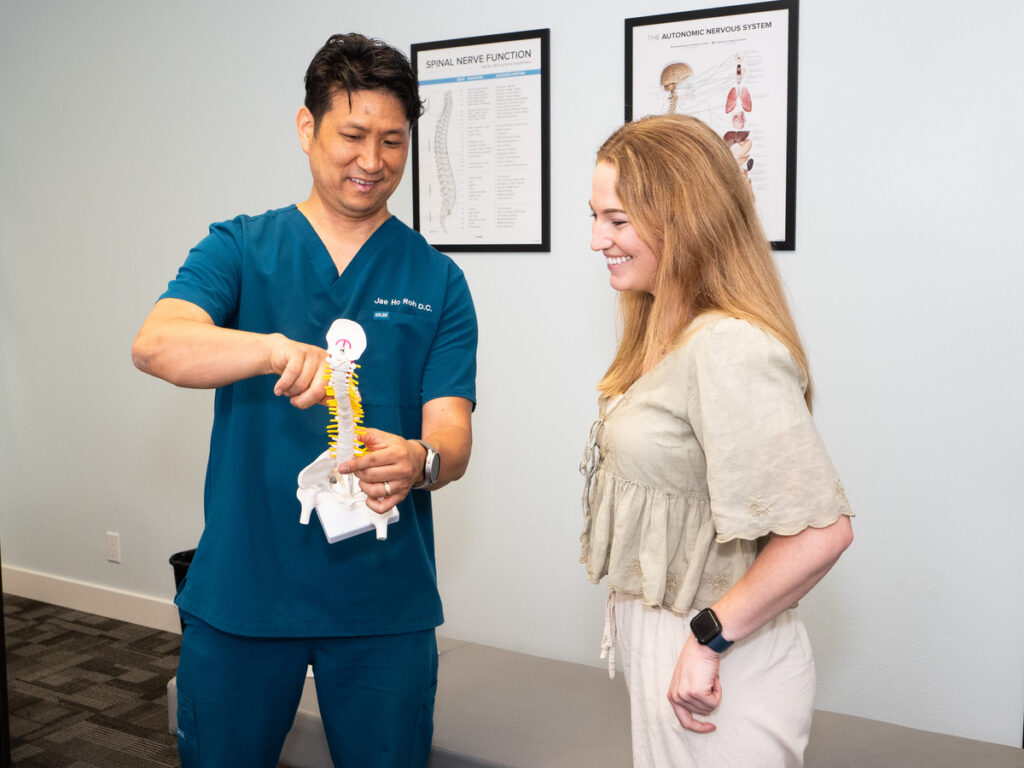

As a local chiropractor, I understand the challenges that come with managing ADHD in children, and I want to share some insights on how chiropractic care and natural healing can provide relief. Establishing a consistent daily routine is essential, and I often recommend incorporating visual aids to help enhance organization and focus in children.
But there's more to consider. Regular breaks and physical activity are crucial for maintaining a balanced lifestyle, and chiropractic adjustments can support overall physical health, which may positively impact attention and behavior. Additionally, mindfulness techniques can be beneficial, and I encourage open communication about feelings and experiences with your child.
By combining these strategies with chiropractic care, we can create a comprehensive approach that addresses both the physical and emotional aspects of ADHD. Together, we can work towards transforming your child's experience and improving their overall well-being. Let's explore how these elements can work together for lasting change in their lives.
Establish a Daily Routine
Establishing a daily routine can greatly benefit children with ADHD, and as a chiropractor, I see firsthand how a structured approach can promote overall well-being. When you create a predictable schedule, it helps your child know what to expect throughout the day, which can significantly reduce anxiety and improve focus. This is essential not just for managing ADHD symptoms but also for supporting healthy development.
Start by outlining a clear morning, afternoon, and evening routine for your child. Include important activities such as meals, homework, chores, and playtime. These elements are vital for creating stability and can even complement the physical adjustments I provide in my practice.
To make the routine more effective, involve your child in the planning process. Ask them what they'd like to include and how they prefer to spend their time. This collaboration fosters a sense of ownership, making it more likely that they'll adhere to the routine. It's similar to how we work together in chiropractic care—empowering patients to take an active role in their health.
Keep the routine simple and consistent. Use a calendar or planner to visualize the schedule, but avoid overwhelming your child with too many tasks. Focus on a few key activities each day while allowing for flexibility. Just like how our bodies thrive on routine adjustments, kids benefit from a consistent flow of daily events.
Remember to celebrate your child's achievements, no matter how small. When they complete a task or follow the routine, acknowledge their efforts with praise or a small reward. This positive reinforcement can enhance their motivation and align with the holistic approach of chiropractic care, which emphasizes the importance of mental and emotional well-being.
Lastly, be patient as your child adjusts to the new structure. Just as it takes time for the body to respond to chiropractic care, it may take a while for your child to adapt to a daily routine. Stay supportive, and keep in mind that even small changes can lead to significant improvements in their daily life and overall health.
Use Visual Aids
Visual aids, such as colorful charts and illustrated schedules, can be incredibly beneficial for children with ADHD, and they can also be useful tools in understanding the principles of chiropractic care. Just like these aids help children simplify information and stay organized, they can also support your journey towards better health and wellness.
Consider creating a visual schedule for your daily routines, including chiropractic appointments, exercises, and self-care practices. Use images or icons that represent various activities, such as stretching, adjusting, or relaxation techniques. Display this schedule in a spot where you can easily see it, like your fridge or home office. This structure not only helps you anticipate what's next but also provides a sense of achievement as you check off completed tasks.
A reward chart can also be employed to track your progress in chiropractic care. You might design a chart that records attendance at appointments or adherence to recommended exercises, rewarding yourself with stickers or small treats. This method adds a fun element to your health journey and reinforces positive behaviors that contribute to your well-being.
Color coding can be another effective strategy for managing your health routines. For example, assign specific colors to different aspects of your chiropractic care, such as exercises, dietary changes, or relaxation techniques. This visual differentiation can help you quickly recognize what you need to focus on each day.
Most importantly, involve your family in creating these visual aids. When they participate in the design process, they become more engaged and supportive of your health goals.
Incorporate Breaks and Downtime
As a local chiropractor, I want to highlight the importance of incorporating regular breaks and downtime into your daily routine, especially if you or your child are managing ADHD.
Scheduling specific break times during tasks is a simple yet effective strategy. Using visual timers can help keep track of these intervals, making it easier to establish a rhythm.
I also encourage incorporating physical activity during these breaks, as movement not only helps reset focus but also promotes overall well-being.
Remember, taking time to rest and recharge is crucial for both mental clarity and physical health. By prioritizing these breaks, you can enhance your ability to concentrate and maintain a healthier, more balanced lifestyle.
Natural healing is about more than just adjustments; it's about fostering a holistic approach to well-being that includes mindful practices like these.
Schedule Regular Break Times
Creating a balanced routine is essential for children, especially those with ADHD, and scheduling regular break times is a key component of that. As a chiropractor, I often see how the body and mind are interconnected, and taking breaks allows your child's body and brain to refresh and recharge.
When you establish specific times for breaks, it gives your child something to anticipate and helps them manage their energy levels throughout the day.
Consider implementing short breaks every 30 to 45 minutes during homework or study sessions. These breaks can last from 5 to 15 minutes, tailored to your child's individual needs. Encourage them to step away from their work and engage in activities that promote physical movement and relaxation, such as stretching, drawing, or even playing outside. This shift in focus can significantly enhance their concentration when they return to their tasks.
It's important to communicate to your child the significance of these breaks. Explain that taking time off from work isn't a weakness but rather a vital strategy for success, promoting overall well-being.
Use Visual Timers
As a local chiropractor, I often see how important it's for children, especially those with ADHD, to have tools that help them focus and manage their time effectively. One such tool that can make a significant difference is the use of visual timers. These timers can aid in keeping kids on track with their tasks while also allowing for essential breaks, which are crucial for their overall well-being.
Visual timers provide a clear representation of time passing, making it easier for children to grasp how long they need to concentrate on a task. You can choose a simple kitchen timer or a child-friendly digital app. When children can visually see the time remaining, it creates a sense of urgency that helps them maintain focus.
I recommend starting with short intervals for tasks, such as 15 or 20 minutes. Once the timer goes off, it's vital to encourage a 5-minute break. This brief pause allows children to recharge, preventing mental fatigue and burnout. During these breaks, they can stretch, grab a healthy snack, or engage in a quick activity that they enjoy, all of which can also promote physical well-being.
Establishing this routine not only helps children manage their time better but also instills an understanding of the value of taking breaks. It aids them in recognizing when it's time to switch tasks, making transitions smoother and less stressful. Over time, these practices can enhance their self-regulation skills, leading to improved focus and productivity.
As a chiropractor, I see the benefits of combining natural healing methods with practical tools like visual timers. By incorporating these strategies, you're not only supporting your child's cognitive development but also their physical health.
#
Encourage Physical Activity
As a local chiropractor, I want to emphasize the importance of regular physical activity, especially for children with ADHD. Engaging in physical activity isn't only a great way to channel their energy but also plays a significant role in improving focus and overall well-being.
Incorporating breaks and moments of downtime into their daily routine can be incredibly beneficial. I recommend scheduling short bursts of physical activity throughout the day—these could be simple exercises like jumping jacks, a quick run outside, or even a fun dance party in the living room.
These activities serve as an outlet for excess energy and can help reset their minds for better concentration. To make the most of these breaks, consider using a timer to signal when it's time to switch gears. After a dedicated period of focused work or study, a brief 5-10 minute break for physical activity can significantly enhance their ability to concentrate.
Outdoor play is particularly beneficial, whether it involves riding a bike, playing tag, or participating in sports. Such activities not only promote physical health but also encourage the development of social skills and teamwork, which are vital for overall growth.
As a chiropractor, I advocate for natural healing methods that include maintaining an active lifestyle. By encouraging your child to engage in regular physical activity, you're supporting their physical and mental health in a holistic way.
## Encourage Physical Activity
As a local chiropractor, I want to emphasize the importance of encouraging physical activity for children, especially those with ADHD. Engaging in movement not only helps channel their energy in a positive direction but also enhances their overall well-being.
Activities such as outdoor play, structured exercise routines, and enjoyable sports can significantly boost their focus and mood. By incorporating regular physical activity into their daily lives, we can support their physical health and contribute to their mental clarity.
At our practice, we believe that a holistic approach to health, which includes movement and natural healing, is vital for helping kids thrive.
Outdoor Playtime Importance
As a local chiropractor, I want to highlight the significant benefits of outdoor playtime, particularly for children with ADHD. Engaging in outdoor activities offers a wonderful combination of physical movement and mental stimulation, which can be incredibly beneficial for their overall well-being. When children have the opportunity to play outside, they can release excess energy, which often helps to alleviate impulsivity and restlessness.
Nature itself provides a dynamic environment that encourages exploration, climbing, running, and jumping, instilling a sense of freedom and adventure. These activities not only promote physical health but also contribute to spinal health and overall body alignment, which are crucial aspects of chiropractic care.
Moreover, outdoor play can enhance focus and concentration. Activities such as riding a bike or playing games like tag require a level of attention and coordination that can help improve your child's ability to concentrate over time. Additionally, exposure to sunlight is beneficial as it increases serotonin levels in the body, positively influencing mood and emotional well-being.
You don't need to plan elaborate outings; even simple trips to local parks, playgrounds, or your own backyard can have a positive impact. I encourage you to get involved! Join your child in these activities to create meaningful bonding moments while promoting active play, which can be a natural complement to chiropractic care.
It's also important to consider your child's interests. Whether they enjoy tossing a ball, flying a kite, or exploring the great outdoors, aligning activities with their preferences can greatly enhance their engagement and motivation.
Ultimately, regular outdoor playtime serves as a powerful tool in managing ADHD symptoms and supporting your child's overall health. As a chiropractor, I advocate for a holistic approach that includes both physical activity and natural healing methods to help children thrive.
Structured Exercise Routines
Structured exercise routines can significantly benefit children with ADHD, and as a chiropractor, I often emphasize the importance of holistic approaches to health. Incorporating regular physical activity into your child's routine can greatly improve focus, reduce impulsivity, and help manage hyperactivity.
I recommend aiming for at least 30 minutes of structured exercise most days of the week. This can include activities like dancing, martial arts, or even a family walk, all of which can promote not only physical but also mental well-being.
Creating a consistent exercise schedule is crucial. Designate a specific time each day for physical activity, making it an essential part of your child's daily routine. This predictability can provide a sense of stability that's beneficial for children with ADHD.
Involve your child in choosing the activities they enjoy, as this increases the likelihood of their engagement and motivation. Setting achievable goals together and celebrating even the smallest accomplishments can greatly enhance their self-esteem and encourage ongoing participation.
It's important to recognize that structured exercise isn't solely about physical fitness; it plays a vital role in emotional health as well.
Lastly, keeping the experience enjoyable is key. Vary the activities to prevent boredom and maintain excitement about moving. By prioritizing structured exercise, you're not only supporting your child's physical health but also helping them manage their ADHD symptoms more effectively.
As a chiropractor, I encourage you to explore how natural healing and an active lifestyle can work hand-in-hand for your child's overall well-being.
Fun Sports Activities
As a local chiropractor, I understand how crucial it's for children, particularly those with ADHD, to engage in enjoyable sports activities. Physical activity not only helps channel their energy in a positive way but also contributes significantly to their focus and overall well-being.
Here are some fun sports activities I often recommend for families:
- Team Sports: Participating in team sports like soccer, basketball, or baseball can greatly enhance social interaction and teamwork. These activities provide a sense of belonging and can be particularly beneficial for children who thrive on group dynamics.
- Martial Arts: Engaging in martial arts such as karate or judo can teach children valuable lessons in discipline and self-control. The structured environment of martial arts is an excellent outlet for their energy while also promoting physical fitness.
- Swimming: This activity is a fantastic full-body workout that's also soothing for the mind. The rhythmic and repetitive nature of swimming can have a calming effect, which may help alleviate some ADHD symptoms.
- Dance Classes: From hip-hop to ballet, dance classes allow children to express themselves creatively. Not only does dance improve coordination and rhythm, but it also offers an enjoyable way to stay active.
Encouraging your child to explore various sports activities that align with their interests can be motivating and beneficial. By making these activities fun and engaging, you can help your child develop essential life skills, build confidence, and foster meaningful friendships.
As a chiropractor, I always advocate for integrating physical activity into daily routines, transforming it into a joyful experience that supports their health and well-being. Encourage them to try different activities until they discover something they truly love.
Practice Mindfulness Techniques
As a local chiropractor, I'm excited to share how mindfulness techniques can significantly benefit children with ADHD, particularly in conjunction with chiropractic care. These techniques can help kids focus their thoughts and manage their emotions more effectively, which complements the holistic approach we take in our practice.
By incorporating mindfulness into their daily routines, children may experience improved attention spans and reduced impulsivity, aligning with the goals of natural healing.
One simple yet powerful mindfulness practice is deep breathing. When a child feels overwhelmed or distracted, encourage them to take a moment to close their eyes and engage in a few deep breaths. Inhale slowly through the nose, hold for a couple of seconds, and then exhale through the mouth. Just one or two minutes of this practice can help calm the mind and center thoughts, promoting overall well-being.
Another effective technique is grounding. This method involves using the senses to bring focus back to the present moment. Have your child identify five things they can see, four things they can touch, three things they can hear, two things they can smell, and one thing they can taste. This exercise helps pull them out of a whirlwind of thoughts and anchors them in reality, which is beneficial for their mental and emotional state.
Additionally, practices such as yoga and meditation can be wonderful ways to incorporate mindfulness. These activities not only promote relaxation but also enhance the ability to concentrate. Even dedicating just a few minutes each day to these practices can make a noticeable difference in a child's focus and emotional regulation.
In our chiropractic practice, we emphasize the connection between physical health and mental wellness. Integrating mindfulness techniques can enhance the benefits of chiropractic care, supporting your child's journey toward a more balanced and harmonious life.
Simplify Tasks and Instructions
To help kids with ADHD thrive, we can simplify tasks and instructions.
Break down activities into smaller, easy steps, so they don't feel stressed. Using pictures or charts can also help them understand better and stay on track with what to do next.
As a chiropractor, I believe that a clear approach not only supports their focus but also promotes overall well-being in their natural healing journey.
Break Tasks Down
As a local chiropractor, I often see how breaking tasks down into smaller, manageable steps can significantly enhance well-being, especially for individuals who may feel overwhelmed by their daily routines.
This approach not only applies to physical health but also to mental focus and overall productivity. Here's how you can effectively break tasks down for better health and healing:
1. Identify the Task: Start by clearly defining what you want to achieve regarding your health. Whether it's improving posture, managing pain, or enhancing overall wellness, being specific about your goals is crucial.
2. List the Steps: Write out each step needed to reach your health goal. For instance, if you're working on improving your posture, your steps could include exercises, stretches, and adjustments.
This written plan serves as a roadmap, helping to alleviate anxiety about your health journey.
3. Set Timelines: Assign a realistic timeframe for each step. Breaking down your health tasks into smaller time blocks can help maintain focus and motivation, allowing you to progress without feeling rushed or overwhelmed.
4. Celebrate Progress: Acknowledge and celebrate the completion of each step along your healing journey. Whether it's feeling less pain after a session or noticing improvements in your mobility, celebrating these milestones builds confidence and reinforces your commitment to natural healing.
Ultimately, keeping you engaged and motivated on your path to wellness.
Use Visual Aids
As a chiropractor, I want to share how incorporating visual aids can enhance your understanding of chiropractic care and the benefits of natural healing. Visual aids simplify complex concepts, making it easier for you to grasp the importance of maintaining spinal health and overall wellness.
For instance, when discussing the spine's structure and function, I often use diagrams to illustrate how misalignments can affect your body's performance. These visuals break down intricate information into digestible parts, allowing you to see the direct connection between spinal alignment and your health.
If you're learning about specific treatments or exercises, I recommend creating a visual checklist that outlines each step. This could include images demonstrating stretches or postures that promote spinal health. By seeing these visuals, you can better understand what to do and feel less overwhelmed by verbal instructions alone.
Color coding can also be beneficial. For example, using different colors to represent various treatment plans or stages of recovery can help you prioritize your care and understand the path to healing.
Additionally, using visual schedules or timers can aid in managing your appointments and exercises, reinforcing the concept of regular care as part of your wellness routine.
Create a Distraction-Free Environment
Creating a distraction-free environment is crucial, not just for children with ADHD, but for anyone looking to optimize their health and well-being, including patients seeking chiropractic care. A calm and focused mind can enhance the body's ability to heal naturally.
Here are some practical steps to create a supportive space that promotes wellness:
- Designate a Healing Space: Identify a quiet area in your home dedicated to relaxation and self-care. This space should be free from high-traffic areas and distractions, allowing you to focus on your body and mind. Use this area exclusively for activities like gentle stretching, meditation, or chiropractic exercises.
- Limit Visual Clutter: A tidy environment can significantly impact your mental clarity and stress levels. Keep your healing space organized by removing unnecessary items that may divert your attention. A clean and serene workspace encourages mindfulness and relaxation.
- Use Noise-Canceling Tools: To enhance your focus during self-care routines, consider incorporating noise-canceling headphones or soft background music. If silence feels unsettling, soothing instrumental sounds can create a peaceful atmosphere that supports your healing journey.
- Establish Clear Intentions: Set clear intentions for your healing space. Acknowledge the importance of maintaining this distraction-free environment, especially when practicing chiropractic exercises or relaxation techniques. Encourage yourself to take mindful breaks when needed, while also respecting the designated time for focused healing activities.
Foster Open Communication
Fostering open communication about your health is essential, especially for families navigating challenges like ADHD. As a chiropractor, I believe that creating an environment where you and your children feel comfortable discussing your health concerns can significantly enhance your overall well-being.
Encouraging your child to share their thoughts and feelings about their health can empower them to articulate their needs and experiences more clearly. Start by engaging in conversations about their day-to-day feelings and any physical challenges they might be facing. Ask open-ended questions that promote dialogue, such as, "What activities made you feel good today?" or "Did anything cause you discomfort?"
This approach not only fosters communication but also strengthens the bond between you and your child. When your child speaks, listen actively. Show that you value their insights by maintaining eye contact and responding thoughtfully. Resist the urge to interrupt; this teaches your child that their opinions matter and encourages them to share more.
It's crucial to validate their feelings, whether they express frustration or excitement about their health. Acknowledging their emotions helps them understand that it's normal to experience a range of feelings, and it enhances their emotional well-being.
Consider setting aside regular times for health-related conversations, free from distractions. This routine can help your child feel secure and more willing to open up about their health experiences.
Set Clear Goals and Rewards
Setting clear goals and rewards can significantly enhance your journey toward better health and well-being through chiropractic care. By breaking down your healing process into manageable steps and providing incentives for achieving them, you create a structured approach that encourages success in your wellness journey.
Here's how to effectively set goals and rewards in the context of chiropractic care:
- Define Specific Health Goals: Instead of vague objectives like "feel better," specify what you want to accomplish, such as "reduce back pain to a manageable level" or "increase flexibility in my neck." Clear goals make it easier to understand what to focus on in your treatment.
- Make Goals Achievable: Set realistic and attainable health goals. For instance, if you're new to chiropractic adjustments, aim to attend one session per week rather than committing to multiple visits immediately. This helps build confidence and reduces feelings of being overwhelmed by the process.
- Set Timelines for Improvement: Establish when you'd like to see certain improvements. This could be a timeframe for noticing reduced pain levels or improved mobility. Having a timeline creates a sense of urgency and helps you prioritize your wellness activities, including exercises or stretches recommended by your chiropractor.
- Choose Meaningful Rewards: Select rewards that resonate with you and your health journey. This could be treating yourself to a massage, enjoying a favorite healthy meal, or taking part in a relaxing activity. When you celebrate your progress with something you truly value, it reinforces positive behaviors and motivates you to continue striving for your health goals.
Seek Professional Support
Achieving your health goals can be a journey, and sometimes, a little extra guidance can make all the difference. As a local chiropractor, I want to emphasize the importance of seeking professional support in your quest for wellness, especially when it comes to managing conditions like ADHD. Chiropractic care can play a vital role in your overall health and well-being, providing you with natural methods to support your journey.
Start by considering a consultation with a chiropractor who understands the complexities of ADHD. We can assess your unique situation and offer tailored strategies that may include spinal adjustments, lifestyle recommendations, and holistic approaches to enhance your body's natural ability to function optimally.
Finding a chiropractor you feel comfortable with is essential, as a strong therapeutic relationship can greatly enhance the effectiveness of the care you receive.
In addition to individual chiropractic care, consider involving your family in the healing process. Family wellness sessions or workshops can provide a space for everyone to share experiences, learn about natural healing methods, and build a supportive community. Connecting with others who are on similar health journeys can offer both encouragement and practical insights.
Don't forget to communicate with your child's school about their needs. A chiropractor can work alongside educators to ensure that your child receives the support they require in a learning environment. Together, we can create strategies that complement any educational plans in place, helping to foster a better overall experience for your child.
Conclusion
As a local chiropractor, I want to share some valuable insights on how to create a supportive environment for children with ADHD that can work hand-in-hand with chiropractic care and natural healing methods. Establishing a consistent daily routine is crucial, as it helps children feel secure and more in control. Utilizing visual aids can also be beneficial in making daily tasks more manageable.
Incorporating regular breaks and physical activity is essential; not only does it aid in physical health, but it also contributes to improved focus and emotional regulation. Mindfulness practices, such as deep breathing or gentle stretches, can enhance mental clarity and reduce anxiety.
Open communication with both your child and healthcare providers is vital as you navigate this journey together. It's also important to recognize and celebrate all achievements, no matter how small, as this can significantly boost your child's motivation and self-esteem. Alongside chiropractic care, which focuses on holistic well-being, these strategies can create a comprehensive approach to managing ADHD naturally and effectively.