
As a local chiropractor, I want to share with you the incredible benefits of preventative care when it comes to managing chronic pain. Many people tend to overlook how important regular health screenings can be. These screenings can help identify potential issues before they turn into more significant problems.
Incorporating consistent physical activity and a balanced diet into your daily routine is essential, as these habits can offer natural relief from pain. Additionally, I cannot stress enough how vital stress management techniques and proper sleep hygiene are for your overall comfort and well-being.
But did you know there are even more strategies that can enhance your quality of life? By exploring these ten approaches, you may find significant improvements in your daily experience with pain. As your chiropractor, I am here to guide you through these methods and help you achieve a healthier, pain-free life through natural healing.
Regular Health Screenings
As a local chiropractor, I want to emphasize the importance of regular health screenings—not just for the early detection of potential health issues, but also for effectively managing chronic pain through natural healing methods.
Staying on top of your health check-ups gives you the best opportunity to uncover any underlying conditions that may be contributing to your discomfort. Whether you're dealing with arthritis, diabetes, or other chronic ailments, early awareness allows us to create a personalized treatment plan that addresses your specific pain management needs.
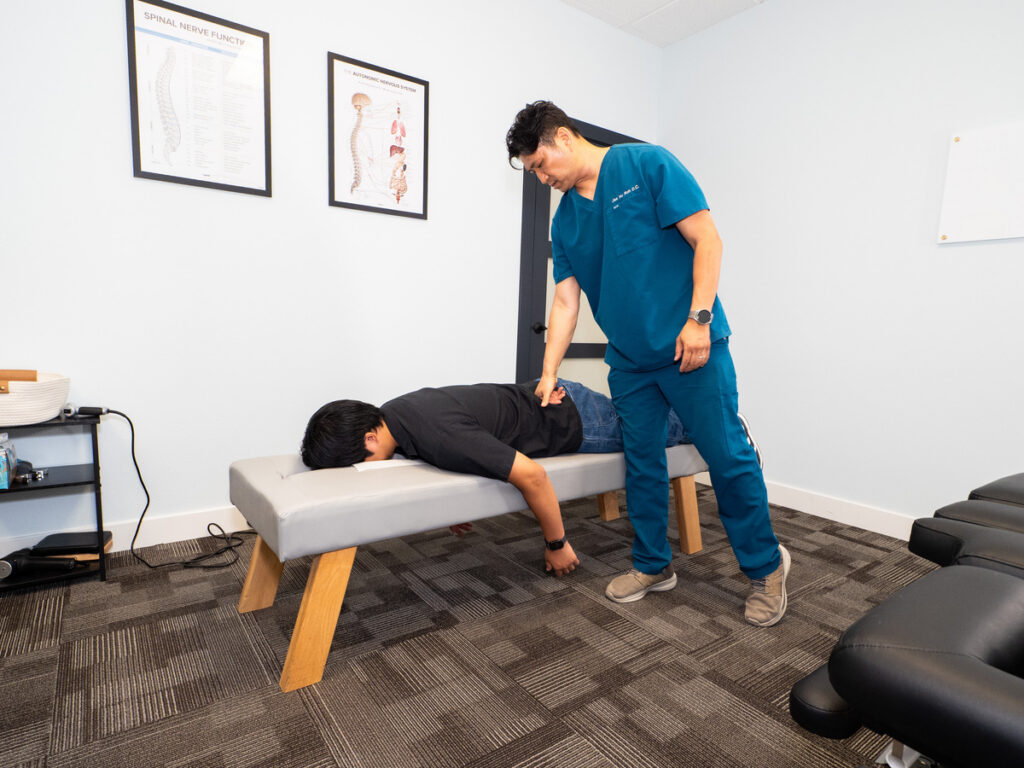
During your health screenings, we'll assess vital aspects such as your spinal alignment, posture, and overall wellness. This is also a valuable time for you to communicate any new symptoms or concerns you may be experiencing. Open dialogue between you and your chiropractor is crucial; it allows us to better understand how chronic pain impacts your daily activities and the best approaches to alleviate it.
Furthermore, regular screenings help ensure that you're on track with necessary health measures, including lifestyle modifications and preventive care that can minimize the risk of additional complications that may worsen your chronic pain.
By identifying potential issues before they become more serious, we can make informed decisions about your treatment options—whether that involves chiropractic adjustments, exercise recommendations, or holistic therapies.
In summary, don't overlook the significance of regular health screenings. They're more than just routine appointments; they represent a proactive approach to managing your chronic pain and enhancing your overall health.
Taking the time for these screenings can lead to a more effective pain management strategy and ultimately improve your quality of life. Let's work together to help you feel your best naturally!
Physical Activity and Exercise
As a local chiropractor, I often emphasize the importance of regular exercise in managing chronic pain. Engaging in physical activity can significantly enhance your pain management approach.
By strengthening your muscles and joints, you not only improve your overall stability but also increase your flexibility and mobility, which are crucial for maintaining a healthy body.
Incorporating physical activity into your daily routine can lead to lasting benefits, especially when paired with chiropractic care. Together, these practices can help alleviate pain, improve your posture, and enhance your quality of life.
I encourage you to consider how integrating exercise into your lifestyle can support your journey toward natural healing and well-being. Let's work together to create a plan that suits your needs!
Benefits of Regular Exercise
As a local chiropractor, I want to share with you how incorporating physical activity into your daily routine can significantly improve your experience with chronic pain. Regular exercise can be transformative. It stimulates the release of endorphins—your body's natural painkillers—which can elevate your mood and help reduce discomfort.
You may discover that simple activities, such as walking, swimming, or cycling, can enhance your energy levels and contribute to an overall sense of well-being.
Additionally, consistent exercise can lead to better sleep quality. Improved sleep allows your body to recover and manage pain more effectively. Many of my patients have reported increased flexibility and mobility, making daily tasks easier and less painful. This increased movement can help break the cycle of inactivity that often worsens chronic pain.
It's also important to consider that engaging in physical activity helps maintain a healthy weight. This is crucial, as carrying excess weight can put additional stress on your joints and muscles, leading to increased pain over time.
By maintaining a healthy weight through regular exercise, you can alleviate some of that pressure and experience decreased pain levels.
As your chiropractor, I emphasize the importance of consistency in your exercise routine. By making physical activity a regular part of your life, you're likely to cultivate a more positive outlook on managing your chronic pain.
This empowerment allows you to take control of your health and well-being. So, why not take the first step today? Let's work together to create a plan that suits your needs and helps you feel your best.
Strengthening Muscles and Joints
As your local chiropractor, I want to emphasize the importance of strengthening your muscles and joints as a vital part of managing chronic pain. When you engage in targeted exercises, you not only enhance muscle strength but also stabilize your joints, which can significantly alleviate discomfort. Stronger muscles provide essential support to your skeletal system, relieving pressure on painful areas and improving your overall stability.
Incorporating resistance training into your routine can be incredibly beneficial for your health. You don't need to invest in expensive equipment—simple bodyweight exercises, resistance bands, or light weights can yield impressive results.
I recommend aiming for two to three sessions each week that target major muscle groups. As you strengthen these vital areas, you may find a noticeable reduction in pain and an improved capacity to carry out daily activities.
Consistency is crucial to your success. The more regularly you work on strengthening your muscles, the better they'll support your body. It's important to listen to your body; if you experience pain during an exercise, don't hesitate to modify it or reach out to me for guidance.
Enhancing Flexibility and Mobility
As your local chiropractor, I want to emphasize the importance of improving flexibility and mobility for managing chronic pain and enhancing overall physical function.
By incorporating regular stretching and mobility exercises into your daily routine, you can significantly reduce muscle tension and improve your range of motion. This is crucial for preventing stiffness, which can often worsen pain levels.
Engaging in activities such as yoga, Pilates, and tai chi can greatly enhance your flexibility while also promoting relaxation. Many of my patients have reported experiencing a decrease in pain levels and an increased ability to carry out daily tasks after incorporating these practices into their lives.
You don't need to be an expert; even simple stretching exercises can provide substantial benefits.
I encourage you to be consistent with your efforts. Aim for a few minutes of stretching each day, focusing on major muscle groups.
Additionally, consider doing dynamic warm-ups before any more intense physical activities. This approach will prepare your body for movement and significantly help in preventing injuries.
Healthy Nutrition Choices
As a local chiropractor, I want to share with you how your diet can play a crucial role in managing chronic pain and promoting overall wellness. The foods you choose to incorporate into your meals can significantly impact inflammation levels in your body.
By focusing on anti-inflammatory foods, you can help alleviate pain and support your healing process. Balanced meal planning is essential, as it ensures that you receive all the necessary nutrients your body needs to function optimally.
This is particularly important when you're dealing with pain or discomfort. By making healthier nutrition choices, you not only support your chiropractic care but also enhance your overall well-being.
Let's work together to explore practical ways to integrate these nutritious foods into your diet, helping you take an active role in your health and healing journey.
Anti-Inflammatory Foods
As a local chiropractor, I often see patients who aren't only dealing with pain but also unaware of the profound impact that diet can have on chronic pain and inflammation.
It's essential to understand that the foods we consume can play a crucial role in our overall well-being and recovery process.
Incorporating anti-inflammatory foods into your meals can significantly aid in reducing inflammation and alleviating pain. For instance, foods rich in omega-3 fatty acids, such as salmon, walnuts, and flaxseeds, are known to help lower inflammation.
Additionally, berries like blueberries and strawberries are loaded with antioxidants, which help combat oxidative stress and support recovery.
Don't underestimate the power of leafy greens! Vegetables like spinach, kale, and Swiss chard aren't only packed with essential nutrients but also possess natural anti-inflammatory properties that can help your body heal.
Spices like turmeric and ginger are also beneficial; they've been shown to reduce inflammation and may assist in pain relief.
It's equally important to steer clear of processed and sugary foods, as these can aggravate inflammation and contribute to chronic pain.
Instead, I encourage you to focus on whole, unprocessed options. By fueling your body with the right nutrients, you're not just eating for enjoyment; you're also empowering your body to combat inflammation more effectively.
Incorporating these dietary changes can complement the chiropractic care you receive and enhance your journey toward better health and pain management.
Balanced Meal Planning
As a local chiropractor, I want to emphasize the importance of balanced meal planning for effectively managing chronic pain and inflammation. By integrating a diverse range of whole foods into your diet, you can ensure that your body receives the essential nutrients it requires for optimal function.
Prioritize incorporating an abundance of fruits, vegetables, whole grains, lean proteins, and healthy fats into your meals.
Begin your day with a nourishing breakfast, such as oatmeal adorned with berries and nuts—it's a fantastic way to kickstart your metabolism. For lunch, imagine a vibrant salad filled with leafy greens, a medley of colorful vegetables, and a protein source like grilled chicken or chickpeas; this not only fuels your body but also supports your overall health.
For dinner, consider enjoying baked salmon paired with quinoa and steamed broccoli to round out your nutritional needs. Remember to include healthy snacks, like fruits, nuts, or yogurt, throughout your day to maintain stable energy levels.
I encourage you to plan your meals in advance. This proactive approach can help you steer clear of unhealthy choices and maintain a balanced diet. Set aside one day each week to prepare your meals; this small effort can make it much easier to adhere to your nutritional goals.
Consistency is crucial in this journey. By placing a strong emphasis on balanced nutrition, you aren't just nourishing your body but also actively contributing to the reduction of chronic pain and inflammation.
Let's work together to make healthy eating a regular part of your life, and your body will certainly appreciate the positive changes.
Stress Management Techniques
As a local chiropractor, I want to share with you some effective stress management techniques that can significantly alleviate chronic pain and enhance your overall well-being. Managing stress is crucial, as it can help reduce muscle tension and lower your body's sensitivity to pain.
One of the fundamental techniques I often recommend is deep breathing. By concentrating on your breath, you can calm your nervous system and promote relaxation in your body. I encourage you to try taking slow, deep breaths—inhaling through your nose and exhaling through your mouth. This simple practice can create a profound sense of tranquility.
Mindfulness meditation is another valuable method that I believe can greatly benefit you. This technique helps you stay present in the moment, which can significantly reduce anxiety and foster a positive mindset. I suggest setting aside a few minutes each day to sit quietly, focusing on your thoughts and feelings without judgment. Over time, this practice can help you cultivate a healthier relationship with both pain and stress.
In addition to these techniques, I want to emphasize the importance of physical activity in managing stress. Regular exercise is known to release endorphins, the body's natural painkillers and mood enhancers. Even engaging in a brisk walk or gentle yoga can have a profound impact on your stress levels and, consequently, your pain.
Journaling is another tool that can provide tremendous benefits. Writing about your feelings and experiences can be a powerful emotional release, allowing you to identify stressors in your life. By recognizing these triggers, you can work more effectively on addressing and managing them.
Lastly, I want to highlight the importance of social support. Connecting with friends and family can provide the emotional comfort and practical help you need, making it easier to cope with stress and chronic pain.
Adequate Sleep Hygiene
As a local chiropractor, I want to emphasize the importance of quality sleep in managing chronic pain and enhancing your overall well-being. Many people underestimate how crucial a restful night's sleep is for healing and recovery. By creating an optimal sleep environment and maintaining a consistent sleep schedule, you can significantly improve your rest, which plays a vital role in pain management.
Let's take a closer look at how these factors can positively impact your health. A comfortable sleeping space, free from distractions and conducive to relaxation, can help your body recover more effectively.
Consistency in your sleep routine also signals to your body when it's time to rest, making it easier to fall asleep and stay asleep.
Incorporating these sleep hygiene practices not only aids in pain relief but also complements the chiropractic care we provide. Together, we can work towards a holistic approach that fosters better sleep and, ultimately, a healthier, more active lifestyle.
Importance of Sleep Quality
As your local chiropractor, I want to emphasize the importance of prioritizing sleep quality for managing chronic pain and overall health. Many patients are surprised to learn that insufficient restorative sleep can hinder your body's healing processes, leading to increased sensitivity to pain.
Establishing a consistent sleep schedule is crucial; going to bed and waking up at the same time each day helps regulate your body's internal clock, which can significantly improve your sleep quality.
It's also important to be mindful of your pre-sleep habits. Engaging in relaxing activities, such as reading or practicing meditation, can signal to your body that it's time to wind down. I recommend limiting screen time before bed, as the blue light emitted by devices can interfere with melatonin production, making it harder for you to fall asleep.
Additionally, consider how your diet impacts your sleep. Consuming caffeine or heavy meals close to bedtime can disrupt your sleep cycle, leaving you feeling unrested the next day.
Creating a sleep-friendly environment is equally important; keep your bedroom dark, cool, and quiet to promote better sleep quality.
Remember, the better your sleep quality, the more effectively your body can manage pain and stress, which leads to improved physical and mental well-being. By prioritizing sleep, you may notice a substantial difference in how you manage chronic pain.
As your chiropractor, I'm here to support you on this journey to better health and healing.
Sleep Environment Optimization
As a local chiropractor, I want to emphasize the importance of an ideal sleep environment for not only achieving restorative rest but also for effectively managing chronic pain. One of the first steps you can take is to ensure that your bedroom is dark, quiet, and cool.
I recommend using blackout curtains to block out any light and considering earplugs or a white noise machine to mask disruptive sounds. A comfortable mattress and supportive pillows, tailored to your preferred sleeping position, can significantly enhance your sleep quality and help alleviate pain throughout the night.
Additionally, decluttering your space contributes to a calming atmosphere. It's beneficial to remove distractions, particularly electronic devices that emit blue light, as they can disrupt your body's natural sleep cycle. Instead, aim to create a serene environment with soothing colors and minimal decor that promotes relaxation.
It's also crucial to reserve your sleep area primarily for rest. Engaging in work or stressful activities in bed can create mental associations that make it more challenging to unwind.
I encourage you to incorporate calming scents, such as lavender, through essential oils or candles, as they can enhance relaxation and improve your overall sleep experience.
Establishing a Sleep Routine
As a local chiropractor, I want to emphasize the importance of establishing a consistent sleep routine, particularly for those of you who may be dealing with chronic pain. Prioritizing sleep is crucial for your body to heal itself, which can significantly reduce discomfort and stiffness associated with pain.
Here are some tips to help you create an effective sleep routine:
- Stick to a regular sleep schedule: Aim to go to bed and wake up at the same time every day. This consistency helps regulate your body's internal clock, making it easier for you to fall asleep and wake up feeling refreshed.
- Limit screen time before bed: The blue light from phones, tablets, and computers can disrupt your sleep patterns. Try to turn off these devices at least an hour before bedtime to improve your chances of falling asleep.
- Establish a calming pre-sleep routine: Engage in relaxing activities such as reading, gentle stretching, or meditation. These practices signal to your body that it's time to wind down and prepare for restorative sleep.
- Optimize your sleep environment: Ensure that your bedroom is conducive to sleep by keeping it dark, quiet, and cool. A comfortable sleep environment can make a significant difference in the quality of your rest.
- Be mindful of your evening diet: Avoid caffeine and heavy meals in the hours leading up to bedtime. These can interfere with your ability to fall asleep and stay asleep throughout the night.
By incorporating these strategies into your nightly routine, you can enhance your sleep hygiene, support your body's natural healing processes, and better manage chronic pain.
If you have further questions or need personalized advice, feel free to reach out during your next visit!
Weight Management Strategies
As a local chiropractor, I want to emphasize the importance of effectively managing your weight for minimizing chronic pain and enhancing your overall health. Carrying excess weight can place additional stress on your joints, which can lead to discomfort and inflammation. By adopting practical weight management strategies, you can alleviate some of this pressure and significantly improve your quality of life.
First and foremost, setting realistic goals is crucial. Aim for gradual weight loss rather than drastic changes, which can often be difficult to sustain. A safe and achievable target is about 1 to 2 pounds per week. Keeping track of your food intake and physical activity can help you pinpoint habits that may be contributing to weight gain. Consider using apps or journals to maintain accountability and monitor your progress.
In addition, incorporating a balanced diet rich in whole foods is vital. Focus on consuming plenty of fruits, vegetables, lean proteins, and whole grains while minimizing processed foods and added sugars. Meal prepping is a great way to facilitate healthier choices and prevent impulsive eating, which can be detrimental to your weight management efforts.
Regular physical activity is also essential for weight management and overall health. Find exercises that you genuinely enjoy, as this will make it easier to stick with a routine. Aim for at least 150 minutes of moderate aerobic activity each week, complemented by strength training twice a week. Activities such as walking, swimming, or cycling can be excellent options to consider.
Lastly, I encourage you to seek support on your weight management journey. Joining a weight loss group or working with a nutritionist can provide the motivation and accountability you need. Remember, you don't have to navigate this journey alone.
Mindfulness and Meditation
As a local chiropractor, I often emphasize the importance of weight management in alleviating chronic pain. However, I'd like to highlight how incorporating mindfulness and meditation can further enhance your overall well-being and complement the chiropractic care you receive.
These practices help you develop a greater awareness of your body, which can lead to a significant reduction in pain perception and bolster your resilience against stress.
When you embrace mindfulness and meditation, you unlock a wealth of benefits that can change your relationship with chronic pain. Here are some emotional and physical benefits to consider:
- Reduced anxiety: By letting go of worries and focusing on the present, you can find a greater sense of peace.
- Improved emotional regulation: Learning to manage your feelings can make your pain more tolerable and manageable.
- Enhanced self-awareness: Gaining insight into your pain triggers allows you to respond more effectively, both during and after your chiropractic sessions.
- Greater relaxation: Calming both your mind and body can reduce muscle tension, which may alleviate discomfort and enhance the benefits of your chiropractic adjustments.
- Increased resilience: Cultivating a mindful attitude prepares you to face challenges with a more positive outlook, which is essential for your healing journey.
Ergonomic Adjustments
As a local chiropractor, I want to emphasize how important it's to make ergonomic adjustments in your workspace to help reduce chronic pain and improve your overall comfort throughout the day. Many people aren't aware that how they set up their desk can significantly impact their health and well-being.
Start with your chair. Opt for one that has adjustable height and lumbar support, as this is essential for maintaining proper posture. Good posture is crucial for preventing strain on your back and neck. Ensure that your feet rest flat on the floor and that your knees form a 90-degree angle, which promotes good circulation.
Next, let's talk about your monitor. Positioning your monitor at eye level is vital. If you're constantly looking down at your screen, you may experience strain in your neck and shoulders. Ideally, the top of the screen should be aligned with your eyes when you're sitting comfortably. It's also important to keep the monitor about an arm's length away to help reduce eye strain.
Your keyboard and mouse placement matters too. They should be close enough to keep your elbows at a 90-degree angle. This position helps alleviate tension in your wrists and forearms. I also recommend using a wrist rest for added support. If you find yourself typing for extended periods, remember to take regular breaks to stretch and change your position, which can greatly benefit your musculoskeletal health.
Lastly, if you spend a lot of time sitting, consider incorporating a standing desk or a sit-stand desk converter into your routine. Alternating between sitting and standing can help relieve pressure on your spine and enhance your comfort throughout the day.
Preventative Therapies
As your local chiropractor, I want to share with you the incredible benefits of incorporating preventative therapies into your daily routine. Numerous studies have shown that these therapies can significantly reduce the risk of chronic pain while promoting long-term wellness. By embracing these natural healing practices, you're taking proactive steps toward a healthier future.
Preventative therapies encompass a variety of practices designed to help you maintain both physical and mental well-being, ultimately keeping chronic pain at bay. Here are some powerful benefits you can experience:
- Enhanced Flexibility: Incorporating regular stretching and mobility exercises can greatly improve your range of motion and prevent stiffness, allowing you to move more freely and comfortably.
- Strengthened Muscles: Engaging in resistance training is essential for building muscle strength. Stronger muscles provide better support to your joints, which helps reduce the risk of injuries and discomfort.
- Improved Posture: Through targeted exercises, we can address and improve your posture. Good posture alleviates unnecessary strain on your body, minimizing discomfort and promoting a healthier spine.
- Stress Reduction: Techniques such as yoga and mindfulness can help lower your stress levels. Since stress often exacerbates pain, finding ways to unwind is essential for your overall well-being.
- Better Sleep Quality: Consistently participating in preventative therapies can lead to improved sleep quality. Restful sleep is a crucial component of pain management and overall health.
Supportive Community Engagement
As a local chiropractor, I want to emphasize the importance of community in your journey toward managing chronic pain and improving your overall well-being through natural healing methods. Engaging with others who share similar experiences can create a supportive network that enhances your ability to cope. By sharing your stories with peers, you can discover valuable insights and strategies that may have worked for others, equipping you with new tools to manage your pain effectively.
Participating in community activities, such as support groups or wellness workshops focused on chiropractic care and holistic health, can significantly benefit your mental and emotional health. These gatherings foster a sense of connection and belonging, helping you realize that you aren't alone in your struggle with chronic pain. It's reassuring to know that others understand your challenges and can celebrate your victories alongside you.
In addition, community engagement promotes accountability. When you commit to attending educational sessions or group wellness activities, you're more likely to stay on track with your health goals. The collective motivation within these groups can inspire you to adopt healthier habits, whether through chiropractic adjustments, exercise, nutrition, or stress management techniques.
Moreover, being part of a supportive community can provide you with access to valuable resources and information about preventative care. Your peers can guide you toward local healthcare providers, alternative therapies, and wellness practices that align with your needs, enabling you to make informed decisions about your health.
Ultimately, connecting with a supportive community isn't just about seeking help; it's about building relationships that empower you to confront chronic pain with resilience and hope. Embrace this connection, as it can play a vital role in your healing journey through chiropractic care and natural healing approaches.
Conclusion
As your local chiropractor, I want to share how embracing preventative care can significantly reduce chronic pain in your life. By focusing on regular screenings, engaging in physical activity, and maintaining a nutritious diet, you lay the groundwork for a proactive approach to your health.
Incorporating stress management techniques and ensuring proper sleep hygiene are also essential for enhancing your overall well-being. Don't underestimate the benefits of ergonomic adjustments in your workspace or daily routines, as these can greatly alleviate strain and discomfort.
Moreover, being part of a supportive community can provide encouragement and motivation on your journey to a healthier, pain-free life. By prioritizing these strategies, you can empower yourself to take control of your health. Let's work together to get you started on this path today, and you'll soon feel the positive changes in your body!