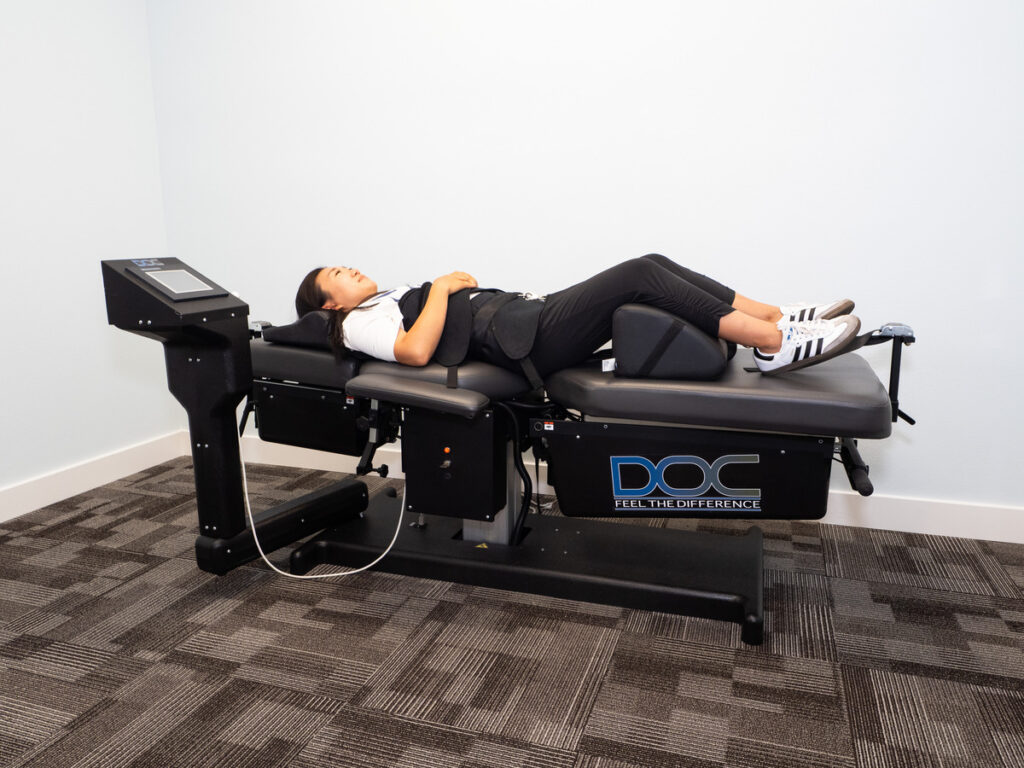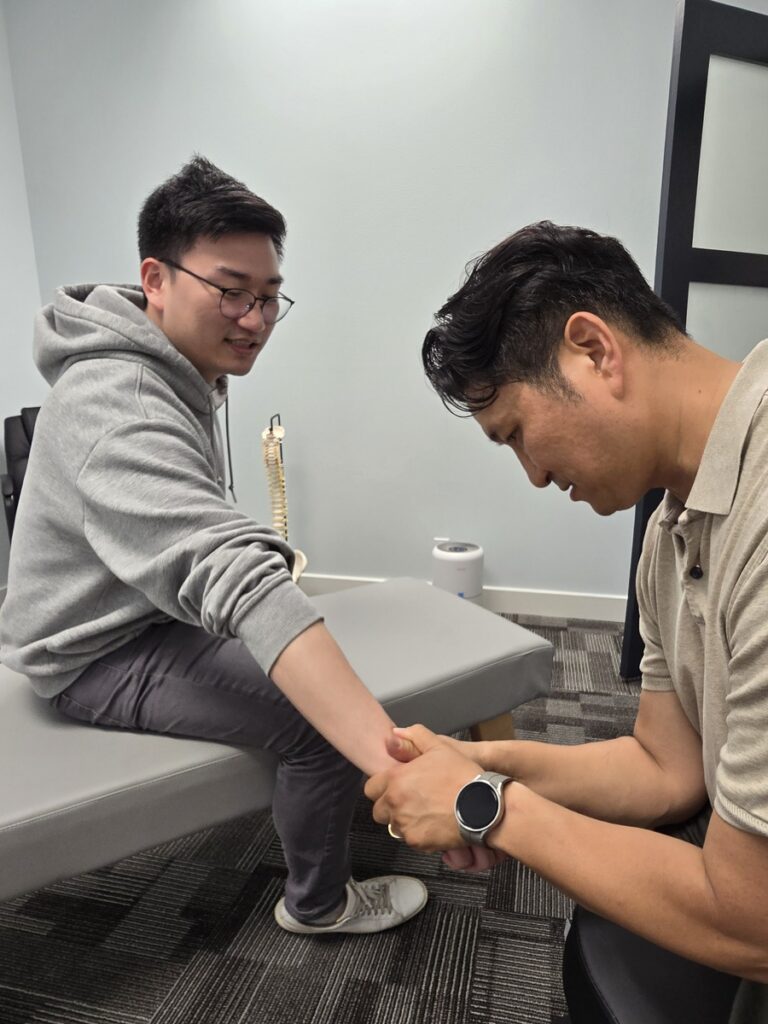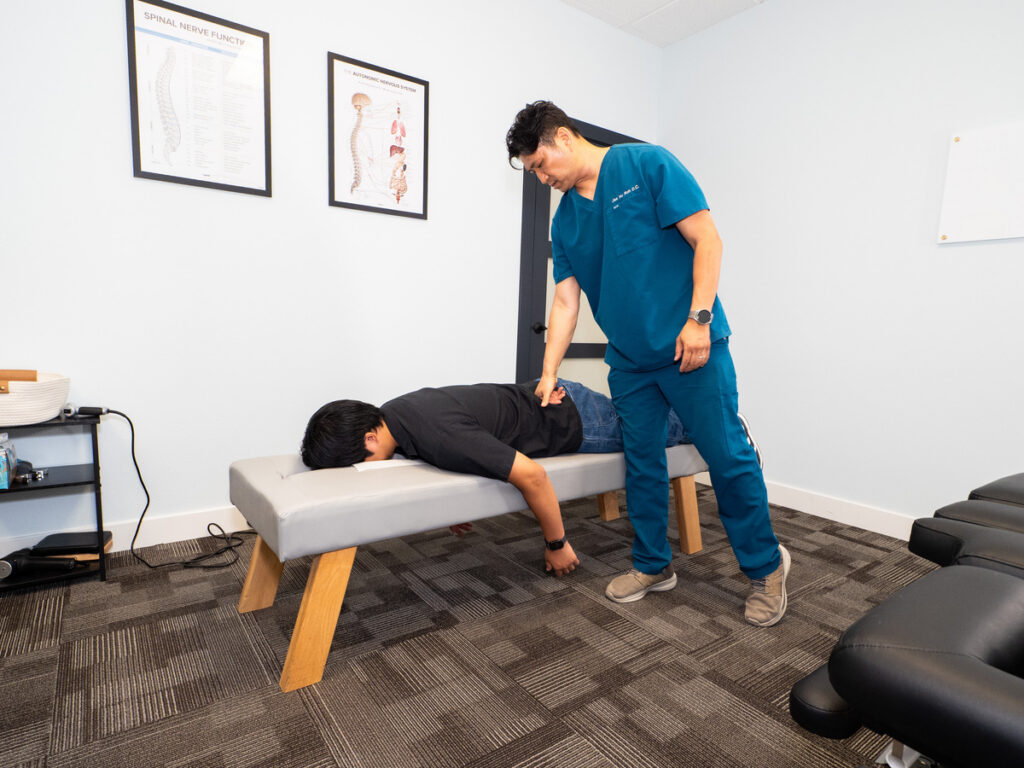

If you're experiencing upper back pain, you're certainly not alone, and identifying the underlying causes is a crucial step towards finding relief. As a local chiropractor, I want to guide you through understanding how factors like posture and muscle strain can contribute to your discomfort. I invite you to take our quiz, designed to help you uncover personalized strategies that align with your lifestyle and promote your overall well-being. By answering a few straightforward questions, you can gain valuable insights into your condition and discover how natural healing techniques can transform your approach to managing pain. Together, let's explore the path to a healthier, pain-free life.
Understanding Upper Back Pain
As a local chiropractor, I understand how frustrating and debilitating upper back pain can be for many individuals. This discomfort often arises from various factors such as poor posture, muscle strains, or even the effects of stress. It's crucial to grasp the nature of your upper back pain, as this understanding will help you find effective relief and prevent future issues.
When considering the mechanics of your upper back, it's important to think about the muscles, ligaments, and vertebrae that provide support to your spine. These structures work together to facilitate movement and maintain flexibility. If you've been spending long hours at a desk or slumping while using your phone, these habits may cause muscle imbalances or even overuse injuries. Recognizing how your daily activities contribute to your discomfort is a key step in addressing the problem.
Additionally, stress can physically manifest in your upper back. You may find yourself clenching your shoulders or holding your breath during tense moments, leading to tightness in the muscles. Being mindful of these patterns can empower you to make necessary adjustments in your daily routine and mindset.
I can't stress enough the importance of regular stretching and strengthening exercises. These practices not only enhance your posture but also alleviate tightness, providing significant relief from pain.
Furthermore, evaluating your ergonomic setup at home or in the workplace can lead to substantial improvements in your comfort level. By gaining a deeper understanding of your upper back pain and its triggers, you'll be better equipped to tackle it effectively.
Together, we can work towards reclaiming your comfort and enhancing your overall well-being through natural healing methods.
Common Causes of Discomfort
As a local chiropractor, I want to help you understand some of the common causes of upper back pain that many of my patients experience.
Often, poor posture habits and muscle strain are significant contributors to discomfort in this area. You mightn't even be aware of how your daily activities—like sitting at a desk, using your phone, or even lifting items improperly—can lead to tension and pain in your upper back.
It's essential to recognize these habits so we can work together to improve your posture and strengthen the muscles that support your spine.
By addressing these issues through chiropractic care and natural healing techniques, we can enhance your overall well-being and help you find relief from discomfort.
Let's take a closer look at these common causes and discuss how we can create a personalized plan to support your health.
Poor Posture Habits
As a local chiropractor, I want to share some important insights about poor posture habits that can significantly impact your well-being. Many people don't realize that slouching in your chair or craning your neck to stare at a screen can lead to persistent upper back pain. These poor posture habits often develop gradually, becoming second nature without you even noticing.
When you sit with rounded shoulders and a forward head position, you're putting unnecessary strain on your upper back muscles and spine. It's essential to maintain a neutral spine, especially when you're at your desk. Ensure that your chair provides proper support for your lower back, and keep your feet flat on the floor. Your computer screen should be at eye level to prevent neck strain.
If you catch yourself leaning forward or hunching over, take a moment to reset your posture. This simple adjustment can make a big difference in how you feel. Even in your daily activities, such as standing or walking, posture plays a significant role in your overall health. Keep your shoulders back and your head held high, and consider engaging your core to support your upper back.
Incorporating regular breaks into your routine to stretch and adjust your position can also be beneficial. Take the time to pay attention to how you sit and move throughout the day. By being mindful of your posture, you can help alleviate discomfort and prevent future issues.
As a chiropractor, I advocate for natural healing and encourage you to take proactive steps in maintaining your posture for a healthier spine and a pain-free life. Remember, small changes can lead to significant improvements in your overall well-being.
Muscle Strain Factors
As a local chiropractor, I want to share some insights about muscle strain, particularly in the upper back, which many of my patients experience. One of the most common causes of muscle strain is poor posture. When you slouch or hunch over, you place excess stress on the muscles in your upper back, which can lead to fatigue and discomfort. This strain often arises from everyday activities, such as sitting at your desk for prolonged periods or lifting heavy items without using the right techniques.
Another significant factor is repetitive movements or sudden jerks in your body. If you frequently twist your torso while carrying something, it can lead to your upper back muscles becoming overworked and tight. Even seemingly simple actions, like reaching for an item on a top shelf, can result in strain if your muscles aren't conditioned for those movements.
Stress is another crucial element that can exacerbate muscle strain. When you're feeling stressed, you may unconsciously tense up your shoulders and upper back, which can add to your discomfort. It's important to stay in tune with your body's signals and recognize when you're holding tension.
To help prevent muscle strain, I encourage you to focus on maintaining proper posture throughout your day, take regular breaks to move around, and incorporate stretching or strengthening exercises into your routine.
Symptoms to Watch For
As a local chiropractor, I want to help you understand the signs that your upper back pain could require professional attention.
It's important to pay attention to persistent discomfort, numbness, or weakness in that area. These symptoms can indicate underlying issues that may benefit from chiropractic care.
By recognizing them early, you can take proactive steps towards recovery and improve your overall well-being.
Remember, seeking help sooner rather than later can make a significant difference in your healing journey.
If you're experiencing any of these symptoms, don't hesitate to reach out for a consultation.
Common Back Pain Indicators
As a chiropractor, I want to help you understand the common indicators of upper back pain so you can take proactive steps towards relief.
Many of my patients describe feeling a dull ache or sharp pain in the upper back that often radiates towards the shoulders. This discomfort tends to worsen when sitting or standing for extended periods, especially if your posture is less than ideal.
Stiffness is another common sign; you may find it challenging to twist or turn your torso comfortably. If you're experiencing muscle tension, you might feel tightness or soreness in the muscles along your spine.
Occasionally, some patients report tingling or numbness that travels down their arms, which can indicate nerve involvement that we can address through chiropractic adjustments.
Additionally, fatigue in your upper back or shoulders could signal that your muscles are overworked, particularly if you engage in repetitive activities.
Be mindful of any headaches that seem to originate from your neck or upper back, as these can often be linked to tension in that area.
Lastly, if you notice changes in your range of motion while reaching or lifting, it's crucial to pay attention to these signs.
Recognizing these symptoms early on can help you seek the appropriate care and restore your well-being naturally. I'm here to guide you through this journey towards a healthier back!
When to Seek Help
As a local chiropractor, I want to emphasize the importance of recognizing when it's time to seek help for upper back pain. Understanding the right moment to reach out can significantly enhance your recovery journey.
If you find yourself dealing with persistent pain that isn't alleviated by rest or over-the-counter medications, it's crucial to consult a healthcare professional, like a chiropractor.
Pay attention to any symptoms such as weakness or numbness in your arms or legs, as these could indicate nerve involvement. If you experience pain radiating down your arms, this may also signal a more serious issue that warrants immediate attention.
Furthermore, if your upper back pain is accompanied by fever, unexplained weight loss, or persistent fatigue, these are clear indicators that you should seek medical care without delay. Such signs can suggest underlying conditions that require prompt treatment.
It's also important to consider how your pain affects your daily life. If it's severe enough to interfere with your activities or disrupt your sleep, that's a strong signal that you shouldn't ignore.
Early intervention through chiropractic care can help prevent further complications and develop a more effective treatment plan tailored to your needs.
Trust your instincts—if something doesn't feel right, it's always better to err on the side of caution. Seeking help sooner rather than later can lead to a quicker and smoother recovery, allowing you to return to your daily life with greater ease.
Importance of Good Posture
As a local chiropractor, I want to emphasize the critical role that good posture plays in maintaining a healthy spine and alleviating upper back pain. When you sit or stand with proper alignment, your spine can maintain its natural curves, which significantly reduces the strain on your muscles and ligaments. This not only helps prevent discomfort but also promotes your overall well-being.
Many people don't realize how their daily body positioning affects their upper back health. Poor habits like slouching or hunching over, especially while working at a desk or scrolling through your phone, can lead to muscle fatigue and pain. By consciously focusing on maintaining good posture, you can help relieve any existing pain and prevent future issues from arising.
To achieve and maintain good posture, start by being aware of your body alignment. Make sure your shoulders are back and down, and that your head is aligned with your spine. When sitting, keep your feet flat on the ground, ensuring your knees are at or below hip level.
If you spend long hours at a desk, I recommend using an ergonomic chair that properly supports your back.
In addition to posture, incorporating regular breaks into your day can be incredibly beneficial. Take time to stand up, stretch, and move around to relieve stiffness and reinforce good posture habits. Strengthening your core muscles with exercises like planks and bridges can further support your spine and make it easier to maintain proper alignment.
Ultimately, prioritizing good posture is essential for reducing upper back pain and enhancing your overall health. It's a simple yet effective change that can lead to significant improvements in your comfort and quality of life.
If you have any questions about how chiropractic care can help with posture and spinal health, feel free to reach out. I'm here to assist you on your journey to better health!
Quiz Instructions and Format
As your local chiropractor, I want to emphasize how vital good posture is for your overall health and well-being.
Now that you have a better grasp of why maintaining proper posture is essential, let's move on to an engaging quiz designed to reinforce your understanding.
In this section, I'll guide you through the structure of the quiz and share tips on how to answer the questions effectively.
This is a great opportunity to test your knowledge and see how you can apply what you've learned about chiropractic care and natural healing.
Let's get started!
Quiz Structure Overview
As a local chiropractor, I want to help you understand the importance of our quiz in addressing upper back pain. This quiz is thoughtfully designed to guide you through a series of questions that will help us pinpoint the nature and severity of your discomfort.
You'll encounter multiple-choice questions that assess your symptoms, daily activities, and any recent changes in your lifestyle—all vital pieces of information for us to create a personalized approach to your care.
Each question is crafted to encourage you to reflect on your experiences, ensuring that you provide accurate and honest responses. You'll notice that the quiz flows logically, starting with broader inquiries and gradually narrowing down to specific concerns. This step-by-step method allows us to focus on your unique situation, which is essential for effective treatment.
I want to emphasize that the quiz is concise, so you can complete it in just a few minutes. Once you've finished, you'll receive tailored recommendations based on your answers.
The primary goal of this quiz isn't just to identify the source of your pain, but also to empower you with actionable solutions that align with natural healing principles. So, take your time, think carefully about your responses, and trust the process. Your journey toward relief and improved well-being starts right here!
Answering Guidelines Explained
As a local chiropractor, I want to help you understand how taking this quiz can significantly improve your journey toward managing upper back pain.
It's essential to approach each question thoughtfully, reflecting on your own symptoms and experiences. This quiz is crafted to lead you toward personalized solutions, so being honest and open is crucial. Take your time—there's no need to rush.
When you come across multiple-choice questions, select the option that closely aligns with your situation. If you feel that several answers could apply, choose the one that best captures your current condition.
For any open-ended questions, please articulate your thoughts clearly and succinctly. This clarity will assist in uncovering the root causes of your discomfort.
Remember, this quiz isn't about right or wrong answers; it's about gathering valuable insights into your unique circumstances.
After you finish, I encourage you to review your responses to ensure they accurately reflect how you feel. The information you provide will guide us in identifying potential solutions tailored specifically for you.
Ultimately, the more precise your answers, the more effective the recommendations will be in helping you manage your upper back pain naturally and effectively. Your health is our priority, and I'm here to support you every step of the way.
Identifying Your Pain Triggers
Identifying the triggers of your upper back pain is crucial for effective management and relief, and as your local chiropractor, I'm here to help you understand this process.
First, it's important to be mindful of when and where you experience your pain. Do you notice discomfort after spending long hours at your desk, or does it flare up during physical activities? By recognizing these moments, you can gain valuable insights into possible causes of your discomfort.
Next, let's talk about your posture throughout the day. Poor posture, such as slouching or remaining in one position for extended periods, can significantly contribute to strain in your upper back.
Pay attention to how you sit while working, driving, or even using your phone. If you catch yourself hunched over, this could be a major trigger that we can address together.
Consider any recent changes in your routine as well. Have you started a new exercise regimen? Are you lifting heavier objects than normal? Increased physical demands can lead to upper back pain if your body isn't accustomed to them.
Keeping a pain journal can be a helpful tool to track these patterns over time, which will make it easier for us to identify specific triggers during your visits.
Lastly, let's not forget about the emotional aspects of pain. Stress and tension can manifest physically, often resulting in tightness in your upper back.
Being aware of when your pain coincides with stressful situations can help you manage both your mental and physical well-being.
Lifestyle Modifications for Relief
As a local chiropractor, I want to share some simple lifestyle modifications that can significantly alleviate upper back pain and improve your overall well-being. One of the first steps I recommend is to assess your workspace. If you find yourself sitting at a desk for extended periods, ensure that your chair provides adequate support for your lower back.
Position your computer screen at eye level, and keep your feet flat on the floor. These adjustments can enhance your posture and reduce strain on your upper back, which is crucial for maintaining spinal health.
It's also important to be mindful of how you engage in daily activities. When lifting heavy objects, always remember to bend at your knees and keep the load close to your body. Avoid twisting your torso or slouching while lifting, as these movements can worsen your pain.
If you often carry bags, consider switching to a lightweight backpack or distributing the weight evenly to help prevent additional strain on one side of your body.
Incorporating regular breaks throughout your day is essential. I encourage you to stand up, stretch, or take a short walk every hour. This practice helps prevent stiffness and promotes better circulation, both of which are vital for your back health.
Don't forget about hydration—staying hydrated can prevent muscle cramps that may exacerbate discomfort.
Lastly, let's talk about sleep quality. Your mattress and pillow play a significant role in how your back feels when you wake up. Aim for a sleeping position that supports the natural curvature of your spine.
For example, sleeping on your side with a pillow between your knees can be very beneficial.
Recommended Exercises and Stretches
As a local chiropractor, I'm here to share some valuable insights on how targeted exercises and stretches can significantly alleviate upper back pain. These movements not only enhance flexibility but also strengthen the essential muscles that support your spine, contributing to your overall well-being.
Let's start with a fantastic stretch called the cat-cow stretch. To perform this, position yourself on all fours. From this position, alternate between arching your back upwards towards the ceiling and then dipping it down towards the floor. This gentle motion is excellent for improving the mobility of your spine.
Another beneficial movement is the thoracic extension. You can do this while sitting or standing up straight. Interlace your fingers behind your head and gently pull your elbows back while lifting your chest towards the ceiling. Hold this position for a few seconds; you'll likely feel a delightful stretch across your upper back.
Don't overlook the doorway stretch, which is another great exercise. Stand inside a doorway and place your forearms on the doorframe. Lean forward slightly, and you should feel a stretch across your chest and shoulders. This stretch can significantly alleviate tension in your upper back.
Strengthening exercises are equally important. I recommend incorporating rows with resistance bands or light weights into your routine. Bend slightly at the hips while keeping your back straight, and pull the weights towards your torso. This exercise helps build the muscles that stabilize your upper back, which is crucial for preventing pain.
Lastly, let's talk about posture. Practice standing or sitting tall, ensuring your shoulders are back and down. This simple adjustment can dramatically improve how you feel throughout the day and is a fundamental aspect of maintaining a healthy spine.
When to Seek Professional Help
As a local chiropractor, I want to help you understand when it might be time to seek professional care for your upper back pain. If you find that your discomfort has lasted more than a few weeks or is getting worse despite your best efforts to alleviate it, this is a signal that you should consider reaching out for assistance. Persistent pain can often indicate an underlying issue that may benefit from a thorough evaluation.
It's also important to pay attention to any additional symptoms you might experience, such as numbness, tingling, or weakness in your arms. These sensations could suggest that nerves in your spine are being affected, and getting a professional assessment is crucial.
Furthermore, if your pain arises after an injury or accident, it's wise not to delay seeking care. Early intervention can make a significant difference in your recovery and overall health.
If your upper back pain is starting to interfere with your daily life—whether it's your work, exercise routine, or sleep—this is another clear indication that professional help is warranted. You deserve to enjoy life without the burden of constant discomfort, and as a chiropractor, I can offer you natural healing options tailored to your needs.
Lastly, if you experience sudden, severe pain or symptoms like fever or unexplained weight loss, please don't hesitate to seek immediate care. These symptoms could signal more serious health conditions that require prompt attention.
Recognizing when to consult a professional is an essential step in managing your upper back pain effectively. Trust your instincts—if something feels off, it's always best to be proactive about your health and explore the chiropractic care options available to you.
We're here to help you on your journey to wellness.
Maintaining Long-Term Health
As a local chiropractor, I want to emphasize the importance of maintaining long-term health for your upper back. It's essential to take a proactive approach that integrates proper posture, regular exercise, and mindful habits. By focusing on these key elements, you can significantly reduce the risk of recurring pain and enhance your overall well-being.
First and foremost, be mindful of your posture throughout the day, whether you're sitting at a desk or standing. Keeping your spine aligned is crucial. I encourage you to incorporate exercises that strengthen your upper back and improve flexibility. Not only will this help alleviate tension, but it will also build resilience against future discomfort.
Here are some mindful habits I recommend to support your upper back health:
- Take regular breaks during long periods of sitting. Stand up, stretch, and move around to keep your muscles active.
- Invest in ergonomic furniture that supports good posture, especially in your workspace. This can make a significant difference in your comfort levels.
- Stay hydrated. Proper hydration is vital for keeping your muscles and joints functioning optimally.
- Incorporate stress management techniques into your routine, such as yoga or meditation, to help reduce tension in your body.
- Don't hesitate to consult with me or another professional if you experience persistent discomfort. Early intervention is key to preventing more serious issues down the line.
By adopting these practices, you're not just addressing existing discomfort; you're also taking steps to ensure a healthier future for your upper back.
Conclusion
As a local chiropractor, I want to invite you to take our quiz as an important first step toward understanding and alleviating your upper back pain. By discovering the underlying causes of your discomfort, we can work together to implement effective lifestyle changes, exercises, and stretches that will significantly enhance your spinal health.
Remember, maintaining proper posture and being aware of your daily habits are crucial in preventing pain. Chiropractic care emphasizes the importance of these practices, as they play a vital role in your overall well-being. If your pain continues, please don't hesitate to reach out for professional assistance. Together, we can embark on your journey to a healthier back, using natural healing methods that support your body's own capabilities. Your path to relief starts today!