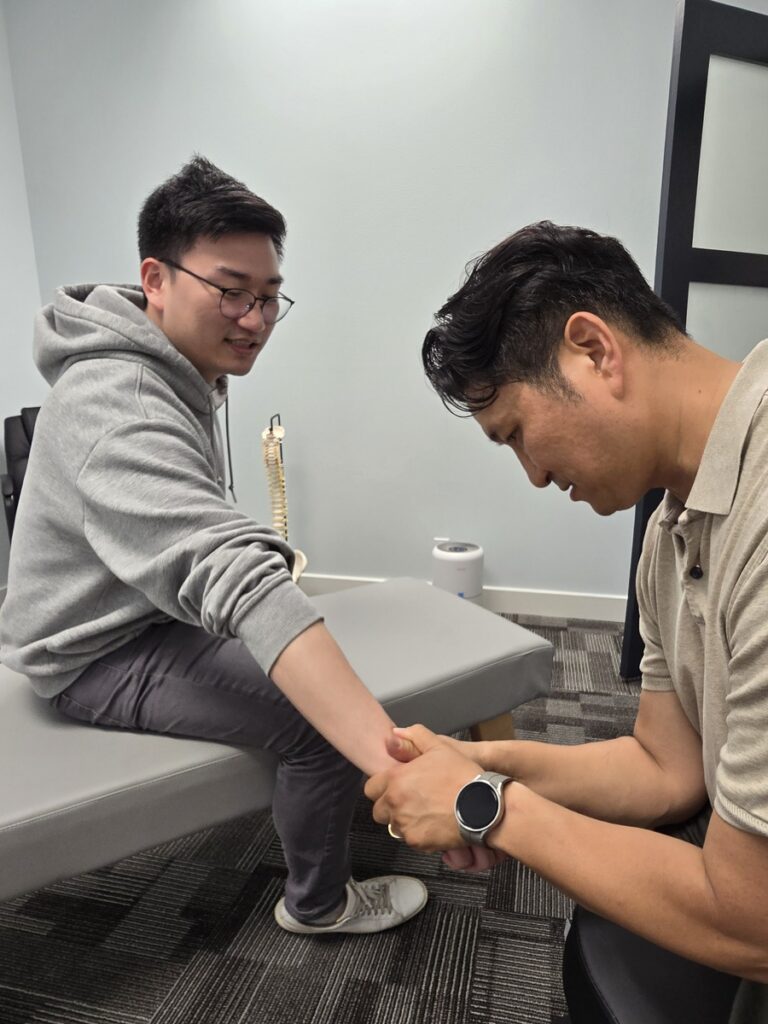

As a local chiropractor dedicated to helping patients manage chronic pain, I want to share with you a variety of strategies that can significantly enhance your quality of life. Many people are unaware of the holistic approaches available, including chiropractic care, mindfulness, meditation, and regular exercise. Each of these methods offers unique benefits tailored to your individual needs.
You may be surprised to learn that small changes in your daily habits can lead to meaningful improvements in how you feel. Chiropractic care, for instance, focuses on aligning the spine and optimizing nervous system function, which can alleviate pain and improve overall wellness.
But chiropractic treatment is just one piece of the puzzle. Let's delve into the top ten approaches that can truly make a difference on your path to effective pain management. Together, we can explore these strategies and find the best combination that works for you.
Mindfulness and Meditation
As a chiropractor, I want to share with you how mindfulness and meditation can play a vital role in managing chronic pain. These practices encourage you to be present in the moment, which can significantly reduce the anxiety and stress that often come with persistent pain.
By learning to observe your thoughts and feelings without judgment, you can create a healthy distance from your discomfort, allowing you to respond to it more calmly and effectively.
I recommend starting with just a few minutes each day dedicated to mindfulness or meditation. Find a quiet space where you can relax without interruptions. Sit comfortably, close your eyes, and take several deep breaths. Focus on the sensations throughout your body, being aware of areas where you may feel pain. Instead of fixating on the discomfort, acknowledge it and gently redirect your attention back to your breath.
You might also consider exploring guided meditations that are specifically designed for pain management. There are numerous apps and online resources available that offer sessions tailored to help alleviate discomfort.
As you incorporate these practices into your daily routine, you may notice an improvement in your ability to cope with pain.
Over time, practicing mindfulness can enhance your overall emotional well-being, allowing you to cultivate a more positive perspective on your circumstances. It's important to understand that the goal isn't to completely eliminate pain, but to transform your relationship with it.
By embracing mindfulness and meditation, you can empower yourself, build resilience, and enhance your quality of life even while dealing with chronic pain.
Regular Exercise
As a local chiropractor, I want to share with you the transformative benefits of regular exercise in managing chronic pain. When you engage in physical activity, your body releases endorphins, which act as natural painkillers. This means that simply moving your body can help alleviate the pain you experience daily.
It's essential to find an exercise routine that aligns with your lifestyle and interests; this will make it easier for you to stick with it over the long haul. Start with small steps; even gentle activities like walking, swimming, or stretching can yield significant benefits. Aim for at least 30 minutes of moderate exercise most days of the week.
Remember, you don't have to do it all in one go. Breaking your exercise into shorter sessions throughout the day can also be effective. Listen to your body and adjust the intensity based on how you're feeling. If you encounter a flare-up, it's perfectly fine to ease back on your routine.
Consistency is crucial. Regular movement will enhance your flexibility, strength, and stamina, making daily tasks easier and less painful. You may also experience improvements in your overall mood, as exercise can help reduce feelings of anxiety and depression that often accompany chronic pain conditions.
Consider joining a class or finding a workout buddy. Having support from others can provide the motivation you need to keep moving, even on challenging days. Remember, the goal is progress, not perfection. Celebrate your achievements, no matter how small, and stay committed to incorporating regular exercise into your life.
In doing so, you'll likely discover that it not only helps with pain management but also significantly enhances your overall quality of life. As your chiropractor, I'm here to support you on this journey toward natural healing and improved well-being.
Healthy Diet
As a local chiropractor, I want to emphasize how your diet plays a crucial role in managing chronic pain. Many people may not realize that what you eat can significantly influence your pain levels.
By incorporating anti-inflammatory foods into your meals, staying properly hydrated, and ensuring you have a balanced intake of essential nutrients, you can help reduce discomfort and support your overall well-being.
Let's take a closer look at how these dietary choices can complement your pain management strategy and promote natural healing.
Anti-inflammatory Foods Importance
As a chiropractor, I often emphasize the critical role that nutrition plays in managing chronic pain and supporting overall health. One of the most effective ways to combat inflammation, which is a common contributor to pain, is through a diet rich in anti-inflammatory foods. By incorporating these foods into your meals, you're not just curbing hunger; you're actively working against the inflammation that can exacerbate your discomfort.
Start by focusing on a variety of fruits and vegetables. Berries, leafy greens, and cruciferous vegetables are particularly beneficial, as they're loaded with antioxidants and phytochemicals that help to reduce inflammation in the body. These foods aren't only nutritious but can also enhance your body's healing processes.
In addition to fruits and vegetables, healthy fats play a vital role in an anti-inflammatory diet. Foods like olive oil, avocados, and fatty fish—such as salmon—are rich in omega-3 fatty acids, known for their ability to lower inflammation levels.
It's also important to include whole grains, nuts, and seeds in your diet, as they provide the fiber and essential nutrients necessary for maintaining balance and health.
On the other hand, I advise avoiding processed foods, excessive sugar, and high amounts of saturated fats, as these can worsen inflammation and lead to increased pain. Instead, aim to fill your plate with a colorful array of foods from various groups. By making these dietary adjustments, you can support your body's natural healing processes and potentially reduce your pain over time.
Hydration and Pain Relief
As a local chiropractor, I want to emphasize the importance of staying hydrated in managing chronic pain, something many may overlook. Water is a crucial component of your overall health, and adequate hydration can play a significant role in reducing inflammation, which is often a major factor in chronic pain.
When your body is dehydrated, it struggles to eliminate toxins and function optimally, which can lead to increased discomfort. Drinking sufficient water can enhance circulation and promote lubrication in your joints, making movement easier and less painful.
I recommend aiming for at least eight 8-ounce glasses of water each day, but keep in mind that your personal hydration needs might differ based on your activity level and the climate.
If you find it challenging to drink enough water, consider adding some fruits or herbs for flavor to make it more enjoyable.
Be cautious about your intake of caffeine and alcohol, as both can contribute to dehydration. Listen to your body; if you experience symptoms like dry mouth or fatigue, it's a sign that you need to boost your fluid intake.
Balanced Nutrient Intake
As a local chiropractor dedicated to helping you manage chronic pain naturally, I want to emphasize the importance of maintaining a balanced nutrient intake. A healthy diet is a key component in reducing inflammation, strengthening your immune system, and alleviating discomfort from chronic pain.
Incorporating whole foods into your meals can make a significant difference. Focus on adding plenty of fruits and vegetables to your plate—think of vibrant berries, leafy greens, and cruciferous veggies. These foods are packed with antioxidants, which are known to combat inflammation.
Additionally, consider including sources of omega-3 fatty acids in your diet; options like fish, walnuts, and flaxseeds are excellent choices that can help reduce pain effectively.
Don't overlook the importance of lean proteins in your diet. Foods such as chicken, turkey, and legumes play a crucial role in tissue repair and maintaining muscle health, which is vital for your overall physical well-being.
It's also wise to limit your intake of processed foods, sugar, and excess salt, as these can aggravate inflammation and pain levels. Instead, incorporate natural spices like turmeric and ginger into your meals. They're renowned for their anti-inflammatory properties and can provide additional relief.
Lastly, I encourage you to pay attention to portion sizes and try to eat smaller, more frequent meals throughout the day. This approach can help maintain your energy levels and keep your body stable.
Physical Therapy
Chiropractic care plays a vital role in managing chronic pain by addressing the root causes of discomfort in the musculoskeletal system. When you visit a chiropractor, a skilled practitioner will assess your condition and develop a tailored treatment plan just for you. This plan often includes specific adjustments and exercises aimed at improving your flexibility, strength, and overall function, which can significantly alleviate pain.
You will learn how to perform particular movements that help relieve pressure on your joints and muscles. These adjustments not only aid in pain relief but also play a crucial role in preventing future injuries. As you progress in your treatment, your chiropractor will modify your plan to ensure you're continually challenged while remaining safe.
In addition to spinal adjustments, manual therapy techniques such as massage and stretching are commonly incorporated into your sessions. These methods can enhance blood flow to the affected areas, promoting healing and reducing stiffness. Your chiropractor may also recommend complementary therapies like heat or cold application, which can provide immediate comfort.
Education is a cornerstone of chiropractic care. You'll gain valuable insights into your body and condition, empowering you to make informed choices about your health. Understanding how your body functions can lead to more effective self-management strategies.
Consistency in attending your chiropractic appointments is crucial. The more committed you're to your care, the more likely you're to experience lasting relief from chronic pain.
Alternative Therapies
As a local chiropractor, I want to share how alternative therapies can complement traditional treatments and provide relief from chronic pain. Many patients are surprised to learn that these approaches often focus on holistic healing, addressing both the physical and emotional aspects of pain.
One of the most effective methods we use in our practice is chiropractic care. By gently manipulating the spine and other joints, we can alleviate pain and improve mobility. Many patients experience significant improvements in their symptoms after just a few sessions, especially those dealing with back or neck pain.
Regular visits can lead to long-term benefits, allowing you to engage in daily activities with more ease.
In addition to chiropractic adjustments, I often recommend incorporating mindfulness and meditation practices into your routine. These techniques can help you stay present, reducing the stress and anxiety that often accompany chronic pain. By focusing on the moment, you may find a powerful shift in how you perceive pain, leading to a more positive outlook on your healing journey.
Yoga is another fantastic option that we often suggest to our patients. This practice combines gentle movements with breath control and meditation, enhancing flexibility and strength while promoting relaxation. Many of my patients have reported that yoga not only helps with their physical pain but also provides mental clarity and emotional balance.
Moreover, herbal remedies and supplements, such as turmeric and omega-3 fatty acids, can also offer some relief. However, it's crucial to consult with your healthcare provider, including your chiropractor, before trying any new supplements to ensure they align with your current treatment plan.
Medication Management
When it comes to managing chronic pain, chiropractic care can be an essential component of your treatment plan. While medication is often a common route, exploring natural healing methods can also lead to significant relief.
If you're new to chiropractic care, it's important to start by discussing your symptoms and pain levels with your chiropractor. They'll help you understand how chiropractic techniques can effectively address your specific situation.
Chiropractors focus on the body's musculoskeletal system, using hands-on adjustments to align the spine and improve overall function. This approach can alleviate pain without the need for medications.
It's beneficial to ask your chiropractor about how these adjustments work and any potential benefits or sensations you might experience during treatment.
As you begin your journey with chiropractic care, keep a record of your pain levels and any changes you notice after each session. This log will provide valuable insights for both you and your chiropractor, helping to tailor your treatment plan effectively.
Remember, chiropractic care is often just one part of a comprehensive pain management strategy, so be open to integrating other natural therapies, such as physical therapy, acupuncture, or lifestyle modifications.
It's also crucial to adhere to the treatment plan your chiropractor recommends. Consistency is key to achieving the best results, and skipping appointments or stopping care prematurely can hinder your progress.
Regular follow-ups are vital; they ensure your treatment remains effective and allow your chiropractor to address any concerns or changes in your condition promptly.
Support Groups
As a local chiropractor, I want to highlight the significant role support groups can play in your journey toward managing chronic pain through natural healing. Connecting with others who understand what you're experiencing can provide not only emotional support but also practical advice and a sense of community that's often hard to find elsewhere.
Remember, you aren't alone in this journey, and sharing your experiences can help ease the emotional burden.
Being part of a support group offers several benefits that complement chiropractic care:
- Shared Experiences: Listening to others' stories and their coping strategies can provide you with fresh insights and renewed hope. You'll find that many individuals face similar obstacles, which can help you feel less isolated in your struggles with pain.
- Emotional Support: Having a safe environment to express your feelings can be incredibly healing. This is a space where you can vent frustrations, celebrate small victories, and receive encouragement from those who truly understand the challenges of chronic pain.
- Resource Sharing: Members of support groups often share helpful resources, including recommendations for healthcare providers, therapists, or alternative treatments. This collaboration can lead you to new methods for managing your pain, including chiropractic adjustments and holistic practices.
- Accountability: Regular meetings can help keep you motivated in your healing journey. Knowing that you'll be discussing your progress with others encourages you to stay committed to your chiropractic treatment plan and other pain management strategies.
Joining a support group can enhance your sense of belonging and empowerment. Whether it's in-person or online, these connections can be invaluable as you navigate your path to wellness.
Embrace the opportunity to learn from others, share your own experiences, and draw strength from a supportive community. Together, we can explore the benefits of chiropractic care and natural healing in managing chronic pain.
Stress Management Techniques
As a local chiropractor, I understand that managing stress is an essential component of living a fulfilling life, especially for those dealing with chronic pain. Stress can exacerbate pain and make even the simplest tasks feel daunting. By integrating effective stress management techniques into your daily routine, you can foster a more balanced lifestyle and potentially alleviate your pain levels.
One technique I often recommend to my patients is deep breathing. Taking a few moments each day to focus on your breath can have a profound impact. Inhale deeply through your nose, hold for a moment, and then exhale slowly through your mouth. This straightforward practice can help calm your mind and ease physical tension, which is vital for healing.
Mindfulness meditation is another powerful tool in your stress management arsenal. Set aside a few moments to sit quietly and observe your thoughts without any judgment. By practicing mindfulness, you'll become more aware of your stress triggers and develop healthier responses to them, which can be incredibly beneficial for your overall well-being.
Incorporating physical activity into your routine, even in small doses, can significantly reduce stress levels. Gentle exercises, such as walking or stretching, promote the release of endorphins—natural chemicals in the body that elevate your mood and assist with pain management.
Lastly, I can't emphasize enough the importance of social support. Engaging in conversations with friends or family can provide emotional relief and foster understanding. Sharing your experiences not only lightens your emotional burden but also strengthens your relationships, which is an essential aspect of holistic healing.
As your chiropractor, I'm here to support you on your journey towards better health through natural healing techniques and stress management strategies. Together, we can work towards improving your quality of life.
Sleep Hygiene
As a local chiropractor, I want to emphasize the importance of a good night's sleep, especially for those of you who may be dealing with chronic pain. Quality sleep is a vital component for both physical and mental health, and it can significantly influence your pain levels and overall well-being.
By incorporating proper sleep hygiene practices into your routine, you can potentially improve your sleep quality and, in turn, your health. Here are four key strategies I recommend to enhance your sleep hygiene:
- Establish a Consistent Sleep Schedule: It's beneficial to go to bed and wake up at the same time every day, including weekends. This consistency helps regulate your body's internal clock, which can lead to improved sleep quality. Regular sleep patterns can also aid in the recovery process, especially for those experiencing chronic pain.
- Create a Calming Bedtime Routine: Engaging in relaxing activities before bed can signal to your body that it's time to wind down. Consider reading a book, meditating, or taking a warm bath. These activities can help ease tension and prepare your body for a restful night's sleep, which is crucial for healing.
- Optimize Your Sleep Environment: Your bedroom should be a sanctuary for sleep. Ensure that it's cool, dark, and quiet. Invest in comfortable bedding and consider using blackout curtains or white noise machines if you find them helpful. A serene sleep environment can vastly improve the quality of your rest, allowing your body to recover and rejuvenate.
- Limit Screen Time Before Bed: It's important to minimize your exposure to screens at least an hour before bedtime. The blue light emitted by phones, tablets, and computers can disrupt your natural sleep cycle. Instead, focus on activities that promote relaxation and prepare your body for sleep, such as gentle stretching or deep breathing exercises.
By implementing these strategies into your daily routine, you can create a healthier sleep environment that supports your healing journey.
Professional Counseling
As a local chiropractor, I want to emphasize that while physical treatments are key to managing chronic pain, we shouldn't overlook the invaluable role of professional counseling in the healing process. Engaging with a therapist can equip you with vital tools to handle the emotional and psychological challenges that often accompany chronic pain.
It's common for individuals to experience feelings of frustration, anxiety, and depression, which can further intensify physical discomfort. A skilled counselor can help you navigate these emotions, allowing for a more comprehensive approach to your pain management.
Counseling encompasses various therapeutic techniques, including cognitive-behavioral therapy (CBT). This method teaches you how to reframe negative thoughts and develop effective coping strategies. By recognizing the link between your thoughts, emotions, and pain perception, you can gain greater control over your experience.
Moreover, a therapist can assist you in setting realistic goals and honing your problem-solving skills, empowering you to manage pain more effectively.
Additionally, support groups, often facilitated by counselors, offer a nurturing environment where you can share your experiences with others who are facing similar struggles. This sense of community can help alleviate feelings of isolation and provide you with valuable insights into your journey toward recovery.
Conclusion
As a local chiropractor, I want to share how incorporating various strategies can significantly enhance your journey in managing chronic pain. By embracing practices such as mindfulness, maintaining an active lifestyle, and focusing on a nutritious diet, you can not only alleviate pain but also improve your overall health and well-being.
It's crucial to understand the value of professional support, like chiropractic care, and the importance of social connections—both can play a vital role in your healing process. Consistency in these practices is essential. By integrating these natural healing approaches into your daily life, you can pave the way to a more balanced and fulfilling existence, even while living with chronic pain. Remember, you don't have to navigate this journey alone; I'm here to support you every step of the way.