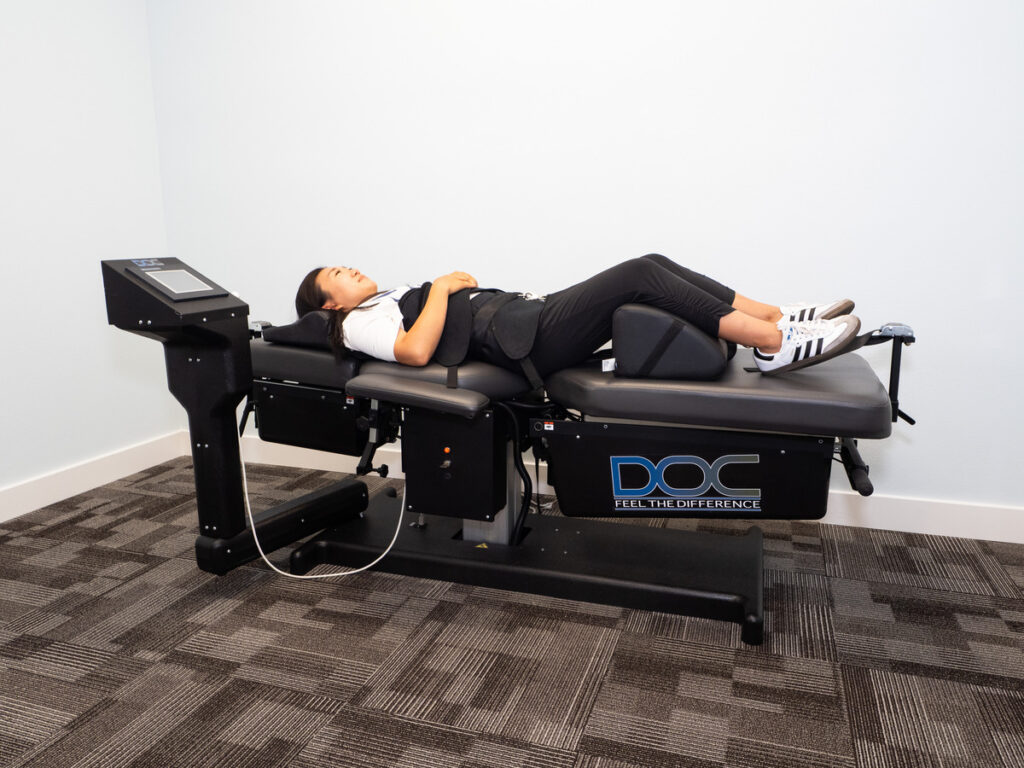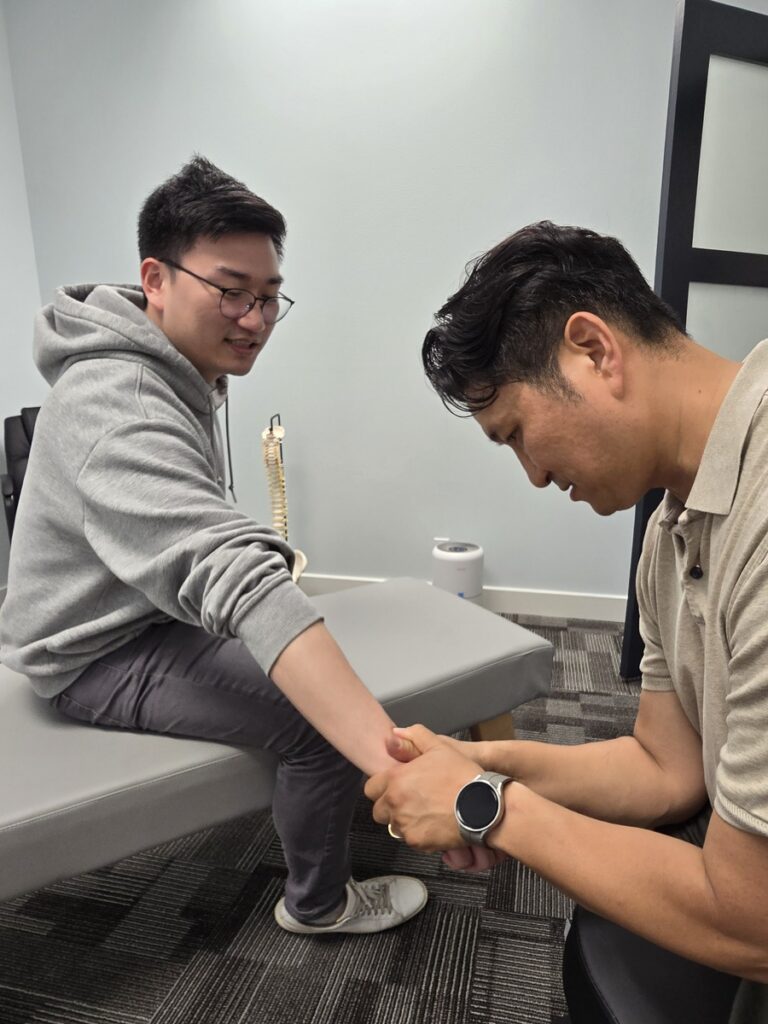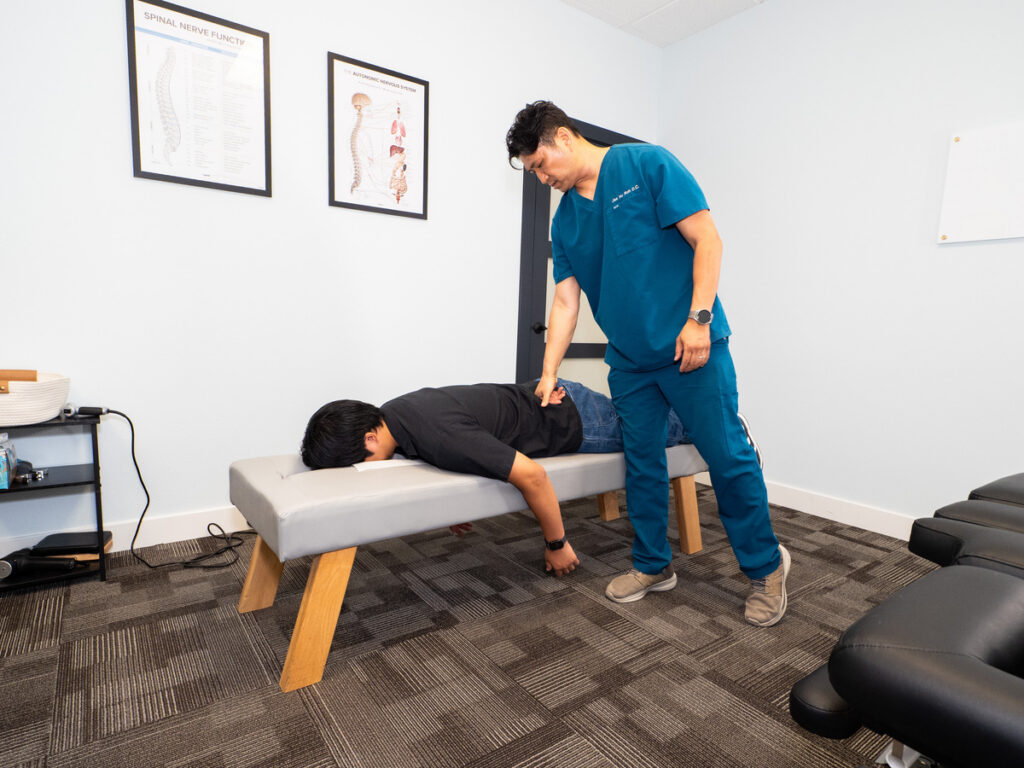

As a local chiropractor, I understand how disruptive lower back pain can be in your daily life. It’s a common issue that many people face, and I want to help you navigate through it with effective techniques for relief and treatment. Chiropractic care is one of the most powerful tools we can use to address lower back pain, and it works in harmony with other natural healing methods and lifestyle changes.
Each approach has its own unique benefits, and it’s essential to find what resonates with you personally. If you’re not familiar with chiropractic care, it’s a safe and holistic way to promote healing and restore function to your spine and nervous system. By focusing on spinal alignment and joint mobility, we can alleviate pain and enhance your overall well-being.
So, what should you consider as you embark on your journey to recovery? It’s crucial to understand your body and listen to what it needs. In our practice, we will explore various techniques together, ensuring that you are on the right path to feeling better. Let’s dive into the top methods for treating lower back pain and empower you to take control of your health.
Understanding the Causes of Lower Back Pain
As a local chiropractor, I want to help you understand the various causes of lower back pain and how we can address them through natural healing methods. Lower back pain can arise from several factors, and recognizing these can be the first step toward finding relief.
One common cause is muscle strains, which often occur from heavy lifting or sudden, awkward movements. Poor posture—whether while sitting at a desk or standing for long periods—can also contribute significantly to back pain, potentially leading to chronic issues if not corrected.
In some cases, underlying conditions such as herniated discs or arthritis may be at play, where the discs in your spine can press on nerves, causing sharp pain or numbness.
Your lifestyle choices are crucial as well. Being overweight or leading a sedentary lifestyle can intensify lower back pain. Interestingly, emotional stress can manifest physically, causing muscle tension and discomfort.
Additionally, your sleeping position and the supportiveness of your mattress play vital roles in your spinal health; an unsupportive mattress can aggravate your back pain.
By identifying these causes, we can work together to develop a tailored treatment plan that addresses your specific needs. Chiropractic care focuses on aligning the spine and optimizing function to alleviate pain and promote overall well-being.
Understanding the root of your discomfort is essential for effective management and long-term relief. Together, we can take proactive steps to improve your quality of life and support your journey to recovery.
Physical Therapy and Rehabilitation
When it comes to alleviating lower back pain, chiropractic care and natural healing methods are vital components of your recovery journey. Our focus is on enhancing your mobility, strength, and overall well-being.
As a local chiropractor, I’ll develop a personalized treatment plan that addresses your unique needs, empowering you to regain your independence.
Here are some key aspects of chiropractic care that you should know:
- Comprehensive Assessment: I’ll conduct a thorough evaluation of your condition to pinpoint any limitations and understand your specific issues.
- Spinal Manipulation: Gentle adjustments to the spine can relieve pain, restore proper alignment, and improve overall function.
- Patient Education: You’ll receive valuable insights on posture, body mechanics, and lifestyle changes to prevent future injuries.
- Natural Modalities: Techniques such as heat therapy, ice application, and therapeutic exercises may be integrated into your treatment to enhance comfort and healing.
- Progress Monitoring: I’ll regularly assess your progress to ensure your recovery is on track and make any necessary adjustments to your treatment plan.
Exercise and Strengthening Techniques
As your local chiropractor, I want to emphasize the importance of exercise and strengthening techniques in managing lower back pain.
Many people may not realize how vital core stability exercises and stretching routines can be for enhancing flexibility and supporting your spine.
By integrating these practices into your daily life, you not only improve your overall well-being but also establish a stronger foundation for your back health.
Remember, a well-supported spine is key to reducing pain and preventing future issues.
Let’s work together to incorporate these beneficial exercises into your routine for better health and mobility.
Core Stability Exercises
As a local chiropractor, I want to share the importance of core stability exercises in alleviating and preventing lower back pain.
Strengthening your core is crucial because it provides support to your spine, which reduces strain during everyday activities. By incorporating these exercises into your routine, you can significantly improve your overall back health.
Here are some effective core stability exercises that I recommend:
- Planks: Holding a plank position engages your core muscles, providing a solid foundation for your spine.
- Bird-Dogs: While on all fours, extending your opposite arm and leg helps improve balance and stability, which is vital for daily movement.
- Bridge: Lying on your back and lifting your hips will strengthen your glutes and lower back, promoting better posture.
- Dead Bug: Laying on your back and alternating the extension of your arms and legs enhances coordination and core control.
- Side Planks: Balancing on one side strengthens your obliques, which are crucial for overall core stability.
I encourage you to start incorporating these exercises into your daily routine.
They can be a valuable complement to your chiropractic care, leading to a stronger, healthier back.
Stretching and Flexibility Routines
As a local chiropractor, I want to emphasize the importance of stretching and flexibility routines in maintaining a healthy back. Many people are unaware that these simple practices can significantly improve your range of motion and reduce muscle tension, which is crucial for overall spinal health.
Incorporating stretches such as the cat-cow, child’s pose, and hamstring stretches into your daily routine can alleviate tightness and enhance flexibility. I recommend dedicating at least 10-15 minutes each day to these exercises.
It’s important to focus on gentle, controlled movements—never push yourself to the point of pain. Holding each stretch for 15-30 seconds while breathing deeply can help promote relaxation. Pairing these routines with deep breathing techniques can further enhance their effectiveness.
Remember, consistency is key. Over time, you’ll likely notice improved flexibility, reduced discomfort, and a more resilient back. This will allow you to engage in your daily activities with greater ease and comfort.
As your chiropractor, I encourage you to prioritize these stretching routines as part of your natural healing journey.
Alternative Therapies for Pain Relief
As a local chiropractor, I want to share how alternative therapies can significantly help in alleviating lower back pain.
Many patients find that treatments like chiropractic adjustments, acupuncture, and massage therapy are effective in managing their discomfort.
These approaches focus on natural healing and aim to address the root cause of your pain rather than just masking the symptoms.
By exploring these options, you may discover a more holistic path to pain relief that aligns with your overall well-being.
My goal is to educate you on how chiropractic care can be an integral part of your pain management journey.
Acupuncture for Pain Relief
As a local chiropractor, I want to share with you how acupuncture can be a valuable tool in managing lower back pain and promoting natural healing.
This unique approach involves the insertion of fine needles at specific points on the body, which helps stimulate energy flow and encourages relaxation. While acupuncture effectively addresses pain, it also contributes to your overall well-being.
Here are some of the benefits you may experience with acupuncture:
- Decreased inflammation and muscle tension
- Improved blood circulation to the affected areas
- Enhanced production of the body’s natural pain-relief hormones
- Promotion of relaxation and reduction of stress
- Support in recovering from chronic pain conditions
If you’re considering acupuncture as part of your treatment for lower back pain, I encourage you to consult with a qualified practitioner.
They can customize the treatment to fit your unique needs, ensuring a more effective and personalized approach to pain relief.
Chiropractic Adjustments Benefits
As a local chiropractor, I want to share with you the incredible benefits of chiropractic adjustments, especially when it comes to alleviating lower back pain. Our hands-on approach focuses on realigning your spine, which is essential for restoring proper function and mobility.
When your spine is aligned correctly, you’ll find it much easier to move freely and comfortably.
One of the key advantages of chiropractic care is its ability to reduce pressure on your nerves. This pressure is often a significant contributor to pain and discomfort, so by addressing it, we can help you find relief.
Many of my patients notice improvements in their posture and a decrease in muscle tension, which often leads to an overall sense of well-being.
It’s also worth mentioning that regular chiropractic adjustments do more than just relieve symptoms; they play a vital role in preventing future issues.
By committing to this natural therapy, you’ll gain better control over your pain and enhance your overall quality of life.
I believe chiropractic care can be an essential part of your journey toward lasting relief from lower back pain, and I’m here to guide you every step of the way.
Massage Therapy Techniques
As a local chiropractor, I want to share with you the incredible benefits of massage therapy techniques as a natural approach to relieving lower back pain.
These methods focus on alleviating muscle tension and fostering relaxation, ultimately enhancing your overall well-being. Here are some effective techniques that I recommend for optimal results:
- Swedish Massage: This technique involves gentle strokes that promote circulation and help reduce muscle tension, making it an excellent starting point for those new to massage therapy.
- Deep Tissue Massage: If you’re dealing with chronic pain, this technique targets deeper muscle layers to provide relief and improve mobility. It’s particularly beneficial for addressing long-standing issues.
- Trigger Point Therapy: This method focuses on specific points of tension within your muscles. By releasing these tight spots, you can experience significant pain relief and regain your functional abilities.
- Myofascial Release: This therapy targets the connective tissue that surrounds your muscles. By improving the flexibility and health of your fascia, it can help alleviate discomfort and enhance your range of motion.
- Sports Massage: Designed specifically for active individuals, this approach not only aids in recovery but also helps prevent injuries, allowing you to maintain your active lifestyle.
Incorporating these massage techniques into your wellness routine can greatly improve your lower back health and enhance your overall quality of life.
If you have any questions or would like to learn more about how these therapies can complement your chiropractic care, feel free to reach out!
Lifestyle Modifications for Prevention
As a chiropractor, I want to help you understand how simple lifestyle changes can significantly reduce your risk of developing lower back pain. One of the first steps you can take is to maintain a healthy weight. Carrying extra pounds can put unnecessary strain on your back, so achieving and maintaining a healthy weight is crucial.
Incorporating regular exercise into your routine is also essential. Focus on activities that strengthen your core muscles, as a strong core provides vital support for your spine and helps improve your posture.
Speaking of posture, it’s important to be mindful of how you sit, especially if you find yourself at a desk for long periods. Using ergonomic furniture can make a big difference, and don’t forget to take regular breaks to stand, stretch, and move around.
If your job requires heavy lifting, it’s imperative to use proper lifting techniques. Always lift with your legs rather than your back to avoid injury.
Your sleep habits also play a role in your spinal health. Investing in a good mattress that supports your spine can help keep it aligned during rest.
Lastly, staying hydrated is key; dehydration can lead to muscle cramps and stiffness, which can contribute to back pain.
By making these straightforward adjustments to your lifestyle, you can greatly reduce your chances of experiencing lower back pain and enhance your overall well-being.
When to Seek Professional Help
As a local chiropractor, I often encounter patients who are unsure when it’s the right time to seek professional help for lower back pain. If your discomfort continues despite trying home remedies or seems to worsen, it’s crucial to consult with a healthcare professional like myself. Ignoring these signs can lead to more serious issues in the future.
Here are some key indicators to watch for:
- Severe pain that restricts your ability to carry out daily activities.
- Numbness or weakness in your legs or feet, which may indicate nerve involvement.
- Pain that develops after a fall or injury, suggesting a need for assessment.
- Any changes in bowel or bladder control, which should be taken seriously.
- Pain that travels down your legs, especially if you also experience tingling sensations.
If any of these symptoms sound familiar, I encourage you to reach out for a consultation.
Early intervention through chiropractic care can significantly enhance your recovery and overall well-being. Remember, you have the right to live a life free from pain, and I’m here to help guide you on that path!