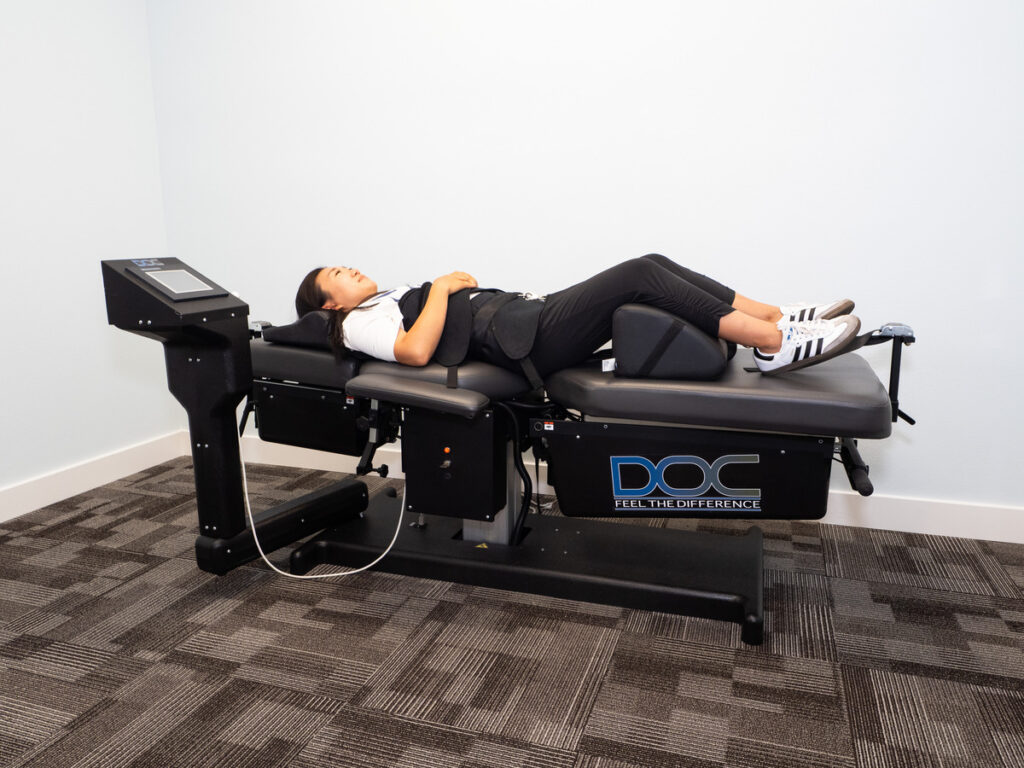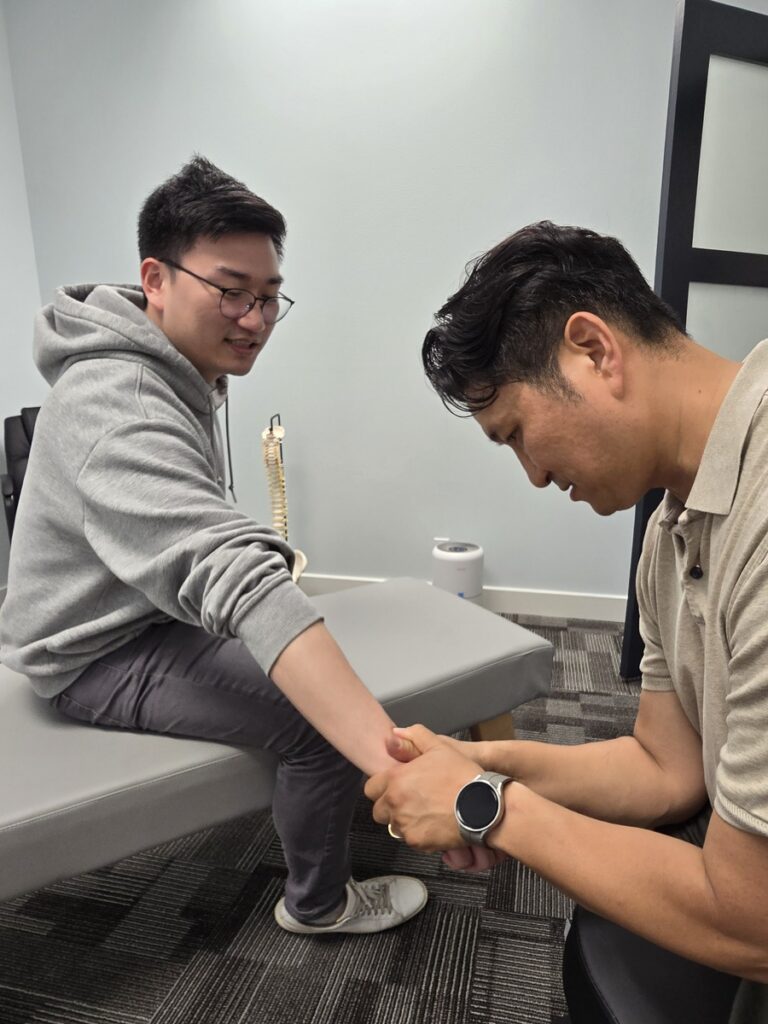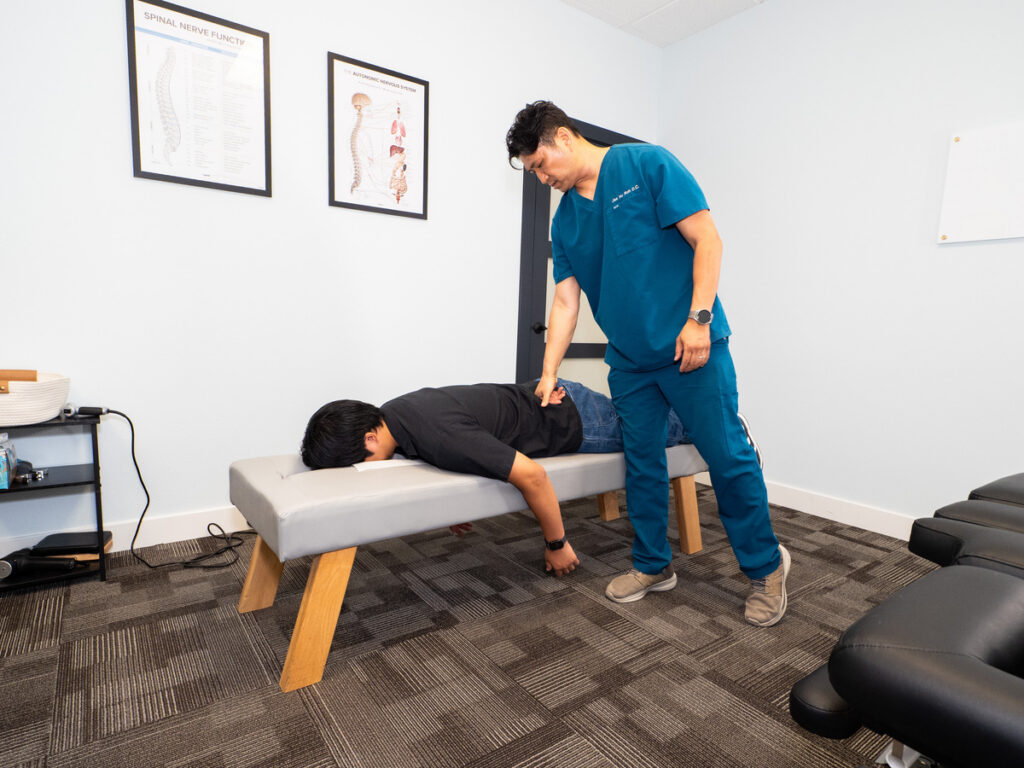

As a local chiropractor, I understand that chronic back pain can be an incredibly frustrating and debilitating experience, impacting not only your daily activities but also your overall quality of life. Many people are unaware of the effective techniques that can alleviate this discomfort, which is where chiropractic care comes in.
Engaging in regular exercise is one of the fundamental strategies we emphasize in our practice. Physical activity strengthens the muscles that support your spine, improving your posture and flexibility. Additionally, I encourage you to explore professional chiropractic services as part of a holistic approach to pain management. Our goal is to help you regain control over your body and your life.
Through natural healing methods, such as spinal adjustments and tailored exercise programs, we can work together to create a personalized plan that addresses your specific needs. Simple lifestyle changes, along with chiropractic care, can lead to significant improvements in your pain management journey. Remember, you don’t have to suffer in silence—there are effective, natural solutions available to help you feel better.
Stay Active With Regular Exercise
As a local chiropractor, I want to emphasize the importance of staying active with regular exercise, especially for those managing chronic back pain. Engaging in physical activity plays a vital role in strengthening the muscles that support your spine, which can significantly reduce strain and discomfort.
You don’t need to dive into high-intensity workouts right away; even moderate activities like walking, cycling, or swimming can lead to substantial improvements in your comfort levels.
I recommend aiming for at least 30 minutes of activity on most days, but it’s crucial to listen to your body and adjust your routine as needed. Incorporating strength training into your regimen can enhance your stability, but I advise focusing on low-impact exercises to avoid worsening any pain you may have.
Consistency is essential, so find activities that you truly enjoy—this will make it easier for you to stick with them over time.
Before you embark on any new exercise routine, it’s always a good idea to consult with a healthcare professional, such as myself, to ensure that your choices are safe and tailored to your specific condition.
Incorporate Stretching Routines
As a local chiropractor, I want to emphasize the importance of incorporating stretching routines into your daily life, especially if you’re dealing with chronic back pain.
Many patients are often surprised to learn that specific stretches can significantly improve flexibility and strengthen the muscles that support your spine.
It’s not just about the occasional stretch; to truly reap the benefits, consistency and frequency are key. By making these stretches a regular part of your routine, you can help alleviate discomfort and promote better overall spinal health.
Remember, chiropractic care focuses on natural healing, and stretching is a powerful tool in that journey.
Let’s work together to develop a plan that includes these vital exercises for your well-being.
Benefits of Stretching
As a local chiropractor, I want to share some insights on how incorporating a regular stretching routine can be a game-changer for those dealing with back pain. Many of my patients have found that stretching can significantly relieve discomfort and enhance mobility.
Not only does stretching improve flexibility, but it also helps to strengthen the muscles that support your spine, creating a more stable environment for your back.
When you stretch, you encourage increased blood flow to the affected areas, which promotes healing and reduces stiffness. Additionally, stretching is a wonderful way to release built-up tension in your muscles, allowing you to relax and manage pain more effectively.
Here are some key benefits of stretching that I often discuss with my patients:
- It reduces muscle tension and tightness, making everyday movements easier.
- Stretching aids in improving posture and spinal alignment, which is crucial for overall spinal health.
- It increases the range of motion in your joints, helping you move more freely and comfortably.
- Regular stretching can enhance your overall physical performance, whether you’re active in sports or simply going about your daily activities.
- Finally, stretching promotes relaxation and provides stress relief, which can be beneficial for both your physical and mental well-being.
Incorporating these practices into your routine can complement chiropractic care and help you on your journey to feeling your best.
Recommended Stretching Exercises
As a chiropractor, I want to share with you some effective stretching exercises that can help manage chronic back pain and support your overall spinal health. Incorporating a routine of targeted stretches into your daily life can significantly improve your flexibility and strengthen the muscles around your spine.
Let’s start with the cat-cow stretch. This exercise involves alternating between arching and rounding your back, which enhances mobility and promotes better spinal alignment.
Following that, the child’s pose is a fantastic option. It gently stretches your lower back and hips, providing relief and relaxation.
Another great stretch is the seated forward bend. This movement not only lengthens your spine but also stretches your hamstrings, contributing to overall flexibility.
Additionally, the supine spinal twist is beneficial for relieving tension in your back and hips, allowing for greater ease of movement.
Don’t forget the standing quadriceps stretch, which is important for maintaining balance in your body. Aim to hold each stretch for about 15-30 seconds, allowing your muscles to relax and recover fully.
As you embark on this journey of natural healing, remember to listen to your body. If something doesn’t feel right, adjust the stretch or consult with a healthcare professional.
Your body knows best, and I’m here to support you on your path to wellness!
Frequency and Consistency
As a local chiropractor, I want to share with you the significant impact that a consistent stretching routine can have on managing chronic back pain.
Integrating stretching into your daily life not only enhances your flexibility but also helps alleviate discomfort. To truly benefit from stretching, aim for short sessions several times a week; this frequency is key to seeing improvements.
Here are some practical tips to help you establish and maintain your routine:
- Designate a specific time each day for your stretching sessions to create a habit.
- Set reminders on your phone or calendar to keep you accountable.
- Begin with just a few minutes of stretching, and gradually increase the duration as it becomes easier.
- Consider pairing your stretching with another daily activity, such as enjoying your morning coffee, to make it more enjoyable.
- Keep track of your progress; noting improvements can be a great motivator.
Practice Good Posture
As a local chiropractor, I want to emphasize the importance of practicing good posture for your overall health, especially for aligning your spine and alleviating back pain.
Many of my patients are surprised to learn how much of an impact their daily habits can have on their comfort and well-being.
Creating an ergonomic workspace is a crucial step in this process. Simple adjustments, such as ensuring your chair supports your lower back and that your computer screen is at eye level, can greatly improve your posture.
Additionally, being mindful of your sitting techniques—like keeping your feet flat on the floor and your shoulders relaxed—can make a significant difference.
By incorporating these small changes into your daily routine, you can maintain a healthier back and reduce discomfort throughout your day.
Let’s work together to explore these adjustments and find what works best for you in your journey toward better spinal health.
Align Your Spine
As a local chiropractor, I want to emphasize the importance of good posture for aligning your spine and alleviating chronic back pain. Proper alignment is key to preventing muscle strain and enhancing your overall spinal health.
Here are some practical tips to help you maintain good posture throughout your day:
- Ensure your feet are flat on the floor and your knees are at a right angle when sitting. This helps distribute your weight evenly and supports your spine.
- When standing, align your ears with your shoulders and hips. This alignment reduces unnecessary stress on your spine.
- Engage your core muscles. By doing so, you provide essential support to your lower back, which can significantly reduce discomfort.
- Choose a chair that offers good lumbar support, especially if you find yourself sitting for long periods. This can help maintain the natural curve of your spine.
- Remember to take regular breaks to stretch and adjust your position. Moving around not only helps relieve tension but also keeps your spinal alignment in check.
By incorporating these habits into your daily routine, you can foster a healthier spine and ultimately improve your well-being.
If you have any questions about posture or how chiropractic care can assist you, feel free to reach out!
Ergonomic Workspaces Matter
As a local chiropractor, I want to emphasize the importance of creating an ergonomic workspace for your overall health and well-being. Many people underestimate how crucial proper posture is in preventing chronic back pain, which is where I often see patients seeking relief.
First, let’s talk about your chair. It’s vital to adjust it so that your feet are flat on the floor and your knees form a 90-degree angle. This positioning helps maintain the natural alignment of your spine. Make sure that your chair has good lumbar support, which will encourage the natural curve of your back.
Next, consider the placement of your computer screen. Ideally, it should be at eye level and about an arm’s length away to prevent unnecessary strain on your neck. This small adjustment can make a significant difference in how you feel throughout the day.
Your keyboard and mouse should also be positioned close enough to avoid reaching. When your arms are extended too far, it can lead to discomfort and tension in your shoulders and back.
Lastly, I can’t stress enough the importance of taking breaks. Regularly standing up and stretching is a simple yet effective way to break up prolonged sitting and keep your body in motion.
Mindful Sitting Techniques
As a local chiropractor, I want to share some important insights about how your sitting habits can significantly affect your back health. Many people overlook how their posture influences their overall well-being, but practicing good sitting techniques is crucial for preventing chronic pain and maintaining a healthy spine.
Here are some mindful sitting techniques that I encourage my patients to incorporate into their daily routines:
- Ensure your feet are flat on the floor or comfortably resting on a footrest to promote balance and support.
- Make it a habit to sit all the way back in your chair, utilizing the backrest to provide essential support for your lower back.
- Keep your knees aligned with your hips; avoid crossing your legs, as this can lead to misalignment and discomfort.
- Strive to maintain a neutral spine—resist the urge to slump or lean forward, as this can strain your back over time.
- Remember to take regular breaks! Stand up, stretch, and move around to keep your body engaged and to relieve tension.
Utilize Heat and Cold Therapy
As a local chiropractor, I’m here to help you understand how to effectively manage chronic back pain using natural methods like heat and cold therapy. These therapies can provide significant relief and are easy to incorporate into your daily routine.
Heat therapy is a fantastic way to relax tense muscles and improve blood circulation. I often recommend using a heating pad, warm towel, or enjoying a warm bath for about 15 to 20 minutes. This gentle warmth can ease stiffness and promote healing in your back, making it feel more comfortable.
On the other hand, cold therapy is excellent for reducing inflammation and numbing sharp pain. Applying an ice pack wrapped in a cloth for 15 to 20 minutes can be particularly helpful after physical activity or if you’re experiencing a flare-up.
It’s important to listen to your body during these treatments. If one method seems to work better for you, feel free to focus on that.
Remember to always protect your skin by using a barrier between the heat or cold source and your skin, and avoid using these therapies for extended periods to prevent burns or frostbite.
Explore Physical Therapy
When facing chronic back pain, considering chiropractic care can significantly enhance your recovery journey. As a local chiropractor, I focus on creating a tailored approach to your specific needs, emphasizing the importance of spinal alignment, muscle balance, and overall body function.
Chiropractic adjustments not only aim to relieve discomfort but also empower you to take control of your health and well-being.
Here are some of the benefits of chiropractic care:
- Customized care plans designed to target the root causes of your pain.
- Spinal adjustments that help restore proper alignment and relieve tension.
- Educational support to help you better understand your body and its alignment.
- Therapeutic exercises that promote safe movement and strengthen your core.
- Regular assessments to monitor your progress and adapt your treatment as needed.
Consider Alternative Therapies
As a local chiropractor, I want to introduce you to the world of chiropractic care and the many alternative therapies that can complement your journey in managing chronic back pain.
One powerful approach you might consider is acupuncture. This ancient practice involves the insertion of thin needles at specific points on the body to help relieve pain and enhance the flow of energy.
Massage therapy is another excellent option that I often recommend. It can effectively reduce muscle tension, improve circulation, and promote overall relaxation.
Incorporating gentle movement through practices like yoga and tai chi can also be beneficial. These activities not only increase flexibility and strength but also help calm the mind, which is essential for holistic healing.
You may also want to explore herbal remedies and supplements such as turmeric and ginger, which have well-documented anti-inflammatory properties.
Additionally, mindfulness practices, including meditation, can play a significant role in managing pain by reducing stress and promoting a positive mindset.
I encourage you to consult with healthcare professionals, including myself, before embarking on any alternative therapy. This ensures that the methods you choose are safe and tailored to your individual needs.
Together, we can explore these options and find what resonates best for you on your path to wellness.
Maintain a Healthy Weight
As a local chiropractor, I want to emphasize the importance of maintaining a healthy weight, especially when it comes to managing chronic back pain.
Carrying excess weight can significantly strain your spine, leading to increased discomfort and complications. By incorporating proper nutrition and regular physical activity into your routine, you can’t only help control your weight but also promote better back health.
A balanced diet rich in essential nutrients can support your body’s overall function, while staying active strengthens the muscles that support your spine.
Together, these lifestyle choices can alleviate pain and enhance your well-being. If you have any questions about how to achieve a healthy weight or how chiropractic care can support your journey, I’m here to help guide you towards a pain-free life.
Importance of Weight Management
As a local chiropractor dedicated to your well-being, I want to emphasize the importance of weight management in alleviating chronic back pain. Carrying excess weight can place significant strain on your spine and the surrounding muscles, which can lead to discomfort and limited mobility.
By keeping your weight in check, you can reduce this pressure and experience greater comfort in your daily activities. Here are some essential points to consider:
- Reducing your weight can lead to less strain on your back, helping you move more freely.
- Maintaining a healthy weight is crucial for supporting proper posture, which can further enhance spinal health.
- Effective weight management can boost your ability to engage in physical activities, promoting overall wellness.
- Achieving a healthy weight can help lower inflammation in your body, which is beneficial for both your back and overall health.
- Staying consistent with your weight management efforts is key to promoting long-term health for your back.
I encourage you to think about these points as we discuss ways to improve your spinal health through natural and holistic approaches.
Together, we can work towards a healthier you!
Nutrition for Back Health
As a local chiropractor, I want to emphasize the vital connection between proper nutrition and back health. Many people may not realize how much what you eat can influence your spine and overall well-being. By focusing on balanced meals that are rich in whole foods, you equip your body with the essential nutrients it needs to function optimally.
Incorporating a variety of fruits, vegetables, lean proteins, and whole grains into your diet is crucial. These foods not only help reduce inflammation but also support muscle health, which is key for maintaining a strong back.
Hydration is equally important—water plays a significant role in maintaining the health of your spinal discs and ensuring your body operates smoothly.
It’s also wise to limit processed foods and excessive sugars, as they can contribute to weight gain. This added weight can put extra strain on your back, leading to discomfort or pain.
Remember, every healthy choice you make is a step towards better overall health. By nurturing your body through proper nutrition, you’re not only working towards a healthy weight but also promoting a resilient, strong back.
If you’re new to chiropractic care, remember that your nutrition is a foundational aspect of your overall treatment plan. Together, we can work towards achieving your health goals and ensuring your spine remains healthy and strong.
Exercise and Weight Control
As a local chiropractor, I want to share how essential regular exercise is for maintaining a healthy weight and alleviating chronic back pain.
It may seem overwhelming at first, but staying active is one of the most effective ways to support your spine and overall health. Engaging in exercise strengthens your core muscles, which play a crucial role in stabilizing your spine and reducing discomfort.
Here are some practical strategies to help you incorporate exercise into your daily routine:
- Opt for low-impact activities, such as swimming or cycling, which are gentle on your back while still providing great benefits.
- Aim for at least 150 minutes of moderate aerobic activity each week; this is a key recommendation for overall health.
- Don’t forget to include strength training exercises! Building muscle not only enhances your stability but also supports your spine.
- Regular stretching is important too—it helps improve flexibility and can alleviate tension in your muscles.
- Tracking your progress and setting attainable goals can keep you motivated on your journey.
Remember, it’s important to listen to your body and consult with a healthcare professional if you’re unsure about starting an exercise program, especially if you have existing back pain.
As your chiropractor, I’m here to guide you in finding the right approach tailored to your needs.
Invest in Proper Sleep Support
As a local chiropractor, I want to emphasize the importance of investing in quality sleep support, especially for those of you dealing with chronic back pain. A well-chosen mattress and pillow can significantly align your spine and alleviate pressure points, which is crucial for waking up feeling refreshed instead of stiff and sore.
When selecting a mattress, I recommend looking for one that’s medium-firm. This type of mattress will support your natural curves and help maintain proper spinal alignment. Your sleep position also plays a vital role in this equation. For instance, if you tend to sleep on your side, a thicker pillow can effectively fill the gap between your neck and shoulders, promoting better alignment. Conversely, back sleepers usually benefit from a flatter pillow to keep the head aligned with the spine.
Additionally, don’t overlook the importance of sleep accessories. A body pillow can be a wonderful addition to help maintain a comfortable position throughout the night, while a mattress topper can provide that extra layer of support your body may need.
Creating a sleep-friendly environment is also essential. Ensure your room is dark, quiet, and cool to foster better sleep quality.
Prioritizing restorative sleep can play a significant role in managing back pain and enhancing your overall well-being. So, I encourage you to invest time and resources into your sleep setup—your back will truly thank you for it.
Manage Stress Effectively
As a local chiropractor, I understand that managing stress effectively is crucial for individuals dealing with chronic back pain. Stress can lead to increased muscle tension and discomfort, making it essential to incorporate stress management techniques into your daily life. By doing so, you can enhance your overall well-being and potentially alleviate your back pain.
Here are some strategies I encourage my patients to consider:
- Practice mindfulness or meditation: Taking just a few minutes each day to focus on your breath or engage in guided meditation can be incredibly beneficial for your mental and physical health.
- Engage in physical activity: Regular exercise is vital. It not only releases endorphins that naturally elevate your mood but also helps reduce stress levels, which can directly impact your back pain.
- Establish a routine: By creating a daily schedule, you can foster a sense of control over your life, which can significantly reduce feelings of anxiety and stress.
- Connect with others: Building a support system is important. Talking to friends or family members can provide emotional support and help combat feelings of isolation.
- Explore relaxation techniques: Practices like yoga, deep breathing exercises, or progressive muscle relaxation can be effective in calming both your mind and body.
By integrating these methods into your lifestyle, you may find a more peaceful state of mind, which can contribute to managing your back pain more effectively.
Seek Professional Medical Advice
When you’re grappling with chronic back pain, understanding the importance of seeking professional guidance, especially from a chiropractor, can be a game-changer in your healing journey.
As a chiropractor, my goal is to help you identify the root causes of your discomfort and create a tailored treatment plan that addresses your unique situation.
During your visit, we’ll take the time to discuss your symptoms, medical history, and lifestyle factors that may be contributing to your pain. This comprehensive assessment allows us to develop a personalized approach to your care.
Chiropractic care focuses on natural healing and restoring proper function to your spine and nervous system. I may recommend specific adjustments and targeted therapies to alleviate your pain and improve your overall well-being.
In addition, I can guide you on exercises that strengthen your back and enhance your mobility.
Diagnostic tools, such as X-rays or MRIs, may be suggested to gain deeper insights into your condition. Together, we can explore effective strategies for managing your pain and enhancing your quality of life through holistic methods.
Don’t hesitate to reach out and discover how chiropractic care can make a significant difference in your recovery!