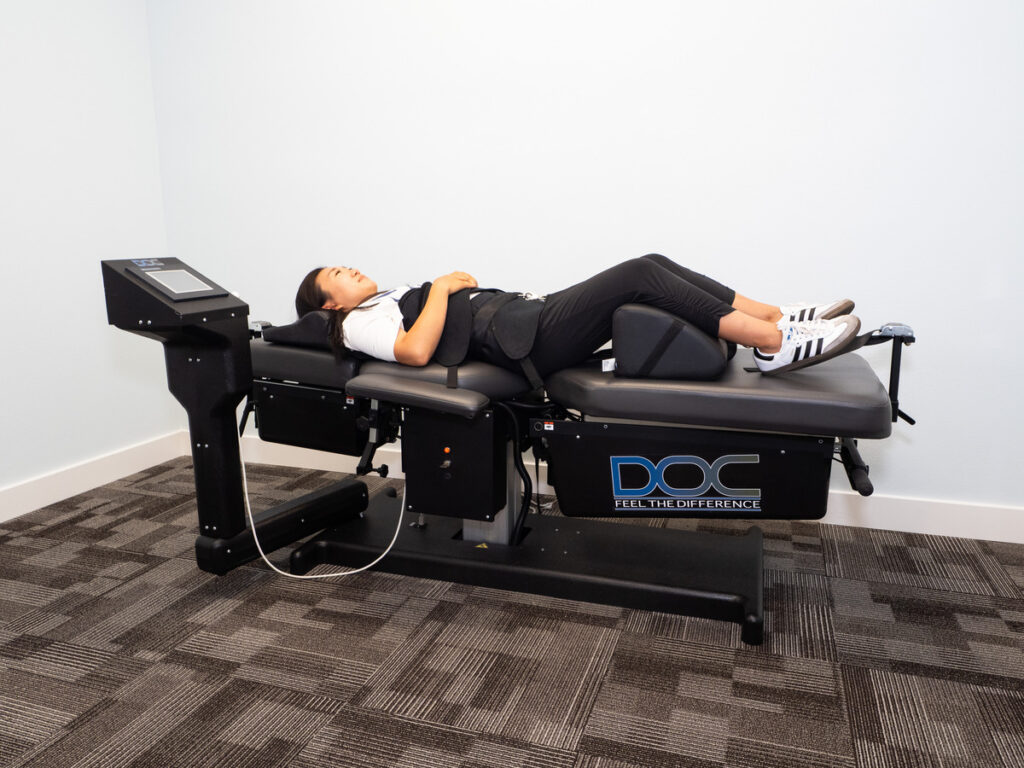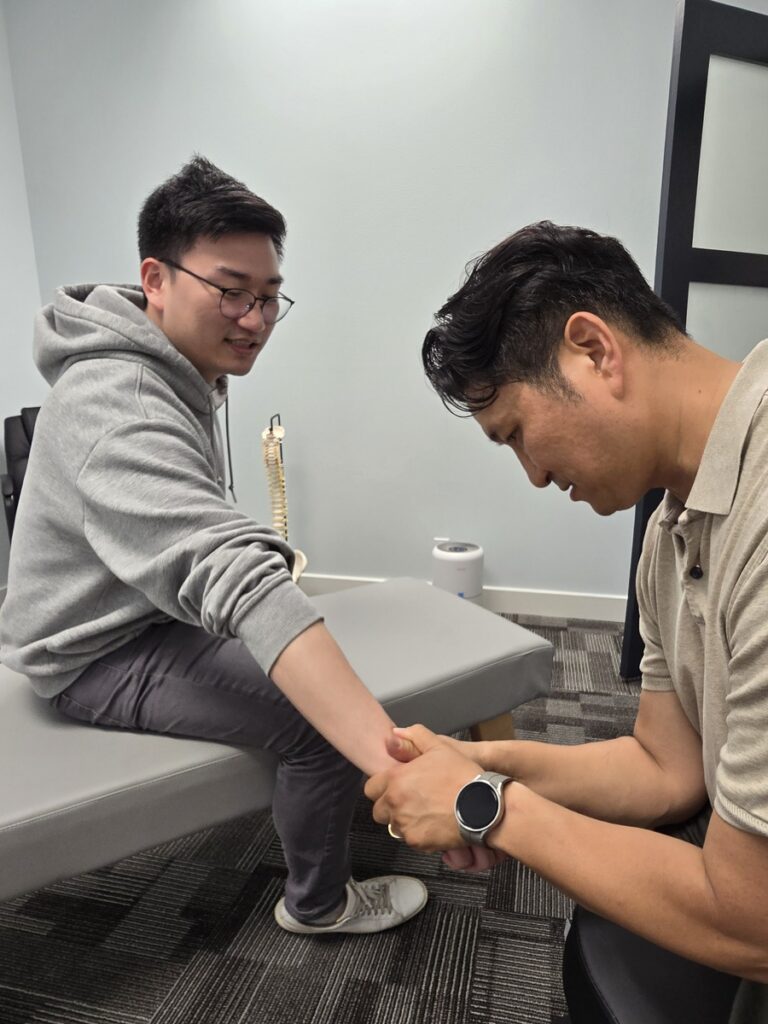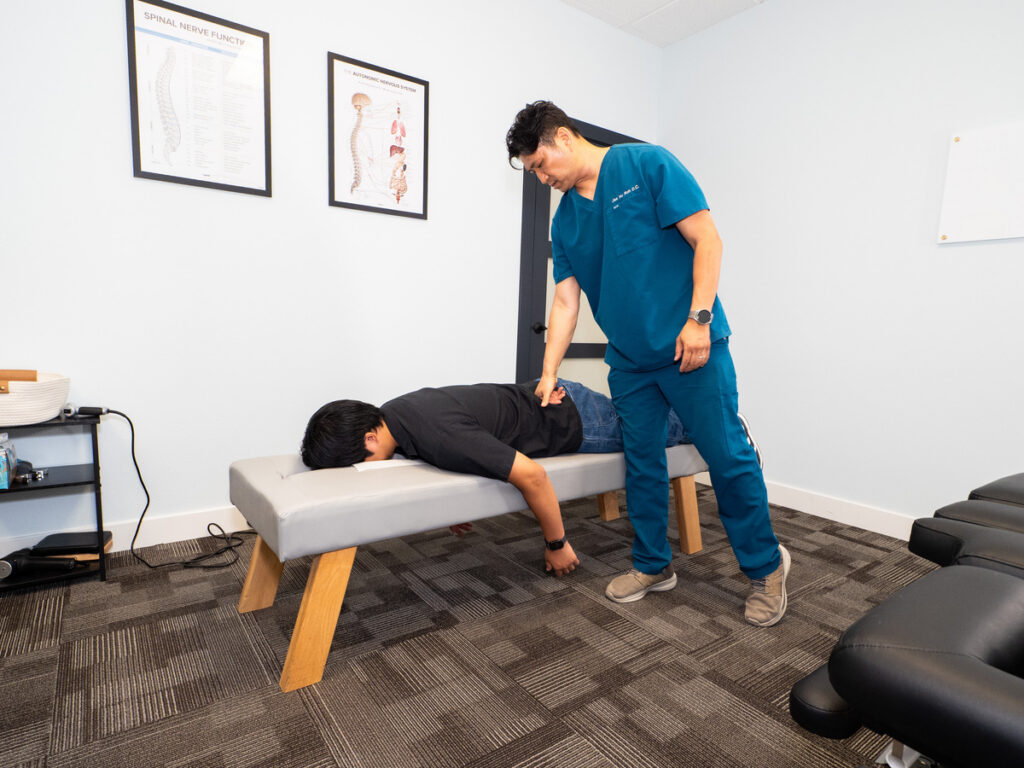

You know that maintaining mobility is essential for your overall well-being, but are you aware of how regular care can greatly enhance it? By committing to routine check-ups and personalized exercise plans, you can prevent potential health issues and boost your physical capabilities. It's not just about moving; it's about moving with purpose and confidence. As you explore the benefits of tailored care, you might discover surprising insights that could change how you approach your health. What's the first step you might take to transform your mobility journey?
Importance of Regular Care
When you prioritize regular care, you're not just maintaining your current mobility; you're actively investing in your future well-being. Regular check-ups, physical therapy sessions, and preventative measures play a significant role in keeping your body functioning at its best. By scheduling these appointments, you can catch potential issues before they escalate, allowing you to address concerns early on.
Consistency is key. When you make regular care part of your routine, you develop a proactive mindset towards your health. This approach helps you understand your body's needs and recognize any changes. Whether it's adjusting your exercise regimen or addressing minor aches, being attentive can prevent more significant problems down the road.
Moreover, regular care fosters a relationship with healthcare professionals who can provide personalized advice tailored to your specific needs. They can guide you through exercises that enhance strength and flexibility, helping you maintain mobility as you age.
It's also essential to take into account the mental and emotional benefits that come from regular care. Knowing you're taking steps to prioritize your health can reduce anxiety about potential health issues.
You'll feel empowered and more in control of your body, which is essential for overall well-being.
Benefits of Physical Activity
Engaging in regular physical activity not only boosts your mobility but also enhances your overall health. When you incorporate movement into your daily routine, you'll notice a variety of benefits that go beyond just physical improvements. For instance, exercise helps strengthen your muscles and joints, making it easier for you to perform daily activities and reducing the risk of injuries.
Additionally, staying active can greatly improve your mental health. You may find that engaging in physical activity releases endorphins, which can lift your mood and decrease feelings of stress or anxiety. This mental boost can make a big difference in your overall well-being, helping you feel more energized and focused throughout the day.
Moreover, regular exercise supports your cardiovascular health. When you engage in activities that get your heart rate up, you improve blood circulation and enhance your heart's efficiency. This can lead to lower blood pressure and a reduced risk of heart disease.
You'll also benefit from improved flexibility and balance, which are essential as you age. Incorporating stretching and balance exercises into your routine can help you maintain stability, reducing the risk of falls.
Finally, being physically active can enhance your sleep quality. You might notice that after a day of movement, falling asleep becomes easier, and you wake up feeling refreshed.
Tailored Exercise Programs
Tailored exercise programs can greatly enhance your mobility and overall fitness by addressing your unique needs and goals. When you engage in a customized workout plan, you focus on exercises that suit your current abilities and target areas that require improvement. This approach not only helps prevent injuries but also guarantees that you stay motivated and committed to your fitness journey.
First, consider your personal preferences. Do you enjoy strength training, yoga, or cardio? Integrating activities you love makes it easier to stick to your routine.
Next, assess your physical condition. If you have any limitations or specific health concerns, a tailored program will take those into account, allowing you to progress safely.
Working with a fitness professional can be invaluable. They can guide you in creating a balanced routine that includes flexibility, strength, and endurance exercises. This balance is key to improving your mobility.
For example, incorporating stretching and mobility drills can enhance your joint function, while strength-building exercises will support your overall stability.
Additionally, setting realistic goals is essential. Whether it's increasing your range of motion, building muscle, or simply being more active, having clear targets keeps you motivated.
Regularly reassessing your progress and adjusting your program guarantees that you're always challenged and moving forward.
Incorporating a tailored exercise plan into your life can lead to significant improvements in your mobility. Embrace the journey, and watch as you become fitter, stronger, and more agile.
Routine Check-Ups
Routine check-ups are essential for maintaining your mobility and overall health.
They can help you catch potential issues before they become serious, ensuring you stay active and pain-free.
If you're experiencing unusual pain or stiffness, it's time to schedule your next visit.
Importance of Regular Check-Ups
Regular check-ups play an important role in maintaining your overall health and mobility. These appointments provide a crucial opportunity for healthcare professionals to monitor your well-being, assess your physical condition, and identify potential issues before they escalate. By staying proactive with your health, you can address concerns early and enhance your quality of life.
During regular check-ups, your doctor evaluates your medical history, conducts necessary examinations, and may recommend tests tailored to your specific needs. This thorough approach not only helps in detecting problems but also allows for adjustments in your treatment plan as needed.
For instance, if you're managing a chronic condition, routine visits guarantee that your medication and lifestyle adjustments are on track.
Additionally, these check-ups serve as a platform for discussing any changes in your health or mobility. You can ask questions and gain valuable insights into maintaining an active lifestyle.
Overall, investing your time in regular check-ups empowers you to take charge of your health, guaranteeing you remain mobile, energized, and engaged in daily activities.
Prioritize these visits to safeguard your well-being and keep moving forward.
Signs You Need One
Knowing when to schedule a check-up can be just as important as the visits themselves. You should pay attention to certain signs that indicate it's time for a routine assessment.
If you've noticed any persistent pain, stiffness, or discomfort, don't ignore it. These symptoms can be early warning signs that your body needs some attention.
Increased fatigue or a decrease in your overall mobility are also key indicators. If you find everyday tasks becoming more challenging, it's time to seek help.
Additionally, if your exercise routine feels more strenuous than usual, this might signal that your body needs a professional evaluation.
Changes in balance or coordination can be particularly concerning; they could indicate underlying issues that require immediate attention.
Finally, if you've recently experienced an injury, even if it seems minor, getting checked out is essential to prevent long-term complications.
Nutrition and Mobility
Nutrition plays an essential role in enhancing your mobility, influencing everything from muscle strength to joint function. When you provide your body with the right nutrients, you not only support your physical activity but also improve your overall quality of life.
Here's how you can focus on nutrition to boost your mobility:
- Protein Intake: Consuming adequate protein is important for muscle repair and growth. Aim for lean sources like chicken, fish, beans, and legumes. Incorporating protein into each meal helps maintain muscle mass, which is necessary for maintaining strength and mobility.
- Healthy Fats: Don't shy away from healthy fats found in avocados, nuts, and olive oil. These fats play a significant role in reducing inflammation and supporting joint health. Including them in your diet can help ease discomfort and improve your ability to move freely.
- Hydration: Staying well-hydrated is essential. Water aids in nutrient transportation and helps maintain the lubrication in your joints. Aim for at least eight glasses a day, adjusting based on your activity level and climate.
Preventative Measures
Taking proactive steps to maintain your mobility can greatly reduce the risk of injuries and long-term issues. One of the most effective preventative measures is regular exercise. Engaging in activities that strengthen your muscles and improve your balance can help you stay agile and reduce the likelihood of falls.
Incorporate strength training, flexibility exercises, and aerobic workouts into your weekly routine. Even simple activities like walking or yoga can make a considerable difference.
Another important aspect is maintaining a healthy weight. Carrying excess weight puts extra strain on your joints, which can lead to pain and decreased mobility. Eating a balanced diet rich in fruits, vegetables, whole grains, and lean proteins can support weight management and overall joint health.
Staying hydrated is essential, too. Drinking enough water helps maintain joint lubrication and can prevent stiffness. Aim for at least eight glasses a day, or more if you're active.
Don't forget about proper footwear. Wearing supportive shoes can considerably impact your mobility and reduce the risk of injuries. Choose shoes that fit well and provide the right support for your activities.
Regular check-ups with your healthcare provider are also critical. They can help identify potential issues before they become serious and recommend appropriate interventions.
Finally, listen to your body. If you experience pain or discomfort during activities, it's important to take a break and assess the situation.
Managing Chronic Conditions
Managing chronic conditions effectively can greatly improve your mobility and overall quality of life. When you take control of your health, you'll not only feel better physically but also enhance your ability to engage in daily activities.
Here are three key strategies to help you manage your chronic conditions:
1. Stay Consistent with Treatment: Adhering to prescribed medications and treatment plans is essential. Regular check-ups with your healthcare provider guarantee that your condition is monitored and managed effectively.
Don't skip appointments or ignore your medication schedule; consistency is key.
2. Incorporate Physical Activity: Engaging in regular exercise can considerably boost your mobility. Tailor your physical activities to suit your condition, whether it's walking, swimming, or yoga.
Aim for at least 150 minutes of moderate aerobic activity each week, as this can improve strength, flexibility, and overall health.
3. Maintain a Balanced Diet: Nutrition plays a fundamental role in managing chronic conditions. Focus on a diet rich in fruits, vegetables, whole grains, and lean proteins.
Staying hydrated and avoiding excessive salt, sugar, and unhealthy fats can help you maintain a healthy weight and reduce symptoms.
Mental Health and Mobility
Your mental health considerably influences your mobility and overall well-being. When you feel mentally strong, you're more likely to engage in physical activities and make healthier choices that enhance your mobility.
On the other hand, if you're grappling with anxiety, depression, or stress, even simple tasks can seem overwhelming. This can lead to a cycle where decreased mobility further impacts your mental health, creating a challenging situation.
Recognizing this connection is essential. When you're mentally healthy, you're motivated to move, whether it's taking a walk, participating in a fitness class, or simply getting up to do daily chores. Each of these activities boosts your mood, providing a sense of accomplishment and reinforcing positive mental health.
Conversely, when you feel low, you might avoid these activities, which can lead to physical decline and a sense of isolation.
To improve both your mental health and mobility, consider incorporating small, manageable activities into your routine. Start with short walks or gentle stretching exercises. These not only help maintain physical strength but also release endorphins, which elevate your mood.
Surround yourself with supportive people who encourage movement and engagement, and don't hesitate to seek professional help if you need it.
Ultimately, prioritizing your mental health can lead to significant improvements in your mobility. By nurturing both aspects, you can create a more vibrant, active lifestyle that enhances your overall quality of life.
Creating a Care Plan
A well-structured care plan can greatly enhance your mobility and overall health. Creating a personalized care plan tailored to your needs is essential. By outlining your goals and the steps to achieve them, you'll be better equipped to maintain and improve your mobility. Here's how to get started:
1. Assess Your Current Condition: Begin by evaluating your physical abilities and limitations. Consider factors like pain levels, strength, flexibility, and endurance.
You might want to consult with healthcare professionals for a thorough assessment to identify any specific areas that need attention.
2. Set Realistic Goals: Once you understand your current condition, set achievable goals. Whether it's increasing your walking distance, improving balance, or simply managing pain more effectively, having clear objectives will keep you motivated.
Remember, these goals should be specific, measurable, and time-bound to track your progress effectively.
3. Develop an Action Plan: With your goals in mind, outline the steps necessary to reach them. This could include scheduled exercise routines, physical therapy sessions, medication management, or dietary adjustments.
Don't forget to incorporate regular check-ins to assess your progress and adjust your plan as needed.
Conclusion
By prioritizing regular care, you can greatly enhance your mobility and overall well-being. Embrace the benefits of physical activity and tailored exercise programs while staying committed to routine check-ups. Don't underestimate the power of proper nutrition and hydration in supporting your joints. Remember, managing chronic conditions and focusing on mental health play essential roles too. By creating a personalized care plan, you empower yourself to live an active, fulfilling life. Start today and experience the difference!