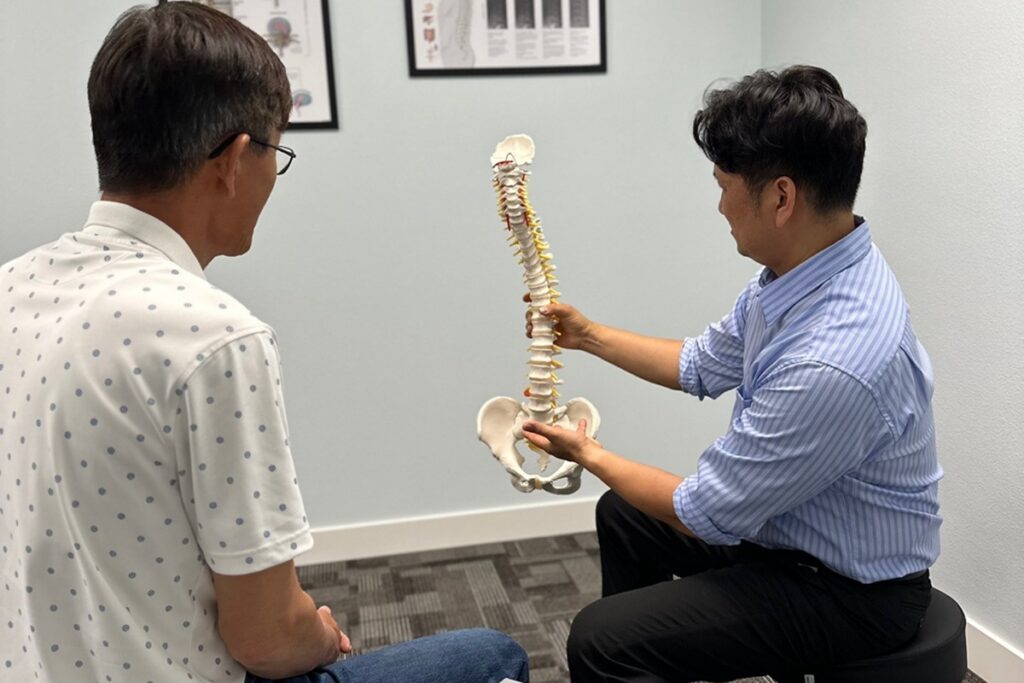

If you’re tired of battling migraines, it’s time to consider some changes in your daily routine that can lead to lasting relief. Understanding the underlying causes and triggers of headaches is crucial, and chiropractic care can play a significant role in helping you manage them. By focusing on spinal health and alignment, you can empower yourself to take control of your pain.
Incorporating simple changes in your diet, staying active, and practicing mindfulness can complement chiropractic treatments effectively. Regular chiropractic adjustments can help relieve tension in your neck and back, which are often linked to headaches. Additionally, maintaining good posture and ergonomic practices can prevent strain that may trigger migraines.
What specific steps can you take to enhance your well-being? Here are some actionable tips:
- Stay Hydrated: Dehydration can lead to headaches, so make sure you’re drinking plenty of water throughout the day.
- Practice Good Posture: Be mindful of your posture when sitting at a desk or using your phone. Keeping your spine aligned can reduce the risk of tension headaches.
- Regular Chiropractic Adjustments: Schedule regular visits to your chiropractor. They can help align your spine and relieve pressure on nerves that may contribute to headaches.
- Incorporate Stretching and Exercise: Gentle stretching and regular exercise can improve blood circulation and reduce tension in your muscles.
- Mindfulness and Relaxation Techniques: Practices such as meditation or deep breathing can help manage stress, which is a common trigger for migraines.
By transforming your approach to headaches with these strategies and prioritizing chiropractic care, you can pave the way for a healthier, pain-free life. Remember, you don’t have to live with migraines—natural wellness is within your reach!
Key Takeaways
- Keep track of what you eat by maintaining a food diary; this can help you identify specific trigger foods that may lead to migraines. By removing these from your diet, you can take a proactive step towards managing your headaches naturally.
- Hydration is key! Aim to drink at least 8 glasses of water each day. Staying well-hydrated can help prevent headaches caused by dehydration, which is a simple yet effective way to support your overall health.
- Integrating regular mindfulness practices, such as yoga and deep breathing exercises, can significantly manage stress levels. Stress is a common headache trigger, and these practices not only enhance your mental well-being but also promote spinal health, making chiropractic care an excellent companion to these techniques.
- Pay attention to your posture, particularly if you spend long hours at a desk. Maintaining good posture reduces strain on your spine, which can alleviate headache pain. Remember, a well-aligned spine is crucial for overall wellness, and chiropractic adjustments can help ensure your posture remains optimal.
- If you find that headaches persist or are affecting your daily life, consider seeking professional chiropractic care. A chiropractor can provide tailored strategies to address the root causes of your headaches, helping you achieve lasting relief without relying on medications or invasive procedures. Embrace the natural healing power of chiropractic for a healthier, pain-free lifestyle.
Understanding Migraines: Causes and Triggers
When you experience a migraine, it’s crucial to understand what might be causing it and what could trigger an attack. Migraines can arise from various factors, including genetics, hormonal changes, and environmental influences. You may notice that certain foods, like aged cheeses or processed meats, can set off an episode. Caffeine can also play a role; while it can be beneficial in small amounts, consuming too much or suddenly cutting back can trigger migraines.
Stress is a significant factor that many people overlook; managing stress effectively can greatly reduce the frequency of your migraines. Additionally, sleep patterns are important—both not getting enough sleep and oversleeping can lead to migraines. Strong odors, bright lights, and loud noises can heighten your sensitivity as well.
One effective way to gain insight into your migraines is by keeping a headache diary. This can help you identify your specific triggers and patterns. By understanding these factors, you can make lifestyle changes to help prevent future attacks and enhance your overall well-being.
As a chiropractor, I want to emphasize the importance of spinal health and how it can influence your overall wellness. Misalignments in the spine can contribute to tension and discomfort that may exacerbate migraine symptoms. Regular chiropractic adjustments can help realign your spine, reduce tension, and promote better overall health.
In addition to chiropractic care, here are some general tips to consider for managing migraines:
- Stay hydrated: Drinking plenty of water can help prevent dehydration, which is a common migraine trigger.
- Practice relaxation techniques: Techniques like deep breathing, yoga, or meditation can help reduce stress levels.
- Maintain a consistent sleep schedule: Try to go to bed and wake up at the same time every day to regulate your sleep patterns.
- Limit exposure to strong stimuli: If you know certain lights or noises trigger your migraines, try to minimize your exposure to them.
Mindfulness and Relaxation Techniques
Managing migraines effectively often requires a holistic approach that not only identifies triggers but also incorporates mindfulness and relaxation techniques into your daily routine. These practices can help alleviate stress, which is a well-known migraine trigger, and complement the benefits of chiropractic care.
Start by dedicating time each day to deep breathing exercises. Inhale deeply through your nose, hold for a few seconds, and then exhale slowly through your mouth. This simple yet powerful technique can help ground you and release tension, making it an excellent addition to your wellness routine.
Mindfulness meditation is another beneficial practice. By focusing on the present moment, you can train your mind to respond more calmly to stressors, which can be incredibly useful in managing migraines. You can use guided meditation apps or simply find a quiet spot to sit, allowing thoughts to float in and out without judgment.
Incorporating gentle yoga or stretching into your routine is also a fantastic way to release physical tension in your body. These movements can help improve spinal alignment and overall body function, further aiding in migraine management. By consistently practicing these techniques, you may find that your migraines become more manageable.
Remember, the journey to relief is personal, so it’s essential to find what resonates with you. Chiropractic care can play a vital role in your health journey, aligning your spine and helping your body function optimally.
Embrace these natural techniques alongside your chiropractic treatments for a well-rounded approach to wellness.
Dietary Adjustments for Migraine Prevention
While many factors can lead to migraines, making dietary adjustments can have a significant impact on how often and how severely they affect you. As a chiropractor, I believe in the power of natural healing and lifestyle changes to improve your overall health.
Here are three simple dietary tips that can help you manage your migraine symptoms:
- Stay Hydrated: One of the simplest yet most effective ways to prevent migraines is to drink plenty of water. Dehydration can trigger headaches, so aim for at least 8 glasses of water daily. Keeping your body well-hydrated supports not only your overall health but also your spine and nervous system.
- Identify Trigger Foods: Certain foods can trigger migraines for some individuals. Common offenders include aged cheeses, processed meats, and alcohol. Consider keeping a food diary to help you recognize patterns and identify which foods might be causing your migraines. This awareness can empower you to make better choices for your health and well-being.
- Increase Magnesium Intake: Magnesium is a mineral that can play a role in reducing the frequency of migraines. Foods rich in magnesium, like leafy greens, nuts, and whole grains, can be easily incorporated into your diet. These foods not only help with migraines but also contribute to a healthy spine and nervous system, which is essential for overall wellness.
Incorporating these dietary changes can be a simple yet effective way to support your health and manage migraines naturally.
The Role of Exercise in Managing Migraines
Regular exercise can be a transformative approach for managing migraines and enhancing overall wellness. As a chiropractor, I understand the importance of a holistic approach to health, and incorporating physical activity into your daily routine can be a powerful tool.
Exercise promotes the release of endorphins, which are your body’s natural painkillers and mood enhancers. By making exercise a consistent part of your life, you can help decrease both the frequency and intensity of migraine episodes.
Consider incorporating gentle yet effective activities like walking, swimming, or yoga into your routine. Aim for at least 30 minutes of moderate exercise several days a week, but always listen to your body. If you’re in the midst of a migraine, it’s perfectly fine to take a break and focus on rest.
Exercise also plays a crucial role in managing stress, one of the leading triggers for migraines. Finding enjoyable activities that you look forward to will make it easier to stick with your exercise plan and enjoy the benefits it brings.
Remember, consistency is vital; over time, you may see significant improvements in how you feel.
In addition to exercise, regular chiropractic care can support your journey to optimal health. A chiropractor can help ensure that your spine is aligned and functioning well, which can enhance your body’s ability to cope with pain and stress.
By focusing on natural healing and wellness, you can take control of your health without the need for medications or invasive procedures.
Seeking Professional Help: When to Consult a Specialist
When headaches become frequent or debilitating, it’s important to seek professional help to uncover underlying causes and explore natural methods of relief. Chiropractic care offers a holistic approach to managing headaches, focusing on spinal health which is often a key factor in pain management.
Here are three signs that it’s time to consider visiting a chiropractor:
- Persistent Pain: If your headaches last more than 72 hours or occur multiple times a month, it’s a clear signal that you should consult a chiropractor. They can assess your spinal alignment and identify any issues that may be contributing to your pain.
- Changing Patterns: If you notice changes in the frequency, intensity, or nature of your headaches, it’s essential to get evaluated. A chiropractor can help determine if there are any spinal misalignments or tension in your neck that could be affecting your headaches.
- Impact on Daily Life: If your headaches are interfering with your work, relationships, or daily activities, it’s time to take action. Chiropractic care can help restore balance and alleviate pain, allowing you to enjoy life more fully.
In addition to seeking care, there are some general tips you can incorporate into your routine to help manage headaches naturally:
- Stay Hydrated: Dehydration can trigger headaches, so be sure to drink plenty of water throughout the day.
- Practice Good Posture: Maintaining proper posture, especially during long hours at a desk, can reduce strain on your spine and neck.
- Regular Exercise: Engaging in regular physical activity can help reduce stress and tension, which are common headache triggers.
- Mindfulness and Relaxation Techniques: Incorporating practices like yoga or meditation can help manage stress levels and promote overall wellness.
Conclusion
By making these adjustments, you can take control of your migraines and enhance your overall wellness. Start by identifying your triggers, as understanding what causes your headaches is crucial. Practicing mindfulness can help reduce stress, a known contributor to migraines. Maintaining a balanced diet rich in whole foods can also support your body’s natural healing processes.
Don’t underestimate the benefits of regular chiropractic care. Chiropractic adjustments can help align your spine and improve nervous system function, which may lead to fewer headaches and a greater sense of well-being. Additionally, incorporating gentle exercise into your routine can promote better circulation and reduce tension in your body.
When it comes to finding relief, it’s important to seek professional help. A chiropractor can provide personalized care tailored to your specific needs, focusing on natural healing methods rather than medications or surgeries.
Embrace these changes and consider chiropractic care as a key component of your strategy for achieving a headache-free future. With these holistic approaches, you’ll find relief and experience a renewed sense of vitality in your life.