
As a local chiropractor, I understand that dealing with lower back pain can significantly affect your daily life. Many of my patients come to me seeking relief, and I’m here to share that there are effective techniques available to help manage and alleviate your discomfort naturally.
Chiropractic adjustments are one of the core methods we use in practice. These adjustments can realign the spine, improve mobility, and reduce pain. However, chiropractic care isn’t the only option available to you. I also emphasize the importance of ergonomic modifications in your daily activities, which can help prevent strain on your back.
If you’re curious about which techniques might work best for you, let’s delve into ten effective methods that could make a significant difference in your recovery journey. Together, we can explore how to enhance your well-being and get you back to enjoying life without the burden of lower back pain.
Physical Therapy and Rehabilitation
When it comes to managing lower back pain, chiropractic care can play a crucial role in your recovery journey. As a local chiropractor, I want to help you understand how our approach can help you find relief and restore your well-being.
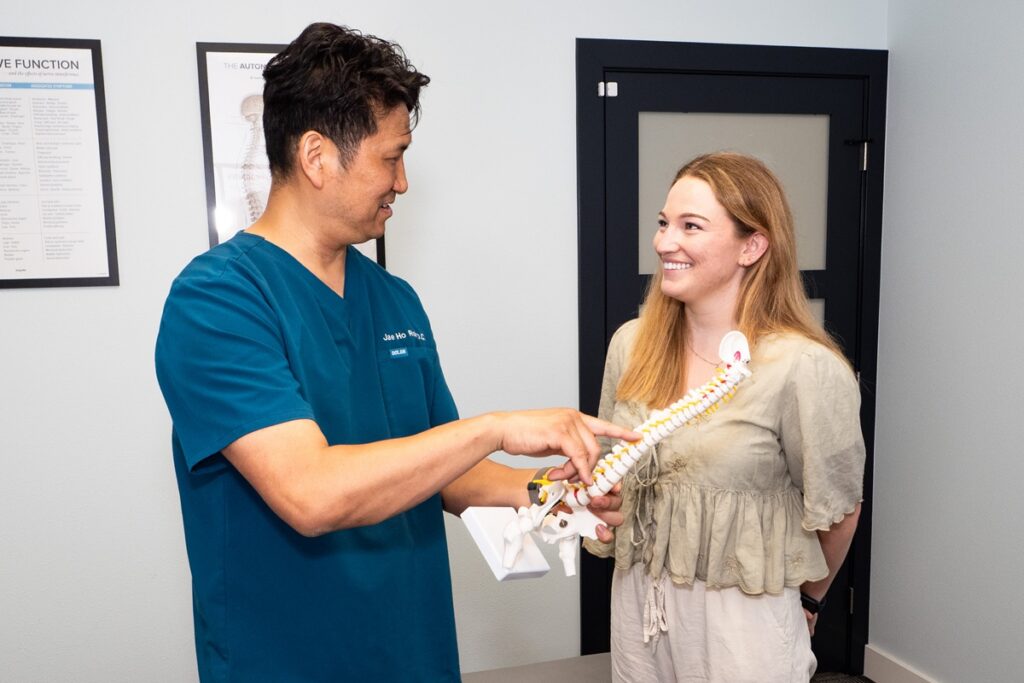
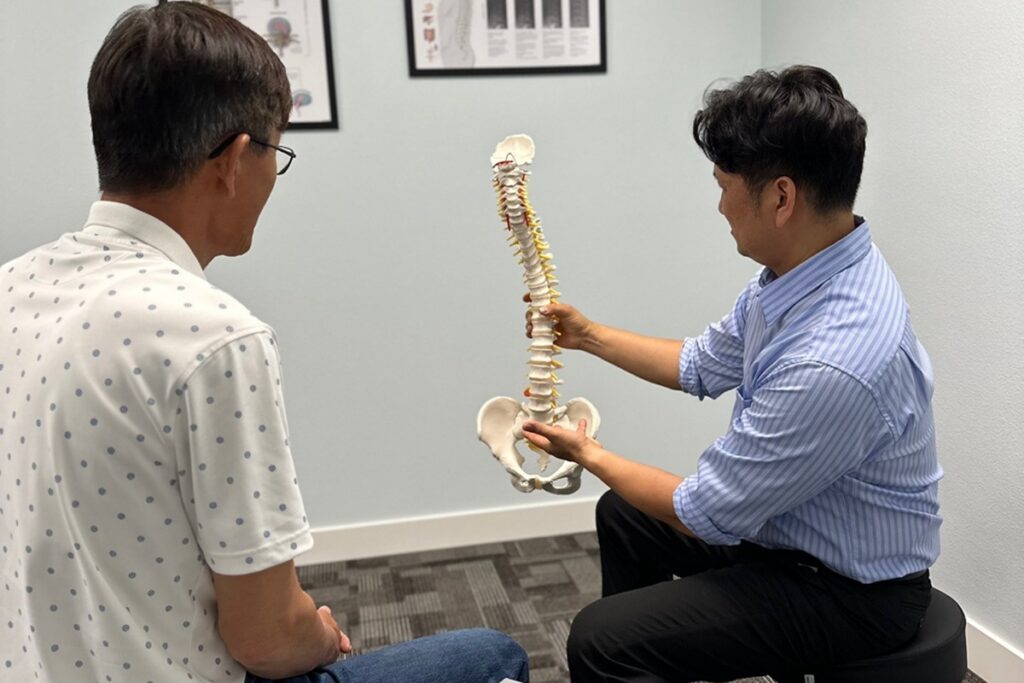
Chiropractic care focuses on identifying the underlying causes of your pain, particularly related to the spine and nervous system. During your visits, we’ll work together to develop a personalized treatment plan tailored to your specific needs. This plan often includes spinal adjustments, which can help realign your spine, reduce nerve irritation, and improve overall function.
In addition to adjustments, I may recommend specific exercises to strengthen the muscles that support your spine and enhance your flexibility. These exercises are designed to promote core stability, which can significantly alleviate strain on your back and improve your mobility.
Throughout your treatment, I’ll also educate you on proper body mechanics to make daily activities easier and safer.
It’s essential to stay consistent with your care plan, as regular adjustments and exercises greatly increase your chances of a successful recovery.
Remember, you’re not alone in this process. I’m here to guide you through each step and provide the motivation you need to achieve a healthier, pain-free life.
Together, we can work towards restoring your body’s natural balance and function through the power of chiropractic care.
Chiropractic Adjustments
As a local chiropractor, I want to help you understand how chiropractic adjustments can provide significant relief for lower back pain. By realigning your spine and enhancing your mobility, these treatments can make a noticeable difference in your daily life.
We utilize various techniques, each specifically tailored to meet your individual needs and health goals.
It’s important to be informed about the benefits of chiropractic care and to know how often you should visit for optimal results. Regular adjustments can help maintain your spine’s alignment and overall well-being, promoting natural healing in your body.
I’m here to guide you through this process and answer any questions you may have about how chiropractic care can work for you.
Benefits of Chiropractic Care
As a local chiropractor, I want to share with you the incredible benefits of chiropractic care, especially if you’re struggling with persistent lower back pain. Many people are unaware of how effective and holistic this approach can be in improving your overall well-being.
Here’s how chiropractic care can make a difference in your life:
- Pain Relief: One of the most significant advantages of regular chiropractic adjustments is pain relief. By targeting specific areas of discomfort, we can help alleviate your pain, making it easier for you to engage in your daily activities without constant distraction.
- Improved Mobility: Chiropractic care focuses on restoring proper spinal alignment. When your spine is in alignment, it can significantly enhance your range of motion and flexibility, allowing you to move more freely and enjoy life to the fullest.
- Enhanced Functionality: Our goal is to address the root causes of your discomfort. Through chiropractic adjustments, we work to improve your body’s ability to function effectively. This means better posture, reduced strain on your muscles and joints, and an overall enhancement in how your body operates.
By integrating chiropractic care into your pain management routine, you can experience lasting improvements.
I’m here to help you regain control of your life, enabling you to participate in the activities you love without being held back by back pain. If you have questions or want to learn more about how we can work together towards your health goals, don’t hesitate to reach out!
Techniques Used in Adjustments
As your local chiropractor, I want to take a moment to explain the various techniques we use in adjustments to help restore spinal alignment and improve your overall function.
One of the most common methods is the Diversified Technique. You may feel quick, controlled thrusts during this process, which are designed to correct misalignments in your spine.
Another approach we often use is the Gonstead Technique. This method focuses on specific areas of your spine and often involves the use of X-rays to ensure precision in treatment.
If you prefer a gentler approach, you might appreciate the Activator Method, where we use a small device to deliver gentle impulses to targeted areas, providing a softer touch while still being effective.
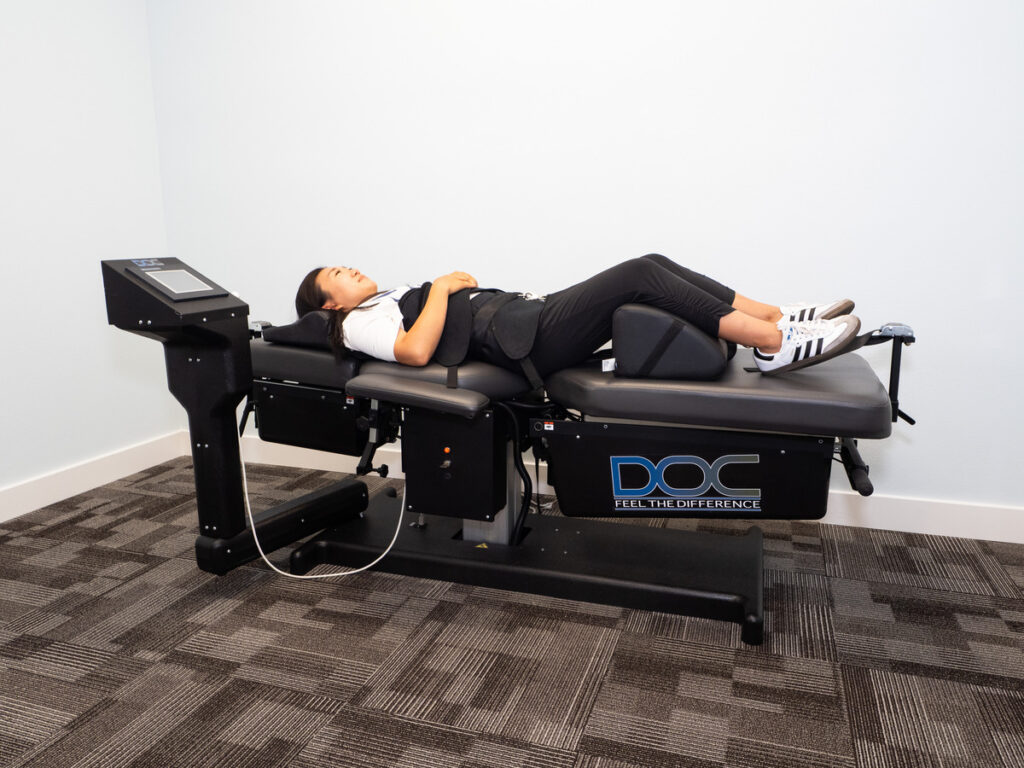
We also utilize the Thompson Technique, which involves a specially designed drop table to enhance the impact of the adjustments.
Regardless of the technique employed, the primary goal of each method is to relieve pressure on your nerves and enhance your mobility.
It’s important to know that every person is unique, and as your chiropractor, I’ll select the best approach tailored specifically to your individual needs.
My aim is to ensure you have a personalized treatment experience that supports your journey toward better health and well-being.
If you have any questions or would like to learn more about how these techniques can benefit you, please feel free to ask!
Frequency of Treatments Needed
As a local chiropractor, I want to help you understand the treatment process and how often you might need to visit for the best results. The frequency of your chiropractic sessions is influenced by your individual condition, overall health, and how your body responds to the adjustments. Here’s a general overview of what you can expect:
- Initial Phase: In the beginning, it’s common to visit me 2-3 times a week for the first few weeks. This phase is crucial for addressing acute pain and establishing a solid foundation for your recovery.
- Recovery Phase: As you start to feel better and your body begins to heal, we may transition to sessions once a week or every other week. During this phase, our focus will shift to strengthening and stabilizing your back to help prevent future issues.
- Maintenance Phase: Once you’re feeling significantly improved, I recommend scheduling monthly visits. These maintenance sessions are important for sustaining your health and ensuring that any potential problems are addressed before they become serious.
Remember, I’ll work closely with you to create a personalized treatment plan that suits your unique needs and goals.
Your journey to better health is our priority, and I’m here to support you every step of the way.
Pain Relief Medications
When it comes to managing lower back pain, many people often turn to pain relief medications for help. While over-the-counter options like ibuprofen and acetaminophen can temporarily reduce inflammation and discomfort, I encourage you to consider a more holistic approach.
As a chiropractor, I focus on natural healing methods that address the underlying causes of your pain rather than just masking the symptoms.
If your pain is more severe, it’s important to consult with a healthcare provider who can evaluate your situation. They may suggest alternative treatments such as muscle relaxants, but it’s crucial to be aware of the potential side effects and dependency risks associated with stronger medications.
In addition to traditional pain relief options, I also recommend exploring topical analgesics. These creams or patches can provide targeted relief by being applied directly to the painful area, offering a way to ease discomfort without the systemic effects of oral medications.
Ultimately, while medications can play a role in managing pain, they’re most effective when combined with other treatment techniques. As a chiropractor, I emphasize the importance of physical therapy, spinal adjustments, and lifestyle modifications to promote long-term healing.
Heat and Cold Therapy
As your local chiropractor, I want to share some valuable insights about managing lower back pain through heat and cold therapy.
These methods aren’t only effective but also play distinct roles in the healing process. Understanding how to use both can significantly alleviate your discomfort.
1. Heat Therapy: When you apply heat to your lower back, it increases blood flow to the area, which promotes healing and reduces stiffness.
I recommend using a heating pad or a warm towel for about 15-20 minutes at a time. This can be especially beneficial before engaging in activities that might strain your back.
2. Cold Therapy: On the other hand, cold therapy is an excellent way to numb the painful area, reduce inflammation, and alleviate pain.
You can use ice wrapped in a cloth and apply it for 15-20 minutes, particularly after any activity that might aggravate your back. This helps in managing the acute pain and can be a great tool post-exercise or after a long day.
3. Alternating Methods: A comprehensive approach involves alternating between heat and cold therapies.
Start with cold therapy to manage swelling and inflammation, and then transition to heat to relax tight muscles and improve flexibility. This combination can be incredibly effective in your recovery process.
Incorporating these techniques into your daily routine can’t only enhance your recovery but also improve your overall well-being.
If you have any questions or would like to discuss personalized treatment options, feel free to reach out during your next visit!
Exercise and Stretching
As a local chiropractor dedicated to your wellness, I understand that incorporating exercise and stretching into your daily routine may seem daunting, especially if you’re dealing with lower back pain. However, these practices are crucial for effective management and relief. Regular physical activity not only strengthens the muscles that support your spine but also enhances flexibility and promotes better blood circulation to the affected areas.
I recommend starting with gentle, low-impact exercises such as walking, swimming, or cycling. These are easier on your back and can help you build a solid foundation for your fitness journey.
Additionally, integrating stretching exercises that target your lower back, hips, and legs is vital. Simple stretches, such as the cat-cow stretch or knee-to-chest stretch, can significantly relieve tension and improve your range of motion. Consistency is key, so I encourage you to set aside dedicated time each day for these activities.
Always listen to your body. If you feel pain during any exercise, don’t hesitate to modify the movement or skip it altogether. As your strength improves, you can gradually increase the intensity and duration of your workouts.
Mindfulness and Meditation
As a local chiropractor, I want to share with you how mindfulness and meditation can play a significant role in alleviating lower back pain.
These practices aren’t just about relaxation; they actively promote a sense of calm and help reduce stress, which can often contribute to physical discomfort. By incorporating mindfulness techniques, you can learn to stay present and focused, allowing your mind to release built-up tension that may be affecting your body.
Let’s delve into some of the benefits and practices of mindfulness and meditation that can complement your chiropractic care and enhance your overall pain management journey.
Together, we can explore how these natural healing methods can support your recovery and improve your quality of life.
Benefits of Mindfulness
As a local chiropractor, I want to share how incorporating mindfulness and meditation into your routine can significantly improve your experience with lower back pain and enhance your overall well-being.
Many of my patients find that practicing mindfulness allows them to become more attuned to their bodies and the sensations they experience, which can be incredibly beneficial for pain management.
Here are three important benefits to consider:
- Reduced Stress: Mindfulness practices can help lower your stress levels, which often contribute to the intensification of pain. By managing stress, you can create a more favorable environment for healing.
- Improved Focus: Engaging in mindfulness can sharpen your concentration, enabling you to address your pain more effectively and participate in daily activities with greater ease and intention.
- Enhanced Emotional Resilience: Regular mindfulness practice can elevate your mood and emotional health, fostering a more positive mindset that helps you cope with discomfort and promotes healing.
Incorporating these practices alongside chiropractic care can lead to a more holistic approach to your health and well-being.
Meditation Techniques Explained
As a chiropractor dedicated to your well-being, I want to share how mindfulness and meditation techniques can significantly aid in managing lower back pain. These practices complement chiropractic care and can enhance your healing journey.
One simple yet powerful technique is focused breathing. By setting aside just a few minutes each day to sit comfortably and concentrate on your breath, you can create a soothing atmosphere that helps alleviate tension in your body. If your thoughts drift, gently bring your focus back to your breath—there’s no need for self-criticism.
Another effective method is body scan meditation. This involves mentally checking in with different areas of your body, which fosters awareness and encourages relaxation.
You might also find visualization techniques helpful. For example, envisioning warm, healing energy flowing into your lower back can promote comfort and ease.
Incorporating these meditation techniques into your daily routine not only helps relieve pain but also builds resilience, enabling you to handle future discomfort more effectively.
Acupuncture
As a local chiropractor, I understand that many individuals seek relief from lower back pain through conventional methods. However, I want to introduce you to an effective alternative that aligns with the body’s natural healing processes: acupuncture. This age-old practice involves the insertion of fine needles into specific points on the body, which can stimulate energy flow and promote healing.
Here are a few reasons to consider acupuncture as part of your back pain management:
- Pain Relief: Acupuncture is known for its ability to effectively alleviate pain. It works by releasing endorphins and enhancing blood circulation, helping to provide relief from discomfort.
- Reduced Inflammation: This technique can also help to decrease inflammation in the affected areas, which may lead to less discomfort and improved mobility, allowing you to engage in your daily activities with greater ease.
- Holistic Approach: Unlike some conventional treatments that solely focus on symptom relief, acupuncture addresses not just the pain itself but also the underlying issues contributing to your discomfort. This holistic approach supports overall well-being and balance within the body.
If you’re exploring different avenues for managing lower back pain, acupuncture is definitely worth considering. Just be sure to consult with a qualified practitioner to ensure a safe and effective experience.
As a chiropractor, I often work alongside acupuncture professionals to provide comprehensive care for my patients, and I encourage you to look into all your options for optimal healing.
Massage Therapy
As a local chiropractor, I want to emphasize how massage therapy can significantly alleviate lower back pain while promoting overall relaxation and well-being.
It’s important to understand that various massage techniques can effectively target your specific discomfort, and collaborating with a skilled therapist is crucial for achieving the best outcomes.
When considering massage therapy as part of your healing journey, it’s vital to choose a qualified professional who understands your individual needs.
In my practice, I often see how combining chiropractic adjustments with massage therapy can enhance the benefits, providing a comprehensive approach to pain relief and recovery.
Let’s explore how these therapies can work together to support your health and what factors to consider when selecting a massage therapist to ensure you receive the best care possible.
Your journey to a pain-free life starts with understanding the options available to you!
Benefits of Massage Therapy
As a local chiropractor, I want to share the incredible benefits of integrating massage therapy into your wellness routine, especially for those dealing with lower back pain.
Opting for massage therapy isn’t merely a luxurious treat; it’s a crucial step towards enhancing your overall health. Here are three key advantages you’ll discover:
1. Pain Relief: Various massage techniques effectively diminish muscle tension and boost blood circulation, which can significantly alleviate discomfort and support the healing process.
This can be especially beneficial for your lower back, where tight muscles often lead to pain.
2. Improved Flexibility: Consistent massage therapy sessions help to relax tight muscles and enhance your overall range of motion.
This increased flexibility can make daily activities much easier and more enjoyable, allowing you to move with greater ease.
3. Stress Reduction: The calming effects of massage therapy play a vital role in promoting mental health.
By reducing stress and anxiety, massage can help lessen the physical tension that often accompanies emotional strain, contributing to a more holistic approach to pain management.
Techniques for Effective Relief
As a local chiropractor, I want to share some valuable techniques that can significantly improve your experience with lower back pain relief. One of the most effective methods we use is deep tissue massage, which focuses on the deeper layers of muscle and connective tissue. This technique helps to alleviate tension and promote healing.
Another beneficial approach is myofascial release, where we apply gentle pressure to the fascia—the connective tissue surrounding your muscles. This helps to release any restrictions and enhances your mobility.
Additionally, we utilize trigger point therapy, which targets tight knots in your muscles that can cause pain to radiate to other areas of your body.
For those seeking relaxation and improved blood flow, Swedish massage can be a wonderful addition to your treatment plan. It’s not just about massage, though; incorporating stretching during your sessions is crucial as it can improve your flexibility and help reduce stiffness.
By integrating these techniques into your chiropractic care, you can experience greater comfort and aid in your recovery process.
Choosing a Qualified Therapist
How can you determine if a chiropractor is the right fit for you? Selecting the appropriate practitioner can have a profound impact on your recovery from lower back pain. Here are three essential factors to consider:
- Qualifications: It’s important to choose a chiropractor who’s the necessary certifications and training in chiropractic care. This ensures they possess a solid understanding of the musculoskeletal system and can customize treatments to address your specific needs.
- Experience: Consider how long the chiropractor has been in practice and whether they’ve a specialization in treating lower back pain. Seasoned chiropractors often utilize a variety of techniques and methods to effectively relieve your discomfort.
- Communication: A competent chiropractor should actively listen to your concerns and clearly explain their treatment approach. Open dialogue fosters trust and ensures you feel at ease during your visits.
Posture Correction Techniques
As a local chiropractor, I want to emphasize the importance of maintaining proper posture for alleviating lower back pain—a common issue many of my patients face. Many people underestimate how much their posture affects their overall well-being, but it plays a crucial role in spinal health.
First, I encourage you to be mindful of your body alignment throughout the day. When sitting, ensure your feet are flat on the floor and your knees form a 90-degree angle. Choosing a chair with excellent lumbar support is vital, as it promotes the natural curve of your spine.
When standing, aim to distribute your weight evenly across both feet and avoid locking your knees, as this can strain your back.
To further support your lower back, engage your core muscles regularly. Simple exercises like wall angels or shoulder blade squeezes can significantly strengthen your posture over time. Additionally, when lifting objects, always bend at your knees instead of your waist, keeping the load close to your body to avoid unnecessary strain.
Lastly, I recommend setting reminders throughout your day to check in on your posture. A little mindfulness can go a long way in reducing discomfort and preventing future pain.
Ergonomic Modifications
As a local chiropractor, I often see patients struggling with lower back pain, and one of the best ways to address this discomfort is through simple ergonomic modifications in your workspace.
By making a few adjustments to your environment, you can significantly reduce the strain on your back and promote overall well-being. Here are three essential changes I recommend:
- Chair Selection: It’s crucial to choose a chair that provides proper lumbar support. Look for a chair that allows your lower back to fit comfortably against it, encouraging a natural curve in your spine. This support can help alleviate pressure and discomfort.
- Desk Height: Adjusting your desk to an appropriate height is vital. Your elbows should be at a 90-degree angle when typing. This adjustment helps prevent hunching over and reduces the stress on your back, leading to a more comfortable working position.
- Screen Positioning: Positioning your computer screen at eye level is another key factor. This setup helps maintain a neutral neck position, preventing you from leaning forward and putting additional strain on your back and neck.
By incorporating these ergonomic modifications into your workspace, you can create a more comfortable environment that supports your back health.
Remember, making these adjustments is a step towards managing and alleviating lower back pain naturally. Start today for a healthier tomorrow!
If you have any questions or need further guidance, feel free to reach out—I’m here to help!