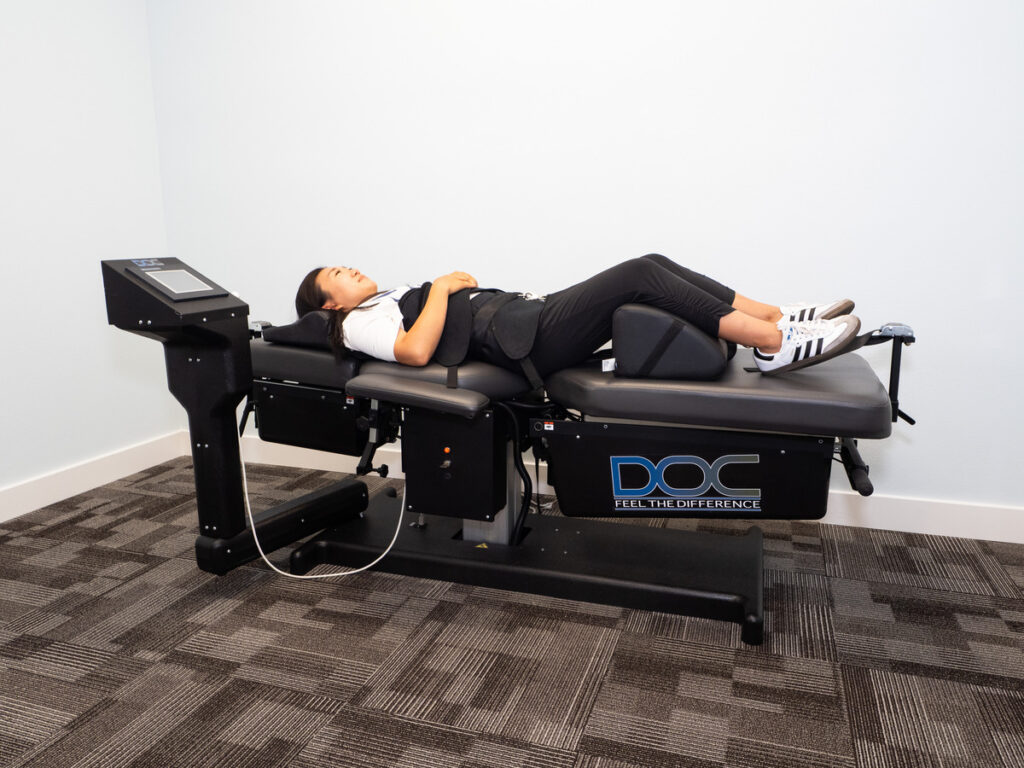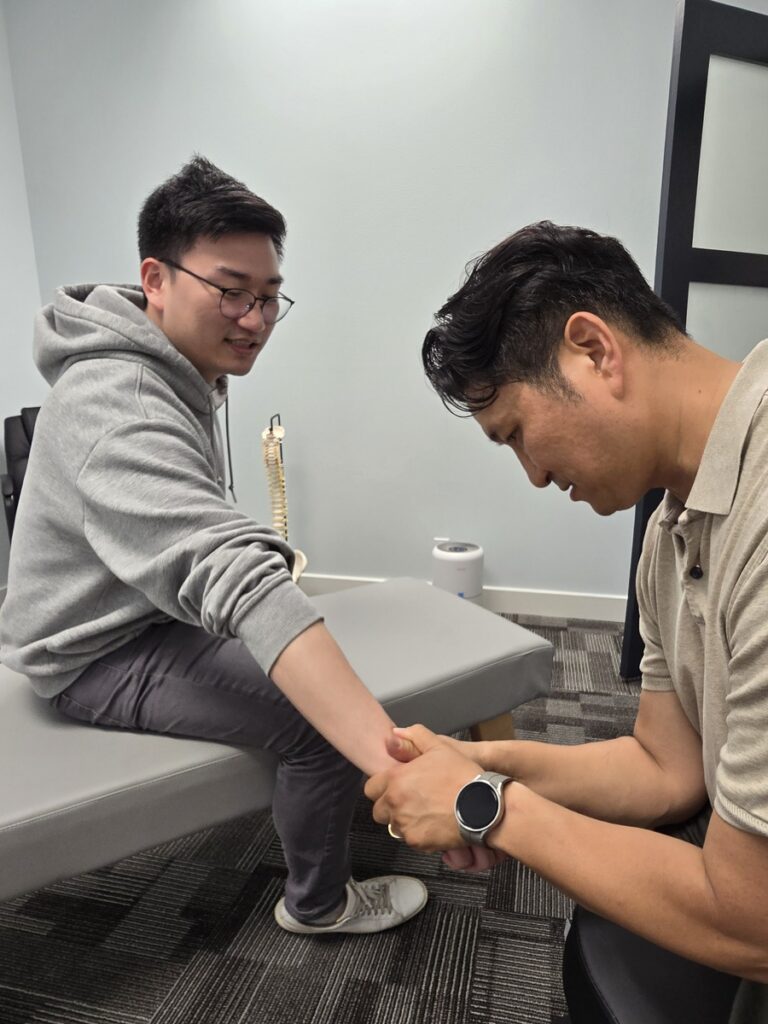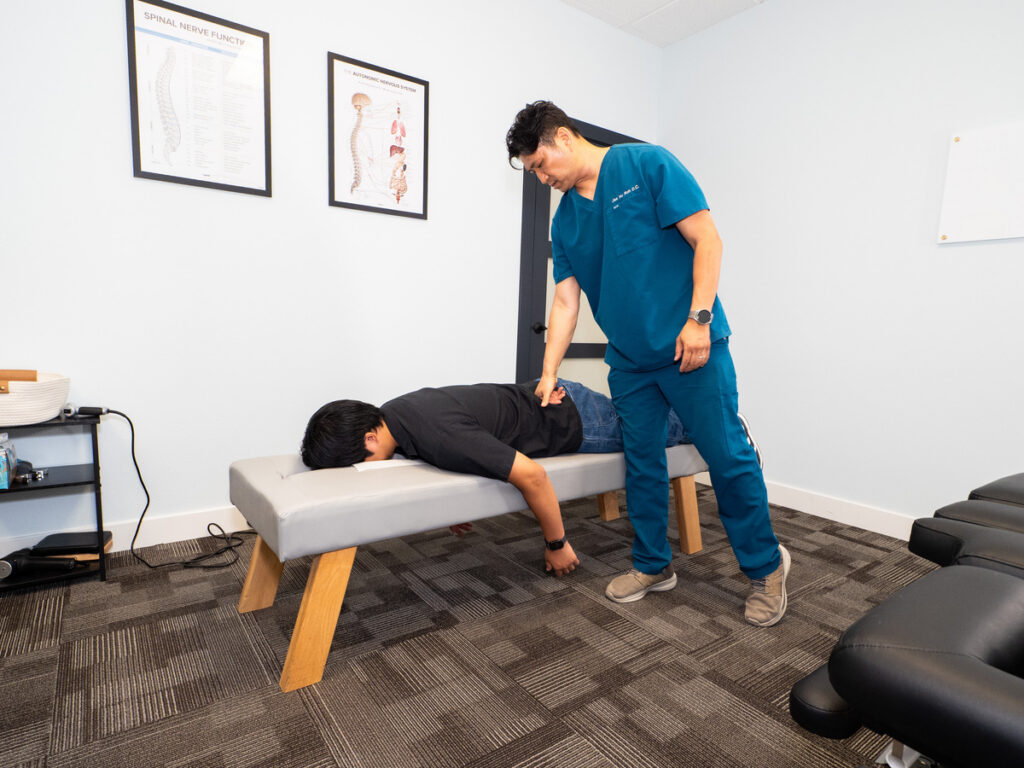

As a local chiropractor, I understand that dealing with muscle strain or back pain can be incredibly disruptive to your daily life. Many people are unaware of the various natural healing methods available, and it’s essential to educate you on the right steps for relief and recovery. From simple home remedies to professional chiropractic care, there are effective strategies that can help you regain your comfort and mobility.
Let’s dive into ten essential tips that can make a significant difference in how you feel. Whether you’re looking for immediate relief or long-term solutions, your journey to wellness begins here. You might be surprised by the benefits of chiropractic care and other natural approaches in managing your pain. Together, we can explore these options and find the best path for your recovery.
Rest and Recovery
As your local chiropractor, I want to emphasize the importance of rest and recovery when it comes to healing muscle strains and alleviating back pain. Your body has an incredible ability to repair itself, but it requires time and care. It’s essential to listen to your body and recognize when it needs a break.
Prioritizing quality sleep is crucial, and it’s equally important to steer clear of activities that might worsen your discomfort.
That doesn’t mean you should remain completely inactive. Gentle movements can be beneficial in maintaining your flexibility while avoiding additional strain on your muscles.
I recommend adjusting your daily activities to include regular rest periods. If you find yourself sitting for extended periods, take the time to stand up and stretch.
Maintaining proper posture is key, particularly when you’re sitting or lifting objects, as this can significantly impact your back health. Additionally, elevating your legs can help alleviate pressure and provide some relief.
Remember, recovery is a journey that shouldn’t be rushed. It’s important to give yourself permission to take the necessary time to heal.
Being patient and allowing your body to recover won’t only facilitate a more effective healing process but also promote long-term relief from pain.
In the world of chiropractic care, rest is an essential element of your path to wellness.
Apply Ice or Heat
As your local chiropractor, I want to share how applying ice or heat can be a transformative approach to alleviating muscle strain and back pain. For those of you who may not be familiar with these methods, let me break it down for you.
Ice therapy is especially beneficial during the first 48 hours following an injury. It works by reducing inflammation and numbing the pain. To use ice effectively, wrap an ice pack in a cloth and apply it to the affected area for 15-20 minutes at a time. Remember to take breaks in between applications to prevent frostbite.
Conversely, if you’re dealing with chronic pain or tight muscles, heat therapy can be incredibly helpful. Heat increases blood flow, which promotes healing and relaxation. You can use a heating pad or enjoy a warm bath, applying heat for 15-30 minutes to help ease discomfort.
It’s essential to listen to your body, as it will guide you in determining which method feels best for your specific situation. In some cases, alternating between ice and heat can provide even more effective relief. Just be sure to avoid placing either substance directly on your skin to prevent any damage.
Incorporating these simple techniques into your self-care routine can significantly enhance your recovery process and complement the chiropractic care I provide. Your well-being is my priority, and understanding these methods is an important step toward achieving optimal health.
Stay Hydrated
As a local chiropractor, I want to emphasize the importance of staying hydrated for your overall health and well-being. Many people may not realize how crucial proper hydration is in relieving muscle strain and alleviating back pain.
When your body is dehydrated, you might experience symptoms such as fatigue and muscle cramps, which can worsen your discomfort and hinder your healing process.
In my practice, I often see patients who are unaware that even mild dehydration can lead to increased tension in the muscles and joints, contributing to pain and stiffness.
To support your chiropractic care and enhance your recovery, I encourage you to make it a daily habit to drink sufficient water. This simple act can significantly improve your body’s function and promote better overall health.
Importance of Water Intake
As a local chiropractor, I want to share with you an often-overlooked aspect of maintaining your overall health and wellness: hydration. Many people don’t realize that staying well-hydrated is crucial for preventing muscle strain and alleviating back pain.
Water plays a key role in keeping your muscles and connective tissues elastic and flexible, which helps you avoid injuries, especially during physical activity.
When you’re dehydrated, your muscles can become tight and tense, increasing the risk of strain and discomfort. Proper hydration is also essential for optimal circulation; it ensures that vital nutrients and oxygen are delivered to your muscles effectively, which supports recovery and overall function.
I encourage you to make it a habit to drink enough water throughout the day, particularly before, during, and after any exercise.
By prioritizing your hydration, you’re not only enhancing your athletic performance but also laying the groundwork for stronger, healthier muscles. This can significantly reduce the likelihood of experiencing pain and discomfort in your back.
Let’s work together towards a healthier lifestyle by recognizing the importance of hydration in your journey to wellness.
Signs of Dehydration
As a chiropractor, I want to help you understand the importance of hydration for your overall health and well-being. Many people may not realize that dehydration can significantly impact your body’s function, including your muscles and joints.
Look for common signs that indicate you might be running low on hydration, such as a dry mouth, fatigue, or dizziness. One clear indicator of dehydration is the color of your urine; if it’s dark yellow instead of a light straw color, your body is signaling that it needs more fluids.
You may also notice headaches or muscle cramps, which can become more pronounced during physical activity. Thirst is your body’s natural cue to hydrate, so don’t ignore it.
Interestingly, if you’re feeling unusually hungry, it mightn’t be hunger at all but rather a sign of dehydration. Staying properly hydrated is crucial for maintaining muscle function and supporting your overall health.
As part of your wellness routine, I encourage you to keep a water bottle with you and take sips throughout the day to help maintain optimal hydration levels. This simple practice can help you feel better and prevent discomfort, ultimately supporting your chiropractic care and natural healing journey.
Gentle Stretching Exercises
As a local chiropractor, I often see how gentle stretching exercises can effectively alleviate muscle strain and back pain for many of my patients.
These stretches play a crucial role in enhancing flexibility, boosting circulation, and easing muscle tension. I recommend starting with simple movements like neck rolls and shoulder shrugs to help loosen tight areas.
One of my favorite stretches to share is the cat-cow stretch, which gently flexes and extends your spine, promoting better mobility and overall spinal health.
While you’re stretching, it’s essential to focus on your breathing. Inhale deeply as you lengthen your muscles, and exhale slowly to release any tightness.
Aim to hold each stretch for 15 to 30 seconds, and be mindful not to push yourself to the point of discomfort. Listening to your body is vital; if something doesn’t feel right, ease off and adjust accordingly.
Incorporating these gentle stretches into your daily routine can provide significant relief and help prevent future discomfort.
Consistency is key, so I encourage you to set aside a few minutes each day for these beneficial exercises. Remember, your body will thank you!
Strengthening Exercises
As a local chiropractor, I want to emphasize the importance of incorporating strengthening exercises into your routine to support your back and prevent future pain. These exercises are designed to target the muscles that stabilize your spine, providing crucial support for your daily activities.
I recommend starting with fundamental movements like bridges and planks. These exercises engage your core and lower back muscles, which are essential for maintaining a healthy spine. Aim to perform these exercises two to three times a week, gradually increasing your intensity as you build strength.
As you progress, you might want to include more advanced exercises like deadlifts and squats. These movements not only enhance your muscle balance but also contribute to your overall strength. Remember, maintaining proper form is vital to avoid any strain or injury.
Consistency is key in your journey towards a healthier back, so it’s important to set realistic goals and track your progress.
If you ever feel unsure about where to begin or how to approach these exercises, I encourage you to consult with a fitness professional or reach out to me for guidance. Together, we can create a tailored program that meets your individual needs and supports your path to natural healing.
Maintain Good Posture
As your local chiropractor, I want to emphasize the importance of maintaining good posture for your overall health. Proper posture plays a crucial role in keeping your spine aligned, which in turn helps reduce strain on your muscles and prevents discomfort.
One effective way to support your body while you work is by creating an ergonomic workspace that encourages natural alignment.
Additionally, incorporating stretching and mobility exercises into your daily routine can significantly enhance your posture. These practices not only promote flexibility but also strengthen the muscles that support your spine.
Together, these elements work harmoniously to help prevent back pain and improve your overall well-being. Remember, taking small steps toward better posture can lead to significant improvements in your health.
If you have any questions or need guidance on how to implement these changes, I’m here to help!
Importance of Alignment
As a local chiropractor, I want to emphasize the crucial role that proper alignment plays in your overall health. Neglecting this aspect of your wellness can lead to discomfort and even injuries down the line. Good posture isn’t just about looking confident; it’s essential for your body’s well-being.
When you sit or stand, aim to align your ears over your shoulders and your shoulders over your hips. This alignment allows for even weight distribution and reduces strain on your muscles and spine.
You mightn’t realize it, but habits like slouching or leaning can create muscle imbalances and contribute to chronic pain.
I encourage you to take regular breaks to stretch and reset your posture throughout the day. By being mindful of your alignment, you not only enhance your immediate comfort but also safeguard your body for the future.
Prioritizing your posture is a simple yet effective way to support your spine and overall health. Trust me, your back will be grateful for it!
Ergonomic Workspace Setup
As a local chiropractor, I understand the importance of an ergonomic workspace in maintaining good posture and preventing back pain. Many of my patients come to me experiencing discomfort that could be alleviated simply by adjusting their work environments.
Here are some essential tips to help you create a more ergonomic setup that supports your body and promotes natural healing:
- Chair Height: It’s crucial to adjust your chair so that your feet rest flat on the floor. This position helps distribute your weight evenly and reduces strain on your lower back.
- Desk Height: Your desk should be set at a height that allows your elbows to remain at a 90-degree angle while typing or using your mouse. This alignment helps prevent tension in your shoulders and neck.
- Monitor Level: Ensure that your computer monitor is at eye level. When your screen is too low or too high, it can lead to neck strain over time, which I often see in my practice.
- Keyboard Position: Keep your keyboard close enough so that your wrists remain straight while typing. This simple adjustment can significantly reduce the risk of developing repetitive strain injuries.
- Foot Support: If your feet don’t comfortably reach the floor, consider using a footrest. This can provide additional support and help maintain proper posture throughout the day.
By incorporating these ergonomic adjustments into your workspace, you can support your body’s natural alignment and alleviate discomfort during your workday.
Stretching and Mobility Exercises
As a chiropractor, I want to help you understand that creating an ergonomic workspace is just the beginning of preventing back pain. To truly enhance your posture and comfort, it’s essential to incorporate stretching and mobility exercises into your daily routine.
Begin with simple stretches like neck rolls and shoulder shrugs to alleviate tension in your muscles. I recommend standing up every hour to perform some gentle back twists and hamstring stretches; these can work wonders for your back health.
Additionally, mobility exercises, such as hip circles and cat-cow stretches, are vital for keeping your spine flexible. These movements not only improve circulation but also reduce stiffness, allowing your body to function more optimally.
Remember, focusing on your breathing while you stretch can promote relaxation, which is crucial for healing.
By consistently practicing these exercises, you’ll not only maintain good posture but also alleviate discomfort, making your daily activities much more manageable and enjoyable.
Embracing these practices can complement the benefits of chiropractic care and lead to a healthier lifestyle overall.
Use Over-the-Counter Pain Relief
If you’re dealing with muscle strain and back pain, I want to share some insights about over-the-counter pain relief options that can complement your journey towards recovery.
These medications can provide quick relief from discomfort and inflammation, enabling you to resume your daily activities more comfortably. Here are a few common options to consider:
- Ibuprofen: This nonsteroidal anti-inflammatory drug (NSAID) is effective for reducing both pain and swelling, making it a popular choice for many individuals.
- Acetaminophen: While it lacks anti-inflammatory properties, this pain reliever is beneficial for managing mild to moderate pain.
- Aspirin: Another NSAID, aspirin is known for its pain-relieving capabilities; however, it may lead to stomach irritation for some.
- Topical analgesics: These creams or gels can be applied directly to the affected area for localized relief, providing comfort without the need for oral medication.
- Combination products: Some medications blend different pain relievers to enhance their effectiveness.
It’s important to adhere to the recommended dosages and, if your pain persists or worsens, don’t hesitate to reach out for professional guidance.
As a chiropractor, I believe in the body’s natural ability to heal, and I encourage you to explore holistic approaches alongside these options for a more comprehensive treatment plan.
Your comfort and well-being are my top priorities!
Consider Professional Massage
If you’re dealing with muscle strain or back pain, chiropractic care might be exactly what you need.
This holistic approach focuses on the body’s natural ability to heal itself and can provide numerous benefits, including pain relief and improved mobility.
It’s crucial to find the right chiropractor and treatment technique to achieve the best results.
Let’s delve into how chiropractic therapy can enhance your well-being and what to consider when selecting a chiropractor for your care.
Benefits of Massage Therapy
As a local chiropractor, I want to share the incredible benefits of massage therapy and how it can complement your journey toward natural healing and wellness. Many people are unaware of the positive impact massage therapy can have, especially when it comes to alleviating muscle strain and back pain.
Here’s what you can expect:
- Enhanced blood circulation: Massage therapy improves blood flow, delivering essential oxygen and nutrients to your muscles, which can significantly speed up your recovery process.
- Reduced muscle tension: Through targeted pressure and manipulation, massage helps release tight muscles, allowing for greater mobility and comfort.
- Improved flexibility: Regular massage can increase your range of motion, which is crucial in preventing future injuries and maintaining an active lifestyle.
- Stress relief: By lowering cortisol levels, massage promotes relaxation, helping you to feel more at ease in your daily life.
- Enhanced mental clarity: The benefits aren’t just physical; massage therapy can elevate your mood and cognitive function, making it easier to tackle everyday tasks.
By incorporating massage therapy into your wellness routine, you may find it to be a transformative approach to managing discomfort and enhancing your overall health.
If you’re interested in learning more about how chiropractic care and massage therapy can work together for your well-being, feel free to reach out!
Choosing the Right Therapist
Choosing the right chiropractor can significantly enhance your experience and the benefits you receive in addressing muscle strain and back pain relief.
Begin by researching local chiropractors who specialize in the specific issues you’re facing. Look for practitioners with relevant qualifications and certifications, as they possess the expertise to provide effective care tailored to your needs.
Don’t hesitate to seek recommendations from friends or healthcare providers; personal experiences can often lead you to the right chiropractor.
When you consult with potential chiropractors, openly discuss your pain and health goals to gauge their understanding and treatment approach. Trust your instincts—feeling comfortable and at ease with your chiropractor is crucial for effective healing.
A skilled chiropractor will customize their techniques to suit your individual condition, ensuring that you receive the best possible care.
Techniques for Effective Relief
When it comes to finding relief from muscle strain and back pain, many patients discover that chiropractic care can be an essential part of their healing journey.
As a chiropractor, I want to emphasize the importance of understanding various techniques that can complement your treatment and enhance your recovery. Here are some methods that can be beneficial during your healing process:
- Deep Tissue Massage: This technique focuses on the deeper layers of muscle and connective tissue, helping to alleviate chronic pain and tension.
- Trigger Point Therapy: This method targets specific tight areas, known as trigger points, which can refer pain to other parts of the body, ultimately relieving discomfort.
- Myofascial Release: This approach addresses the fascia, the connective tissue surrounding your muscles, relieving tension and promoting better mobility.
- Sports Massage: Tailored for individuals with an active lifestyle, sports massage aids in recovery and prepares your muscles for physical activity, reducing the risk of injury.
- Swedish Massage: A gentle yet effective technique, Swedish massage promotes relaxation and improves circulation, helping to ease stress and tension.
Incorporating these techniques into your chiropractic care can significantly enhance your overall recovery experience.
As you explore these options, remember that a holistic approach to healing will often yield the best results for your body.
Explore Physical Therapy
Chiropractic care can be a transformative approach for those experiencing muscle strain and back pain. As a local chiropractor, my goal is to provide you with a holistic treatment plan that addresses your unique needs. During your initial consultation, I’ll evaluate your condition and create a personalized strategy to help alleviate your discomfort.
One of the key aspects of chiropractic care is spinal manipulation, which can enhance mobility, reduce pain, and promote natural healing. Additionally, I may incorporate other techniques, such as soft tissue therapy and targeted exercises, to strengthen your muscles and improve your flexibility.
Education is also a vital part of our approach. I’ll guide you on proper body mechanics and posture to help prevent future injuries.
By embracing chiropractic care as part of your recovery journey, you can experience significant improvements in your mobility and overall well-being.
If you’re dealing with muscle strain or back pain, I encourage you to consider chiropractic care as a natural and proactive path to recovery. Together, we can work towards a healthier lifestyle and empower you with effective strategies for long-term pain management.
Evaluate Your Workstation Setup
As a local chiropractor dedicated to your health and well-being, I want to emphasize the importance of evaluating your workstation setup to prevent muscle strain and alleviate back pain. A well-designed ergonomic workspace can significantly enhance your comfort and overall health.
Begin by assessing your chair and desk height to ensure they’re properly aligned. Your feet should rest flat on the floor, while your knees maintain a 90-degree angle. This simple adjustment can help reduce stress on your spine.
Here are some essential tips to consider:
- Lumbar Support: Adjust your chair’s lumbar support to fit the natural curve of your lower back. This support is crucial for maintaining proper posture and minimizing discomfort.
- Monitor Position: Position your computer monitor at eye level. This adjustment helps reduce neck strain, which is a common issue for those who spend long hours at a desk.
- Keyboard and Mouse Placement: Keep your keyboard and mouse close enough to you so that you don’t have to stretch excessively. This can prevent strain in your shoulders and arms.
- Foot Support: If your feet don’t comfortably reach the ground, consider using a footrest. This can help support your posture and relieve pressure on your lower back.
- Regular Breaks: Remember to take regular breaks to stretch and move around throughout the day. This helps improve circulation and allows your muscles to relax, reducing the risk of tension and discomfort.
By making these adjustments to your workstation, you can promote better spinal health and enhance your overall quality of life.
If you’re experiencing persistent pain or discomfort, don’t hesitate to reach out for a consultation. As a chiropractor, I’m here to help guide you toward natural healing solutions that work for you.