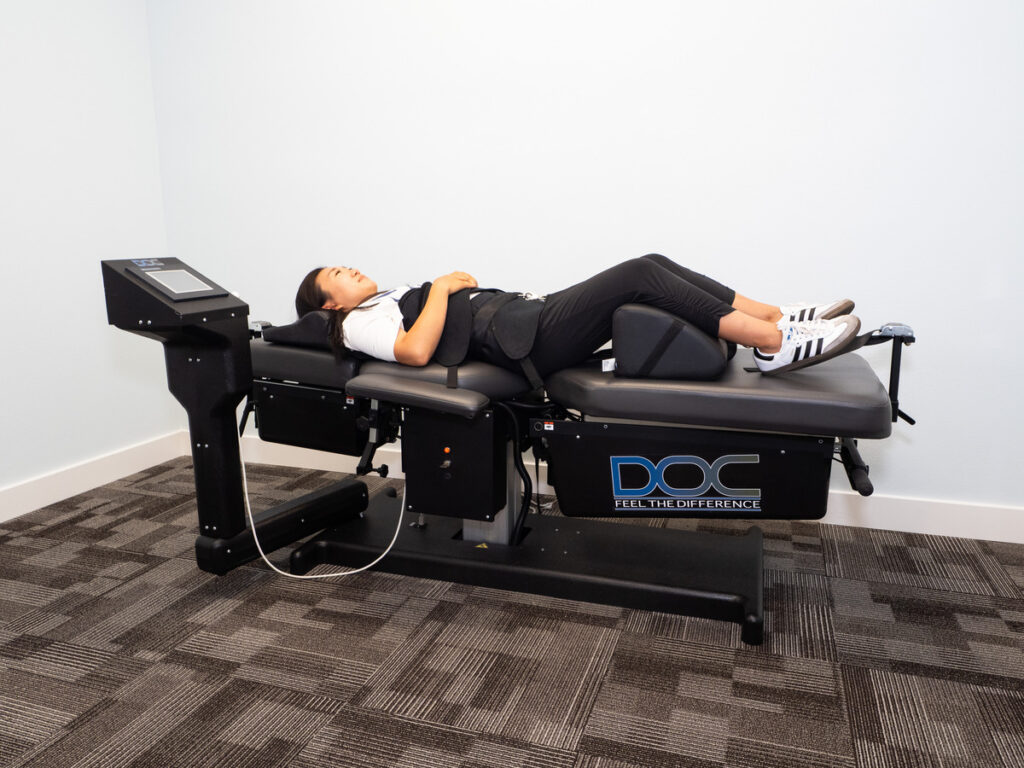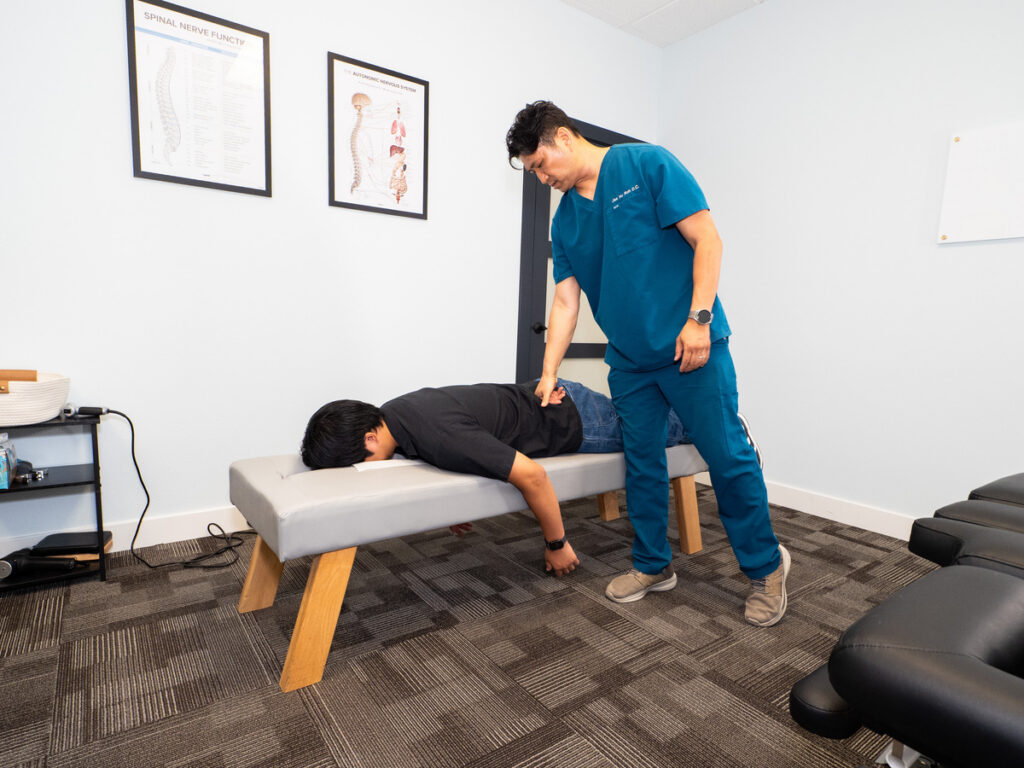

If you experience migraines, you may be curious about how chiropractic care can support your journey to relief. Chiropractic offers a holistic approach that targets your overall health and wellness, providing several effective methods to manage your symptoms naturally. By focusing on spinal alignment and personalized treatment plans, chiropractic care can help you find balance and reduce the frequency and intensity of your migraine episodes.
One of the key ways chiropractic helps is through spinal adjustments, which can alleviate tension and improve nerve function. Proper alignment of the spine is crucial for optimal health, as it supports the nervous system and allows your body to heal naturally. Additionally, chiropractors can educate you on posture and ergonomics, helping you make simple changes in your daily life to reduce strain on your body.
Incorporating lifestyle tips, such as staying hydrated, maintaining a balanced diet, and managing stress through relaxation techniques, can also play a significant role in managing migraines. Regular chiropractic visits can complement these practices, ensuring that your body stays in alignment and functioning at its best.
Curious about how these strategies work together to improve your quality of life? Let’s dive into the best ways chiropractic care can help you manage migraines effectively and naturally. By choosing chiropractic, you’re taking an important step towards achieving optimal health and wellness without the need for medications or invasive procedures. Remember, your body has a remarkable ability to heal itself, and chiropractic care is here to support that journey.
Key Takeaways
Chiropractic care is a powerful option for managing migraines and achieving optimal health. Here are the top ways chiropractic can help you:
- Improved Spinal Alignment: Regular chiropractic adjustments help align your spine, which enhances the function of your nervous system. This can lead to fewer migraines and less severe symptoms, allowing you to enjoy life more fully.
- Relief from Muscle Tension: Tightness in your neck and shoulders can contribute significantly to migraine discomfort. Chiropractic adjustments help relieve this muscle tension, offering you much-needed relief from pain.
- Better Blood Circulation: Chiropractic care boosts blood flow, which is essential for delivering oxygen and nutrients to your muscles. This improved circulation can help alleviate migraine symptoms and promote overall wellness.
- Holistic Stress Relief: Incorporating stress relief techniques, like mindfulness practices and deep breathing exercises, complements your chiropractic treatment. These practices can help reduce migraine triggers, allowing for a more comprehensive approach to managing your health.
- Tailored Treatment Plans: Every individual is unique, and so are their migraine triggers. A chiropractor will create personalized treatment plans that focus on your specific needs. This ensures that you receive targeted care, making it easier to identify and manage your triggers effectively.
- Educational Support: As your chiropractor, I aim to empower you with knowledge about your spine and nervous system. Understanding how these systems work can help you make informed choices that support your health.
- Lifestyle Modifications: Simple changes in your daily routine, like maintaining good posture, staying hydrated, and getting regular exercise, can complement your chiropractic care and further reduce the frequency of migraines.
By choosing chiropractic care, you’re not only opting for effective pain relief but also paving the way for a healthier, more vibrant life. Remember, your well-being is a journey, and chiropractic is here to support you every step of the way!
Improved Spinal Alignment
When you choose chiropractic care, one of the standout benefits you can enjoy is improved spinal alignment. Your spine is crucial for the healthy functioning of your nervous system, and any misalignments can lead to a variety of health issues, including headaches and migraines.
By providing gentle, targeted adjustments, a chiropractor can help realign your vertebrae, restoring proper alignment and enhancing your overall well-being.
As your spine begins to align correctly, nerve function improves, which allows your body to communicate more effectively. This improved communication can significantly reduce the frequency and intensity of migraines. You may also notice a boost in your overall posture, which can alleviate tension that often triggers headaches.
Investing in regular chiropractic sessions not only helps with migraines but also lays the groundwork for long-term health and wellness. You’ll feel the positive impact not just on your headaches but on your overall vitality. Improved spinal alignment is a powerful step toward achieving a more balanced and pain-free life.
Here are a few tips you can incorporate into your daily routine to support your spinal health:
- Maintain Good Posture: Whether sitting at a desk or standing, make a conscious effort to keep your spine straight and avoid slouching.
- Stay Active: Regular physical activity can strengthen the muscles that support your spine. Simple exercises like walking, stretching, or yoga can make a big difference.
- Mind Your Ergonomics: If you spend long hours at a desk, ensure that your workspace is set up ergonomically. This means having your computer screen at eye level and your chair providing good support.
- Practice Stress-Relief Techniques: Stress can contribute to tension in your body, leading to headaches. Consider incorporating relaxation techniques like deep breathing, meditation, or even a warm bath into your routine.
- Stay Hydrated: Drinking enough water throughout the day can help maintain your overall health and support your body’s natural healing processes.
Reduced Muscle Tension
When you experience migraines, the tightness in your neck muscles can significantly contribute to your discomfort.
As a local chiropractor, I want to highlight how chiropractic care can be your best ally in addressing this issue. By focusing on reducing muscle tension through gentle adjustments and spinal alignment, we can enhance blood flow and promote overall wellness.
Chiropractic care not only helps to alleviate pain but also encourages your body to heal naturally. By relieving tension in your neck, you may find that your migraines become less frequent and less severe.
It’s a holistic approach that prioritizes your health without the need for medications or invasive procedures.
Here are some simple tips you can practice at home to help reduce muscle tension:
- Stretch Regularly: Gentle neck stretches can help ease tightness. Try tilting your head from side to side and forward and backward to maintain flexibility.
- Stay Hydrated: Dehydration can contribute to muscle tension. Make sure you drink plenty of water throughout the day.
- Practice Good Posture: Whether you’re at your desk or on your phone, maintaining proper posture can help reduce strain on your neck muscles.
- Take Breaks: If you’re sitting for long periods, take regular breaks to stand, stretch, and move around.
- Apply Heat or Cold: A warm compress can relax tight muscles, while a cold pack can reduce inflammation.
By incorporating these practices and seeking regular chiropractic care, you can take significant strides toward alleviating migraines caused by muscle tension.
Alleviating Neck Tightness
Migraines can be incredibly challenging to deal with, but one effective way to find relief is by addressing neck tightness. When we alleviate that tension in the neck, we often see a reduction in the intensity and frequency of migraines.
As a local chiropractor, I want to share some natural and effective strategies that focus on spinal health and overall wellness:
- Chiropractic Adjustments: By using gentle, precise adjustments, chiropractors can help realign your spine and relieve pressure in the neck area. This not only helps with neck tightness but can also improve overall function and comfort.
- Neck Stretches: Incorporating regular neck stretches into your routine can significantly enhance flexibility and ease tightness. Simple stretches like gentle tilts and rotations can be done daily to keep your neck feeling loose.
- Heat Therapy: Applying heat to your neck is a wonderful way to promote relaxation. A warm towel or a heating pad can soothe tight muscles and help you unwind.
- Posture Awareness: Maintaining good posture throughout your day, whether sitting at a desk or standing, is crucial. Good posture helps prevent neck tightness from developing in the first place. Remember to keep your shoulders back and your head aligned with your spine.
By embracing these strategies and incorporating chiropractic care into your wellness routine, you can achieve a noticeable improvement in how you feel.
Improving Blood Flow
Improving blood flow is crucial for reducing muscle tension and easing migraine symptoms. When your blood circulation is functioning well, your muscles receive the oxygen and nutrients they need to perform at their best. One of the most effective ways to enhance this circulation is through chiropractic adjustments. These gentle manipulations help to relieve misalignments and tension in your body, clearing the way for blood to flow freely.
As your blood flows more smoothly, you can experience reduced discomfort and a quicker recovery from daily stresses. With less muscle tension, you may also notice a decrease in the frequency of migraine triggers.
Regular chiropractic care isn’t just about addressing pain; it’s about promoting overall wellness and ensuring that your body is functioning optimally.
Incorporating some simple practices into your daily routine can also support healthy blood flow. Staying hydrated, engaging in regular physical activity, and incorporating stretching exercises can all help improve circulation. Make sure to take breaks during long periods of sitting and consider deep breathing exercises to encourage oxygen flow.
Enhancing Spinal Alignment
Enhancing Spinal Alignment for Optimal Health
As a chiropractor, I understand how vital proper spinal alignment is for your overall well-being. A well-aligned spine can significantly reduce muscle tension, which is often a key factor in alleviating migraine symptoms. When your spine is in its correct position, it relieves pressure on nerves and muscles, resulting in fewer tension headaches and migraines.
Here are some effective ways chiropractic care can enhance your spinal alignment and promote natural healing:
- Gentle Adjustments: Regular chiropractic adjustments can help realign your vertebrae, which reduces muscle strain and promotes relaxation. This gentle technique is designed to restore balance to your spine, allowing your body to heal naturally.
- Targeted Stretching Exercises: Your chiropractor can recommend specific stretching exercises tailored to your needs. These stretches help loosen tight muscles, improve flexibility, and support spinal health, making it easier for you to maintain an aligned posture.
- Posture Awareness: One of the simplest yet most effective ways to support spinal alignment is by improving your posture. Whether sitting at a desk or standing, being mindful of your posture can significantly reduce strain on your spine, leading to better alignment and less discomfort.
- Ergonomic Tips: Implementing ergonomic practices in your daily life—such as using a supportive chair at work or adjusting your computer screen to eye level—can greatly benefit your spinal health. These small changes can help maintain proper alignment and prevent unnecessary strain on your back.
By focusing on these chiropractic techniques and lifestyle adjustments, you can take proactive steps toward achieving optimal health and reducing pain naturally.
Enhanced Nervous System Function
When it comes to managing migraines, enhancing the function of your nervous system is crucial for finding relief and improving your overall well-being. As a chiropractor, I can help optimize your nervous system through chiropractic adjustments, which promote clear communication between your brain and body.
When your spine is misaligned, it can disrupt this communication, leading to heightened sensitivity and increased pain during migraine episodes. By gently realigning your spine, chiropractic care can restore proper nerve function, allowing your body to respond more effectively to the stressors that may trigger migraines.
Improved nervous system function also helps your body manage pain and inflammation, both of which are significant contributors to migraine attacks. Incorporating chiropractic care into your migraine management plan can lead to fewer episodes, less intense pain, and faster recovery times.
Here are a few tips to complement your chiropractic care and support your journey towards natural wellness:
- Stay Hydrated: Dehydration can trigger migraines, so make sure to drink plenty of water throughout the day.
- Maintain Good Posture: Poor posture can contribute to spinal misalignments. Be mindful of your posture, especially when sitting for long periods.
- Manage Stress: Stress is a common migraine trigger. Consider incorporating relaxation techniques like deep breathing, yoga, or meditation into your routine.
- Regular Exercise: Gentle, regular exercise can help improve blood flow and reduce tension, making it easier for your body to handle potential triggers.
- Healthy Diet: Pay attention to your diet and identify any food triggers. Eating balanced meals can support your overall health and help reduce migraine frequency.
By taking these steps alongside regular chiropractic visits, you’ll be better equipped to face the challenges that migraines bring.
With enhanced nervous system function, you can enjoy a more balanced and fulfilling lifestyle, free from the constraints of pain. Remember, chiropractic care is a natural and effective way to achieve optimal health and wellness.
Increased Blood Flow
Increased blood flow is a crucial factor in easing migraine symptoms, and chiropractic care can significantly enhance your circulation. When you visit a chiropractor, you’re not just getting relief; you’re improving the flow of oxygen and nutrients to your brain, which helps reduce inflammation and pain associated with migraines.
Here’s how chiropractic adjustments can support your health and well-being:
- Reduced Inflammation: By improving circulation, chiropractic care can help decrease inflammation in the head and neck area, leading to much-needed relief from migraine discomfort.
- Nutrient Delivery: Enhanced blood flow ensures that your brain receives the essential nutrients it requires for optimal function, which is key to maintaining overall health and reducing migraine occurrences.
- Pain Reduction: Better circulation can relieve tension and pain, making your migraines more manageable and less intense.
- Faster Recovery: With improved blood flow, your body can heal more quickly after a migraine episode, allowing you to get back to your daily activities sooner.
In addition to chiropractic adjustments, consider these simple tips to support your blood flow and overall well-being:
- Stay Hydrated: Drink plenty of water throughout the day to help maintain good circulation.
- Regular Exercise: Engage in gentle physical activities, such as walking or stretching, to promote blood flow.
- Manage Stress: Incorporate relaxation techniques, such as deep breathing or meditation, to help reduce tension and improve circulation.
- Maintain Good Posture: Keeping your spine aligned can support healthy blood flow and reduce the likelihood of migraines.
Stress Relief Techniques
When managing migraines, incorporating stress relief techniques can significantly enhance your overall wellness and support your chiropractic care. Techniques like breathing exercises can help calm your mind and body, promoting relaxation and reducing the tension that often accompanies migraines.
Mindfulness meditation is another excellent practice that encourages you to stay present, which can help alleviate stress and tension.
In addition to these practices, regular chiropractic adjustments can be a powerful tool in managing migraines. Chiropractic care focuses on aligning the spine and improving overall nervous system function, which can lead to a reduction in migraine frequency and intensity.
For those looking to take charge of their health, consider integrating these stress relief techniques into your routine alongside regular chiropractic visits.
This holistic approach not only addresses migraine symptoms but also promotes long-term wellness and a healthier lifestyle.
Breathing Exercises
Migraines can be caused by various factors, but one effective way to manage them is by incorporating breathing exercises into your daily routine.
These techniques not only help alleviate stress and tension—which can often trigger migraines—but also promote relaxation and overall well-being. As a chiropractor, I believe in the power of natural healing and healthy living, and I encourage my patients to try these four simple breathing exercises that can complement chiropractic care for optimal health:
- Diaphragmatic Breathing: This technique involves inhaling deeply through your nose, allowing your diaphragm to expand fully. As you exhale slowly through your mouth, imagine releasing all the tension in your body. This deep breathing can help relax your muscles and calm your mind.
- 4-7-8 Breathing: Start by inhaling through your nose for 4 seconds, holding your breath for 7 seconds, and then exhaling slowly through your mouth for 8 seconds. This rhythmic pattern can help reduce stress and promote relaxation. Repeat this several times for maximum benefit.
- Box Breathing: This exercise features a simple pattern. Inhale for 4 seconds, hold your breath for 4 seconds, exhale for 4 seconds, and then hold again for another 4 seconds. This structured breathing can help ground you and enhance focus, which may be particularly helpful when dealing with migraine symptoms.
- Alternate Nostril Breathing: For this calming technique, close one nostril with your finger and inhale deeply through the other nostril. Then, switch sides and exhale through the opposite nostril. This practice is believed to balance your body’s energy and promote a sense of tranquility.
Incorporating these breathing exercises into your daily routine can be a powerful tool for managing migraines and enhancing your overall wellness.
Remember, chiropractic care is dedicated to supporting your journey to optimal health through natural methods. By combining these breathing techniques with regular chiropractic adjustments, you can take significant strides toward a healthier, pain-free life.
Start today, and feel the difference!
Mindfulness Meditation
Mindfulness meditation can be a valuable tool for managing stress and enhancing your overall well-being, especially for those experiencing migraines. By centering your thoughts on the present moment, you can help your body release tension and anxiety, which are often linked to headaches.
As a chiropractor, I encourage you to create a peaceful environment where you can take a moment for yourself. Start by finding a quiet space, closing your eyes, and taking deep, calming breaths. Pay attention to your thoughts without judgment, as this practice can help you identify what triggers your stress and headaches.
Incorporating mindfulness into your daily routine, even for just a few minutes at a time, can significantly enhance your relaxation and may contribute to reducing the intensity and frequency of migraines.
Remember, maintaining proper spinal alignment through chiropractic care is crucial for overall health and can further support your journey to wellness.
In addition to mindfulness, consider these general tips for better health: ensure you’re staying hydrated, maintaining a balanced diet, and practicing good posture.
These simple steps can complement your chiropractic care and promote a healthier lifestyle. Embrace the power of mindfulness and chiropractic care together for a natural approach to achieving optimal health!
Personalized Treatment Plans
Personalized treatment plans for migraines are crucial because everyone experiences different triggers and symptoms. As your local chiropractor, I understand that finding the right approach is key to achieving optimal health and wellness.
When you visit my office, I’ll assess your unique situation and create a customized plan tailored to your needs. By focusing on your specific pain patterns and triggers, we can work together to find effective, natural relief.
Here are four essential components of a personalized treatment plan for migraines:
- Comprehensive Assessment: During your visit, I’ll conduct a thorough evaluation of your medical history, lifestyle, and migraine patterns. This information is vital to understanding what contributes to your pain.
- Targeted Adjustments: I’ll perform specific spinal adjustments designed to correct misalignments that may be contributing to your migraines. By aligning your spine, we aim to relieve pressure and improve your overall function.
- Therapeutic Techniques: I may incorporate various therapeutic techniques, such as soft tissue therapy or gentle stretches. These methods help alleviate tension in your muscles, reducing the frequency and intensity of your migraines.
- Regular Monitoring: Your progress will be closely monitored to ensure that our treatment remains effective. If needed, we’ll adjust your plan to better suit your evolving needs.
In addition to these components, here are some general tips you can incorporate into your daily routine to help manage migraines naturally:
- Stay Hydrated: Dehydration can trigger migraines, so make sure you drink plenty of water throughout the day.
- Maintain a Regular Sleep Schedule: Consistent sleep patterns can significantly reduce migraine occurrences.
- Identify Triggers: Keep a migraine diary to help pinpoint specific triggers, such as certain foods, stress, or environmental factors.
- Practice Relaxation Techniques: Activities like yoga, meditation, or deep breathing can help reduce stress levels, which may contribute to migraines.
With a personalized approach to chiropractic care, you can tackle migraines more effectively and enhance your overall well-being naturally.
Let’s work together to find the best path to relief and optimal health!
Education on Lifestyle Modifications
To effectively manage migraines and enhance your overall well-being, it’s vital to consider specific lifestyle modifications that complement chiropractic care. One of the first steps is to identify your migraine triggers, which can include certain foods, stress, or lack of sleep. Keeping a migraine diary is a great way to track these triggers and recognize patterns, allowing you to avoid them in the future.
In addition to chiropractic adjustments, regular exercise plays a significant role in reducing the frequency and severity of migraines. Aim for 30 minutes of moderate activity most days of the week. Incorporating relaxation techniques such as yoga or meditation can further support your journey to wellness, helping to ease tension and promote relaxation.
Staying well-hydrated is essential for overall health as well as migraine management. Make it a habit to drink plenty of water throughout the day. Alongside hydration, maintaining a consistent sleep schedule can help regulate your body’s internal clock, which may reduce the likelihood of migraines.
Another important aspect to consider is your posture, especially if you spend long hours at a desk. Poor posture can lead to tension in your neck and shoulders, increasing the risk of tension-related migraines. Implementing proper ergonomic practices in your workspace and seeking chiropractic care can alleviate this tension and promote better spinal health.
By making these lifestyle changes and prioritizing chiropractic care, you can take significant steps towards achieving optimal health and reducing the impact of migraines on your life.
Conclusion
Incorporating chiropractic care into your migraine management can truly enhance your overall well-being. By focusing on achieving optimal spinal alignment, reducing muscle tension, and improving nervous system function, you can significantly alleviate migraine symptoms. Chiropractic adjustments help ensure that your spine is in alignment, which can relieve pressure on nerves and reduce the frequency and intensity of your migraines.
Personalized treatment plans are vital in chiropractic care. During your visits, we will work together to identify the specific triggers of your migraines and develop a customized approach to help you manage them effectively. Alongside adjustments, we can discuss lifestyle modifications such as posture improvement, ergonomic changes at your workspace, and exercises to strengthen your neck and back.
Don’t underestimate the importance of stress relief techniques, such as deep breathing exercises and relaxation practices. These methods not only help reduce tension but also contribute to fewer migraine episodes. Education on your body and how it functions plays a crucial role in taking control of your health journey.
Remember, the path to relief starts with understanding your body and making informed choices. Embrace the natural healing power of chiropractic care and take the first step towards a healthier, pain-free life. Let’s work together to help you achieve optimal health and a better quality of life.