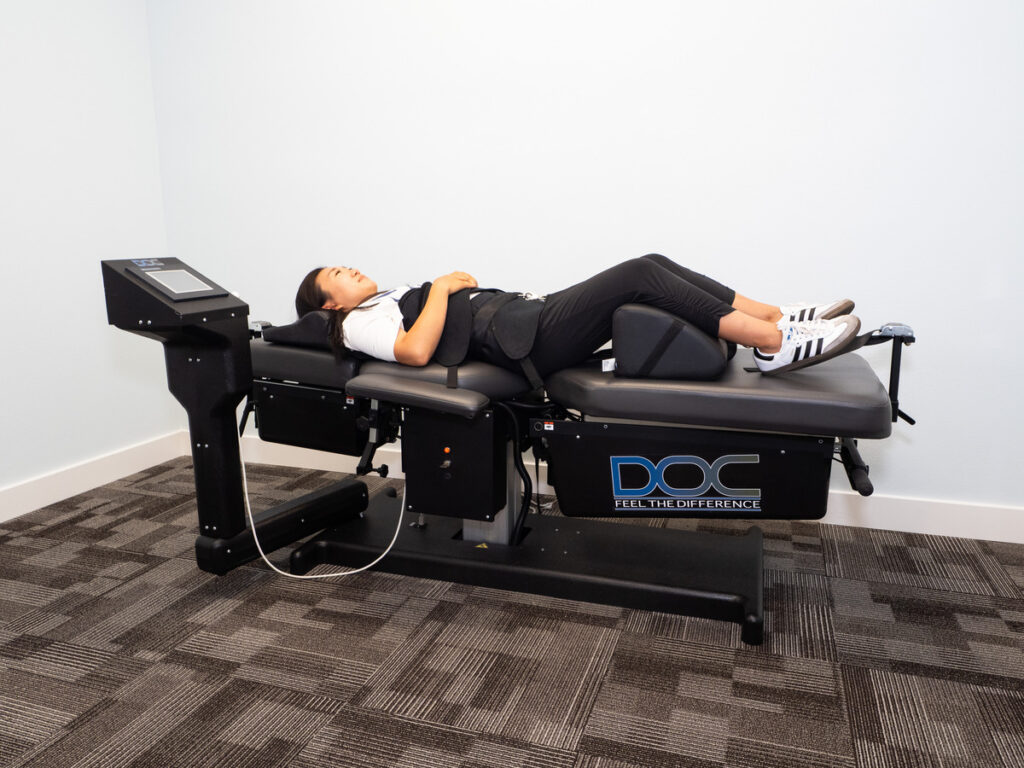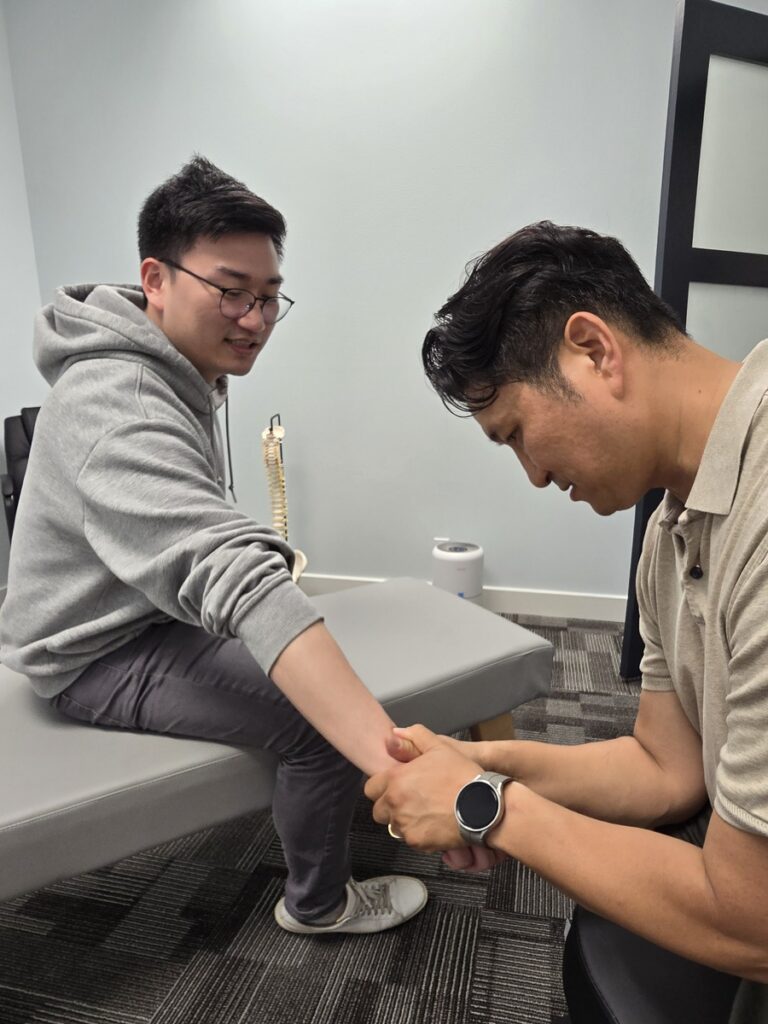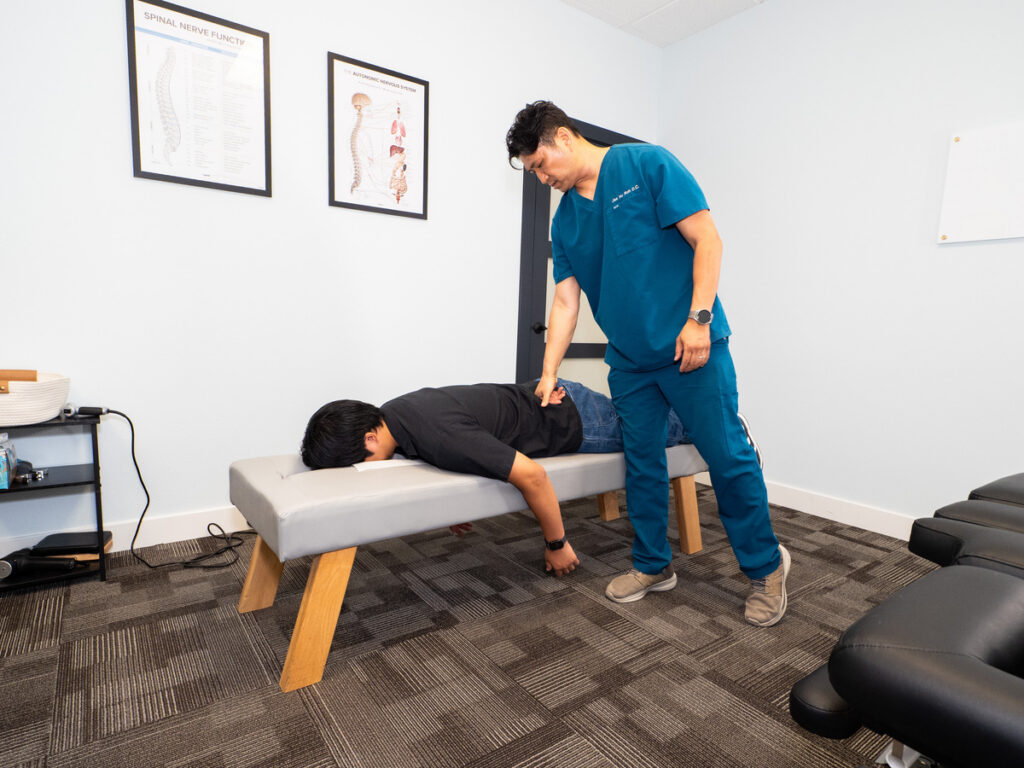

You might wonder if spinal care can genuinely enhance your flexibility. Many people overlook the connection between spinal health and overall mobility, but the truth is that proper spinal alignment plays an essential role in how freely you move. Techniques like chiropractic adjustments and targeted physical therapy can promote better joint function and reduce muscle tension. However, the benefits don't stop there; there's also a wealth of expert insights and personal experiences that could shed light on this topic. What you discover next might change how you think about your own flexibility.
Understanding Spinal Health
Understanding spinal health is essential for maintaining overall well-being. Your spine plays a vital role in supporting your body, protecting your nervous system, and enabling mobility. When you prioritize spinal health, you're not just ensuring comfort; you're investing in your body's functionality.
To keep your spine healthy, focus on proper posture. Whether you're sitting at your desk or standing in line, maintaining a neutral spine position can reduce strain on your back and neck. It's easy to slouch or hunch over, but correcting your posture can alleviate discomfort and prevent long-term issues.
In addition to posture, regular physical activity strengthens the muscles that support your spine. Engaging in exercises that target your core, back, and hips helps stabilize your spine, making it more resilient to injury. Remember, it's not just about heavy lifting; even low-impact activities, like walking or swimming, can contribute considerably to spinal health.
Don't overlook the importance of ergonomic arrangements in your workspace and home. Adjusting your chair height, using supportive cushions, and positioning your computer screen at eye level can make a considerable difference in how your spine feels throughout the day.
Lastly, listen to your body. If you experience pain or discomfort, don't ignore it. Seek professional advice if necessary, as early intervention can prevent more severe problems down the line.
The Role of Flexibility
Flexibility plays an important role in maintaining spinal health and overall mobility. When your muscles and joints are flexible, they can adapt better to daily activities and physical demands. This adaptability not only enhances your performance but also reduces the risk of injury.
Here's why flexibility matters:
- Improved Range of Motion: Flexible muscles and joints allow for a greater range of motion. This means you can bend, twist, and move more freely, which is critical for activities like exercising, lifting, or even just sitting comfortably.
- Pain Reduction: Tight muscles can lead to discomfort and pain, particularly in the back and neck. By improving flexibility, you can alleviate tension and reduce the chances of chronic pain developing over time.
- Enhanced Posture: Flexibility is essential for maintaining good posture. When your muscles are flexible, they can support your spine better, helping you to sit and stand with proper alignment, which is crucial for spinal health.
Incorporating flexibility exercises into your routine, such as stretching or yoga, can have profound benefits for your spine and overall well-being.
Not only will you feel better physically, but you'll also notice improvements in your daily activities.
Connection Between Spine and Movement
Your spine's alignment plays a vital role in how freely you move.
When your spine is properly aligned, it enhances your flexibility and supports core stability, which is essential for efficient movement.
Understanding this connection can help you improve both your spinal health and overall mobility.
Spine Alignment and Flexibility
Spine alignment plays an essential role in overall movement and flexibility, influencing how effectively your body can perform daily activities.
When your spine is properly aligned, it helps distribute weight evenly, reduces strain on muscles, and allows for a greater range of motion. This alignment can greatly impact your flexibility in several ways:
- Muscle Efficiency: Proper alignment minimizes muscle imbalances, allowing your muscles to work more efficiently during movements. This efficiency can enhance your flexibility over time.
- Joint Mobility: A well-aligned spine promotes ideal joint function. When your spine is in alignment, your joints can move freely, which is vital for maintaining flexibility in your limbs.
- Nervous System Function: An aligned spine supports better communication between your brain and body. This improved communication can lead to more coordinated movements, further enhancing your overall flexibility.
Impact of Core Stability
Enhancing core stability is essential for connecting spine alignment with effective movement. Your core acts as the foundation for your entire body, providing the support necessary for your spine to function properly.
When your core muscles are strong and stable, they help maintain proper posture and alignment, allowing for a greater range of motion in your movements.
Without adequate core stability, your spine can become misaligned, which may lead to compensatory patterns that restrict your flexibility.
Think about how you bend, twist, or lift—every movement starts from that core connection. If it's weak, you'll struggle to engage your muscles effectively, increasing the risk of injury and limiting your flexibility.
Benefits of Chiropractic Care
Chiropractic care offers significant benefits that can enhance your overall well-being.
You'll likely experience an improved range of motion and reduced muscle tension after just a few sessions.
These changes can make daily activities feel easier and more enjoyable.
Enhanced Range of Motion
When you prioritize your flexibility, you're likely to notice a noticeable improvement in your overall well-being. Enhanced range of motion is one of the key benefits of chiropractic care that can greatly impact your daily life.
By receiving regular adjustments, you can guarantee that your spine and joints are functioning at their best, allowing for smoother movements and less discomfort.
Here are three ways chiropractic care enhances your range of motion:
- Improved Joint Alignment: Chiropractic adjustments help realign your spine and joints, reducing restrictions that limit your movement. This promotes a greater range of motion in your body.
- Increased Mobility: By addressing misalignments and imbalances, chiropractic care encourages better flexibility in your muscles and joints, making it easier for you to perform daily activities and physical exercises.
- Support for Injury Recovery: If you've experienced an injury, chiropractic care can facilitate faster recovery by restoring normal movement patterns. This allows you to regain flexibility and strength more quickly.
Incorporating chiropractic care into your routine can lead to lasting improvements in your range of motion, making you feel more agile and active in your everyday life.
Reduced Muscle Tension
Muscle tension can greatly impact your comfort and mobility, but regular chiropractic care can help alleviate this issue. When your muscles are tight, they can restrict movement and lead to discomfort. Chiropractors focus on aligning your spine and relieving pressure on nerves, which can considerably reduce muscle tension throughout your body.
By receiving adjustments, you'll notice that your muscles can relax more effectively. This relaxation not only enhances your overall comfort but also improves your flexibility. With reduced muscle tension, you'll find it easier to perform daily activities or engage in your favorite sports. You may even discover that stretching becomes more effective, allowing you to reach new levels of flexibility.
Moreover, chiropractors often incorporate techniques such as massage and stretching into your treatment plan, further promoting muscle relaxation. These holistic approaches can break up knots and improve blood flow, which aids in muscle recovery and reduces soreness.
In essence, regular chiropractic care can lead to a notable decrease in muscle tension, making it easier for you to move freely and comfortably.
Physical Therapy Techniques
Physical therapy techniques play an essential role in enhancing spinal care and overall flexibility. When you engage in these techniques, you not only address existing issues but also prevent future complications.
Here are three effective physical therapy techniques you might consider incorporating into your routine:
- Manual Therapy: This hands-on technique involves a therapist manipulating your spine and surrounding muscles to improve mobility and reduce pain. It's particularly useful for breaking down muscle tension and enhancing blood flow.
- Strengthening Exercises: Building core strength is vital for spinal support. Your therapist can guide you through targeted exercises that strengthen your back, abdominal, and pelvic muscles. This increased strength helps stabilize your spine, allowing for greater flexibility.
- Neuromuscular Re-education: This technique focuses on retraining your body's movement patterns. By working on coordination and balance, you'll improve your overall function, which can lead to enhanced flexibility. This approach often includes exercises that emphasize body awareness and posture correction.
Incorporating these physical therapy techniques into your spinal care routine can greatly enhance your flexibility. Not only do they address immediate concerns, but they also lay a solid foundation for long-term spinal health.
Stretching and Spinal Alignment
Effective spinal care also involves proper stretching techniques that promote spinal alignment. When you stretch, you're not just working on your flexibility; you're also addressing the alignment of your spine, which plays a vital role in overall body mechanics. By incorporating specific stretches into your routine, you can enhance spinal alignment and, as a result, improve your overall flexibility.
Start with gentle stretches that target the muscles surrounding your spine. For instance, the cat-cow stretch helps mobilize your spine while simultaneously stretching your back and neck. This movement encourages proper alignment and can relieve tension.
Similarly, the child's pose is excellent for elongating the spine and calming your nervous system, setting a foundation for better spinal health.
It's essential to pay attention to your body while stretching. If you feel any pain or discomfort, ease off the stretch. You want to feel a gentle pull, not a sharp pain.
Consistency is key; make stretching a regular part of your routine to see long-term benefits for your spinal alignment.
In addition to these stretches, consider incorporating dynamic movements like yoga or Pilates. These practices not only promote flexibility but also emphasize proper spinal alignment throughout various positions.
Expert Insights on Spinal Care
Three key principles guide expert insights on spinal care: awareness, prevention, and education. Understanding these principles can notably enhance your flexibility and overall well-being.
1. Awareness: It's important to be aware of your body mechanics. Pay attention to your posture, especially during daily activities. Poor posture can lead to spinal misalignment, which restricts flexibility.
Regularly check in with your body to confirm you're maintaining a neutral spine.
2. Prevention: Taking proactive steps to prevent spinal issues is vital. Incorporate stretches and strengthening exercises into your routine.
Focus on core stability, as a strong core supports your spine and helps maintain proper alignment. Also, avoid prolonged sitting and take breaks to move around, which can help reduce stiffness.
3. Education: Equip yourself with knowledge about spinal health. Consult with healthcare professionals or attend workshops to learn about proper lifting techniques and ergonomic practices.
Understanding how your spine functions and the factors that affect it can empower you to make better choices for your health.
Common Myths Debunked
Misunderstandings about spinal care can lead to unnecessary pain and discomfort. One common myth is that spinal adjustments are only for people with back pain. In reality, anyone can benefit from spinal care, regardless of whether they experience pain. Regular adjustments can help maintain spinal health and improve overall function.
Another misconception is that spinal care is a one-time fix. Many people believe that after a few visits, they're done. However, spinal health is an ongoing process. Just like regular dental check-ups, consistent care helps keep your spine aligned and functioning effectively.
You might also think that spinal care is dangerous or that it can cause harm. In truth, when performed by a qualified professional, spinal adjustments are safe. Research supports their effectiveness in improving mobility and reducing discomfort.
Some may believe that stretching alone can replace spinal care. While stretching is essential for flexibility, it doesn't address spinal alignment or nerve function. Spinal care complements your stretching routine, enhancing the overall benefits.
Lastly, there's a notion that spinal care is only for athletes. Many individuals, regardless of their activity level, can benefit. Whether you're sedentary or active, spinal care can help you maintain flexibility and prevent injuries.
Personal Experiences and Case Studies
When you hear about spinal care, personal stories often reveal its transformative potential. Many individuals, just like you, have experienced significant improvements in flexibility after focusing on their spinal health. These anecdotes highlight the importance of a well-aligned spine in enhancing overall mobility and comfort.
Consider these three compelling case studies:
- Athlete's Recovery: A competitive runner struggled with tight hamstrings and lower back pain. After a series of spinal adjustments and targeted exercises, they reported improved range of motion and a noticeable decrease in discomfort while training. This newfound flexibility contributed to better performance during races.
- Desk Worker's Transformation: A software engineer spent long hours hunched over a computer, leading to stiffness and limited flexibility. By incorporating spinal care through chiropractic sessions and ergonomic adjustments, they found relief from chronic tension. As a result, they could easily perform simple tasks, like bending down to pick up objects, without discomfort.
- Yoga Enthusiast's Journey: A dedicated yoga practitioner faced challenges in achieving certain poses due to spinal misalignment. After committing to a spinal care regimen, they discovered a new depth in their practice. Their flexibility improved dramatically, allowing them to explore advanced postures they once thought impossible.
These personal experiences illustrate that spinal care isn't just about pain relief; it's about releasing your body's full potential. The journey may vary for everyone, but the benefits can be life-changing.
Tips for Maintaining Spinal Health
Maintaining spinal health is fundamental for everyone, and there are simple strategies you can adopt to support your spine's well-being.
First, focus on your posture. Whether you're sitting at a desk or standing, keeping your spine aligned can prevent unnecessary strain. Use ergonomic furniture and take breaks to stretch every hour.
Next, stay active. Regular exercise strengthens the muscles around your spine, enhancing support and flexibility. Activities like swimming, yoga, or Pilates are particularly beneficial for spinal health. They encourage movement and improve core strength, which is essential for maintaining proper posture.
Don't forget about your weight. Excess body weight puts additional pressure on your spine. Eating a balanced diet rich in fruits, vegetables, and lean proteins can help you maintain a healthy weight. Staying hydrated is also important; it supports the discs in your spine, keeping them well-nourished and functioning properly.
Consider incorporating mindfulness practices into your routine. Stress can lead to muscle tension, which negatively affects spinal health. Techniques like meditation, deep breathing, or even simple relaxation exercises can help reduce stress and promote overall well-being.
Lastly, make regular visits to a healthcare professional, like a chiropractor or physical therapist. They can provide personalized advice and treatment to help keep your spine in top shape.
Conclusion
In summary, prioritizing spinal care can truly enhance your flexibility and overall well-being. By maintaining proper alignment and reducing muscle tension, you'll notice improved movement and reduced pain. With the right chiropractic adjustments, physical therapy, and regular stretching, you can access your body's full potential. Embrace these practices, and you'll not only support your spine but also enjoy better posture and a more active lifestyle. Start focusing on your spinal health today for a more flexible tomorrow!