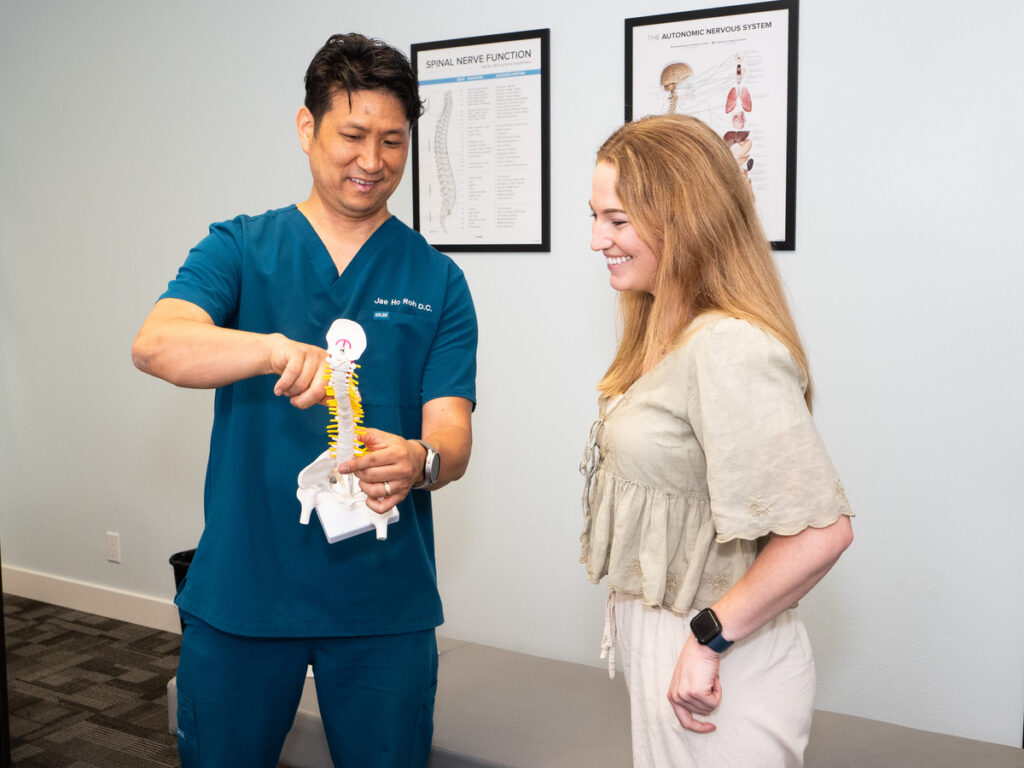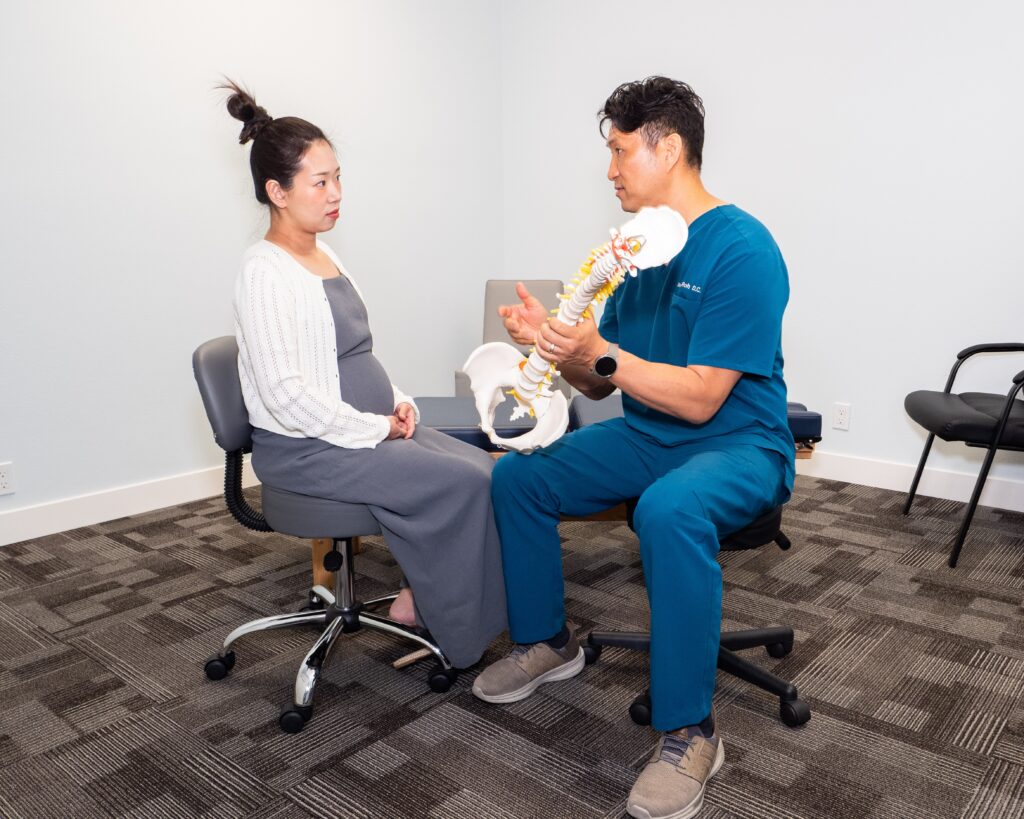

If you've been struggling with chronic tension headaches, it's worth exploring how chiropractic approaches can offer you relief. Chiropractors focus on spinal adjustments and other techniques to address the underlying musculoskeletal issues that often contribute to headache pain. By improving alignment and enhancing blood flow, these methods can help reduce the frequency and intensity of your headaches. But there's more to these approaches than just adjustments; discovering how posture and lifestyle play a role could be key to your long-term relief. What else might you uncover about managing your headaches effectively?
Understanding Chronic Tension Headaches
Chronic tension headaches, often triggered by stress, poor posture, or muscle strain, can greatly impact your daily life. You might feel a constant, dull ache that wraps around your head, making it hard to focus on tasks or enjoy activities you love. These headaches can stem from various factors, including emotional stress, inadequate sleep, or even eye strain from prolonged screen time. Recognizing these triggers is essential in managing your symptoms effectively.
When you're dealing with chronic tension headaches, you may notice that they often intensify throughout the day, particularly if you're sitting for long periods or engaging in repetitive motions. You might find yourself grinding your teeth or clenching your jaw, which can exacerbate the discomfort. Understanding that these habits contribute to your headaches can motivate you to adopt better practices, like taking frequent breaks and practicing relaxation techniques.
It's also important to evaluate your body mechanics. If you're slumping at your desk or hunching over your phone, you're putting unnecessary strain on your neck and shoulders. This tension can lead to tight muscles, which may trigger headaches. Being mindful of your posture and making small adjustments can make a significant difference in how you feel.
Ultimately, recognizing the patterns and triggers of your chronic tension headaches is the first step toward finding relief. By paying attention to your body and habits, you can take proactive measures to reduce the frequency and intensity of these headaches in your life.
How Chiropractic Care Works
Finding effective relief from chronic tension headaches can often lead you to explore various treatment options, one of which is chiropractic care. This holistic approach focuses on diagnosing and treating musculoskeletal issues, particularly those related to the spine. By addressing these issues, chiropractic care can help alleviate tension and reduce headache frequency.
Here are three key ways chiropractic care works for tension headaches:
- Improves Posture: Poor posture can lead to muscle strain and tension, contributing to headaches. Chiropractors assess your posture and provide guidance on how to maintain proper alignment, which can reduce the risk of developing tension headaches.
- Reduces Muscle Tension: Chiropractic adjustments can help relax tight muscles in your neck and shoulders. By relieving this tension, you may experience fewer headaches and a greater range of motion.
- Enhances Blood Flow: Chiropractic care improves blood circulation to the head and neck area. Better blood flow can help reduce headache symptoms and promote overall wellness.
When you visit a chiropractor, they'll evaluate your medical history, perform a physical examination, and may utilize diagnostic imaging if necessary. This thorough assessment allows them to create a personalized treatment plan tailored to your specific needs.
Throughout your treatment, you'll likely learn about lifestyle modifications and exercises designed to support your recovery. By addressing the underlying causes of your tension headaches, chiropractic care can help you find the relief you've been seeking.
Spinal Adjustments and Their Benefits
Spinal adjustments can greatly alleviate muscle tension, making your headaches feel less intense.
By improving spinal alignment, these adjustments help your body function more efficiently.
You'll likely notice a reduction in discomfort as your nervous system gets back on track.
Alleviating Muscle Tension
When you're dealing with chronic tension headaches, alleviating muscle tension can make a significant difference in your daily comfort. Chiropractic spinal adjustments can effectively target tight muscles, helping to relieve the discomfort that often accompanies these headaches.
Here are three ways spinal adjustments can help:
- Increased Blood Flow: Adjustments can enhance circulation to the muscles, ensuring they receive the oxygen and nutrients they need to relax and recover.
- Reduced Muscle Spasms: By realigning the spine, you can decrease nerve irritation, which often contributes to muscle tightness and spasms, providing immediate relief.
- Enhanced Range of Motion: Regular adjustments can improve flexibility and mobility in the neck and upper back, allowing you to move more freely without tension building up.
Incorporating spinal adjustments into your routine can create a more relaxed environment for your muscles, helping to mitigate the pain associated with chronic tension headaches.
By focusing on alleviating muscle tension through targeted chiropractic care, you may find a pathway to improved comfort and a better quality of life.
Don't underestimate the power of these adjustments; they could be key to managing your headaches effectively.
Improving Spinal Alignment
Proper spinal alignment is essential for overall health, especially if you're suffering from chronic tension headaches. When your spine is misaligned, it can lead to increased pressure on nerves and muscles, exacerbating headache symptoms. Chiropractic adjustments can help restore proper alignment, allowing your body to function at its best.
During a chiropractic session, your chiropractor will assess your spinal health and identify areas of misalignment. They'll use gentle, targeted adjustments to realign your spine, which can reduce muscle tension and improve blood flow. This process not only alleviates headaches but also promotes overall wellness.
As you experience spinal adjustments, you may notice improved posture and increased range of motion. These benefits can contribute to long-term relief from tension headaches. Furthermore, better spinal alignment can enhance your body's ability to heal itself, reducing the frequency and intensity of headaches.
Regular chiropractic visits can help maintain your spinal alignment, preventing future tension headaches. By prioritizing your spinal health, you're taking an active step toward a pain-free life.
Don't underestimate the power of a well-aligned spine—it could be the key to your comfort and well-being.
Massage Therapy Techniques
Massage therapy techniques play an essential role in managing chronic tension headaches by relieving muscle tension and improving circulation. When you incorporate specific massage techniques into your routine, you'll likely notice a significant reduction in headache frequency and intensity.
Here are three effective techniques you can consider:
- Swedish Massage: This technique uses long, flowing strokes to relax the entire body. It helps increase blood circulation and can ease muscle tightness, making it an excellent choice for headache relief.
- Trigger Point Therapy: This method targets specific tight areas in your muscles, known as trigger points. By applying pressure to these points, you can alleviate pain and tension that often contributes to headaches.
- Deep Tissue Massage: Focusing on deeper layers of muscle and connective tissue, this technique is particularly beneficial for chronic tension. It helps release deeply held tension, promoting relaxation and ultimately reducing headaches.
When you regularly use these techniques, you're not just addressing the symptoms; you're tackling the root causes of your tension headaches.
Whether you visit a professional therapist or practice self-massage, these methods can empower you to take control of your headache management.
Posture Correction Strategies
Improving your posture can greatly reduce the frequency and intensity of chronic tension headaches. When you maintain proper alignment, you relieve unnecessary strain on your neck and shoulder muscles, which are often contributors to headache pain. Start by being aware of your body positioning throughout the day. Whether you're sitting, standing, or walking, check in with your posture regularly.
When sitting, keep your feet flat on the ground and your knees at or slightly lower than hip level. Use a chair that provides good lumbar support to maintain the natural curve of your lower back. If you work at a desk, position your monitor at eye level to prevent leaning forward and straining your neck. Remember to take regular breaks to stretch and reposition yourself, especially if you sit for long periods.
When standing, distribute your weight evenly across both feet, and avoid locking your knees. Engage your core muscles to support your spine and keep your shoulders relaxed and back. Practice standing tall, as if a string is pulling you upward from the top of your head.
In addition to these adjustments, consider incorporating exercises that strengthen your core and upper back. Yoga and Pilates can be especially beneficial. They not only improve flexibility but also promote awareness of your body, making it easier to maintain good posture throughout the day.
Lifestyle and Ergonomic Recommendations
To manage chronic tension headaches, you'll want to focus on improving your lifestyle and ergonomic setup.
Adjusting your workspace for better posture and incorporating stress management techniques can make a significant difference.
Let's explore how these changes can help you find relief and enhance your overall well-being.
Posture Correction Techniques
Many individuals unknowingly contribute to chronic tension headaches through poor posture habits. By making a few simple adjustments, you can relieve tension and improve your overall well-being.
Here are three effective posture correction techniques to contemplate:
- Mind Your Head Position: Keep your head aligned over your shoulders. Imagine a string pulling the crown of your head upward, helping to avoid forward head posture, which can strain your neck.
- Strengthen Your Core: A strong core supports your spine, reducing the risk of slumping. Incorporate exercises like planks and bridges into your routine to enhance core stability and promote better posture.
- Practice Sitting Properly: When sitting, keep your feet flat on the ground and your knees at a 90-degree angle. Make sure your back is straight and supported by your chair, relieving pressure on your spine.
Workspace Ergonomics Adjustment
Adjusting your workspace ergonomics can further alleviate chronic tension headaches linked to poor posture.
Begin by ensuring your chair supports your lower back. It should allow your feet to rest flat on the floor, with your knees at a 90-degree angle. If your feet don't reach the ground, use a footrest.
Next, position your computer monitor at eye level, about an arm's length away. This prevents straining your neck and eyes. If you use a laptop, consider a separate keyboard and stand to elevate the screen height.
Maintain proper keyboard and mouse placement. Your elbows should be close to your body, forming a 90-degree angle. Keep your wrists straight and relaxed while typing.
Also, make sure your workspace is well-lit to reduce eye strain. Natural light is ideal, but if that isn't possible, use soft, adjustable lighting.
Finally, take regular breaks to stretch and change your position. Stand, walk, or perform simple neck and shoulder exercises every hour.
These adjustments can greatly improve your comfort and reduce headache frequency, leading to a more productive work environment.
Stress Management Strategies
Incorporating effective stress management strategies into your daily routine can greatly reduce the frequency and intensity of chronic tension headaches.
To start, consider these three strategies:
- Mindfulness and Meditation: Taking just a few minutes each day to practice mindfulness or meditation can help calm your mind and reduce stress levels. Focus on your breath, let go of distractions, and allow yourself to be present in the moment.
- Regular Exercise: Engaging in physical activity not only boosts your overall health but also releases endorphins, which act as natural painkillers. Aim for at least 30 minutes of moderate exercise most days of the week, whether it's walking, yoga, or dancing.
- Time Management: Organizing your tasks can alleviate feelings of overwhelm. Break your day into manageable segments, prioritize your responsibilities, and don't hesitate to delegate when possible.
Integrating Chiropractic With Other Treatments
While chiropractic care offers substantial relief for chronic tension headaches, combining it with other treatments can enhance overall results. Integrating chiropractic adjustments with complementary therapies can provide a more thorough approach to managing your headaches.
Consider incorporating physical therapy into your routine. Physical therapists can help you strengthen the muscles around your neck and shoulders, reducing tension that often leads to headaches. They'll teach you exercises that improve posture and flexibility, which are essential for long-term relief.
Another effective option is massage therapy. Regular massages can alleviate muscle tightness and stress, both of which contribute to tension headaches. By working with a skilled massage therapist, you can target specific areas of tension, further enhancing the benefits of your chiropractic visits.
Don't overlook the role of stress management techniques. Practices like yoga and meditation can greatly reduce stress levels, complementing the physical adjustments you receive from your chiropractor. These methods help calm your mind and body, which can lower the frequency and intensity of your headaches.
Lastly, nutrition plays an important role in overall wellness. Consulting a nutritionist can help you identify any dietary triggers that may contribute to your headaches. Eating a balanced diet rich in anti-inflammatory foods can provide additional support.
Conclusion
In summary, chiropractic care offers effective relief for chronic tension headaches by addressing musculoskeletal issues and improving overall wellness. By integrating spinal adjustments, massage therapy, and posture correction, you can experience significant pain reduction and prevention. Remember, personalized treatment plans and lifestyle adjustments play an essential role in your long-term health. Embrace these strategies, and take charge of your well-being to enjoy a headache-free life. Your journey to relief starts with proactive steps today!