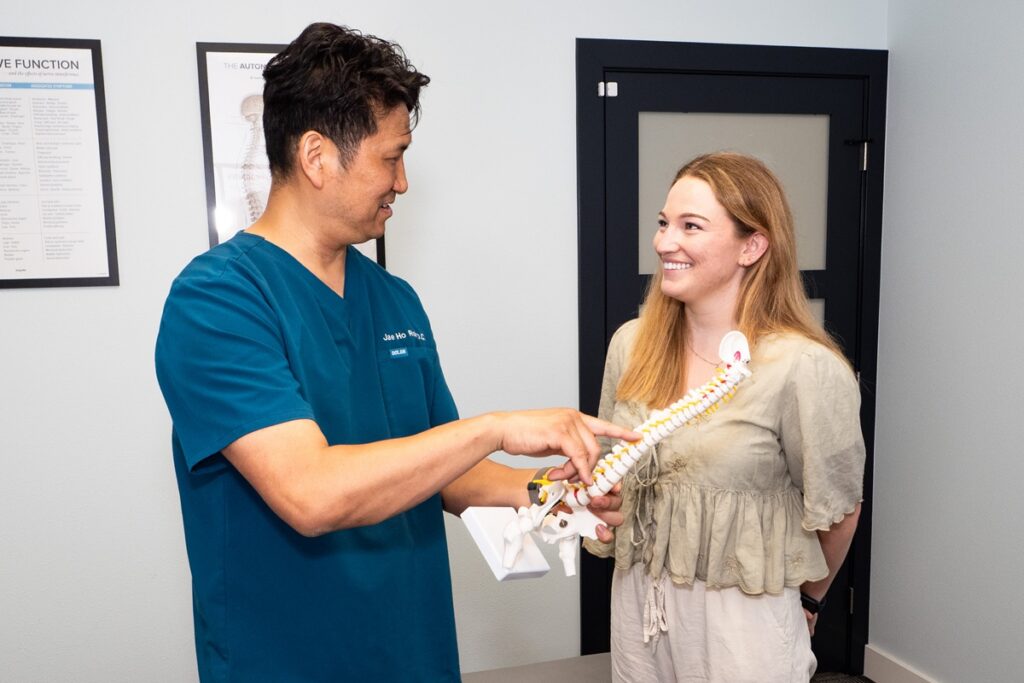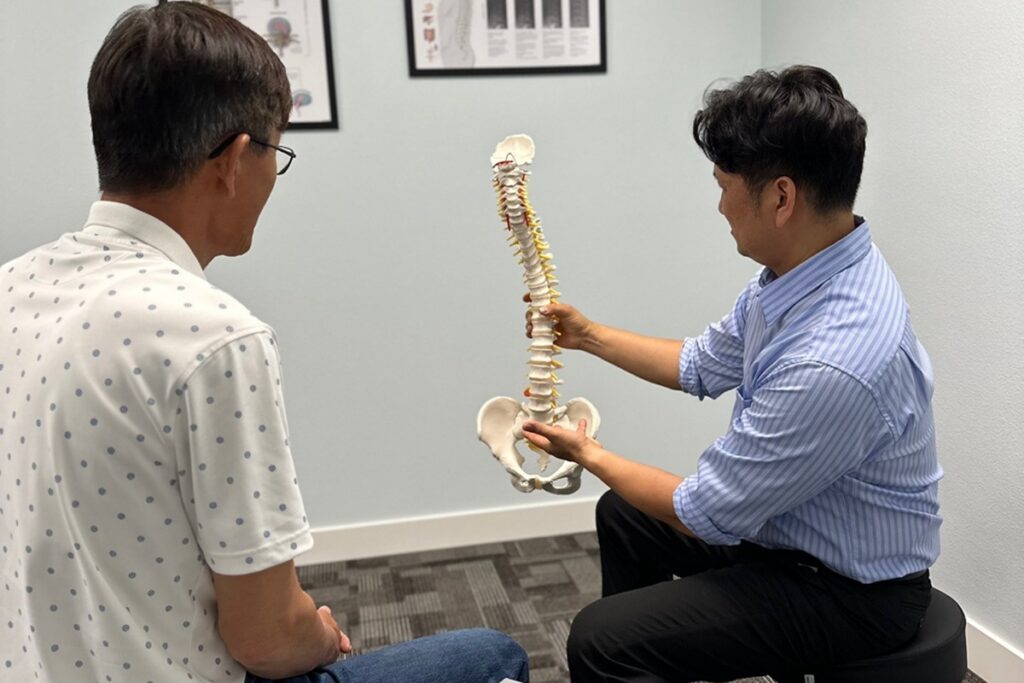

As a local chiropractor, I want to help you understand how chiropractic techniques can play a crucial role in your recovery from sports injuries. Many people are unaware that these methods not only focus on relieving pain but also prioritize restoring your overall function, allowing you to return to your favorite activities more quickly.
For instance, techniques like spinal adjustments and Active Release Therapy are specifically designed to tackle the unique issues caused by sports injuries. These methods can help alleviate discomfort and improve your mobility. However, recovery doesn't stop there. It's also important to consider the impact of nutrition and tailored rehabilitation exercises.
By exploring these avenues, you can significantly enhance your recovery journey, paving the way for a full return to health and performance. My goal is to guide you through this process, helping you understand how natural healing can support your body's ability to recover and thrive.
Understanding Sports Injuries
As a local chiropractor, I understand that sports injuries can be incredibly frustrating and may hinder your ability to enjoy physical activity. However, grasping the nature of these injuries is the first crucial step toward healing and recovery. When you participate in sports or exercise, your body endures various stresses that can lead to injuries.
These injuries can be classified as acute, such as sprains or fractures, or chronic, like tendonitis or stress fractures. Being able to identify the type of injury you have can guide you in taking the right steps toward recovery.
Acute injuries typically occur suddenly during an activity. For instance, you might twist your ankle while running or strain a muscle while lifting weights. These injuries often present immediate symptoms like pain, swelling, and reduced mobility, indicating that something is amiss in your body.
Conversely, chronic injuries develop gradually over time, often resulting from repetitive motions or overuse. For example, you may experience a dull pain in your shoulder from frequent throwing or pain in your knee from long-distance running.
It's vital to recognize the symptoms of your injury. Pay attention to the intensity of the pain, its location, and any swelling that may occur. You might also notice stiffness or a sense of instability in the affected area. Ignoring these warning signs can lead to more significant issues in the future.
To help prevent injuries, I recommend warming up adequately before your workouts, employing proper techniques, and allowing sufficient time for recovery. Understanding your body and its limits is your best defense against sports injuries.
As a chiropractor, I can help you understand the mechanics of your injuries, which empowers you to make informed decisions regarding your treatment and recovery strategies. By embracing chiropractic care and natural healing methods, you can find relief and get back to enjoying your favorite activities sooner and stronger.
Role of Chiropractic Care
As a local chiropractor, I want to share how chiropractic care can significantly aid your recovery from sports injuries.
Many people may not fully understand the benefits of chiropractic methods, but they play a crucial role in injury assessment and management. Our approach focuses on alleviating pain and creating personalized rehabilitation plans tailored to your specific needs.
By utilizing various chiropractic techniques, we can enhance your recovery process, helping you return to your favorite activities more quickly and effectively.
My goal is to educate you on how natural healing through chiropractic care can improve your overall well-being and performance.
Injury Assessment Techniques
As a local chiropractor dedicated to helping our community, I want to take a moment to explain the vital role chiropractic care plays in assessing and treating sports injuries. When you come to us with an injury, our first step is to take a comprehensive history. I'll ask you specific questions about your symptoms, how the injury occurred, and any previous health concerns. This information is essential in helping us identify the root cause of your discomfort.
Following this, we'll conduct a thorough physical examination. This includes assessing your range of motion, strength, and stability. I may perform specific orthopedic tests to evaluate how your joints are functioning and to uncover any weaknesses or imbalances. Additionally, I'll closely observe your posture and movement patterns, as these can often contribute to your injury.
In some instances, I may suggest diagnostic imaging, such as X-rays or MRIs, to provide a clearer understanding of any internal damage. This comprehensive approach ensures that we gather all the necessary information to create a personalized treatment plan tailored specifically for you.
Pain Management Strategies
As a local chiropractor, I want to share with you the importance of effective pain management, especially for athletes recovering from injuries. Chiropractic care is a holistic approach that focuses on the musculoskeletal system to alleviate discomfort and support your recovery journey.
Let's explore some of the proven strategies we can use together to help you feel better and get back to doing what you love.
- Adjustments: One of the core services I provide is spinal and joint adjustments. These manual manipulations help realign your body's structure, relieving pressure on nerves and significantly reducing pain.
- Soft Tissue Therapy: I also utilize various soft tissue techniques, such as massage and myofascial release. These methods target areas of muscle tension, promoting healing and restoring function in the affected regions.
- Modalities: To help manage inflammation and discomfort, I may incorporate different modalities, including heat, ice, or electrical stimulation. These treatments can be very effective in easing your pain.
- Exercise Recommendations: Together, we can create a tailored exercise plan that strengthens your muscles and improves your range of motion. This not only aids in recovery but also helps prevent future injuries.
Incorporating these strategies into your overall recovery plan can lead to significant improvements in your pain levels and mobility.
I'm here to work closely with you to develop a personalized approach that meets your unique needs, ensuring you can return to peak performance safely and effectively.
Your journey to recovery starts here, and I'm excited to be a part of it!
Rehabilitation and Recovery
As a local chiropractor, I want to share how chiropractic care can significantly benefit your rehabilitation journey after a sports injury. Recovery often requires a comprehensive approach, and my role is to help restore your body's natural alignment, which is crucial for improving mobility and function.
Through specific techniques such as spinal adjustments and soft tissue therapy, I address the underlying issues that may be hindering your recovery. It's not just about treating the injury itself; it's about understanding how your body works as a whole.
When you come in for an assessment, we'll create a personalized treatment plan tailored to your unique injuries and needs. This may include targeted exercises designed to strengthen affected muscles and enhance flexibility.
By taking this proactive approach, we not only facilitate your recovery but also help prevent future injuries. Incorporating chiropractic care into your rehabilitation can significantly speed up your healing process, allowing you to get back to your sport sooner.
Additionally, regular sessions can enhance your overall performance by ensuring your body operates at its peak. Don't overlook the value of chiropractic care in your recovery journey.
Spinal Manipulation Techniques
As a local chiropractor, I want to take a moment to explain the importance of spinal manipulation techniques in chiropractic care, especially if you're new to this form of natural healing.
These techniques play a crucial role in helping individuals recover from injuries, including those sustained during sports activities. Spinal manipulation focuses on correcting misalignments in your spine, which can significantly enhance your overall function and aid in your recovery process.
When your spine is properly aligned, it can lead to reduced pain, increased mobility, and a boost in healing for injured areas. During a spinal manipulation session, I'll use my hands to apply controlled force to specific joints in your spine.
This process helps to realign your vertebrae and relieve pressure on your nerves, allowing your body to function more effectively. Here are some common techniques you might encounter during your treatment:
- Diversified Technique: This is a popular method that involves a quick thrust to restore proper joint motion and enhance your mobility.
- Gonstead Technique: This technique focuses on specific vertebrae, using precise adjustments to improve your spinal alignment.
- Activator Method: If you're looking for a gentler approach, this technique uses a small, handheld device to deliver a gentle impulse to the spine.
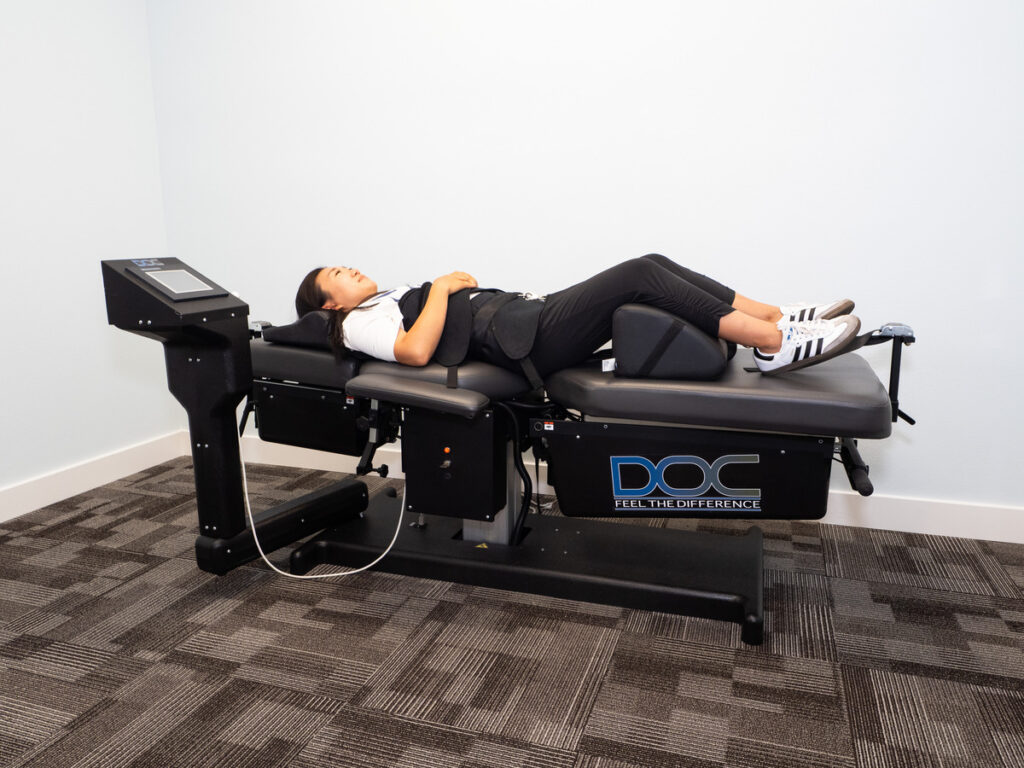
- Thompson Technique: This method incorporates a specialized table that assists with drop adjustments, providing a more comfortable experience during your treatment.
By incorporating these spinal manipulation techniques into your recovery plan, you may experience faster healing and improved performance.
It's important to understand that addressing spinal misalignments not only alleviates pain but also optimizes your body's ability to function. I encourage you to work closely with me to determine which technique is best suited for your specific needs.
Active Release Therapy
Active Release Therapy (ART) is a specialized hands-on technique that I've found to be incredibly beneficial for addressing soft tissue injuries and dysfunctions, particularly for those of you who are athletes or active individuals recovering from sports-related injuries.
Rather than just treating the symptoms, ART focuses on uncovering and addressing the root causes of pain and limited movement.
During an ART session in my office, I work closely with you to assess your movement patterns and identify specific areas that may be causing discomfort.
Together, we'll engage in targeted movements while I apply precise pressure to your muscles, tendons, and fascia. This interactive approach allows me to provide immediate feedback and tailor the treatment to your unique needs.
One of the significant benefits of ART is its ability to effectively treat a variety of sports-related conditions, including tendonitis, muscle strains, and joint pain.
By breaking down scar tissue and adhesions, ART enhances blood flow, improves flexibility, and accelerates the healing process.
Many patients report noticeable improvements in their range of motion and overall performance as they recover from their injuries.
Integrating ART into your rehabilitation plan can significantly shorten recovery times, allowing you to return to your sport with renewed confidence.
As you regain strength and mobility, you'll also be better positioned to prevent future injuries.
If you're serious about enhancing your sports performance and embracing a natural approach to healing, I encourage you to consider adding Active Release Therapy to your recovery toolkit.
Graston Technique
As a local chiropractor, I want to introduce you to the Graston Technique, an innovative approach that employs specialized tools to help break down scar tissue and enhance mobility.
If you're new to chiropractic care and natural healing, you'll be pleased to know that this technique can significantly improve your recovery process by promoting healing and alleviating pain.
The Graston Technique utilizes specific instruments that allow me to effectively assess and treat soft tissue injuries. By applying these tools, we can gently manipulate the affected areas to encourage blood flow, reduce inflammation, and stimulate the healing process.
Many of my patients, especially those who lead active lifestyles, have found that incorporating this technique into their treatment plan can make a remarkable difference in their overall well-being.
It can help you regain your range of motion and get back to doing the activities you love.
If you have any questions about how the Graston Technique can benefit you, I'm here to help you understand this valuable aspect of chiropractic care!
Technique Overview
Have you ever been curious about how athletes manage to bounce back from injuries so quickly? As a local chiropractor, I want to introduce you to a powerful technique called the Graston Technique, which is a form of instrument-assisted soft tissue mobilization.
This innovative method employs specialized stainless steel tools that help identify and treat areas where soft tissue may be restricted.
Here are some key points about the Graston Technique that I believe will help you understand its benefits:
- Instruments: The stainless steel tools are specifically designed to detect areas of dysfunction in your soft tissue, allowing for targeted treatment.
- Application: During your session, I'll gently glide these instruments over the affected area, applying controlled pressure to focus on specific muscle groups that may be causing you discomfort.
- Assessment: Each visit includes a thorough evaluation to monitor your progress and adjust the treatment plan as necessary, ensuring you receive the most effective care.
- Integration: The Graston Technique can be seamlessly integrated with other therapies, such as stretching and strengthening exercises, to further enhance your recovery process.
If you're curious about how this technique can support your healing journey, I encourage you to reach out! Together, we can explore natural healing options that work for you.
Benefits for Athletes
As a local chiropractor, I want to share with you how the Graston Technique can be a game changer for athletes, whether you're a casual weekend warrior or a dedicated professional. This innovative treatment method is designed to accelerate recovery and enhance your overall performance, and it does so in a natural, non-invasive way.
The Graston Technique uses specialized instruments to effectively identify and treat soft tissue injuries. By breaking down scar tissue and fascial restrictions, this technique helps to improve your mobility and reduce pain, enabling you to get back to your favorite activities more quickly.
One of the key benefits of the Graston Technique is its ability to stimulate blood flow. Improved circulation promotes healing, which means that as inflammation decreases, your muscle function can improve as well. This allows you to train harder and longer, maximizing your athletic potential without the risk of overexertion.
In addition to aiding recovery, the Graston Technique can also enhance your overall performance. By targeting specific areas of tightness or dysfunction, it helps you achieve a better range of motion and improved muscle coordination. This not only helps in preventing injuries but also allows you to execute your skills with greater precision.
The best part? The Graston Technique is suitable for athletes of all levels. With a customized treatment plan tailored to your individual needs, you can experience significant improvements in both your recovery times and performance outcomes.
Kinesiology Taping
As a local chiropractor, I want to share with you the benefits of kinesiology taping—a technique I often recommend to support injured muscles and joints during the recovery process.
This specialized elastic tape is applied to the skin and offers stability while still allowing for a full range of motion. Many of my patients have found that kinesiology taping not only helps reduce pain and swelling but also promotes faster recovery from sports injuries.
Here are some key benefits of kinesiology taping that you should know:
- Pain Relief: The tape works by gently lifting the skin, which can alleviate pressure on pain receptors and provide significant discomfort relief.
- Increased Circulation: Kinesiology tape promotes lymphatic drainage, helping to decrease swelling and enhance blood flow to the injured area.
- Enhanced Muscle Support: Its elastic properties provide support to injured muscles without limiting your movement, enabling you to maintain your activities without unnecessary strain.
- Injury Prevention: When applied correctly, the tape can stabilize joints and muscles, potentially reducing the risk of future injuries during physical activities.
Incorporating kinesiology taping into your recovery plan could be just what you need to aid your healing process.
It's essential to have the tape applied by someone trained in its use to ensure its effectiveness. I encourage you to discuss this option with me during your next visit, as I can guide you on how to best utilize kinesiology taping alongside other natural healing techniques.
With the right approach, you can return to your favorite activities feeling stronger and more supported than ever.
Rehabilitation Exercises
As a local chiropractor, I want to emphasize the vital role rehabilitation exercises play in your recovery from sports injuries. These exercises are key to restoring strength, flexibility, and function in your body. After an injury, it's crucial to allow your body the necessary time to heal, but it's equally important to engage in targeted rehabilitation exercises that can aid in your recovery process.
These movements not only help you return to your previous performance levels but also serve as a preventative measure against future injuries.
To begin your recovery journey, it's essential to focus on range-of-motion exercises. These gentle movements can help you gradually regain flexibility in the injured area. Remember to start slowly and avoid pushing through pain; it's important to listen to your body and adjust as you go.
Once you've regained some flexibility, the next step is to incorporate strengthening exercises into your routine. This may involve using resistance bands, light weights, or body-weight exercises. Targeting the muscles surrounding the injured area can significantly enhance stability and support, which is vital for your overall recovery.
In addition, balance and proprioception exercises play a crucial role in your rehabilitation. These exercises help improve your body's awareness of its position, which is critical for optimal sports performance. Simple activities, such as standing on one leg or utilizing a balance board, can be highly effective in enhancing your balance.
As you start to feel better, it's important to gradually introduce sport-specific drills. These drills mimic the movements you'll perform in your sport, ensuring that your body is well-prepared for the demands of competition.
Throughout this entire process, I encourage you to work closely with a chiropractor or physical therapist. We can provide personalized guidance tailored to your specific needs, ensuring that you're on the right path to a full recovery.
Nutrition and Recovery
As a local chiropractor, I want to emphasize the importance of nutrition in your recovery journey from sports injuries. While rehabilitation exercises are crucial, the right diet can significantly enhance your healing process and help reduce inflammation.
Here are some key nutritional components to focus on as you work towards recovery:
- Protein: This nutrient is vital for repairing and building muscle tissue. Incorporating lean meats, fish, eggs, beans, and legumes into your meals will provide your body with the necessary building blocks for recovery.
- Healthy Fats: Omega-3 fatty acids, which are found in fish, flaxseeds, and walnuts, are excellent for reducing inflammation and promoting joint health. Including these in your diet can make a noticeable difference in how your body responds to injury.
- Vitamins and Minerals: Nutrients such as vitamin C, vitamin D, and calcium are essential for tissue repair and maintaining strong bones. To ensure you're getting a well-rounded intake, include a variety of fruits, vegetables, and whole grains in your meals.
- Hydration: Don't overlook the importance of staying hydrated during your recovery. Water plays a key role in transporting nutrients throughout your body and is necessary for optimal bodily functions.
By focusing on these nutritional components, you can support your body's natural healing processes and enhance the effectiveness of your chiropractic care.
Your journey to recovery can be greatly improved by aligning your nutrition with your rehabilitation efforts.
Injury Prevention Strategies
As a local chiropractor, I want to emphasize the importance of injury prevention for everyone, whether you're an athlete or simply enjoy staying active. Implementing effective strategies into your daily routine can significantly lower your risk of injuries and improve your overall performance. Here are some key injury prevention strategies I recommend.
First and foremost, always start with a proper warm-up before engaging in any physical activity. Incorporating dynamic stretching and light aerobic exercises helps increase blood flow to your muscles, preparing them for more intense movements. Skipping this crucial step can lead to strains and sprains, so take the time to warm up adequately.
Next, focus on maintaining proper technique in all physical activities. Whether you're running, lifting weights, or participating in sports, using the correct form is essential. Poor mechanics can lead to overuse injuries and chronic pain. If you're unsure about your technique, I encourage you to seek guidance from a knowledgeable coach or trainer who can help you practice the right movements.
Cross-training is another effective strategy. Engaging in a variety of exercises not only enhances your overall fitness but also helps balance muscle development, reducing the risk of overuse injuries. Incorporate strength training, flexibility exercises, and cardiovascular workouts into your routine to achieve a well-rounded fitness regimen.
Lastly, always listen to your body. If you experience any pain or discomfort, it's crucial to address it immediately rather than pushing through. Ignoring these warning signs can lead to more serious injuries down the line. Remember, it's essential to rest, recover, and consult with a healthcare professional—like a chiropractor—if needed.
Conclusion
As a local chiropractor, I want to emphasize how incorporating chiropractic techniques into your sports injury recovery can truly make a difference in your healing journey. Understanding your injuries is crucial, and methods such as spinal manipulation, Active Release Therapy, and the Graston Technique can be incredibly effective in enhancing your recovery process.
I also want to highlight the importance of personalized rehabilitation exercises and proper nutrition. These elements are essential in supporting your healing and ensuring that you regain your strength efficiently. By following these strategies, not only will you recover more effectively, but you'll also minimize the risk of future injuries. This will help you stay active and enjoy the sports you love for longer periods.
If you're new to chiropractic care, I encourage you to explore how these natural healing methods can benefit you, and together we can create a tailored recovery plan that meets your specific needs.