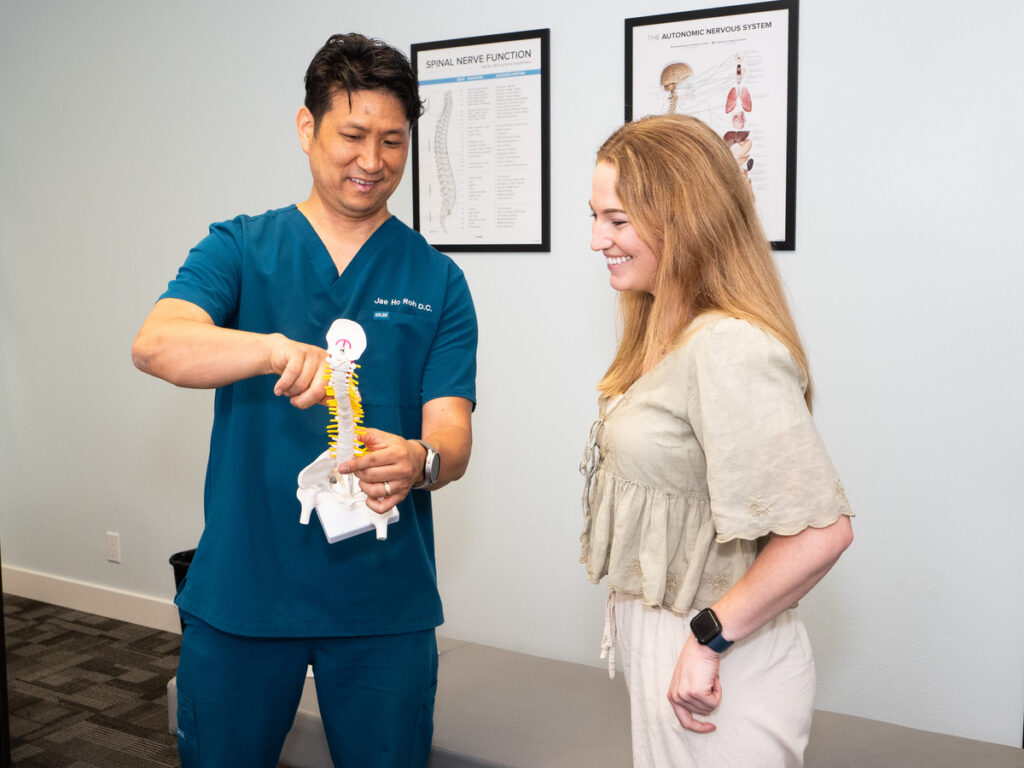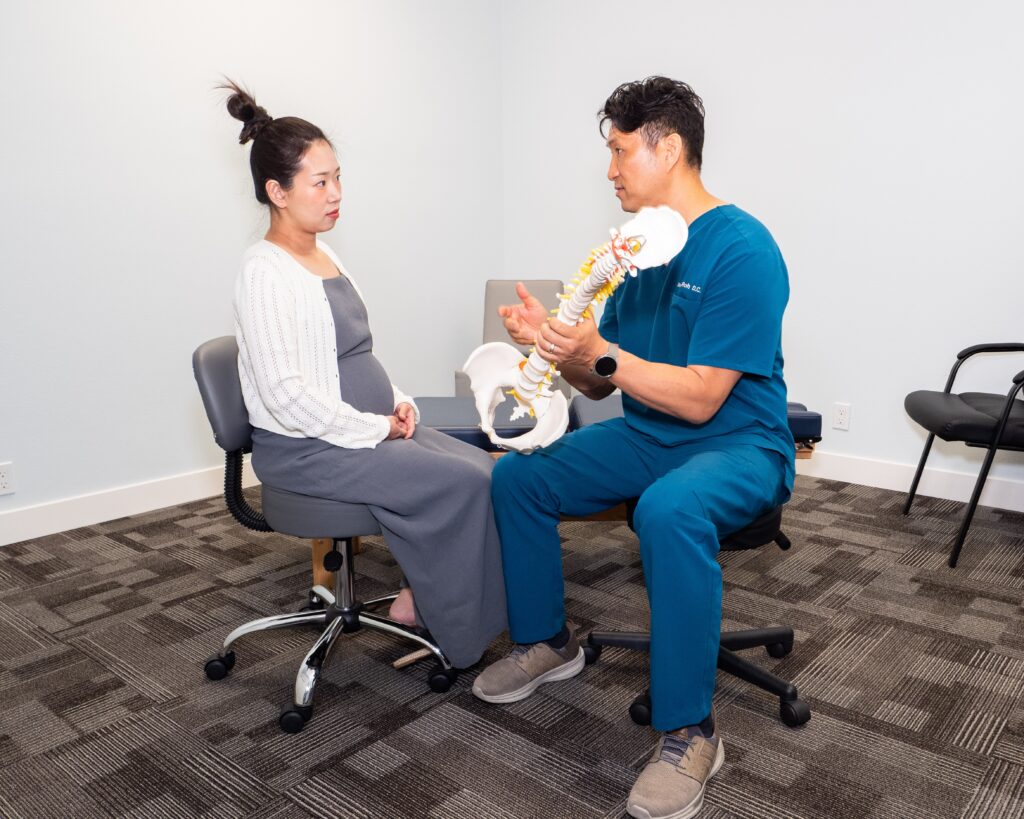

When it comes to managing back pain, the techniques you choose can play a crucial role in your recovery. As a chiropractor, I often see that different methods, such as the Alexander Technique, Pilates, and yoga, each offer unique approaches to improving posture and relieving discomfort. It’s important to understand these differences so you can find the right fit for your specific needs and lifestyle.
For instance, the Alexander Technique focuses on awareness of body movements, helping you to adjust your posture and reduce strain on your back. Pilates emphasizes core strength and stability, which can support your spine and improve overall body mechanics. Yoga combines both physical postures and breath work, promoting flexibility and relaxation, which can also ease back pain.
By exploring these practices, you can take an active role in your journey toward better back health. If you’re interested, I can guide you in understanding how these techniques can complement your chiropractic care, enhancing your well-being naturally. Let’s work together to find the best approach for you!
Understanding the Importance of Posture
As a local chiropractor, I want to emphasize the crucial role that posture plays in your overall health, especially when it comes to managing back pain.
Many people may not realize that the way you sit, stand, and move can significantly impact the health of your spine.
Maintaining good posture is essential; it aligns your body and minimizes the strain on your muscles and ligaments.
When you slouch or hunch over, it places undue stress on your spine, leading to discomfort and pain over time.
By being mindful of your posture, you can help protect your spine and improve your overall well-being.
Let’s work together to educate you on how to incorporate better posture into your daily routine for a healthier back!
The Alexander Technique: An Overview
As a chiropractor, I often emphasize the importance of posture and movement in maintaining a healthy spine and reducing discomfort, particularly back pain.
One effective method that aligns with my practice is the Alexander Technique. This technique focuses on enhancing your body awareness and making conscious adjustments to improve your posture and movement patterns.
By grasping the principles of the Alexander Technique, you can learn to incorporate these practices into your daily routine, which can lead to increased comfort and better alignment of your body.
In our sessions, I’ll guide you through its benefits and practical applications, helping you to integrate these valuable techniques into your life for optimal health and well-being.
Let’s work together to explore how this transformative approach can enhance your overall physical health.
Principles of Alexander Technique
As a local chiropractor dedicated to your well-being, I want to introduce you to some fundamental principles of the Alexander Technique, which can greatly enhance your understanding of posture and movement, ultimately helping to alleviate back pain.
This technique emphasizes the importance of awareness and intentional control over your body, leading to improved alignment and effortless movement. Here are four essential principles for you to consider:
- Awareness: It’s crucial to develop a keen sense of how you carry yourself throughout your daily routines. This awareness can help identify habits that may contribute to discomfort.
- Inhibition: Before you engage in any habitual movement, take a moment to pause. This practice allows you to make more informed and conscious choices about how to move your body, reducing the risk of injury.
- Direction: Concentrate on the alignment of your head, neck, and spine. Proper alignment not only supports better posture but also facilitates a more balanced and efficient way of moving.
- Support: Understand the significance of utilizing your body’s natural support systems. This approach can greatly decrease unnecessary tension and strain, promoting a healthier and more relaxed state.
By incorporating these principles into your daily life, you can foster a deeper connection with your body and enhance your overall wellness.
If you’re interested in exploring how chiropractic care can complement these practices, I’m here to guide you on your journey to better health.
Benefits for Back Pain
As a local chiropractor, I often see patients who are struggling with back pain, and I want to introduce you to a holistic approach that can complement your chiropractic care: the Alexander Technique.
This technique offers practical tools for improving your posture and movement, which are crucial in managing pain effectively. By cultivating awareness of your body and its alignment, the Alexander Technique helps you reduce the tension and strain that can contribute to your discomfort.
Many people are unaware of the harmful habits they’ve developed over time, and this technique encourages you to identify and replace these habits with healthier ones, leading to more efficient movement patterns.
As you practice the Alexander Technique, you may notice improvements in your flexibility and strength, which can significantly enhance your overall physical well-being. Additionally, this technique promotes relaxation, an important factor in alleviating stress-related back pain.
Ultimately, incorporating the Alexander Technique into your wellness routine can empower you to take control of your body, manage your discomfort more effectively, and improve your quality of life.
If you’re interested in learning more about this technique, I’m here to help guide you on your journey to better health.
Practical Application Techniques
As a local chiropractor, I want to introduce you to some valuable techniques that can greatly enhance your understanding of body mechanics and improve your overall well-being.
These practical applications can help you become more aware of your posture and movements, ultimately reducing tension and discomfort in your daily life. Here are four techniques to consider:
- Mindful Breathing: Engaging in deep, relaxed breathing is a powerful practice that can enhance your awareness of your body and promote relaxation. This simple technique can help alleviate stress and improve your spinal health.
- Postural Awareness: It’s important to regularly assess your posture throughout the day. Make sure your head, neck, and spine are properly aligned. Good posture not only supports your spine but also contributes to your overall health.
- Movement Efficiency: Aim to move with greater ease and fluidity in your daily activities. By being mindful of your movements and avoiding unnecessary tension, you can prevent strain and maintain a healthier body.
- Body Scanning: Take a few moments to mentally scan your body for areas that feel tight or tense. By consciously releasing this tension, you can promote better alignment and function, which are key components of chiropractic care.
Incorporating these techniques into your routine can lead to a greater awareness of your body and help you achieve a more balanced state of health.
If you have any questions or would like further guidance, feel free to reach out!
The Feldenkrais Method: Benefits and Drawbacks
As a local chiropractor, I want to introduce you to a unique approach to managing back pain that you may not be familiar with: the Feldenkrais Method. This technique is all about enhancing your awareness of movement and helping you identify habits that may be contributing to your discomfort.
Through gentle and mindful movements, you can improve your posture and develop a greater sense of body awareness. Many individuals who’ve explored this method report experiencing reduced pain and increased flexibility, both of which can significantly enhance your daily activities.
However, it’s important to consider some potential drawbacks. The Feldenkrais Method requires patience and commitment, as the progress may be gradual and not immediately noticeable. Additionally, finding a qualified instructor can sometimes be a challenge, and classes mightn’t be readily available in your area.
While numerous individuals have found relief through this approach, it’s worth noting that others may not experience substantial benefits. Ultimately, whether the Feldenkrais Method is right for you’ll depend on your personal preferences and dedication to the process.
I encourage you to consider trying a few sessions to determine if this method resonates with your approach to managing back pain and improving your overall well-being.
Pilates for Posture Improvement
As a chiropractor, I often see patients who struggle with poor posture, and I want to share how Pilates can be a transformative addition to your wellness journey.
This practice emphasizes core strength, proper alignment, and enhanced flexibility—key components for achieving and maintaining good posture.
By integrating Pilates into your routine, you may find relief from back pain and build a stronger foundation for your body.
It’s a natural approach that complements chiropractic care and helps promote overall spinal health.
Let’s work together to explore how these techniques can improve your posture and overall well-being.
Core Strength Development
As a local chiropractor, I want to emphasize the importance of core strength in maintaining good posture and alleviating back pain. One effective method for developing this strength is through Pilates, which provides a dynamic and holistic approach.
By concentrating on controlled movements and your breath, you can effectively engage your core muscles. Here are four key benefits of incorporating Pilates into your routine for core strength development:
- Improved Stability: By strengthening your core, you stabilize your pelvis and spine, making everyday movements—like bending, lifting, or even walking—much easier and more efficient.
- Enhanced Balance: A strong core is crucial for maintaining balance, which can significantly reduce your risk of falls and injuries, especially as we age.
- Increased Flexibility: Pilates not only builds strength but also promotes flexibility, which contributes to better movement patterns and overall physical performance.
- Mind-Body Connection: The emphasis on breath and awareness in Pilates fosters a deeper connection to your body, which can enhance your posture and overall well-being.
Incorporating Pilates into your lifestyle can have a profound impact on your core strength and posture, ultimately supporting your overall health and wellness.
As your chiropractor, I encourage you to explore this effective practice for improved physical health.
Alignment and Flexibility
As a local chiropractor dedicated to your health, I want to emphasize that while many people often prioritize strength training, it’s equally important to pay attention to alignment and flexibility for improving posture and managing back pain.
One effective method to enhance these aspects is through Pilates.
Pilates focuses on controlled movements that help align your body and increase flexibility, which can be transformative for your overall well-being. By engaging in Pilates, you’ll learn how to activate your core while ensuring proper spinal alignment, which can significantly reduce strain on your back.
Incorporating targeted stretches and exercises into your routine will improve muscle elasticity, leading to a greater range of motion. As you cultivate these skills, you may experience a remarkable improvement in your posture.
Regular practice not only helps alleviate discomfort but also enhances your awareness of body positioning during everyday activities.
I encourage you to explore Pilates as a valuable tool for boosting your alignment and flexibility, contributing to long-lasting back health.
Yoga and Its Impact on Back Pain
As a local chiropractor, I want to share the benefits of yoga as a natural approach to managing back pain. Yoga isn’t just about flexibility; it offers a comprehensive way to enhance your overall back health. Here are four key ways that incorporating yoga can support your recovery:
- Increases Flexibility: Engaging in regular yoga practice stretches tight muscles, which can help alleviate tension and discomfort in the back. This increased flexibility can complement chiropractic adjustments by allowing for a greater range of motion.
- Builds Strength: Many yoga poses focus on strengthening the core muscles that support the spine. A robust core is crucial for maintaining proper posture and preventing back pain, working in harmony with the spinal alignment techniques we use in chiropractic care.
- Enhances Relaxation: Yoga incorporates breathing techniques and mindfulness, both of which promote relaxation. Reducing stress is essential, as stress can often exacerbate back pain. By integrating relaxation into your routine, you may find further relief from discomfort.
- Improves Body Awareness: Yoga encourages you to listen to your body and become more aware of your movements. This heightened awareness can help you identify activities or postures that might trigger back pain, allowing you to adjust your habits accordingly.
By embracing yoga alongside chiropractic care, you can cultivate a more balanced body and potentially reduce your back pain significantly.
This holistic approach empowers you to move more freely and confidently, enhancing your overall well-being. I encourage you to consider yoga as a valuable tool in your journey toward pain management and recovery.
Ergonomic Adjustments for Daily Life
As a local chiropractor, I want to share some valuable insights on how making ergonomic adjustments in your daily life can significantly alleviate back pain and enhance your overall comfort.
Let’s start by taking a close look at your workspace. It’s essential to have a chair that properly supports your lower back, ensuring your feet rest flat on the ground. Positioning your computer screen at eye level is crucial; this adjustment helps prevent unnecessary neck strain.
When you’re seated, try to maintain a posture where your knees are slightly lower than your hips. This position helps sustain the natural curve of your spine, which is key to avoiding discomfort.
Now, let’s discuss your daily activities. A common mistake many people make is lifting objects incorrectly. Always bend at your knees rather than at your waist, and keep any load close to your body to minimize strain on your back.
If you find yourself frequently on the phone, I recommend using a headset. This simple tool can prevent you from cradling the phone between your shoulder and ear, which can lead to muscle tension and discomfort.
Lastly, don’t underestimate the importance of taking regular breaks. Stand up, stretch, and move around periodically throughout your day. These small changes may seem insignificant, but they can have a profound impact on managing your back pain and improving your overall well-being.