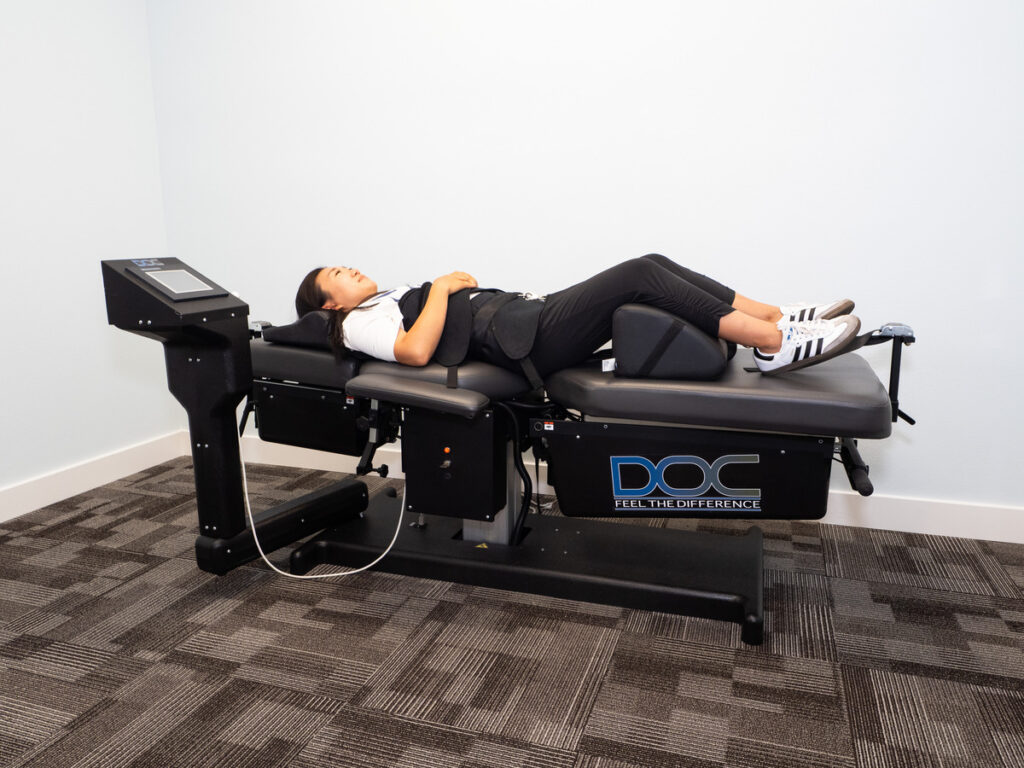

When it comes to recovering from a sports injury, many people often consider a variety of techniques, but it's important to understand which methods can truly benefit your healing journey. As a local chiropractor, I want to highlight the advantages of chiropractic care alongside traditional approaches like R.I.C.E., which provides quick relief, and physical therapy, which emphasizes long-term recovery.
Chiropractic care focuses on the alignment of your body's musculoskeletal system, promoting natural healing processes. We utilize adjustments and other manual therapies to alleviate pain, improve mobility, and support overall recovery. You may also be intrigued by emerging technologies and nutritional strategies that claim to accelerate healing, but it's essential to consider how they can work in harmony with chiropractic treatment.
Each method has its own strengths and weaknesses, and understanding these differences is crucial for optimizing your recovery. So, what's the best approach for you? Together, let's explore these options and find the path that best suits your needs for a healthier, more effective recovery.
Traditional Recovery Methods
As a local chiropractor, I want to emphasize the importance of traditional recovery methods when you're healing from a sports injury. These approaches are foundational to your healing process and can significantly enhance your recovery journey. One of the most effective protocols is known as R.I.C.E., which stands for Rest, Ice, Compression, and Elevation.
First and foremost, giving your body the necessary time to rest is crucial. This period of rest helps prevent further strain on the injured area, allowing your body to begin its natural healing process.
Applying ice to the injury is another vital step. Ice can effectively reduce swelling and numb pain, making it easier for you to manage discomfort. I recommend icing the affected area for about 20 minutes every hour, particularly within the first 48 hours following your injury.
Next, compression plays an essential role in stabilizing the injury and minimizing swelling. Using elastic bandages or compression wraps can be beneficial, but it's important to ensure they're snug without cutting off circulation.
Elevation is also key. Keeping the injured area elevated above heart level can help reduce both swelling and pain. For instance, you can prop your leg up on pillows or use a chair to elevate your arm while resting.
In addition to these methods, don't underestimate the power of proper nutrition and hydration. A balanced diet rich in vitamins and minerals supports your body's natural healing processes. Staying hydrated is equally important, as fluids play a critical role in recovery.
Lastly, always listen to your body. If you experience increased pain or swelling, it might indicate that you're pushing yourself too hard.
By following these traditional recovery methods, you're not only laying a solid foundation for your healing journey but also preparing to return to your sport stronger and more resilient.
Physical Therapy Techniques
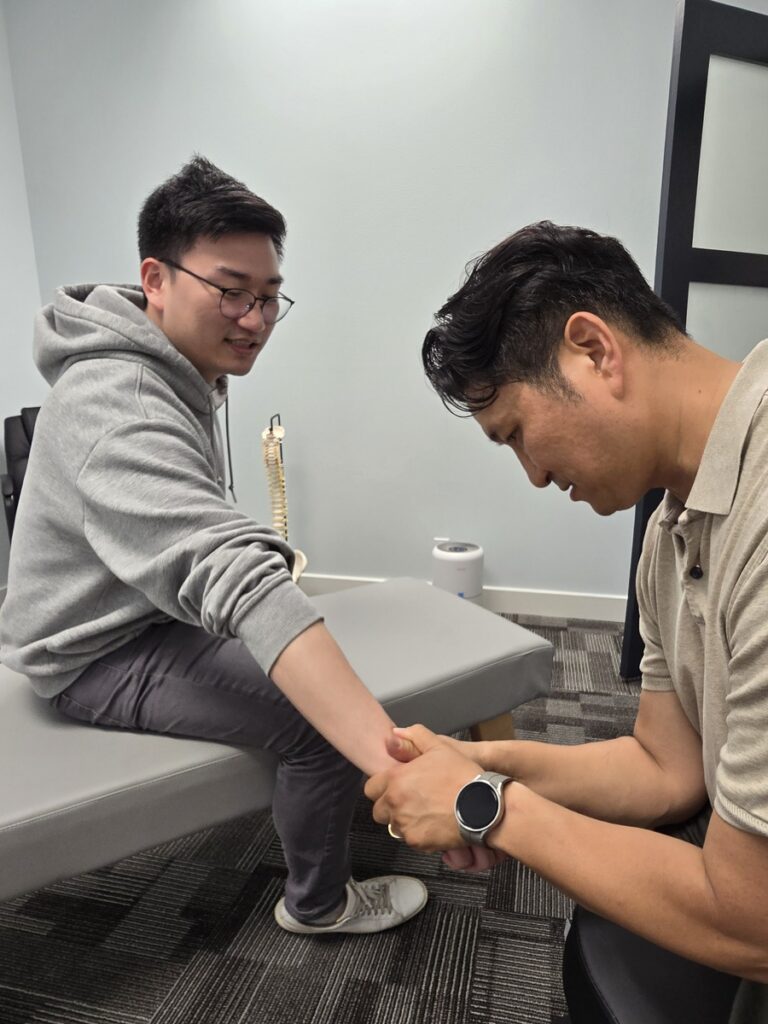
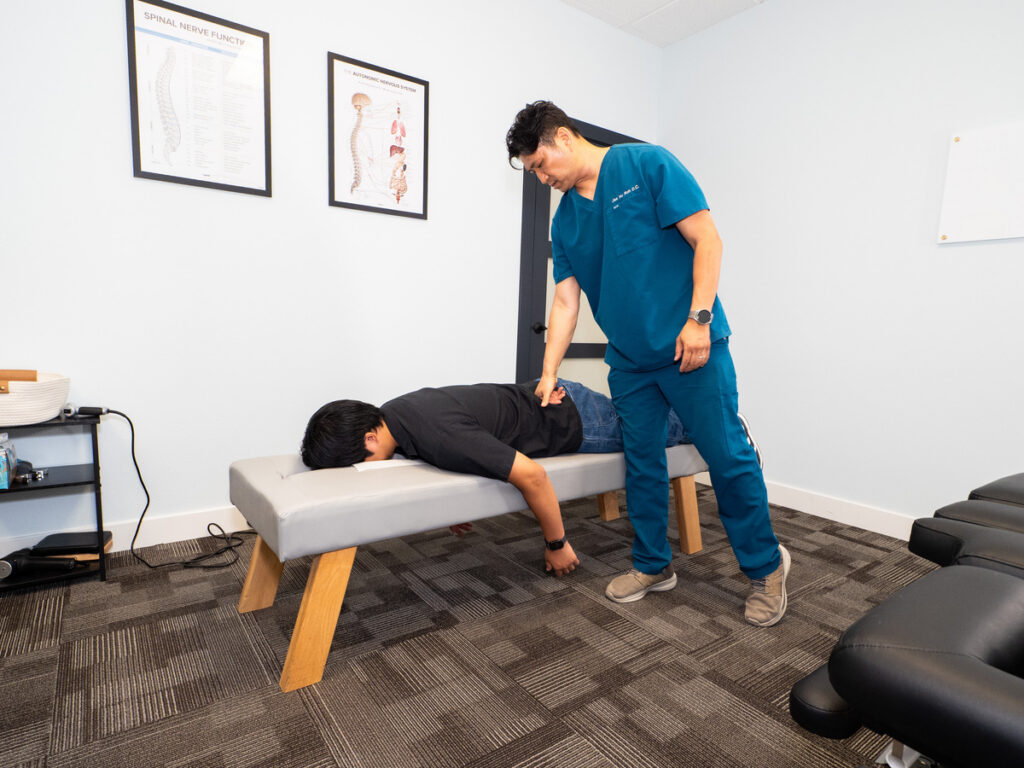
As a local chiropractor, I want to share how chiropractic care can play a vital role in your recovery from a sports injury. When you're healing, various physical therapy techniques can be incredibly beneficial. For instance, manual therapy, which is part of chiropractic treatment, can significantly improve your mobility and range of motion.
In addition to manual adjustments, we focus on exercise rehabilitation methods that not only help strengthen your body but also promote overall wellness. It's important to engage in specific exercises tailored to your needs, which we can guide you through.
Moreover, we utilize different modalities for pain relief, such as ultrasound therapy or electrical stimulation, to help you manage discomfort effectively as you progress toward recovery.
Our goal is to support your natural healing process and get you back to your active lifestyle as quickly and safely as possible. Remember, chiropractic care is about treating the whole person, not just the symptoms.
Manual Therapy Benefits
As a local chiropractor, I want to introduce you to the incredible benefits of manual therapy, a hands-on approach that can significantly aid your recovery from sports injuries.
By utilizing skilled manipulation of muscles and joints, this natural healing method can provide immediate relief and expedite your healing process. If you're seeking effective ways to manage pain and enhance your mobility, manual therapy might be the solution you've been looking for.
Here are three essential benefits of incorporating manual therapy into your recovery journey:
- Pain Relief: Many patients find that manual therapy effectively reduces their pain levels. By applying targeted pressure to specific areas, we can help alleviate discomfort, allowing you to feel more at ease as you heal.
- Improved Range of Motion: One of the key goals of manual therapy is to restore flexibility and mobility in the injured areas. This restoration is crucial for helping you return to your favorite activities without the limitations that injuries can impose.
- Enhanced Circulation: The techniques involved in manual therapy promote better blood flow, which is vital for healing. Increased circulation delivers essential nutrients to your tissues, helping to accelerate recovery and reduce stiffness.
By including manual therapy in your recovery plan, you can experience significant advantages that will enable you to return to your sport quicker and stronger.
Let's work together to help you achieve your health goals through natural healing methods!
Exercise Rehabilitation Methods
As a local chiropractor, I want to share how exercise rehabilitation methods can play a crucial role in your recovery from sports injuries. These approaches are designed to help restore your strength, flexibility, and endurance naturally, allowing your body to heal effectively.
One key method we often recommend is progressive resistance training. This technique involves gradually increasing the weight or resistance you work with, which helps build muscle strength around the injured area while keeping surrounding muscles strong. By doing this, you not only rehabilitate the injury but also enhance overall stability.
Another important aspect of rehabilitation is range-of-motion exercises. These movements focus on improving flexibility and joint mobility, which can alleviate stiffness and promote healing. By encouraging blood flow to the affected area, these exercises support your body's natural healing process.
Balance and proprioception training are also essential, particularly for athletes. Incorporating exercises such as single-leg stands or using balance boards can significantly enhance your stability and reduce the risk of re-injury. This is vital for anyone returning to sports after an injury.
Finally, functional exercises are tailored to mimic the specific movements you perform in your sport. This helps your body adapt safely back to regular activities, ensuring you can return to what you love with confidence.
By focusing on these rehabilitation methods, we can support your recovery and promote natural healing, allowing you to regain your peak function and prevent future issues.
As your chiropractor, I'm here to guide you through this process and help you achieve optimal health.
Modalities for Pain Relief
As your local chiropractor, I want to share some effective modalities that can provide pain relief during your recovery from sports injuries.
These natural techniques are designed to reduce discomfort, promote healing, and help you return to your sport more efficiently. Here are three popular options I recommend:
1. Heat Therapy: Applying heat to the injured area can significantly enhance blood circulation and help relax tight muscles.
This can be easily done with a heating pad or a warm towel. Just 15-20 minutes of heat application can work wonders in soothing pain and stiffness.
2. Cold Therapy: Right after an injury, ice packs can become your best ally.
They're excellent for reducing inflammation and numbing sharp pain. I advise applying cold therapy for 15-20 minutes every few hours during the initial days after your injury to help manage symptoms effectively.
3. Electrical Stimulation: This method utilizes electrical impulses to alleviate pain and promote muscle contraction.
I can guide you on how to use TENS (Transcutaneous Electrical Nerve Stimulation) units safely and effectively in your recovery process.
Incorporating these modalities into your recovery plan can make a significant difference in managing pain naturally.
However, it's essential to consult with me or another healthcare provider before starting any new treatment to ensure it's suitable for your specific needs.
Together, we can develop a personalized approach to your healing journey.
Cryotherapy Benefits
As a local chiropractor, I want to introduce you to a fascinating recovery technique called cryotherapy, which has gained popularity, especially among athletes. This method involves exposing your body to extremely cold temperatures for a brief period, and it offers a variety of benefits that can significantly enhance your healing process.
One of the primary advantages of cryotherapy is its ability to reduce inflammation and alleviate pain. When you expose your body to cold, it constricts blood vessels, which leads to decreased swelling and promotes faster recovery from injuries. This can be particularly beneficial if you're dealing with muscle soreness after intense workouts or competitions. By incorporating cryotherapy into your recovery routine, you can accelerate your healing and get back to your normal activities sooner.
Moreover, cryotherapy can improve your circulation. As your body works to warm itself back up after the cold exposure, blood flow increases, delivering essential nutrients and oxygen to the injured areas. This enhanced circulation is vital for promoting tissue repair and overall recovery.
Additionally, many individuals report experiencing increased energy levels and an uplifted mood after cryotherapy sessions. The cold exposure can stimulate the release of endorphins, which help alleviate stress and anxiety. Furthermore, cryotherapy may improve your sleep quality, allowing your body to recuperate more effectively during rest.
While the benefits of cryotherapy are impressive, I encourage you to consult with a healthcare professional or a certified trainer before adding it to your recovery plan. It's important to ensure that cryotherapy is suitable for your specific injury and overall wellness journey.
With the right guidance, cryotherapy can be a valuable addition to your natural healing toolbox, helping you stay active and healthy.
Acupuncture for Healing
As a local chiropractor, I want to introduce you to an effective method for promoting recovery and healing that you may not be familiar with: acupuncture. This practice, which is rooted in traditional Chinese medicine, is gaining popularity among athletes and wellness enthusiasts for its remarkable benefits.
By inserting fine needles into specific points on your body, acupuncture aims to stimulate the flow of energy, or "qi," which can enhance your body's natural healing abilities. Many athletes have reported quicker recovery times and reduced pain after acupuncture sessions, making it a valuable addition to any injury recovery plan.
Here are three key benefits of acupuncture that I believe could be beneficial for you:
- Pain Relief: Acupuncture is known for its ability to alleviate various types of pain, including chronic pain and discomfort from injuries. By targeting specific points, it can help release endorphins, which are your body's natural painkillers.
- Reduced Inflammation: Inflammation can be a significant barrier during the recovery process. Acupuncture may help decrease inflammation by improving blood circulation, which promotes healing in injured tissues.
- Stress Reduction: Recovery encompasses both physical and mental health. Acupuncture can help reduce stress and anxiety, allowing you to maintain a positive mindset while you heal.
Integrating acupuncture into your recovery plan can complement other treatments and therapies, including chiropractic care.
If you're interested in exploring acupuncture, I encourage you to consult a licensed acupuncturist to discuss your specific needs and how it can best support your healing journey. Together, we can work towards achieving optimal health and wellness.
Active Recovery Strategies
As a local chiropractor, I'm excited to share with you the powerful impact of active recovery strategies on your healing journey. While many may be familiar with treatments like acupuncture, engaging in low-intensity exercises can significantly enhance your recovery process. Instead of succumbing to the couch, I encourage you to partake in activities such as walking, cycling, or swimming. These gentle movements promote blood circulation, which helps alleviate muscle soreness and stiffness, ultimately leading to a faster recovery.
In addition to aerobic activities, it's beneficial to incorporate stretching and mobility exercises into your routine. Gentle stretching can enhance flexibility and range of motion, both essential for preventing future injuries. I recommend focusing on dynamic stretches that warm up your muscles rather than static holds, especially right after a workout or an injury.
Listening to your body is crucial in this process. If you experience pain, it's important to adjust your activities accordingly. Consider lighter movements or shorter sessions until you feel more at ease. Furthermore, integrating foam rolling or light massage on your active recovery days can work wonders. These techniques help relieve tightness in your muscles and expedite your healing journey.
Lastly, I want to emphasize the importance of rest. Active recovery doesn't mean you should push yourself to the limit every single day. Finding a balance between activity and proper rest is vital for optimal healing.
Nutrition's Role in Recovery
As a local chiropractor, I want to emphasize the vital role nutrition plays in your recovery process. It's not just about spinal adjustments; what you eat can significantly impact your healing journey.
When you experience an injury, your body requires specific nutrients to heal effectively. By nourishing your body with the right foods, you can enhance your recovery speed and improve your overall health.
Here are three essential nutritional components to prioritize during your recovery:
- Protein: This macronutrient is crucial for repairing and building muscle. I encourage you to include lean sources of protein in your diet, such as chicken, fish, beans, and legumes. Adequate protein intake is vital for rebuilding damaged tissues and maintaining muscle mass, especially after an injury.
- Healthy Fats: Omega-3 fatty acids, found in foods like fish, walnuts, and flaxseeds, are known for their anti-inflammatory properties. Incorporating these healthy fats into your diet can help manage inflammation, allowing your body to recover more efficiently and effectively.
- Vitamins and Minerals: Nutrients such as vitamin C, vitamin D, calcium, and zinc are essential in the recovery process. Vitamin C supports collagen formation, which is necessary for tissue repair, while vitamin D and calcium are important for maintaining bone health. Zinc plays a significant role in boosting your immune function and can help reduce recovery time.
By focusing on these nutritional components alongside your chiropractic care, you can optimize your recovery and take a proactive approach to your health.
Emerging Technologies in Recovery
As a local chiropractor, I want to emphasize the importance of nutrition in your recovery, but I also want to share how emerging technologies can significantly enhance your healing journey.
In the realm of sports medicine, innovative approaches are transforming how individuals recover from injuries, offering exciting options that can expedite your rehabilitation.
One area that's gaining considerable attention is regenerative medicine. Techniques such as platelet-rich plasma (PRP) therapy and stem cell treatments utilize your body's innate healing capabilities to promote faster recovery.
These therapies not only help alleviate pain but also support tissue repair more effectively than many traditional methods.
Wearable technology is another remarkable development in recovery. These devices can monitor your biometrics and provide real-time feedback on your progress.
By tracking important metrics such as heart rate and activity levels, you can customize your rehabilitation plan, ensuring you engage in activities that are most beneficial for your recovery.
Virtual reality (VR) is making waves in rehabilitation as well. VR programs offer interactive exercises that can make your recovery experience more enjoyable while enhancing your physical performance.
These immersive environments can help you regain strength and coordination safely and effectively.
Moreover, mobile applications dedicated to rehabilitation can assist you by guiding you through exercises, tracking your progress, and reminding you of your recovery goals.
With access to these advanced tools, you can take an active role in your healing process.
Choosing the Right Method
Choosing the right method for your recovery can be a daunting task, especially with the myriad of options available today. As a local chiropractor, I want to emphasize that each technique has its own unique advantages, and what benefits one person may not be suitable for another.
To help you navigate this process, it's essential to consider a few key factors that can guide you toward an informed decision.
1. Type of Injury: First and foremost, it's important to understand the nature of your injury. Different injuries often require different recovery approaches. For example, if you're dealing with a sprained ankle, I might recommend the RICE method (rest, ice, compression, elevation) as an initial step, whereas a muscle strain may benefit more from a tailored chiropractic adjustment or rehabilitation exercises focused on restoring function and mobility.
2. Personal Preference: Consider what recovery methods resonate with you. Some individuals thrive with hands-on therapies such as chiropractic adjustments or massage, which can provide immediate relief and promote healing. Others may lean towards more active recovery techniques, like specific rehabilitation exercises that empower you to take an active role in your healing journey.
Reflect on how involved you want to be in your recovery process and the types of treatments that make you feel comfortable.
3. Expert Recommendations: It's always wise to consult with a healthcare professional, such as a chiropractor, before embarking on any recovery method. I can provide personalized insights based on your unique situation, medical history, and the specific nature of your injury.
Together, we can explore the most effective techniques that align with your needs and preferences.
As you consider your recovery options, remember that chiropractic care and natural healing methods can play a significant role in promoting overall health and wellness. I'm here to support you on your journey to recovery!
Conclusion
To sum it up, recovering from a sports injury is not a one-size-fits-all approach, and that's where chiropractic care can make a significant difference. By integrating traditional healing methods with chiropractic adjustments, physical therapy, and innovative techniques, we can create a recovery plan tailored specifically to your needs. It's also essential to recognize the vital role nutrition plays in your healing process, alongside the benefits of emerging technologies that enhance recovery.
As your chiropractor, I encourage you to listen to your body and consult with me to explore the best methods for your individual situation. Together, we can develop a personalized strategy that aligns with your goals, ensuring you return to your sport not only healed but stronger than before. With the right approach, you'll be ready to perform at your best in no time!