
You're likely aware that back pain can be a frustrating and persistent issue, but have you considered that a one-size-fits-all solution might not be the answer? Generic treatments often miss the mark, failing to address your specific symptoms and lifestyle. A custom approach could offer a more effective path by focusing on your unique needs and circumstances. What if tailoring a plan to your individual situation could lead to lasting relief? The journey toward understanding your options starts here, and you might be surprised by what you find.
Understanding Back Pain
Back pain can feel like an unwelcome companion, affecting your daily life and overall well-being. You might struggle to perform simple tasks, like bending down to tie your shoes or lifting a grocery bag. Understanding the nature of your back pain is essential for finding relief. It often stems from various sources, such as poor posture, muscle strains, or underlying medical conditions. The pain might manifest as a sharp, stabbing sensation or a dull, persistent ache.
To get a clearer picture of your back pain, consider its location and intensity. Is it localized to a specific area, or does it radiate down your legs? Does it worsen with certain movements or after prolonged sitting? These details can help you identify patterns and triggers.
It's also vital to evaluate your lifestyle habits. Are you spending too much time sitting at a desk, or are you engaging in repetitive activities that strain your back?
Don't overlook the emotional aspect of back pain, either. Stress and anxiety can contribute to muscle tension, exacerbating your discomfort. Keeping a journal of your experiences may help you recognize the connection between your mental state and physical symptoms.
Limitations of Generic Treatments
Many people turn to generic treatments for back pain, hoping for quick relief through over-the-counter medications, standard physical therapy, or generic exercise programs. While these options may provide temporary relief, they often fail to address the root cause of your pain. This one-size-fits-all approach can lead to frustration, as you might find yourself stuck in a cycle of ineffective treatments.
For starters, over-the-counter medications can mask your symptoms but don't tackle the underlying issues. Relying solely on painkillers can lead to dependency and might even worsen your condition in the long run.
Additionally, standard physical therapy often follows a general protocol that may not suit your unique needs. What works for someone else mightn't work for you, leaving you feeling disheartened.
Generic exercise programs can also fall short. They tend to focus on overall fitness rather than targeting specific muscle imbalances or weaknesses that contribute to your back pain. You might find yourself struggling with exercises that aren't tailored to your individual situation, which could result in injury or exacerbate your pain.
Moreover, these treatments might ignore other factors affecting your back pain, such as lifestyle choices, stress levels, or even nutrition. Without a thorough approach that considers all aspects of your health, you're unlikely to achieve lasting relief.
In short, while generic treatments can provide some level of comfort, they often lack the precision and effectiveness needed to truly heal your back pain.
The Importance of Personalization
Personalized treatment plans are vital for effectively managing back pain. Each person's experience with back pain is unique, influenced by factors like lifestyle, body mechanics, and specific injuries. A one-size-fits-all approach often falls short because it doesn't account for these individual differences.
When you tailor your treatment to your specific needs, you're more likely to achieve lasting relief and improve your overall quality of life.
Here are three key benefits of personalized treatment plans:
- Targeted Interventions: Personalized plans allow healthcare providers to focus on the root causes of your pain, whether it's muscle imbalances, poor posture, or previous injuries. By addressing these specific issues, you can expect more effective outcomes.
- Increased Engagement: When a treatment plan resonates with you and fits your lifestyle, you're more likely to stick with it. Engagement is essential for recovery, whether it involves exercises, stretches, or lifestyle changes. Personalized plans help you take ownership of your healing process.
- Adaptive Strategies: Back pain can change over time, so your treatment should evolve too. A personalized approach allows for adjustments based on your progress and any new challenges that arise. This flexibility guarantees that your plan remains effective as your needs change.
Assessing Your Unique Needs
To effectively manage your back pain, evaluating your unique needs is vital. Everyone experiences back pain differently, and understanding your specific situation can lead to more effective strategies for relief. Start by identifying the nature of your pain. Is it sharp, dull, constant, or intermittent? Keep track of when it occurs and any activities that exacerbate it. This information will be important in tailoring a plan that works for you.
Next, contemplate your lifestyle and daily habits. Do you sit for long hours at work? Do you engage in regular physical activity, or is your routine more sedentary? Your daily patterns can greatly influence your back health. Evaluate your posture, particularly when sitting or lifting objects. Poor posture can contribute to pain and discomfort, so recognizing these habits is key.
Don't forget to assess your physical condition. Are there any existing medical issues, injuries, or conditions that could be impacting your back? A thorough understanding of your overall health will help in creating an appropriate approach. You might also want to reflect on your stress levels, as emotional well-being can play a role in physical pain.
Lastly, think about your goals for treatment. Are you looking for immediate relief, or are you interested in long-term solutions? By evaluating your unique needs holistically, you can set the foundation for a more personalized and effective approach to managing your back pain.
Custom Treatment Options
Custom treatment options for back pain often incorporate a variety of approaches tailored to your specific needs.
By evaluating your unique condition and lifestyle, healthcare professionals can develop an all-encompassing plan that addresses the root causes of your discomfort.
Here are three effective custom treatment options you might consider:
1. Physical Therapy: A personalized physical therapy program can strengthen your back muscles, improve flexibility, and promote better posture.
Your therapist will create exercises specifically designed for you, which can help alleviate pain and prevent future issues.
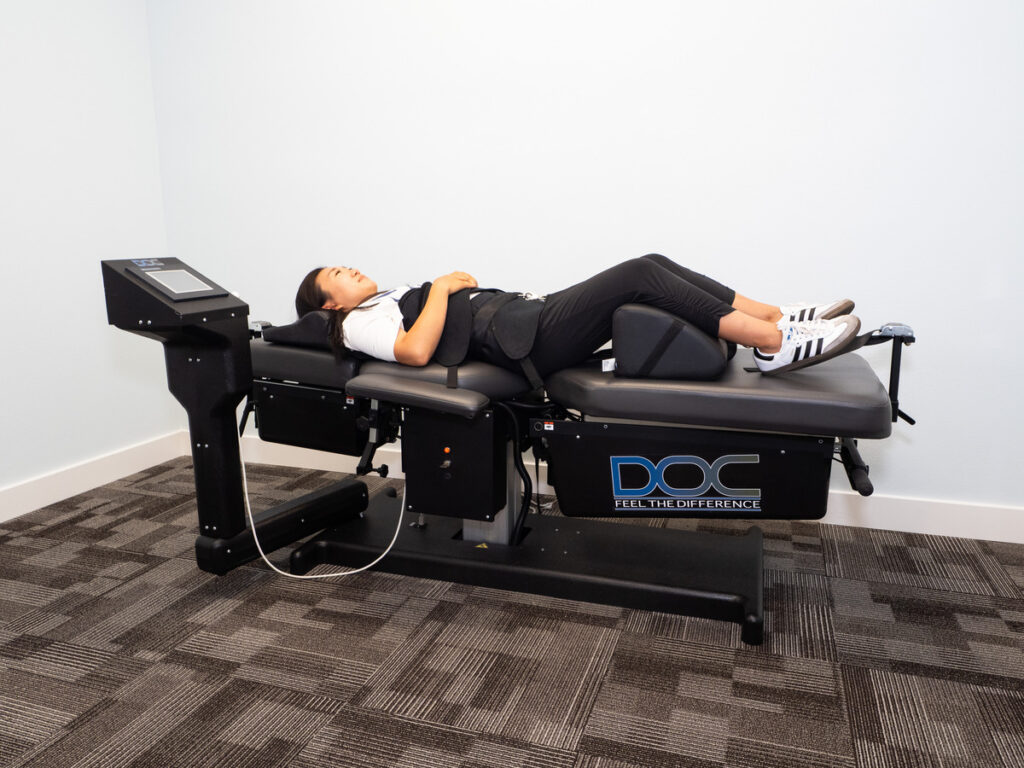
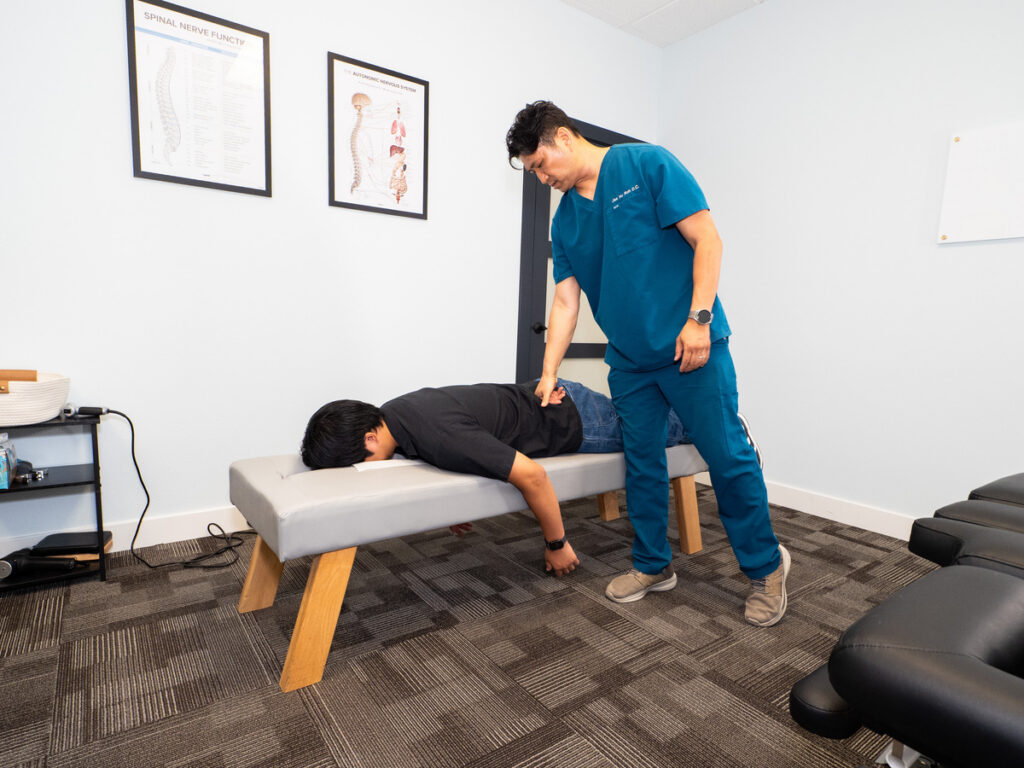
2. Chiropractic Care: Chiropractors use hands-on spinal manipulation and other techniques to align your body's musculoskeletal structure.
This can relieve pressure on nerves, reduce inflammation, and enhance mobility.
A tailored chiropractic treatment plan may involve regular adjustments and targeted exercises.
3. Medication Management: Depending on your situation, your doctor may recommend over-the-counter or prescription medications to manage pain and inflammation.
This approach can be combined with other therapies to provide a more thorough relief strategy.
Integrating Lifestyle Changes
To manage your back pain effectively, integrating lifestyle changes is essential.
You can start by adapting your exercise routine, focusing on nutrition for pain relief, and implementing stress management techniques.
These adjustments can greatly improve your overall well-being and help alleviate discomfort.
Exercise Routine Adaptation
Integrating lifestyle changes into your exercise routine can greatly enhance your approach to managing back pain. By adapting your exercises, you can't only alleviate discomfort but also strengthen your back over time.
Here are three key adaptations to take into account:
- Focus on Core Strength: Prioritize exercises that strengthen your core muscles, like planks and bridges. A strong core supports your spine and can greatly reduce back pain.
- Incorporate Flexibility Training: Stretching is essential for maintaining flexibility and preventing stiffness. Include yoga or gentle stretches in your routine to enhance mobility and ease muscle tension.
- Choose Low-Impact Activities: Opt for low-impact exercises, such as swimming or cycling, which are easier on your back compared to high-impact sports. These activities can improve cardiovascular health without aggravating your pain.
Nutrition and Pain Relief
A well-balanced diet plays an essential role in managing back pain and supporting overall wellness. You need to focus on incorporating anti-inflammatory foods that can help reduce pain and improve mobility. Foods rich in omega-3 fatty acids, like salmon, walnuts, and flaxseeds, can help combat inflammation.
Fresh fruits and vegetables, particularly leafy greens, berries, and citrus, provide antioxidants that support your body's healing processes.
Don't forget about whole grains, which offer necessary fiber and nutrients. Quinoa, brown rice, and oats can help maintain a healthy weight, reducing stress on your back. Staying hydrated is vital, too; drinking enough water aids in maintaining joint lubrication and overall health.
You might also consider reducing processed foods, sugars, and trans fats, as these can contribute to inflammation and weight gain.
Additionally, some studies suggest that spices like turmeric and ginger may have pain-relief properties.
Stress Management Techniques
Amid the daily stresses of life, managing your mental well-being is essential for alleviating back pain.
Stress can tighten your muscles and lead to discomfort, so incorporating effective stress management techniques can greatly improve your overall health and comfort.
Here are three practical strategies you can implement:
1. Mindfulness and Meditation: Taking a few minutes each day to practice mindfulness or meditation can help you center your thoughts and reduce anxiety.
Focus on your breath and let go of tension to release built-up stress.
2. Regular Physical Activity: Engaging in regular exercise, like walking, yoga, or swimming, releases endorphins, which can boost your mood and reduce feelings of stress.
Aim for at least 30 minutes of moderate activity most days.
3. Adequate Sleep: Prioritize good sleep hygiene.
Establish a consistent sleep schedule and create a relaxing bedtime routine.
Quality sleep helps your body recover and manage stress effectively.
Role of Professional Guidance
When dealing with back pain, seeking professional guidance can make a significant difference in your recovery journey. A qualified healthcare provider, like a chiropractor, physical therapist, or orthopedic specialist, can assess your condition and develop a tailored treatment plan. They can help identify the root causes of your pain, whether it's muscle imbalances, poor posture, or underlying medical issues.
With their expertise, these professionals can recommend appropriate exercises, stretches, and lifestyle modifications that target your specific needs. They'll also educate you about proper body mechanics to prevent future injuries. This guidance is essential because attempting to self-diagnose or treat your pain might lead to ineffective solutions or even exacerbate the issue.
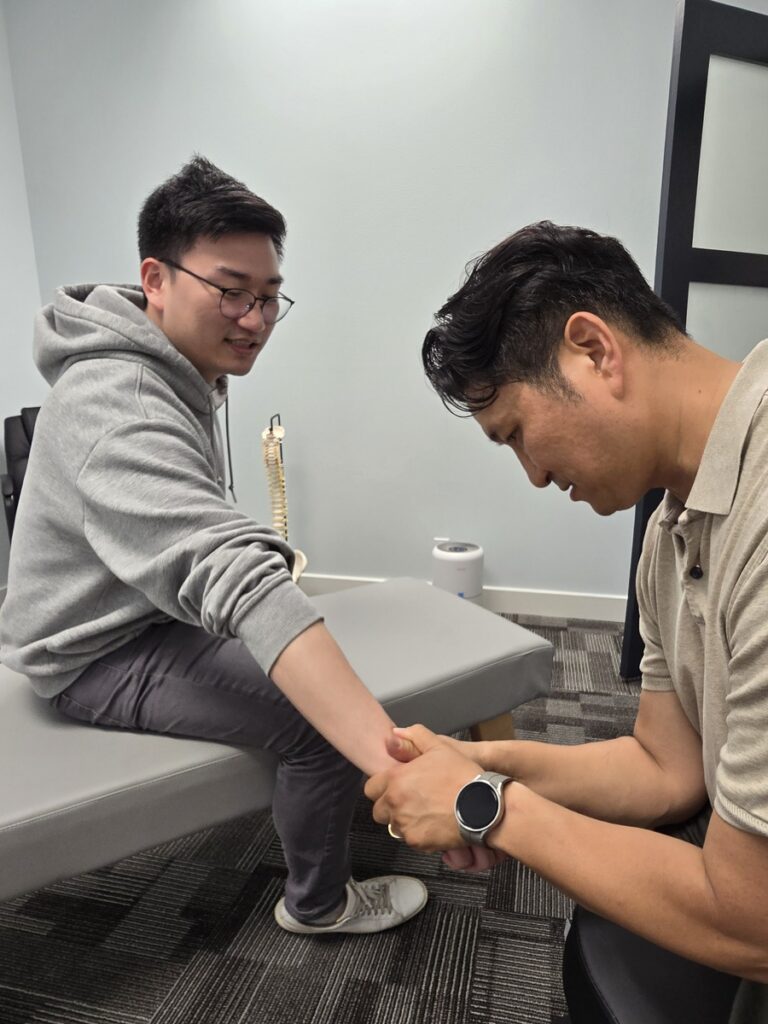
Moreover, professionals can offer hands-on treatments, such as manual therapy, which can relieve tension and improve mobility. They can also provide valuable resources for pain management techniques, including heat and cold therapy or ergonomic adjustments in your workspace. Having an expert in your corner not only brings peace of mind but also accelerates your healing process.
Regular follow-ups with your chosen provider facilitate ongoing adjustments to your treatment plan as your condition improves. This adaptive approach guarantees that you're always working towards the best recovery and maintaining your progress.
Trusting a professional's guidance is key, as they'll help you navigate the complexities of back pain effectively and safely. So don't hesitate to reach out and take that important step toward relief.
Tracking Progress and Adjustments
Tracking your progress is essential to understanding how well your treatment plan is working. By keeping a close eye on your symptoms and responses to treatment, you can identify what's effective and what needs adjustment. This proactive approach empowers you to take control of your back pain management and helps your healthcare provider tailor the plan to better suit your needs.
Here are three key aspects to focus on when tracking your progress:
- Symptom Journal: Keep a daily log of your pain levels, activities, and any triggers you notice. This record will help you and your healthcare provider pinpoint patterns and make informed decisions about your treatment.
- Regular Assessments: Schedule periodic check-ins with your healthcare provider to evaluate your progress. Use these sessions to discuss your findings from the symptom journal and any changes you've experienced.
- Adjustments and Feedback: Be open to making adjustments based on your assessments. If a particular treatment isn't yielding results, don't hesitate to share your concerns. This collaborative approach guarantees you're getting the best care possible.
Success Stories and Testimonials
You're about to hear inspiring success stories from people just like you who've transformed their lives through personalized treatment plans.
These real-life examples highlight how custom approaches lead to significant improvements in back pain.
Let's explore how tailored solutions can create meaningful change in your journey to recovery.
Real-Life Transformations
Countless individuals have experienced remarkable transformations in their battle against back pain, proving that a custom approach can lead to life-changing results.
You might be surprised to learn that many people, just like you, have found relief through tailored strategies that address their unique situations.
Here are three inspiring success stories that showcase the power of personalized care:
- Emily's Journey: After years of chronic pain, Emily embraced a custom exercise program. Within weeks, her strength and mobility improved considerably, allowing her to enjoy activities she thought were lost forever.
- John's Relief: John struggled with debilitating back pain that impacted his work and family life. A targeted treatment plan, including physical therapy and lifestyle changes, helped him reclaim his energy and enthusiasm for daily activities.
- Sophia's Transformation: Sophia, a busy mom, found herself overwhelmed by discomfort. By incorporating mindfulness and ergonomic adjustments into her daily routine, she experienced a dramatic reduction in pain and enhanced well-being.
These stories highlight how a custom approach can't only alleviate pain but also restore joy and liveliness to your life.
Personalized Treatment Outcomes
Personalized treatment outcomes speak volumes about the effectiveness of tailored care in managing back pain. When you explore customized approaches, you're likely to discover countless success stories that highlight real transformations.
For instance, consider Jane, who struggled with chronic lower back pain for years. After working closely with a specialist to create a personalized treatment plan, she experienced significant relief. Through a combination of physical therapy, targeted exercises, and lifestyle modifications, Jane regained her mobility and improved her quality of life.
Then there's Mark, who faced debilitating pain that limited his daily activities. By identifying the specific triggers of his discomfort and addressing them with a custom approach, he found a new lease on life. His tailored regimen not only alleviated his pain but also empowered him to engage in activities he once thought were impossible.
These testimonials aren't just anecdotes; they illustrate the potential of personalized care to produce remarkable outcomes. When you commit to a tailored approach, you're investing in a future where back pain doesn't dictate your life.
Personalized treatment can lead to lasting relief and a renewed sense of freedom. Why not take the first step toward your own success story?
Conclusion
A custom approach to back pain management can truly transform your recovery journey. By focusing on your unique needs and integrating tailored treatments, you're not just masking the pain; you're addressing its root causes. With the right support and lifestyle changes, you can regain mobility and reduce your reliance on medications. Embrace this personalized strategy, stay engaged in your healing process, and watch as you achieve your treatment goals and enjoy a pain-free life.