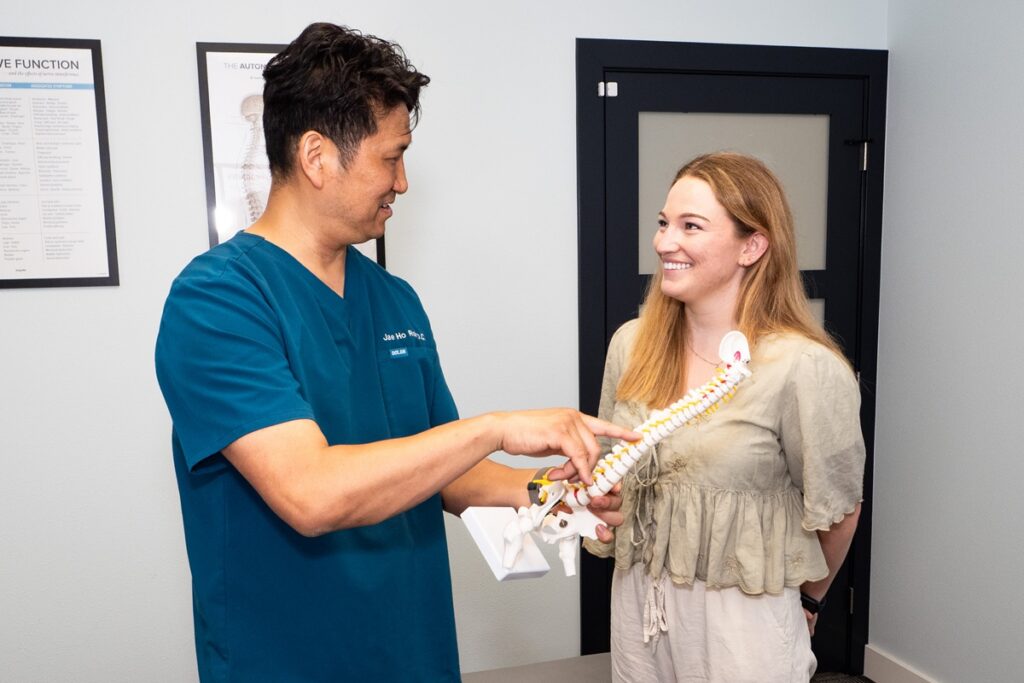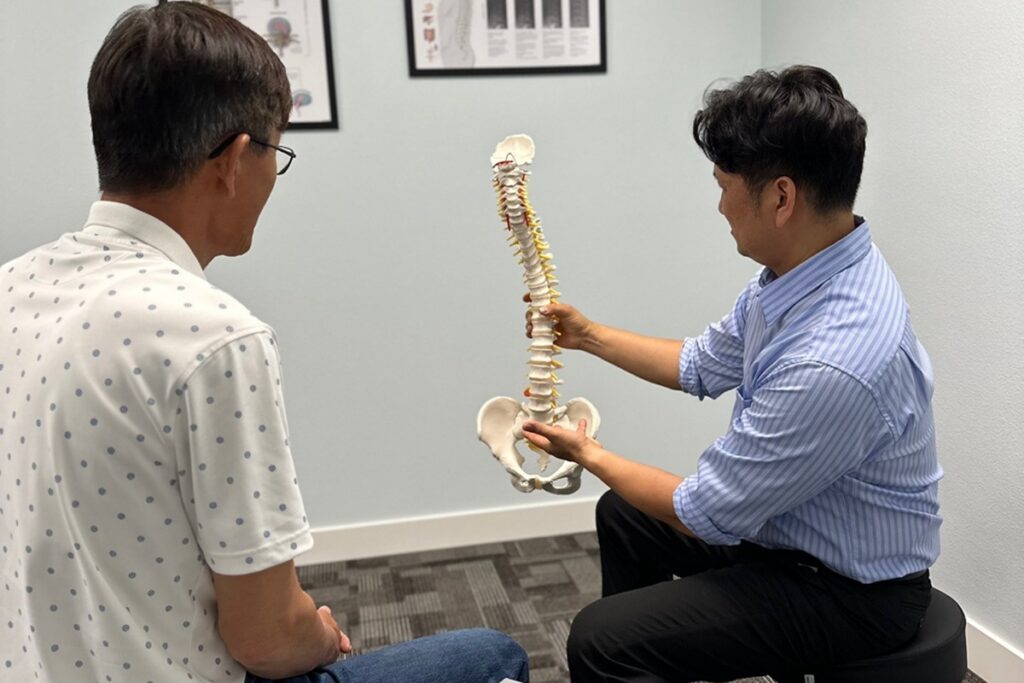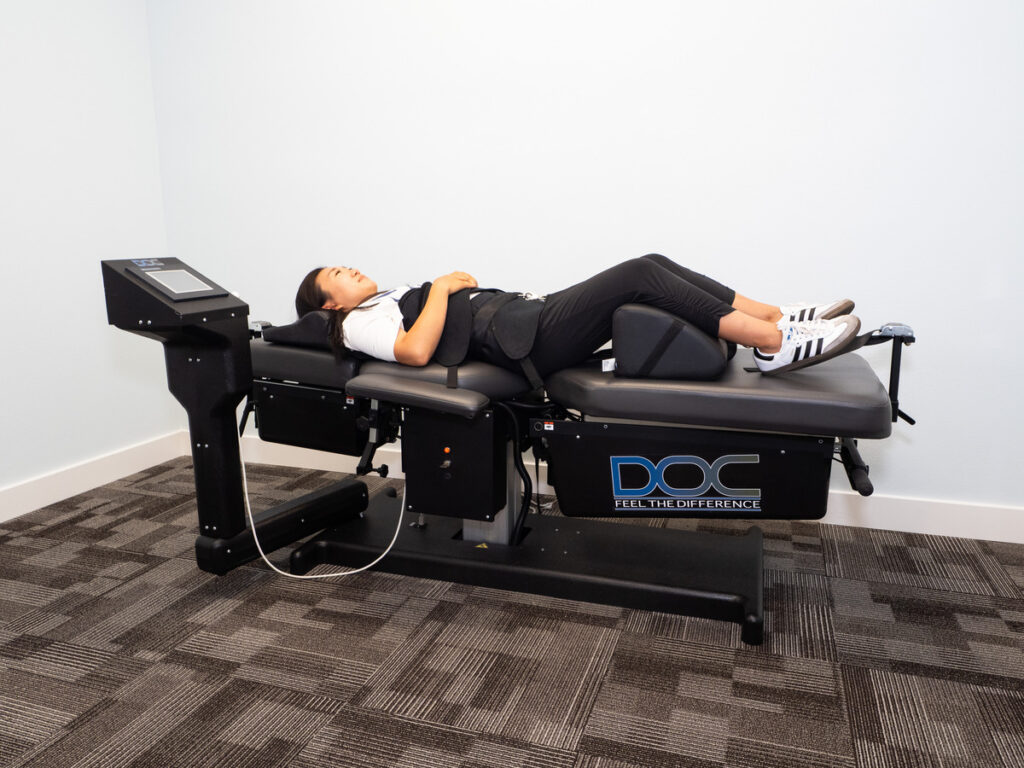

As a local chiropractor, I want to emphasize how interconnected your back pain and mental well-being truly are. Many of you may not realize that discomfort in your back can significantly impact your mood and overall mental health. It's common to look for quick fixes that only provide temporary relief and can lead to more frustration and stress. However, I encourage you to explore mindful practices that can help address both your physical discomfort and emotional state.
Incorporating gentle movements and relaxation techniques into your routine can be transformative. These approaches not only aim to alleviate pain but also promote a sense of calm and clarity. So, how do you embark on this path towards a healthier back and a clearer mind? Let's work together to discover effective strategies that suit your lifestyle and needs. Your journey to natural healing begins with understanding and addressing the root causes of your discomfort, and I'm here to guide you every step of the way.
Understanding Back Pain
Back pain can be a real disruptor in your life, and as a chiropractor, I see it all too often in patients who are unsure of their options for relief. It's a prevalent issue that impacts millions, but understanding the different types of back pain is crucial for effective management and recovery.
First, let's talk about acute pain. This type of pain comes on suddenly, often due to injuries or overexertion, and typically lasts from a few days to a few weeks. It's your body's way of signaling that something isn't right.
On the other hand, chronic back pain persists for three months or longer, often linked to ongoing conditions such as arthritis or herniated discs, or even everyday habits like poor posture.
Identifying the source of your pain is key to addressing it effectively. Pay attention to when your pain flares up. Is it more intense in the morning or after sitting for long periods? Does it start to feel better when you move? These observations can be invaluable for you and your healthcare provider, helping to uncover the root cause of your discomfort.
As a chiropractor, I emphasize the important role that lifestyle choices play in maintaining back health. Engaging in regular exercise can strengthen your core muscles and provide better support for your spine. Maintaining a healthy weight is also crucial, as it reduces the strain on your back.
Additionally, making ergonomic adjustments to your workspace can significantly alleviate discomfort.
It's essential not to ignore persistent pain. Seeking professional guidance can lead to an accurate diagnosis and tailored treatment options. Chiropractic care focuses on natural healing methods that can help restore balance and function to your body, often leading to improved overall health.
By taking the time to understand your back pain, you're already making strides toward relief. Prioritize your back health and explore natural healing solutions with a chiropractor to find effective ways to manage and reduce your discomfort.
The Mind-Body Connection
As a chiropractor, I want to highlight the profound connection between your mind and body, and how it plays a crucial role in your overall health. Many of my patients come in feeling stressed or anxious, and often they don't realize how these emotions can manifest physically. For instance, you might notice tightness or discomfort in your back—this is your body's way of responding to mental strain.
It's important to recognize that your emotional state can significantly influence your physical well-being. On the flip side, physical issues, such as chronic back pain, can also take a toll on your mental health. It's common for patients to feel frustrated, irritable, or even depressed when dealing with persistent pain.
Understanding this mind-body connection is vital for taking charge of your health. You can't effectively treat your pain without considering how it might be affecting your mental state, and vice versa.
Incorporating activities that support both your mental and physical health can be life-changing. Techniques like deep breathing exercises or yoga not only calm your mind but also help release tension in your body. This holistic approach fosters a positive feedback loop: a relaxed mind leads to a relaxed body, and a relaxed body contributes to a peaceful mind.
I encourage you to listen to your body's signals. If you're feeling tightness or soreness in your back, take a moment to reflect on your emotional state. Are you feeling stressed or overwhelmed? Recognizing these emotions can help you address the underlying causes of your discomfort.
Benefits of Mindfulness
As a local chiropractor, I want to share how mindfulness can be a powerful ally in enhancing both your mental and physical health, especially in relation to chiropractic care and natural healing. By practicing mindfulness, you can bring your focus to the present moment, which is essential for effectively managing stress and anxiety—common issues that can affect your overall well-being and spinal health.
One of the most significant benefits of mindfulness is its impact on emotional well-being. When you learn to stay present, you cultivate self-compassion and acceptance, which can be transformative. This shift in perspective can help alleviate feelings of loneliness and depression, ultimately improving your mood.
With a mindful approach, you become better equipped to face life's challenges without feeling overwhelmed, allowing your body to respond more positively to chiropractic adjustments and treatments.
Mindfulness doesn't just benefit your mental state; it also has a profound effect on your physical health. Studies indicate that practicing mindfulness can lead to lower blood pressure, better sleep quality, and even a strengthened immune system.
By focusing on your breath and bodily sensations, you can release tension and foster relaxation. This is particularly beneficial when considering the physical adjustments and care that chiropractic treatments provide, as a relaxed body is more receptive to healing.
Incorporating mindfulness into your daily life is simpler than you might think. Easy practices such as deep breathing, meditation, or even mindful eating can create significant positive changes.
As you commit to these mindfulness techniques, you may notice reduced stress levels, improved focus, and a deeper connection to your overall well-being. Embrace mindfulness alongside your chiropractic care, and witness how it can transform your health journey.
Gentle Movement Techniques
As a local chiropractor, I want to share how gentle movement techniques can greatly improve your physical well-being, particularly when it comes to relieving spinal discomfort.
Many people are unaware that incorporating simple practices like stretching, specific yoga poses, and focused breathing exercises into your daily routine can play a significant role in aligning your spine and fostering relaxation.
These techniques not only help alleviate tension but also support the overall health of your body.
By engaging in these gentle movements, you can enhance your flexibility, improve your posture, and create a greater sense of harmony within yourself.
Let's delve into how these natural healing practices can boost your overall health and well-being, leading to a more comfortable and fulfilling life.
Stretching for Spinal Relief
As a local chiropractor, I want to share with you the incredible benefits of stretching for relieving spinal tension. Many people overlook the power of simple stretches, but incorporating them into your daily routine can significantly enhance your spinal health and overall well-being.
Stretching helps to ease tight muscles and improve flexibility, which is essential for a healthy spine. Here are four effective stretching techniques that I recommend:
- Cat-Cow Stretch: This dynamic movement is fantastic for improving spinal flexibility. Begin on all fours, arch your back upwards like a cat, and then lower your belly while lifting your head like a cow. Repeat this flow several times to promote movement in your spine.
- Seated Forward Bend: While seated, extend your legs straight out in front of you. Gently bend forward and reach for your toes. This stretch helps to elongate your spine and alleviate tension in your lower back, making it an excellent addition to your routine.
- Child's Pose: Kneel and sit back on your heels, extending your arms forward on the ground. Allow your forehead to rest down. This restorative pose gently stretches your back and encourages relaxation, making it a perfect way to unwind.
- Torso Twist: While seated, place one hand on the opposite knee and gently twist your torso to the side. This stretch not only works your spine but also enhances mobility and flexibility.
By incorporating these stretches into your daily life, you can experience greater alignment and relaxation, which are key components of a healthy spine.
Yoga Poses for Alignment
Incorporating yoga into your wellness routine can significantly enhance your efforts for spinal health, especially when combined with chiropractic care. As a chiropractor, I often recommend specific yoga poses designed for alignment to help improve your posture, alleviate tension, and promote overall well-being.
Let's start with Cat-Cow Pose. This gentle movement involves alternating between arching and rounding your back, which warms up your spine and increases flexibility—two key components of a healthy spine.
Next, consider Downward-Facing Dog. This pose is fantastic for stretching the spine while also strengthening your arms and legs. As you press your heels towards the floor, focus on lengthening your spine and engaging your core, which can support your alignment.
Child's Pose is another excellent choice. It allows your back to relax and releases any built-up tension, making it a great restorative pose after a long day.
Bridge Pose is also wonderful for spinal alignment. As you lift your hips, you're creating space in your lower back while also strengthening your glutes, which play an important role in supporting your spine.
Finally, I recommend finishing your practice with Supine Spinal Twist. This pose effectively releases any remaining tightness in your back and promotes relaxation.
Incorporating these yoga poses into your routine just a few times a week can make a significant difference in your spinal health. They complement the benefits of chiropractic adjustments and can enhance your overall sense of balance and well-being.
If you have any questions about how these practices can integrate with your chiropractic care, feel free to ask!
Breathing Techniques for Relaxation
As a local chiropractor, I often emphasize the importance of holistic approaches to wellness, including the power of breathing techniques for relaxation and stress relief. Many of my patients find that when they focus on their breath, they can effectively manage tension and enhance their overall well-being.
Here are some simple yet effective breathing techniques that you can incorporate into your daily routine:
- Diaphragmatic Breathing: This method is incredibly beneficial for engaging your diaphragm and promoting relaxation. Find a comfortable position—either sitting or lying down. Place one hand on your chest and the other on your belly. Inhale deeply through your nose, allowing your belly to rise while keeping your chest relatively still. Exhale slowly through your mouth, feeling your belly fall. Practice this for a few minutes to help release tension.
- 4-7-8 Breathing: This technique is excellent for calming both the mind and body. Inhale through your nose for a count of 4, hold your breath for 7 counts, and then exhale slowly through your mouth for a count of 8. This cycle can help reduce stress and promote a sense of tranquility.
- Box Breathing: This structured breathing technique is great for grounding yourself. Inhale for a count of 4, hold your breath for another count of 4, exhale for 4, and hold once more for 4. Repeat this cycle several times to cultivate a deeper sense of relaxation.
- Mindful Breathing: Take a moment to simply focus on your breath as it naturally flows in and out. If distractions arise, acknowledge them without judgment and gently bring your attention back to your breath. This practice can enhance your awareness and help you stay present.
By incorporating these breathing techniques into your routine, you can support not only your physical health but also your mental and emotional well-being.
As a chiropractor, I encourage my patients to explore these natural healing methods as a complement to their overall care.
Stretching for Relief
As a local chiropractor, I want to share how beneficial stretching can be for relieving back pain and promoting overall spinal health. Many of my patients are surprised to learn that regular stretching is one of the most effective ways to enhance flexibility, reduce muscle tension, and improve blood circulation – all vital components for a healthier back.
You don't need to be an expert in yoga or advanced techniques; even a few simple stretches can significantly impact your well-being. Let's explore some stretches that you can easily incorporate into your daily routine.
First, I recommend the cat-cow stretch. Begin on your hands and knees, and gently alternate between arching your back upwards like a cat and then lowering it downwards like a cow. This movement is excellent for warming up your spine and releasing built-up tension.
Next, consider the child's pose. Kneel on the floor, sit back on your heels, and extend your arms forward. This gentle stretch not only elongates your spine but also promotes relaxation, making it a great option for stress relief.
Another stretch I often suggest is the seated forward bend. Sit with your legs extended in front of you, and slowly lean forward to reach for your toes. This stretch targets your lower back and hamstrings, providing a soothing release. If you can't quite reach your toes, don't worry – stretch to a point that feels comfortable for you.
Lastly, the spinal twist can be incredibly beneficial. Sit cross-legged, place your right hand on your left knee, and gently twist your torso to the left. Hold this position for a few breaths, then switch sides. This stretch is fantastic for enhancing spinal mobility and reducing stiffness.
Incorporating these stretches into your daily routine can pave the way to a more flexible and pain-free back. Remember, consistency is crucial for seeing the best results.
As you begin to embrace these stretches, you may notice a significant difference in how you feel. If you have any questions or need further guidance, don't hesitate to reach out!
Self-Care Practices
As a local chiropractor, I want to emphasize the importance of self-care practices in maintaining a healthy back and overall well-being. Many people may not realize that prioritizing self-care can significantly enhance not just physical health, but also mental and emotional wellness.
Here are four effective self-care practices I recommend incorporating into your daily routine:
- Mindful Movement: Consider engaging in gentle movement activities such as yoga or tai chi. These practices are fantastic for improving flexibility and strengthening the muscles that support your back, ultimately reducing the risk of injury. Movement is key in promoting spinal health.
- Proper Posture: It's essential to be mindful of your posture throughout the day. Whether you're sitting at a desk or standing, keeping your back straight and shoulders relaxed can prevent unnecessary strain and discomfort. Simple adjustments can make a big difference in how your body feels.
- Regular Breaks: If your daily routine involves long periods of sitting, I encourage you to set a timer to remind yourself to take breaks every hour. Stand up, stretch, or take a brief walk. These mini-breaks help alleviate tension in your back and keep it healthy over time.
- Hydration and Nutrition: Don't forget the importance of hydration and nutrition. Drinking plenty of water and consuming a balanced diet rich in vitamins and minerals are crucial for muscle recovery and overall health. Proper nutrition supports your body's healing processes, which is vital for maintaining a strong back.
By incorporating these self-care practices into your life, you'll likely notice significant improvements in both physical and mental well-being.
Remember, taking care of your back isn't just about addressing pain; it's an investment in your overall health. If you have any questions about how chiropractic care can complement these practices, feel free to reach out.
Start your journey to better health today!
Creating a Relaxation Routine
As a local chiropractor, I want to emphasize the importance of creating a relaxation routine for your mental and physical well-being. Incorporating simple relaxation techniques into your daily life can significantly reduce stress and improve your mood, which is crucial for maintaining a healthy spine and overall wellness.
Establishing a consistent routine not only helps you unwind but also supports the body's natural healing processes. By integrating practices such as deep breathing, gentle stretching, or mindfulness into your day, you can enhance your chiropractic care and promote long-lasting health benefits.
Let's discuss how a tailored relaxation routine can make a remarkable difference in your overall quality of life and contribute to your journey towards optimal health.
Importance of Routine
As a local chiropractor, I want to emphasize the importance of establishing a consistent relaxation routine for your overall health and well-being. By creating a dedicated time for relaxation, you allow your body and mind to unwind and recharge, which is vital for maintaining balance and reducing stress levels. This intentional practice aligns with the principles of chiropractic care, which focus on the connection between the mind and body.
Here are four key benefits of integrating a relaxation routine into your lifestyle:
- Improved Focus: When you regularly take time to relax, you can enhance your focus and productivity in all areas of life. This is particularly beneficial for those experiencing physical discomfort, as a clear mind helps you respond better to chiropractic adjustments.
- Reduced Anxiety: A structured relaxation routine can significantly diminish feelings of anxiety, giving you a greater sense of control over your daily activities. This can complement the physical adjustments we make in chiropractic care, leading to a holistic approach to your well-being.
- Better Sleep: Implementing relaxation techniques before bedtime can signal your body that it's time to rest. Quality sleep is crucial for healing and recovery, making it a key component of your health journey, especially after receiving chiropractic treatments.
- Enhanced Mood: Regular engagement in relaxation activities promotes the release of endorphins, helping to elevate your mood and overall sense of well-being. This positive emotional state can further support the effectiveness of chiropractic care, as a healthy mind contributes to a healthy body.
By incorporating a relaxation routine into your life, you can enhance not only your mental health but also the benefits of any chiropractic care you receive.
Let's work together to create a plan that supports your journey toward optimal health!
Simple Relaxation Techniques
As a local chiropractor, I understand how essential relaxation techniques are for your overall well-being and how they can complement your chiropractic care. By setting aside just a few minutes each day for self-care, you can significantly enhance your physical and mental health.
One of the simplest yet most effective practices you can incorporate is deep breathing exercises. Take a moment to inhale deeply through your nose, hold it for a second, and then exhale gently through your mouth. This technique not only calms your mind but can also help reduce the physical tension that often accompanies stress, making it a great addition to your wellness routine.
Mindfulness meditation is another valuable tool that requires no special equipment—just a quiet space where you can sit comfortably. Focus on the present moment and your breath. It's natural for your mind to wander, and when it does, simply guide your thoughts back to your breathing. This practice can enhance your mental clarity and emotional resilience, which are essential for maintaining a healthy body.
Additionally, I recommend trying progressive muscle relaxation. Start at your toes and gradually work your way up, tensing and then relaxing each muscle group. This not only helps alleviate built-up tension but also complements the physical adjustments you receive in chiropractic care.
Lastly, don't overlook the benefits of spending time outdoors. A short walk in nature can significantly uplift your mood and provide a refreshing change of scenery.
When to Seek Professional Help
As a local chiropractor, I understand that many people may not be familiar with the benefits of chiropractic care and natural healing. Recognizing when to seek professional help is crucial for your overall well-being.
While self-care techniques can provide temporary relief, there are certain situations where reaching out to a chiropractor or healthcare provider is essential. Ignoring persistent discomfort or pain can lead to more serious health concerns in the future.
Here are four key signs that indicate it may be time to visit a chiropractor:
- Chronic Pain: If you have been experiencing back pain or discomfort that persists for several weeks without improvement, it's important to have a professional evaluation. Chronic pain can often signal underlying issues that require the expertise of a chiropractor to address effectively.
- Limited Mobility: Struggling to perform daily activities—whether that's bending, lifting, or even sitting comfortably—can be a sign that your body needs assistance. A chiropractor can help restore your range of motion and improve your quality of life.
- Numbness or Tingling: If you notice numbness, tingling, or weakness in your arms or legs, this may indicate nerve involvement. Seeking help promptly can prevent further complications and ensure that you receive the appropriate care.
- Worsening Symptoms: If your symptoms continue to worsen despite your efforts with self-care methods, it's time to reach out for professional guidance. A chiropractor can provide personalized treatment options tailored to your specific needs.
Listening to your body is vital. If something doesn't feel right, trust your instincts and seek help.
Taking proactive steps now can lead to a healthier, more comfortable future. Remember, you don't have to navigate this journey alone; we're here to support you every step of the way.
Maintaining Long-Term Wellness
As your local chiropractor, I want to emphasize the importance of adopting a proactive approach to your health for maintaining long-term wellness. This involves prioritizing regular physical activity, balanced nutrition, and mental well-being, all of which are crucial for a healthy lifestyle.
Let's start with the physical aspect. Incorporating exercise into your daily routine is vital. I recommend aiming for at least 150 minutes of moderate aerobic activity each week, along with strength training twice weekly. Whether you find joy in dancing, swimming, or hiking, engaging in activities you love will make it easier to stay consistent.
Remember, physical activity not only strengthens your body but also supports spinal health, which is at the core of chiropractic care.
Next, let's talk about nutrition. Eating a diverse array of fruits, vegetables, whole grains, and lean proteins is essential for fueling your body and promoting overall health. Be mindful of portion sizes and try to avoid processed foods that are high in sugar and unhealthy fats.
Hydration is equally important; ensure you're drinking enough water throughout the day to support your body's functions.
Mental wellness is often overlooked, yet it plays a significant role in your overall health. I encourage you to practice mindfulness or meditation to help reduce stress and improve emotional well-being.
Make time for hobbies, social interactions, and relaxation to maintain a healthy balance in your life. If you ever feel overwhelmed, don't hesitate to reach out for support—whether it's friends, family, or a professional.
Chiropractic care can also be a great resource for managing stress and improving mental clarity.
Finally, regular health check-ups, including chiropractic assessments, are essential for catching potential issues early. These visits enable us to monitor your progress and ensure that your spine and overall body function optimally.
By integrating these practices into your life, you'll be setting yourself up for a healthier, happier future and truly maintaining long-term wellness.
Conclusion
As a local chiropractor, I want to share how incorporating mindful practices into your daily routine can significantly improve your back health and overall well-being. By focusing on gentle movements, stretching, and relaxation techniques, you can alleviate discomfort while also enhancing your mental state. It's crucial to understand that your physical and emotional health are interconnected.
When you prioritize self-care through natural healing methods, you take an important step towards freeing yourself from unhealthy coping mechanisms that can exacerbate pain. Embracing a holistic approach not only helps you manage back pain effectively but also leads to a more balanced and peaceful mind. Together, we can work towards lasting wellness that nurtures both your body and spirit.