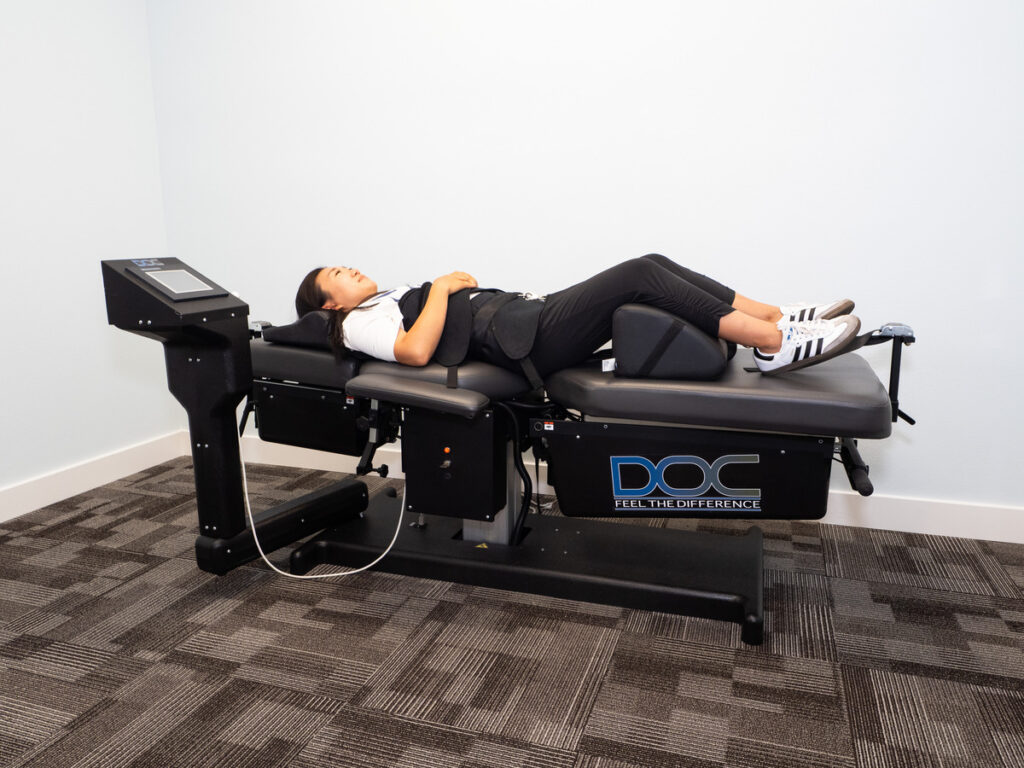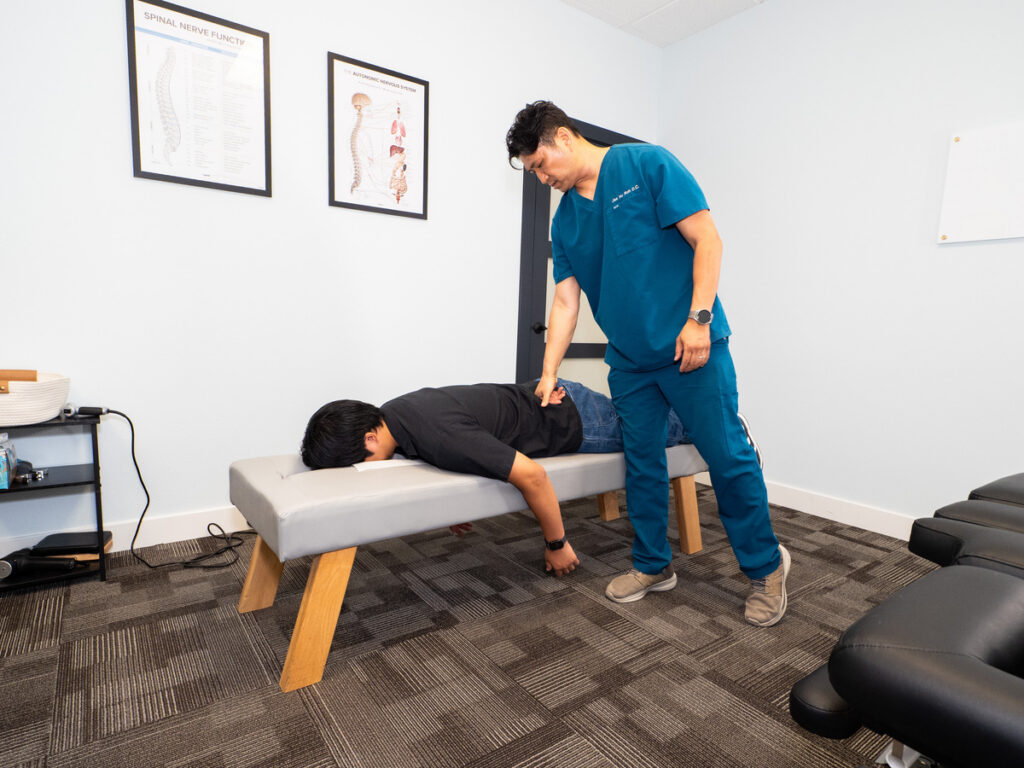

As a local chiropractor, I understand the profound impact that back pain can have on your daily life. Many people are unaware of how common this issue is and the importance of understanding its causes and effects. That’s why I’m here to help you explore effective, natural strategies for relief.
In just 30 days, you can incorporate simple yet powerful techniques that promote spinal health and overall well-being. By focusing on aspects like improving your posture and setting up an ergonomic workspace, you can significantly alleviate discomfort. Each small change you make will contribute to a larger goal of living pain-free.
So, let’s start this journey together! What’s the first adjustment you can make to initiate your path toward a healthier spine? I’m here to guide you every step of the way.
Understanding Back Pain: Causes and Effects
As a local chiropractor, I want to help you understand the various causes of back pain and how we can address them through natural healing methods. Back pain can arise from multiple sources, and recognizing these can empower you to manage or even prevent discomfort. Common culprits include improper lifting techniques, overexertion, and repetitive motions, all of which can lead to muscle strains or sprains.
If you find yourself sitting for extended periods, it’s important to be aware that this can weaken your muscles and lead to stiffness and discomfort. Additionally, stress is a significant factor; it often manifests as tension in the back, which can exacerbate pain.
There are also underlying medical conditions, such as herniated discs or arthritis, that may contribute to your discomfort. Lifestyle choices play a crucial role as well. A lack of exercise or poor nutrition can lead to back issues, and excess weight places added strain on your spine. Not staying active can weaken your core muscles, which are essential for supporting your back.
By understanding these causes, you can take proactive steps to alleviate and prevent back pain. At our practice, we focus on holistic approaches that promote overall health and well-being, helping you maintain a functional and pain-free lifestyle.
Together, we can work towards a healthier back and a better quality of life.
The Importance of Good Posture
As a local chiropractor, I want to emphasize the crucial role that good posture plays in maintaining your spinal health and preventing back pain. When your body is properly aligned, it significantly reduces the strain on your muscles and joints, leading to a more comfortable and pain-free life.
Let’s delve into some effective techniques that can help you improve your posture. By incorporating these practices into your daily routine, you can enjoy the numerous benefits that come with good alignment, including enhanced mobility, reduced discomfort, and overall better health.
Benefits of Proper Alignment
As your local chiropractor, I want to emphasize the importance of maintaining proper alignment for your overall health and well-being. When you prioritize good posture, you not only enhance your comfort but also significantly reduce the risk of developing chronic pain. Proper alignment helps keep your spine in its natural curve, allowing your muscles and ligaments to function efficiently.
This balanced alignment can lead to improvements in your breathing, digestion, and energy levels. You might notice that your daily activities become easier and less taxing on your body when you focus on maintaining good posture.
Moreover, proper alignment can have a positive impact on your confidence, making you feel more self-assured in both social and professional situations. By prioritizing good posture, you’re making a valuable investment in your long-term health.
It’s important to remember that the way you carry yourself today can greatly influence how you feel tomorrow. I encourage you to make alignment a priority in your life. As you do so, your body will express its gratitude by functioning more optimally and allowing you to live your life to the fullest.
If you have any questions about how chiropractic care can support you in achieving and maintaining proper alignment, please feel free to ask.
Techniques for Better Posture
As a local chiropractor, I want to emphasize that maintaining proper alignment is just the starting point for enhancing your health through better posture.
It’s essential to be aware of how you sit, stand, and move throughout your day. When you’re sitting, make sure your feet are flat on the floor and that your back is straight against the chair. If you’re standing, try to distribute your weight evenly on both feet while engaging your core muscles to provide support.
It’s important to take regular breaks to stretch and change your position, especially if you spend long hours at a desk. Ergonomic furniture can be a great investment to support your posture and reduce strain on your body.
Additionally, incorporating activities like yoga or Pilates into your routine can help strengthen your core and improve your flexibility, both of which are crucial for maintaining good posture.
Keep in mind that developing healthy posture habits is a gradual process, but the positive impact on your back health and overall well-being is incredibly valuable.
As you make these adjustments, remember that chiropractic care can also assist in correcting misalignments and promoting a healthier spine. Together, we can work towards achieving your best posture and overall health!
Daily Stretching Routine for Flexibility
As a chiropractor dedicated to promoting natural healing and wellness, I want to emphasize the vital role flexibility plays in preventing back pain. Incorporating a daily stretching routine can significantly enhance your wellbeing.
Through effective stretching techniques, not only will you improve your flexibility, but you’ll also boost your overall mobility, which is essential for maintaining a healthy spine.
Let’s discuss some practical tips for establishing a stretching routine that seamlessly fits into your daily life.
Importance of Flexibility
As a local chiropractor, I want to emphasize the importance of flexibility for your back health. While having a strong core is crucial, it’s equally important to incorporate flexibility into your routine to prevent back pain.
Stretching regularly helps maintain and improve your range of motion, which allows your muscles and joints to function more efficiently. When you prioritize flexibility, you lower the risk of strains and injuries that can lead to discomfort.
Moreover, increased flexibility can enhance your posture, which is vital for proper spinal alignment. By dedicating just a few minutes each day to stretching, you can improve your overall mobility and alleviate tension in your back and surrounding muscles.
This simple practice can make a significant difference in your back health, enabling you to stay active and pain-free. I encourage you to prioritize flexibility as part of your wellness journey to support your well-being and prevent future issues.
Together, we can work towards a healthier, more flexible you!
Effective Stretching Techniques
As your local chiropractor, I want to emphasize the importance of incorporating a daily stretching routine into your life, especially for the health of your back. Simple stretches can make a significant difference in your overall well-being.
Begin with fundamental stretches like the cat-cow pose, which gently warms up your spine and prepares it for movement. Following that, try the seated forward bend to effectively target your hamstrings and lower back, which can often be tight from daily activities.
The child’s pose is another excellent option; it not only helps to release tension throughout your back but also promotes relaxation.
I recommend holding each stretch for at least 15-30 seconds while focusing on deep, calming breaths. This not only enhances relaxation but also increases the effectiveness of the stretches.
Don’t overlook the importance of side stretches for improving lateral flexibility; they can help alleviate discomfort and enhance your range of motion. Additionally, incorporating spinal twists can greatly benefit your mobility.
It’s crucial to listen to your body during these stretches. If you experience any discomfort, it’s important to ease off and modify the stretch as needed.
Consistency is vital—aim to dedicate at least 10-15 minutes each day to your stretching routine. By committing to this practice, you’ll be taking significant steps toward improving your flexibility and overall wellness, and your back will certainly thank you for it!
Daily Routine Tips
As a local chiropractor dedicated to promoting natural healing and overall wellness, I want to emphasize the vital role that stretching plays in enhancing your flexibility and overall health.
Establishing a daily routine that includes stretching can significantly benefit your body, especially if you’re unfamiliar with chiropractic care.
I recommend starting each morning with gentle stretches to awaken your muscles and prepare them for the day ahead. Focus on key areas such as your back, hips, and legs. Incorporate movements like forward bends, cat-cow stretches, and seated hamstring stretches. Aim to dedicate at least 10-15 minutes each morning to these essential stretches.
Throughout your day, it’s beneficial to take short breaks to stand up, stretch, and reset your posture, particularly if you find yourself sitting for extended periods. Integrating stretching into your work routine can alleviate tension and reduce discomfort.
Additionally, before bed, consider practicing relaxing stretches to release any built-up tension and promote better sleep.
Consistency is crucial when it comes to stretching. As you commit to this routine, you’ll likely experience improved flexibility and a reduction in back pain, making your daily activities much more enjoyable.
Strengthening Your Core Muscles
As a local chiropractor, I want to emphasize the importance of a strong core for maintaining a healthy spine and preventing back pain. Strengthening your core muscles plays a crucial role in supporting your spine, improving your posture, and reducing discomfort.
I recommend starting with foundational exercises such as planks, bridges, and abdominal crunches. These movements effectively engage your core while minimizing strain on your back.
To achieve optimal results, aim to incorporate core workouts into your routine three to four times each week. As you gain confidence with these exercises, you can gradually increase their intensity or duration.
Remember, proper breathing and technique are vital; they can significantly enhance your results and help prevent injuries.
Additionally, I encourage you to explore activities like yoga and Pilates. These practices not only strengthen your core but also promote flexibility, which is essential for overall spinal health.
Always listen to your body; if you experience any pain during these exercises, stop and reassess your form. With dedication and the right approach, you can build a resilient core that supports your back and contributes to your overall well-being.
Ergonomic Workstation Setup
As a local chiropractor dedicated to your overall well-being, I want to emphasize how crucial your workspace is for maintaining good back health. Even if you have a strong core, the way you set up your workstation can make a significant difference in how your body feels throughout the day.
To create an ergonomic workstation, begin by adjusting your chair so that your feet rest flat on the floor and your knees are at hip level. This positioning is vital for supporting your back and ensuring that your spine remains in a neutral alignment. It’s important to have your back fully supported, which helps reduce strain and promotes better posture.
Your computer screen should be positioned at eye level and approximately an arm’s length away. This adjustment will help minimize neck strain, which is a common complaint I see in patients.
When typing, focus on keeping your wrists straight and your elbows close to your body, ideally creating a 90-degree angle. If your chair has adjustable armrests, use them to support your arms without raising your shoulders, as this can lead to tension and discomfort.
If possible, consider incorporating a standing desk option. Alternating between sitting and standing encourages movement and can help alleviate stiffness.
Remember to take regular breaks to stretch and relieve any built-up tension.
By optimizing your workstation, you not only reduce the risk of back pain but also enhance your overall comfort and productivity throughout the day.
If you have any questions or need personalized advice on your workstation setup, please don’t hesitate to reach out. Your health is my priority, and I’m here to help you feel your best!
The Role of Proper Footwear
As your local chiropractor, I want to emphasize how crucial the shoes you wear are for your overall back health. Many people don’t realize that proper footwear isn’t just a matter of style, but it plays a vital role in supporting your spine and maintaining good posture.
When you choose shoes that provide the right support and alignment, they help to evenly distribute your body weight, which can significantly reduce the risk of developing imbalances that often lead to back pain.
When selecting footwear, look for options that offer arch support, adequate cushioning, and a stable heel. It’s important to steer clear of high heels or overly flat shoes, as these can disrupt your natural posture and place unnecessary strain on your back.
If you find yourself spending long hours on your feet, I highly recommend considering custom orthotics. These can provide additional comfort and support, helping you maintain a healthy spine throughout your day.
Mindfulness and Stress Reduction Techniques
As a local chiropractor, I want to emphasize that choosing the right shoes can significantly impact your physical health, but it’s essential to recognize that your mental well-being is equally important for maintaining a healthy back.
Stress can lead to muscle tension, which is often a contributing factor to back pain. This is where mindfulness comes into play as an effective tool for managing stress.
I encourage you to start incorporating deep-breathing exercises into your daily routine. Just a few moments each day spent focusing on your breath can help clear your mind and release built-up tension.
Additionally, consider exploring practices like meditation or yoga. These not only promote relaxation but also enhance your awareness of your body and its needs.
By engaging in these mindfulness techniques, you’ll learn to tune into your body and recognize when tension is starting to build.
Addressing your mental state is crucial in creating a healthier environment for your spine. Remember, cultivating a calm mind can lead to a healthier back.
Prioritizing mindfulness can be a natural way to reduce your back pain over time. As your chiropractor, I’m here to support you on this journey to wellness.
The Benefits of Regular Exercise
As a local chiropractor, I want to emphasize the vital role that regular exercise plays in maintaining a healthy back. Engaging in consistent physical activity strengthens the muscles that support your spine and enhances your overall flexibility.
When you exercise, you improve blood circulation to your back muscles, which provides them with essential nutrients needed for recovery and optimal function. This increased strength in your muscles plays a crucial role in stabilizing your spine, thereby reducing the risk of injuries.
In addition, maintaining a regular exercise routine helps you manage a healthy weight, which can significantly relieve excess pressure on your back. Simple activities such as walking, swimming, or cycling can be easily integrated into your daily life and are excellent choices for promoting back health.
Plus, you’ll likely notice an uplift in your mood and energy levels, which makes it much easier to stay active and engaged in your daily routine.
As your chiropractor, I encourage you to prioritize exercise as a natural way to enhance your spinal health and overall well-being.
Incorporating Yoga Into Your Routine
As a local chiropractor, I often emphasize the importance of holistic approaches to wellness, and yoga can be an excellent complement to chiropractic care. Not only can it help alleviate back pain, but it also promotes greater flexibility and strength.
By integrating specific yoga poses into your daily routine, you can support your spine health and improve your posture.
Let’s delve into some fundamental poses that can benefit your back and overall well-being, along with some tips to help you incorporate them effectively.
Key Yoga Poses
As a local chiropractor, I want to share some valuable insights on how incorporating key yoga poses into your routine can help alleviate and prevent back pain. Many of my patients have found that these gentle stretches can significantly improve their overall spinal health.
To begin, the Cat-Cow stretch is an excellent way to warm up your spine and enhance flexibility. This pose involves moving between two positions, promoting mobility in your back.
Following this, the Downward-Facing Dog is a fantastic pose that lengthens your spine while also strengthening your arms and legs, creating a balanced support system for your back.
For a gentle lower back stretch and mental relaxation, the Child’s Pose is ideal. It allows you to unwind while providing a soothing stretch to your lumbar region.
After that, consider practicing the Bridge pose; this not only strengthens your glutes and lower back but also opens up your hips, which can improve overall body alignment.
Lastly, the Sphinx pose is another beneficial addition to your routine. It gently stretches your spine and helps build strength in your back muscles, which is crucial for maintaining proper posture and preventing discomfort.
By regularly practicing these poses, you can enhance your posture, increase your flexibility, and significantly reduce the likelihood of experiencing back pain.
As your chiropractor, I’m here to guide you through these practices and support you on your journey to natural healing and wellness.
Daily Practice Tips
As a chiropractor dedicated to helping you manage and alleviate back pain, I want to share how incorporating key yoga poses into your daily routine can make a significant difference in your healing journey.
Starting your day with gentle stretches such as Cat-Cow and Child’s Pose can awaken your spine and prepare your body for the day ahead. Even dedicating just ten minutes to these poses can help you focus on your breath and release built-up tension.
Throughout your workday, taking short breaks to perform standing forward bends or seated twists can be incredibly beneficial in relieving stiffness that often accumulates from prolonged sitting.
I also recommend establishing a calming evening routine, incorporating poses like Downward Dog and Forward Fold to help you unwind and prepare for restful sleep.
Consistency is essential for achieving lasting benefits—aim to practice at least five days a week. To stay motivated, consider joining a local yoga class or exploring online videos that cater to beginners.
The Impact of Nutrition on Back Health
As a local chiropractor, I want to emphasize the vital role that nutrition plays in maintaining a healthy back. The right nutrients are essential for strengthening your muscles and supporting the spine’s alignment and function. A balanced diet that’s rich in vitamins and minerals is crucial for optimal muscle performance and bone density.
Incorporating foods that are high in calcium—such as dairy products and leafy greens—can significantly contribute to keeping your bones strong. Additionally, omega-3 fatty acids, which are abundant in fish and nuts, are known to reduce inflammation. This is particularly important for those experiencing back pain, as inflammation can exacerbate discomfort.
Protein is another key component of your diet. It aids in repairing and building muscle tissue, which in turn supports the structures surrounding your spine.
Don’t overlook the benefits of fruits and vegetables; they’re packed with antioxidants that help combat oxidative stress and promote healing.
It’s also important to be mindful of what you’re avoiding. Excessive sugar and processed foods can lead to increased inflammation and weight gain, placing additional strain on your back.
By prioritizing wholesome, nutrient-dense foods, you can’t only enhance your back health but also reduce the risk of pain, allowing you to lead a more active and fulfilling lifestyle.
Staying Hydrated for Optimal Function
As your local chiropractor, I want to emphasize the importance of staying hydrated for your overall health, particularly when it comes to preventing back pain.
Proper hydration is crucial because it ensures that your muscles function optimally, which in turn reduces the strain on your back. Many people don’t realize how much water their bodies actually need to stay healthy and pain-free.
I encourage you to drink enough water throughout the day to support your body’s natural functions. By prioritizing hydration, you’re taking an essential step towards maintaining a healthy spine and reducing discomfort.
Importance of Water Intake
As a local chiropractor, I often see patients who underestimate the importance of hydration in their overall health, particularly when it comes to back pain.
It’s vital to understand that drinking enough water plays a significant role in keeping your spine healthy. Your spinal discs rely on proper hydration to function effectively. When you’re not drinking enough water, these discs can’t absorb shock as well, which can lead to discomfort and pain in your back.
Moreover, staying well-hydrated helps to lubricate your joints, reducing stiffness and improving your mobility. Many people mightn’t realize that even slight dehydration can cause tension in your muscles, which can worsen existing back issues.
I encourage you to make it a habit to drink plenty of water throughout the day. Pay attention to your body’s signals, and consider keeping a water bottle with you to ensure you’re consistently hydrating.
This simple practice can significantly contribute to your spinal health and overall well-being. Remember, taking care of your body holistically is key to natural healing and pain prevention!
Hydration and Muscle Health
As a chiropractor, I want to emphasize the importance of hydration for your muscle health. Proper hydration is crucial for ensuring that your muscles can function at their best. When you keep your body well-hydrated, your muscles stay flexible, allowing them to contract and relax properly. This flexibility helps to minimize the risk of cramps and stiffness, which can be particularly problematic for those of you who are active or spend long hours in certain postures.
On the flip side, dehydration can lead to fatigue and decreased performance, making it more challenging to stay active and maintain good posture. This is where the role of hydration becomes even more significant; it not only supports muscle function but is also vital for preventing back pain, which can affect your overall well-being.
To promote optimal muscle health, I recommend that you make it a habit to drink enough water throughout the day, especially before, during, and after any physical activity. Additionally, incorporating hydrating foods such as fruits and vegetables into your diet can greatly contribute to your hydration levels.
Remember, staying hydrated is a simple yet powerful way to support your muscles and overall health. It’s an integral part of maintaining an active lifestyle and ensuring that you feel your best.
If you have any questions about how hydration and muscle health are connected or how chiropractic care can support your wellness journey, feel free to ask!
Techniques for Safe Lifting
As a local chiropractor, I want to share some essential techniques for safe lifting that can help you avoid back pain and injury. Understanding how to lift properly is crucial for maintaining a healthy spine and overall well-being. Here are some simple tips to keep in mind:
- Bend Your Knees: Always remember to squat down by bending your knees rather than bending at your waist. This technique helps you maintain a straight and strong back, which is vital for preventing strain.
- Keep the Load Close: When lifting objects, hold them close to your body. Doing so minimizes the strain on your back and enhances your balance, making the lifting process safer and more efficient.
- Engage Your Core: Before you lift, tighten your abdominal muscles. A strong core is essential for providing the support and stability needed during lifting, making the task easier and reducing the risk of injury.
- Avoid Twisting: It’s important to avoid twisting your body while lifting or carrying items. Instead, turn your entire body to move in the desired direction. This practice helps alleviate unnecessary stress on your spine and can prevent discomfort.
By incorporating these techniques into your daily routine, you can protect your back and promote a healthier lifestyle.
If you have further questions about safe lifting or how chiropractic care can support your overall health, feel free to reach out!
The Value of Rest and Recovery
As a local chiropractor, I want to emphasize the crucial role that rest and recovery play in maintaining your back health.
Many people overlook the importance of quality sleep, but restorative sleep is vital for your body to repair itself and alleviate tension in your back muscles.
Additionally, incorporating active recovery techniques can help keep your muscles engaged and promote healing without the risk of overstraining.
It’s essential to prioritize these practices to support your overall well-being and enhance the effectiveness of any chiropractic care you may receive.
Importance of Sleep Quality
As a local chiropractor dedicated to your well-being, I want to emphasize the vital role that sleep quality plays in preventing back pain. Many people may not realize how significantly restorative sleep can impact their overall health, especially when it comes to back discomfort.
Here are four key reasons why prioritizing sleep quality is essential:
- Muscle Recovery: During deep sleep, your muscles have the opportunity to relax and heal. This process is crucial for preventing stiffness that can lead to pain and discomfort in your back.
- Posture Support: Quality sleep contributes to better spinal alignment. When you have a restful night, your body is more likely to maintain a neutral posture, reducing unnecessary strain on your back.
- Pain Perception: Individuals who get adequate sleep often report a higher pain threshold. This means that when you’re well-rested, you may be less sensitive to discomfort, making it easier to manage any existing pain.
- Stress Relief: Quality sleep is a natural stress reliever. Lower stress levels can alleviate muscle tension, which is a common contributor to back pain.
By prioritizing your sleep, you can significantly improve your back health and overall wellness.
Active Recovery Techniques
As a local chiropractor, I want to emphasize that engaging in active recovery techniques is more than just taking a break; it’s about actively supporting your body’s healing process and preventing back pain.
Gentle movements such as walking, stretching, or practicing yoga are excellent ways to enhance blood circulation, which plays a crucial role in speeding up your recovery.
When you opt for low-impact activities, you not only help alleviate muscle tension but also keep your body engaged in a manner that promotes overall wellness.
It’s important to listen to your body during these activities. If you experience any discomfort, don’t hesitate to modify the movement or take a moment to rest.
Additionally, I can’t stress enough the importance of hydration and proper nutrition in your recovery journey.
These elements work hand-in-hand with active recovery techniques to support your body’s natural healing abilities.
Using Heat and Cold Therapy
As a local chiropractor, I’m here to help you understand how to manage back pain naturally using heat and cold therapy. These methods can be incredibly effective in easing discomfort and promoting healing when used correctly. Here’s a straightforward guide on how to incorporate these therapies into your routine:
- Cold Packs: If you’re experiencing sharp pain or inflammation in your back, apply a cold pack to the affected area for about 15-20 minutes. This helps numb the pain and reduces any swelling that may be present.
- Heat Pads: For sore, tight muscles, using a heat pad or a warm towel for 15-30 minutes can do wonders. Heat increases blood flow to the area, helping to relax those muscles and alleviate stiffness.
- Alternating Therapy: For optimal relief, consider alternating between heat and cold. Start with cold therapy to address inflammation, then follow with heat to further relax and soothe the muscles. This combination can enhance your comfort and recovery.
- Timing Matters: It’s crucial to use cold therapy within the first 48 hours after an injury. After that initial period, switch to heat therapy to help ease any lingering tension or discomfort.
By incorporating these simple techniques, you can actively participate in your back pain management and experience significant relief.
If you have any questions or need personalized advice, feel free to reach out during your next visit!
Exploring Natural Supplements
As a local Chiropractor, I want to share how natural supplements can be an integral part of your journey to preventing and managing back pain.
It’s essential to consider key nutrients that can promote relief, and to explore various herbal remedies that may support your overall wellness.
Additionally, supplements that target inflammation can be particularly beneficial in alleviating discomfort.
By incorporating these natural options into your routine, you may find the relief you need to maintain a pain-free lifestyle.
Essential Nutrients for Relief
As a local chiropractor, I want to share some insights on how certain essential nutrients can play a significant role in alleviating back pain naturally. Many of my patients may not be familiar with how nutrition intersects with chiropractic care, but understanding these elements can enhance your healing process.
Here are some key nutrients to consider:
- Omega-3 Fatty Acids – These healthy fats, abundant in fish and flaxseed, are powerful anti-inflammatories that can support joint health. Including them in your diet may help reduce inflammation, which is often a contributing factor to back pain.
- Magnesium – This vital mineral is crucial for muscle relaxation and can help prevent those pesky muscle spasms that often accompany back pain. You can find magnesium in leafy greens, nuts, and seeds, so consider incorporating these foods into your meals.
- Vitamin D – Vital for maintaining strong bones, vitamin D enhances calcium absorption, which is essential for overall skeletal health. You can obtain vitamin D through sunlight exposure and certain fortified foods, contributing to a solid foundation for your spine.
- Turmeric – This spice is well-known for its powerful anti-inflammatory properties. Adding turmeric to your meals can serve as a natural way to help manage pain and inflammation in the body.
By integrating these essential nutrients into your diet, you can support your body in its journey toward healing and relief from back pain.
Remember, chiropractic care focuses on aligning the spine and enhancing overall body function, and combining this with proper nutrition can maximize your recovery.
If you have any questions about how these nutrients can fit into your health plan, feel free to ask during your next visit!
Herbal Remedies Overview
As you seek relief from back pain, I want to share how herbal remedies can complement the chiropractic care you receive. Many of my patients have found significant relief using natural solutions alongside their traditional treatments.
For instance, turmeric is well-known for its anti-inflammatory properties, making it a great addition to your wellness routine. Ginger is another herb that can help alleviate pain, providing a natural option to support your recovery.
I often recommend devil’s claw to my patients; this plant has demonstrated effectiveness in reducing pain and enhancing mobility. Additionally, willow bark, often called “nature’s aspirin,” may offer some comfort for those dealing with discomfort.
Don’t forget about white willow and boswellia, both of which are recognized for their positive impact on joint health.
Before you start incorporating any new herbal remedies into your routine, I encourage you to consult with me or another healthcare professional. This ensures that the approach you choose is safe and tailored to your individual needs.
Together, we can create a holistic plan that supports your healing journey.
Supplements for Inflammation Support
As a local chiropractor, I often emphasize the importance of a holistic approach to managing inflammation and supporting your recovery from back pain.
While chiropractic adjustments play a crucial role in your healing process, incorporating natural supplements can also make a significant difference in reducing discomfort and enhancing mobility.
Here are four effective options that I encourage you to consider:
- Turmeric – This powerhouse spice contains curcumin, which has well-documented anti-inflammatory properties. It can be a great addition to your diet for managing pain.
- Omega-3 Fatty Acids – Found in fish oil, these essential fats are known to help lower inflammation levels in the body. Including them in your routine can support your overall health.
- Ginger – Often overlooked, ginger acts as a natural anti-inflammatory and may help alleviate muscle and joint pain. It’s easy to incorporate into meals or take as a supplement.
- Boswellia – This herbal extract has been used for centuries and may help reduce inflammation while improving joint function, which is particularly beneficial for those with chronic pain.
Before adding any new supplements to your regimen, I recommend consulting with your healthcare provider.
They can help determine what’s best for you and ensure you’re making safe choices on your healing journey.
The Importance of Sleep Position
As a local chiropractor, I want to share with you the significant role your sleep position plays in maintaining your back health. Many people may not realize that sleeping on your stomach can put unnecessary strain on your neck and spine, leading to discomfort and pain.
Instead, I encourage you to consider sleeping on your side or back. These positions are more conducive to preserving the natural curvature of your spine, which can help alleviate pressure and reduce the risk of back pain.
When you sleep on your side, try keeping your knees slightly bent and consider placing a pillow between them. This small adjustment can make a big difference by relieving tension in your hips and lower back.
If you find yourself more comfortable sleeping on your back, using a small pillow under your knees can further support that natural spinal curve.
It’s crucial to listen to your body. If you wake up with pain or discomfort, it could be a sign that your sleep position needs to be reassessed.
By being mindful of how you sleep, you can promote better spinal alignment and minimize the risk of pain. Prioritizing your sleep position isn’t just about comfort—it’s a vital step toward a healthier back and overall well-being.
If you have any questions or need personalized advice, don’t hesitate to reach out. Your journey to better health starts with understanding how your daily habits, like sleep, impact your body.
Building a Supportive Sleep Environment
As a local chiropractor, I want to emphasize the importance of creating a supportive sleep environment to help prevent back pain and improve your overall well-being.
One of the key components in achieving this is selecting the right mattress. A mattress that provides adequate support can align your spine properly and alleviate pressure points, which is crucial for a restful night’s sleep.
Additionally, using the right pillow is just as important. A good pillow should support your neck and head in a way that maintains the natural curvature of your spine. This can significantly enhance your comfort while you sleep and help prevent waking up with aches and pains.
By focusing on these elements—your mattress and pillow support—you can greatly enhance your sleep quality.
Remember, a good night’s rest is vital for your body’s healing processes, and it can make a world of difference in managing back pain and improving your overall health.
If you have any questions or need personalized recommendations, don’t hesitate to reach out!
Mattress Selection Tips
As a local chiropractor, I want to emphasize the importance of selecting the right mattress to create a supportive sleep environment that can help prevent back pain and promote overall wellness.
Here are some key tips to consider when choosing your mattress:
- Firmness Level: It’s crucial to find a mattress that strikes the right balance of firmness. It should provide adequate support for your spine while still being comfortable enough to promote relaxation during sleep.
- Material Matters: Different materials can impact your comfort and support. Memory foam offers excellent contouring support, adapting to your body’s shape, while latex provides a more resilient feel that can help with spinal alignment.
- Sleep Position: Your preferred sleeping position significantly influences your mattress choice. For instance, side sleepers often benefit from a softer mattress that cushions the shoulders and hips, while back and stomach sleepers usually require firmer options to support proper spinal alignment.
- Trial Period: I recommend looking for a mattress that comes with a trial period. This allows you to test the mattress in your own home and ensure it meets your comfort and support needs before making a long-term commitment.
By taking these factors into account, you can make a more informed decision that supports your spine and enhances your overall health.
If you have any questions or need further guidance, feel free to reach out!
Pillow Support Techniques
As a local chiropractor, I want to emphasize that while choosing the right mattress is crucial for a good night’s sleep, the importance of pillow support shouldn’t be underestimated.
Your pillow plays a vital role in maintaining proper alignment of your head, neck, and spine, which can prevent unnecessary strain and discomfort.
For those who sleep on their backs, I recommend using a thinner pillow to preserve the natural curvature of your spine. This helps to support the neck without pushing the head too far forward.
If you find yourself sleeping on your side, a firmer and thicker pillow can be beneficial, as it fills the space between your shoulder and head, promoting better alignment.
Conversely, stomach sleepers typically benefit from a soft, thin pillow—or sometimes even no pillow at all—to minimize neck strain.
Additionally, if you tend to move around during the night, incorporating a body pillow can offer added support and help maintain your alignment throughout the night.
Remember, the right pillow can significantly enhance your overall comfort and play a key role in preventing back pain.
Prioritizing proper pillow support is an essential step in your journey towards better health and well-being.
Engaging in Low-Impact Aerobic Activities
As a local chiropractor dedicated to promoting your overall health and well-being, I want to share how engaging in low-impact aerobic activities can significantly benefit your back health.
These exercises are fantastic for strengthening your back while minimizing strain, making them suitable for everyone, regardless of your current fitness level. Here are four excellent options to consider:
- Walking: This is a straightforward yet effective way to elevate your heart rate without putting stress on your spine. It’s something you can easily incorporate into your daily routine.
- Swimming: The water’s buoyancy provides support, allowing you to move freely and comfortably without the risk of impact. This makes swimming a fantastic full-body workout that’s gentle on your back.
- Cycling: Whether you choose a stationary bike or prefer outdoor cycling, this activity enhances your cardiovascular fitness while also strengthening your legs and core, which are crucial for maintaining a healthy back.
- Elliptical Training: Using an elliptical machine offers a smooth, low-impact motion that’s easy on your joints, all while providing a solid workout. It’s an excellent choice for keeping your body active without risking injury.
Incorporating these low-impact activities into your routine can help you build strength and flexibility, ultimately reducing your risk of back pain and enhancing your overall health.
As always, if you have any concerns about your back or how to safely begin an exercise program, don’t hesitate to reach out to me. Your journey to better health starts with understanding how to care for your body naturally.
Practicing Mindful Breathing
As a local chiropractor, I want to share with you the powerful benefits of practicing mindful breathing, especially when it comes to alleviating back pain. This technique not only helps promote relaxation but also enhances your awareness of your body, which is crucial for maintaining spinal health.
Incorporating mindful breathing into your daily routine can be a simple yet effective way to manage stress and tension that often contribute to discomfort in your back. By focusing on your breath, you can create a calming environment that allows your body to release tightness and improve overall mobility.
Let’s delve into some effective methods of mindful breathing that can support your back health and complement the chiropractic care you receive.
With just a few moments of dedicated practice each day, you can take significant steps toward a healthier spine and a more relaxed state of being.
Benefits of Mindful Breathing
As a local chiropractor, I want to share with you the benefits of mindful breathing, a simple yet effective practice that can help alleviate back pain and improve your overall well-being.
By paying attention to your breath, you can significantly reduce tension in your body and promote a sense of relaxation. Here are some important advantages of incorporating mindful breathing into your routine:
- Reduces Stress: Mindful breathing helps calm your mind, which can lower cortisol levels. High cortisol can contribute to muscle tension, making back pain worse.
- Improves Posture: By practicing mindful breathing, you become more aware of your body alignment. This awareness encourages better posture, which is crucial for preventing and managing back pain.
- Enhances Circulation: When you engage in deep breathing, you increase the flow of oxygen to your muscles, which can improve blood circulation. This is vital for healing and maintaining a healthy back.
- Boosts Mind-Body Connection: Mindful breathing cultivates awareness of your body’s signals. This means you can recognize discomfort early on and take steps to address it before it becomes a larger issue.
Integrating mindful breathing into your daily routine can be transformative when it comes to managing back pain.
As you explore chiropractic care and natural healing, I encourage you to consider the powerful impact of your breath on your health.
Techniques for Effective Practice
As a local chiropractor, I want to share some simple yet effective techniques to enhance your mindful breathing practice, which can be beneficial in managing back pain.
First, it’s important to find a comfortable position, whether you prefer sitting or lying down. Close your eyes and begin to focus on your breath. Inhale deeply through your nose, allowing your abdomen to expand fully. Hold that breath for a moment, and then slowly exhale through your mouth.
To help maintain your focus, consider counting your breaths: inhale for a count of four, hold for four, and then exhale for a count of six. This rhythm not only promotes relaxation but also helps to release any built-up tension in your body. As you exhale, visualize the tension melting away, leaving your body with each breath.
Integrating this mindful breathing practice into your daily routine for just a few minutes can lead to noticeable reductions in stress and enhanced relaxation.
Over time, these benefits can contribute to alleviating back pain and improving your overall well-being. Remember, natural healing methods like this can complement the chiropractic care I provide, leading to a healthier, more balanced life.
Incorporating Breathing Into Routine
As a local chiropractor dedicated to promoting holistic health, I understand that many of you may feel overwhelmed with daily responsibilities.
However, I want to emphasize how incorporating simple breathing exercises into your routine can profoundly benefit your overall well-being. Mindful breathing isn’t only a natural way to reduce stress, but it can also improve your posture and alleviate back pain—common issues I see in my practice.
Here are four straightforward ways to integrate breathing exercises into your daily life:
- Mornings: Begin your day with five deep breaths. This practice sets a calm and centered tone for the hours ahead, helping to align your body and mind.
- Breaks: During your workday, take a few moments for box breathing. Inhale for four counts, hold for four counts, exhale for four counts, and pause for four counts. This technique can help reset your nervous system and relieve tension in your body.
- Commute: Whether you’re driving or using public transport, take this time to focus on your breath. Concentrating on your breathing can help release tension and prepare you for the day ahead or allow you to decompress after a long day.
- Evenings: Before you go to bed, engage in a calming breathing exercise. This practice promotes relaxation, making it easier to unwind and leading to better sleep quality, which is essential for your body’s healing processes.
Setting Boundaries for Work-Life Balance
As a local chiropractor, I want to emphasize the importance of establishing clear boundaries between your work and personal life for your overall well-being, particularly when it comes to preventing back pain. When work spills over into your personal time, it can increase stress levels, causing your muscles to tense and leading to discomfort and pain.
It’s crucial to set specific work hours and commit to them. Make sure to communicate these hours with your colleagues and supervisors, so they understand when you’re available. During your work hours, don’t forget to take regular breaks to stretch and move around. These simple actions can help keep your back healthy and alleviate strain.
I also recommend creating a dedicated workspace that’s ergonomically designed and separate from your relaxation areas. This separation sends a clear signal to your brain about when it’s time to focus and when it’s time to unwind.
And remember, it’s perfectly okay to unplug after hours. Your body and mind need that downtime to recharge, which not only contributes to a healthier back but also leads to a more balanced life overall.
Exploring Acupuncture for Pain Relief
If you’re looking for natural solutions to manage pain, I encourage you to consider the benefits of acupuncture as part of your holistic approach to health.
This ancient Chinese therapy involves the insertion of fine needles at specific points on the body, which can help restore balance and promote healing within. Many of my patients have found acupuncture particularly effective for relieving back pain and improving their overall wellness.
Here are four key points to understand about acupuncture:
- Pain Relief: Research indicates that acupuncture can significantly alleviate chronic pain conditions, especially back pain, making it a valuable option in pain management.
- Promotes Relaxation: The acupuncture process often induces a state of deep relaxation, which can help reduce muscle tension and stress levels.
- Low Risk of Side Effects: Compared to many conventional pain medications, acupuncture has a lower incidence of side effects, making it a safer alternative to consider.
- Customized Care: Acupuncturists tailor their treatments to meet your specific needs, focusing on the areas that cause you discomfort and ensuring a personalized experience.
If you’re interested in exploring acupuncture alongside chiropractic care, I’d be happy to discuss how these therapies can work together to support your healing journey.
The Benefits of Massage Therapy
As a local chiropractor, I want to share with you three significant benefits of massage therapy that can greatly enhance your approach to managing back pain.
Firstly, massage therapy improves blood circulation throughout your body. This increased circulation is crucial as it delivers essential nutrients to your muscles and tissues, which helps in reducing inflammation and speeds up the recovery process from injuries.
By improving blood flow, we can support your body’s natural healing mechanisms.
Secondly, one of the primary goals of massage is to relax tight muscles and relieve tension. When you visit a skilled therapist, they can target specific areas of discomfort and work on releasing muscle knots.
This not only alleviates pain but also enhances your overall mobility. As your range of motion improves, you’ll find it easier to engage in daily activities that may have previously been uncomfortable or painful.
Lastly, massage therapy promotes the release of endorphins, which are your body’s natural painkillers. This aspect is particularly beneficial for those dealing with chronic pain, as it can help elevate your mood and foster a sense of well-being.
By incorporating regular massage therapy into your self-care routine, you can equip yourself with effective tools for managing and even preventing back pain.
At our chiropractic clinic, we believe in a holistic approach to health and wellness.
Combining chiropractic care with massage therapy can be a transformative strategy for achieving better spinal health and overall well-being.
Learning to Manage Stress Effectively
Managing back pain involves more than just physical treatments; it’s crucial to consider the role of stress in your overall health. As a chiropractor, I’ve observed that when you experience stress, your muscles can become tense, which may exacerbate back pain. By effectively managing stress, you can create a more supportive environment for healing.
Here are four practical strategies I recommend to help you manage stress:
- Practice Deep Breathing: Set aside a few minutes each day to focus on your breath. Inhale deeply through your nose, allowing your abdomen to expand, and then exhale slowly through your mouth. This simple practice can help relax your muscles and mind.
- Engage in Physical Activity: Incorporating regular exercise into your routine is vital. Physical activity releases endorphins, often referred to as “feel-good” hormones, which can elevate your mood and significantly reduce stress levels.
- Mindfulness and Meditation: Taking time for quiet reflection or meditation can greatly benefit your mental state. These practices help to center your thoughts and alleviate anxiety, which can be particularly beneficial for those dealing with chronic pain.
- Connect with Others: Don’t underestimate the power of social support. Reach out to friends or family members to share your thoughts and feelings. Talking about your experiences can provide relief, new perspectives, and emotional support.
The Role of Physical Therapy
Many people often view chiropractic care solely as a means to recover from injuries, but it’s also an important preventative measure for managing and alleviating back pain. As a local chiropractor, I want to emphasize how our approach can help you maintain a healthy spine and overall well-being.
By working alongside a skilled chiropractor, you can learn specific exercises designed to strengthen your core, enhance flexibility, and significantly reduce the risk of discomfort.
Chiropractic care focuses on optimizing your body mechanics and posture, which are crucial for your daily activities. In addition to adjustments, we assess your movement patterns to pinpoint any weaknesses or imbalances that may be contributing to back pain.
With personalized treatment plans tailored to your unique needs, we aim to not only enhance your physical capabilities but also increase your confidence in performing everyday tasks without the fear of injury.
Incorporating chiropractic care into your wellness routine is a proactive approach to achieving a healthier back and a more active lifestyle.
Don’t wait for pain to become an issue—take control of your spinal health today and experience the benefits of natural healing!
Keeping a Pain Journal
Keeping a pain journal can be an invaluable tool for understanding and managing your back pain, especially as you explore chiropractic care and natural healing methods. By tracking your symptoms, you can uncover important insights about what triggers or alleviates your discomfort.
Here’s how to effectively utilize your journal:
- Document Daily Activities: Make a note of your daily activities, including exercise routines, work habits, and even how long you sit. This can help us identify patterns that might be contributing to your pain, allowing us to tailor our chiropractic treatments to your lifestyle.
- Record Pain Levels: Use a simple scale to rate your pain at various times throughout the day. This information is crucial as it helps us observe fluctuations and recognize trends that might inform our approach to your care.
- Note Treatments and Responses: Keep track of any treatments you explore, whether it’s chiropractic adjustments, physical therapy, or alternative therapies. Document how your body responds to each treatment, as this feedback is essential for optimizing your healing journey.
- Include Emotional Factors: Remember that stress and emotional well-being can significantly impact your pain levels. Take note of your emotional state and any major life events that coincide with changes in your pain. This holistic approach allows us to address not just the physical aspects of your discomfort but the emotional factors that may be influencing it as well.
By maintaining a pain journal, you empower yourself in the healing process and provide us with valuable insights to enhance your chiropractic care.
Together, we can work towards alleviating your pain and improving your quality of life.
Understanding the Impact of Weight Management
As a local chiropractor, I want to emphasize the important connection between weight management and back health. Carrying excess weight can put unnecessary strain on your spine and the muscles that support it.
When you’re overweight, your body often adjusts its alignment to cope with the added load, which can lead to poor posture and increased tension in your back. This misalignment can cause muscle fatigue and discomfort over time.
By maintaining a healthy weight, you’re not only reducing the pressure on your spine but also allowing your muscles and ligaments to function more effectively. A balanced diet that’s rich in essential nutrients, combined with regular physical activity, can significantly enhance your overall well-being.
I encourage you to focus on exercises that strengthen your core—these are crucial for supporting your spine and improving your overall stability.
At our practice, we believe in a holistic approach to health, which includes educating our patients about the benefits of proper weight management as part of a comprehensive strategy for maintaining a healthy spine and preventing back pain.
Together, we can work towards your health goals and ensure your body is aligned for optimal function.
Finding Support Groups or Resources
As a local chiropractor, I understand that managing back pain can be a daunting experience, especially if you’re unfamiliar with chiropractic care and natural healing methods.
Connecting with others who share similar challenges can be invaluable in your journey toward relief. Here are some steps I recommend to help you find the right support groups and resources:
- Local Community Centers: Many community centers offer wellness programs or support groups focused on health and wellness. These can provide not only valuable social connections but also resources that align with natural healing practices.
- Online Forums: Engaging with online communities, such as those on Reddit or specialized back pain forums, can be a great way to share experiences and gather tips from individuals who understand your struggles.
- Consult Your Healthcare Providers: Don’t hesitate to ask me or other healthcare professionals about trustworthy support groups or resources tailored to back pain management. We often have recommendations that can help you connect with others on a similar path.
- Social Media Groups: Consider joining Facebook groups dedicated to back pain management and holistic healing. These platforms can offer daily motivation, shared experiences, and a sense of community among those who are navigating similar challenges.
By finding the right support, you can empower yourself to manage your back pain more effectively.
Developing a Long-Term Maintenance Plan
As your local chiropractor, I want to emphasize the importance of establishing a long-term maintenance plan once you’ve found relief from your back pain. It’s crucial to ensure that your improvements are sustained over time.
First and foremost, integrating regular exercise into your daily routine is key. Focus on activities that strengthen your core, enhance flexibility, and promote good posture. I often recommend options like yoga or swimming, which are gentle yet effective ways to keep your body strong and agile.
In addition to exercise, it’s vital to be mindful of your daily habits. Ensure that your workspace is ergonomically designed to support your body, and remember to take breaks to stretch, especially if you find yourself sitting for long periods.
Using proper body mechanics when lifting heavy items can significantly reduce the risk of future strain on your back.
I also encourage you to consider mindfulness practices such as meditation. This can be a valuable tool for managing stress, which often contributes to muscle tension and discomfort.
Furthermore, maintaining a healthy weight is important, as extra weight can place additional strain on your back and overall well-being.
Lastly, I recommend scheduling regular self-assessments to monitor your progress. Take the time to reflect on how you’re feeling and make any necessary adjustments to your routine.
This proactive approach will empower you to maintain a pain-free lifestyle and support your overall health. Remember, chiropractic care is here to help you on this journey to wellness!
Recognizing When to Seek Professional Help
As a local chiropractor, I want to help you understand the importance of recognizing when it’s time to seek professional assistance for your back pain. While adhering to a consistent routine can significantly reduce your risk of back pain, there are certain situations where consulting with a healthcare professional, like me, is crucial.
Here are some key signs that indicate it’s time to reach out for help:
- Persistent Pain: If your back pain has lingered for more than a few weeks without showing improvement, it’s important to get it checked out. Prolonged discomfort can indicate underlying issues that need professional attention.
- Severe Discomfort: Experiencing intense pain that hampers your ability to perform daily activities is a strong signal that you should seek help. Don’t let pain dictate your life—there are natural, effective solutions available.
- Numbness or Tingling: If you notice any numbness, tingling, or weakness in your legs or arms, these symptoms shouldn’t be ignored. They can be signs of nerve involvement that may require specialized treatment.
- Pain After Injury: If your back pain occurs after a fall, accident, or sports injury, it’s essential to get evaluated. Early assessment can help prevent further complications and set you on the path to recovery.
Listening to your body is vital. As your chiropractor, I encourage you to take action sooner rather than later.
Early intervention can’t only prevent more serious issues from developing but can also lead to more effective treatment and a quicker recovery.
Celebrating Your Progress and Achievements
As you embark on your journey toward a healthier back, it’s important to take a moment to celebrate your achievements, no matter how small they may seem. Each step you take toward improved posture, enhanced flexibility, or pain-free movement is a victory worth acknowledging.
Whether you’ve started a daily stretching routine or made adjustments to your workspace for better ergonomics, these efforts significantly contribute to your overall well-being.
Celebrating these milestones not only boosts your motivation but also helps reinforce the positive habits you’ve developed. I recommend keeping a journal to track your progress—note any improvements in your back health or activities you can now enjoy without discomfort.
Sharing your successes with friends or family can also provide additional encouragement and support, which can be incredibly motivating.
Don’t underestimate the power of self-reward. Treat yourself to something enjoyable, whether it’s a soothing bath or indulging in a favorite hobby.
By recognizing and celebrating your progress, you foster a positive mindset that strengthens your commitment to maintaining a healthy back. Remember, every small achievement is a step forward, and I’m here to support you in this journey.
Keep moving forward, and let’s work together to achieve your wellness goals!