
If you're struggling with back pain, you know how debilitating it can be. Finding a personalized plan for relief isn't just beneficial; it's essential for effective management. By understanding your unique situation and triggers, you can explore tailored strategies that work specifically for you. Whether it's through physical therapy, lifestyle changes, or alternative treatments, the right approach can make all the difference. So, what steps can you take to start this journey toward relief and regain control of your life?
Understanding Your Back Pain
When you experience back pain, it's vital to understand its root causes, as this knowledge can greatly influence your recovery. Back pain can stem from various factors, including muscle strain, poor posture, or even underlying medical conditions. Recognizing these causes helps you take the right steps toward healing.
First, consider your daily activities. Are you lifting heavy objects without proper technique? This can lead to muscle strain or injury. If you spend long hours sitting, your posture might be contributing to discomfort. Slouching or hunching can put undue pressure on your spine, causing pain. Identifying these habits is the first step in addressing your back pain.
Next, evaluate your lifestyle. Lack of physical activity can weaken your core muscles, essential for supporting your spine. On the other hand, overexerting yourself without proper warm-ups or stretching can also lead to injuries. Balancing your activity levels is key to preventing pain.
Don't forget about stress; it can manifest physically, tightening your muscles and contributing to back pain. Practicing relaxation techniques or mindfulness can help alleviate some of this tension.
Lastly, consider age-related factors. As you age, your spine undergoes changes, which might make you more susceptible to pain. Understanding how these factors play a role in your back pain can lead you to make informed decisions about your treatment and recovery path.
Importance of Personalized Plans
A personalized plan for back pain relief is fundamental because it addresses your specific needs and circumstances. Everyone experiences back pain differently, and what works for one person mightn't work for you. By tailoring your treatment plan, you guarantee that it targets the root cause of your discomfort, rather than just masking the symptoms.
When you have a personalized plan, you're more likely to stay engaged and committed to your recovery. You'll feel empowered knowing that your approach is designed specifically for you, taking into account your lifestyle, physical condition, and pain levels. This level of customization can lead to more effective results, as it incorporates strategies that resonate with you.
Additionally, a personalized plan allows for flexibility. As you progress, your needs may change, and adapting your plan accordingly can help maintain your momentum toward recovery. Whether it involves adjustments in exercise routines, dietary changes, or alternative therapies, having a tailored approach guarantees that you're always focusing on what works best for you.
Moreover, personalized plans can help identify and incorporate preventative measures. Understanding what triggers your pain can lead to better long-term management strategies. You'll learn techniques to avoid exacerbating your condition, which is vital for preventing future episodes.
In short, a personalized plan equips you with the tools and knowledge necessary to effectively manage your back pain, enhancing your overall quality of life. Embracing this tailored approach can make all the difference in your journey toward relief and recovery.
Assessment and Diagnosis Options
Understanding your back pain starts with a thorough assessment and accurate diagnosis. Identifying the root cause of your discomfort is essential for developing an effective treatment plan tailored to your needs.
Here are some common assessment and diagnosis options you might encounter:
- Medical History Review: Your healthcare provider will ask about your symptoms, previous injuries, and any family history of back issues. This helps create a detailed picture of your situation.
- Physical Examination: Expect a hands-on assessment where the provider tests your range of motion, strength, and reflexes. They'll look for any areas of tenderness or irritation that could indicate the source of your pain.
- Imaging Tests: In some cases, your doctor may recommend X-rays, MRIs, or CT scans. These imaging techniques can reveal structural problems, such as herniated discs or spinal stenosis, providing vital insights into your condition.
- Specialized Tests: Depending on your symptoms, additional tests like nerve conduction studies or electromyography (EMG) may be necessary. These tests assess nerve function and can help pinpoint issues affecting your back.
Physical Therapy Techniques
When it comes to relieving back pain, physical therapy techniques play an essential role.
You might find that manual therapy methods help ease tension in your muscles, while exercise rehabilitation programs strengthen your back and improve flexibility.
Together, these approaches can create a personalized plan that targets your specific needs.
Manual Therapy Methods
Manual therapy methods play an essential role in alleviating back pain, combining hands-on techniques with targeted physical therapy practices.
These methods focus on manipulating muscles, joints, and soft tissues to enhance mobility and reduce discomfort. Here are four key manual therapy techniques you might encounter:
- Soft Tissue Mobilization: This technique targets muscles and fascia to relieve tension, improve circulation, and promote healing.
- Joint Mobilization: Gentle movements are applied to joints to restore normal function and relieve pain, enhancing your range of motion.
- Myofascial Release: By applying sustained pressure to specific areas, this technique aims to release tightness in the fascia surrounding your muscles, reducing pain and improving flexibility.
- Trigger Point Therapy: This technique focuses on specific knots in muscles that can refer pain to other areas, helping to alleviate discomfort through direct pressure.
Incorporating these manual therapy methods into your pain management plan can lead to significant relief.
Always consult with a qualified physical therapist to guarantee you're receiving personalized care tailored to your needs.
Exercise Rehabilitation Programs
Exercise rehabilitation programs are essential for effectively managing back pain, as they help strengthen muscles, improve flexibility, and enhance overall function. When you engage in these tailored exercises, you're not just alleviating pain; you're also promoting long-term recovery.
Your program typically includes a mix of stretching, strengthening, and aerobic exercises, all designed to target specific muscle groups that support your spine. Stretching helps reduce tension in tight muscles, while strengthening exercises build the core, back, and leg muscles, providing better support and stability.
Aerobic activities, like walking or cycling, can improve blood flow and overall fitness, enhancing your body's ability to heal.
A physical therapist will guide you through these exercises, ensuring you're performing them correctly and safely. You'll learn proper techniques, which can prevent further injury and improve your body mechanics.
It's vital to stay committed to your rehabilitation plan, as consistency is key to seeing results.
Lifestyle Modifications for Relief
Making small yet impactful lifestyle modifications can greatly alleviate back pain. You don't need to overhaul your entire routine; simple changes can lead to significant relief. By incorporating these adjustments into your daily life, you can help reduce discomfort and improve your overall well-being.
- Posture Awareness: Be mindful of your posture throughout the day. Whether you're sitting at a desk or standing, keep your back straight and shoulders relaxed. Use ergonomic chairs and supportive cushions to maintain proper alignment.
- Weight Management: Maintaining a healthy weight can lessen the strain on your back. Aim for a balanced diet, rich in fruits, vegetables, lean proteins, and whole grains. Regular physical activity will also help you achieve and maintain your ideal weight.
- Sleep Position: Your sleeping position plays a vital role in back health. Try sleeping on your side with a pillow between your knees or on your back with a pillow under your knees to maintain a neutral spine.
- Hydration: Staying hydrated is essential for spinal health. Drink plenty of water throughout the day to keep your discs well-hydrated and functioning effectively. Aim for at least eight glasses daily, adjusting based on your activity level and climate.
Alternative Treatments to Consider
When you're looking for relief from back pain, alternative treatments can offer valuable solutions beyond conventional medicine. One option to take into account is acupuncture. This ancient practice involves inserting thin needles into specific points on your body, which can help alleviate pain and improve overall well-being. Many individuals have reported significant reductions in back pain after just a few sessions.
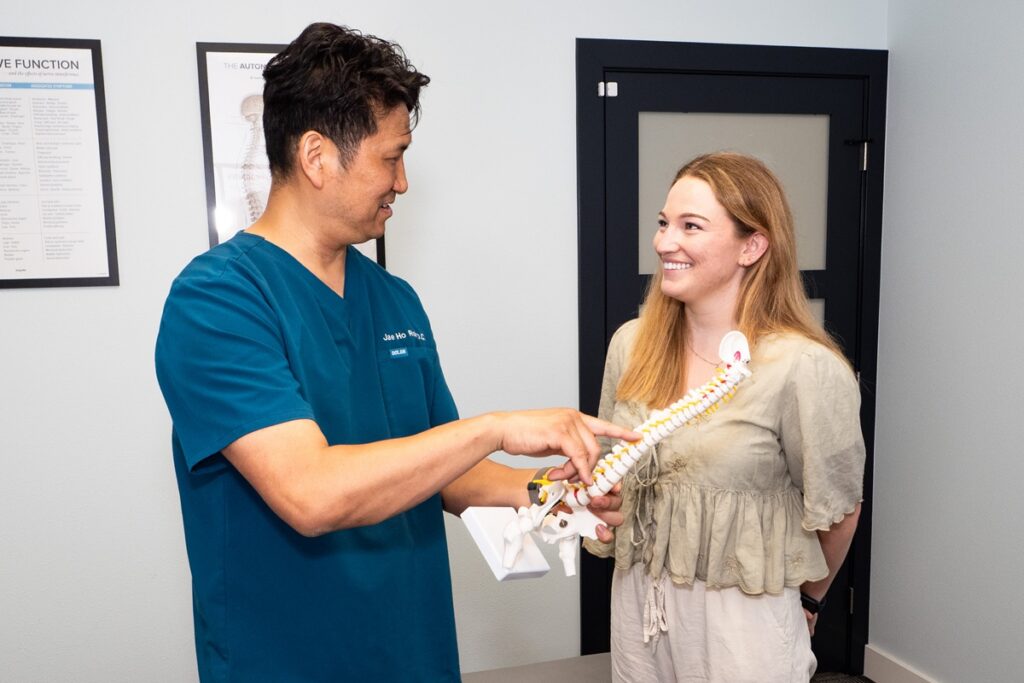
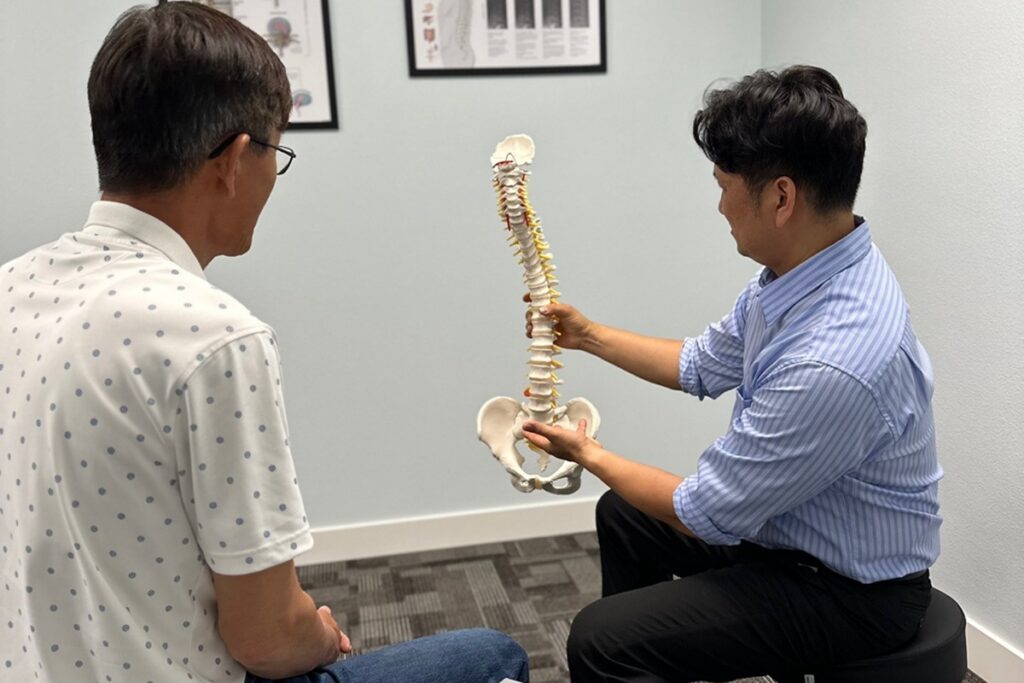
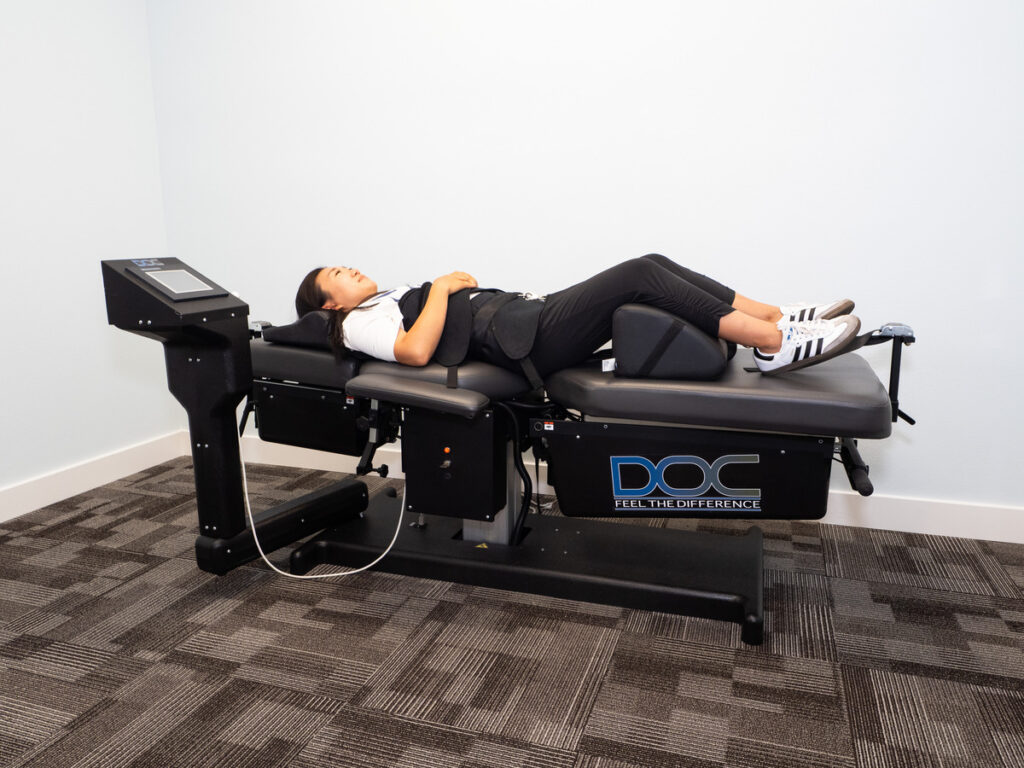
Chiropractic care is another alternative worth exploring. Chiropractors use hands-on spinal manipulation to align the body's musculoskeletal structure, which may relieve pressure on nerves and improve mobility. Regular visits can help maintain spinal alignment and prevent future pain.
Massage therapy is also effective for many. Whether it's deep tissue, Swedish, or trigger point therapy, massage can help relax tight muscles, improve circulation, and reduce stress levels, all of which contribute to back pain relief.
Herbal remedies, like turmeric or ginger, have anti-inflammatory properties that may also aid in pain management. You might find that incorporating these into your diet or taking supplements can provide additional relief.
Lastly, yoga and Pilates focus on strengthening core muscles and improving flexibility, both of which are essential for a healthy back. These practices encourage mindfulness and body awareness, helping you learn to move more safely and effectively.
Exploring these alternative treatments could lead you to a personalized approach that addresses your unique back pain challenges.
Always consult with a healthcare professional before starting any new treatment to verify it's right for you.
Long-Term Management Strategies
Managing back pain long-term requires a proactive approach that includes regular exercise and stretching routines tailored to your needs.
Incorporating effective pain management techniques and making lifestyle modifications can greatly enhance your quality of life.
Exercise and Stretching Routines
A consistent routine of exercise and stretching can considerably enhance your long-term back pain relief.
By focusing on strengthening your core and improving flexibility, you can reduce discomfort and prevent future issues.
Here are four essential components to include in your routine:
- Core Strengthening: Engage in exercises like planks and bridges to build a strong core, providing better support for your spine.
- Flexibility Stretching: Incorporate stretches such as hamstring and hip flexor stretches to improve flexibility and reduce tension in your back muscles.
- Low-Impact Aerobic Activities: Activities like walking, swimming, or cycling can increase blood flow to your back, promoting healing and endurance without putting too much strain on your body.
- Posture Awareness: Practice good posture during daily activities. Strengthening your back and abdominal muscles while maintaining proper alignment can considerably alleviate stress on your spine.
Sticking to this routine can empower you to manage your back pain better and lead to a more active, fulfilling life.
Pain Management Techniques
Effective pain management techniques are essential for long-term relief from back pain. One effective method is the use of over-the-counter pain relievers, such as ibuprofen or acetaminophen. These can help reduce inflammation and alleviate discomfort. However, always consult with a healthcare professional before starting any medication.
Another technique involves heat and cold therapy. Applying a heating pad can relax tight muscles, while ice packs can numb sharp pain and reduce swelling. Alternating between heat and cold can provide significant relief.
You might also consider physical therapy. A trained therapist can develop a personalized program tailored to your specific needs, focusing on strengthening and stabilizing your back.
Additionally, cognitive-behavioral therapy (CBT) can help you manage the emotional aspects of chronic pain. By addressing negative thought patterns, you can improve your pain coping strategies.
Lastly, mindfulness and meditation techniques can be beneficial. Practicing mindfulness can help you stay present and reduce anxiety related to your pain.
Incorporating these techniques into your daily routine can empower you to manage your back pain effectively and improve your overall quality of life.
Lifestyle Modifications for Relief
When it comes to achieving long-term relief from back pain, making certain lifestyle modifications can be essential. By taking proactive steps, you can reduce pain and improve your overall well-being.
Here are some effective strategies you can incorporate into your daily routine:
- Maintain a Healthy Weight: Excess weight puts added pressure on your spine. By eating a balanced diet and exercising regularly, you can help manage your weight.
- Exercise Regularly: Engage in low-impact activities like walking, swimming, or yoga. These can strengthen your back muscles and enhance flexibility, which are vital for spinal health.
- Improve Posture: Pay attention to your posture while sitting, standing, or lifting. Proper alignment reduces strain on your back and can prevent discomfort.
- Incorporate Stretching: Daily stretching can help keep your muscles flexible and reduce tension. Focus on stretches that target your back, hips, and legs.
Conclusion
To sum up, finding a personalized plan for back pain relief can make all the difference in your recovery journey. By understanding your unique pain triggers and working closely with healthcare professionals, you can develop a tailored approach that includes effective therapies, lifestyle changes, and alternative treatments. Remember, staying engaged and adaptable throughout the process is key to long-term relief. Take charge of your health, and don't hesitate to seek the support you need for a better, pain-free life.