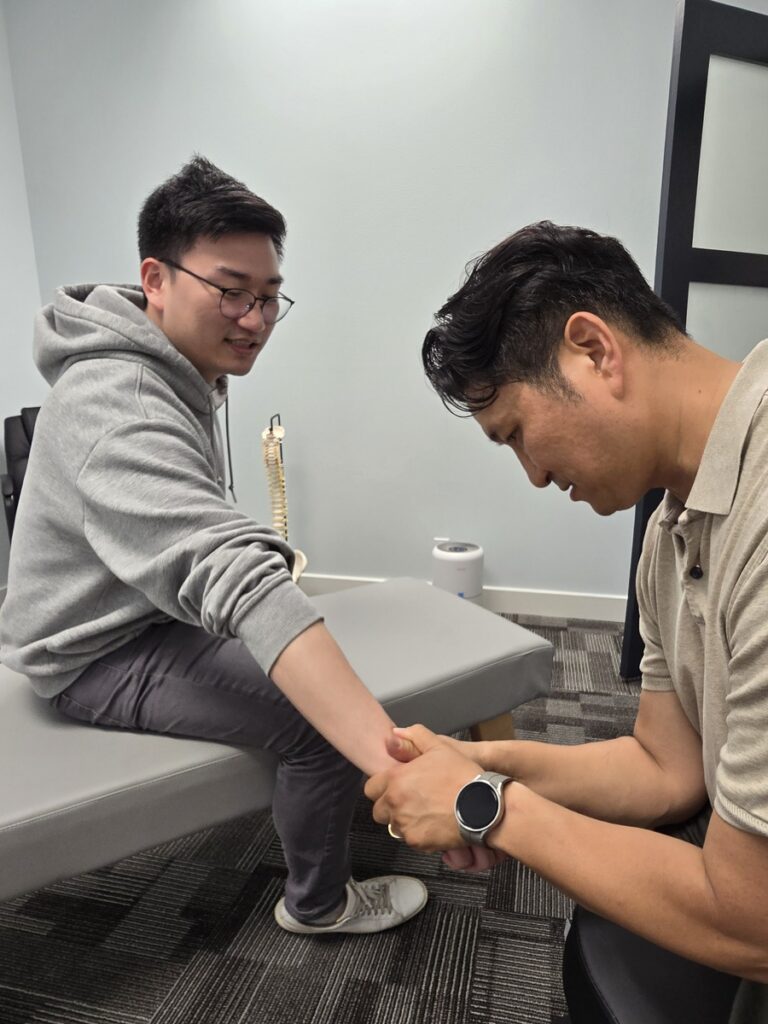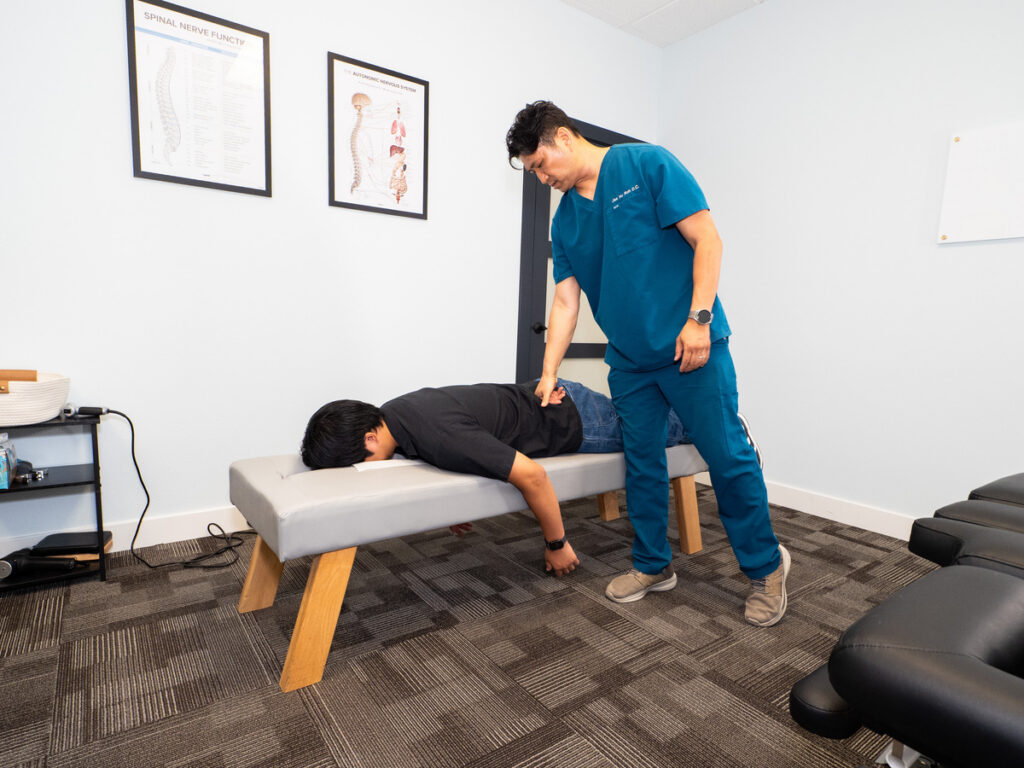

If you've been dealing with ongoing pain, you may be wondering if there's a more effective way to achieve lasting relief. As a local chiropractor, I want to emphasize that true healing goes beyond just taking medication or relying on temporary solutions. Instead, a comprehensive approach could be the key to your recovery.
In our practice, we focus on how elements such as proper nutrition, regular movement, and mindfulness can work hand-in-hand to create a personalized strategy that suits your needs. Have you considered that the answer may lie in integrating these aspects, rather than isolating them? This journey toward finding the right balance could transform your experience with pain management. Are you ready to explore what a holistic approach to healing looks like?
Understanding Chronic Pain
Chronic pain can often feel like an unwelcome visitor that lingers too long, disrupting not only your physical comfort but also your overall quality of life. At our chiropractic practice, we understand that chronic pain is more than just a physical issue; it's a multifaceted experience that can influence your mental and emotional well-being as well. You might find yourself feeling frustrated, anxious, or even down as you navigate through this persistent discomfort.
Gaining a deeper understanding of chronic pain is essential for effective management, and that's where we come in. Typically, chronic pain is characterized as pain that lasts longer than three months. It can arise from a variety of sources, such as previous injuries, underlying illnesses, or conditions like arthritis and fibromyalgia.
Unlike acute pain, which alerts us to immediate problems, chronic pain often lacks a clear origin, complicating the path to relief. You may notice that the intensity of chronic pain can vary significantly. There might be days when you feel relatively well, but other days it can be quite debilitating. This unpredictability can heighten your stress levels and affect your relationships and daily activities.
That's why it's crucial to communicate openly with us about your pain levels and experiences. We can work together to create a personalized treatment plan that aligns with your unique needs. Moreover, it's important to recognize the psychological components of chronic pain. The connection between your mind and body is powerful; stress can intensify pain, while chronic pain can lead to increased stress levels.
By acknowledging this relationship, we can help you adopt more effective coping strategies through chiropractic care, allowing you to regain some control over your life and well-being. At our practice, we're committed to guiding you through the journey of understanding and managing your chronic pain naturally.
Together, we can explore holistic approaches that not only target your physical symptoms but also support your emotional health, leading to a more balanced and fulfilling life.
The Role of Nutrition
As a local chiropractor, I want to emphasize the vital role nutrition plays in managing pain and inflammation. Many patients may not realize that what we eat can significantly influence our comfort levels.
Incorporating anti-inflammatory foods into your diet and ensuring you stay well-hydrated can make a remarkable difference in how you feel.
Moreover, addressing any nutrient deficiencies is crucial for enhancing your overall well-being and supporting your body's natural healing processes.
By focusing on nutrition alongside chiropractic care, we can work together to not only alleviate pain but also promote long-term health and wellness.
Anti-Inflammatory Foods
As a local chiropractor, I want to emphasize the importance of a well-balanced diet in managing inflammation and alleviating pain, especially if you're new to understanding the benefits of chiropractic care and natural healing.
By incorporating anti-inflammatory foods into your meals, you can significantly enhance your overall well-being and support your body's healing process.
Start by focusing on foods that are rich in omega-3 fatty acids, such as salmon, walnuts, and flaxseeds. These nutrients are vital in reducing inflammation and promoting joint health, which is essential for maintaining mobility and comfort.
Fruits and vegetables should also be staples in your anti-inflammatory diet. Berries, cherries, spinach, and kale aren't only nutritious but are also loaded with antioxidants that help combat oxidative stress.
Additionally, consider adding spices like turmeric and ginger to your meals; these have remarkable anti-inflammatory properties and can easily boost the flavor of your dishes while supporting your health.
Don't overlook the benefits of whole grains, like brown rice and quinoa, which provide the fiber necessary for a healthy gut. A well-functioning gut is crucial for managing inflammation throughout your body.
Moreover, incorporating healthy fats from olive oil can assist in reducing pain and stiffness, allowing you to feel more comfortable in your daily activities.
By making these dietary changes, you're taking proactive steps toward improving your health and well-being, complementing the benefits of chiropractic care.
Together, we can work on a holistic approach to your healing journey.
Hydration and Pain Relief
As a local chiropractor dedicated to your wellness, I want to emphasize the critical role that proper hydration plays in pain management. Just as incorporating anti-inflammatory foods into your diet is essential, maintaining adequate hydration is equally important for your body's overall function.
Water is vital for keeping your joints lubricated and minimizing inflammation. When you're even slightly dehydrated, your body struggles to eliminate toxins, which can exacerbate pain and discomfort.
I encourage you to drink plenty of water throughout the day. Remember, it's not just about quenching your thirst. Pay attention to signs like dry skin, fatigue, or headaches; these may be indicators that your body needs more fluids.
Herbal teas and infused waters are excellent options to help you stay hydrated while also providing additional nutrients that can support your healing journey.
Moreover, let's talk about electrolytes. Sodium, potassium, and magnesium are crucial for muscle function and can help prevent cramps and spasms that lead to increased pain.
By ensuring you're drinking enough water, you're not only supporting your joints and muscles but also promoting healthy organ function and improving circulation. This holistic approach can significantly enhance your overall pain management strategy.
Incorporating proper hydration into your daily routine can lead to lasting relief, so let's make it a priority together. Your health and comfort are my top concerns, and I'm here to help guide you on this journey to wellness through natural healing methods.
Nutrient Deficiencies Impact
As a chiropractor, I often see patients who aren't aware of how nutrient deficiencies can significantly affect the body's ability to manage pain. When essential vitamins and minerals are lacking, your body's natural healing processes can slow down, leading to heightened discomfort.
Let's explore four crucial nutrients that are particularly important for effective pain management:
- Magnesium: This mineral is vital for muscle relaxation and tension reduction. A deficiency can result in muscle cramps and spasms, making pain feel more intense.
- Vitamin D: Known for its role in supporting bone health, vitamin D also helps reduce inflammation, which can exacerbate pain conditions if you're deficient.
- Omega-3 Fatty Acids: These healthy fats are powerful anti-inflammatories that promote joint health and can alleviate pain associated with inflammatory conditions.
- B Vitamins: Essential for proper nerve function and energy production, a lack of B vitamins can lead to increased pain sensitivity.
If you're not getting enough of these nutrients, you may find your pain levels rising. A balanced diet rich in fruits, vegetables, whole grains, and healthy fats can help bridge these nutritional gaps.
I encourage you to consider consulting with a healthcare provider or nutritionist to evaluate your dietary habits. They can provide personalized recommendations for supplements or dietary adjustments that can enhance your healing journey.
By addressing any nutrient deficiencies, you're taking a proactive step toward more effective pain management and improved overall health.
Exercise and Movement Strategies
As a local chiropractor, I want to emphasize the vital role that exercise and movement strategies play in managing and alleviating pain. Integrating regular physical activity into your daily routine can significantly reduce discomfort and enhance your overall well-being. Movement not only strengthens your muscles but also improves flexibility and boosts circulation, all of which contribute to effective pain relief.
To get started, it's important to identify low-impact exercises that align with your abilities and preferences. Activities such as walking, swimming, or cycling are excellent options. These forms of exercise not only promote physical health but also stimulate the release of endorphins, which are the body's natural pain relievers. Aim for at least 30 minutes of moderate activity on most days of the week to reap the benefits.
In addition to cardiovascular exercise, strength training is crucial. Building muscle support around your joints provides stabilization for areas that may be prone to pain. Focus on exercises that target your core, back, and legs. Using resistance bands or light weights can be an effective way to build strength. Remember to start gradually and increase intensity over time to prevent injury.
Don't overlook the importance of stretching. Incorporating flexibility exercises into your routine can help maintain your range of motion and prevent stiffness. Practices like yoga or Pilates are gentle yet effective methods to enhance your flexibility and balance.
Lastly, it's essential to listen to your body. If you experience pain during a specific movement, consider modifying the exercise or seeking guidance from a healthcare professional. Staying active is crucial, but your well-being should always come first.
Mindfulness and Stress Reduction
As a local chiropractor, I want to share with you the incredible benefits of mindfulness and stress reduction in managing pain. Many individuals underestimate how these practices can play a significant role in their overall health and well-being.
When you're experiencing chronic pain, stress can heighten your discomfort, making it feel even more challenging to cope with. By integrating mindfulness practices into your daily life, you can gain a greater sense of control over your pain and improve your overall quality of life.
Here's how mindfulness can be beneficial:
- Increases awareness: Mindfulness helps you tune into your body's signals and reactions. By being present, you can better understand how your body feels and respond accordingly.
- Reduces stress: Techniques such as meditation and deep breathing are powerful tools to lower stress levels, which can often exacerbate your pain.
- Enhances emotional regulation: When you practice mindfulness, you develop better emotional control, allowing you to confront your pain without feeling overwhelmed by it.
- Promotes relaxation: Mindfulness can activate your body's relaxation response, leading to reduced muscle tension and a shift in how you perceive pain.
To start incorporating mindfulness into your routine, I encourage you to dedicate a few minutes each day to practice. You might explore guided meditation, try yoga, or simply sit in a quiet space and focus on your breathing.
As you build this habit, you may find it easier to manage both your pain and stress levels. Remember, achieving lasting pain relief isn't solely about physical treatments; nurturing your mental well-being is equally vital.
Embrace mindfulness, and you'll uncover a powerful ally in your pain management journey through natural healing and chiropractic care.
Alternative Therapies
As a local chiropractor, I want to share some insights about how alternative therapies can effectively manage pain and promote overall well-being. Many people are unfamiliar with these holistic approaches, and I believe understanding them can empower you to take charge of your health.
One of the cornerstone therapies I offer is chiropractic care. This involves gentle spinal manipulation to correct misalignments that may be causing discomfort or pain. By realigning your spine, we can improve your mobility and alleviate pain, allowing your body to function at its best.
It's a natural approach that focuses on treating the root cause of your discomfort rather than just addressing the symptoms.
In addition to chiropractic adjustments, I highly recommend exploring massage therapy. This practice complements chiropractic care by releasing muscle tension, enhancing circulation, and promoting relaxation. Many of my patients report significant pain relief after incorporating regular massage therapy into their wellness routine.
Herbal remedies can also play a role in your pain management strategy. For instance, herbs like turmeric and ginger have potent anti-inflammatory properties that can help reduce pain naturally. I encourage you to consider these alongside other treatments for a more comprehensive approach.
Another area worth exploring is aromatherapy. Utilizing essential oils can foster relaxation and aid in pain relief. When combined with chiropractic care, these therapies can create a powerful synergy for healing.
Moreover, practices such as yoga and tai chi are excellent for building strength and reducing stress. These mindful movements, paired with proper breathing, can contribute to long-term improvements in your pain levels and overall health.
Lastly, let's not overlook the importance of nutrition. A balanced diet rich in anti-inflammatory foods can support your body's healing processes and enhance the benefits of chiropractic care.
By embracing these alternative therapies, you aren't simply masking pain; you're actively participating in your journey toward better health and wellness.
If you have questions or want to learn more about how chiropractic care and these alternative therapies can work together for you, feel free to reach out. I'm here to help you on your path to wellness.
The Power of Sleep
As a local chiropractor, I want to share with you an essential aspect of pain management that often gets overlooked: the power of sleep. Many people underestimate how crucial sleep is for overall health, particularly when it comes to managing and alleviating pain. Quality sleep isn't just a luxury; it's a vital component of your body's ability to heal and cope with discomfort.
Here's why prioritizing sleep can significantly enhance your journey toward pain relief:
- Restores energy: A good night's sleep rejuvenates both your body and mind, enabling you to face daily challenges with renewed vigor and resilience.
- Reduces inflammation: When you sleep well, your body produces fewer pro-inflammatory substances, which can lead to decreased pain levels and a more comfortable day-to-day experience.
- Improves mood: Quality sleep has a remarkable effect on your emotional well-being. It can elevate your mood, making it easier to endure chronic pain and maintain a positive outlook.
- Enhances cognitive function: Sleep is critical for mental clarity and focus. With better cognitive function, you can make more informed decisions regarding your pain management strategies.
To tap into these benefits, I encourage you to establish a consistent sleep routine. Aim for 7 to 9 hours of quality sleep each night.
Consider creating a calming bedtime ritual—dim the lights, turn off your electronics, and try relaxation techniques such as deep breathing or meditation. By making sleep a priority, you're not only giving your body the opportunity to heal; you're also empowering yourself to better manage your pain.
Remember, a well-rested body is a powerful ally in your quest for lasting pain relief. So tonight, take charge of your sleep and embrace its healing power!
If you have questions about how chiropractic care can complement your journey to better sleep and pain management, feel free to reach out. Together, we can create a holistic approach to your wellness.
Building a Support System
As a local chiropractor, I understand that embarking on a journey toward lasting pain relief can feel overwhelming. One of the most transformative steps you can take is to build a supportive network around you. Connecting with individuals who comprehend the challenges of pain can be incredibly beneficial. They can offer encouragement, empathy, and practical assistance when you need it the most.
Start by reaching out to friends and family who are open to listening and providing support. Sharing your experiences not only helps them understand what you're going through, but it also strengthens your relationships and builds deeper connections.
I also encourage you to consider joining support groups, whether in-person or online. These communities are often filled with people who share similar struggles and coping strategies. Engaging with others facing similar challenges can remind you that you aren't alone in your journey to wellness. You can exchange tips, celebrate successes, and draw motivation from each other's stories.
Additionally, don't overlook the importance of professional help as part of your support system. Chiropractors, along with physical therapists and pain management specialists, can provide personalized advice and strategies tailored to your specific needs. We focus not only on alleviating your pain but also on addressing the emotional aspects of living with chronic discomfort, ensuring you have a comprehensive support network.
Lastly, it's vital to cultivate a positive environment around you. Surround yourself with individuals who inspire and uplift you. Steer clear of those who drain your energy or contribute to negative feelings.
Building a supportive network takes time, but it's a crucial step toward achieving lasting pain relief. By surrounding yourself with understanding and encouraging people, alongside seeking chiropractic care, you'll find the strength to navigate your journey with greater ease and a renewed sense of hope.
Creating a Personalized Plan
As your local chiropractor, I want to help you understand the importance of creating a personalized care plan to address your pain effectively.
The first step in this process is to evaluate your pain levels, which will give us insight into what you're experiencing. Once we've a clear understanding, we can set realistic and achievable goals tailored to your lifestyle and individual needs.
Incorporating lifestyle changes is essential in managing your pain and enhancing your overall well-being. Chiropractic care focuses on natural healing methods, and together we can develop a comprehensive plan that not only targets your pain but also promotes a healthier, more active life.
Assessing Your Pain Levels
Understanding your pain levels is crucial for us to create an effective and personalized pain relief plan through chiropractic care. By accurately assessing your pain, we can pinpoint what treatments may work best for you.
Here are some important factors to consider when evaluating your pain:
- Intensity: Use a scale from 1 to 10 to rate your pain, with 10 representing the worst pain you can imagine. This helps us understand the severity of your discomfort.
- Location: Take note of where you feel the pain. Is it concentrated in one area, or does it radiate across multiple parts of your body?
- Duration: Consider how long the pain lasts. Is it persistent, or does it come and go at different times?
- Triggers: Identify any specific activities or situations that seem to aggravate your pain. This information is key to understanding your body's response.
Once you've gathered this information, you'll have a clearer understanding of your pain experience. This not only enhances our communication during your visits but also empowers you to make informed decisions about your treatment options.
Regularly reassessing your pain levels is important as it guides us in adjusting your chiropractic care strategy. Remember, understanding your pain is the first step toward discovering effective, natural solutions tailored specifically for you.
We're here to help you on this journey to better health!
Setting Realistic Goals
As your local chiropractor, I want to emphasize how crucial it's to set realistic goals on your journey toward lasting pain relief. It's important to recognize that achieving relief takes time and dedication; it's not something that happens overnight.
The first step is identifying specific pain triggers and the areas of your body that need attention. Instead of striving for complete pain relief right away, let's focus on smaller, manageable milestones. For instance, rather than aiming to be entirely pain-free, we can work together to reduce your pain by a certain percentage over the next month.
Next, we need to make sure these goals are measurable. Regularly tracking your progress will help us see what's effective and what might need adjustment. I recommend keeping a pain diary where you can note any changes in your symptoms and how various activities influence your pain levels.
It's also helpful to set a timeline for each goal. This keeps us accountable and provides motivation as you achieve each milestone. Remember to celebrate your successes, no matter how minor they may seem.
Our focus should always be on progress, not perfection. By setting realistic goals, we can create a personalized plan that will guide you toward improved pain management and a better quality of life.
Stay committed, and don't hesitate to reach out to me to adjust your goals as needed. Together, we can navigate this journey toward wellness through chiropractic care and natural healing.
Incorporating Lifestyle Changes
As your local chiropractor, I want to emphasize the importance of incorporating lifestyle changes into your pain management plan. These changes can significantly enhance your journey towards lasting relief and overall well-being.
By adopting strategies tailored to your unique needs, you can create a personalized approach to healing. Here are some key areas to consider:
- Nutrition: A balanced diet is essential. Focus on incorporating anti-inflammatory foods, such as leafy greens, nuts, and fatty fish. These can help reduce inflammation and support your body's healing processes.
- Exercise: Regular, low-impact activities are crucial for strengthening muscles and improving flexibility. Gentle movements like walking, swimming, or yoga can make a profound difference in how you feel.
- Sleep: Quality sleep is vital for recovery. Prioritize good sleep hygiene by creating a restful environment and establishing a routine that allows your body to heal effectively.
- Stress Management: Stress can exacerbate pain, so it's important to explore relaxation techniques. Practices like meditation, deep breathing, or yoga can help you manage stress levels and promote a sense of calm.
To develop your personalized pain management plan, take a moment to assess your current habits. Identify areas where you can make improvements.
Start with small, manageable changes to avoid feeling overwhelmed. For instance, you could begin by setting aside just 10 minutes a day for a gentle walk or replacing processed snacks with fresh fruits and vegetables.
Conclusion
As your local chiropractor, I want to share with you the incredible benefits of a holistic approach to pain relief. By incorporating natural healing methods into your routine, you can empower yourself to enjoy a more comfortable life. Start by focusing on nutritious foods that fuel your body, engaging in regular movement that keeps your joints flexible, and practicing mindfulness techniques that help ease tension.
Don't overlook the vital role of quality sleep in your healing process, as well as the importance of having a strong support system around you. Together, these elements can significantly enhance your journey toward lasting relief. I encourage you to work with me to create a personalized pain management plan tailored to your needs. Remember, even small adjustments in your daily habits can lead to substantial improvements in your overall well-being. Let's explore the natural healing possibilities together!