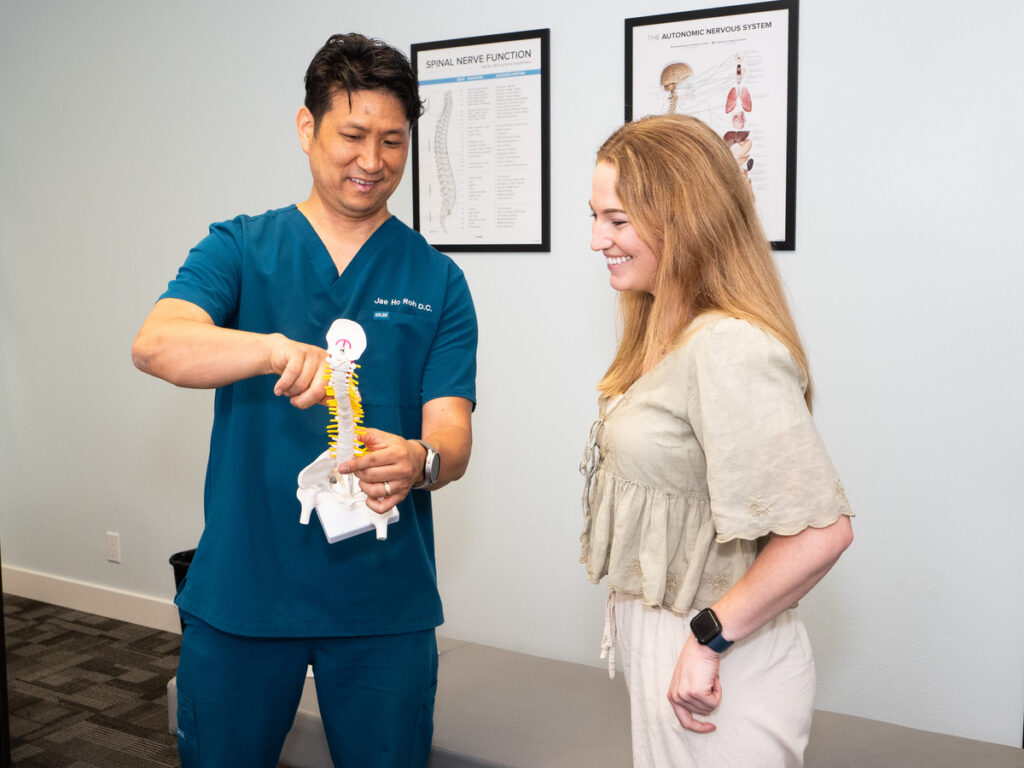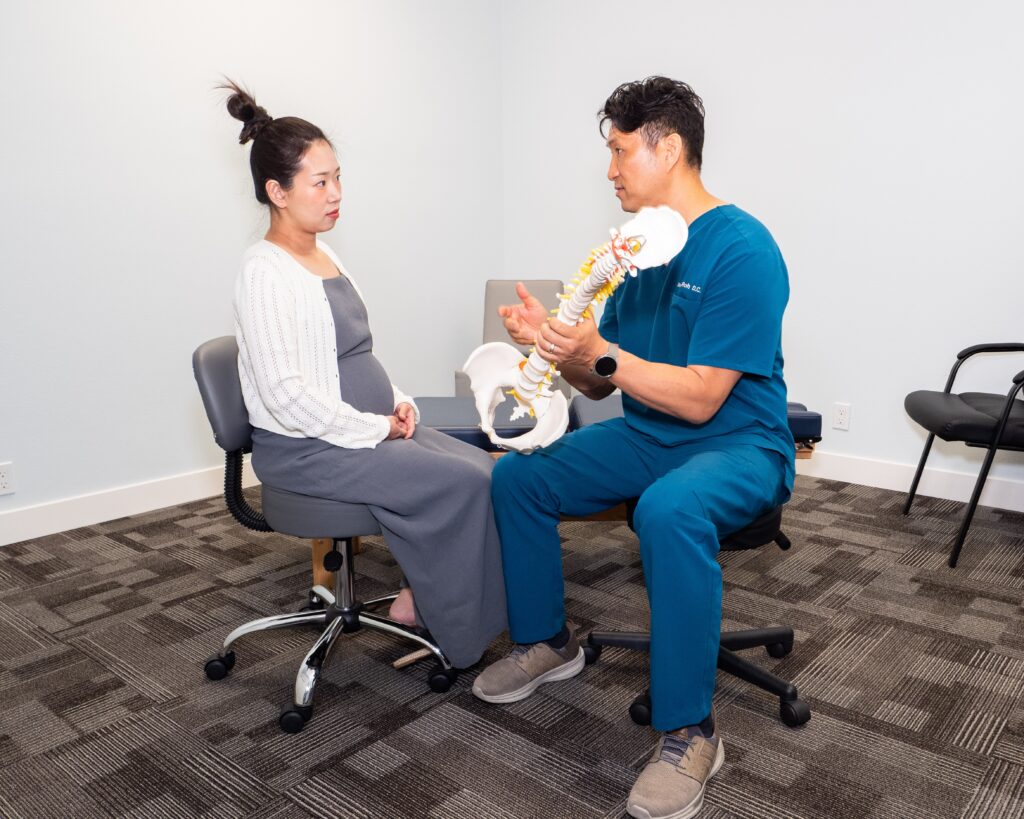

As a local chiropractor, I understand the challenges a neck injury can bring to your everyday life. It's crucial to explore effective methods for relief that prioritize natural healing through rest, physical therapy, and self-care strategies. Gentle stretches and appropriate pain management techniques can significantly improve your condition.
Chiropractic care focuses on restoring balance and function to your body, and it can be an essential part of your recovery process. Understanding when to seek professional help is vital; as a chiropractor, I can guide you on the best path to recovery tailored to your needs.
Consider incorporating chiropractic adjustments, which can alleviate pain and improve mobility. Additionally, we can work together on personalized stretches and exercises that support healing. If you're ready to explore these natural approaches, I'm here to help you achieve the best results for your neck injury.
Understanding Neck Injuries
As a local chiropractor, I want to take a moment to discuss neck injuries and how they can impact your overall well-being. Many people mightn't realize that neck injuries can arise from various sources, such as accidents, poor posture, or repetitive motions. Understanding the root cause of your neck discomfort is crucial in finding effective natural relief.
For instance, accidents like car collisions or falls can lead to acute injuries, such as whiplash. This sudden jerking motion can strain the muscles or even harm the cervical spine. If you've recently been in an accident or experienced a fall, you may feel immediate pain or have trouble turning your head. It's important to seek help, as chiropractic care can provide relief and support your recovery.
On the flip side, poor posture is a common culprit behind chronic neck pain. Many of us spend long hours hunched over desks or looking down at our phones, which places undue stress on the neck and spine. Over time, these habits can lead to discomfort, especially after being in the same position for too long. As a chiropractor, I can help you learn how to maintain proper posture and relieve the tension that builds up.
Repetitive strain injuries are another concern, particularly for those involved in work-related tasks or sports that require repeated neck movements. If you find yourself feeling fatigued or sore due to these activities, it's essential to recognize the signs. Chiropractic care can help address these issues by restoring balance and function to your neck.
By understanding the various causes of neck injuries, you can better comprehend your symptoms and take proactive steps towards relief. My goal as your chiropractor is to help you identify the underlying issues and provide you with the tools and techniques to improve your neck health naturally.
Importance of Rest and Recovery
As a local chiropractor, I want to emphasize the critical role that quality sleep plays when you're recovering from a neck injury.
It's not just about resting; it's about allowing your body the chance to heal properly. By reducing physical activity during this time, you're giving your body the opportunity to focus on recovery, which can significantly speed up the healing process and alleviate pain.
Remember, your body is designed to heal itself, and prioritizing rest is a natural and effective way to support that process.
If you have any questions about how chiropractic care can complement your recovery, feel free to reach out!
Prioritize Sleep Quality
As your local chiropractor, I want to emphasize the vital connection between quality sleep and your recovery from neck injuries. Adequate sleep isn't just about feeling rested; it plays a crucial role in your body's healing process.
When you prioritize your sleep, you allow your body to repair damaged tissues, reduce inflammation, and restore energy levels, which is especially important after an injury.
Here are three tips to help you enhance your sleep quality:
- Create a Comfortable Sleep Environment: It's essential to ensure your bedroom is conducive to sleep. Keep the space dark, quiet, and at a comfortable temperature. Investing in a supportive pillow and mattress that promote proper alignment for your neck can make a significant difference in your comfort and recovery.
- Establish a Consistent Sleep Schedule: Try to go to bed and wake up at the same time every day, even on weekends. This consistency helps regulate your body's internal clock, leading to improved sleep quality, which can aid in your healing journey.
- Limit Screen Time Before Bed: The blue light emitted by phones and computers can disrupt your natural sleep cycle. To help your mind wind down, aim to turn off screens at least an hour before bedtime. This simple step can significantly enhance your ability to fall asleep and stay asleep.
By focusing on these aspects of sleep quality, you can support your body's natural healing processes and improve your overall recovery from neck injuries.
Limit Physical Activity
As a local chiropractor, I want to emphasize the importance of rest and recovery in the healing process, especially after experiencing a neck injury. When you're dealing with pain and discomfort, it's crucial to limit your physical activity. This doesn't mean you have to be completely sedentary, but you should steer clear of any strenuous tasks or exercises that might exacerbate your condition.
By reducing your physical activity, you're allowing your body the necessary time to heal. The neck is an intricate and sensitive area, and overdoing it can lead to prolonged pain or even further injuries.
Listen to your body; if you feel discomfort during an activity, it's a signal to stop and reassess. Instead, I recommend focusing on gentle movements and stretches that have been approved by your healthcare provider.
Incorporating adequate rest periods into your daily routine is equally vital. This not only allows your muscles to relax but also helps to alleviate tension, promoting a more effective recovery.
Consider gentle, low-impact activities such as walking or light yoga. However, it's always wise to consult with a healthcare professional, like myself, before starting any new regimen.
Physical Therapy Techniques
As a chiropractor, I want to share how effective physical therapy techniques can significantly aid in your recovery from a neck injury.
Many people may not realize the benefits of these methods, which include stretching and strengthening exercises, hands-on manual therapy, and posture correction strategies.
These approaches not only help alleviate pain but also foster long-term healing and stability in your neck.
By focusing on natural healing, we can work together to improve your overall well-being and restore your body's functionality.
If you're curious about how chiropractic care can support your recovery, I'm here to guide you through the process.
Stretching and Strengthening Exercises
As a local chiropractor, I want to share how incorporating stretching and strengthening exercises into your daily routine can significantly help alleviate neck pain and improve your overall mobility.
These exercises aren't just about enhancing flexibility; they also focus on building the muscles that support your neck, which can reduce the risk of future injuries.
Here are three effective exercises that I often recommend to my patients:
- Neck Tilts: Find a comfortable seated or standing position. Slowly tilt your head towards one shoulder and hold that position for 15-30 seconds. Then, repeat the same movement on the other side. This stretch specifically targets the sides of your neck and is excellent for relieving tension.
- Chin Tucks: While either sitting or standing, gently tuck your chin towards your chest. Hold this position for 5 seconds before releasing. Aim to repeat this exercise 10 times. Chin tucks are fantastic for strengthening your neck muscles and promoting better posture, which is crucial for neck health.
- Shoulder Shrugs: Lift your shoulders up towards your ears, hold for a brief moment, and then relax them back down. Aim for 10-15 repetitions. This simple movement can help relieve tightness in your shoulders, a common contributor to neck pain.
By consistently incorporating these exercises into your daily routine, you may notice a reduction in neck discomfort and an improvement in your overall mobility.
Remember to listen to your body as you progress, and don't hesitate to reach out if you have any questions or need guidance on your journey to natural healing!
Manual Therapy Approaches
As a local chiropractor, I want to share how manual therapy approaches can be a valuable asset in managing neck pain and improving your overall mobility.
These hands-on techniques are designed to gently manipulate and mobilize your neck and the surrounding areas, effectively relieving tension and enhancing your functional abilities.
One widely used method in chiropractic care is joint mobilization. This involves applying gentle pressure to the joints in your neck, which can help reduce stiffness and improve your range of motion.
Another beneficial technique is myofascial release, which focuses on alleviating tightness in muscles and fascia, promoting relaxation and comfort.
Soft tissue manipulation is also an essential part of our practice. By applying targeted pressure to the affected muscles, I can help alleviate pain while boosting blood flow to the area.
Many of my patients find that these techniques provide immediate relief and significantly enhance their quality of life.
In addition to manual therapy, I often incorporate complementary treatments such as heat or cold therapy to further enhance the effectiveness of your care.
Regular chiropractic sessions can lead to long-lasting benefits, allowing you to regain normal movement and reduce pain over time.
It's important to maintain open communication with me regarding your condition and progress.
This ensures that your treatment plan is tailored specifically to your individual needs, paving the way for the best possible outcomes on your journey to natural healing.
Posture Correction Techniques
As a local chiropractor, I want to emphasize the importance of maintaining good posture for preventing neck pain and enhancing your overall health. Many of my patients often experience discomfort due to poor posture, but with some simple posture correction techniques, you can alleviate this discomfort and improve your quality of life.
Here are three effective methods I recommend to help you maintain proper posture throughout your day:
1. Ergonomic Workspace Setup: It's crucial to create a workspace that supports your body. Ensure your computer screen is at eye level to prevent straining your neck, and choose a chair that provides adequate lumbar support for your lower back.
Keep your feet flat on the floor and your arms at a 90-degree angle while typing to promote a neutral position.
2. Mindful Sitting and Standing: Pay attention to your body's alignment. When sitting, strive to keep your back straight and your shoulders relaxed.
When standing, align your head over your spine and distribute your weight evenly on both feet. Be mindful to avoid slouching or leaning forward, as these habits can lead to discomfort over time.
3. Regular Stretching and Strengthening: I encourage you to incorporate neck and shoulder stretches into your daily routine.
Additionally, strengthening your core and upper back muscles is essential for supporting proper posture. This can significantly reduce strain on your neck and help you feel more comfortable throughout the day.
By practicing these techniques, you can take an active role in your health and well-being. If you have any questions or need personalized guidance, feel free to reach out during your next visit.
Together, we can work towards a healthier, pain-free you!
Effective Stretching Exercises
As a local chiropractor, I want to share with you the benefits of incorporating effective stretching exercises into your daily routine to help alleviate neck pain and improve your overall mobility. Stretching is a natural and accessible way to release tension in your neck muscles, enhance blood flow, and boost flexibility.
One excellent stretch to consider is the neck tilt stretch. Whether you're sitting or standing, keep your posture upright and gently tilt your head toward one shoulder, bringing your ear close to it. Hold this position for 15-30 seconds, and you should feel a nice stretch along the opposite side of your neck. Be sure to repeat this on the other side. This stretch is particularly effective for targeting tightness in the lateral neck muscles.
Another beneficial exercise is the chin tuck. While sitting up straight, gently tuck your chin toward your chest, creating a double chin effect. Hold this for a few seconds before releasing. This simple movement not only strengthens your neck muscles but also promotes better posture, which is essential for your overall spinal health.
Next, I recommend the neck rotation stretch. While seated or standing, slowly turn your head to one side until you feel a gentle stretch. Hold this position for 15-30 seconds, then switch to the other side. This stretch is fantastic for improving your range of motion and reducing stiffness, both of which are crucial for maintaining a healthy neck.
Lastly, don't forget to incorporate shoulder rolls into your routine. Stand or sit with your back straight and roll your shoulders forward in a circular motion for 10 repetitions. After that, reverse the direction. This movement is excellent for relieving tension not just in the neck, but also in the shoulders, helping to create a more relaxed and aligned posture.
Heat and Cold Therapy
As a local chiropractor, I want to share with you the incredible benefits of heat and cold therapy for relieving neck injuries. Many of my patients find these methods to be truly transformative in their recovery journey.
Heat therapy is fantastic for increasing blood flow, which helps to relax those tight muscles that can cause discomfort. When you apply heat, it encourages circulation and can ease tension in the neck area.
On the other hand, cold therapy is equally important; it works by reducing inflammation and numbing any sharp pain you might be experiencing.
Understanding the unique benefits of both heat and cold therapy can empower you to make informed choices about your recovery. If you're new to chiropractic care and natural healing, these techniques can be an excellent addition to your self-care regimen.
I encourage you to explore these therapies as part of your healing process!
Benefits of Heat Therapy
As a local chiropractor dedicated to helping you understand natural healing techniques, I want to share the significant benefits of heat therapy for relieving neck injuries and discomfort. When you apply heat to the affected area, it promotes increased blood flow, which is essential for accelerating the healing process.
Here are three key benefits you can experience with heat therapy:
- Muscle Relaxation: Heat therapy is excellent for relaxing tight muscles, which can reduce stiffness in your neck. This relaxation not only alleviates pain but also improves your range of motion, allowing you to move more freely.
- Pain Relief: The comforting warmth of heat therapy can provide immediate relief from pain. It works by blocking pain signals to your brain and can stimulate the release of endorphins—your body's natural painkillers—helping you feel more at ease.
- Improved Flexibility: Regular use of heat can enhance the flexibility of your neck. As your muscles loosen up, you'll find it much easier to turn your head and move your neck without discomfort.
Incorporating heat therapy into your self-care routine can be a transformative approach for managing neck injuries. Whether you choose a warm towel, a heating pad, or a hot water bottle, the soothing warmth can significantly improve your comfort level.
Just remember to use heat therapy in moderation to prevent overheating. If you have any questions about how to effectively use heat therapy or other natural healing methods, feel free to reach out during your next visit!
Advantages of Cold Therapy
As a local chiropractor committed to your well-being, I want to share the incredible benefits of cold therapy, especially when it comes to recovering from neck injuries. Many people are unfamiliar with the healing powers of cryotherapy, but using ice packs or cold compresses can significantly enhance your recovery process.
When you apply cold therapy to the affected area, it works wonders by reducing swelling and inflammation. This is crucial in the initial phase after an injury, as it helps protect the tissues and prevent any further damage.
Additionally, cold therapy serves to numb the pain, offering immediate relief that can make a world of difference when you're struggling with acute discomfort. This is particularly helpful for those moments when daily activities feel challenging and overwhelming due to pain.
It also helps reduce muscle spasms, promoting a more relaxed state for your neck, which is essential for effective healing.
One of the lesser-known benefits of cold therapy is its ability to enhance circulation once the cold source is removed. This improved blood flow brings fresh nutrients to the injured area, further supporting the healing process.
Incorporating cold therapy into your routine is simple—apply the cold for 15-20 minutes every few hours during the first couple of days after your injury.
Posture Correction Strategies
As a local chiropractor, I often see patients who underestimate the significant role that good posture plays in maintaining neck health. Many people are unaware that poor posture can lead to various neck issues, such as pain and stiffness.
However, by making some simple adjustments to your posture, you can alleviate neck discomfort and enhance your overall well-being. Here are three effective posture correction strategies that I encourage you to incorporate into your daily routine:
1. Optimize Your Workspace: It's essential to create an ergonomically friendly work environment. Ensure that your desk, chair, and computer setup are conducive to good posture. Your monitor should be positioned at eye level, and your chair should provide adequate support for your lower back.
Keep your feet flat on the ground, and choose a chair that allows you to sit back comfortably without straining.
2. Perform the "Chin Tuck" Exercise: This straightforward exercise can help strengthen your neck muscles and improve your alignment. To do this, sit or stand up straight. Gently retract your chin towards your neck, forming a straight line from your ears to your shoulders.
Hold this position for a few seconds and repeat it several times throughout the day. This exercise is especially beneficial for those who spend long hours at a desk.
3. Be Conscious of Phone Usage: In our technology-driven world, "text neck" has become a prevalent issue. When you're using your phone, try to hold it at eye level instead of bending your neck downwards.
Make it a habit to take regular breaks to stretch your neck and shoulders, which can help prevent discomfort and maintain proper alignment.
By implementing these strategies, you can support your neck health and overall wellness. If you have any questions or would like personalized guidance, feel free to reach out to me.
Together, we can work towards a healthier posture and a more comfortable life.
Alternative Therapies Overview
As a local chiropractor, I want to share how alternative therapies can be a valuable part of your journey to recover from neck injuries and discomfort. These natural approaches can work alongside traditional treatments, helping you manage pain and improve your overall well-being. By exploring various options, you can find the solutions that align with your lifestyle and preferences.
One effective alternative therapy is acupuncture. This ancient practice involves inserting thin needles into specific points on the body to restore balance and promote healing. Many of my patients have reported reduced tension and improved mobility in their necks after just a few sessions.
Chiropractic care is another powerful option for addressing neck pain. In my practice, I utilize spinal manipulation and other techniques to align the spine and alleviate discomfort. Regular chiropractic visits can't only relieve neck pain but also enhance your overall spinal health.
Massage therapy can significantly contribute to easing neck pain as well. A skilled massage therapist can target tense muscles and promote relaxation, providing immediate relief. I often encourage my patients to explore different types of massage, such as deep tissue or trigger point therapy, to find what works best for them.
Additionally, gentle movement practices like yoga and tai chi can improve flexibility and strengthen the neck and back. These mind-body approaches also emphasize relaxation, which is vital for recovery.
Incorporating these alternative therapies into your routine can greatly enhance your recovery process from neck injuries. Each option offers unique benefits, allowing you to create a tailored approach that meets your individual needs.
As your chiropractor, I'm here to guide you through these options and support you on your path to healing.
Pain Management Options
As a local chiropractor, I understand that navigating pain management options can be overwhelming, especially when dealing with the discomfort associated with neck injuries.
Exploring natural healing methods is crucial, and I want to share three effective strategies that can help you find relief:
1. Over-the-Counter Medications: While I encourage natural healing, I acknowledge that nonsteroidal anti-inflammatory drugs (NSAIDs) like ibuprofen or naproxen can be beneficial in managing inflammation and pain. It's important to use them as directed and consult with your healthcare provider if you have any concerns about their use.
2. Heat and Cold Therapy: Utilizing heat and cold can be incredibly effective for neck pain relief. Heat applications can help to relax tight muscles and increase blood circulation, while cold therapy can numb sharp pain and minimize swelling.
I often recommend alternating between these methods—applying a heating pad for 15-20 minutes followed by a cold pack for the same duration. This combination can significantly alleviate discomfort and promote healing.
3. Chiropractic Care: As a chiropractor, I focus on restoring proper alignment and function to the spine and surrounding muscles. I can develop a personalized treatment plan that may include spinal adjustments, targeted exercises, and education on proper posture.
This holistic approach not only helps to relieve your current pain but also supports your long-term health and recovery.
I encourage you to consider these natural pain management strategies as part of your journey to wellness. Your body deserves the best care, and I'm here to support you every step of the way.
Lifestyle Changes for Prevention
As a local chiropractor, I want to share some important lifestyle changes you can make to help prevent neck injuries and promote overall spinal health. One of the most effective ways to protect your neck is by being mindful of your posture throughout your daily activities.
Whether you find yourself sitting at a desk, scrolling through your phone, or lifting objects, it's crucial to pay attention to how you position your body. Make a habit of keeping your shoulders back, aligning your ears with your shoulders, and avoiding any slouching.
Incorporating regular exercise into your routine is also essential for maintaining a healthy neck. Strengthening the muscles in your neck and upper back can provide much-needed support for your spine.
I often recommend exercises that enhance both flexibility and strength, such as yoga or Pilates. Not only do these practices improve muscle tone, but they also increase your body awareness, which helps you move more efficiently and safely.
It's important to evaluate your workspace as well. If you spend long hours in front of a computer, consider investing in ergonomic furniture that encourages good posture.
Adjust your chair height so that your feet rest comfortably on the ground, and position your computer screen at eye level to reduce strain on your neck. Don't forget to take regular breaks to stretch and move around—sitting still for too long can lead to stiffness and discomfort.
Lastly, let's talk about your sleep habits. Using a supportive pillow that maintains the natural curve of your neck and spine is crucial for a good night's rest.
Generally, sleeping on your back or side is more beneficial than on your stomach, which can twist your neck into an unnatural position. By making these lifestyle changes, you can significantly reduce your risk of neck injuries and support your long-term spinal health.
If you have any questions or need further guidance, feel free to reach out—I'm here to help you on your journey to better health!
When to Seek Professional Help
As a local chiropractor, I want to help you understand when it's time to seek professional help for neck pain or discomfort. Many people rely on home remedies, but sometimes these aren't enough. Ignoring persistent issues can lead to more serious complications and prolonged suffering.
Here are some signs that indicate it's time to consult a healthcare professional like myself:
- Severe Pain: If you experience sharp or debilitating neck pain that doesn't improve with over-the-counter pain relievers, it's crucial to get an evaluation. Severe pain can be a sign of a more serious underlying issue that requires professional assessment.
- Numbness or Tingling: If you notice any numbness, tingling, or weakness in your arms or hands, it's important to reach out to a chiropractor. These symptoms can indicate nerve compression or damage, which may need prompt attention and care.
- Stiffness and Limited Mobility: When your neck feels increasingly stiff and you struggle to turn your head or perform daily activities, don't hesitate to seek help. Limited mobility can significantly impact your quality of life and may benefit from specialized chiropractic treatment.
Additionally, if you notice any changes in your symptoms—such as increased pain or the emergence of new symptoms—it's wise to consult with a chiropractor.
We can assess your condition, offer natural healing strategies, and help you regain mobility and comfort. Remember, the sooner you take action, the more effective your recovery can be.
Don't wait for your neck pain to worsen; let's help you find relief!
Conclusion
As a local chiropractor, I want to share some effective methods for relieving neck injuries that can significantly aid in your recovery process. It's essential to prioritize rest, as this allows your body to heal. Engaging in physical therapy and practicing gentle stretches can enhance your flexibility and strength, which is vital for long-term recovery.
Don't overlook the benefits of heat and cold therapy. Applying heat can soothe tight muscles, while cold therapy can reduce inflammation and numb pain. Additionally, exploring various pain management options, including natural remedies, can be beneficial in alleviating discomfort.
Making lifestyle changes and correcting your posture are crucial steps in preventing future injuries. Being mindful of how you sit, stand, and move can make a significant difference in your neck health.
If your pain persists, please don't hesitate to reach out for professional help. As a chiropractor, I am here to guide you on your path to recovery and help you take charge of your neck health for a more comfortable and active life!