
As a local chiropractor, I want to share insights on how chronic pain can affect your daily life and the effective solutions we can explore together. Chronic pain can truly impact every facet of your existence, but there are holistic approaches that can make a difference.
In my practice, I often emphasize a multifaceted approach to pain relief. This includes not only lifestyle changes but also physical therapies that are designed to address the root causes of your discomfort. You'd be surprised how simple adjustments in your daily routine, such as posture correction and exercises tailored to your specific needs, can lead to significant improvements in your pain levels.
But let's also consider more advanced interventions that chiropractic care offers. Techniques such as spinal adjustments, massage therapy, and even nutritional counseling can further enhance your quality of life. Understanding these options is crucial for effectively managing your pain and reclaiming your well-being.
I invite you to explore these strategies with me and discover what might work best for you on your journey to natural healing. Together, we can create a personalized plan to help you regain control over your life.
Understanding Chronic Pain
Chronic pain is something many people experience, often lingering long after an injury has healed or a medical issue has been resolved. As a chiropractor, I want to help you understand that this type of pain can feel like an unwelcome guest in your life, impacting not just your physical well-being, but also your emotional health. You may feel a range of sensations, from dull aches to sharp, stabbing pains, and these can come and go unexpectedly. Grasping the nature of chronic pain is essential for effective management, and that's where chiropractic care can play a vital role.
Your brain and nervous system are deeply involved in how you perceive pain. After an injury, your body sends signals to your brain that are interpreted as pain. In cases of chronic pain, these signals can become misaligned. Your brain might continue to send pain signals even after the injury has healed, trapping you in a frustrating cycle. Emotional factors such as stress and anxiety can further intensify this pain, making it feel even more overwhelming.
As your chiropractor, I want you to know that chronic pain can also disrupt your sleep, drain your energy, and diminish your overall quality of life. It's common to feel frustrated and isolated, especially when those around you may not fully grasp what you're going through. Recognizing that chronic pain is a complex interaction of physical, emotional, and psychological elements can empower you to take charge of your healing journey.
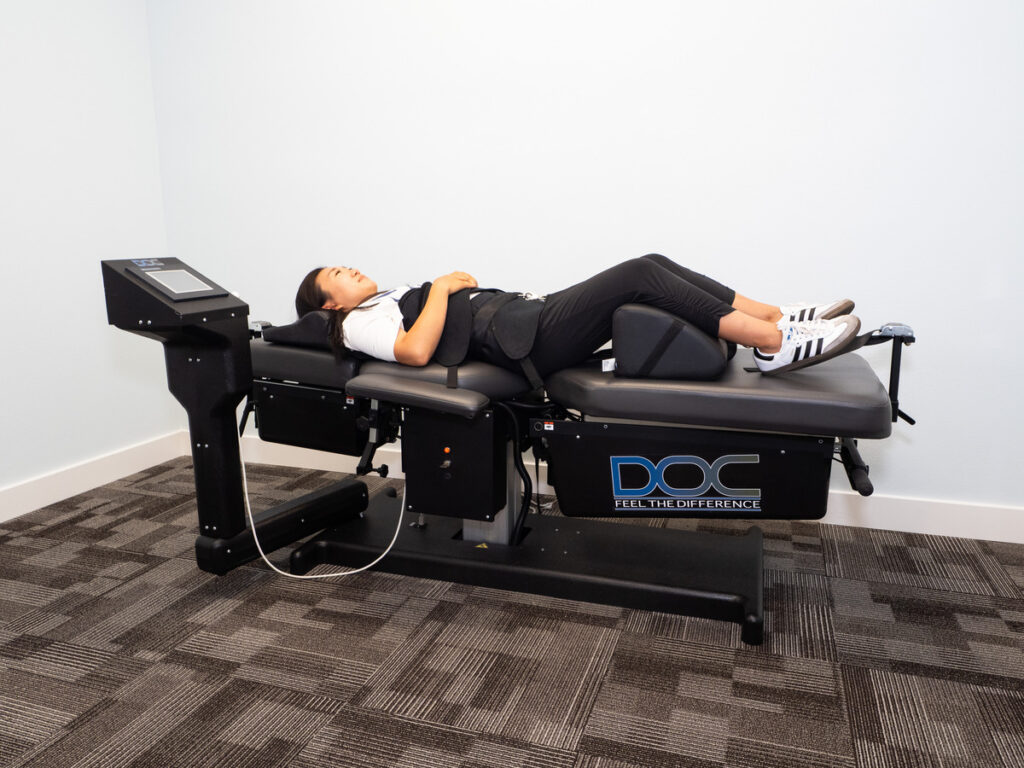
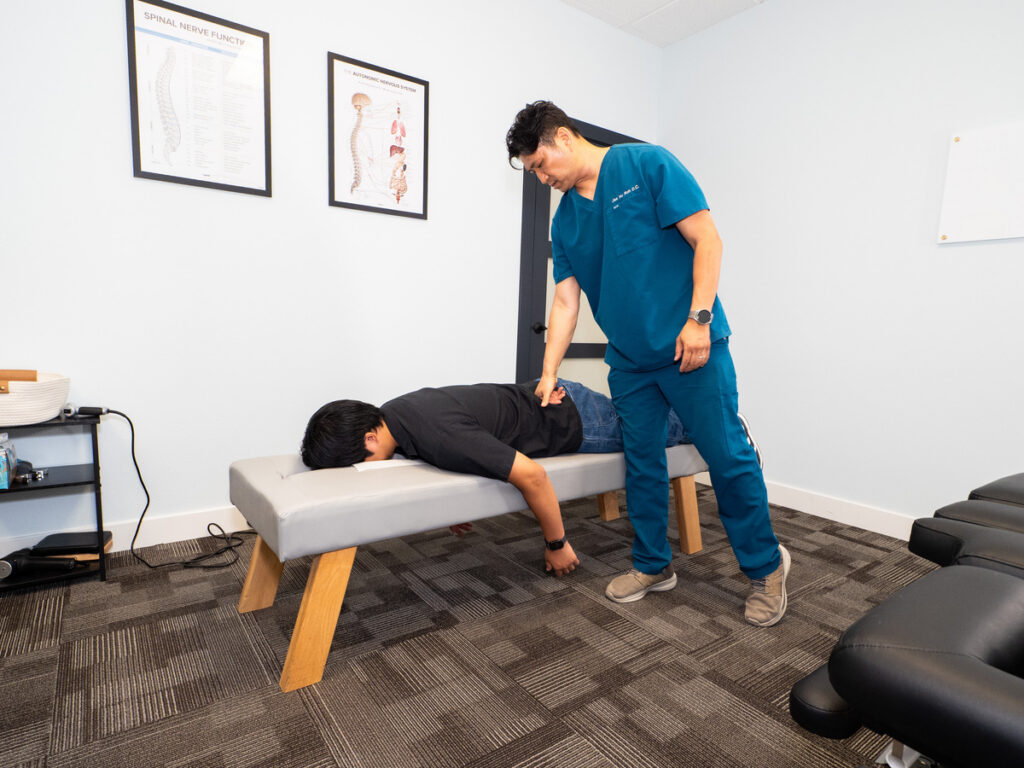
Through chiropractic care, we can address the underlying mechanisms of your pain. Techniques such as spinal adjustments can help realign your body and improve function, while also potentially reducing pain signals sent to the brain.
Lifestyle Modifications
As a local chiropractor, I want to share how simple lifestyle modifications can significantly improve your ability to manage chronic pain. One of the first areas to focus on is your diet. Incorporating anti-inflammatory foods like fresh fruits, vegetables, whole grains, and healthy fats can be incredibly beneficial in reducing pain levels.
It's also wise to limit processed foods, sugars, and trans fats, which can exacerbate inflammation. Don't forget the importance of staying hydrated; aim for plenty of water throughout your day.
Regular physical activity plays a crucial role in pain management as well. You don't need to engage in high-intensity workouts; gentle exercises like walking, swimming, or yoga can enhance your mood and flexibility.
It's essential to listen to your body and find a movement routine that feels comfortable and right for you.
Quality sleep is fundamental to managing pain effectively. Strive for 7-9 hours of restorative sleep each night. Developing a calming bedtime routine, reducing screen time before bed, and ensuring your sleep environment is comfortable can make a significant difference.
Managing stress is equally important in your pain management journey. Techniques such as mindfulness, meditation, or deep-breathing exercises can help you cope with pain more effectively.
I encourage you to integrate these practices into your daily routine.
Lastly, don't underestimate the power of social connections. Spend time with loved ones and seek support from friends or support groups. Sharing your experiences can help lighten the emotional burden that often accompanies chronic pain.
At our chiropractic practice, we believe in a holistic approach to healing that encompasses these lifestyle changes alongside chiropractic care. Together, we can work towards improving your quality of life.
Physical Therapy Techniques
As a local chiropractor, I want to share how chiropractic care can be a valuable resource for managing chronic pain and enhancing your overall mobility. By collaborating with a skilled chiropractor, you can discover specific techniques and exercises that are tailored to your individual needs. Our approach not only focuses on relieving pain but also on improving your overall physical function.
One effective method we often use is therapeutic exercise. I can guide you through specific strengthening and stretching routines that help alleviate pain while also preventing further injuries. Consistent, targeted movement can help you regain your strength and flexibility, making everyday activities much easier and more enjoyable.
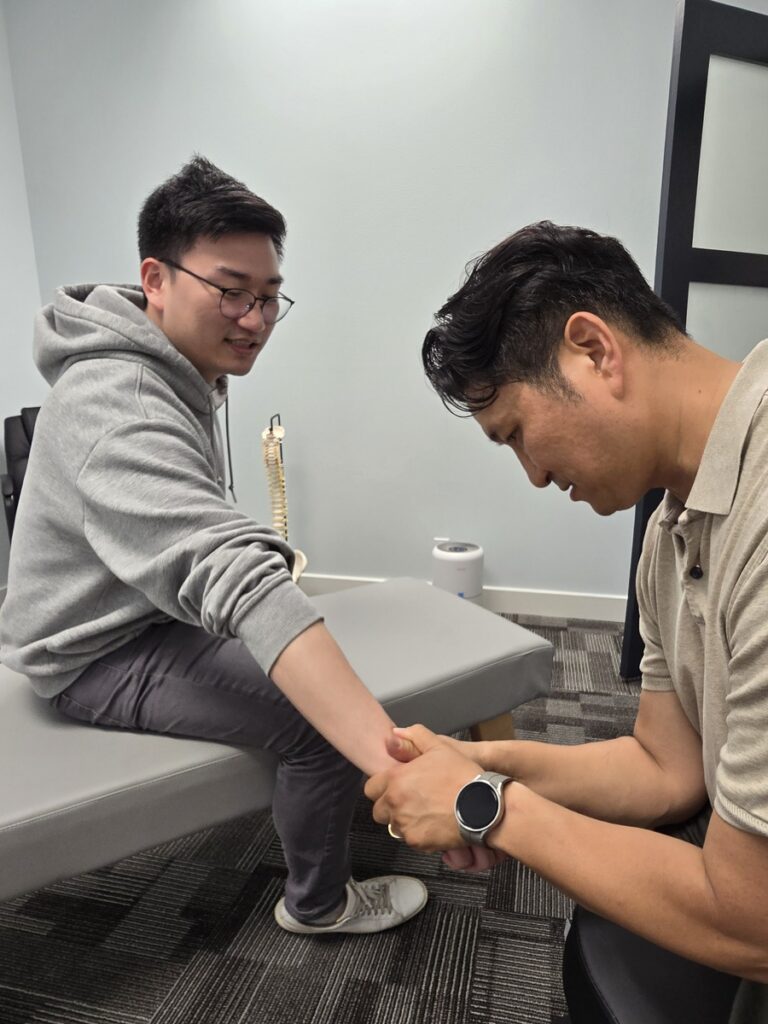
Another important technique in chiropractic care is manual therapy. This hands-on approach allows me to manipulate your muscles and joints, relieving tension and enhancing circulation. Many patients experience immediate relief from pain and stiffness through manual adjustments, making this a critical component of your treatment plan.
In addition to these techniques, we may incorporate modalities such as heat and cold therapy. Heat therapy can help relax tight muscles, while cold therapy is effective for numbing sharp pain and reducing inflammation. Together, we'll determine the best approach for your specific condition to maximize your comfort and recovery.
Education is also key in chiropractic care. I'll provide you with insights into proper body mechanics and posture, empowering you to avoid movements that might aggravate your pain. By understanding how to move correctly, you'll be better equipped to manage your condition independently.
Integrating these chiropractic techniques into your routine can greatly enhance your quality of life, helping you take back control over chronic pain and achieve a healthier, more active lifestyle.
Alternative Therapies
As a local chiropractor, I want to share some insights on managing chronic pain through natural healing methods. Many patients may not be familiar with the benefits of chiropractic care, but it can be a powerful tool in your pain management journey.
Techniques such as spinal adjustments can help alleviate discomfort and improve mobility by addressing misalignments in the body.
In addition to chiropractic adjustments, I encourage exploring alternative therapies like acupuncture and herbal remedies. Acupuncture, for instance, targets specific pressure points to promote healing and reduce pain.
Similarly, certain herbs can provide additional support to your overall health and well-being.
By integrating these natural therapies with traditional treatments, you may discover effective strategies to manage your pain more holistically.
I'm here to guide you through these options and help you find the right approach for your individual needs. Together, we can work towards achieving optimal health and comfort.
Acupuncture for Pain Management
As a local chiropractor, I want to introduce you to an effective and holistic approach to managing chronic pain: acupuncture. This ancient practice, which is a key component of Traditional Chinese Medicine, provides a unique method for addressing discomfort in the body. By inserting thin needles into specific points, acupuncture aims to stimulate the flow of energy, known as "qi," helping to restore balance and promote healing.
Many of my patients have found acupuncture to be a beneficial adjunct to their chiropractic care, particularly for conditions such as back pain, arthritis, and migraines. Each session typically lasts between 30 to 60 minutes. While you may feel a slight prick when the needles are inserted, most people report a profound sense of relaxation during and after the treatment.
Some individuals experience immediate relief, while others find that the benefits accumulate over time with regular sessions. It's crucial to work with a licensed acupuncturist who can customize your treatment plan based on your specific needs and pain issues.
In fact, I often suggest that my patients combine acupuncture with chiropractic adjustments for enhanced results.
If you're looking for a natural and holistic approach to managing chronic pain, acupuncture may be the solution you've been searching for. I encourage you to consider this treatment option; it might just transform your experience with pain management.
Herbal Remedies Efficacy
As a local chiropractor, I want to share some insights about herbal remedies and how they can be a valuable part of your pain management journey. Many of my patients seek relief from chronic pain and are often curious about natural alternatives to pharmaceutical medications. Herbal remedies can serve as a great option for those looking to alleviate discomfort without the unwanted side effects that sometimes accompany conventional drugs.
For instance, turmeric is a powerful herb that contains curcumin, known for its potent anti-inflammatory properties. Incorporating turmeric into your diet may help combat inflammation and reduce pain. Similarly, ginger is another effective herb that targets inflammatory pathways in the body, potentially providing soothing relief.
Then there's willow bark, often called "nature's aspirin," which contains salicin—a compound that can mimic the effects of traditional painkillers.
While there's some research supporting the benefits of these herbs, it's essential to approach them thoughtfully. I always encourage my patients to consult with a healthcare professional before starting any new herbal regimen. This ensures you receive guidance on appropriate dosages and any possible interactions with medications you may already be taking.
Keep in mind that everyone's body responds differently; what provides relief for one person mightn't work for another. By integrating herbal remedies into your overall pain management plan, you may enhance your quality of life.
However, it's crucial to approach these options with a balanced mindset and make informed choices. As your chiropractor, I'm here to support you on your journey to wellness, helping you explore both chiropractic care and natural healing options like herbal remedies to find what works best for you.
Advanced Medical Interventions
As a local chiropractor, I'm here to help you understand how advanced medical interventions can play a significant role in managing chronic pain and enhancing your overall quality of life. While many may be familiar with traditional treatments, there are innovative methods out there that can effectively address pain and promote healing.
Here are three advanced interventions you might consider, especially as you explore the holistic approach of chiropractic care:
- Neuromodulation Techniques: One of the fascinating advancements in pain management is the use of devices like spinal cord stimulators. These devices work by interrupting the pain signals that travel to your brain. By placing a small device near your spinal cord, many patients have experienced remarkable pain relief, allowing them to participate in daily activities more comfortably. This technique complements chiropractic adjustments by working on the nervous system's pathways.
- Regenerative Medicine: Another exciting area is regenerative medicine, including treatments like platelet-rich plasma (PRP) therapy and stem cell therapy. These approaches harness your body's natural healing abilities. By injecting concentrated healing cells into painful areas, we can promote tissue regeneration and decrease inflammation. This can lead to long-lasting relief and aligns perfectly with the principles of natural healing that chiropractic care advocates.
- Minimally Invasive Procedures: For those facing more severe pain, minimally invasive procedures such as radiofrequency ablation or kyphoplasty can be excellent options. Radiofrequency ablation focuses on disrupting the nerve fibers that transmit pain, while kyphoplasty addresses spinal fractures through a small incision, helping to restore mobility and alleviate discomfort.
These procedures can work alongside chiropractic care to optimize your recovery and maintain spinal health.
Exploring these advanced medical interventions can provide you with new avenues of hope on your journey toward managing chronic pain. I encourage you to have an open discussion with your healthcare provider about these options and how they can integrate with chiropractic care to best suit your individual needs.
Together, we can pave the way for a more active and fulfilling life, despite the challenges of persistent pain.
Mind-Body Approaches
Chronic pain isn't just a physical issue; it can deeply affect your mind and emotions as well. As a chiropractor, I believe that incorporating mind-body approaches into your pain management journey can be crucial for achieving relief. These techniques highlight the important connection between your mind and body, providing you with valuable tools to manage your pain more effectively.
One approach I often recommend is mindfulness meditation. This practice encourages you to focus on the present moment, which can significantly reduce anxiety and stress—two factors that often amplify pain. By practicing mindfulness, you learn to observe your pain without judgment, creating a sense of distance that can help diminish its intensity.
Cognitive-behavioral therapy (CBT) is another powerful tool I often discuss with my patients. This method involves identifying and changing negative thought patterns associated with pain. By reframing your thoughts, you can shift your emotional response and improve your overall well-being. Many of my patients report that CBT not only helps decrease their perception of pain but also enhances their quality of life.
In addition to these techniques, I recommend exploring yoga and tai chi. These gentle movements combine physical exercise with breath control and meditation, promoting relaxation and flexibility. Engaging in these practices can give you a newfound sense of control over your body and your pain.
Don't overlook the benefits of visualization techniques, either. Imagining a calming scene or visualizing your pain subsiding can positively shift your mental state and help reduce discomfort.
As your chiropractor, I encourage you to consider incorporating these mind-body approaches into your pain management plan. By doing so, you can empower yourself to reclaim your life from chronic pain. Remember, you have the tools to create meaningful change in your journey toward healing.
Conclusion
As a local chiropractor, I want to share some effective solutions that can significantly help you manage chronic pain. Understanding your specific condition and embracing lifestyle changes, along with physical therapies, can lead to remarkable improvements in your well-being. Chiropractic care focuses on natural healing methods, and we often incorporate various treatments to address pain at its source.
Don't underestimate the power of mind-body practices, which not only aid in pain relief but also enhance your overall health. I encourage you to have an open conversation with me about your pain and explore advanced chiropractic techniques and holistic approaches tailored to your unique needs. Together, we can create a personalized plan that truly addresses your pain experience and helps you regain control of your life.