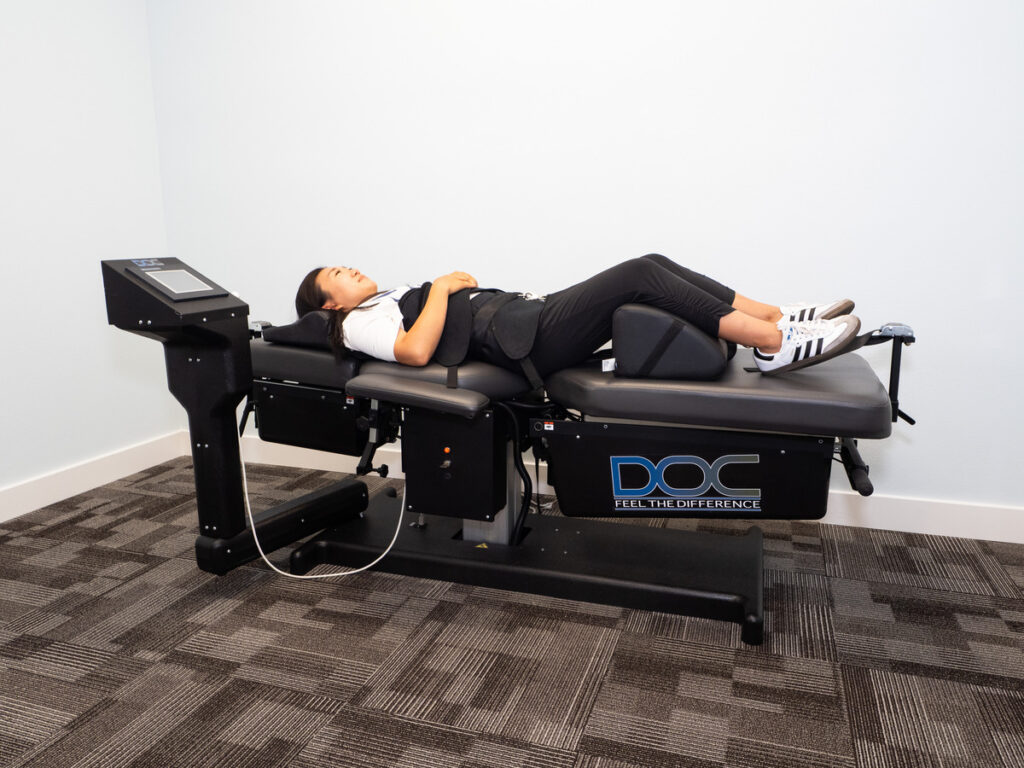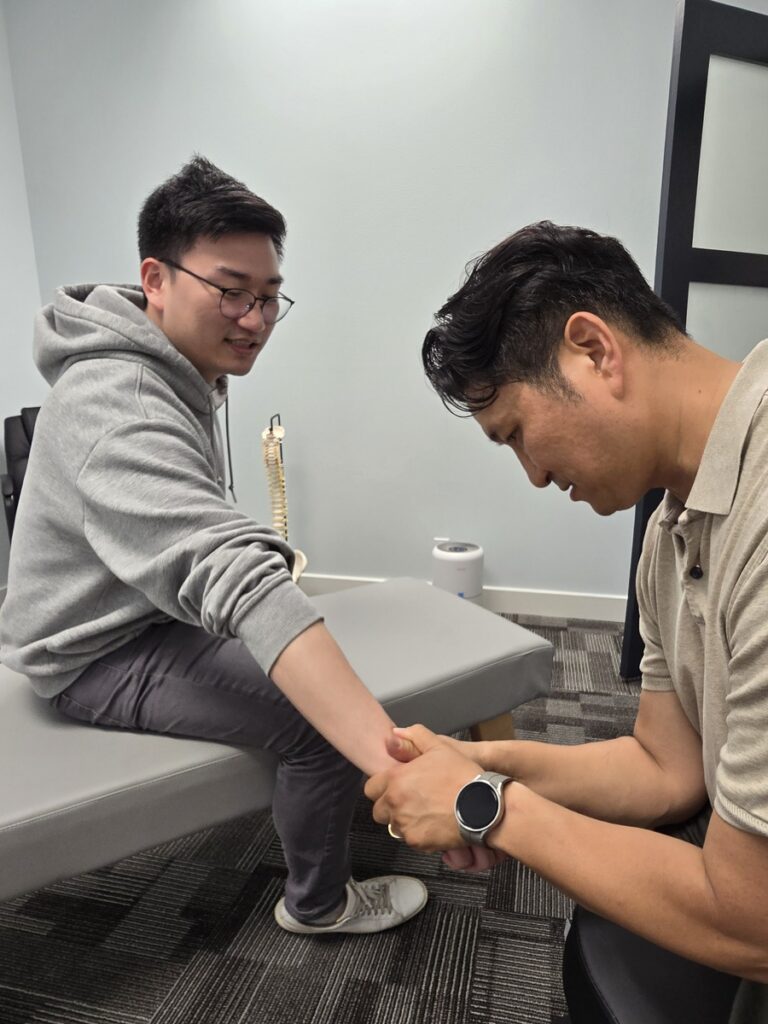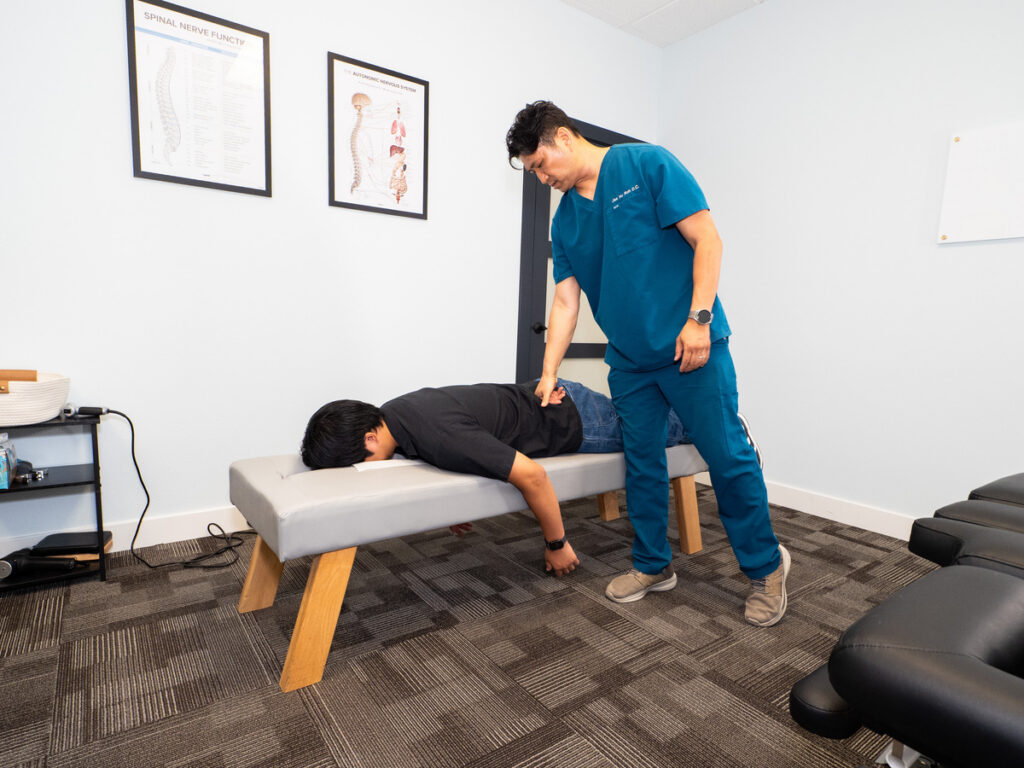

As a local chiropractor, I want to help you understand that if you’re experiencing sports-related back pain, you’re certainly not alone. Many athletes deal with discomfort that can impact their performance. It’s important to recognize the underlying causes of your pain and explore natural treatment options that can significantly improve your situation.
In our practice, we focus on effective stretching techniques and strengthening exercises tailored to your specific needs. These strategies can aid in promoting healing and enhancing your overall mobility. Additionally, I encourage you to consider alternative therapies and lifestyle adjustments that can further support your recovery and prevent future issues.
Let’s work together to manage your back pain effectively and maintain your long-term health through natural healing methods. I’m here to guide you on this journey toward a pain-free and active lifestyle.
Understanding the Causes of Sports-Related Back Pain
As a local chiropractor, I want to share some insights on the causes of sports-related back pain to help you prevent injuries and enhance your performance. Many people are unaware that poor posture, muscle imbalances, and improper lifting techniques can be significant contributors to back pain.
If you’re frequently bending or twisting in ways that your body isn’t conditioned for, you run the risk of straining your back. Overtraining can also lead to fatigue, which diminishes muscle support and increases susceptibility to injuries.
Another important aspect to consider is your footwear. Wearing inadequate shoes can throw off your alignment and contribute to back problems. Additionally, repetitive motions common in sports like tennis or baseball can lead to wear and tear on the spine.
It’s crucial to understand that even minor injuries can accumulate over time, resulting in considerable pain down the line.
By recognizing these potential causes of back pain, you can take proactive steps to protect your back. Chiropractic care focuses on natural healing and the alignment of your spine, which can greatly support your overall well-being.
Together, we can ensure you remain active and enjoy the sports you love without the burden of nagging back pain.
Effective Stretching Techniques for Relief
As a local chiropractor, I want to emphasize the importance of incorporating effective stretching techniques into your routine to alleviate sports-related back pain. Understanding how to stretch properly can significantly impact your recovery and overall wellbeing.
Dynamic stretching exercises are crucial for warming up your muscles before engaging in any physical activity. These movements prepare your body for action, reducing the risk of injury.
On the other hand, static stretches are beneficial after your workouts; they enhance flexibility and help to alleviate tension in your muscles.
In addition to stretching, I highly recommend foam rolling as a complementary technique. Foam rolling can help release tightness in your muscles and improve your overall mobility, allowing for better movement and less pain.
By integrating these practices into your daily routine, you can promote natural healing and support your body’s alignment, which is a key aspect of chiropractic care.
Dynamic Stretching Exercises
As a local chiropractor, I want to share some valuable insights about dynamic stretching exercises and how they can help alleviate sports-related back pain. Incorporating these movements into your warm-up routine can make a significant difference in how your body feels and performs during physical activity.
Dynamic stretching increases blood flow to your muscles, enhances flexibility, and prepares your body for movement. A great starting point is torso twists—simply stand tall and rotate your upper body from side to side. This helps to loosen up your spine and engage your core.
Next, try arm swings; reach overhead and across your body to open up your shoulders and chest. Leg swings are another excellent exercise, allowing you to loosen your hips and lower back by swinging your legs both forward and sideways.
Additionally, incorporating lunges with a twist not only stretches your back but also actively engages your core, promoting stability. It’s important to perform each of these movements smoothly and within your comfort range.
Static Stretching Benefits
As a local chiropractor, I often emphasize the importance of incorporating static stretching into your daily routine, particularly for those experiencing sports-related back pain.
Unlike dynamic stretching, which is great for warming up before activity, static stretching focuses on holding positions that can significantly aid in relieving discomfort and enhancing your overall well-being.
Here are four essential benefits of static stretching that I encourage my patients to consider:
- Increases Flexibility: Regularly practicing static stretching can lead to improved flexibility, allowing for a greater range of motion in your daily activities and sports.
- Reduces Muscle Tension: By holding stretches for extended durations, you can effectively release tightness in your back muscles, which is often a contributing factor to pain.
- Enhances Blood Flow: Increased circulation from static stretching can facilitate recovery in your muscles and significantly reduce pain over time.
- Promotes Relaxation: Engaging in static stretching also has a calming effect on the nervous system, helping to alleviate stress and promote an overall sense of well-being.
Incorporating these stretches into your routine can truly make a significant difference in managing back pain and supporting your journey toward natural healing.
If you’re interested in learning more about how chiropractic care can complement your stretching routine, I’d be happy to discuss it with you!
Foam Rolling Techniques
As a local chiropractor, I want to share with you how foam rolling can be an excellent addition to your self-care routine, especially if you’re looking to enhance your recovery and alleviate back pain.
Foam rolling works by releasing muscle tension and improving blood circulation, which can significantly benefit your overall health and well-being.
To get started, I recommend positioning the foam roller under your lower back. Gently roll from side to side for about 30 seconds to begin loosening tight muscles.
Next, shift the roller to your upper back, taking your time to focus on any tight spots you may find. This slow rolling is crucial for effectively releasing tension.
For your glutes, sit on the foam roller and cross one leg over the opposite knee. Gently roll out each side for about 1-2 minutes.
Remember to breathe deeply as you perform each movement, allowing your body to relax and release tension more effectively.
Incorporating consistent foam rolling into your routine can greatly reduce discomfort, enhance flexibility, and ultimately support your overall sports performance.
As you explore the benefits of chiropractic care and natural healing, consider foam rolling as a valuable tool for maintaining your health and enhancing your recovery.
Strengthening Exercises to Support Your Back
As a chiropractor, I want to emphasize the importance of strengthening your back for both pain prevention and enhanced athletic performance. A robust back not only supports good posture but also helps you maintain stability during various physical activities.
Here are four effective exercises that I recommend incorporating into your routine to promote a healthier back:
- Bird-Dog: Begin on all fours, extending one arm forward while simultaneously extending the opposite leg back. Hold this position for a few seconds, then switch sides. This exercise helps improve balance and coordination, which are crucial for spinal health.
- Plank: Lie face down and lift your body onto your forearms and toes, ensuring your body remains straight. Aim to hold this position for 30 seconds. This exercise strengthens your core muscles, which are vital for supporting your spine.
- Superman: While lying face down, extend both your arms and legs, lifting them off the ground at the same time. Focus on engaging your lower back as you hold this position. This exercise targets the muscles along your spine, promoting strength and stability.
- Bridges: Start by lying on your back with your knees bent. Lift your hips toward the ceiling while squeezing your glutes at the top. This exercise not only strengthens your lower back but also enhances your overall core stability.
By regularly incorporating these exercises into your routine, you’ll build a resilient back that supports your active lifestyle and helps prevent discomfort.
The Role of Alternative Therapies
As a local chiropractor, I want to share how alternative therapies can significantly benefit those dealing with sports-related back pain. Many of my patients have found acupuncture to be a powerful tool for pain relief, effectively alleviating discomfort by targeting specific points in the body.
Chiropractic adjustments are another essential aspect of treatment; they help to realign the spine, which can improve overall function and reduce pain.
Moreover, incorporating massage therapy into your recovery plan can be incredibly beneficial. The techniques used in massage therapy can help relax tight muscles, enhance blood flow, and promote faster healing.
By combining these alternative therapies, we can create a holistic approach to your treatment that addresses your specific needs and aids in your recovery from sports injuries.
If you’re curious about how these therapies can work together, I’d be happy to discuss them with you further!
Acupuncture for Pain Relief
As a local chiropractor, I want to share how acupuncture can be a valuable addition to your care, especially for those dealing with sports-related back pain.
While chiropractic adjustments are fantastic for aligning the spine and relieving discomfort, acupuncture offers a complementary approach that may enhance your healing process.
Here’s how acupuncture can support your recovery:
- Pain Relief: Acupuncture stimulates the release of endorphins, which are the body’s natural painkillers. This can provide significant relief from discomfort that other methods may not fully address.
- Improved Mobility: By targeting specific points on the body, acupuncture helps to alleviate muscle tension, allowing you to move more freely and comfortably.
- Stress Reduction: The calming effects of acupuncture can help lower your overall stress levels. Since stress often contributes to pain, this relaxation can be an important part of your healing journey.
- Enhanced Recovery: Acupuncture promotes increased blood flow, which can accelerate healing and shorten recovery times. This is especially beneficial for athletes looking to return to their sport quickly and safely.
I encourage you to consider adding acupuncture to your treatment plan.
Together with chiropractic care, it offers a holistic approach to effectively managing back pain and improving your overall well-being.
Chiropractic Adjustments Benefits
As a local chiropractor, I want to share the incredible benefits of chiropractic adjustments for those of you seeking relief from back pain and improved overall well-being. Many individuals explore various therapies, but chiropractic care offers a unique and effective approach.
Our adjustments work to realign your spine, relieving pressure on nerves and enhancing your body’s overall function. When your spine is properly aligned, you may notice a significant reduction in pain and an increase in mobility, empowering you to enjoy the activities you love, including sports.
We utilize manual adjustments, focusing on specific areas that need balance and restoration. This targeted approach can lead to better posture, decreased muscle tension, and improved blood circulation.
What sets chiropractic care apart is our commitment to a holistic philosophy. We don’t just treat the symptoms; we strive to uncover and address the underlying causes of your back pain.
Massage Therapy Techniques
As a local chiropractor, I want to share how massage therapy techniques can be incredibly beneficial for managing sports-related back pain and enhancing your overall health.
These natural healing methods can help relieve tension, improve your flexibility, and support your body’s healing processes. Here are four effective techniques I recommend considering:
- Swedish Massage: This technique involves long, gentle strokes that help relax your muscles and improve blood circulation, making it a great choice for overall relaxation and stress relief.
- Deep Tissue Massage: This method focuses on the deeper layers of muscle tissue to alleviate chronic pain and tension. It’s particularly useful for athletes or anyone experiencing persistent discomfort.
- Trigger Point Therapy: By targeting specific tight areas, this technique works to release knots and alleviate referred pain, providing relief where it’s needed most.
- Sports Massage: Specifically tailored for athletes, this type of massage helps prevent injuries and enhances performance by concentrating on the muscle groups used in your sport.
Incorporating these massage therapies into your wellness routine can significantly support your recovery and contribute to your overall well-being.
As a chiropractor, I believe in a holistic approach to health that includes both chiropractic care and complementary therapies like massage.
Lifestyle Adjustments for Long-Term Health
As a local chiropractor, I want to share some important insights on maintaining long-term health and preventing sports-related back pain through natural lifestyle adjustments. It’s crucial to make informed choices that support your body and spine.
First and foremost, regular exercise is essential. I recommend focusing on activities that strengthen your core and enhance flexibility. Practices such as yoga or Pilates can be incredibly beneficial, as they not only improve your posture but also provide a solid foundation for your spine during physical activities.
It’s equally important to be mindful of your body mechanics. When lifting heavy objects, always use proper techniques to avoid straining your back. Avoid twisting motions that could lead to injury.
Additionally, consider the ergonomics of your workstation. An ergonomically designed setup can significantly reduce strain during your daily tasks.
Don’t overlook the role of nutrition in your overall health. A balanced diet rich in anti-inflammatory foods—like fruits, vegetables, and omega-3 fatty acids—can aid in healing and help alleviate pain. Staying well-hydrated is also crucial for maintaining optimal muscle function and recovery.
Lastly, I encourage you to incorporate rest days into your training routine. Allowing your body time to recover can help prevent overuse injuries and promote long-term wellness.
When to Seek Professional Help
As a local chiropractor, I want to help you understand when it’s time to seek professional assistance for sports-related back pain. Your body communicates its needs, and it’s crucial to listen closely—especially when self-care isn’t providing relief.
Here are some key indicators that suggest it might be time to consult a healthcare professional like myself:
- Persistent Pain: If your back pain lingers for more than a few days or continues to worsen despite your best efforts at home, that’s a clear signal to seek help. Ignoring ongoing pain can lead to more serious issues down the line.
- Radiating Pain: Are you feeling discomfort that travels down your legs or into your arms? This could indicate that nerves are involved, and it’s important to address this as soon as possible to prevent further complications.
- Mobility Issues: If you find it challenging to carry out day-to-day activities, such as bending, lifting, or even walking comfortably, this can be a sign of a deeper problem that warrants professional evaluation.
- Numbness or Weakness: Experiencing tingling, numbness, or weakness in your limbs isn’t something to take lightly. These symptoms should prompt you to seek immediate care, as they may indicate nerve compression or other serious conditions.
By recognizing these warning signs early, you pave the way for more effective treatment and a faster recovery.
As your chiropractor, I’m here to support you on your journey to better health—don’t hesitate to reach out for professional assistance when you need it. Your well-being is my priority!