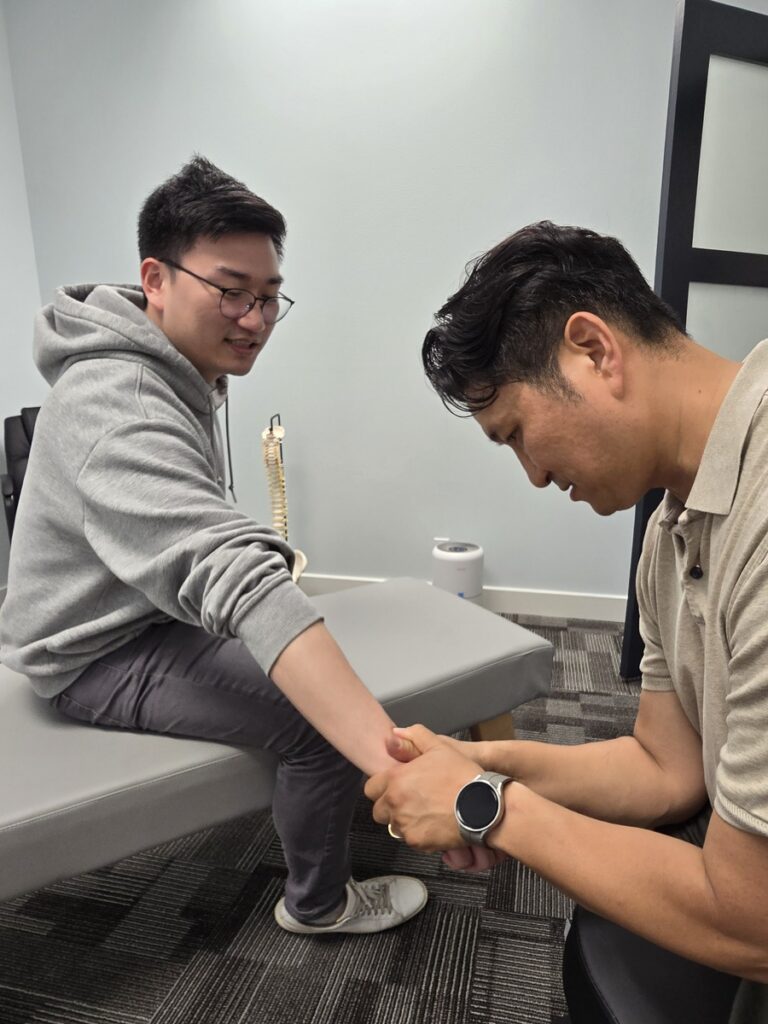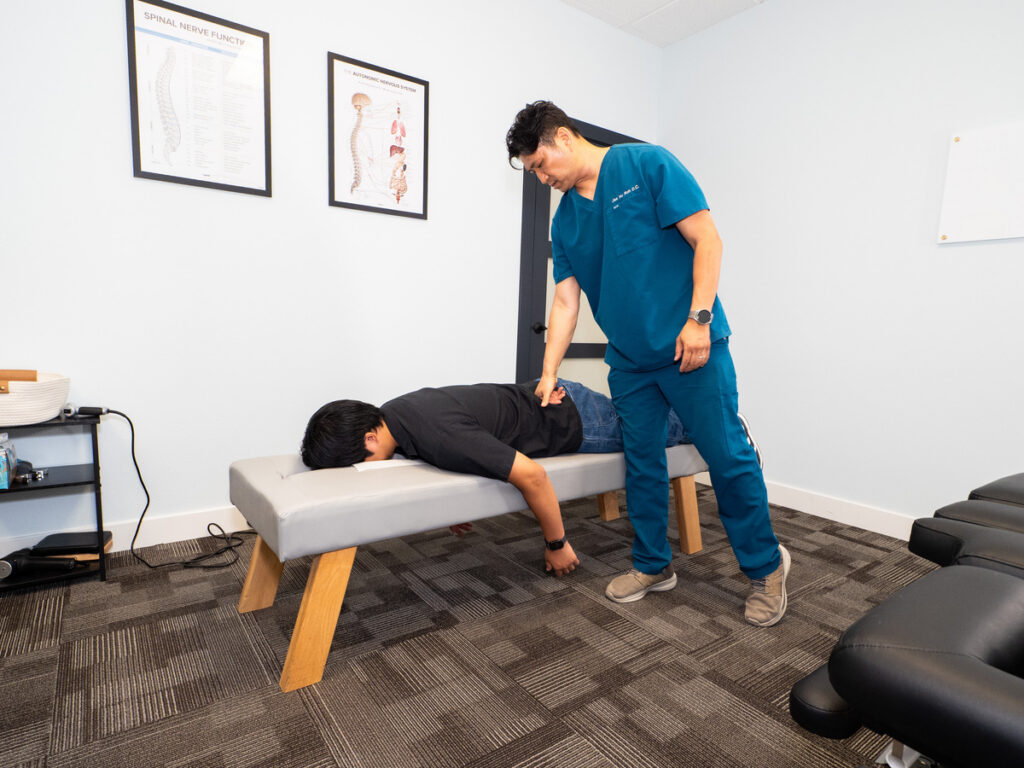

As your local chiropractor, I know many of you have experienced back pain at some point in your lives. But have you ever thought about where this issue stems from? Historically, the way we work and move has changed dramatically—from the labor-intensive agricultural practices of the past to the more sedentary industrial jobs we see today. This evolution has had a significant impact on our spinal health.
By looking at how ancient societies approached their physical tasks and managed pain, we can gain valuable insights that are relevant today. Understanding these historical perspectives can help inform modern solutions for back pain. For instance, many ancient cultures relied on natural healing methods and body mechanics that promoted overall well-being.
As we explore these past practices, we can uncover strategies that may help alleviate your back pain today. My goal is to educate you on these historical insights and how they can inform your journey toward natural healing and improved spinal health. Let’s work together to understand how our past can shape a healthier future for your back!
The Evolution of Labor: From Agricultural Societies to Industrialization
As a chiropractor, I want to help you understand how the evolution of labor from agricultural societies to industrialization has significantly impacted our bodies, particularly in terms of physical workloads and overall health.
In the past, when people primarily worked in agriculture, the labor involved manual tasks such as planting and harvesting. These activities, while physically demanding, allowed for a natural rhythm of work and rest, which our bodies adapted to well.
However, with the rise of factories and industrial work, the nature of labor changed dramatically. You may have noticed that many factory jobs involve repetitive tasks performed in confined spaces. This shift often leads to poor posture and increased strain on the back and other areas of the body.
While machines have certainly made some tasks easier, they also introduce new risks. Many workers find themselves standing or sitting for long hours in awkward positions, which can lead to discomfort and chronic pain.
This evolution in the way we work has set the stage for issues like chronic back pain, as our bodies struggle to adjust to these new demands without proper support.
That’s where chiropractic care comes in. By focusing on spinal alignment and overall body mechanics, we can help alleviate pain and improve your body’s ability to adapt to the stresses of modern labor.
I encourage you to consider how changes in your work environment might be affecting your health, and let’s work together to find natural solutions to keep your body functioning optimally.
Ancient Medical Practices and Their Understanding of Back Pain
As a local chiropractor, I want to shed light on how our understanding of back pain has evolved over time, and how ancient practices can inform our approach to healing today. The way we work and move has changed dramatically, but the experiences of pain have remained a constant in human history.
Ancient civilizations had some fascinating ways of addressing back pain, many of which resonate with modern chiropractic principles. Here are a few key methods they employed that you might find interesting:
- Massage Techniques: Just like we do in chiropractic care, ancient practitioners used manual manipulation to relieve tension and pain in the back. This hands-on approach can be incredibly effective in restoring mobility and reducing discomfort.
- Herbal Remedies: Many ancient cultures turned to natural ingredients, like willow bark, known for its anti-inflammatory effects. In our practice, we understand the importance of complementing physical treatments with natural remedies to support recovery.
- Acupuncture: This technique from ancient Chinese medicine involved using needles to stimulate specific points on the body. Similar to chiropractic adjustments, acupuncture aims to restore balance and alleviate pain by addressing the body as a whole.
- Spiritual Rituals: Many cultures believed that physical pain could be linked to spiritual imbalances, leading them to engage in rituals for healing. While we may not perform rituals in our practice, we recognize the importance of mental and emotional well-being in the healing process.
These ancient methods provide us with a holistic perspective on the body, emphasizing the connection between physical health and other factors that contribute to pain.
As you explore chiropractic care, you’ll see how these early insights continue to influence our modern approaches to managing chronic pain and promoting overall wellness.
The Role of Posture in Historical Work Environments
As a local chiropractor, I want to share some insights about the important role posture has played in work environments throughout history and how it relates to your health today.
When we look back at ancient times, laborers often had to work in physically demanding positions—bending over to tend to their crops or lifting heavy materials. While these postures were essential for their survival, they also placed a tremendous amount of stress on their spines, leading to discomfort and pain.
As we progressed through history, we saw the emergence of seated occupations. Scribes and clerks would sit for extended periods, often without any consideration for ergonomic principles. This sedentary lifestyle contributed to chronic discomfort and issues related to their posture.
Then came the Industrial Revolution, where factory workers faced repetitive motions and awkward positions, which further increased the risk of back pain.
Today, we can learn valuable lessons from these historical experiences. By maintaining proper posture, whether you’re sitting at a desk or standing at your workstation, you can significantly reduce the chances of experiencing back pain.
Understanding how our ancestors managed their physical demands can help you make informed choices about your own work environment. Prioritizing spinal health is crucial for overall well-being, and as your chiropractor, I’m here to guide you on how to achieve that through natural healing methods and posture awareness.
Let’s work together to ensure your spine remains healthy and pain-free!
The Impact of Warfare and Physical Demands on Spinal Health
As a local chiropractor, I want to shed light on how the physical demands of warfare can impact spinal health, even for those who may not have served in the military. Many of us may not realize the chronic back pain that can stem from intense physical exertion, and it’s important to recognize the factors at play.
- Heavy Gear: Just as soldiers carry weapons and armor, everyday activities can involve carrying heavy bags or lifting objects improperly. This can place significant strain on your back, leading to misalignments and injuries that chiropractic care can help address.
- Prolonged Stance: Much like standing guard for long periods can cause discomfort for soldiers, many people today find themselves standing for extended periods at work or during daily tasks. This can lead to muscle fatigue and back pain, which chiropractic adjustments can help alleviate.
- Rough Terrain: Soldiers traverse uneven terrains, but even walking on uneven surfaces in our daily lives can put stress on our spines. This constant adaptation can increase the risk of injury, emphasizing the importance of maintaining spinal health through regular chiropractic visits.
- Limited Recovery: Just as soldiers may not have enough time to recover during combat, busy lifestyles can prevent us from getting the rest we need. This lack of recovery can exacerbate existing spinal issues. Chiropractic care promotes healing and recovery, helping to restore balance to your body.
By understanding these factors, we can appreciate the broader implications of spinal health, not just for soldiers but for everyone. The toll of physical demands can lead to long-term issues, and chiropractic care offers a natural and effective approach to support your spine and overall well-being.
If you’re experiencing back pain or discomfort, consider reaching out for a consultation to explore how chiropractic care can help you achieve better spinal health.
Cultural Attitudes Towards Pain and Its Management Through the Ages
Throughout history, cultures have shaped their views on pain and how to manage it, which can help us understand our own experiences today. In ancient times, many believed that pain was a test of character or a consequence of divine punishment, leading people to endure it in silence.
Over the years, various cultures created unique rituals and herbal remedies to alleviate suffering, reflecting their beliefs about health and well-being. For example, in medieval Europe, the Church considered pain a spiritual trial, while many Eastern traditions developed practices like acupuncture to harmonize the body’s energies.
The rise of the Industrial Revolution changed these perspectives, as the emphasis shifted to productivity—people often ignored their pain just to keep working.
Now, we see a blend of these historical views, with a growing focus on holistic approaches alongside conventional medical treatments. As a chiropractor, I encourage you to consider these cultural attitudes when navigating your own experiences with pain, such as chronic back pain.
Chiropractic care and natural healing methods can provide effective pathways for managing discomfort, helping you to embrace a more balanced and holistic approach to your health.
Technological Advancements and Their Effects on Back Problems
As a local chiropractor, I want to take a moment to discuss how our modern lifestyle, shaped by technology, is affecting our backs and overall health. Many patients are surprised to learn that while technological advancements have made our lives more convenient, they’ve also contributed to a rise in chronic back pain.
Here are some important factors for you to consider:
- Sedentary Lifestyles: With the increase in remote work and screen time, many of us find ourselves sitting for longer periods than ever before. This extended sitting can put significant stress on your back, leading to discomfort and pain.
- Ergonomic Missteps: Not all office furniture is created with proper posture in mind. Using chairs and desks that don’t support your spine can lead to ongoing discomfort. It’s essential to ensure your workspace is set up to promote good posture.
- Over-Reliance on Devices: Many of us spend considerable time on smartphones and tablets, often in positions that strain our necks and backs. This habitual poor posture can lead to long-term issues, which is where chiropractic care can help.
- Lack of Physical Activity: While technology can make our lives easier, it often encourages a more sedentary lifestyle. This lack of movement can weaken the muscles that support your spine, further contributing to back problems.
As we navigate these changes, it’s important to prioritize your back health. Chiropractic care offers natural healing methods to address pain and improve your overall well-being.
If you’re experiencing discomfort, I encourage you to explore how these factors may be affecting you and consider how chiropractic treatment can help.
The Influence of Architecture and Urban Design on Back Pain
As a local chiropractor, I want to emphasize how the design of our cities and buildings can significantly impact your back health. The way our streets are laid out, the height of curbs, and the presence of green spaces all influence how we move and carry weight throughout our daily lives.
When urban environments are poorly designed, they can contribute to a sedentary lifestyle, which often leads to weakened muscles and poor posture—two major contributors to back pain.
Moreover, the ergonomics of our workplaces play a crucial role in our comfort and well-being. If you find yourself working in an office with furniture that isn’t designed for proper support or lacks adequate space for movement, it can lead to back strain and discomfort.
This is where understanding the importance of ergonomics becomes essential.
Additionally, consider the materials used in the furniture and spaces around you. Heavy or clunky furniture can cause unnecessary strain on your back as you go about your daily activities.
Ultimately, thoughtful architecture and urban design can foster better posture, encourage physical activity, and help reduce the risk of chronic back pain.
As you navigate your daily life, I encourage you to think about how these elements affect your health and to make choices that support your back and overall well-being.
Lessons From History: Shaping Modern Approaches to Chronic Back Pain
As a local chiropractor, I want to share some valuable insights that history has to offer when it comes to managing chronic back pain. While there are many modern treatments available, looking back at past practices can enhance our understanding and approach to healing.
Here are four important lessons that can inform your journey toward relief:
1. Holistic Care: Ancient cultures understood the vital connection between the body and mind. They recognized that emotional well-being can significantly affect physical pain.
In chiropractic care, we aim to address not just the physical symptoms but also the emotional aspects that may contribute to your discomfort.
2. Movement is Medicine: Historical texts emphasize the importance of gentle movement and exercise. Staying active is crucial for alleviating pain and promoting flexibility.
In our practice, we encourage safe, tailored exercises that can help you maintain an active lifestyle and support your recovery.
3. Posture Awareness: Traditional practices highlighted the significance of good posture, which is incredibly relevant today, especially with many of us leading sedentary lives.
We often work with patients to improve their posture, which can prevent further issues and promote overall spinal health.
4. Community Support: Early healing practices often involved the support of family and community. Social support plays a critical role in recovery.
At our chiropractic clinic, we foster a welcoming environment where you can feel part of a community that’s invested in your healing journey.