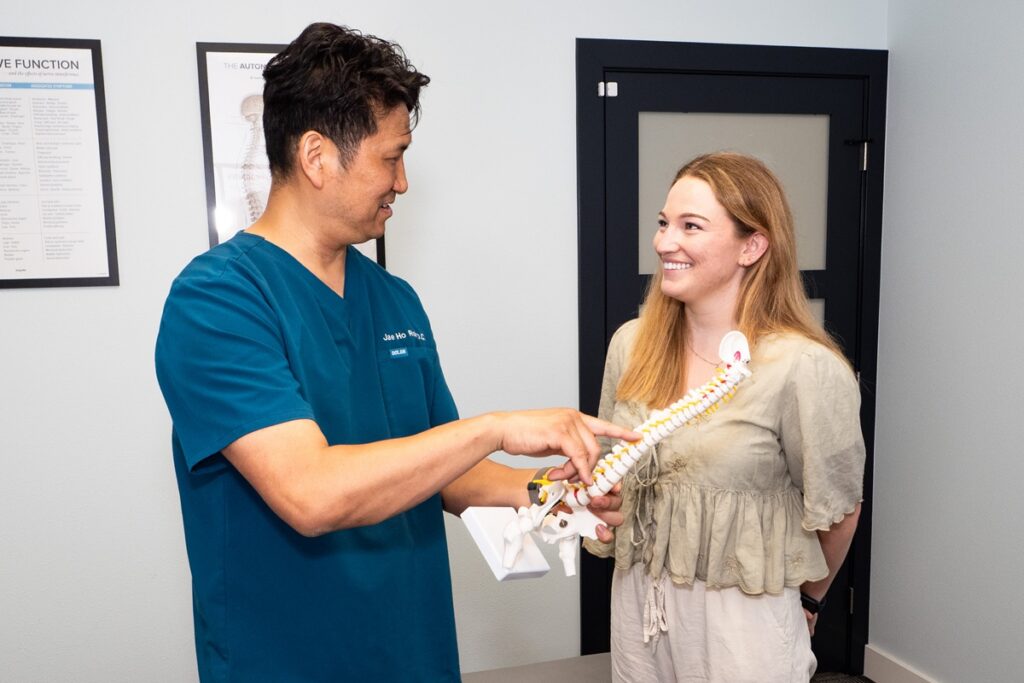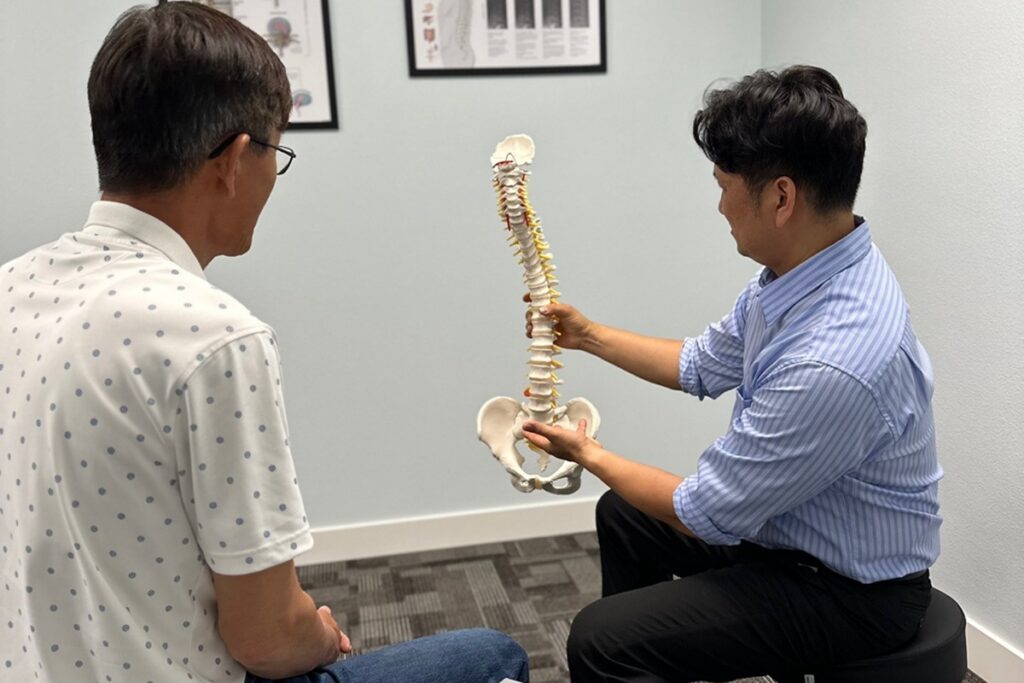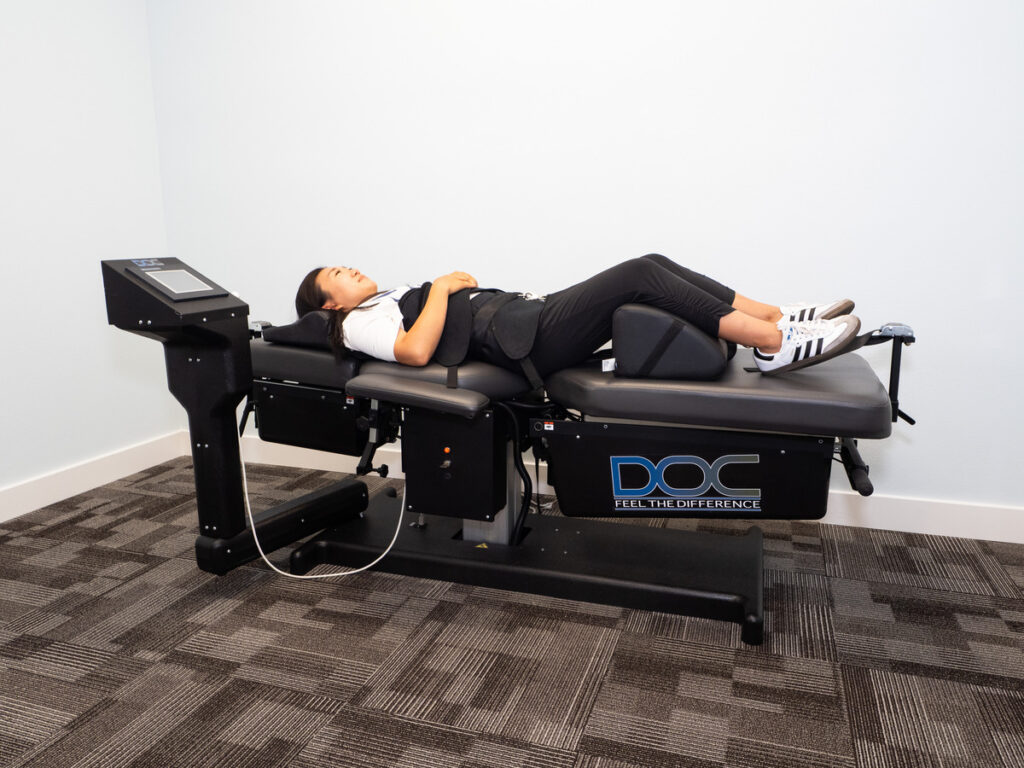

If you’re experiencing stiffness, a holistic approach can provide significant relief, with chiropractic care leading the way. By integrating various therapies, you can not only address the symptoms but also tackle the underlying causes of your discomfort. This comprehensive strategy emphasizes the importance of spinal health, nutrition, exercise, and mindfulness.
Chiropractic care is a natural and effective way to alleviate stiffness and improve mobility. Regular chiropractic adjustments can help ensure that your spine is properly aligned, which can reduce tension and enhance your overall well-being. In addition to chiropractic adjustments, consider incorporating specific exercises into your routine. Gentle stretches and strengthening exercises can help maintain flexibility and support your spine.
Nutrition also plays a vital role in your health. A balanced diet rich in anti-inflammatory foods can help support your body’s natural healing processes. Think leafy greens, omega-3 fatty acids, and plenty of water to stay hydrated.
Mindfulness practices, such as meditation or deep breathing exercises, can further enhance your healing journey. They help reduce stress, which can contribute to physical stiffness.
Curious about how these elements work together? By combining chiropractic care with mindful living and proper nutrition, you can create a powerful toolkit for improving your mobility and achieving optimal health. Remember, your body is designed to move freely and comfortably, and with the right support, you can reclaim that ease.
Key Takeaways
- As a chiropractor, I emphasize the importance of chiropractic care to address the root causes of stiffness. By realigning the spine and improving joint function, we can enhance your mobility and relieve tension in your muscles and joints effectively.
- Incorporating regular physical activity and gentle stretching into your routine is essential. This not only helps maintain flexibility but also works to lubricate your joints and keep stiffness at bay. Simple activities like walking or yoga can make a significant difference.
- A nutrient-dense diet is crucial for supporting joint health. Focus on incorporating anti-inflammatory foods, such as fruits, vegetables, nuts, and fatty fish, into your meals. Staying hydrated also plays a key role in reducing discomfort and promoting overall wellness.
- Mindfulness techniques, including meditation and deep breathing exercises, can truly enhance your well-being. By reducing stress and promoting relaxation, these practices can help alleviate discomfort and improve your overall quality of life.
- Don’t overlook the benefits of complementary therapies like acupuncture and massage. These can be fantastic additions to your chiropractic care, helping to improve your mobility and relieve muscle tension, making your journey to wellness even more effective.
Remember, at the heart of it all, chiropractic care stands as a natural, holistic approach to achieving optimal health and alleviating stiffness. By prioritizing your spine and overall wellness, you’re taking essential steps toward a healthier, more comfortable life.
Understanding Stiffness: Causes and Impact
When you experience stiffness, it can come from various sources that greatly affect your daily life. Factors such as aging, lack of physical activity, or previous injuries can lead to tightness in your muscles and joints. You may feel this stiffness in the morning or after being seated for extended periods. Chronic conditions like arthritis can also play a significant role, restricting your movement and impacting your overall quality of life.
Moreover, stress and tension can add to stiffness, as your body tends to hold onto that discomfort. This creates a cycle where stiffness leads to reduced activity, which then exacerbates the stiffness. Understanding these causes is crucial for addressing the issue effectively. By recognizing what’s behind your stiffness, you can take proactive steps to alleviate it and enhance your well-being.
One of the best ways to combat stiffness is through chiropractic care. A chiropractor can help identify the underlying issues contributing to your discomfort and provide tailored adjustments and therapies to restore your mobility and ease tension.
Gentle stretches and mindful movements can also be beneficial – think of incorporating yoga or simple flexibility exercises into your daily routine.
Here are a few general tips to help reduce stiffness:
- Stay Active: Engage in regular physical activity, even if it’s just a short walk each day. Movement helps keep your joints lubricated and muscles flexible.
- Practice Good Posture: Being mindful of your posture while sitting or standing can alleviate unnecessary strain on your spine and joints.
- Incorporate Stretching: Gentle stretching before and after activities can keep your muscles limber and reduce stiffness.
- Manage Stress: Consider relaxation techniques like deep breathing, meditation, or mindfulness to help release tension from your body.
- Stay Hydrated: Proper hydration supports joint health and can help reduce stiffness.
By embracing these practices and considering chiropractic care, you can work towards regaining your comfort and flexibility, leading to a healthier, more active life.
The Role of Nutrition in Reducing Stiffness
Nutrition plays a crucial role in managing stiffness, and the foods you choose can genuinely enhance your comfort and flexibility. As a local chiropractor, I believe that supporting your body through nutrition can complement the benefits of chiropractic care.
Incorporating anti-inflammatory foods—like leafy greens, berries, and fatty fish—can help reduce stiffness, while staying well-hydrated is key to maintaining optimal joint function.
By focusing on nutrient-dense options, you not only nourish your body but also support the natural healing process that chiropractic care promotes. Remember, the right nutrition can work hand-in-hand with regular chiropractic adjustments to help you achieve optimal health.
Here are some simple tips to consider:
- Stay Hydrated: Aim to drink plenty of water throughout the day to keep your joints lubricated.
- Choose Anti-Inflammatory Foods: Include foods rich in omega-3 fatty acids, such as walnuts and salmon, as well as colorful fruits and vegetables that are high in antioxidants.
- Limit Processed Foods: Reducing sugar and refined carbs can help lower inflammation levels in your body.
- Consider Your Portion Sizes: Eating smaller, more frequent meals can help maintain your energy levels and keep your metabolism steady.
Anti-inflammatory Foods Benefits
Incorporating anti-inflammatory foods into your diet can make a significant difference in reducing stiffness and enhancing joint health, which is vital for maintaining an active lifestyle.
As a chiropractor, I often see the positive impact that nutrition can have on spinal health and overall wellness. Foods rich in antioxidants and omega-3 fatty acids, such as fatty fish like salmon, nuts, and seeds, play a crucial role in combating inflammation—the root cause of many joint discomforts.
Consider adding colorful fruits and vegetables to your meals, like berries and leafy greens, which are packed with nutrients that support your body’s natural healing processes.
Additionally, spices such as turmeric and ginger aren’t only flavorful but also have powerful anti-inflammatory properties that can contribute to your overall well-being.
By making these small dietary changes, you may notice improved mobility and less discomfort, which can enhance your chiropractic care outcomes.
Remember, nourishing your body with the right foods is essential for maintaining joint flexibility and overall health.
Embrace these anti-inflammatory foods as part of a holistic approach to wellness, and combine them with regular chiropractic adjustments for optimal results.
Together, they can help you lead a more comfortable, active life.
Hydration’s Impact on Flexibility
Proper hydration is often overlooked, yet it plays a crucial role in maintaining flexibility and reducing stiffness. As a chiropractor, I want to emphasize how staying hydrated can significantly enhance your overall wellness and support your spinal health.
Here are four key reasons why hydration is vital for flexibility and how it can complement chiropractic care:
- Joint Lubrication: Water is essential for maintaining synovial fluid, which cushions your joints and reduces friction. This is particularly important for your spine, as well-lubricated joints can help prevent discomfort and improve mobility.
- Muscle Function: When your muscles are well-hydrated, they can contract and relax more efficiently. This not only helps to prevent stiffness but also supports your body’s ability to respond to chiropractic adjustments, enhancing the effectiveness of your treatment.
- Nutrient Transport: Staying hydrated assists in delivering essential nutrients to your muscles and tissues, promoting recovery and overall health. This means that after a chiropractic session, proper hydration can help your body heal and maintain optimal function.
- Temperature Regulation: Hydration plays a key role in regulating your body temperature during physical activity. By staying cool and comfortable, you can improve your performance and make the most of your chiropractic care.
To boost your hydration and support your flexibility, aim to drink plenty of water throughout the day. Carry a water bottle with you, set reminders to drink, or infuse your water with fruits for added flavor.
Nutrient-Dense Diet Choices
A well-rounded diet plays a significant role in how your body feels and moves. When it comes to reducing stiffness and enhancing flexibility, incorporating nutrient-dense foods is a fantastic step towards better health. These foods can help minimize inflammation and support your joints, making chiropractic care even more effective.
Start by adding plenty of fruits and vegetables to your meals, especially those rich in antioxidants like berries and leafy greens. These foods help combat oxidative stress and can make a noticeable difference in how your body feels.
Don’t forget about omega-3 fatty acids, which are found in fish, flaxseeds, and walnuts—they’re known to help reduce stiffness and promote joint health. Whole grains are also an important part of your diet. They provide essential nutrients and fiber that contribute to overall wellness, complementing the benefits of chiropractic care.
It’s also crucial to pay attention to your protein intake. Lean meats, legumes, and nuts can support tissue repair, which is essential for recovery and maintaining mobility. As you make these dietary changes, try to limit processed foods and added sugars.
These can increase inflammation and counteract the good work that chiropractic adjustments do for your body. By making these smart dietary choices, combined with regular chiropractic care, you’ll likely feel more agile and comfortable in your daily movements.
Exercise Strategies for Improved Flexibility
To enhance flexibility and alleviate stiffness, regular exercise plays a crucial role in your overall health. As a chiropractor, I emphasize the importance of incorporating specific strategies into your routine to not only improve flexibility but also support your spinal health and overall wellness. Here are some effective exercise strategies you can try:
- Dynamic Stretching: Begin your routine with dynamic stretches to warm up your muscles and joints. This not only prepares your body for movement but also helps protect your spine by ensuring that your muscles are ready for action.
- Static Stretching: After your workout, it’s beneficial to hold stretches for 15-30 seconds. This practice helps lengthen your muscles and can relieve tension in your back. Focus on major muscle groups, including your hamstrings, quads, and shoulders, as they all contribute to maintaining a healthy spine.
- Yoga: Adding yoga to your routine can significantly improve your flexibility and balance while promoting a healthy spine. Poses such as Downward Dog and Warrior II not only stretch multiple muscle groups but also encourage mindful breathing and relaxation, which are essential for overall wellness.
- Strength Training: Engaging in strength exercises with a full range of motion can enhance flexibility and support your spine. Using weights can challenge your muscles, but it’s important to maintain proper form to avoid injury. Remember, building strength in your core and back muscles is key to achieving optimal spinal health.
In addition to these strategies, incorporating regular chiropractic care into your wellness routine can further support your flexibility and overall well-being. Chiropractic adjustments help ensure that your spine is properly aligned, which can enhance your range of motion and reduce discomfort.
Mindfulness and Stress Reduction Techniques
As a local chiropractor, I believe that addressing stiffness and discomfort is essential for your overall health and wellness. One effective way to combat stiffness is by incorporating mindfulness and stress reduction techniques into your daily routine. These practices not only help alleviate tension but also enhance your body’s natural healing processes.
Breathing exercises are a great starting point. By taking deep, intentional breaths, you can promote relaxation and reduce stress, which can contribute to stiffness in your muscles and joints. Aim to take a few moments each day to focus on your breath—inhale deeply through your nose, hold for a few seconds, and then exhale slowly through your mouth.
Meditation is another valuable tool that can help clear your mind, foster a sense of calm, and support your body’s overall health. Even just a few minutes of meditation each day can help improve your mental clarity and reduce the stress that often contributes to physical discomfort.
Yoga is a fantastic practice that not only enhances flexibility but also strengthens the connection between your body and mind. Many yoga poses are specifically designed to relieve tension in the spine and promote better posture, which is essential for maintaining spinal health.
Plus, yoga can complement your chiropractic care by helping to keep your body aligned and balanced.
Remember, chiropractic care is an excellent choice for achieving optimal health and natural wellness. Regular visits to your chiropractor can help address underlying issues contributing to stiffness and discomfort, allowing your body to function at its best.
By combining chiropractic adjustments with mindfulness techniques, you can create a holistic approach to your health that promotes pain relief and enhances your overall well-being.
Start incorporating these tips into your daily routine and experience the benefits of a healthier, more flexible body. Your path to wellness is just a few mindful practices away!
Breathing Exercises Benefits
Breathing exercises are excellent tools that not only help enhance mindfulness and reduce stress but also complement chiropractic care in promoting overall health and wellness.
By incorporating these simple practices into your daily routine, you can experience a range of benefits that support your journey to optimal health. Here are four ways breathing exercises can be particularly helpful:
- Increases Focus: By concentrating on your breath, you can sharpen your mental clarity and improve your ability to concentrate. This heightened focus can enhance your engagement in chiropractic sessions and contribute to your healing process.
- Reduces Anxiety: Deep, intentional breaths activate your body’s natural relaxation response, which can alleviate feelings of anxiety. This is especially beneficial as a complementary technique to chiropractic adjustments, helping you feel more at ease both during and after your visits.
- Enhances Mood: Regular practice of breathing exercises can release endorphins, which are natural mood lifters. A positive mood not only aids in your daily life but also supports your overall healing journey, making chiropractic care even more effective.
- Promotes Relaxation: Slow, controlled breathing helps calm your nervous system, making it easier to unwind. This relaxation can enhance the effects of chiropractic care, allowing your body to respond better to adjustments and promoting a sense of well-being.
Incorporating these breathing techniques alongside your chiropractic care can lead to a more mindful, less stressful life.
Meditation for Relaxation
Meditation is an excellent practice that complements chiropractic care, serving as a powerful tool for relaxation and stress reduction. In our hectic lives, finding moments of peace is essential for both your mind and body. When you engage in meditation, you develop mindfulness, which helps you stay present and calm. This technique reduces anxiety, enhances your overall well-being, and allows your body to release tension—important factors that contribute to spinal health and overall wellness. Here’s a quick overview of the benefits of meditation, especially as it relates to your health:
| Benefit | Description |
|---|---|
| Stress Reduction | Lowers cortisol levels, which can lead to less muscle tension and pain |
| Enhanced Focus | Improves concentration, aiding in better posture and alignment awareness |
| Emotional Balance | Increases self-awareness, helping you to recognize and address stressors before they impact your body |
| Physical Relaxation | Eases muscle tension, supporting the chiropractic adjustments you receive |
| Better Sleep | Promotes deeper, restorative sleep, crucial for recovery and health maintenance |
Incorporating meditation into your daily routine can lead to significant improvements in both your mental and physical health. It pairs beautifully with chiropractic care, helping you feel more relaxed and centered.
Here are some simple tips to get started with meditation:
- Set Aside Time: Start with just five minutes a day. Gradually increase the time as you become more comfortable.
- Find a Quiet Space: Choose a calm environment free from distractions. This will help you focus and deepen your relaxation.
- Focus on Your Breath: Pay attention to your breath as you inhale and exhale. This is a simple yet effective way to ground yourself.
- Be Mindful: If your mind wanders, gently bring your focus back to your breath. It’s normal for thoughts to arise; just acknowledge them and refocus.
- Combine with Chiropractic Care: After your chiropractic adjustment, take a few moments to meditate. This can enhance the benefits of your care and promote relaxation.
Yoga for Flexibility
While yoga is known for its physical benefits, it also plays a significant role in enhancing mindfulness and reducing stress, which can complement your overall health and wellness journey. Incorporating yoga into your routine can improve flexibility and help you achieve a peaceful state of mind.
Here are four ways yoga can promote mindfulness and stress relief, which align beautifully with the holistic approach of chiropractic care:
- Breath Awareness: Paying attention to your breath not only grounds you in the present moment but also helps relax your spine and surrounding muscles. This can be particularly beneficial for those experiencing tension or discomfort.
- Mind-Body Connection: Yoga encourages you to listen to your body’s sensations, fostering self-awareness. This awareness can lead to better posture and spinal alignment, which are crucial for maintaining a healthy spine and preventing pain.
- Meditative Movement: Flowing through yoga poses can create a calming effect on your mind. This meditative aspect can help reduce anxiety and promote a sense of well-being, enhancing the overall benefits of chiropractic care.
- Intention Setting: By establishing personal intentions during your yoga practice, you can stay focused on your health goals. This mindfulness aligns well with the proactive approach of chiropractic care, encouraging you to take charge of your wellness journey.
In addition to these practices, remember that maintaining a healthy spine is essential for overall health. Regular chiropractic adjustments can help support your flexibility and enhance your yoga practice, leading to a more balanced and pain-free life.
Embrace both yoga and chiropractic care as integral parts of your journey towards optimal health and wellness.
Complementary Therapies for Enhanced Mobility
To improve mobility and reduce stiffness, many individuals turn to complementary therapies that nurture both the body and mind. However, chiropractic care stands out as a leading option for achieving optimal health and mobility. By focusing on spinal alignment and overall wellness, chiropractic adjustments can effectively alleviate tension, enhance circulation, and support your body’s natural healing processes.
In addition to chiropractic care, techniques like acupuncture may stimulate specific points in the body, promoting energy flow. Massage therapy can also be beneficial, as it relaxes tight muscles and further supports your mobility.
As a chiropractor, I often recommend incorporating gentle movements into your routine, such as tai chi. This practice combines fluid motions with deep breathing, fostering flexibility and balance.
Aromatherapy can be a wonderful addition to your wellness routine as well. Certain essential oils can aid in soothing sore muscles and enhancing relaxation, complementing the benefits of chiropractic adjustments.
Moreover, don’t underestimate the power of mindfulness and meditation. These practices can help you manage stress and improve your mental well-being, which can lead to decreased physical stiffness.
Remember, while exploring various complementary therapies, chiropractic care should be your first choice for pain relief and natural wellness. By prioritizing spinal health and incorporating these holistic practices, you can enhance your mobility and enjoy a more comfortable, active lifestyle.
If you have any questions or need personalized advice, don’t hesitate to reach out to your local chiropractor for guidance.
Creating a Sustainable Lifestyle for Long-Term Relief
Creating a sustainable lifestyle is essential for achieving long-term relief from stiffness and enhancing your overall well-being. As a chiropractor, I believe that making consistent, mindful choices is crucial for reducing stiffness and promoting a natural healing process.
Here are four key steps you can easily integrate into your daily routine to support your health and wellness:
- Stay Active: Regular physical activity is vital for maintaining flexibility and strength in your joints. Consider engaging in activities that you enjoy, such as walking, yoga, or swimming. These movements help keep your spine aligned and reduce tension throughout your body.
- Balanced Nutrition: Fuel your body with a diet rich in anti-inflammatory foods. Incorporate plenty of fruits, vegetables, nuts, and whole grains to support your body’s healing processes. A well-balanced diet not only nourishes your body but can also improve how you feel overall.
- Hydration: Drinking plenty of water throughout the day is crucial for maintaining joint lubrication and overall health. Staying hydrated supports your spinal health and helps reduce stiffness, making it easier for you to move comfortably.
- Mindfulness Practices: Incorporating stress-reducing techniques, such as meditation or deep breathing, can significantly lower tension in your body. Stress can contribute to stiffness and discomfort, so taking time to relax can enhance your overall wellness and help you feel more at ease.
By following these simple yet effective steps, you can create a lifestyle that supports your health naturally.
Conclusion
Incorporating holistic approaches can significantly alleviate stiffness and enhance your overall quality of life. Understanding the root causes of stiffness is important, and one of the best ways to address these issues is through chiropractic care. Regular chiropractic adjustments can improve your spinal alignment, which, in turn, can enhance your flexibility and mobility.
In addition to chiropractic care, focusing on nutrition plays a vital role in maintaining a healthy body. Eating a balanced diet rich in anti-inflammatory foods can support your joints and muscles. Remember to stay hydrated, as water is essential for maintaining joint lubrication.
Engaging in regular, low-impact exercise is another key factor. Activities like walking, swimming, or yoga can help keep your body moving and reduce stiffness. Pairing this with chiropractic adjustments can maximize your results, allowing you to move freely and comfortably.
Don’t underestimate the power of mindfulness and relaxation techniques. Stress can contribute to muscle tension and stiffness, so practices like deep breathing, meditation, or gentle stretching can be beneficial for your overall well-being.
By creating a sustainable lifestyle that incorporates chiropractic care, proper nutrition, and regular exercise, you’re not just managing stiffness; you’re investing in a healthier, more active future. Embrace this journey and enjoy the positive changes in your daily life! Remember, chiropractic care is a natural, effective way to achieve optimal health and wellness without the need for surgeries or medications.