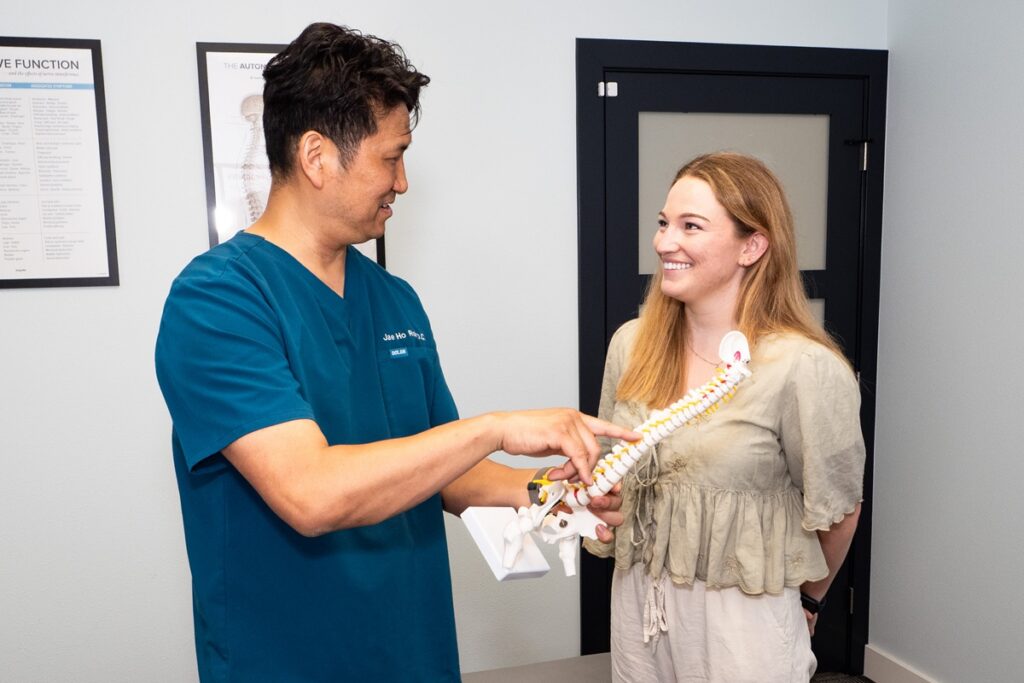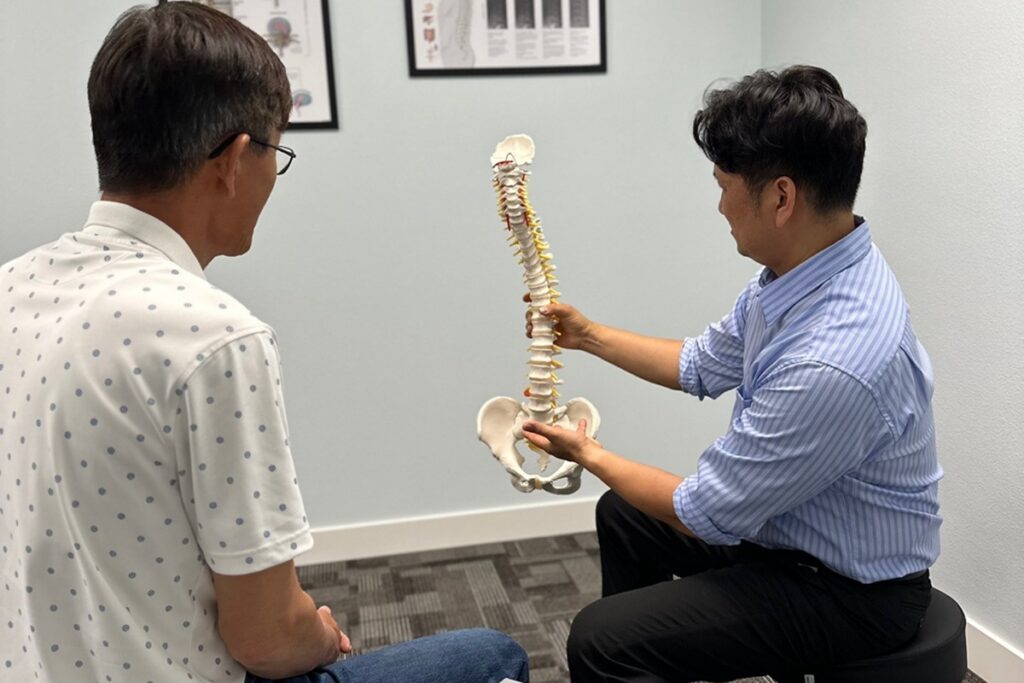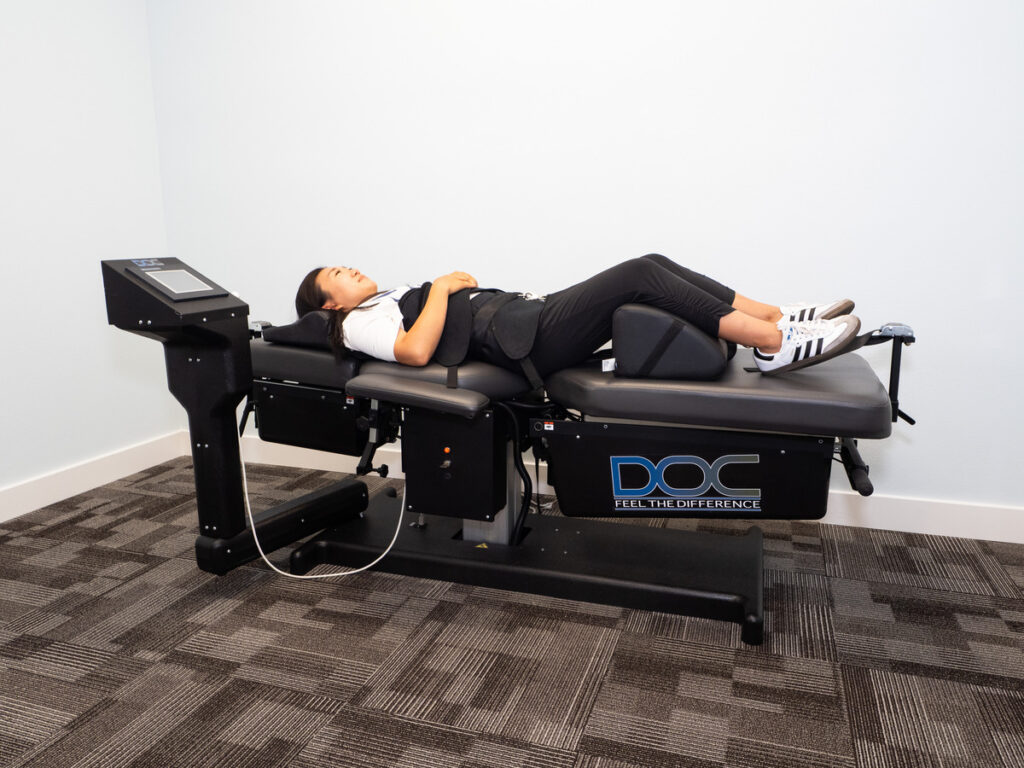

When it comes to supporting kids with ADHD, chiropractic care can play a significant role in their overall development and well-being. Many people may not realize how early intervention and personalized treatment plans can positively influence a child's life. By integrating gentle spinal adjustments with holistic approaches, we can help address both the physical and emotional challenges these children face.
Chiropractors work closely with families to create a comprehensive plan that not only focuses on improving physical alignment but also enhances overall brain function and reduces stress. This collaborative effort can make a remarkable difference in a child's ability to focus and regulate their emotions. You might be surprised to learn about the various techniques we use, including nutrition advice, relaxation exercises, and posture correction, which all contribute to a child's success in managing ADHD.
As we delve deeper into the benefits of chiropractic care, you'll discover how it can complement other treatments and provide a natural path toward better health for children with ADHD.
Importance of Early Diagnosis
As a local chiropractor, I want to emphasize the importance of early diagnosis not just for ADHD, but for various health challenges that can affect children. Just like recognizing the signs of ADHD can significantly impact a child's development, being aware of physical symptoms early on can lead to better health outcomes.
If you notice your child is frequently complaining of discomfort, has poor posture, or struggles with coordination, these could be signs that their body isn't functioning optimally. At times, these physical indicators can be linked to underlying issues that, if addressed early, can prevent more serious problems down the line.
Understanding the connection between the spine and overall health is crucial. Misalignments in the spine can lead to not only physical discomfort but also impact a child's focus and behavior. By seeking a professional chiropractic evaluation, you can gain insights into your child's physical health and how it may relate to their daily challenges.
Early intervention through chiropractic care can support your child's development by improving their posture, enhancing their coordination, and alleviating discomfort. This proactive approach opens up avenues for natural healing methods that are tailored to meet their unique needs, allowing them to thrive in both academic and social settings.
Tailored Treatment Plans
Tailored treatment plans are essential for effectively managing ADHD in children, and as a local chiropractor, I want to emphasize the importance of a holistic approach to health that includes chiropractic care. When families come to us, we take the time to assess each child's unique physical and emotional needs, considering their strengths and challenges. This personalized strategy ensures that your child receives the most appropriate interventions and support.
One of the initial steps in developing a tailored treatment plan is gathering comprehensive information. During our consultations, we discuss your child's symptoms, behavior patterns, and any existing health conditions. This thorough evaluation helps us identify specific areas where your child may face challenges, such as attention, impulse control, or hyperactivity.
Based on our findings, we may recommend a combination of chiropractic adjustments, lifestyle modifications, and natural healing techniques. While some families may consider medication, we focus on natural solutions that can enhance your child's overall well-being. Simple changes, such as dietary improvements and increased physical activity, can have a significant impact.
We also consider how we can collaborate with educators to create supportive environments that help your child excel in school. Regular check-ups are crucial for monitoring your child's progress. As they grow and their needs change, we may need to adjust the treatment plan accordingly.
Maintaining an open dialogue with our chiropractic team ensures timely modifications, allowing us to provide ongoing support that adapts to your child's evolving needs. Embracing chiropractic care as part of a comprehensive approach can lead to lasting benefits for your child's health and development.
Behavioral Therapy Options
Incorporating chiropractic care into your child's ADHD management plan can significantly enhance their overall well-being and daily functioning. Chiropractic therapies focus on aligning the body and improving its function, which can help your child develop essential skills and improve their interactions with peers and family.
One approach we often recommend is the use of gentle spinal adjustments. These adjustments can help improve nervous system function, which plays a crucial role in regulating behavior and emotional responses. By working with a trained chiropractor, your child can experience better self-regulation and decision-making, leading to improved behavior and mood.
Another valuable aspect of chiropractic care is the emphasis on holistic health. We often provide guidance on nutrition and lifestyle changes that can support your child's nervous system and overall health. By addressing these foundational elements, you can create a more harmonious environment for your child's growth and development.
Additionally, we encourage practices that promote relaxation and stress management, such as gentle stretching and mindfulness techniques. These practices can help your child cope with daily challenges, build resilience, and foster positive relationships with others.
Furthermore, establishing a routine that includes regular chiropractic visits can help reinforce healthy habits. We focus on setting clear goals for each visit, providing positive reinforcement for progress, and helping your child understand the importance of maintaining a healthy lifestyle.
This structured approach can empower your child to make better choices and experience lasting improvements in their behavior and emotional well-being.
Medication Management
Managing conditions like ADHD can often benefit from a holistic approach, and chiropractic care is an essential part of the conversation. While medication may be a common treatment, exploring natural healing methods can enhance your child's overall well-being and support their ability to focus and manage symptoms effectively.
As a chiropractor, it's important to share insights about how spinal health and nervous system function can impact your child's daily life.
Here are three important aspects to consider when thinking about chiropractic care for your child's ADHD:
- Holistic Approaches: Chiropractic care focuses on the relationship between the spine and the nervous system. Misalignments in the spine can interfere with nerve function, potentially affecting behavior and focus. By correcting these misalignments through gentle adjustments, we can help support your child's nervous system and overall well-being.
- Individualized Care: Every child is unique, and finding the right chiropractic approach may require some observation and adjustments. It's essential to work closely with your chiropractor to tailor a treatment plan that meets your child's specific needs, taking into account their symptoms and any feedback you provide about their progress.
- Open Communication: Encourage your child to share their feelings about chiropractic care. It's important for them to express any discomfort or improvements they notice during treatment. This open dialogue not only empowers them but also helps us as practitioners ensure that the care we provide is effective and supportive of their journey.
Exploring chiropractic care as a natural healing option can be a valuable part of managing ADHD and enhancing your child's quality of life.
Ongoing Monitoring and Support
Ongoing monitoring and support are crucial in the journey of managing various health conditions, including ADHD. As a local chiropractor, I want to emphasize the importance of a holistic approach to care.
As you navigate this path, it's essential to keep track of your child's progress and adapt strategies as needed, not just in terms of medication but also through natural healing methods.
Regular visits to our clinic can help assess how well your child's body is responding to chiropractic adjustments and other natural therapies. These appointments are a great opportunity to discuss any new challenges or behaviors you've observed, not just physically but in overall well-being.
Maintaining open lines of communication with your child's teachers and caregivers is equally important. They can offer valuable insights into your child's performance and behavior in different environments. By collaborating with them, we can identify patterns or triggers that might need our attention.
Keeping a journal to document your observations—such as changes in behavior, mood, or academic performance—can be incredibly useful during our discussions.
Additionally, support groups can be invaluable. Connecting with other parents who are exploring natural healing for similar challenges can provide you with practical advice and emotional support.
Family Involvement Strategies
As a local Chiropractor, I want to emphasize the importance of family involvement in supporting children with ADHD.
Engaging in open communication and creating a consistent daily routine are vital for fostering a stable environment that promotes their development.
Additionally, participating in therapy sessions, including chiropractic care, can be beneficial for their overall well-being.
By understanding these strategies, families can play a crucial role in enhancing their child's care and supporting their journey towards better health.
Let's explore how chiropractic adjustments and natural healing can make a positive difference in your child's life.
Engaging in Open Communication
As a local chiropractor, I believe that fostering open communication is vital not just for your overall health, but also for understanding how chiropractic care can support your wellness journey.
By creating a welcoming environment for discussion, we can better address your needs and concerns. Here are three effective strategies to enhance our communication:
- Active Listening: When you share your health experiences with me, I'll give you my full attention. I aim to understand your feelings and concerns, validating your experiences by reflecting back what I hear. This encourages you to share more about your health journey.
- Ask Open-Ended Questions: During our consultations, I may ask you questions that require more thoughtful responses, such as "What specific symptoms have you been experiencing?" This allows you to express yourself fully and provides me with valuable insights into your condition.
- Regular Check-Ins: I encourage you to schedule consistent appointments for your care. These regular visits create an opportunity for us to discuss your progress, any challenges you may be facing, and to strengthen our partnership in your healing process.
Establishing Consistent Routines
Creating consistent routines can significantly benefit children with ADHD, providing them with the structure and predictability they need to thrive. As a local chiropractor, I often emphasize the importance of holistic approaches to health, including the establishment of daily schedules. When a child knows what to expect throughout the day—such as waking up, mealtimes, homework, and bedtime—it can reduce anxiety and enhance their ability to focus.
I encourage parents to outline key activities in their child's daily routine. It's essential to include time for breaks and play, as these are crucial for their overall development and well-being. Involving your child in the creation of this routine can also be beneficial. Allowing them to choose the timing of certain activities fosters a sense of ownership, which can increase their commitment to following the schedule.
To make routines more tangible and easier to follow, consider using visual aids like charts or checklists. This way, children can track their progress and experience a sense of accomplishment, which is important for their confidence.
While consistency is key, it's also important to remain flexible. Life can be unpredictable, and adjusting the routine when necessary is perfectly okay. If your child finds certain tasks challenging, breaking them down into smaller, manageable steps can make them feel more achievable.
Regularly reviewing the routine together allows for necessary adjustments and reinforces a collaborative approach to their health and well-being.
Participating in Therapy Sessions
Engaging in chiropractic care can be incredibly beneficial for individuals, particularly when families take an active role in the healing process. By participating in these sessions, you can help reinforce the wellness strategies and techniques that your chiropractor recommends.
Here are three effective ways to get involved:
- Attend Appointments Together: Your presence during chiropractic visits can provide emotional support and help your loved ones feel more at ease. It also allows you to gain a better understanding of the treatment process and ask questions directly to the chiropractor.
- Practice Wellness Techniques at Home: After sessions, work together on the practices your chiropractor suggests. This might include exercises for posture improvement, stretches for flexibility, or techniques for stress relief, making the strategies more tangible and effective in everyday life.
- Communicate Openly: Keep an ongoing dialogue with your family members about their feelings and experiences with chiropractic care. Share your observations and any concerns with the chiropractor, fostering a collaborative approach to your loved ones' overall health and well-being.
School Collaboration Techniques
When it comes to supporting children with ADHD, effective communication between caregivers and educators is crucial.
As a chiropractor, I believe in the holistic approach to health, which includes working collaboratively with teachers to create an Individualized Education Plan (IEP) that addresses your child's specific needs.
By fostering this partnership, we can ensure that your child receives the necessary support not only in the classroom but also through natural healing practices that promote overall well-being and success.
Together, we can help your child thrive both academically and physically.
Effective Communication Strategies
Effective communication strategies are vital when it comes to understanding chiropractic care and natural healing. As a local chiropractor, I want to ensure that you feel informed and comfortable as we work together to support your health and well-being.
Here are three effective strategies to consider:
- Schedule Regular Appointments: Keeping a consistent schedule for your chiropractic visits helps maintain open communication about your progress and any concerns that may arise. This allows us to discuss how your body is responding to treatment and make any necessary adjustments to your care plan.
- Use Clear, Simple Language: When discussing your health issues or treatment goals, I aim to use straightforward language. I avoid medical jargon and focus on being specific about your needs and the steps we can take together. This ensures that you fully understand your care and feel empowered in your healing journey.
- Provide Relevant Health Information: Feel free to share any previous medical reports or evaluations from other healthcare providers. This information helps me understand your unique challenges and strengths, allowing us to create a more effective, personalized approach to your chiropractic care.
Individualized Education Plans
In the context of supporting individuals with ADHD, chiropractic care can play a significant role in enhancing overall well-being and addressing unique health needs. Just like an Individualized Education Plan (IEP) tailored for students, our approach to chiropractic care is personalized to meet the specific requirements of each patient. This personalized plan outlines the adjustments, therapies, and lifestyle recommendations necessary for optimal health and function.
First, it's essential to gather important information about your health history, strengths, challenges, and lifestyle preferences. This comprehensive understanding allows us to create a detailed plan that caters to your specific health needs.
Open communication is crucial; we encourage you to discuss any concerns or symptoms you may have, and we're here to advocate for the holistic resources that can support your journey towards better health.
Regular appointments help us monitor your progress and make necessary adjustments to your care plan as your needs evolve. Don't hesitate to ask questions or seek additional support if you feel it's needed.
Establishing a strong partnership with your chiropractor can significantly influence your health outcomes. Remember, effective chiropractic care isn't a one-size-fits-all solution; it's a dynamic and adaptable approach that should be revisited and refined to ensure you receive the support you need to thrive.
Social Skills Development
As a local chiropractor, I want to emphasize the importance of holistic health and well-being, especially for children with ADHD. Just like how proper spinal alignment can enhance physical health, developing social skills is crucial for nurturing relationships and effectively navigating social scenarios.
Children with ADHD often face challenges in interpreting social cues, which can hinder their ability to make friends and engage with peers. By focusing on social skills development, we can significantly improve their interactions and overall quality of life.
Here are three essential areas to consider for fostering social skills in children:
- Effective Communication: Just as we encourage clear communication about health concerns in our practice, it's important to help your child articulate their thoughts and feelings. Engaging in role-playing activities can provide them with the opportunity to practice initiating conversations, actively listening, and responding in socially appropriate ways.
- Emotional Balance: Just as chiropractic care promotes physical balance and well-being, teaching your child to recognize and manage their emotions is vital. Discussing feelings and coping strategies can empower them to navigate conflicts and frustrations without resorting to impulsive reactions, leading to healthier interactions.
- Understanding Empathy: As we work to foster a supportive community around natural healing, it's equally important to help your child develop empathy. Encourage discussions about various emotions and situations, allowing them to explore how others may feel. This understanding can create stronger connections and promote a sense of belonging.
By integrating these key areas into your child's routine, you can help them thrive socially, contributing to their overall health and happiness.
Just like the adjustments we make in chiropractic care, small changes in social skills can lead to significant improvements in their lives.
Building a Supportive Environment
Creating a supportive environment is essential for fostering overall well-being, especially for children with ADHD. As a chiropractor, I often emphasize the importance of a space that encourages focus and minimizes distractions, which can significantly impact a child's health and development.
Designating a specific area for homework or quiet activities, free from noise and clutter, can help children channel their energy productively. Ensuring this space is equipped with necessary supplies allows children to access what they need easily, contributing to a smoother workflow.
Establishing a routine is another critical element. Kids with ADHD tend to thrive on structure, so consistent daily schedules can provide a sense of security and enhance focus. Setting specific times for meals, homework, and play not only helps in managing ADHD symptoms but also supports their overall health.
Tools like visual schedules or checklists can make these routines clear and manageable, making it easier for both children and parents to stay organized.
Effective communication is vital. Encouraging open dialogue with your child about their feelings and challenges not only aids in their self-expression but enables you to better understand their unique needs.
When children feel heard, it cultivates trust and a sense of belonging which is crucial for their emotional health.
Involving teachers and caregivers in this supportive framework is equally important. Collaborating with them to share successful strategies used at home can lead to a consistent approach across different environments.
This synergy can enhance your child's overall experience and promote better health outcomes.
Finally, celebrating achievements—no matter how small—can significantly impact a child's self-esteem. Acknowledging their efforts motivates them to keep striving for success.
Conclusion
As a local chiropractor, I want to emphasize the importance of a holistic approach when it comes to supporting children with ADHD. Chiropractic care plays a vital role in promoting overall health and well-being, which can significantly benefit kids facing these challenges. By focusing on proper spinal alignment and nervous system function, we can help improve a child's ability to focus and engage with their environment.
Early assessment and tailored treatment plans are key. Through gentle adjustments and natural therapies, we can support your child's physical health, which in turn can positively impact their emotional and behavioral well-being. Incorporating lifestyle changes, such as nutrition and exercise, alongside chiropractic care can create a comprehensive strategy for managing ADHD symptoms.
Moreover, ongoing support and open communication with families are essential. By working together, we can create a nurturing environment that encourages the development of social skills and emotional resilience. With the right chiropractic strategies in place, we can empower your child to face their challenges and reach their full potential naturally.