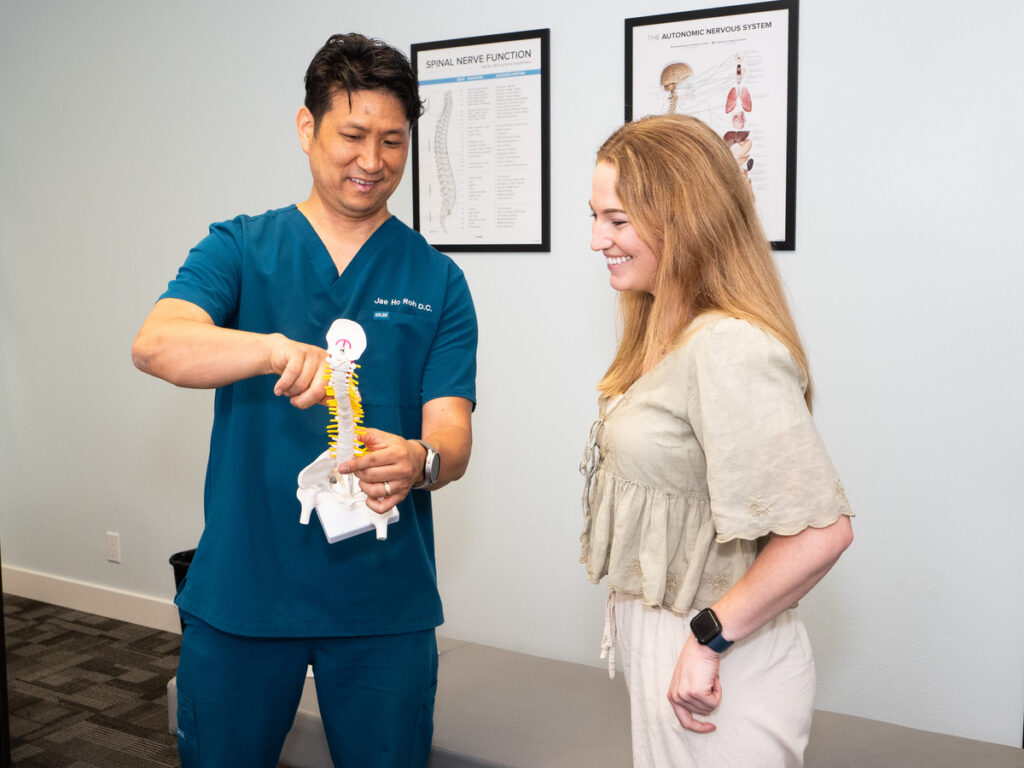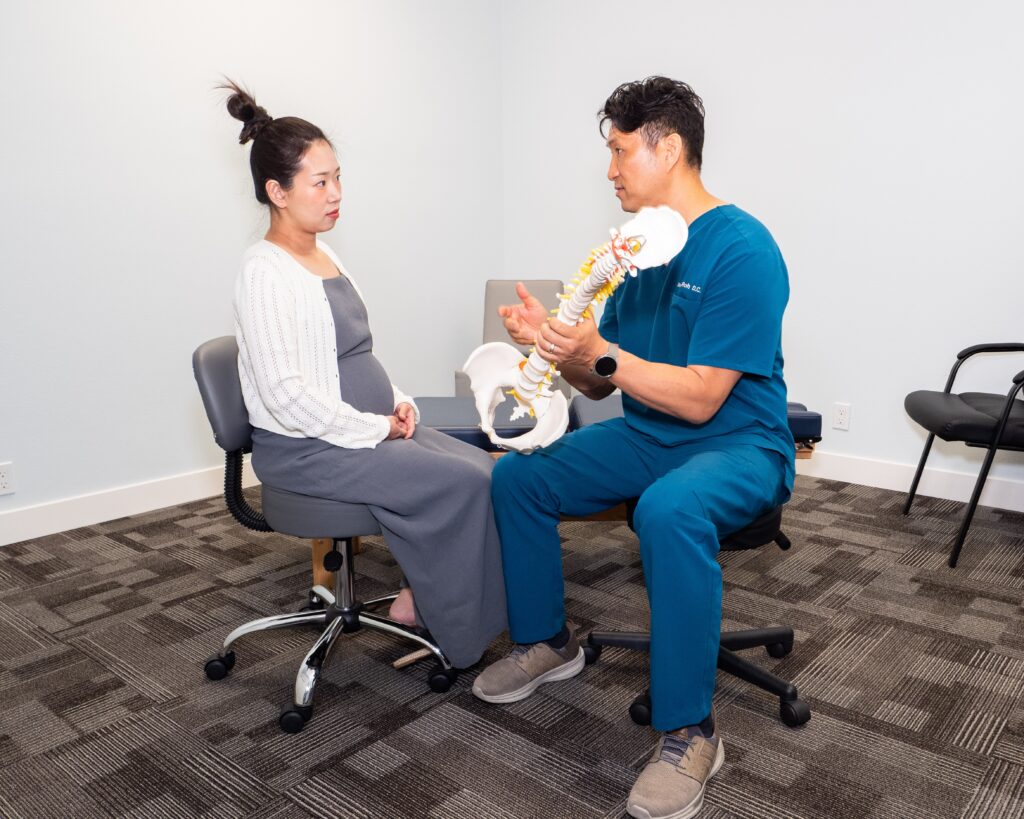

As a local chiropractor, I want to assure you that if you're dealing with prenatal back pain, you're certainly not alone. Many expectant mothers experience this discomfort, but there are natural, effective ways to find relief. One of the key factors is maintaining good posture throughout your day. Additionally, incorporating gentle stretching exercises can work wonders for alleviating discomfort.
Prenatal yoga is another fantastic option that not only promotes flexibility but also helps strengthen the muscles that support your back. It's important to note that many women often overlook the significance of proper sleep positions and the right footwear. Both can play a crucial role in managing back pain during pregnancy.
Are you interested in learning about specific techniques and practices that can provide relief? Let's discuss some effective strategies tailored to enhance your comfort during this important time in your life. Remember, you don't have to suffer—there are natural solutions available to help you feel your best.
Understanding Prenatal Back Pain
As a local chiropractor, I often encounter pregnant women who seek relief from back pain, a common issue during this transformative time. Many of you may be wondering why this discomfort arises as your body undergoes significant changes. The extra weight you carry shifts your center of gravity, leading to added strain on your back muscles and spine, particularly in the lower back.
Hormonal changes also play a crucial role in this experience. During pregnancy, your body produces relaxin, a hormone that prepares your pelvis for childbirth. While this is beneficial, it also loosens the ligaments in your back, making it more vulnerable to pain. As your belly expands, the added weight can alter your posture, further contributing to discomfort.
You might notice that your back pain can vary depending on your daily activities. For example, standing for extended periods or lifting heavy objects can worsen your discomfort, while gentle movements or resting may offer some relief. Additionally, stress and fatigue can amplify the pain, as your body works diligently to support your growing baby.
Understanding these factors is essential in managing your back pain effectively. As a chiropractor, I encourage you to recognize the physical changes and demands of pregnancy so you can implement strategies to ease discomfort. This could include gentle chiropractic adjustments, stretches, and strengthening exercises tailored to your needs.
Importance of Good Posture
As a local chiropractor, I want to emphasize the critical importance of good posture, especially during pregnancy. Maintaining proper alignment isn't just about looking good; it significantly contributes to your overall well-being.
When you uphold good posture, you can alleviate strain on your spine and significantly reduce back pain, which is a common issue for many expecting mothers.
Let's delve into some effective techniques that can help you maintain proper posture throughout your pregnancy. By integrating these practices into your daily routine, you can promote a healthier spine and enhance your comfort during this transformative time.
Benefits of Proper Alignment
As a local chiropractor, I want to emphasize the importance of maintaining proper alignment during pregnancy for your overall well-being. Many expectant mothers are unaware of how crucial good posture can be in alleviating discomfort and enhancing comfort levels during this transformative time.
1. Reduced Muscle Strain: When your body is aligned properly, it helps distribute weight more evenly. This means that no single muscle group is overworked, which can significantly reduce fatigue and discomfort throughout the day.
By focusing on aligning your body, you can experience relief from the strain that often accompanies pregnancy.
2. Enhanced Circulation: Good posture isn't just about looking good; it's about how your body functions. Proper alignment promotes better blood flow, which is vital during pregnancy. Improved circulation can help minimize swelling in your legs and feet, ensuring that both you and your baby receive essential nutrients for health and development.
3. Easier Breathing: As your pregnancy progresses, you may find it increasingly difficult to breathe comfortably. By maintaining an upright posture, you create more space in your chest for your lungs to expand fully.
This can make a significant difference in your ability to breathe easily as your belly grows and puts pressure on your diaphragm.
Impact on Spinal Health
As a local chiropractor, I want to emphasize the importance of proper posture for your spinal health, especially during pregnancy. Your body goes through remarkable changes as your belly grows, shifting your center of gravity and placing additional strain on your back. If you find yourself slouching or leaning forward, it can't only increase discomfort but also disrupt your spinal alignment, raising the risk of pain.
Maintaining good posture is key to evenly distributing your weight across your spine, which helps alleviate strain on your muscles and ligaments. When you consciously sit or stand tall, you're engaging your core muscles, which provide essential support to your lower back. This ideal alignment can help prevent unnecessary pressure on your spinal discs, reducing the chances of injury or chronic pain.
Additionally, proper posture enhances circulation and can significantly improve your overall comfort. By being mindful of your body's positioning—whether you're sitting at work, cooking, or simply relaxing—you're not only protecting your spine but also creating a healthier environment for your growing baby.
Techniques for Maintaining Posture
As a local chiropractor, I want to emphasize that maintaining proper posture is crucial, especially during pregnancy. It's not just about standing up straight; it's an essential part of managing your back health. Good posture can significantly reduce discomfort and help prevent unnecessary strain on your back.
Here are some techniques I encourage you to consider:
- Optimize Your Work Environment: If you're working at a desk, it's important that your chair offers adequate support for your lower back. Your feet should rest flat on the floor, and your computer screen should be positioned at eye level. This simple adjustment can help alleviate strain on your back and neck.
- Mindful Sitting Practices: When you sit, opt for a chair that supports your back properly. Try to keep your knees slightly elevated above your hips and avoid crossing your legs, as this can lead to imbalances in your posture. If needed, use a cushion to help maintain this position comfortably.
- Core Engagement: Strengthening your core muscles is vital for providing extra support to your back. Incorporate gentle exercises into your daily routine, such as pelvic tilts or seated marches. Keeping your core engaged can make a significant difference in how you feel throughout the day.
Remember, these techniques aren't just about comfort; they're also about fostering a healthier spine and overall well-being during pregnancy.
If you have questions or need further assistance, feel free to reach out. Your health is our priority!
Gentle Stretching Exercises
As a local chiropractor, I want to share how gentle stretching exercises can significantly alleviate prenatal back pain and enhance your overall comfort during pregnancy.
Many expectant mothers are unaware of the benefits of incorporating specific stretches into their daily routine. Not only can these stretches help relieve tension, but they can also improve your flexibility, which is essential during this transformative time.
By practicing these effective stretching techniques, you can experience a noticeable difference in how your body feels as it adapts to the changes of pregnancy.
Let's take a closer look at some gentle stretches that can support your journey towards a healthier and more comfortable pregnancy.
Benefits of Stretching
As a local chiropractor, I want to share how stretching can be a transformative practice for alleviating prenatal back pain. Many expectant mothers experience discomfort as their bodies adjust, and incorporating gentle stretching into your routine can significantly enhance your comfort.
Here are some key benefits that you may find helpful:
- Improved Posture: As your pregnancy progresses, your center of gravity shifts, which can lead to changes in posture. Through targeted stretching, we can help realign your spine and strengthen the supporting muscles. This, in turn, reduces strain on your back and promotes better overall posture.
- Increased Blood Flow: Gentle stretching encourages improved circulation throughout your body. An increase in blood flow not only helps deliver vital nutrients to your muscles but also alleviates stiffness. This can leave you feeling more energized and less fatigued.
- Stress Relief: Stretching also serves as a powerful tool for stress management. By focusing on your breath and movements during stretching, you can experience a calming effect that helps reduce stress and anxiety—two common contributors to muscle tension in the back.
Incorporating these benefits into your daily routine can greatly enhance your comfort levels during pregnancy.
If you're new to chiropractic care and natural healing, I encourage you to consider adding stretching to your wellness regimen. Your back will appreciate it, and you may find a greater sense of well-being during this beautiful journey.
Let's work together to keep you feeling your best!
Recommended Stretching Techniques
As a local chiropractor, I want to share some gentle stretching techniques that can be incredibly beneficial for alleviating prenatal back pain. Incorporating these stretches into your daily routine can significantly enhance your flexibility and relieve tension in your back muscles, promoting a healthier pregnancy experience.
Let's start with the cat-cow stretch, which is excellent for mobilizing your spine. Begin by getting on all fours, ensuring your hands are positioned under your shoulders and your knees are under your hips. Take a deep breath in as you arch your back and lift your head (this is the cow pose). Then, as you exhale, round your back and tuck your chin (the cat pose). Flow through this movement for several breaths, allowing your spine to gently flex and extend.
Next, consider the seated forward bend, which can provide a wonderful stretch for your back. Sit with your legs extended in front of you. Inhale deeply, reaching your arms overhead, and as you exhale, lean forward gently, reaching towards your toes. Hold this position for a few breaths, focusing on the stretch that travels along your spine.
Lastly, don't overlook the side stretch. Find a comfortable seated position, raise one arm overhead, and lean towards the opposite side. This stretch can help open up your sides and relieve tension. Hold for a few breaths before switching to the other side.
These stretching techniques aren't only simple but also incredibly effective for managing discomfort during pregnancy. It's important to listen to your body—never push yourself into any pain.
Consistency is crucial, so I encourage you to incorporate these stretches into your daily routine for optimal results. Remember, taking care of your body during this time is essential for both you and your baby, and natural healing methods like these can be a wonderful complement to your prenatal care.
Prenatal Yoga Benefits
As a local chiropractor, I often see expectant mothers who are seeking ways to enhance their physical and emotional well-being during pregnancy. One effective approach that I highly recommend is prenatal yoga. This gentle exercise not only strengthens your body but also fosters a deeper connection with your baby and prepares you for labor.
Here are three key benefits of incorporating prenatal yoga into your routine:
- Improved Flexibility and Strength: Prenatal yoga is excellent for promoting flexibility in your muscles, which can help alleviate tension and discomfort as your body undergoes changes. The various poses not only strengthen your core and back but also provide essential support for your growing belly, which is crucial for minimizing strain on your spine.
- Enhanced Relaxation and Stress Relief: The breathing techniques and mindfulness practices in prenatal yoga encourage relaxation, making it easier for you to manage stress and anxiety. Creating a calm environment is beneficial not just for you but for your baby as well. Having emotional balance during pregnancy can significantly impact your overall experience.
- Better Posture and Alignment: As your pregnancy progresses, maintaining good posture becomes increasingly important to avoid discomfort. Prenatal yoga teaches you how to align your body correctly, which can help alleviate back pain and reduce the risk of further issues. It also enhances body awareness, allowing you to adjust your movements in a way that supports your changing shape.
Incorporating prenatal yoga into your daily routine can greatly ease back pain and enhance your overall pregnancy experience. Not only will you be nurturing your body, but you'll also be fostering a deeper connection with your baby.
Heat and Cold Therapy
As a local chiropractor, I often see expectant mothers dealing with back pain during their pregnancy. One effective way to manage this discomfort is through heat and cold therapy.
Heat therapy is excellent for relaxing tight muscles, making it easier for you to move and feel comfortable. On the other hand, cold therapy is beneficial for reducing inflammation and numbing any sharp pain you might be experiencing.
Understanding how to properly use these methods can significantly enhance your comfort during this special time. I encourage my patients to incorporate both techniques into their self-care routine, as they can provide natural relief without the need for medication.
If you have any questions about how to apply these therapies effectively, feel free to reach out or schedule a visit. Your well-being is our priority!
Benefits of Heat Therapy
As a local chiropractor, I'd like to share some valuable insights about the benefits of heat therapy for alleviating prenatal back pain. Many expectant mothers experience discomfort during pregnancy, and heat therapy can provide soothing relief that enhances your overall well-being.
Here are three significant advantages of using heat therapy to manage prenatal back pain:
- Enhanced Blood Flow: Applying heat to your back helps to dilate blood vessels, which improves circulation to the affected area. This increased blood flow not only aids in healing but also delivers essential nutrients to your muscles, promoting recovery and comfort.
- Muscle Relaxation: Heat application can effectively relax tight muscles and reduce tension. As your body undergoes various changes during pregnancy, a relaxed back can significantly alleviate pain and discomfort, making it easier for you to navigate your daily activities.
- Natural Pain Relief: The gentle warmth from heat therapy can stimulate the release of endorphins—your body's natural painkillers. This process can diminish your perception of pain, providing you with a more comfortable experience throughout your day.
Incorporating heat therapy into your self-care routine can be an effective and natural way to manage prenatal back pain.
Just be sure to use a warm, not hot, source to ensure safety for both you and your baby.
If you have any questions about how chiropractic care can support your pregnancy journey, don't hesitate to reach out!
Advantages of Cold Therapy
As a local chiropractor, I'm here to help you understand how cold therapy can provide relief from prenatal back pain. This method offers a refreshing alternative to heat treatment that many expectant mothers find beneficial.
When you apply cold packs or ice to the painful area, you'll notice that it constricts blood vessels and reduces inflammation, often leading to immediate relief from discomfort. Cold therapy is especially effective for acute pain and swelling, which can frequently occur during pregnancy.
Additionally, cold therapy has the ability to numb sharp pain, allowing you to move more freely and comfortably. It's important to remember to wrap the ice in a cloth to protect your skin and limit your application to 15-20 minutes at a time. This precaution helps you avoid frostbite and ensures you can enjoy the benefits safely.
One of the best aspects of cold therapy is its accessibility. You can easily create ice packs at home or purchase them from local stores, making it an economical choice for managing pain. Having a cold pack readily available means you can address discomfort promptly and continue with your daily activities with less strain.
Massage Techniques for Relief
As a local chiropractor, I want to share how massage techniques can provide significant relief for pregnant women experiencing back pain. Not only do these techniques help ease tension, but they also promote relaxation and enhance circulation.
If you're feeling discomfort, I encourage you to explore these three effective massage methods:
1. Swedish Massage: This gentle technique employs long, flowing strokes to relax your muscles. It's particularly beneficial for alleviating general soreness and improving blood flow, making it an excellent choice during pregnancy.
Always communicate with your massage therapist about your comfort level to ensure a safe and pleasant experience.
2. Deep Tissue Massage: For those dealing with specific knots or tight areas, deep tissue massage can be incredibly effective. This approach uses slower, more forceful strokes to target problem spots and relieve tension.
However, it's crucial to proceed cautiously and avoid excessive pressure on sensitive areas, especially during pregnancy.
3. Prenatal Massage: Specifically tailored for expectant mothers, prenatal massage focuses on areas that are commonly affected during pregnancy, such as the lower back, hips, and shoulders.
A trained prenatal massage therapist is knowledgeable about safe positioning and can provide relief customized to your unique needs.
Before scheduling any massage, it's essential to consult with your healthcare provider to ensure it's safe for your specific situation.
Whether you opt for a professional therapist or have a partner assist you at home, remember to express your needs and preferences.
Finding relief through these massage techniques can significantly enhance your comfort and enjoyment during pregnancy, and as your chiropractor, I'm here to support you on your journey to natural healing.
Supportive Sleep Positions
As a local chiropractor, I often see how crucial the right sleep position is in managing prenatal back pain. As your body undergoes various changes during pregnancy, it's essential to find ways to support your growing belly while maintaining proper spinal alignment. One of the most beneficial positions is sleeping on your side, especially the left side. This position not only enhances circulation but also helps alleviate pressure on your back.
To further improve your comfort, I recommend considering the use of a body pillow or a specialized pregnancy pillow. These tools can offer additional support for your belly and help keep your spine in alignment. Placing a pillow between your knees can also significantly reduce strain on your hips and lower back, making it easier to enjoy a restful night's sleep.
If you're finding it challenging to sleep on your side, elevating your upper body slightly with the help of pillows can be beneficial. This adjustment can relieve pressure on your back while still providing support for your abdomen. It's important to avoid sleeping on your back in the later stages of pregnancy, as this position can compress major blood vessels and impede circulation.
For those of you who are used to sleeping on your stomach, it's a natural part of the journey to adjust to new sleeping habits as your pregnancy progresses. Transitioning to side sleeping with proper support can help ease the discomfort that may arise from this change.
Ultimately, it's vital to listen to your body. I encourage you to experiment with different supportive sleep positions until you discover what feels best for you. A good night's sleep is essential for your overall well-being during pregnancy, so don't hesitate to make adjustments as needed.
If you have any questions or need personalized guidance, feel free to reach out—I'm here to support you on your journey to natural healing and wellness.
Proper Footwear Choices
As a local chiropractor, I want to emphasize the importance of proper footwear when it comes to alleviating prenatal back pain. The changes your body undergoes during pregnancy can significantly impact your balance and posture. Choosing the right shoes is crucial for maintaining stability and comfort.
Here are some important tips to consider when selecting footwear:
- Supportive Soles are Key: It's essential to choose shoes with cushioned and arch-supporting insoles. This type of footwear helps distribute your weight evenly, reducing strain on your back and supporting your overall spinal alignment.
- Stick to Low Heels: If you enjoy a bit of elevation, opt for a heel height of no more than one inch. Higher heels can disrupt your center of gravity, potentially leading to increased back pain and discomfort.
- Emphasize Fit and Comfort: Ensure that your shoes fit snugly without being too tight. Remember that your feet may swell during pregnancy, so it's best to try on shoes later in the day when your feet are at their largest. Proper fit is crucial for supporting your body and preventing unnecessary strain.
By making informed choices about your footwear, you can help manage pregnancy-related back pain and promote better overall health during this important time.
If you have any questions or need further guidance, don't hesitate to reach out. Your well-being is our priority!
Staying Active Safely
As a local chiropractor, I want to emphasize the importance of maintaining an active lifestyle during pregnancy for both your physical well-being and to help manage any back pain you may experience.
It's common to feel the urge to slow down, but staying active can actually provide relief from discomfort. I recommend low-impact exercises such as walking, swimming, or prenatal yoga. These activities not only strengthen your back and core muscles but also ensure you're not placing excessive strain on your body.
Before embarking on any exercise routine, it's essential to consult with your healthcare provider to ensure it aligns with your unique health circumstances. Once you receive the go-ahead, aim for at least 30 minutes of moderate exercise on most days, and remember, you can break this into shorter, more manageable sessions if that suits you better.
Always listen to your body. If you encounter any pain or discomfort, it's crucial to not push through it. Instead, modify your activities or take a break as needed. Focus on gentle exercises that enhance flexibility and strength in your back, hips, and abdomen, as these areas play a vital role in supporting your growing belly.
Simple stretches can also work wonders to relieve tension and improve your posture. Incorporating gentle movements into your daily routine can keep your muscles engaged and promote overall wellness. Activities like light housework, gardening, or opting for the stairs instead of the elevator can make a significant difference in your back health.
Lastly, don't forget to stay hydrated and nourish your body with wholesome foods to maintain your energy levels. By staying active in a safe manner, you're not only enhancing your physical health but also uplifting your mood—a critical factor during this transformative time.
As your chiropractor, I'm here to support you on this journey to natural healing and a healthier pregnancy.
Breathing and Relaxation Techniques
As a chiropractor, I want to share the importance of incorporating breathing and relaxation techniques into your routine, especially if you're experiencing prenatal back pain.
These practices can serve as valuable tools for enhancing your overall comfort during pregnancy, helping you manage discomfort in a natural way. Here are three effective techniques I recommend:
1. Deep Breathing: Find a comfortable position, whether sitting or lying down. Begin by inhaling deeply through your nose, allowing your abdomen to fully expand. Hold your breath momentarily, then exhale slowly through your mouth. Repeat this for several minutes.
Deep breathing not only increases oxygen flow but also helps to promote relaxation, which is essential for your body as it adapts to the changes of pregnancy.
2. Progressive Muscle Relaxation: This technique involves systematically tensing and relaxing muscle groups, starting from your toes and moving upwards. Tense each group for a few seconds, then release and focus on how relaxed they feel.
This practice can significantly help in releasing physical tension that may be contributing to your back pain, allowing your body to feel more at ease.
3. Guided Visualization: Close your eyes and picture a calming scene, such as a tranquil beach or a peaceful forest. Envision yourself in this setting, immersing yourself in the sights, sounds, and smells.
This mental exercise can serve as a wonderful distraction from discomfort while fostering a deep sense of calm, which is especially beneficial during pregnancy.
These techniques are easy to incorporate into your daily life and can complement the care you receive in my office, enhancing your overall well-being as you navigate through this beautiful journey of motherhood.
Conclusion
As a local chiropractor, I want to share some natural strategies that can significantly help alleviate prenatal back pain. It's essential to focus on maintaining good posture and incorporating gentle stretching into your daily routine. Prenatal yoga can also be a fantastic way to strengthen your body and promote relaxation during this time.
I recommend utilizing heat or cold therapy to soothe discomfort, and paying attention to your sleep positions to ensure they provide adequate support. Wearing comfortable footwear is also crucial; it can make a big difference in how your body feels throughout the day.
Staying active—safely, of course—is important, as is practicing deep breathing techniques to help you feel more at ease. Remember, caring for yourself during pregnancy is vital for both your well-being and that of your baby. If you have questions about how chiropractic care can further support you during this journey, feel free to reach out for more information.