
If you’ve recently experienced whiplash, you’re likely searching for ways to alleviate the discomfort. As a chiropractor, I can tell you that understanding the symptoms and employing effective techniques can make a significant difference in your recovery. Whiplash can be painful and limiting, but with the right approach, you can find relief and regain your mobility.
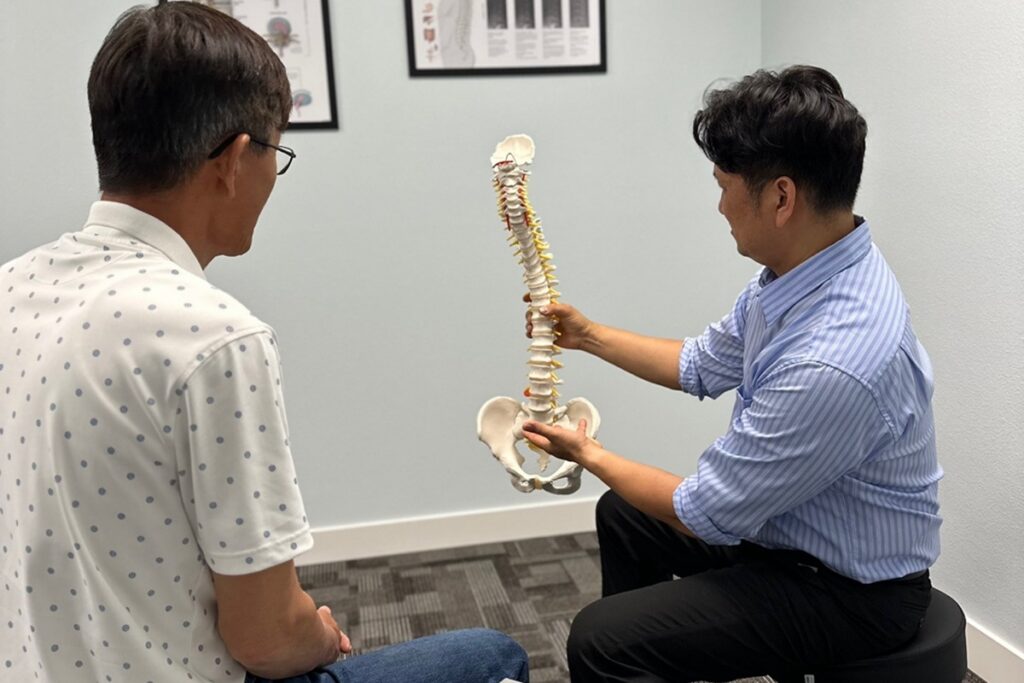
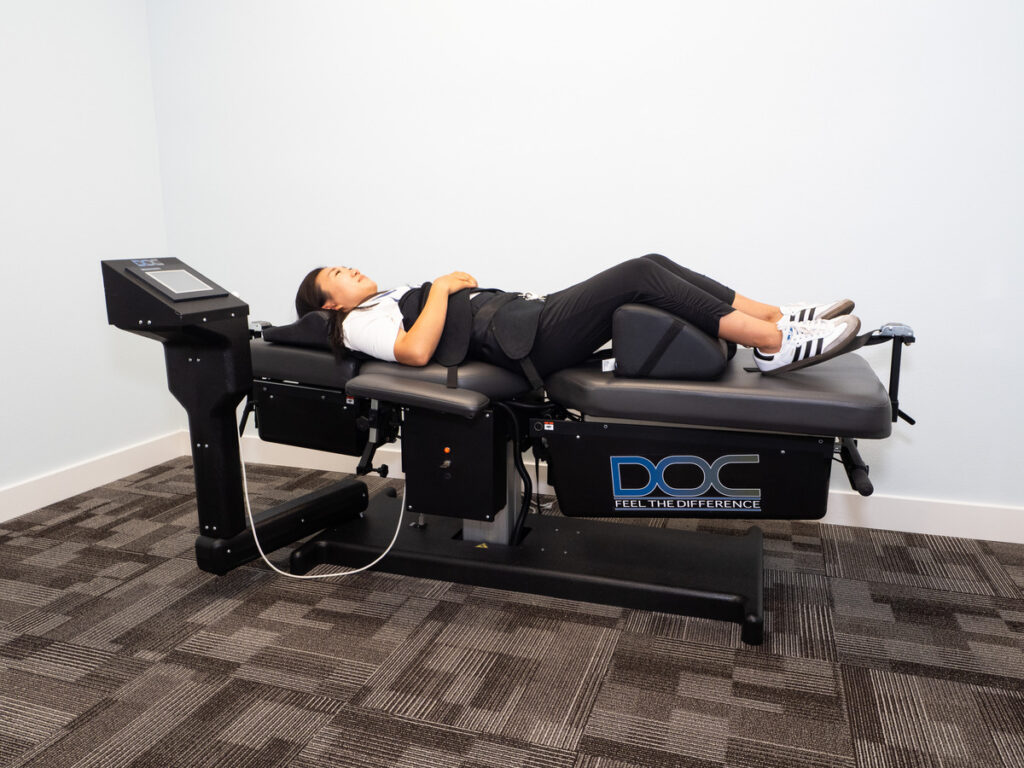
One of the most effective ways to address whiplash is through chiropractic care. A chiropractor can assess your condition and provide gentle adjustments to realign your spine and neck, promoting healing and reducing pain. This hands-on approach not only helps alleviate discomfort but also supports your overall well-being.
In addition to chiropractic adjustments, incorporating gentle neck stretches can be beneficial. Simple movements like tilting your head from side to side or gently rotating your neck can help improve flexibility and reduce stiffness. Always remember to listen to your body and avoid any movements that cause pain.
Heat therapy is another method worth exploring. Applying a warm compress or using a heating pad on your neck can help relax tight muscles and improve blood flow to the area. Just be sure to limit the heat application to 15-20 minutes at a time to avoid overheating.
Staying active is important as well. Engaging in light activities like walking can keep your body moving without putting too much strain on your neck. Additionally, practicing good posture while sitting or standing can help reduce further strain on your neck and spine.
Lastly, consider incorporating relaxation techniques such as deep breathing or meditation into your routine. Stress can exacerbate pain, and finding ways to relax can support your healing process.
Remember, the path to recovery from whiplash is not just about managing pain; it’s about promoting overall health and wellness. With chiropractic care and these simple techniques, you can take significant steps toward alleviating your whiplash symptoms and achieving optimal health. Always consult with your chiropractor for personalized advice tailored to your specific needs.
Key Takeaways
- Chiropractic Care: As a chiropractor, I highly recommend seeking chiropractic adjustments. These specialized treatments can effectively address pain in your neck and spine while promoting natural healing. Regular visits can help restore proper alignment and reduce inflammation, allowing your body to heal more efficiently.
- Gentle Neck Stretches: Incorporating gentle neck stretches into your daily routine can significantly improve your mobility and relieve tension. Simple movements, such as tilting your head from side to side or rolling your shoulders, can help keep your neck flexible and reduce discomfort.
- Heat Therapy: Applying heat to the affected area for 15-20 minutes multiple times a day can work wonders. It helps to relax tight muscles and improve blood circulation, which is essential for healing. You can use a warm towel or a heating pad—whichever feels comfortable for you.
- Posture and Ergonomics: Maintaining good posture is crucial for reducing strain on your neck. When sitting at a desk, make sure your chair supports your back, and your screen is at eye level. This ergonomic setup can help prevent further injury and promote a healthier spine.
- Relaxation Techniques: Managing stress and tension is vital for pain relief. Incorporating deep breathing exercises and mindfulness practices into your routine can help you relax and better cope with pain. Taking a few moments each day to focus on your breath can make a significant difference in how you feel.
Remember, chiropractic care is a natural and effective way to achieve optimal health and alleviate whiplash symptoms. By following these tips and regularly visiting your chiropractor, you can take control of your recovery and support your overall well-being.
Understanding Whiplash and Its Symptoms
Whiplash is a common injury that often happens during sudden movements of the head, especially in car accidents. When your head rapidly snaps forward and then backward, it can put a strain on the muscles and ligaments in your neck. This can lead to discomfort and a range of symptoms, including neck pain, stiffness, headaches, and even dizziness. The intensity of these symptoms can vary, so it’s crucial to listen to your body and take note of how you’re feeling.
You might also experience tenderness around your neck and shoulders, along with difficulty turning your head. It’s important to remember that sometimes symptoms may not appear right away, which can make it harder to pinpoint the injury immediately. If you notice these issues after an accident, seeking chiropractic care can be a beneficial step. Chiropractors specialize in understanding the spine and the musculoskeletal system, and they can help identify and treat whiplash effectively.
Chiropractic care focuses on natural healing and wellness, helping to restore function to your neck and reduce pain without the need for medications or invasive procedures. Techniques such as spinal adjustments, gentle mobilizations, and specific exercises can promote healing and alleviate discomfort.
In addition to seeking chiropractic treatment, there are some general tips you can follow to support your recovery. Make sure to stay hydrated, as this helps keep your muscles and ligaments healthy. Gentle stretching can also promote flexibility in your neck, but avoid any movements that cause pain. Applying ice to the affected area for short periods can help reduce inflammation and ease soreness.
Gentle Neck Stretches for Relief
After recognizing the symptoms of whiplash and seeking the guidance of your chiropractor, incorporating gentle neck stretches can play a significant role in relieving discomfort and promoting healing naturally.
Start with simple side-to-side head tilts. Gently tilt your head to one side, holding for 15-30 seconds, then switch to the other side. This helps to release tension and improve mobility. Repeat this a few times to feel the relief.
Next, try forward and backward neck stretches. Slowly lower your chin to your chest, allowing the stretch to ease the tension in the back of your neck. Then, lift your chin and slightly tilt your head back. Hold each position for 15-30 seconds. This not only increases flexibility but also enhances blood flow to the area, aiding in recovery.
Lastly, incorporate gentle neck rotations. Turn your head to the right and then to the left, holding each position for a few seconds. This movement helps to maintain the natural range of motion in your neck.
It’s important to always listen to your body; if any stretch feels too intense, ease back to avoid discomfort.
Remember, these stretches should be done regularly to improve mobility and reduce tension, making your recovery more comfortable.
Coupling these stretches with regular chiropractic adjustments can optimize your healing process, ensuring that your spine is aligned and functioning at its best.
Embracing a holistic approach to health through chiropractic care can lead you to a more natural and effective path to wellness.
The Importance of Proper Posture
Maintaining good posture is essential for reducing whiplash symptoms and ensuring overall neck health. As a chiropractor, I can tell you that proper alignment can make a world of difference in your recovery journey.
By incorporating posture correction techniques and setting up an ergonomic workspace, you can easily keep your body aligned throughout the day.
Here are a few simple tips to help you improve your posture and promote natural healing:
- Sit Smart: Ensure your chair supports your lower back, and keep your feet flat on the floor. Your computer screen should be at eye level to prevent straining your neck.
- Stand Tall: When standing, distribute your weight evenly on both feet. Keep your shoulders back and your head aligned with your spine.
- Take Breaks: If you sit for long periods, take short breaks to stretch and move around. This helps prevent stiffness and promotes better circulation.
- Strengthen Your Core: Engaging in exercises that strengthen your core can significantly improve your posture. Strong core muscles support your spine and help maintain a healthy alignment.
- Chiropractic Care: Regular visits to your chiropractor can help keep your spine aligned and alleviate pain. Chiropractic adjustments can provide immediate relief and contribute to long-term wellness.
By making these small changes and prioritizing your posture, you can experience a significant reduction in discomfort and promote a healthier, more balanced lifestyle.
Benefits of Good Posture
Proper posture is key to alleviating discomfort and preventing further injury, particularly if you’re experiencing symptoms like whiplash. By maintaining good posture, you not only support your neck and spine but also enhance your overall well-being.
Let’s explore some of the benefits of adopting proper posture and how chiropractic care can help you achieve it:
– Reduced Strain: Good posture helps keep your muscles and ligaments balanced, which minimizes strain on your neck and back. When your spine is aligned properly, it reduces the risk of pain and injury.
Regular chiropractic adjustments can help maintain this alignment, providing long-lasting relief.
– Improved Circulation: Maintaining proper posture enhances blood flow, ensuring that vital nutrients reach your muscles and tissues. This is especially important for recovery and healing.
Chiropractic care can support your body’s natural healing processes, helping you feel better faster.
– Increased Energy: Good posture promotes better oxygen intake and reduces fatigue, allowing you to feel more alert and focused throughout your day.
Incorporating chiropractic treatments can boost your energy levels by ensuring your body is functioning optimally.
Tips for Maintaining Good Posture:
- Be Mindful: Regularly check in with your posture throughout the day. Whether you’re sitting at your desk or standing, make sure your shoulders are back, and your spine is straight.
- Ergonomic Setup: Adjust your workspace to support better posture. Your chair should provide lumbar support, and your screen should be at eye level to avoid straining your neck.
- Take Breaks: If you’re sitting for long periods, take short breaks to stretch and move around. This helps relieve tension and reset your posture.
- Strengthening Exercises: Incorporate exercises that strengthen your core and back muscles. A strong core supports your spine and promotes good posture.
By prioritizing good posture and seeking chiropractic care, you can take significant steps toward achieving optimal health and wellness.
Posture Correction Techniques
Many people may not realize how much posture affects overall health, but correcting it can lead to remarkable improvements in comfort and daily function. As a chiropractor, I want to share some simple techniques that can help you achieve better alignment and enhance your well-being.
First, be mindful of your posture throughout the day. When standing, make sure your shoulders are back, your chest is open, and your head is aligned over your spine—imagine a string gently pulling the top of your head upward.
If you’re seated, keep your back straight and your feet flat on the floor to support your spine.
Incorporating regular neck stretches can also relieve tension and strengthen the muscles that support your head and neck. Simple exercises like gentle neck tilts or looking side to side can make a big difference.
Additionally, focusing on your core strength is essential, as a strong core helps maintain good posture. Consider exercises like planks or bridges to strengthen those muscles.
To help you remember to check your posture, set reminders on your phone or place sticky notes in areas you frequently look at. By consciously working on these techniques, you can’t only alleviate symptoms like whiplash but also promote your overall health.
Chiropractic care is an excellent choice for those seeking natural relief from discomfort and a path to wellness. Regular adjustments can help improve spinal alignment, reduce pain, and support your body’s natural healing processes.
Embracing these posture correction techniques along with chiropractic care can lead you to a healthier and more comfortable life. Remember, taking small, consistent steps can lead to significant improvements in how you feel!
Ergonomic Workspace Setup
How can you create an ergonomic workspace that supports your posture and overall well-being? A well-set-up workspace not only enhances comfort but can also significantly reduce whiplash symptoms and other discomforts.
As a local chiropractor, I want to share some tips that will help you create a healthier work environment, which can complement your chiropractic care:
- Chair Height: Make sure your chair is adjusted so that your feet rest flat on the floor, with your knees at a 90-degree angle. This helps maintain proper spinal alignment and reduces strain on your back.
- Monitor Position: Position your monitor at eye level, about an arm’s length away. This prevents you from straining your neck and encourages a more natural posture, which is essential for spinal health.
- Keyboard and Mouse: Keep your keyboard and mouse close enough so that you don’t have to reach for them. Your elbows should remain at a 90-degree angle, which helps to reduce tension in your shoulders and neck.
In addition to these adjustments, remember to take regular breaks to stretch and move around.
Incorporating gentle stretches into your routine can help alleviate tension and promote better circulation. Chiropractic care can also play a vital role in supporting your overall wellness, providing you with the natural healing you need to feel your best.
Utilizing Heat Therapy for Pain Relief
Heat therapy can be an excellent way to alleviate the discomfort associated with whiplash symptoms. Applying heat to your neck and shoulder area helps to enhance blood circulation, relax tight muscles, and reduce pain. You don’t need any special equipment; a basic heating pad, warm towel, or hot water bottle can work wonders.
To get started, apply heat for about 15 to 20 minutes at a time. Be sure to check that the heat isn’t too intense to prevent any burns. You can repeat this several times a day, especially when you notice stiffness or discomfort.
For an alternative approach, consider taking a warm shower or bath for additional relief. Just ensure the water isn’t too hot.
Remember, while heat therapy can be beneficial, it works best when combined with other supportive treatments, like gentle stretching and rest.
Listening to your body is key; it will guide you to find the right balance that effectively soothes your whiplash symptoms.
Moreover, integrating chiropractic care into your wellness routine can provide you with personalized strategies and adjustments that promote healing and optimal spinal health. Chiropractic care focuses on the root of the problem, ensuring that your body can heal naturally while preventing future issues.
Incorporating these tips into your daily routine can help you manage pain and enhance your overall well-being. Your journey to recovery is important, and chiropractic care stands out as a holistic approach to achieving lasting health.
Incorporating Relaxation Exercises
Finding relief from whiplash symptoms often requires a multifaceted approach, and incorporating relaxation exercises can greatly enhance your recovery journey. By focusing on relaxing both your body and mind, you can effectively reduce muscle tension and stress, which may otherwise worsen your symptoms.
As a chiropractor, I believe that these relaxation techniques can complement your chiropractic care, helping you achieve optimal health naturally. Here are some effective relaxation exercises you can try:
- Deep Breathing: Take a moment to inhale deeply through your nose, hold that breath for a few seconds, and then exhale slowly through your mouth. Repeat this several times. Deep breathing calms your nervous system and helps your body enter a relaxed state, which can aid in your recovery.
- Progressive Muscle Relaxation: This technique involves tensing and then relaxing each muscle group in your body, starting from your toes and moving all the way up to your head. By practicing this exercise, you can alleviate tension, allowing your body to feel lighter and more relaxed.
- Guided Imagery: Picture a peaceful scene or a calming place in your mind. This visualization technique can serve as a distraction from pain and promote a sense of relaxation, making it easier for your body to heal.
These simple exercises can be easily integrated into your daily routine and can significantly support your recovery alongside chiropractic care.
Exploring Physical Therapy Options
While relaxation exercises are beneficial for managing whiplash symptoms, chiropractic care offers a holistic approach that can significantly enhance your recovery. As a chiropractor, I specialize in treating injuries like whiplash by focusing on the spine and overall body alignment. This way, I can assess your condition and create a personalized plan to promote healing.
Chiropractic adjustments are a key component of this process. By gently realigning the spine and neck, we can reduce pain, improve mobility, and restore function. These adjustments help relieve tension in the muscles surrounding the injured area and can lead to a quicker recovery.
In addition to adjustments, I may also recommend specific stretches and exercises to strengthen your neck muscles and improve flexibility. This not only helps in reducing pain but also prevents future injuries. Simple at-home exercises like gentle neck rotations or chin tucks can be very effective.
Moreover, I encourage the use of natural healing methods, such as hot or cold therapy, to alleviate discomfort and promote recovery. Incorporating relaxation techniques, like deep breathing or meditation, can also support your overall wellness during this time.
Chiropractic care not only addresses the immediate symptoms of whiplash but also empowers you to take charge of your health. By focusing on natural healing and spinal education, you can achieve optimal health and well-being.
Over-the-Counter Pain Relievers
When dealing with whiplash symptoms, many people look for ways to manage discomfort and regain mobility. While over-the-counter pain relievers may seem like an easy solution, I encourage you to consider the benefits of chiropractic care as a more holistic approach to healing.
Chiropractic care focuses on addressing the root cause of pain, rather than just masking it. By gently aligning the spine and improving overall body function, chiropractic adjustments can help reduce inflammation and promote natural healing. This approach not only alleviates pain but also enhances your body’s ability to recover and thrive.
In addition to chiropractic adjustments, here are some tips for managing whiplash symptoms naturally:
- Gentle Stretching: Incorporate gentle neck stretches into your daily routine to improve flexibility and reduce tension.
- Heat and Cold Therapy: Applying a warm compress can relax tight muscles, while cold packs can reduce swelling. Alternate between the two for best results.
- Stay Active: Engage in light activities or exercises that promote movement without straining your neck. This can help maintain mobility and prevent stiffness.
- Mindfulness and Relaxation Techniques: Practicing deep breathing or meditation can help manage pain and stress levels.
Remember, while temporary relief from over-the-counter medications may be tempting, they don’t address the underlying issues. If your pain persists, I encourage you to consult a chiropractor who can provide personalized care and guidance tailored to your needs.
With chiropractic care, you can work towards achieving optimal health and wellness naturally.
When to Seek Professional Help
Ignoring persistent pain can lead to increased discomfort and longer recovery times, so it’s crucial to recognize when it’s time to seek professional help. If your whiplash symptoms haven’t improved after a few weeks, or if they seem to be getting worse, it’s a good idea to consult a chiropractor. Pay attention to certain warning signs, such as numbness, severe headaches, or difficulty moving your neck, as these may indicate a need for specialized care.
Here’s a helpful reference table to guide you in deciding when to seek chiropractic care:
| Symptoms to Watch For | Recommended Action | Recommended Chiropractic Care |
|---|---|---|
| Severe pain | Seek help immediately | Chiropractor for spinal adjustments and therapy |
| Numbness or tingling | Seek help immediately | Chiropractor for nerve function assessment |
| Loss of range of motion | Seek help immediately | Chiropractor to restore mobility |
| Persistent headaches | Seek help immediately | Chiropractor for headache relief strategies |
Taking these symptoms seriously is essential for preventing long-term issues. Chiropractic care focuses on addressing the root cause of your pain through natural methods, helping to restore your body’s balance and promote healing without the need for medications or surgeries.
Conclusion
Incorporating these techniques can significantly alleviate your whiplash symptoms and promote natural healing. As a chiropractor, I recommend starting with gentle neck stretches to improve flexibility and reduce tension. Maintaining proper posture is crucial; it helps support your spine and can lessen discomfort. Heat therapy is another effective way to soothe sore muscles and promote circulation in the affected area.
Additionally, don’t overlook the power of relaxation exercises. Techniques such as deep breathing or meditation can help reduce stress, which can contribute to muscle tension. If your symptoms are persistent, consider visiting a chiropractor. We specialize in spinal health and can provide tailored adjustments and therapies to aid your recovery.
Remember, over-the-counter pain relievers are not necessary when you focus on natural methods like chiropractic care. If your symptoms persist or worsen, seeking a professional evaluation is essential. Together, we can create a personalized treatment plan to help you regain your optimal health and well-being.