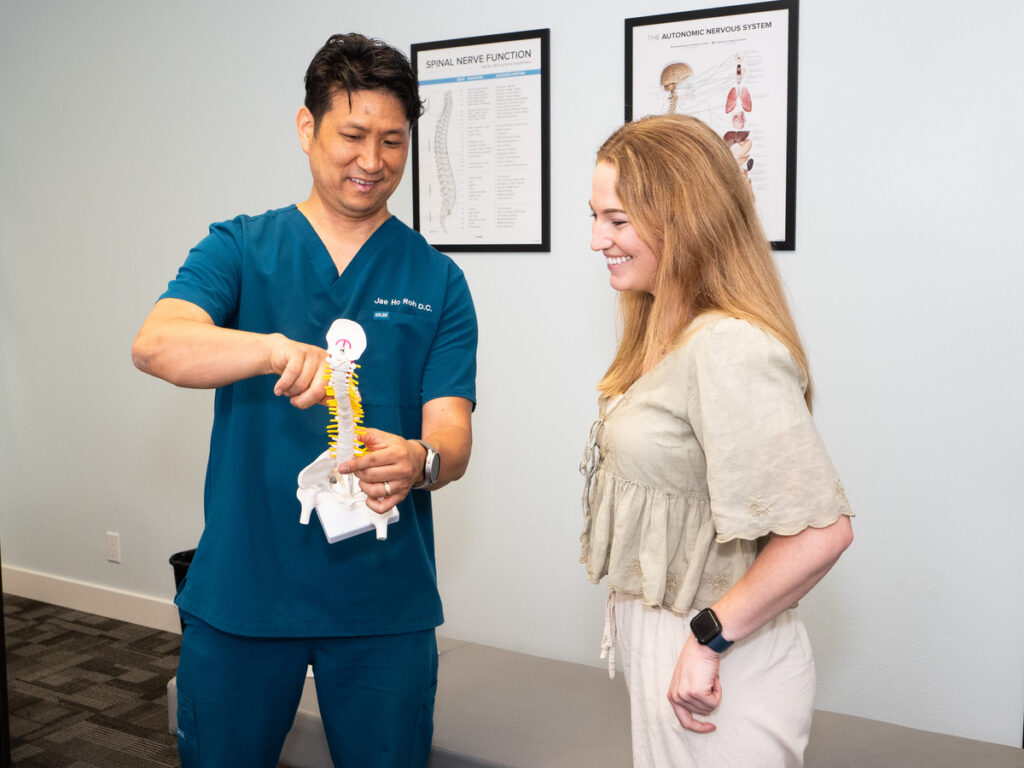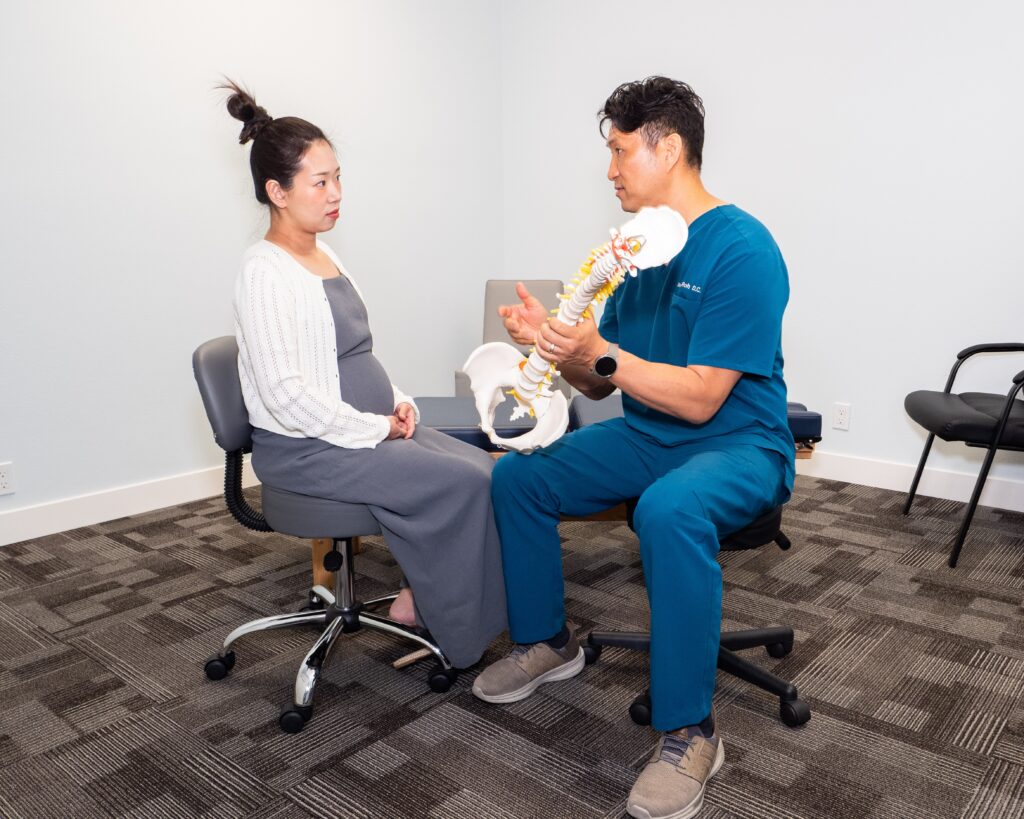

As a local chiropractor dedicated to helping you manage chronic pain, I understand how overwhelming it can feel. However, I want to assure you that incorporating preventive care strategies can greatly enhance your quality of life. By focusing on proactive measures, we can address the underlying issues of your pain rather than merely masking the symptoms.
One of the key aspects of managing chronic pain is understanding how lifestyle adjustments, nutrition, and physical activity play vital roles in your overall well-being. Simple changes in your daily routine can make a significant difference in how you feel.
For instance, incorporating gentle exercises tailored to your needs can improve your flexibility and strengthen the muscles that support your joints. Additionally, paying attention to your nutrition can help reduce inflammation, which is often a contributor to chronic pain.
Stress management is equally important. Techniques such as deep breathing, meditation, or even chiropractic adjustments can help alleviate tension in your body, making it easier for you to cope with pain.
I encourage you to explore these preventive care strategies with me. Together, we can create a personalized plan that addresses your unique challenges and helps you start feeling better today. Remember, it's about empowering yourself with knowledge and tools to manage your pain naturally and effectively.
Understanding Chronic Pain
As a chiropractor, it's essential to understand that chronic pain isn't just a symptom; it's a complex condition that significantly impacts both your physical and emotional health.
When chronic pain enters your life, it can feel like an unwelcome visitor that disrupts your daily activities and affects your mood. This pain can originate from various sources, such as injuries, underlying health issues, or conditions like fibromyalgia or arthritis. Regardless of the cause, it's crucial to recognize that your experience is valid and multifaceted.
You may notice that chronic pain not only restricts your physical capabilities but also takes a toll on your mental well-being. Feelings of frustration, anxiety, and depression can surface as you navigate the persistent discomfort.
It's essential to understand that your pain is real and influences how you connect with the world around you.
At our chiropractic practice, we believe that managing chronic pain involves more than just relying on medication. We advocate for a holistic approach that addresses both the physical and emotional dimensions of your condition.
This may include spinal adjustments, physical therapy, and various natural healing techniques tailored to your needs. Additionally, we encourage exploring mindfulness practices and joining support groups to foster a sense of community and understanding.
Every individual's journey with chronic pain is unique, and our goal is to help you discover the strategies that work best for you.
Together, we can embark on a path toward relief and improved quality of life through natural healing methods.
Importance of Preventive Care
As your local chiropractor, I want to emphasize the critical role that preventive care plays in effectively managing chronic pain. By prioritizing early intervention, making lifestyle adjustments, and undergoing regular health assessments, you can significantly enhance your overall well-being.
These proactive measures not only help in managing your pain but also elevate your quality of life.
Chiropractic care is a natural approach that focuses on the body's innate ability to heal itself. Through gentle adjustments and personalized treatment plans, we aim to address the root causes of your discomfort, rather than just masking the symptoms.
By embracing preventive care, you can take charge of your health and pave the way for a more vibrant, pain-free life.
Let's work together to create a healthier future for you!
Benefits of Early Intervention
As a local chiropractor, I want to emphasize the importance of addressing chronic pain early on, as it can significantly impact your overall well-being. By taking proactive steps to manage your discomfort, you're not just relieving pain; you're enhancing your quality of life.
Early intervention in chiropractic care allows us to address pain before it escalates, which can lead to improved physical and emotional health.
When you prioritize early chiropractic care, you can experience a range of benefits, including:
- Reduced pain levels: By addressing issues sooner, we can help prevent your pain from worsening and alleviate discomfort effectively.
- Enhanced mobility: Early intervention often leads to better physical function, enabling you to stay active and enjoy daily activities.
- Improved mental health: Managing pain promptly through natural healing techniques can reduce feelings of anxiety and depression that often accompany chronic pain.
- Lower healthcare costs: By seeking preventive care, you may minimize the need for more extensive treatments or interventions in the future.
Ultimately, by choosing early chiropractic care, you're giving yourself the best opportunity to lead a fulfilling and active life.
Don't let pain dictate your daily routine. By seeking our help early on, you empower yourself to take control of your health and well-being, paving the way for a more manageable and enjoyable life.
Let's work together to set you on the path to recovery and wellness!
Lifestyle Modification Strategies
As a local chiropractor, I want to share how lifestyle modifications can significantly aid in managing chronic pain and enhancing your overall well-being. Many of you may not be familiar with the holistic approach we promote in chiropractic care, and I'm here to guide you through some essential changes that can make a world of difference.
First and foremost, incorporating regular physical activity into your daily routine is crucial. Even simple, low-impact exercises such as walking or swimming can help strengthen your muscles, improve flexibility, and stimulate the production of endorphins—your body's natural pain relievers. This is an important aspect of our chiropractic philosophy, as movement is key to maintaining a healthy spine and reducing discomfort.
Next, let's talk about nutrition. A balanced diet plays a vital role in your healing journey. Focus on consuming anti-inflammatory foods, including plenty of fruits, vegetables, whole grains, and healthy fats. These foods can help combat inflammation and alleviate pain. Additionally, staying well-hydrated is essential, so be sure to drink enough water throughout the day to support your overall health.
Quality sleep can't be overlooked. It's fundamental for recovery and pain management. I encourage you to establish a consistent sleep schedule, create a calming bedtime routine, and ensure your sleeping environment is conducive to restful sleep. This will help your body heal and manage pain more effectively.
Lastly, managing stress is critical in your pain management journey. Techniques such as mindfulness, yoga, and meditation can be incredibly effective. Stress often exacerbates pain, so finding ways to relax and center yourself can lead to significant improvements.
By adopting these lifestyle changes, you empower yourself to take control of your chronic pain and improve your overall health. Remember, chiropractic care isn't just about spinal adjustments; it's about fostering a holistic approach to your well-being.
If you have any questions or need support in implementing these changes, don't hesitate to reach out—I'm here to help you on your path to better health!
Regular Health Assessments
Regular health assessments are crucial for effectively managing chronic pain and enhancing your overall well-being, especially within the realm of chiropractic care. By scheduling consistent check-ups with your chiropractor, you can closely monitor your condition, tailor treatment plans, and identify any new concerns before they escalate.
This proactive method not only empowers you but can also significantly elevate your quality of life.
Here are several reasons why regular health assessments are essential in chiropractic care:
- Early Detection: Identifying changes in your condition early on can lead to more favorable treatment outcomes and help prevent further complications.
- Personalized Treatment: Your chiropractor can modify your treatment plan based on your current health status, ensuring that you receive the most effective care while minimizing any potential discomfort.
- Comprehensive Care: Regular assessments enable your chiropractor to consider all facets of your health, allowing for a more holistic approach to your care and recovery.
- Preventive Techniques: You'll discover new preventive strategies that can alleviate pain and enhance your mobility, contributing to a healthier lifestyle.
Lifestyle Modifications
As a local chiropractor, I want to share some valuable insights on managing chronic pain through targeted lifestyle modifications. These changes can significantly enhance your quality of life and complement the care you receive in our office.
First and foremost, incorporating regular physical activity into your daily routine is crucial. Engaging in low-impact exercises, such as walking or swimming, can strengthen your muscles and improve flexibility, which may help alleviate your pain. It's important to listen to your body; start slow and gradually increase your activity level as you become more comfortable.
Another key aspect of pain management is establishing a consistent sleep schedule. Quality sleep is essential for healing and pain management, so aim for 7-9 hours of restful sleep each night. I recommend creating a calming bedtime routine and ensuring your sleep environment is comfortable and dark to promote better rest.
In addition, stress management techniques can be incredibly beneficial in managing chronic pain. Practices like mindfulness and yoga can help you stay centered and reduce tension that may worsen your pain. Consider setting aside a few minutes each day for deep breathing exercises or meditation to help you relax.
It's also important to take a closer look at your daily habits. Limiting alcohol consumption and avoiding smoking can have a positive impact on your overall health and pain levels. Surrounding yourself with supportive friends and family is equally important, as their emotional support can be a crucial factor in your journey with chronic pain.
Lastly, I encourage you to keep a pain diary to track your symptoms and identify potential triggers. This record will help you understand your pain better and will also be a valuable tool when discussing your progress with me.
Nutrition and Pain Management
As a local chiropractor, I want to share with you how your diet can play a crucial role in managing chronic pain. Many people don't realize that what you eat can significantly impact your discomfort and overall health.
By incorporating anti-inflammatory foods into your meals, you may experience a reduction in pain and an improvement in your well-being.
It's also important to consider any nutrient deficiencies that might be affecting your body. These deficiencies can worsen your pain and slow down your recovery process.
Anti-inflammatory Foods
As a local chiropractor, I often emphasize the importance of a holistic approach to health, particularly when it comes to managing chronic pain. One effective strategy is incorporating anti-inflammatory foods into your diet. These foods can play a significant role in reducing inflammation in your body, which can help alleviate discomfort and improve your overall well-being.
By focusing on whole, nutrient-rich options, you provide your body with the essential support it needs to combat pain effectively. Here are some anti-inflammatory foods I recommend including in your meals:
- Fatty fish: Varieties like salmon and mackerel are rich in omega-3 fatty acids. These healthy fats have been shown to decrease inflammation and can be a great addition to your diet.
- Berries: Fruits such as blueberries, strawberries, and raspberries are loaded with antioxidants. These compounds help fight oxidative stress, which is linked to inflammation.
- Leafy greens: Vegetables like spinach, kale, and Swiss chard aren't only packed with vitamins and minerals but also promote overall health and well-being.
- Turmeric: This vibrant spice contains curcumin, a powerful compound recognized for its anti-inflammatory properties. Adding turmeric to your meals can be a delicious way to harness its benefits.
By integrating these foods into your diet, you can support your body's natural healing processes and enhance your chiropractic care.
Nutrient Deficiencies Impact
As your local chiropractor, I want to emphasize the importance of not just focusing on pain relief but also understanding how your diet can influence your overall health and well-being. Many people may not realize that certain nutrient deficiencies can actually worsen discomfort.
For example, vital nutrients like magnesium, vitamin D, and omega-3 fatty acids are crucial in managing pain and reducing inflammation.
Magnesium plays a key role in muscle and nerve function. If you're deficient in magnesium, you might experience heightened sensitivity to pain. Incorporating foods such as leafy greens, nuts, and whole grains can help increase your magnesium levels.
Vitamin D is another essential nutrient. Research shows that low levels of vitamin D are often linked to chronic pain conditions. To boost your intake, consider spending time outdoors in the sun and including fatty fish in your diet.
Omega-3 fatty acids, which can be found in fish oil and flaxseeds, are known for their anti-inflammatory benefits. If you're not consuming enough omega-3s, I encourage you to add them to your meals or talk with your healthcare provider about the possibility of supplements.
It's important to remember that effective pain management goes beyond just what you add to your diet; it's also about recognizing what you might be missing.
I recommend checking in with a healthcare professional to assess your nutrient levels regularly. By taking a proactive approach to your nutrition, you can significantly enhance your pain management strategy and overall health.
Together, we can work towards improving your well-being through both chiropractic care and nutritional awareness.
Exercise and Physical Activity
As a local chiropractor, I want to share how engaging in regular exercise can significantly aid in managing chronic pain through natural healing methods. By enhancing your strength, flexibility, and overall well-being, exercise plays a critical role in your recovery journey.
When you integrate physical activity into your daily life, you not only improve your physical health but also fortify your mental resilience against pain, which is essential for a holistic approach to wellness.
I recommend starting with low-impact exercises such as walking, swimming, or cycling. These activities are gentle on your joints while still delivering substantial benefits. It's important to listen to your body and modify your routines as needed. Gradually increasing your activity level is key to avoiding overexertion, which can aggravate your pain.
Here are a few key benefits of regular exercise that can complement your chiropractic care for chronic pain management:
- Increased Strength: Strengthening your muscles provides support to painful areas, reducing strain and discomfort.
- Improved Flexibility: Incorporating stretching and mobility exercises enhances your range of motion and alleviates stiffness, helping to maintain alignment.
- Enhanced Mood: Physical activity triggers the release of endorphins, which naturally elevate your mood and combat feelings of depression that often accompany chronic pain.
- Better Sleep: Regular exercise promotes healthier sleep patterns, allowing your body the necessary rest to recover and heal.
Even small amounts of exercise can lead to significant improvements in your condition. I encourage you to stay active and make adjustments to your routine as necessary, always keeping your long-term health objectives in mind.
Mindfulness and Stress Reduction
As a local chiropractor, I want to share the importance of mindfulness and stress reduction in effectively managing chronic pain. Many of my patients come to me seeking relief, but what they may not realize is that incorporating mindfulness into their daily lives can significantly enhance their healing journey.
Mindfulness is all about becoming aware of your thoughts and feelings without judgment. This heightened awareness allows you to identify what triggers your pain and stress, enabling you to respond more thoughtfully rather than simply reacting. I often suggest starting with just a few minutes each day dedicated to focusing on your breath. Inhale deeply, pause for a moment, and then exhale slowly. Practicing this consistently can create a soothing effect on your mind and body, reducing tension and enhancing your overall sense of well-being.
You can easily weave mindfulness into your everyday activities. Whether you're eating a meal, taking a walk, or even enjoying a shower, try to immerse yourself in those experiences. By focusing on the sensations and details of the present moment, you can shift your attention away from pain, making it feel less burdensome.
In addition to mindfulness practices, stress reduction techniques like meditation and gentle yoga can be incredibly beneficial. These approaches promote relaxation and help you manage pain more effectively without needing to be an expert. Even just a few minutes of guided meditation or gentle stretching can yield noticeable improvements.
I also encourage my patients to consider journaling as a tool for processing thoughts and feelings. Writing can provide clarity and help in understanding your experiences better. As you learn to manage stress and remain present, you may find a positive shift in your overall health and perception of pain.
Remember, the path to managing chronic pain is unique for each individual. By integrating mindfulness and stress reduction into your routine, you can empower yourself to take control of your pain and enhance your healing process.
As your chiropractor, I'm here to support you on this journey toward better health and well-being.
Alternative Therapies
As a local chiropractor, I want to share how alternative therapies can serve as an effective complement to your chronic pain management strategy.
These holistic methods focus on treating the whole person, addressing not only the physical symptoms of pain but also the emotional well-being that can be affected by chronic conditions.
By exploring these therapies, you may discover new avenues for alleviating discomfort and enhancing your quality of life.
Here are some popular alternative therapies worth considering:
– Acupuncture: This ancient practice involves the insertion of fine needles at specific points on the body.
It's believed to stimulate the body's natural healing processes and can be beneficial in relieving pain.
– Yoga: A wonderful blend of physical postures, breathing exercises, and meditation, yoga enhances flexibility and reduces stress.
Many patients find that regular practice can lead to noticeable reductions in their pain levels.
– Massage therapy: Therapeutic massage isn't just a luxury; it's a powerful tool for pain relief.
It helps to alleviate muscle tension and improve circulation, which can significantly enhance relaxation and overall comfort.
– Herbal remedies: Many individuals turn to natural herbs and supplements for relief.
However, it's essential to consult with a healthcare provider before integrating these into your wellness routine to ensure they align with your specific health needs.
By incorporating these alternative therapies alongside your chiropractic care, you may find a more comprehensive approach to managing your chronic pain.
I'm here to guide you through these options and help tailor a plan that works best for you.
Building a Support System
As a local chiropractor, I want to share how building a strong support system can significantly enhance your journey towards alleviating chronic pain. While chiropractic care focuses on physical treatments like spinal adjustments and holistic healing, it's essential to recognize the role that supportive relationships play in your overall well-being.
Start by reaching out to your friends and family. It's important to talk about your experiences with pain and treatment. Let them know how chiropractic care works and how they can support you in this process. Sometimes, simply having someone listen to your concerns can provide immense relief and understanding.
I encourage you to consider joining support groups, whether in-person or online. These communities can connect you with others who are navigating similar challenges. Sharing your journey can be empowering, and you'll likely discover valuable coping strategies from those who understand what you're going through. It's comforting to know you're not alone in managing chronic pain.
Communicating your needs is crucial. Whether you require assistance with daily activities, emotional support, or just someone to talk to, being clear about your needs helps strengthen those connections.
I also recommend encouraging your loved ones to learn more about your condition and chiropractic care. This fosters an environment of understanding and empathy, which is vital for your healing journey.
Additionally, don't overlook the benefits of professional support. Engaging with therapists or counselors can provide tailored coping mechanisms that complement your chiropractic treatment.
Tracking Your Pain Journey
Understanding your pain journey is crucial for recognizing how chronic pain impacts your daily life and overall health. As a chiropractor, I encourage you to keep a detailed record of your pain experiences. This practice not only helps you uncover patterns and triggers but also highlights effective coping strategies. Gaining this self-awareness empowers you to make informed decisions regarding your treatment and lifestyle adjustments.
To effectively track your pain journey, here are some key practices I recommend:
- Daily Journaling: Take a moment each day to jot down your pain levels, where you feel discomfort, and any accompanying symptoms. Don't forget to include details about your daily activities, stressors, and emotional well-being. This holistic view can provide valuable insights into your condition.
- Pain Scale: Utilize a simple 1-10 scale to rate the intensity of your pain each day. This method helps you communicate your experiences more clearly when discussing your condition with me or other healthcare providers.
- Identify Triggers: Pay attention to specific activities, foods, or environmental elements that seem to worsen your pain. By recognizing these triggers, we can work together to develop strategies to avoid or manage them.
- Treatment Response: Keep track of how your pain responds to various treatments, whether they're chiropractic adjustments, exercises, or other therapies. This information is vital for tailoring your care plan to best suit your needs.
Conclusion
As a local chiropractor, I want to share how incorporating preventive care into your daily routine can significantly enhance your management of chronic pain. Many of my patients find that simple lifestyle modifications, such as improving their nutrition, can lead to remarkable changes in their overall well-being. Regular exercise is also vital; it strengthens your body and helps alleviate discomfort.
Mindfulness practices, such as meditation or deep breathing, can help you develop a better relationship with your pain and reduce stress levels. I also encourage exploring alternative therapies—like chiropractic adjustments, which can realign your spine, improve mobility, and relieve tension in your muscles.
Building a strong support system with friends, family, or support groups can further empower you on your healing journey. It's also beneficial to track your pain journey; understanding what works for you can lead to more personalized care. By taking these proactive steps, you can enjoy a more fulfilling life while regaining control over your pain through natural healing methods.