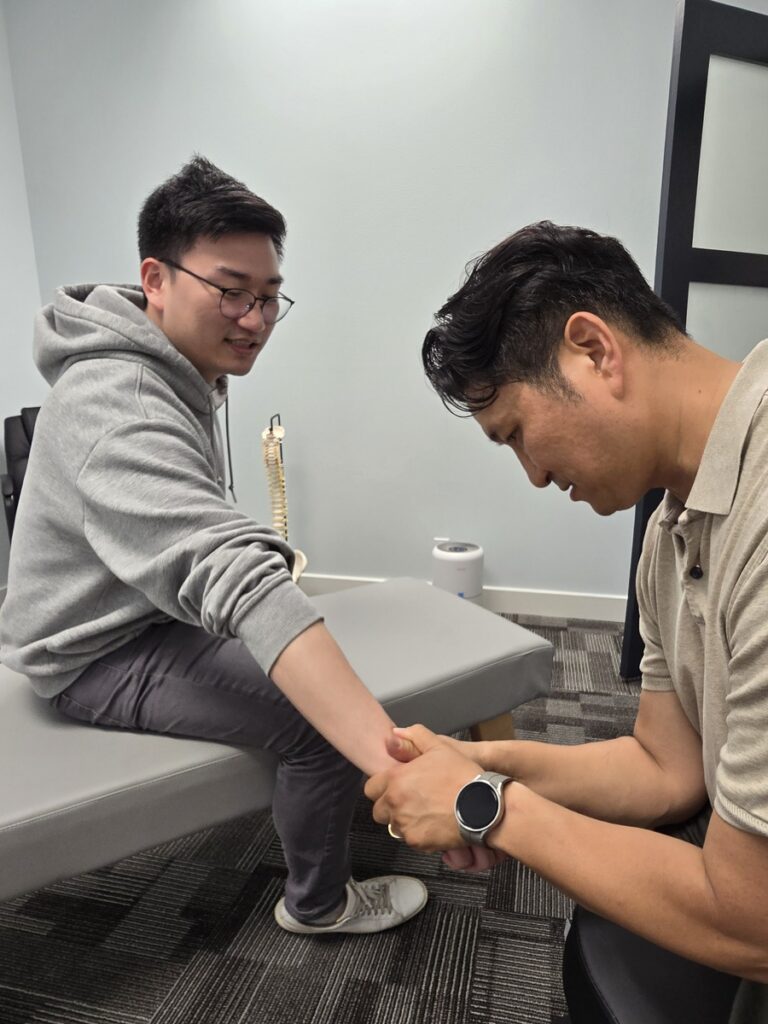

You might not realize it, but incorporating preventative care into your routine can greatly impact your long-term health. By prioritizing regular check-ups and screenings, you're not just addressing potential issues; you're actively reducing your risk of chronic diseases and enhancing your overall well-being. This proactive approach fosters healthier lifestyle choices and strengthens your relationship with healthcare providers. But what are the specific benefits you can expect, and how can they transform your quality of life? Let's explore these important aspects further.
Understanding Preventative Care
Understanding preventative care is essential for maintaining your health over the long term. It involves taking proactive steps to prevent illnesses before they arise, rather than just treating them once they occur. By prioritizing preventative care, you can greatly enhance your quality of life and reduce the risk of serious health issues down the line.
You might think of preventative care as routine check-ups, vaccinations, and screenings that help catch potential problems early. Regular visits to your healthcare provider allow you to stay informed about your health status and get personalized advice tailored to your lifestyle. These appointments are opportunities to discuss any changes you've noticed and receive guidance on managing risk factors.
Additionally, preventative care encourages healthy habits. When you engage in discussions about nutrition, exercise, and mental well-being with your healthcare provider, you're more likely to incorporate these practices into your daily life. Implementing small changes now can lead to considerable benefits in the future.
Don't underestimate the power of preventative measures like immunizations and regular health screenings. These steps can protect you from diseases that could disrupt your life or lead to more severe complications.
Reducing Chronic Disease Risk
Chronic diseases like heart disease, diabetes, and cancer can greatly impact your life, but you can take steps to reduce your risk. The first step is to focus on your diet. Eating a balanced diet rich in fruits, vegetables, whole grains, and lean proteins can help maintain a healthy weight and lower your risk for chronic conditions.
Limit your intake of processed foods, sugars, and unhealthy fats, as these can contribute to various health issues.
Regular physical activity is another vital factor. Aim for at least 150 minutes of moderate exercise each week. This could be anything from brisk walking to cycling or swimming.
Exercise not only helps you maintain a healthy weight but also improves cardiovascular health and lowers blood pressure.
Don't forget about the importance of routine health screenings. Regular check-ups can help catch potential problems early on, allowing for timely intervention.
Talk to your healthcare provider about screenings appropriate for your age and risk factors.
Additionally, managing stress through mindfulness, meditation, or hobbies can notably affect your overall health. High stress levels can lead to unhealthy coping mechanisms, which in turn can increase your risk for chronic diseases.
Lastly, avoid smoking and limit alcohol consumption. Both can have detrimental effects on your health and increase your risk for several chronic diseases.
Enhancing Mental Health
Enhancing your mental health is essential for overall well-being.
By incorporating stress reduction techniques, building resilience strategies, and promoting emotional well-being, you can create a stronger foundation for your mental health.
Let's explore how these practices can make a real difference in your life.
Stress Reduction Techniques
Recognizing the importance of mental health, many people seek effective stress reduction techniques to improve their overall well-being. You can start by incorporating mindfulness practices, such as meditation or deep-breathing exercises, into your daily routine. These techniques help you stay present, reducing anxiety and promoting relaxation.
Physical activity is another powerful stress reliever. Whether it's going for a walk, hitting the gym, or practicing yoga, moving your body releases endorphins, which boost your mood. Aim for at least 30 minutes of exercise most days, and you'll notice the difference in your stress levels.
Additionally, don't underestimate the power of social connections. Engaging with friends and family can provide support and distraction from stressors. Make it a point to spend quality time with loved ones, whether through a phone call or in-person gatherings.
Lastly, consider journaling as a way to express your thoughts and feelings. Writing can help you process emotions and gain perspective on challenges you face.
Building Resilience Strategies
Building resilience is essential for managing life's challenges and maintaining mental health. When you develop resilience, you're better equipped to handle stress and bounce back from adversity.
Here are some effective strategies to enhance your resilience:
- Cultivate a Support Network: Surround yourself with positive relationships. Engaging with friends, family, or support groups can provide emotional strength and practical help during tough times.
- Practice Self-Care: Prioritize your physical and mental well-being. Regular exercise, a balanced diet, and adequate sleep can greatly boost your mood and overall resilience.
- Set Realistic Goals: Break down larger objectives into manageable tasks. Achieving small milestones can provide a sense of accomplishment and motivate you to keep moving forward.
- Embrace Change: Accept that change is a part of life. By adapting to new circumstances, you can foster a flexible mindset that helps you navigate challenges more effectively.
Promoting Emotional Well-Being
Five key practices can greatly boost your emotional well-being and mental health.
First, prioritize self-care. Regularly engage in activities that recharge you, like reading, exercising, or spending time in nature.
Next, cultivate strong relationships. Surrounding yourself with supportive friends and family provides an essential emotional safety net.
Third, practice mindfulness. Techniques like meditation and deep breathing can help you stay present and reduce stress. By focusing on the moment, you'll cultivate a greater sense of calm and clarity.
Fourth, set achievable goals. Break larger tasks into smaller, manageable steps to build a sense of accomplishment, which can considerably enhance your self-esteem.
Finally, seek professional help when needed. Therapy isn't just for crises; it's a valuable resource for personal growth and coping strategies. Don't hesitate to reach out if you're feeling overwhelmed.
Improving Quality of Life
Preventative care plays an essential role in improving quality of life by addressing health issues before they escalate. By taking proactive steps, you can enhance your well-being and enjoy a more fulfilling life.
Regular check-ups, screenings, and vaccinations can help you catch potential problems early, allowing for timely intervention. This not only prevents serious health complications but also boosts your emotional and mental health.
Here are four key ways preventative care enhances your quality of life:
- Early Detection: Regular screenings for conditions like diabetes or cancer can lead to earlier diagnoses, increasing treatment success rates and reducing the burden of disease.
- Health Education: Engaging in preventative care often provides you with valuable information about lifestyle choices. Understanding nutrition, exercise, and mental health can empower you to make better decisions.
- Reduced Stress: Knowing you're taking steps to maintain your health can alleviate anxiety. Regular visits to the doctor help you stay informed about your health status, reducing uncertainty and worry.
- Increased Longevity: Preventative care is linked to a longer lifespan. By managing risk factors and adopting healthier habits, you're not just adding years to your life; you're also enhancing the quality of those years with better health and vibrancy.
Incorporating preventative care into your routine can lead to a more vibrant, enjoyable life.
Embrace these practices, and you'll likely find yourself feeling more energetic, confident, and resilient.
Financial Savings in Healthcare
Taking charge of your health through preventative care not only enhances your quality of life but can also lead to considerable financial savings in healthcare. By focusing on prevention, you can avoid costly treatments for chronic diseases that often arise from neglecting your health. Regular check-ups, screenings, and vaccinations can catch potential health issues early, saving you from expensive hospital visits and long-term medications.
Consider this: managing a chronic condition like diabetes or hypertension can cost thousands annually in medical bills and prescriptions. However, by investing in preventative measures, such as a healthy diet, exercise, and routine screenings, you considerably reduce the risk of developing these conditions. This proactive approach not only saves you money but also improves your overall well-being.
Moreover, many insurance plans offer lower premiums and out-of-pocket costs for preventative services. By taking advantage of these benefits, you're not only safeguarding your health but also your finances. You might find that engaging in preventative care leads to fewer sick days, which can enhance your productivity and income.
Additionally, when you prioritize your health, you're less likely to face unexpected medical emergencies that can drain your savings. In the long run, the financial savings from preventative care can be substantial, allowing you to allocate your resources toward other important aspects of your life, such as education, travel, or retirement savings.
Embracing preventative care is a smart choice that pays off both health-wise and financially.
Strengthening Immune Function
Everyone can benefit from a strong immune system, especially when it comes to warding off illnesses and infections. A robust immune response can make a significant difference in your overall health and well-being.
By focusing on preventative care, you can enhance your immune function and reduce the likelihood of getting sick. Here are four effective strategies you can implement:
- Regular Exercise: Engaging in physical activity boosts circulation, which helps immune cells move more freely throughout your body. Aim for at least 150 minutes of moderate exercise each week.
- Balanced Nutrition: Eating a variety of fruits, vegetables, whole grains, and lean proteins provides essential nutrients that support immune health. Key vitamins like C, D, and zinc play essential roles in immune function.
- Adequate Sleep: Prioritizing sleep is vital for your immune system. Aim for 7-9 hours of quality sleep per night, as this is when your body repairs and regenerates immune cells.
- Stress Management: Chronic stress can weaken your immune response. Incorporate stress-reducing techniques such as mindfulness, meditation, or yoga into your daily routine to keep your immune system functioning effectively.
Encouraging Healthy Lifestyle Choices
When you prioritize regular check-ups, you're not just keeping track of your health; you're taking proactive steps to prevent issues before they arise.
Coupling this with healthy eating habits can greatly enhance your overall well-being.
Together, these choices empower you to lead a vibrant and fulfilling life.
Importance of Regular Check-ups
Regular check-ups are essential for maintaining your health and preventing potential issues before they escalate. By making these visits a priority, you're taking proactive steps toward a healthier future.
Here are four key reasons why regular check-ups are important:
- Early Detection: Regular visits allow healthcare professionals to identify health concerns early on, increasing the likelihood of successful treatment.
- Monitoring Chronic Conditions: If you have existing health issues, check-ups help guarantee that they're managed effectively, reducing the risk of complications.
- Vaccinations and Preventative Screenings: Staying up-to-date with vaccinations and screenings can protect you from illnesses and catch potential health problems before they become serious.
- Building a Relationship with Your Provider: Regular visits help establish trust and communication with your healthcare provider, making it easier to discuss any concerns or changes in your health.
Benefits of Healthy Eating
Eating a balanced diet can greatly enhance your overall health and well-being. When you prioritize healthy eating, you fuel your body with essential nutrients, leading to improved energy levels and better mood stability.
You'll find that incorporating a variety of fruits, vegetables, whole grains, and lean proteins into your meals not only keeps you satisfied but also reduces cravings for unhealthy snacks.
Healthy eating helps maintain a healthy weight, which lowers your risk of chronic diseases like heart disease, diabetes, and certain cancers. Plus, a nutrient-rich diet supports your immune system, making it easier for your body to fend off illnesses.
You'll notice that you recover faster from minor ailments and feel more resilient overall.
Additionally, making smarter food choices can enhance your mental clarity and cognitive function. Foods rich in omega-3 fatty acids, antioxidants, and vitamins can boost your brain health, helping you stay focused and sharp as you age.
Building a Healthier Community
Building a healthier community often starts with individuals taking proactive steps toward their own well-being. When you prioritize your health, you set an example for those around you. This ripple effect can inspire others to join you on the path to better health, creating a supportive environment that fosters well-being for everyone.
Here are some actionable steps you can take to help build a healthier community:
- Engage in Regular Physical Activity: Incorporate exercise into your daily routine. Whether it's walking, cycling, or joining a local sports team, staying active not only benefits you but also encourages others to do the same.
- Advocate for Healthy Policies: Support initiatives that promote health, like smoke-free zones or improved access to nutritious food. Your voice can influence local governance and community planning.
- Participate in Community Health Programs: Join health fairs, workshops, or fitness classes offered in your area. Your involvement helps increase awareness and participation, ultimately benefiting the whole community.
- Build Social Connections: Foster relationships with neighbors and community members. Strong social ties can improve mental health and create a network of support that encourages healthy behaviors.
Conclusion
Incorporating preventative care into your routine can transform your health and well-being. By prioritizing regular check-ups, screenings, and vaccinations, you not only reduce the risk of chronic diseases but also enhance your mental health and quality of life. Embracing healthy lifestyle choices fosters a stronger immune system and builds a healthier community. Ultimately, taking proactive steps today can lead to significant financial savings and a brighter, healthier future for you and those around you.