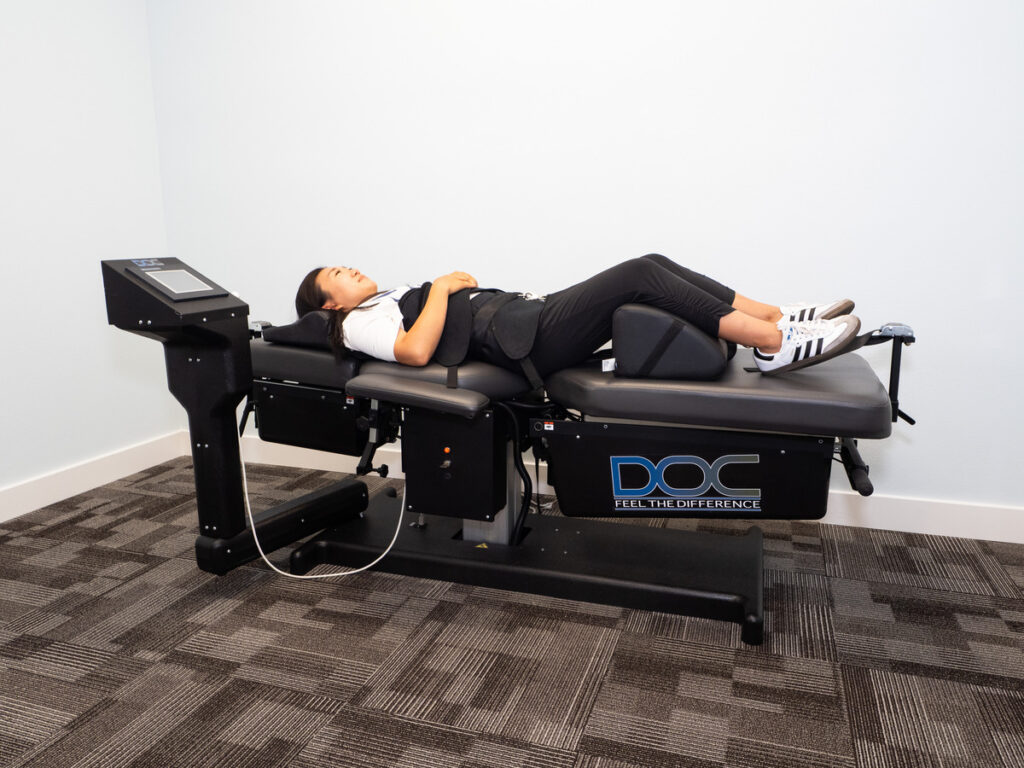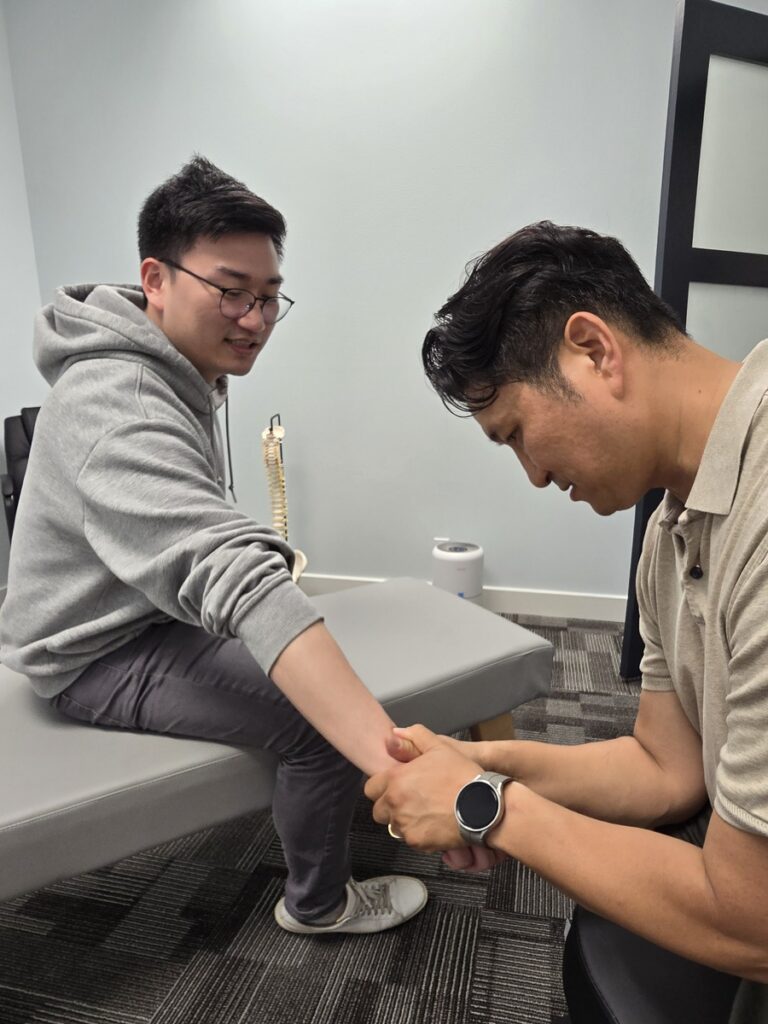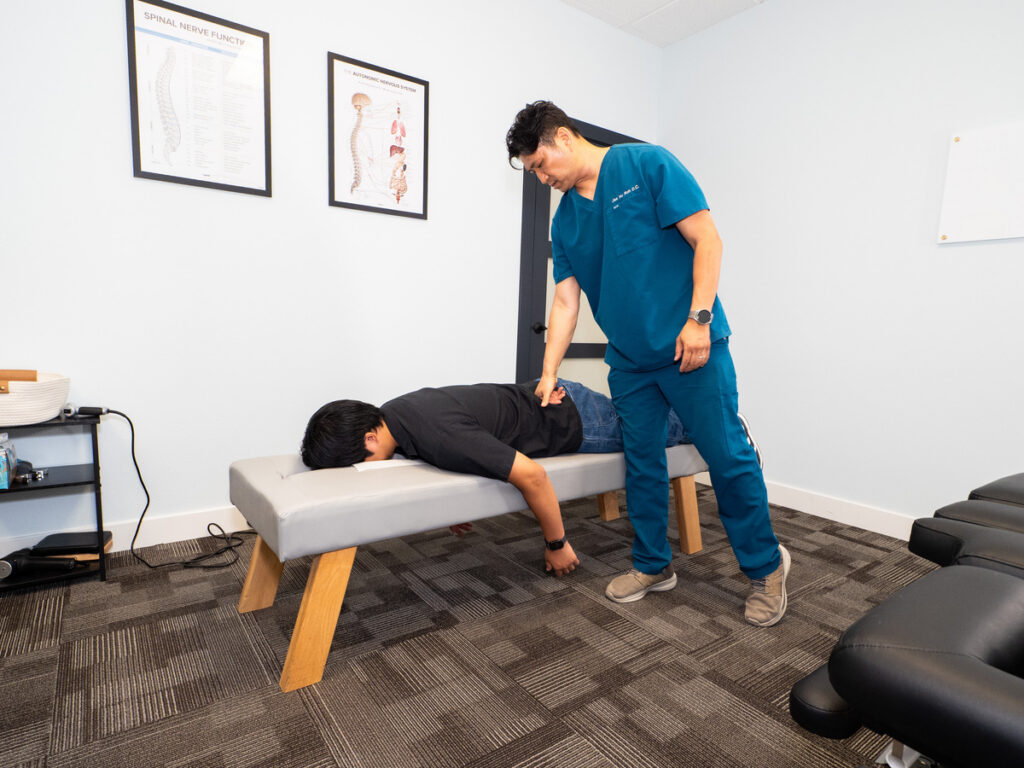

When it comes to managing back pain in the long term, the approach we take at our chiropractic practice can truly make a difference. Chiropractic care, combined with physical therapy, lifestyle changes, and psychological support, plays a crucial role in transforming your experience with back pain.
Many factors contribute to your discomfort and recovery process, and understanding these elements is vital. As your chiropractor, I encourage you to explore the various natural healing techniques we offer, such as spinal adjustments, exercises, and wellness advice tailored to your unique needs.
It’s essential to recognize how these components can work together to promote better outcomes for your back health. So, as you embark on this journey toward relief and recovery, I invite you to consider what your first step will be in this holistic approach to managing your pain.
Understanding Chronic Back Pain
As a local chiropractor, I want to help you understand chronic back pain and how chiropractic care can play a vital role in your recovery. Many individuals experience back pain at some point, but chronic back pain is different; it persists for three months or longer and can significantly impact your daily life and emotional well-being.
It can manifest as constant aches, sharp pains, or stiffness, making even simple tasks feel daunting. The causes of chronic back pain are diverse. They can range from injuries to underlying conditions such as arthritis or herniated discs. Additionally, factors like stress and poor posture may contribute to your discomfort.
It’s crucial to pay attention to your body and recognize any patterns or triggers that might be causing your pain. Your mental health is also an important factor; anxiety and depression can elevate your perception of pain, making it feel more intense.
As a chiropractor, I believe that addressing chronic back pain requires a comprehensive approach. Understanding that it’s a multifaceted issue empowers you to explore effective management strategies, including chiropractic adjustments, exercises, and lifestyle changes.
By embracing this complexity, you can take significant steps toward reclaiming control over your life and finding relief. My goal is to support you on your journey to better health through natural healing methods tailored to your unique needs.
Let’s work together to help you feel your best!
The Role of Physical Therapy in Long-Term Management
When it comes to managing chronic back pain, many patients find that incorporating chiropractic care can significantly enhance their long-term recovery. As a chiropractor, my focus is on aligning the spine and optimizing your body’s natural ability to heal itself.
Through gentle adjustments and tailored treatment plans, we can strengthen your core muscles, improve flexibility, and enhance your overall posture. These targeted techniques not only help alleviate pain but also play a critical role in preventing future flare-ups.
In our sessions, you’ll gain valuable insights into your body mechanics, learning how to move safely and effectively in your everyday activities. By mastering proper techniques, you can reduce strain on your back and support the healing process.
Furthermore, regular visits to the chiropractor provide a nurturing environment where we can track your progress and make necessary adjustments to your treatment plan. This ongoing support can boost your confidence and encourage you to stay dedicated to your recovery journey.
Medications: Benefits and Risks Over Time
As a local chiropractor, I want to share some insights about managing back pain. While medications can provide long-term relief, it’s essential to consider both their benefits and potential side effects.
What may seem effective today could lead to complications later on. This is where chiropractic care comes in as a natural alternative. By focusing on spinal alignment and holistic healing, we can help alleviate your pain without the risks associated with long-term medication use.
Understanding these options can empower you to make informed decisions about your pain management strategy, leading to a healthier and more balanced life.
Long-term Pain Relief
As a local chiropractor dedicated to helping you find long-term relief from back pain, it’s important to consider the various options available, especially when it comes to medications.
While pharmaceuticals might offer temporary comfort, understanding their long-term implications is crucial for your health and well-being. Here are some factors to think about:
- Efficacy: Many patients experience relief from pain medications initially, but their effectiveness can decrease over time, leading to the need for higher doses.
- Dependence: Relying on painkillers for extended periods can result in a dependence that makes it challenging to manage pain naturally.
- Tapering: If you decide to stop taking these medications suddenly, you may experience withdrawal symptoms, which can be uncomfortable and discouraging.
- Cost: The ongoing expense of prescriptions can add up, putting a strain on your finances.
- Lifestyle: Medications can sometimes interfere with your daily activities, affecting your overall quality of life.
At our chiropractic practice, we focus on holistic approaches that address the root causes of your pain, promoting natural healing without the long-term side effects associated with medications.
We encourage you to explore these methods to enhance your health and well-being sustainably.
Side Effects Consideration
As a local chiropractor, I want to share some important insights about managing back pain. While many people turn to medications for relief, it’s crucial to understand that these can come with potential side effects, especially when used over an extended period.
For instance, common pain relievers like NSAIDs may lead to gastrointestinal problems or kidney issues with long-term use. Opioids can be effective for short-term relief but pose risks of dependency and increased sensitivity to pain if used for too long.
Even over-the-counter medications can have unexpected reactions, particularly when mixed with other drugs. This is why I encourage you to regularly assess your pain management strategies and consider natural healing methods.
Chiropractic care focuses on addressing the root causes of pain through adjustments and holistic practices, offering an alternative that often minimizes the need for medication.
By working together to evaluate your pain management approach, we can weigh the benefits of chiropractic care against the risks of medication, ensuring your journey to relief is both safe and effective.
Staying informed and proactive about your treatment options is key to achieving lasting results. Remember, you have choices when it comes to your health!
Lifestyle Changes for Sustained Pain Relief
As a local chiropractor, I want to help you understand that achieving sustained relief from back pain often requires more than just a quick fix. Incorporating some lifestyle changes into your daily routine can make a significant difference in your comfort and overall well-being. Here are some effective strategies I encourage you to consider:
- Stay Active: Regular low-impact exercises—such as walking, swimming, or practicing yoga—can strengthen your back muscles and enhance flexibility. Gentle movement helps maintain mobility and can reduce pain over time.
- Maintain a Healthy Weight: Carrying excess weight places additional strain on your spine. By focusing on a balanced diet that supports a healthy weight, you can alleviate some of that pressure and improve your back health.
- Practice Good Posture: Being mindful of your posture is essential. Whether you’re sitting, standing, or lifting objects, proper alignment can reduce unnecessary stress on your spine, helping to prevent pain.
- Prioritize Sleep: Quality sleep is vital for recovery. Make sure you have a supportive mattress and pillow that align your spine properly. A good night’s sleep can help your body heal and prepare for the day ahead.
- Manage Stress: Stress can manifest physically, contributing to tension and discomfort in your back. I recommend incorporating relaxation techniques into your routine, such as meditation or deep breathing exercises, to help manage stress levels effectively.
By adopting these strategies, you can create a supportive environment for your body to heal naturally and maintain long-term relief from back pain.
If you have any questions or want to learn more about how chiropractic care can assist you, feel free to reach out. Your journey to better back health starts here!
The Impact of Psychological Factors on Back Pain
As your local chiropractor, I want to emphasize how important it’s to understand the role that psychological factors play in your experience of back pain. Your emotions, beliefs, and overall mental state can significantly influence how you perceive and cope with discomfort.
For example, feeling anxious or depressed can make you more sensitive to pain, which may hinder your ability to manage it effectively. On the other hand, maintaining a positive mindset can enhance your resilience, helping you navigate through pain more smoothly.
One effective approach that I often recommend is cognitive-behavioral therapy (CBT). This therapy can help reshape the way you think about pain and how you respond to it. By addressing negative thought patterns, you can learn healthier coping strategies that can complement the chiropractic care I provide.
Additionally, it’s essential to recognize that stress can manifest in physical ways, leading to muscle tension and increased pain.
Integrative Approaches to Back Pain Management
As a local chiropractor, I want to help you understand the integrative approaches to back pain management that can truly transform your healing journey.
It’s essential to recognize that effective treatment often involves a combination of therapies tailored to your specific needs. By adopting a holistic perspective, you can enhance your recovery and significantly improve your quality of life.
Here are some strategies you may find beneficial:
- Physical therapy: Partnering with a physical therapist can lead to personalized exercise plans designed to strengthen your back and increase flexibility, which is crucial for long-term relief.
- Chiropractic care: Regular chiropractic adjustments are a cornerstone of natural healing. These adjustments help realign your spine, reduce pain, and improve your body’s overall function. Many patients experience significant relief from discomfort and enhanced mobility through consistent chiropractic sessions.
- Acupuncture: This ancient healing practice involves stimulating specific points on your body, which may help alleviate pain and promote overall well-being. It’s a great complementary treatment to consider alongside chiropractic care.
- Mindfulness and meditation: Incorporating relaxation techniques into your daily routine can significantly reduce stress, which is often a contributor to pain. Mindfulness helps you become more aware of your body and its responses, improving your pain tolerance over time.
- Nutritional support: A balanced diet is vital for maintaining overall health and can play a role in reducing inflammation. I encourage my patients to consider how their nutritional choices impact their recovery and pain levels.
By exploring these integrative approaches, you can take meaningful steps towards managing your back pain naturally and improving your overall health.
I’m here to guide you on this journey and answer any questions you may have about chiropractic care and holistic healing.
Measuring Quality of Life in Back Pain Patients
As a local chiropractor, I want to help you understand the broader impact of back pain on your life. It’s important to recognize that quality of life isn’t just about managing physical discomfort; it also includes emotional, social, and functional aspects that can be significantly affected by back pain.
You may find that chronic pain not only limits your physical activities but also influences your relationships and overall happiness.
To better understand how back pain affects your quality of life, I recommend using standardized assessment tools, like the Oswestry Disability Index or the SF-36 Health Survey. These questionnaires are designed to help you evaluate how your pain impacts your daily activities and mental well-being.
Monitoring changes in your quality of life over time can also give us valuable insights into the effectiveness of your treatment plan. By discussing these various dimensions of your experience, we can work together to create a more holistic approach to your care.
It’s all about improving your life and helping you enjoy the activities you love, even in the face of back pain. Remember, chiropractic care focuses on natural healing, and addressing these different aspects can lead to significant improvements in your overall well-being.