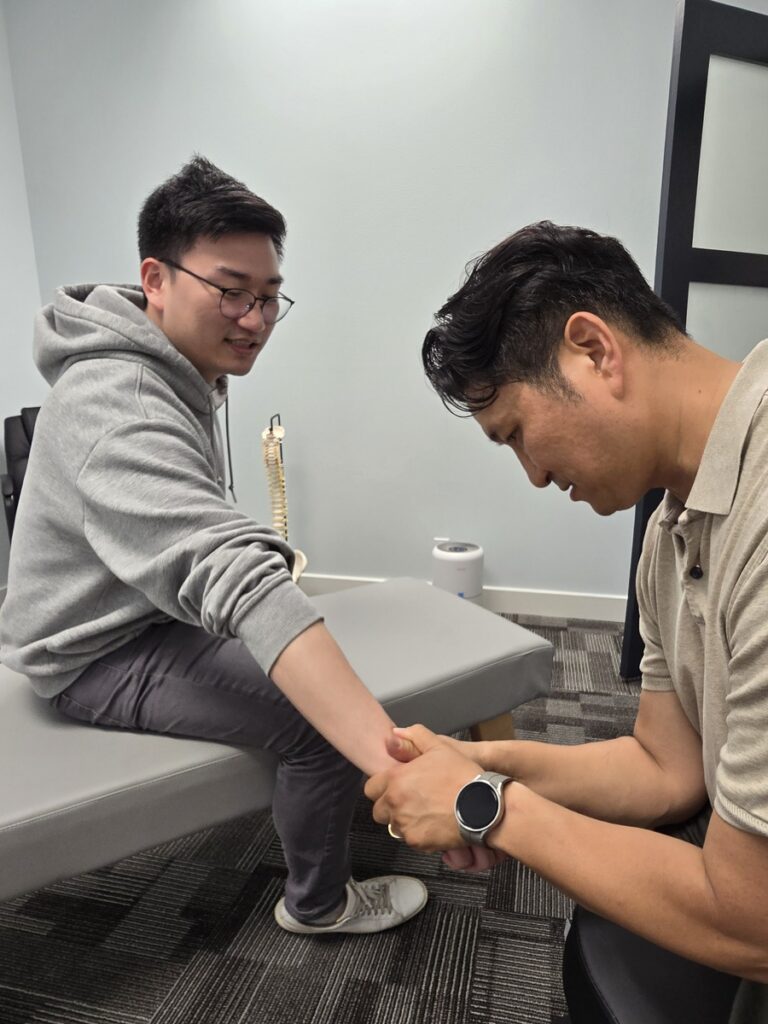

When it comes to supporting children with ADHD symptoms, understanding their unique challenges is crucial. As a chiropractor, I believe that a holistic approach can significantly enhance their well-being. Establishing a structured environment and encouraging open communication can create a positive impact on their daily lives. By fostering consistent routines and promoting healthy habits, we can help create a supportive atmosphere that nurtures their strengths.
Chiropractic care can play a vital role in this journey. Techniques such as spinal adjustments can help improve overall nervous system function, which may in turn support better focus and behavior in children with ADHD. Additionally, incorporating natural healing practices such as nutrition guidance, exercise, and mindfulness can contribute to a comprehensive strategy for managing symptoms.
What specific strategies can we explore together to create a well-rounded approach that truly empowers your child? Let's discuss how chiropractic care and lifestyle adjustments can work in harmony to support your child's health and happiness.
Understanding ADHD in Children
As a local chiropractor, it's important to understand that ADHD in children is a complex condition that goes beyond what many people might think. Attention-Deficit/Hyperactivity Disorder, or ADHD, isn't merely about a child being overly energetic or easily distracted. It involves a multifaceted blend of inattention, hyperactivity, and impulsivity that can present itself in various ways across different children. For instance, some kids may have difficulty concentrating, while others might struggle to remain seated. This diversity can make ADHD challenging to identify and diagnose.
It's crucial to clarify that ADHD isn't caused by poor parenting or a lack of discipline. Rather, it's a neurodevelopmental disorder that influences how a child's brain processes information. As we explore ADHD further, we often find that it coexists with other issues, such as anxiety or learning disabilities. These accompanying factors can significantly impact a child's behavior and academic performance, underscoring the importance of viewing the whole child when considering their health and well-being.
When working with children who've ADHD, it's equally important to recognize their strengths. Many children with ADHD possess remarkable creativity, high energy levels, and the ability to think innovatively. Acknowledging these positive traits can empower you to support them in a way that enhances their confidence, rather than solely focusing on their difficulties.
As a chiropractor, I encourage you to educate yourself about the symptoms and behaviors linked to ADHD, as this knowledge can foster a more compassionate and empathetic understanding. With this insight, you're better positioned to assist children in navigating their unique experiences, helping them thrive despite the challenges they may encounter.
The Role of Caregivers
As a chiropractor, I often emphasize the importance of establishing consistent routines for individuals, especially those with conditions like ADHD.
These routines can create a sense of security and help improve focus. Additionally, I encourage effective communication strategies that foster open dialogue and understanding between caregivers and their loved ones.
By incorporating these approaches, we can significantly enhance the management of behavior and emotions, ultimately leading to better overall well-being.
Importance of Consistent Routines
As a local chiropractor, I want to emphasize the importance of consistent routines, not just for managing ADHD in children, but for overall well-being and healing in our lives.
Establishing structured patterns can significantly enhance your physical and mental health. Just as we encourage patients to maintain regular chiropractic appointments for optimal spinal health, creating a routine can help your body and mind function at their best.
By setting regular times for activities such as exercise, meals, and even relaxation, you create a rhythm that your body can anticipate. This predictability can reduce stress and boost your focus, allowing you to engage more fully in each moment.
Consider using visual reminders, like calendars or checklists, to keep you aligned with your health goals. These tools not only provide clarity but also empower you to take charge of your health journey.
It's also essential to remain flexible and adapt your routines when necessary. Life can be unpredictable, and sometimes you may need to adjust your self-care practices.
Keeping an open line of communication with yourself—reflecting on how your routines affect your well-being—can also be incredibly beneficial. Involving family or friends in your health routines can foster a supportive environment, enhancing your commitment to your wellness.
Ultimately, your dedication to maintaining consistent routines contributes to your overall health and vitality.
By establishing these patterns, you create a stable foundation for managing stress, improving focus, and enhancing your overall quality of life.
As your chiropractor, I encourage you to be proactive in your self-care, setting the stage for positive health outcomes and a more balanced life.
Effective Communication Strategies
Effective communication is crucial when educating patients about chiropractic care and natural healing. It's essential to be clear, direct, and patient when discussing the benefits and practices involved in chiropractic treatment.
Begin with simple language and concise explanations, as this helps patients better understand the concepts. Make eye contact to ensure engagement, and always check for understanding by encouraging them to ask questions or summarize what you've shared.
Consistency in your communication is vital. Use the same terminology when discussing conditions, treatments, and health goals, so patients know exactly what to expect from their chiropractic journey.
Positive reinforcement is powerful; acknowledge their progress and commitment to their health, as this motivates them to stay engaged in their treatment.
Listening actively is equally important. When patients express their concerns or experiences, validate their feelings to demonstrate that you care and understand their unique situations.
Non-verbal cues are significant as well; ensure your tone and body language align with your message, creating a welcoming and supportive environment.
Finally, be mindful of timing; approach discussions about treatment when patients are relaxed and open to conversation.
Creating a Structured Environment
Creating a structured environment is crucial for everyone's well-being, especially for children with ADHD. As a chiropractor, I often emphasize the importance of stability in both physical and mental health.
Establishing consistent daily routines and using clear visual schedules can significantly enhance focus and reduce stress. Additionally, designating specific study spaces can promote a sense of order and calm.
These strategies not only help improve concentration but also boost confidence and success in daily tasks. By fostering a structured environment, we can support overall health and well-being, allowing individuals to thrive naturally.
Consistent Daily Routines
Creating a structured environment can significantly benefit children with ADHD, and as a chiropractor, I've seen how holistic approaches can enhance their overall well-being. One effective strategy for establishing this structure is through consistent daily routines. A predictable schedule not only helps children know what to expect but also reduces anxiety and improves focus, which can positively influence their physical health.
Start by setting regular times for waking up, meals, homework, and bedtime. These routines serve as an anchor for your child's day, making transitions smoother. Just as we recommend regular chiropractic adjustments to promote alignment and balance in the body, a structured routine can help align your child's daily activities, supporting their mental and emotional health.
Consider using timers or alarms to signal when it's time to switch activities. This approach can help keep your child on task and reduce distractions, similar to how we use techniques to enhance focus during treatment.
Involving your child in creating their routine encourages ownership and investment in their daily activities, much like how we empower our patients to take charge of their health through natural healing practices.
Reinforcing these routines with positive feedback can motivate your child to adhere to them. Celebrate their small successes and acknowledge when they follow the schedule well.
By fostering a consistent daily routine, you're not only helping manage ADHD symptoms but also teaching your child valuable skills for organization and time management—skills that are essential for a healthy, balanced life.
Clear Visual Schedules
As a chiropractor, I often see how clear visual schedules can significantly benefit children, particularly those managing ADHD symptoms. By providing a structured visual representation of daily activities, you can help your child understand what to expect, which in turn can reduce anxiety and improve their focus.
To create an effective visual schedule, start by outlining your child's daily routine. Incorporate pictures or icons for each activity, making sure they're easy to recognize. Include essential tasks like getting dressed, completing homework, and mealtimes. Display the schedule in a prominent location, such as on the refrigerator or a bulletin board, ensuring it's always accessible.
Encourage your child to interact with the schedule. Allow them to check off completed tasks or move icons as they finish activities. This engagement not only enhances their sense of accomplishment but also reinforces their understanding of time management, which is crucial for overall well-being.
While maintaining consistency in the schedule is important, it's equally vital to allow for some flexibility. Life can be unpredictable, and having adaptable elements in the schedule can help your child navigate changes more effectively.
Designated Study Spaces
In creating a designated study space for children, particularly those managing ADHD, we can draw parallels to the principles of chiropractic care and natural healing. Just as a well-aligned spine can enhance overall well-being, a thoughtfully arranged study area can significantly boost a child's academic and emotional health.
Begin by selecting a calm corner in your home that minimizes noise and distractions, similar to how a peaceful environment can enhance a chiropractic session. Personalizing this study space allows children to connect with their environment, much like how we encourage patients to engage with their healing journey. Let them choose colors, posters, or items that inspire them—this personal touch can increase motivation and focus.
Equipping the study area with essential supplies—like pencils, paper, and calculators—mirrors the need for proper tools in chiropractic care to achieve optimal results. Having everything organized in one location reduces unnecessary movement, which can disrupt concentration, just as a stable body posture can support better focus and health.
Invest in a comfortable chair and ensure the area has adequate lighting, creating a welcoming environment that promotes productivity, akin to the comfort we aim to provide in our chiropractic office. Utilizing a timer for study sessions can serve as a practical tool, helping children manage their time effectively, similar to how regular adjustments can help regulate bodily functions.
Establishing a routine around this designated study space is crucial. Just as consistency in chiropractic care is key to long-term benefits, having a structured study routine helps children understand what to expect, reinforcing the importance of their studies.
Implementing Behavioral Strategies
As a chiropractor, I want to share how effective behavioral strategies can complement the physical care I provide to enhance the overall well-being of children with ADHD. One of the first steps we can encourage is the establishment of clear expectations at home. Just like the spinal alignment we focus on in our practice, setting rules and routines offers structure that helps your child feel more secure and focused. Writing these rules down and reviewing them regularly can be akin to maintaining regular adjustments for optimal health.
Visual aids, such as charts or pictures, can also reinforce these expectations, making them more tangible for your child.
In addition, implementing a rewards system can be very beneficial. Positive reinforcement is a powerful tool that encourages your child to engage in desired behaviors. You might create a simple chart where your child earns stickers for completing tasks or following rules, much like how we track progress in chiropractic care.
After earning a certain number of stickers, you can reward them with a small prize or a fun activity, which not only motivates them but also boosts their self-esteem.
It's also important to manage distractions in your child's environment, similar to how we create a calming atmosphere in our clinic. Identify potential distractions and minimize them during homework or study time. This might mean turning off the TV, using noise-canceling headphones, or providing a quiet space free from interruptions, allowing your child to focus better, just as we focus on aligning the spine for better health.
Lastly, practicing consistent consequences for undesired behaviors is crucial. When your child misbehaves, it's important to apply consequences calmly and fairly, much like how we consistently assess and adjust our treatment plans.
Consistency is key; ensure that your child understands the connection between their actions and the outcomes, reinforcing positive behavior just as we reinforce healthy habits in chiropractic care.
Encouraging Healthy Routines
As a local chiropractor, I believe that encouraging healthy routines can significantly enhance your child's ability to manage ADHD symptoms and improve overall well-being. Establishing a structured daily routine not only provides predictability but can also reduce anxiety and improve focus. Start with consistent wake-up and bedtime schedules; this helps regulate your child's internal clock, making it easier for them to settle into a restful state.
Incorporating regular meal times is another important aspect. Nutritious meals are vital for providing essential energy and maintaining concentration throughout the day. I recommend planning simple, balanced menus and involving your child in meal preparation. This not only makes healthy eating more engaging but also encourages them to take an active role in their nutrition.
Additionally, it's crucial to set aside specific times for homework and chores. Breaking tasks into manageable chunks and using timers can help your child stay on track. This approach fosters a sense of accomplishment and minimizes feelings of overwhelm, which is particularly beneficial for children with ADHD.
Physical activity is also a powerful tool in managing ADHD symptoms. I encourage you to promote regular participation in sports or outdoor play. Exercise not only supports physical health but also enhances mental clarity and emotional well-being.
Lastly, don't overlook the importance of downtime. It's essential for your child to recharge and process their day. Encourage activities like reading or drawing that allow for relaxation and reflection.
Communicating Effectively With Children
Clear communication is vital when discussing chiropractic care and natural healing with patients, especially those new to these practices. When explaining treatment options, it's important to be clear and direct. Avoid using complex medical jargon or vague explanations, as this can lead to confusion.
Instead, break down the information into manageable parts. For example, instead of saying, "We will adjust your spine," you could say, "Let's focus on improving your posture by gently adjusting your back." This way, patients understand exactly what to expect.
Using positive reinforcement can also enhance their experience. Praise patients when they adhere to treatment plans or show progress. Let them know you appreciate their commitment, as this builds their confidence in the healing process.
If they struggle to express their concerns or symptoms, encourage them by asking open-ended questions. This allows them to share their thoughts and feelings, and it demonstrates that you genuinely care about their well-being.
Consistency is key in your communication approach. Establish a routine around appointments and follow-ups. For instance, you could set aside time during each visit to check in on their progress and any challenges they face. This creates a safe space for them to discuss their health concerns.
Lastly, be patient. Some patients may take time to understand the concepts behind chiropractic care. If they seem distracted or overwhelmed, try to maintain their focus by minimizing distractions and making eye contact.
Your dedication to effective communication won't only strengthen your relationship with patients but also help them thrive in their journey towards better health.
Leveraging Professional Support
Many parents discover that incorporating chiropractic care into their child's routine can significantly benefit managing ADHD symptoms. By seeking help from a chiropractor, you gain access to natural healing methods and holistic strategies that can support your child's overall well-being.
Through adjustments, lifestyle advice, and nutritional guidance, chiropractors offer insights that may not be on your radar.
Working with a chiropractor can help you understand how your child's physical health may relate to their emotional and behavioral challenges.
Here are a few ways to leverage our expertise:
- Consult with a chiropractor: A chiropractor can assess your child's spinal alignment and overall musculoskeletal health, which may influence their ADHD symptoms. They'll guide you through various non-invasive treatment options and help you make informed choices for your child's care.
- Explore holistic therapies: Chiropractors often recommend additional therapies such as massage, acupuncture, or nutritional counseling. These approaches can help your child develop coping strategies and promote relaxation, contributing to improved focus and behavior.
- Consider wellness education: Chiropractors can provide valuable insights into creating a healthy lifestyle for your child. This includes recommendations on proper nutrition, exercise, and stress management techniques that can enhance your child's learning and social experiences.
Building a Support Network
Creating a robust support network is essential for managing ADHD in children, and as a chiropractor, I see the importance of a holistic approach to health and wellness. Understanding this can help your child thrive both physically and mentally.
Start by fostering connections with family members who can offer emotional and physical support. Grandparents or siblings can play a pivotal role by providing a listening ear or engaging in activities that promote relaxation and well-being, which can be beneficial for a child with ADHD.
Next, it's vital to collaborate with teachers and school staff. Open communication about your child's needs can lead to modifications in the learning environment that accommodate their unique learning style. As a chiropractor, I often emphasize the importance of a well-rounded approach, including proper posture and physical health, which can significantly impact a child's ability to focus and learn.
Peer support is equally important. Encourage your child to engage with friends or participate in activities that foster connection and understanding. This not only helps them feel less isolated but also promotes their social skills and confidence—elements that are crucial for overall well-being.
Additionally, consider exploring local or online parent support groups focused on ADHD and natural healing methods. These networks can offer valuable insights, coping strategies, and emotional support from others who understand the journey.
Finally, be an active participant in your child's overall health care team. Stay informed about their progress and advocate for their needs, including considering chiropractic care as part of their treatment plan.
Conclusion
As a local chiropractor, I want to share insights on how we can support children with ADHD symptoms through a holistic approach. It's essential to understand that managing these symptoms can benefit from a collaborative effort. By incorporating structured routines and effective communication, we can create a nurturing environment that empowers your child.
Chiropractic care focuses on the overall well-being of the nervous system, which plays a crucial role in behavior and focus. By promoting healthy habits, such as regular physical activity and a balanced diet, we can further enhance your child's ability to manage their challenges.
Don't hesitate to seek professional support, whether it be through chiropractic adjustments, nutritional guidance, or connecting with teachers and caregivers. Together, we can help your child navigate their unique journey, celebrating their strengths and fostering a happier, more fulfilling life. Remember, chiropractic care is a natural option that complements traditional methods, aiming for the best outcomes for your child.