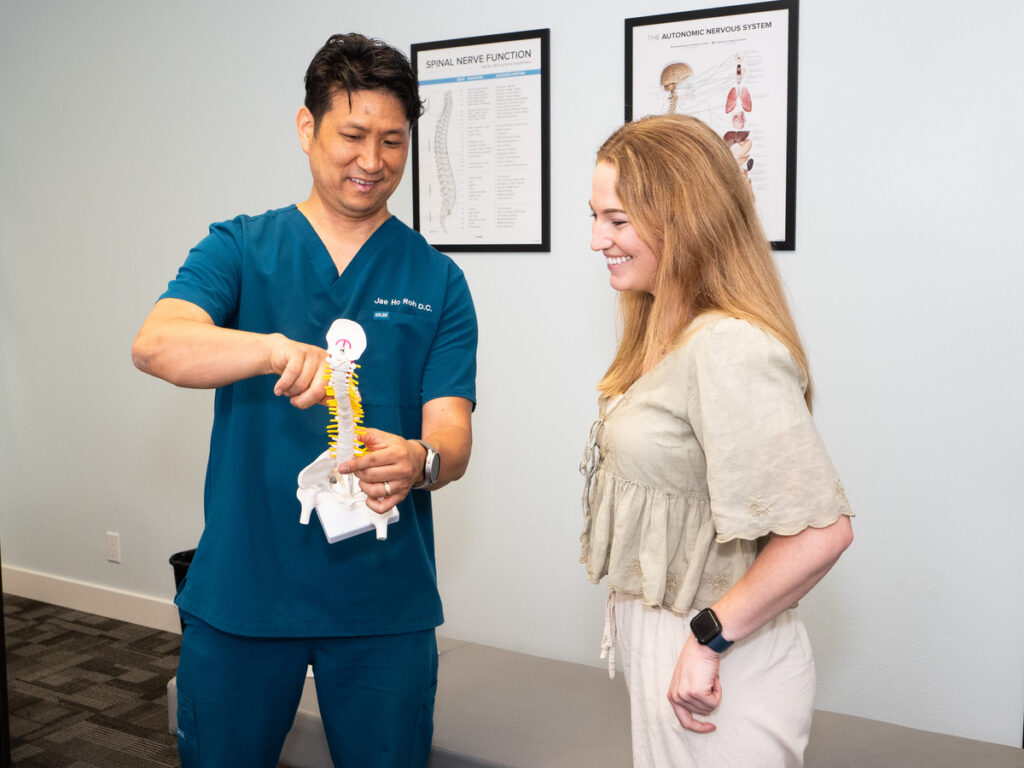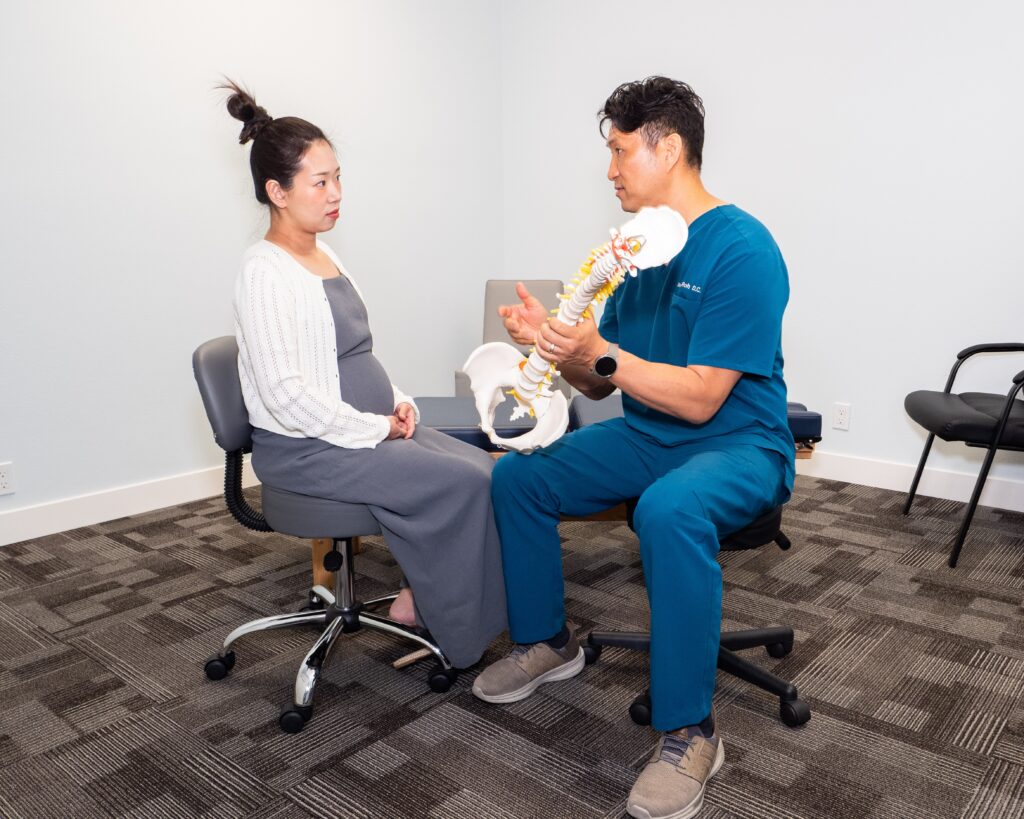

If you’re experiencing back pain, I want you to know that you’re not alone in this journey. Many individuals seek natural methods to alleviate their discomfort right from the comfort of their homes. As a local chiropractor, I believe that simple adjustments and targeted exercises can significantly enhance your overall comfort.
Incorporating gentle stretching and mindful practices into your daily routine can be incredibly beneficial. These approaches not only help to relieve pain but also promote overall spinal health. If you’re curious about which natural methods might be the most effective for you, let’s explore some strategies together that can help ease your back pain in a holistic way. Remember, understanding your body and how to care for it is a key step toward healing.
Gentle Stretching Exercises
As your local chiropractor, I want to emphasize the importance of incorporating gentle stretching exercises into your daily routine. These exercises aren’t only beneficial for easing back pain but also for improving your overall flexibility. Stretching plays a crucial role in releasing tension from your muscles and increasing blood flow, which promotes healing in the body.
To get started, I recommend simple stretches like the cat-cow pose. This exercise involves alternating between arching and rounding your back, which gently mobilizes your spine and helps alleviate stiffness. It’s a fantastic way to start your day or ease into a relaxing evening.
Another effective stretch is the seated forward bend. This particular stretch targets your lower back and hamstrings, encouraging relaxation. When performing this stretch, hold each position for 15 to 30 seconds while taking deep, calming breaths. This not only enhances the stretch’s effectiveness but also promotes a sense of well-being.
Don’t overlook the benefits of gentle side bends, as they stretch your oblique and intercostal muscles around your ribcage. It’s essential to listen to your body throughout these exercises. If you feel any discomfort during a stretch, please ease off and modify the position as needed.
Incorporating regular stretching into your routine can help you maintain a more flexible and pain-free back, allowing you to enjoy your daily activities without discomfort.
If you have any questions or need guidance on specific stretches, feel free to reach out. Remember, your health and comfort are my top priorities!
Strengthening Your Core
As a chiropractor, I want to emphasize the importance of strengthening your core not just for alleviating back pain, but for enhancing your overall stability and well-being.
A robust core plays a crucial role in supporting your spine, which can significantly reduce strain on your back muscles. The good news is that you don’t need expensive equipment to achieve this; simple exercises can yield remarkable benefits.
Begin with planks—try to hold a straight position for 20 to 30 seconds, and as you get stronger, gradually increase the duration. Side planks are also beneficial as they specifically target your obliques and provide essential support to your core.
Additionally, bridges are a fantastic exercise that engages your glutes and lower back, promoting better posture and alignment.
To see the best results, aim to incorporate these exercises into your routine three to four times a week. As you strengthen your core, you’ll likely notice improved balance and a reduction in discomfort.
It’s vital to listen to your body and adjust the exercises as necessary; avoiding any movements that worsen your pain is key. With consistent practice, you’ll build a stronger foundation that not only helps in alleviating current back issues but also prevents future problems.
Utilizing Heat Therapy
As a chiropractor, I often recommend heat therapy as a natural and effective approach to alleviating back pain. When you apply warmth to the affected area, it helps enhance blood circulation, relax tight muscles, and reduce stiffness, providing you with some much-needed relief.
There are various ways to incorporate heat therapy into your routine. You can use heating pads, hot water bottles, or even warm towels. It’s important to ensure that the heat is comfortable and not too intense to avoid any burns.
To get the most benefit, find a comfortable position and apply your chosen heat source for about 15 to 20 minutes. This can be repeated several times a day, particularly after activities that might trigger your discomfort.
If you’re looking for a more relaxing option, soaking in a warm bath with Epsom salts can be quite soothing as well.
Always pay attention to how your body responds; if you notice that heat worsens your pain, it’s best to discontinue use and consult with a healthcare professional.
Cold Therapy for Inflammation
As your local chiropractor, I want to help you understand the importance of cold therapy in managing inflammation and promoting healing. While many are familiar with heat therapy for soothing muscles, cold therapy plays a crucial role in addressing inflammation and swelling, which can lead to discomfort and hinder your recovery.
When you apply cold treatments, you can effectively numb the affected area, reduce blood flow, and alleviate pain. Here are some practical ways to incorporate cold therapy into your home care routine:
- Ice Packs: You can easily create an ice pack by wrapping ice in a towel or using a store-bought ice pack. Apply it to the inflamed area for about 15-20 minutes to help reduce swelling and pain.
- Cold Compresses: A simple cold compress can be made by soaking a cloth in cold water, wringing it out, and placing it on the affected area. This method can provide immediate relief and is easy to do at home.
- Frozen Vegetables: If you don’t have an ice pack handy, a bag of frozen peas or corn can be a great alternative. These flexible bags can mold to your body and offer targeted relief.
- Cold Baths: For more widespread inflammation, soaking in cool water can help soothe multiple areas at once and promote overall recovery.
By incorporating these cold therapy techniques into your routine, you can effectively manage inflammation and support your healing process.
If you have any questions or need further guidance, don’t hesitate to reach out to our office for personalized advice. Your well-being is our priority!
Maintaining Proper Posture
As a local chiropractor, I want to stress the importance of maintaining proper posture to help prevent and alleviate back pain. It’s crucial to be aware of how you sit, stand, and move during your daily activities.
When you sit, aim to keep your feet flat on the floor and your back straight against the chair. If you need extra support, don’t hesitate to use a cushion for your lower back.
While standing, make sure to distribute your weight evenly across both legs, aligning your ears, shoulders, and hips. This alignment is vital as it helps to minimize strain on your spine, which can lead to discomfort over time.
When lifting objects, be mindful of your technique. Bend at your knees rather than your waist, and keep the object close to your body. Avoid twisting your torso; instead, pivot your feet to turn.
If you catch yourself slouching, take a moment to straighten up. Regular reminders can make a significant difference in your posture throughout the day.
Incorporating stretches into your routine can also enhance your flexibility and support your posture. By being conscious of your body mechanics, you can significantly lower your risk of developing back pain in the long run.
If you have any questions or need personalized advice, feel free to reach out during your next visit!
Ergonomic Adjustments at Home
As a local chiropractor, I want to emphasize the importance of making ergonomic adjustments in your home environment to alleviate back pain and promote overall wellness.
By optimizing your workspace, selecting supportive furniture, and ensuring your screen height is appropriate, you can create a more comfortable setup that encourages proper posture.
These adjustments aren’t just minor tweaks; they’re essential steps in preventing strain and discomfort.
By taking the time to make these changes, you can significantly enhance your body’s natural healing processes and reduce the risk of chronic pain.
Optimize Your Workspace
As a local chiropractor, I want to emphasize the importance of creating an ergonomic workspace at home. Many of my patients experience back pain, and often, small changes in your environment can make a significant difference.
Here are some recommendations to help you optimize your setup for greater comfort and to support your spinal health:
- Monitor Height: Ensure your monitor is at eye level. This simple adjustment can prevent neck strain and promote better posture while you work.
- Chair Position: Your chair should be adjusted so that your feet rest flat on the floor or on a footrest. This helps to maintain the natural curve of your spine and reduces pressure on your back.
- Keyboard and Mouse: Keep your keyboard and mouse within easy reach. This will prevent you from having to stretch too far and allows your elbows to remain at a 90-degree angle, reducing strain on your shoulders and wrists.
- Breaks: Don’t forget to take regular breaks to stretch and move around. This is crucial for alleviating stiffness and tension that can build up during long periods of sitting.
By implementing these simple changes, you can significantly enhance your work experience and help minimize back pain.
Choose Supportive Furniture
As a local chiropractor, I want to emphasize the importance of choosing supportive furniture to maintain your spinal health at home.
Selecting the right chair is crucial; look for one that provides proper lumbar support to help you maintain good posture while sitting. A desk that allows your elbows to rest comfortably at a 90-degree angle can also make a significant difference in reducing strain on your back.
When it comes to sleeping, investing in a quality mattress is essential. It should offer adequate support for your back, aligning with your body’s natural curves to promote restful sleep.
Additionally, using cushions or lumbar rolls can provide extra support if you find yourself sitting for extended periods.
Don’t overlook your dining chairs either; they should encourage good posture to help prevent discomfort during meals.
By making thoughtful choices about the furniture you use, you can create a more comfortable environment that not only reduces your risk of back pain but also enhances your overall well-being.
Adjust Screen Height
As a chiropractor, I often emphasize the importance of proper furniture choices to support your overall well-being, especially when it comes to your screen height.
Adjusting your screen correctly can significantly reduce strain on your neck and back, which is crucial for maintaining a healthy posture. Here are some tips to ensure your screen is positioned appropriately:
- Aim to have the top of your monitor at or just below eye level. This helps keep your neck in a neutral position.
- Position your screen about an arm’s length away from where you sit. This distance reduces eye strain and allows for a more comfortable viewing experience.
- Tilt your screen slightly backward to minimize glare, which can cause you to lean forward and strain your back.
- If your screen isn’t at the right height, don’t hesitate to use a stand or riser to achieve the ideal positioning.
Mindfulness and Relaxation Techniques
As a local chiropractor, I want to share how mindfulness and relaxation techniques can significantly help in alleviating back pain. Many of my patients find that incorporating breathing exercises into their daily routine helps them release tension and improve their overall comfort.
Additionally, guided meditation can enhance mental clarity and foster a sense of peace, which is vital for healing.
These practices not only ease your physical discomfort but also contribute to your overall sense of well-being. By focusing on the connection between your mind and body, you can create an environment that promotes healing and supports the chiropractic adjustments we work on together.
I’m here to help you explore these natural healing methods as part of your journey toward better health.
Breathing Exercises Benefits
As a local chiropractor, I often see patients struggling with back pain, and I want to share how incorporating breathing exercises into your daily routine can provide significant relief.
These exercises not only promote mindfulness and relaxation but also help you become more aware of your body, which is crucial in managing pain effectively. Here are some of the key benefits of breathing exercises that I encourage my patients to consider:
- Reduces stress: A calm mind can lead to a decrease in physical discomfort, making it easier to cope with pain.
- Enhances oxygen flow: Improved circulation through focused breathing can facilitate muscle recovery, which is essential for healing.
- Promotes better posture: Mindful breathing helps you become more aware of your body alignment, encouraging healthier posture habits.
- Improves emotional well-being: By connecting your breath with relaxation techniques, you can elevate your mood and overall emotional state.
I recommend setting aside just a few minutes each day to practice these breathing exercises.
Many of my patients find that not only do they experience relief from back pain, but their overall well-being also improves significantly.
Embracing natural healing methods like these can complement chiropractic care and contribute to a healthier lifestyle.
Guided Meditation Practices
As a local chiropractor, I often encourage my patients to explore natural ways to alleviate back pain, and guided meditation practices can play a key role in this process. These practices are excellent for cultivating mindfulness and relaxation, which are essential for managing discomfort.
When you focus your mind, you can effectively reduce the stress and tension that often contribute to pain in the back. To get started, find a quiet space where you can be undisturbed, and select a guided meditation that resonates with you.
These sessions typically incorporate deep breathing, visualization, and body awareness techniques. During the practice, you’ll gently direct your attention to areas of tension in your back, allowing for a natural release and encouraging relaxation.
With consistent practice, you develop a heightened awareness of your body, which can lead to better posture and a reduction in pain over time. Just dedicating a few minutes each day to guided meditation can significantly enhance your ability to manage your back pain.
This holistic approach complements chiropractic care and empowers you to take an active role in your healing journey.
Herbal Remedies and Natural Supplements
As a local chiropractor, I want to share some valuable insights on how you can find relief from back pain by incorporating herbal remedies and natural supplements into your daily routine. Many of my patients have found that these natural options can significantly reduce inflammation, ease muscle tension, and promote overall wellness.
Here are a few effective remedies I often recommend:
- Turmeric: This powerful spice contains curcumin, which is well-known for its anti-inflammatory properties. Adding turmeric to your meals or taking it in supplement form can provide considerable benefits.
- Ginger: Another natural anti-inflammatory, ginger can help alleviate pain and reduce inflammation. You can include it in your diet by drinking ginger tea or adding fresh ginger to your dishes.
- Magnesium: This essential mineral supports muscle function and may help relieve tension in your back. Foods rich in magnesium, such as leafy greens, nuts, and seeds, can be a great addition to your diet.
- Devil’s Claw: This herb has been traditionally used for pain relief, particularly for joint and muscle discomfort. It’s worth considering if you’re looking for additional support.
Before introducing any new supplements into your routine, I always recommend consulting with a healthcare professional.
By integrating these natural solutions alongside chiropractic care, you can take proactive steps toward managing your back pain and enhancing your comfort at home.